Ancient Games That Evolved Into Modern Sports
The roar of the crowd. The thrill of competition. The chase for glory.
These things aren’t new. Long before we had giant stadiums, million-dollar contracts, and slow-motion replays, people were already obsessed with games of strength, speed, and strategy.
From Greece to China to ancient Egypt, humans have always loved proving themselves through play. What’s wild is how many of today’s favorite sports actually started thousands of years ago — shaped by rituals, war training, and the simple desire to win.
Here’s a look at ancient games that gradually transformed into the modern sports we know and love today.
Running

The stadium race — a sprint of about 200 yards — kicked off the ancient Olympic Games around 776 BCE. For the Greeks, running wasn’t just sport; it was preparation for battle. That’s partly why it became the foundation of athletic competition.
Fast forward a few thousand years, and we’ve traded sand tracks and bare feet for spiked shoes and stopwatches. But the spirit remains the same — line up, take off, and see who’s fastest.
Wrestling

Wrestling might be the oldest sport humans ever practiced. Cave drawings from 15,000 years ago show fighters grappling, and Sumerian tablets around 3000 BCE record early matches. The Greeks later refined it into an art form focused on throws and pins, while Egyptian tombs show moves that wouldn’t look out of place in a modern gym.
Today’s freestyle and Greco-Roman wrestling follow the same simple principle: use strength and technique to put your opponent on the ground — and keep them there.
Boxing

Boxing goes way back — all the way to ancient Sumer, around 3000 BCE. The Greeks added rules and made it an Olympic sport in 688 BCE, though their version was brutal. No gloves, no rounds, and no referee to save you mid-fight. Fighters wrapped their hands in leather and kept swinging until someone quit or couldn’t stand.
Thankfully, modern boxing swapped that chaos for time limits, weight classes, and referees. Still, it’s the same timeless test — one person’s fists and willpower against another’s.
Javelin Throw

The javelin was a weapon before it was made into a sport. Spear throwing helped soldiers develop their accuracy and distance skills, which they carried over into competition. Later, the Greeks included it in their pentathlon.
Today, Olympic athletes still hurl long spears across fields, though their javelins are metal and aerodynamically designed. The idea hasn’t changed much: who can throw the farthest?
Discus Throw

The discus throw, one of the most photographed Olympic events, was first used around 708 BCE. Greek sculptures showed athletes in the middle of a spin, their muscles clenched, ready to throw a nine-pound stone or bronze disc.
Despite lighter discs and safer arenas, discus throwers today still employ the same spin technique. The harmony between unadulterated power and precise timing has not changed.
Long Jump

The long jump was interestingly modified by the ancient Greeks, who used weights called halteres to increase their momentum as they leaped. It tested leg strength and battlefield coordination in a combination of a military exercise and an athletic competition.
The goal is the same for today’s jumpers—sprint, leap, and defy gravity for a few glorious seconds—but they forego the hand weights.
Pentathlon

Running, long jumping, discus, javelin, and wrestling were the five events that made up the pentathlon, which was held in 708 BCE to determine the most complete athlete. It was designed to imitate the abilities of the ideal warrior.
By adding fencing, swimming, horseback riding, shooting, and running, the modern version reimagined that concept for the soldiers of the 19th century. The objective of demonstrating all-around excellence hasn’t changed with the times.
Pankration

It would have been pankration if the ancient Greeks had had UFC. This full-contact sport, which combined wrestling and boxing, permitted nearly anything except biting and eye-gouging. Until someone gave up, fighters could lock joints, punch, and choke.
With the addition of safety regulations, modern mixed martial arts took the same idea and made it a worldwide sensation. The ancient Greeks would undoubtedly be pleased and might even enter the cage themselves.
Cuju

During the Han Dynasty (c. 206 BCE), the Chinese were kicking a leather orb filled with feathers centuries before soccer fever swept the globe. Players in the cuju game had to launch the orb through a tiny pit in a net; hands were not permitted.
It started out as military instruction before becoming well-liked entertainment. The players were technically Messi and Ronaldo’s ancestors because FIFA now acknowledges cuju as the origin of football.
Archery
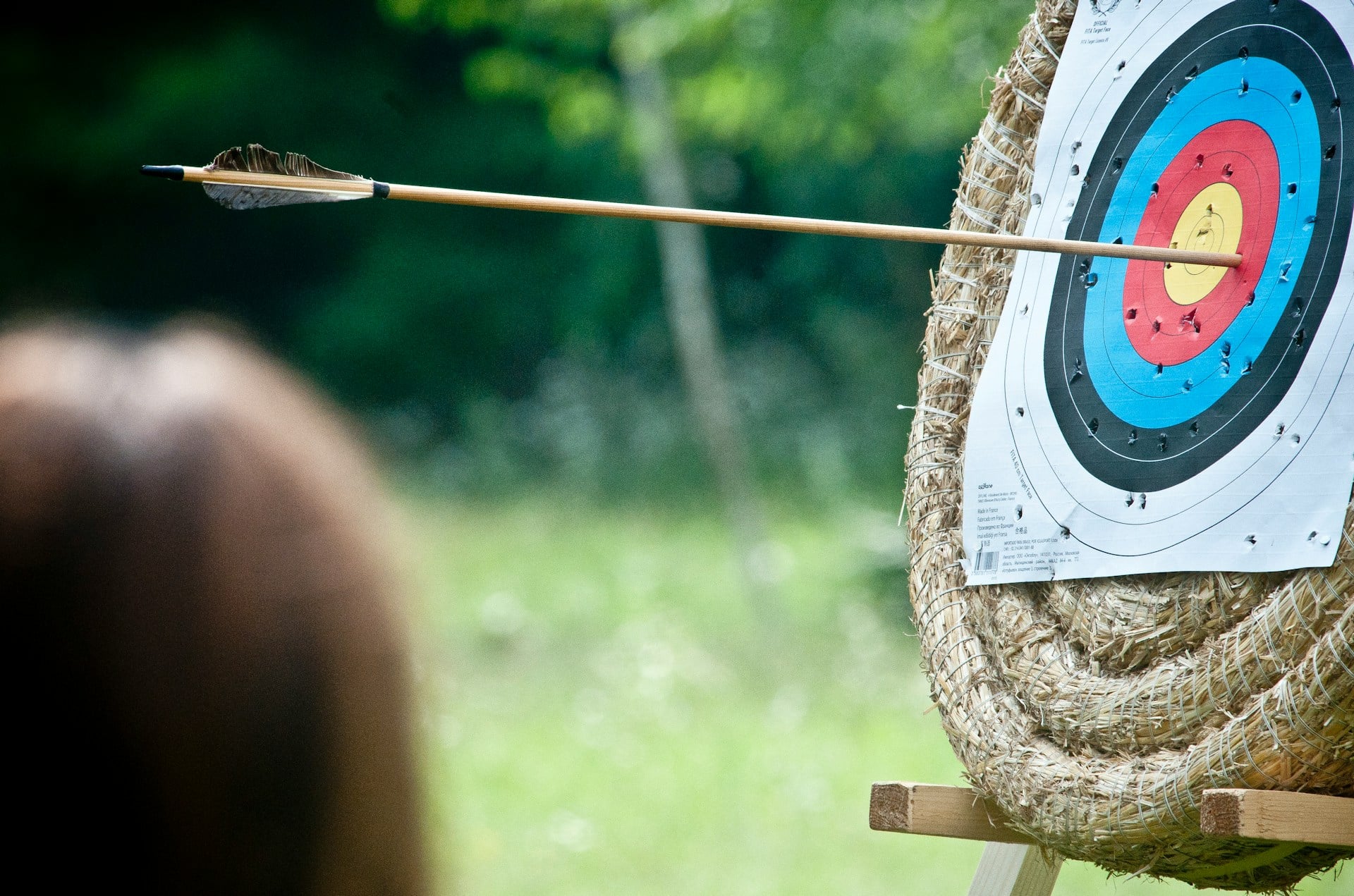
Focus and accuracy have always been key components of archery. As early as 3000 BCE, the ancient Egyptians used it for both hunting and combat. It took steady hands and calm nerves to hit a far-off target, just as it does now.
Even though carbon-fiber bows with sophisticated sights and stabilizers are used in modern archery, the sensation of a heartbeat before release hasn’t altered in thousands of years.
Swimming

For ancient Egyptians, swimming was both survival and recreation. The Greeks and Romans later built public baths where swimming became a mix of fitness and social life. Soldiers even trained in rivers for military readiness.
Today’s swimmers have lanes, goggles, and stopwatches, but the basic joy of cutting through water remains the same — a blend of rhythm, control, and determination.
Rowing

Rowing started out as a necessity — people moving boats up and down the Nile around 3000 BCE. By the time of the pharaohs, rowing competitions were already part of festivals.
The sport evolved into military training for Greeks and Romans, then into modern racing in 17th-century England. Today’s Olympic rowers use lightweight shells and carbon oars, but what matters most hasn’t changed: teamwork, timing, and power.
Chariot Racing
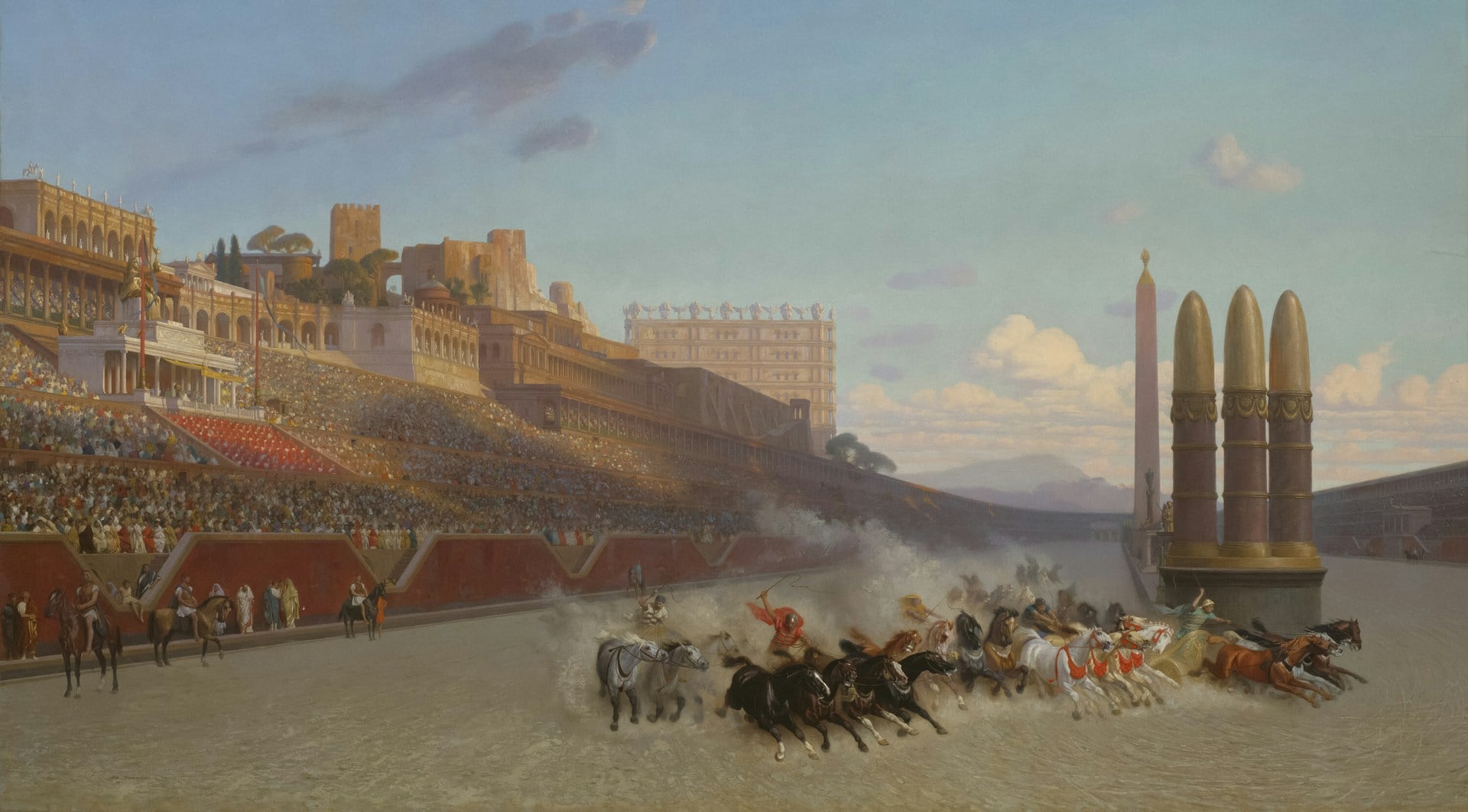
If you think Formula 1 is intense, ancient chariot racing was pure chaos. The Circus Maximus in Rome could seat 250,000 spectators — all screaming as teams of horses tore around the track. Crashes were frequent, and drivers were both adored and doomed in equal measure.
Today, we’ve swapped horses for engines, but the same adrenaline rush fuels every car race — speed, risk, and the crowd’s roar.
Gymnastics

The Greeks practiced gymnastics to stay battle-ready — and they did it unclothed. (The word gymnos literally means “unclothed.”) It combined strength, agility, and acrobatics long before balance beams or uneven bars existed.
Modern gymnastics evolved in the 1800s with formal events, but the goal stayed true: control your body, defy gravity, and make it look effortless.
Weightlifting

In ancient times, lifting heavy stones wasn’t a hobby — it was proof of strength and a training method for warriors. The Greek athlete Bybon famously lifted a 1,000-pound stone above his head in the 6th century BCE.
Today’s lifters face barbells instead of boulders, but the primal satisfaction of outlifting everyone else remains timeless.
Lacrosse
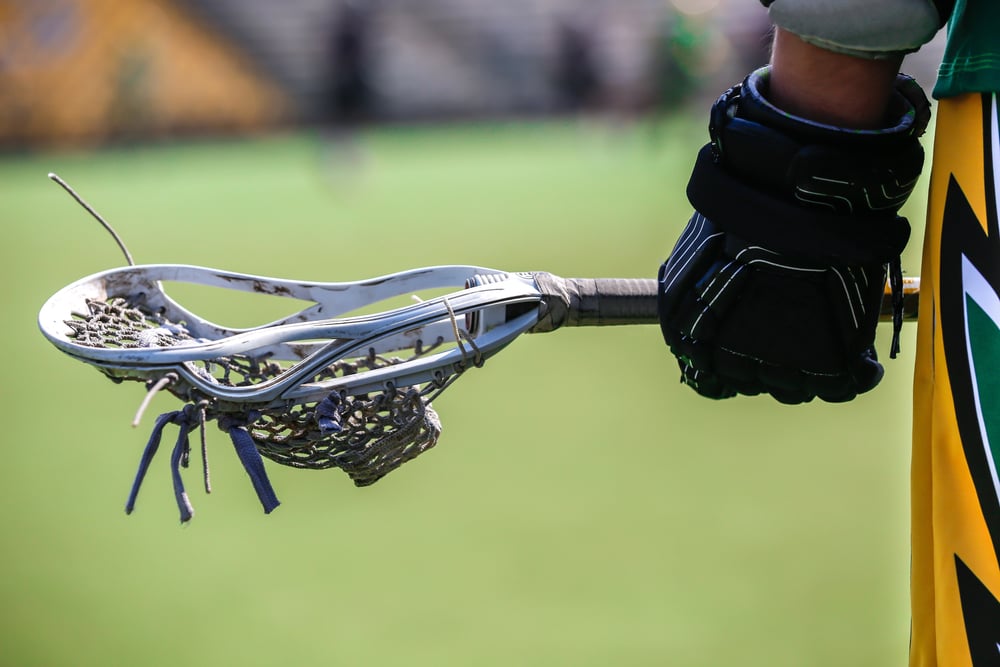
Long before Europeans arrived, Native American tribes played stickball — sometimes with hundreds of players across massive fields. These games settled disputes, honored the spirits, and lasted for days.
French colonists named it lacrosse, comparing the sticks to a bishop’s staff, and later turned it into a formal sport. Modern lacrosse still keeps that fierce team spirit alive — minus the spiritual ceremonies and multi-day marathons.
Polo

Persian cavalry invented polo around 600 BCE as training for combat on horseback. It spread through Asia and reached British officers in India, who fell in love with it and wrote down official rules.
Today, polo is still about teamwork, precision, and riding skill — though now it’s more about sport than survival (and usually involves millionaires on pristine lawns).
Field Hockey

Nearly 4,000 years ago, the ancient Egyptians played a form of field hockey in which they swung curved sticks at an orb in open fields. Persia, Ethiopia, and Greece all had similar games.
The concept of modern field hockey, which originated in 19th-century England, has remained constant: control a tiny orb with a curved stick, score goals, and outsmart your opponents.
From Ancient Arenas to Modern Stadiums

From the sandpits of Olympia to today’s digital scoreboards, the heart of sports hasn’t changed. It’s still about testing limits, chasing glory, and bringing people together to witness something extraordinary.
Those barefoot Greeks couldn’t imagine track spikes or instant replays, just like Roman charioteers couldn’t picture Formula 1 cars. But the look in an athlete’s eyes before a race — that mix of focus and fire — is exactly the same.
Thousands of years may have passed, but the love of the game is eternal.
More from Go2Tutors!

- The Romanov Crown Jewels and Their Tragic Fate
- 13 Historical Mysteries That Science Still Can’t Solve
- Famous Hoaxes That Fooled the World for Years
- 15 Child Stars with Tragic Adult Lives
- 16 Famous Jewelry Pieces in History
Like Go2Tutors’s content? Follow us on MSN.



