16 Images Of the Fastest Trains Around the World
High-speed trains have quietly revolutionized the way we perceive distance. Today, in many countries around the world, a trip that would take an entire day of driving or a short flight can be taken with ease on steel rails at speeds comparable to an aircraft taking off.
The fastest high-speed trains are not just high-tech machines designed to transport people from point A to point B; they are statements of ambition and pride. Let’s take a closer look at some of the fastest high-speed trains currently operational around the world.
Shanghai Maglev

China’s Shanghai Maglev holds the record for the fastest commercial train in regular operation, reaching speeds of 268 mph. Unlike conventional trains, it uses magnetic levitation technology, meaning the train floats above the guideway rather than rolling on wheels.
With no physical contact between train and track, friction is dramatically reduced. In images, the Shanghai Maglev often appears elevated on a sleek concrete track, gliding between Pudong International Airport and the city skyline.
Its streamlined white body looks almost futuristic, which makes sense given how different the experience feels. Acceleration is rapid and remarkably smooth, more like a controlled launch than a typical rail journey.
CR400 Fuxing

The CR400 Fuxing series operates at speeds up to 217 mph, making it one of the fastest conventional high-speed trains in the world. Developed domestically in China, it represents a milestone in the country’s rail independence and technological confidence.
Visually, the Fuxing’s aerodynamic nose stretches forward like a sharpened arrow. It serves major routes such as Beijing to Shanghai, shrinking travel times across hundreds of miles.
That scale matters, because China’s vast geography demands both speed and consistency to keep cities tightly connected.
TGV POS

France’s TGV network has long defined European high-speed rail. The TGV POS operates at 200 mph in commercial service and played a key role in setting world speed records for conventional trains during testing.
Its design emphasizes aerodynamic efficiency and articulated carriages for stability. Photographs typically show the TGV moving across open countryside at a pace that seems almost unreal against calm rural backdrops.
France’s investment in dedicated high-speed lines allowed these trains to reach sustained top speeds, setting a standard that many European nations later followed.
Shinkansen N700S

Japan’s Shinkansen system is synonymous with precision and punctuality. The N700S operates at speeds up to 186 mph and represents the latest evolution of the iconic bullet train.
Engineers refined its nose design to reduce air resistance and minimize pressure waves in tunnels. Images often highlight its smooth curvature and immaculate station platforms.
Japan’s rail culture places enormous emphasis on safety and reliability, with decades of operation and an extraordinary safety record. The N700S shows how continuous improvement, rather than radical redesign, can still produce meaningful gains.
ICE 3
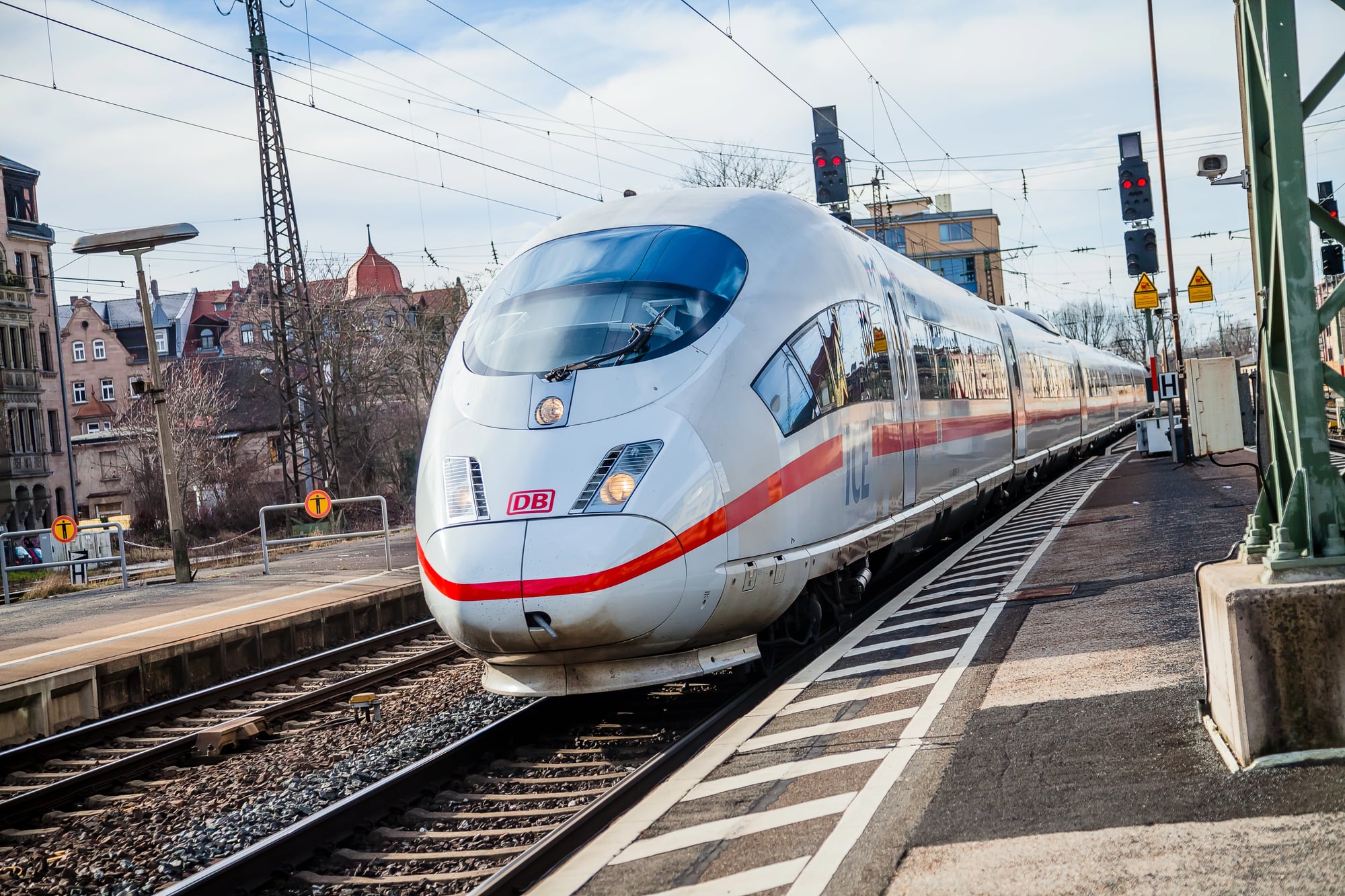
Germany’s ICE 3 reaches operational speeds of 205 mph on select routes. Unlike earlier high-speed models that relied on a single power car, the ICE 3 distributes traction equipment throughout the train.
This approach improves efficiency and maximizes passenger space. In images, the ICE 3’s clean white exterior with a bold red stripe reflects understated engineering confidence.
It connects major cities such as Frankfurt, Cologne, and Munich, reinforcing Germany’s central role in Europe’s transportation network.
Frecciarossa 1000
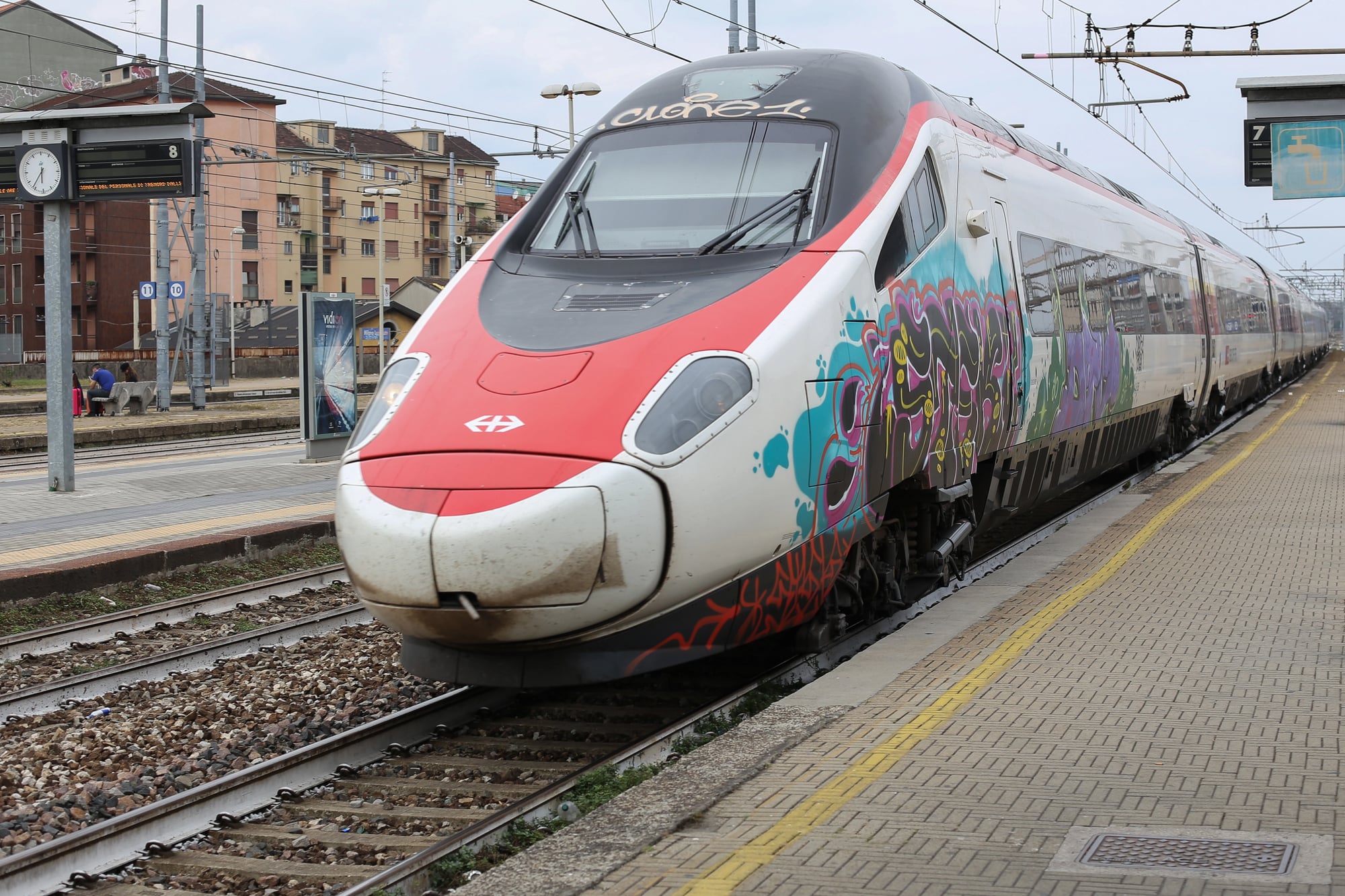
Italy’s Frecciarossa 1000 operates at speeds up to 186 mph and combines high performance with refined interior design. Built to meet strict European interoperability standards, it can operate across multiple countries, not just within Italy.
Visually, its sharp, angular nose and vivid red color give it a distinct identity. The train dramatically reduced travel times between cities like Rome and Milan, making rail competitive with short-haul flights.
It demonstrates how aesthetics and engineering can reinforce each other.
AVE Class 103
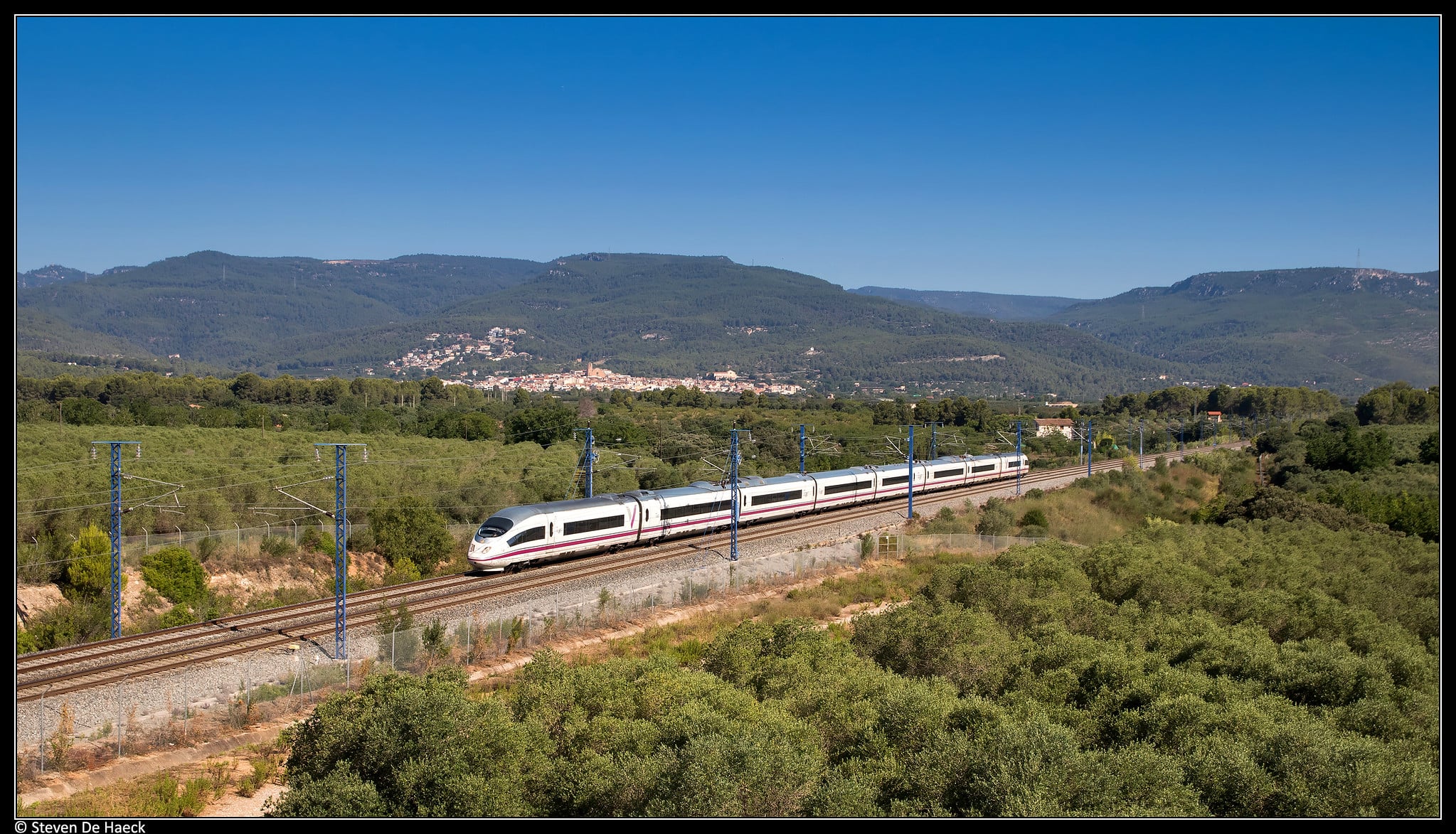
Spain’s AVE Class 103 operates at speeds of 193 mph and serves major routes including Madrid to Barcelona. Spain now has one of the longest high-speed rail networks in Europe, and the AVE played a central role in that expansion.
Photographs often show the train racing across dry, open landscapes. The contrast between still terrain and high-speed motion underscores how dramatically travel times have been reduced across hundreds of miles of countryside.
KTX-Sancheon

South Korea’s KTX-Sancheon reaches speeds of 190 mph and represents a domestically refined version of earlier high-speed models. It connects Seoul and Busan in just over two hours, transforming what was once a lengthy journey.
Its pointed nose and streamlined profile reflect a focus on aerodynamics and efficiency. South Korea’s investment in high-speed rail mirrors its broader emphasis on advanced technology and dense urban connectivity.
Al Boraq

Morocco’s Al Boraq operates at 200 mph, making it the fastest train on the African continent. Connecting Tangier and Casablanca, it significantly reduced travel time along one of the country’s busiest corridors.
Images typically show it gliding past modern stations that symbolize Morocco’s infrastructure ambitions. The project highlights how high-speed rail is expanding beyond its early strongholds in Europe and East Asia.
Haramain High-Speed Railway

Saudi Arabia’s Haramain High-Speed Railway reaches speeds of 186 mph, linking Mecca and Medina. Designed to accommodate large passenger volumes, especially during pilgrimage seasons, it operates in extreme desert conditions.
Photographs often show the train crossing vast stretches of arid terrain. Engineers had to account for intense heat and shifting sand, proving that high-speed rail can function even in challenging climates.
Eurostar E320

The Eurostar e320 operates at 200 mph and connects London with Paris, Brussels, and Amsterdam through the Channel Tunnel. Designed to meet multiple national rail standards, it reflects the complexity of cross-border travel.
Visually, it appears sleek and purposeful, often photographed arriving at historic stations such as St Pancras. The e320 underscores how high-speed rail can narrow the distance between countries, both geographically and economically.
THSR 700T
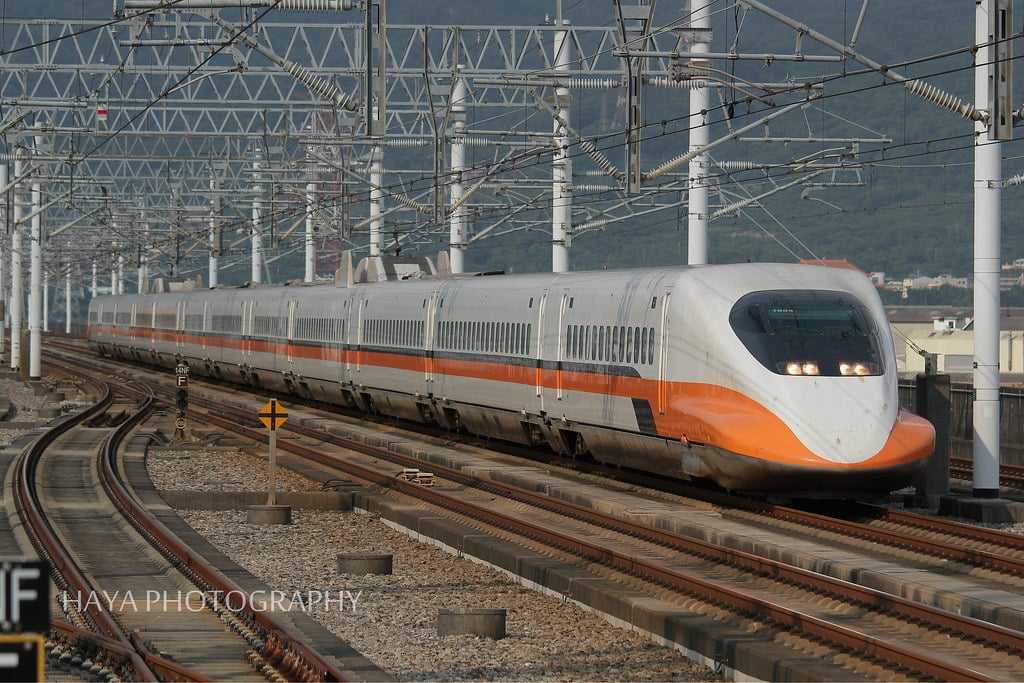
Taiwan’s THSR 700T operates at 186 mph along the island’s western corridor. Based on Japanese Shinkansen technology, it connects Taipei and Kaohsiung in under two hours.
Images often show its white body accented with orange detailing. Taiwan’s mountainous terrain required extensive tunneling and precise engineering, illustrating how geography directly shapes high-speed rail design.
ETR 500
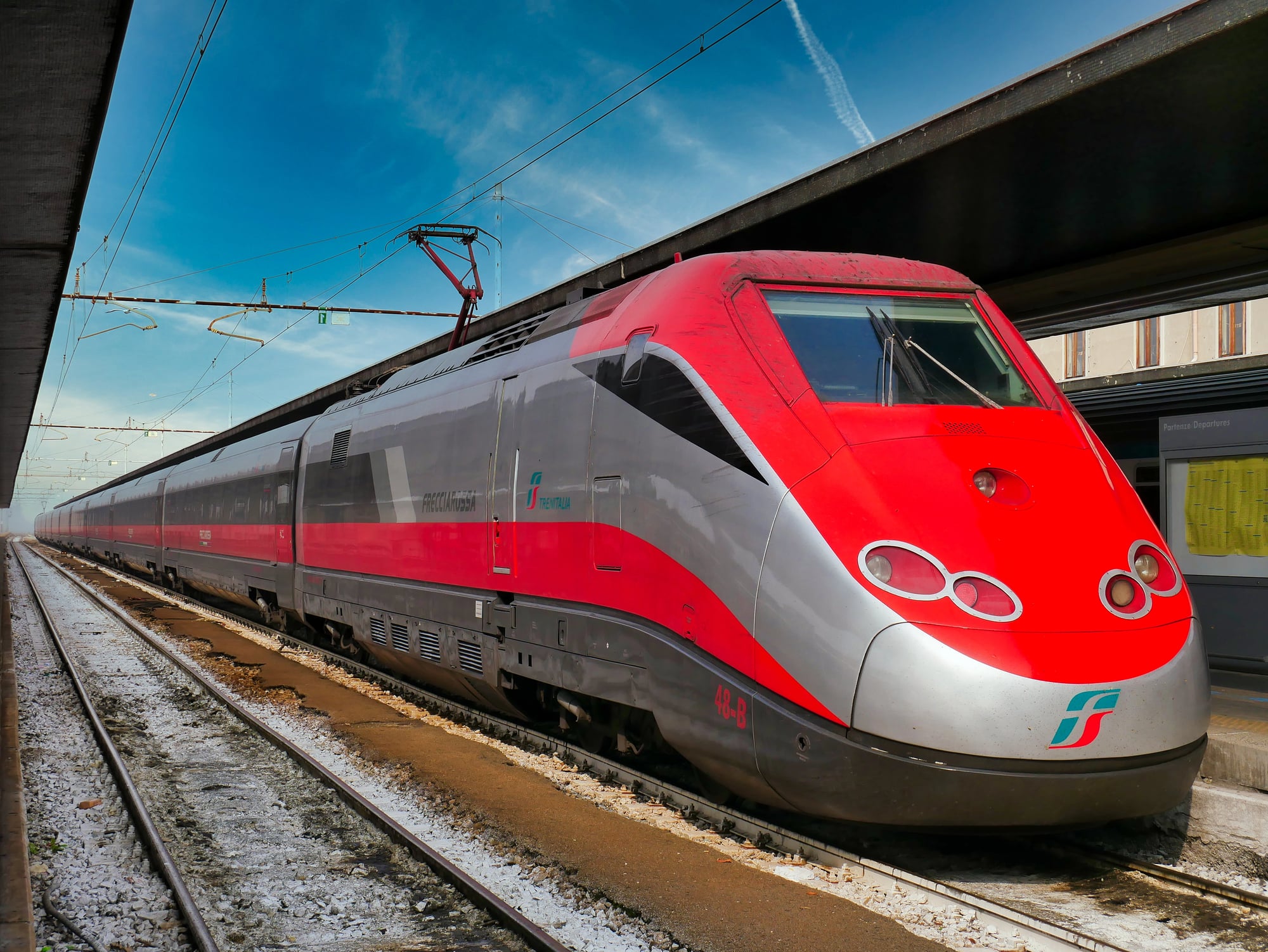
Italy’s ETR 500 reaches speeds of 186 mph and helped lay the foundation for the country’s modern high-speed network. Earlier generations of this train set performance benchmarks that later models refined.
Its profile appears sturdy and purposeful in photographs. The ETR 500 reflects a transitional era in European high-speed rail, when countries were pushing technological boundaries while building out dedicated infrastructure.
SNCF TGV Duplex
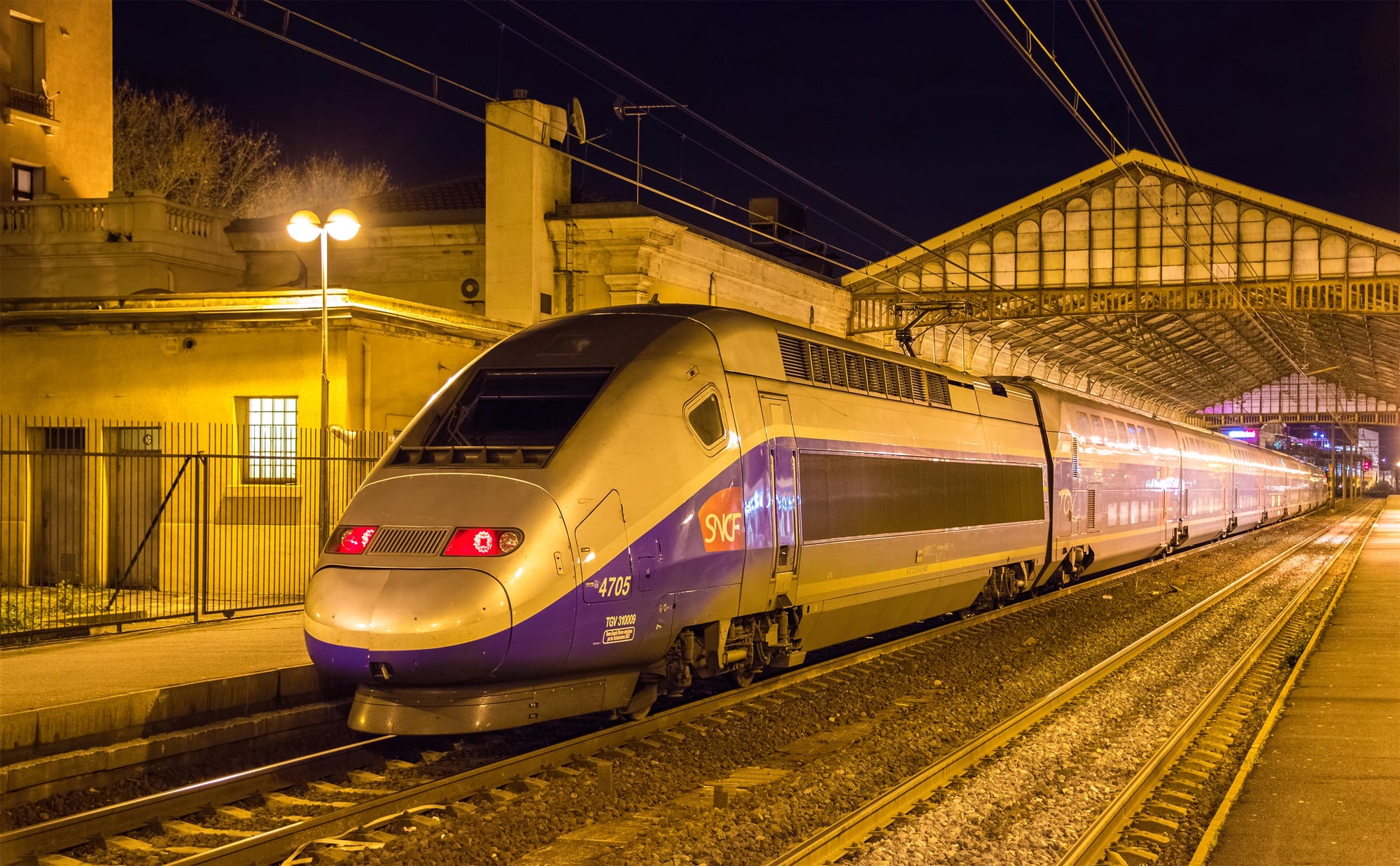
The TGV Duplex operates at 200 mph and features double-decker passenger cars. This design increases capacity without lengthening the train, a practical solution for heavily traveled routes.
In images, the taller profile remains surprisingly aerodynamic. The Duplex demonstrates how engineering can balance passenger demand and sustained high speeds without compromising performance.
JR East E5

Japan’s JR East E5 reaches 200 mph on the Tohoku Shinkansen line. Its elongated nose, often compared to a bird’s beak, reduces air resistance and noise in tunnels.
The distinctive green finish and sharp profile make it instantly recognizable. The E5 reflects Japan’s ongoing commitment to refining speed, efficiency, and environmental performance in high-density corridors.
AGV Italo
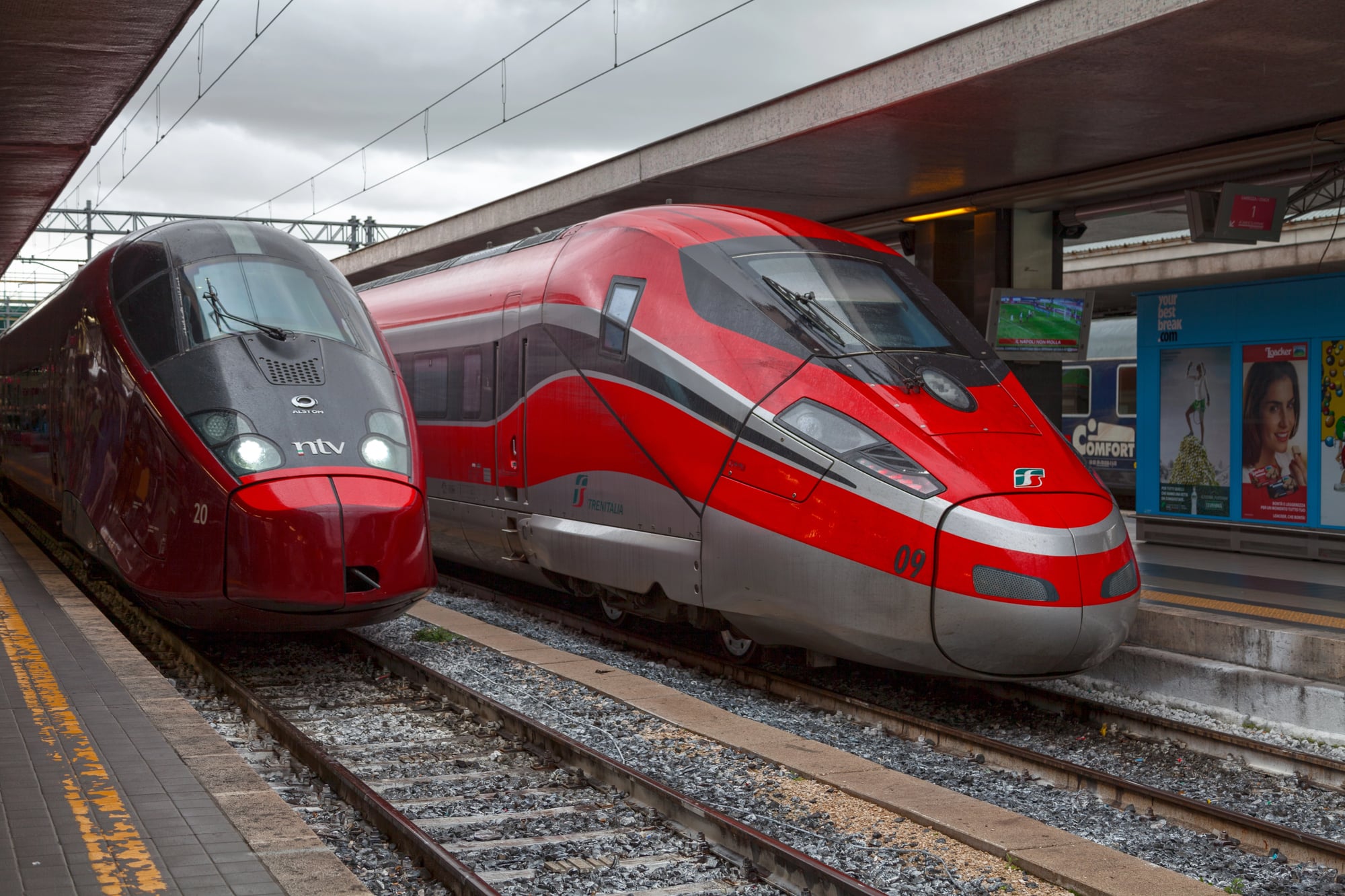
The AGV Italo operates at speeds up to 186 mph and represents a newer generation of distributed traction high-speed trains. Operated by a private company in Italy, it introduced competition into the national rail market.
Its sleek exterior and bold branding signal a modern approach to rail service. The AGV shows how innovation in high-speed transportation can emerge from both public and private sectors.
Speed On Steel In The Modern Age
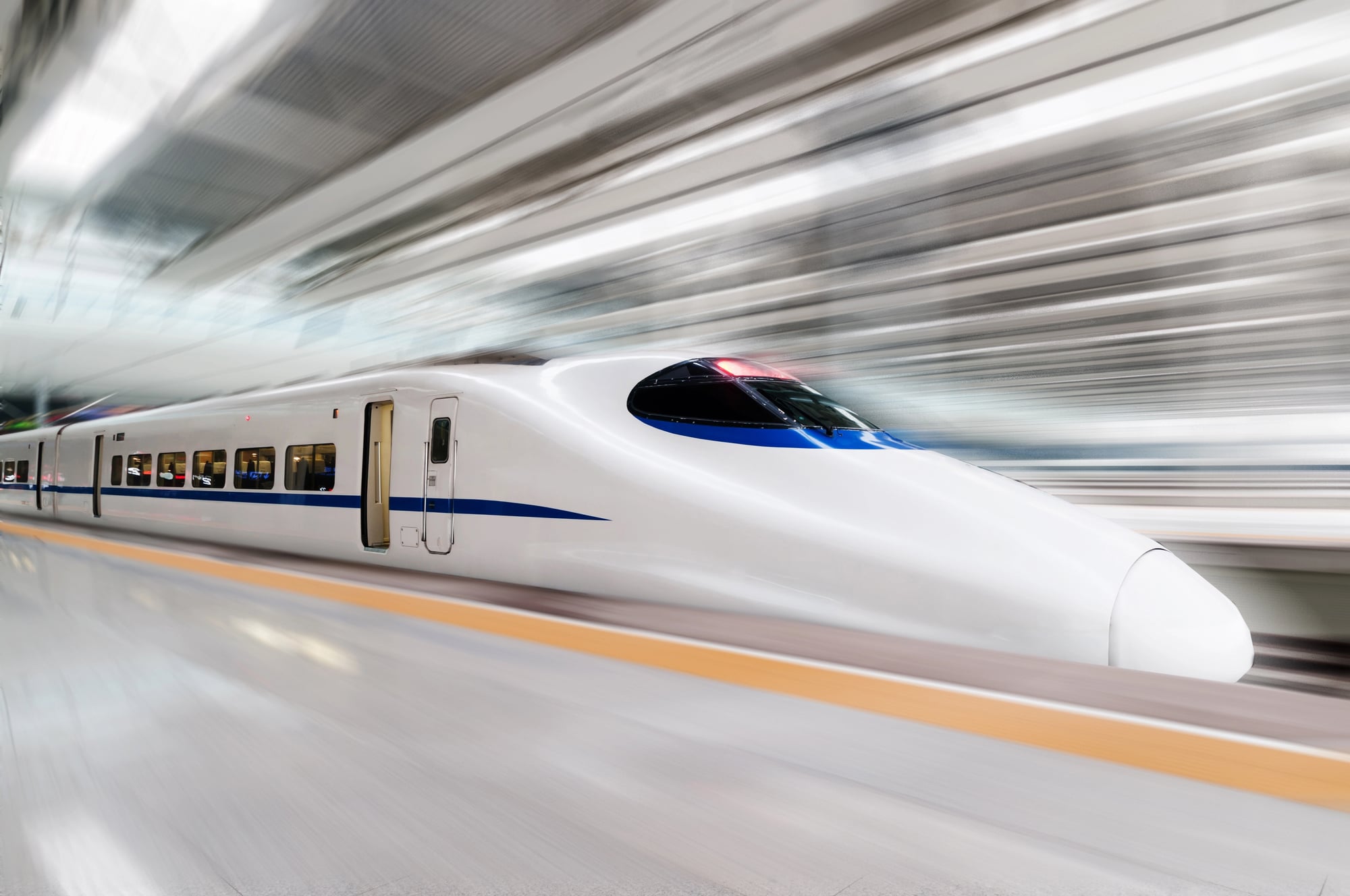
These high-speed trains, however, represent more than just the ability to break records. They represent decades of development, planning, and investment.
From magnetic levitation technology to double-decker passenger trains, each country is finding unique ways to utilize the technology to fit its geography and needs. Nowadays, each country is still looking to build and implement new technology to continue to push the boundaries of what is possible.
From an idea of what could be an integral part of society, high-speed trains have come a long way. They represent more than just the ability to transport people across great distances.
They represent the ability to bring people closer together, to make the world feel smaller as the distance between them shrinks to just a few hours.
More from Go2Tutors!

- The Romanov Crown Jewels and Their Tragic Fate
- 13 Historical Mysteries That Science Still Can’t Solve
- Famous Hoaxes That Fooled the World for Years
- 15 Child Stars with Tragic Adult Lives
- 16 Famous Jewelry Pieces in History
Like Go2Tutors’s content? Follow us on MSN.



