Surprising Facts About Holiday Mistletoe Folklore
A sprig of greenery hanging from the ceiling has become shorthand for holiday romance. People position themselves beneath it, waiting for the traditional kiss that’s supposed to follow.
But mistletoe’s history goes far deeper than this modern custom suggests. The plant has been sacred, medicinal, magical, and deadly across different cultures and centuries.
It’s Actually a Parasite

Mistletoe doesn’t grow in soil. It attaches itself to tree branches and sends root-like structures called haustoria into the host tree, stealing water and nutrients.
The plant photosynthesizes its own sugars but relies entirely on the host for everything else. Some species can eventually kill their host trees if left unchecked.
This parasitic nature made ancient peoples view mistletoe with a mixture of reverence and suspicion—a plant that lived between earth and sky, neither fully part of the tree nor separate from it.
Druids Harvested It with Golden Sickles

Ancient Celtic Druids considered mistletoe sacred, especially when it grew on oak trees. They harvested it during special ceremonies on the sixth night after the new moon.
According to Roman historian Pliny the Elder, Druids used golden sickles to cut the plant, catching it in white cloth before it touched the ground. Contact with earth supposedly destroyed its magical properties.
The ceremony included sacrificing two white bulls and preparing a potion believed to cure infertility and counteract poisons.
The Name Means Something Gross
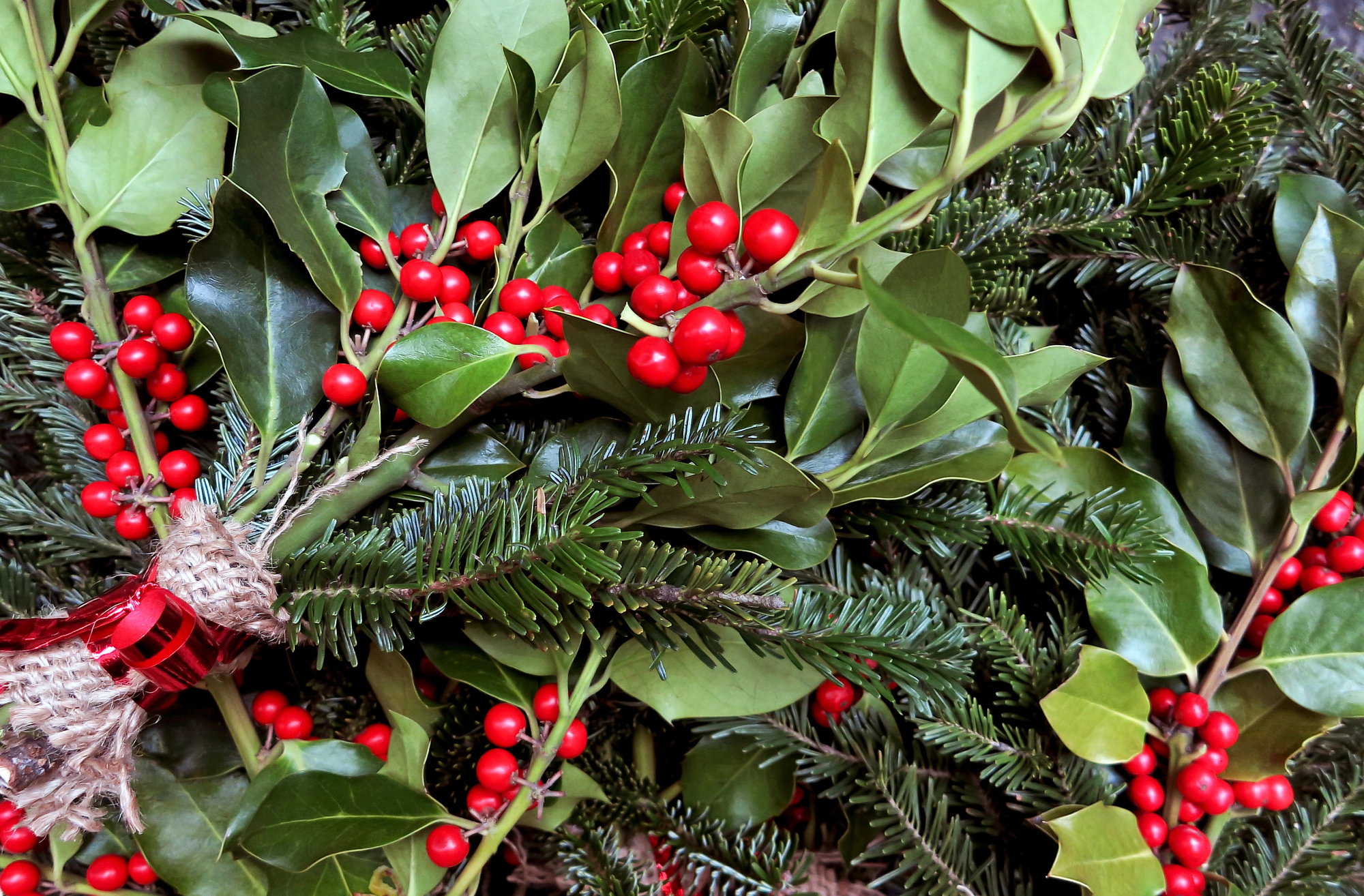
The word “mistletoe” comes from Anglo-Saxon words meaning “dung on a twig.” Birds eat mistletoe berries, and the seeds pass through their digestive systems intact.
When birds excrete on tree branches, the seeds stick to the bark and germinate. Ancient people noticed this pattern and named the plant accordingly.
Despite this unglamorous origin, mistletoe became associated with romance and fertility.
Norse Mythology Made It Deadly
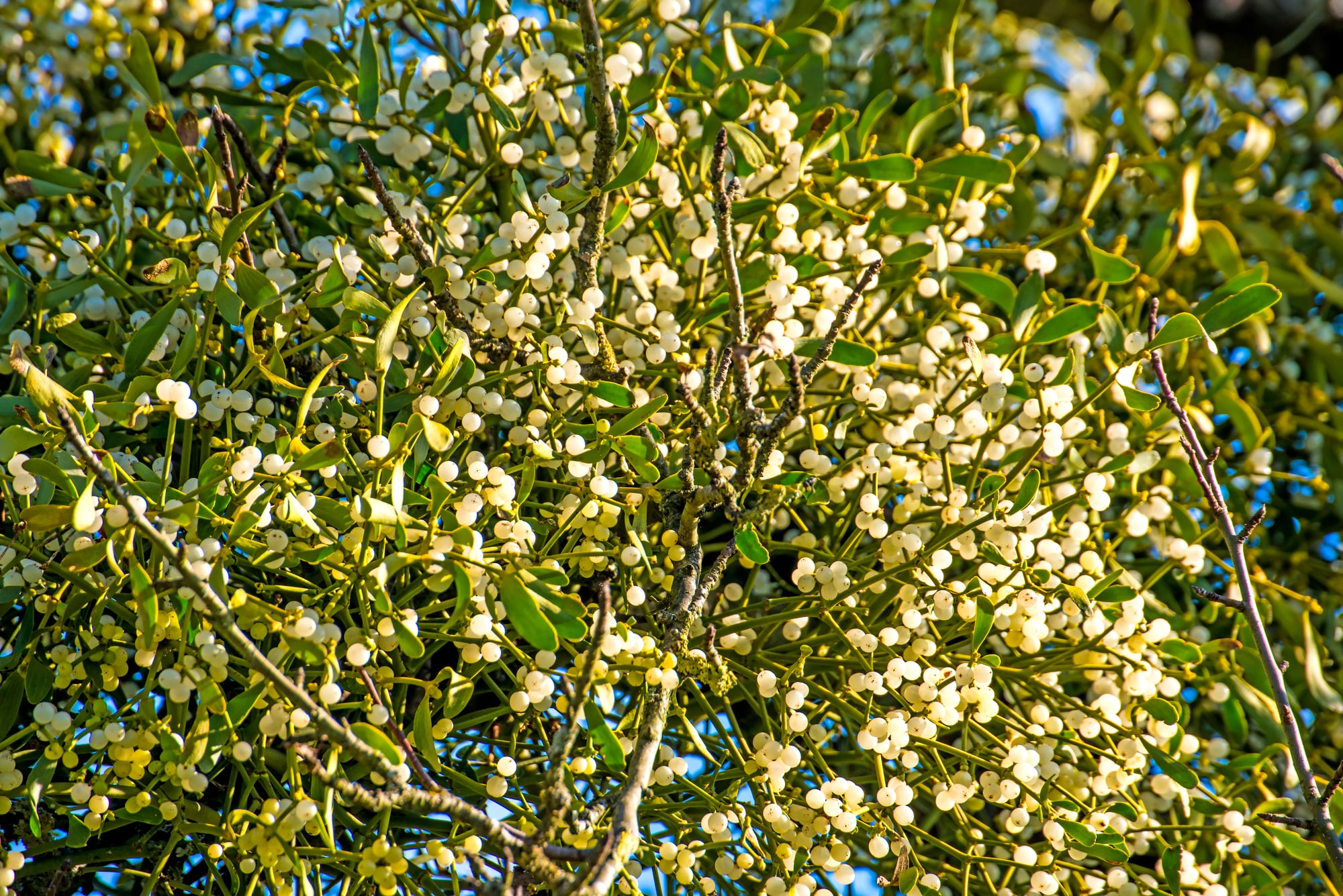
In Norse legend, the god Baldur died from a spear made of mistletoe. His mother, Frigg, had made every plant, animal, and object on earth promise not to harm him—except mistletoe, which seemed too small and harmless to bother with.
Loki discovered this oversight and tricked Baldur’s blind brother into throwing a mistletoe spear at him. The plant went from overlooked to infamous in a single story.
Some versions claim Frigg later declared mistletoe a symbol of love, decreeing that anyone who passes beneath it must receive a kiss.
Victorian Kissing Had Specific Rules

The Victorian kissing tradition came with elaborate etiquette. A man could only kiss a woman under the mistletoe if he plucked one berry from the spring first.
Once all the berries were gone, no more kissing was allowed. Women could refuse the kiss, but doing so meant they wouldn’t marry within the next year—a genuine social concern in that era.
Some households kept careful count of berries to control how much kissing happened under their roofs.
It Was Used as a Fertility Treatment
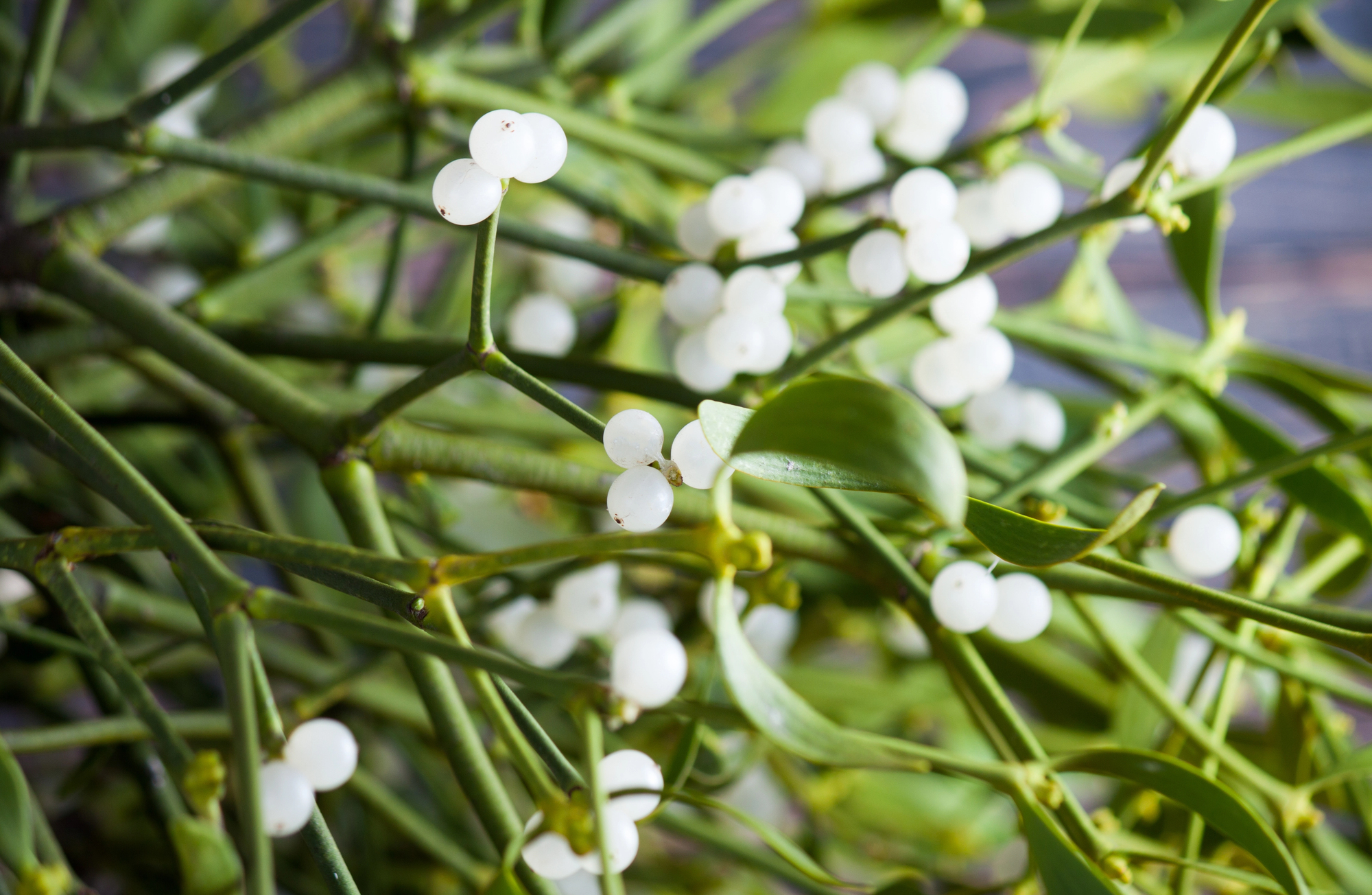
For centuries, herbalists prescribed mistletoe preparations to women having difficulty conceiving. The plant’s ability to grow where it shouldn’t—in treetops without soil—made it seem magically potent.
Its evergreen nature in winter, when other plants died, added to its reputation. People believed that consuming mistletoe tea or wearing it as an amulet could promote fertility.
Modern science found no evidence supporting these claims, but the tradition persisted into the early 20th century.
The Berries Are Actually Poisonous
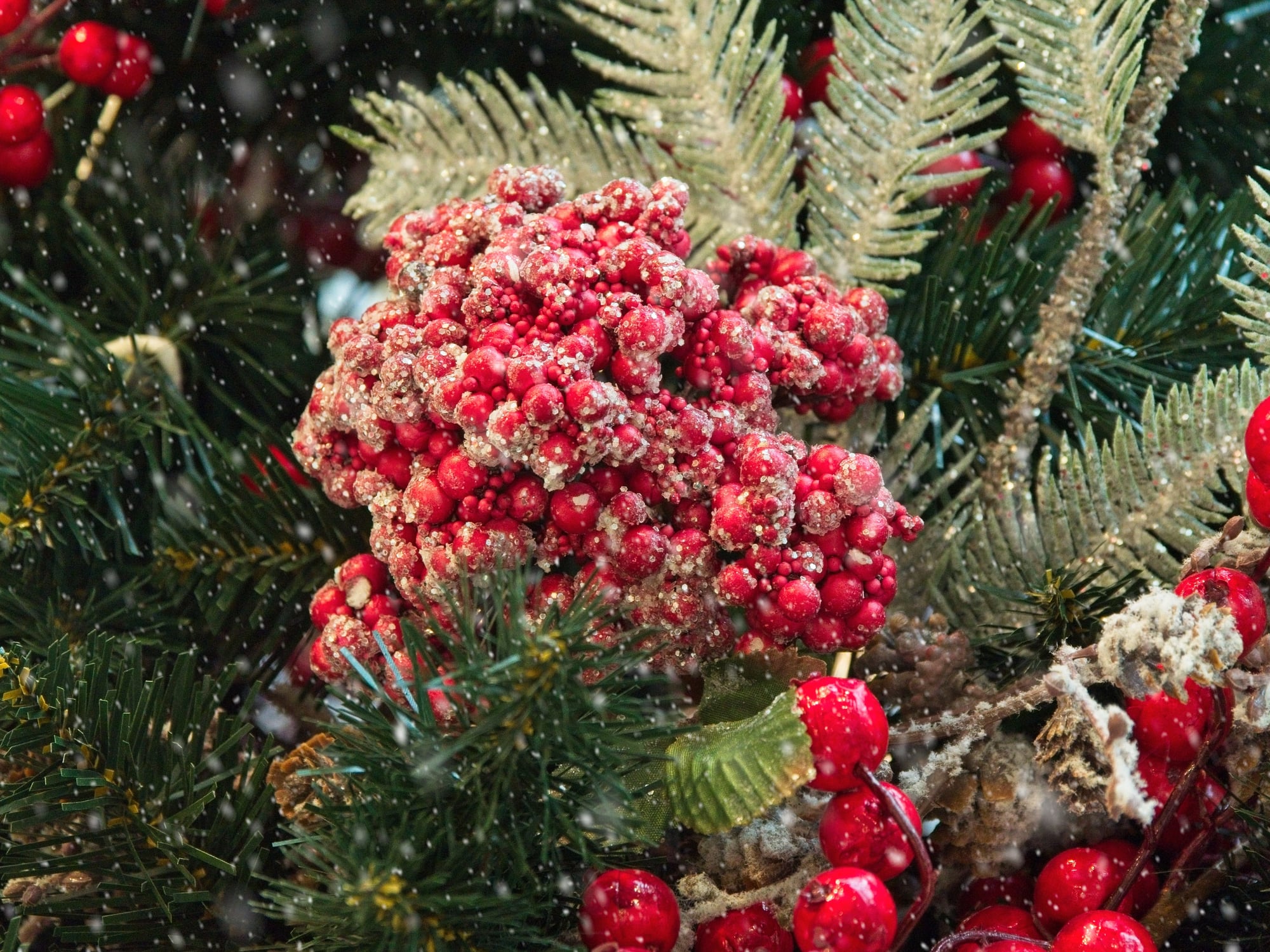
Mistletoe berries contain viscotoxins and other compounds that can cause vomiting, diarrhea, and in severe cases, seizures and cardiac arrest. Eating a few berries probably won’t kill you, but it will make you miserable.
Children and pets are especially vulnerable. The irony of a plant symbolizing love and life being poisonous isn’t lost on modern botanists.
Those white berries that look so festive can send you to the hospital if you’re careless or curious enough to taste them.
Different Species Have Different Properties
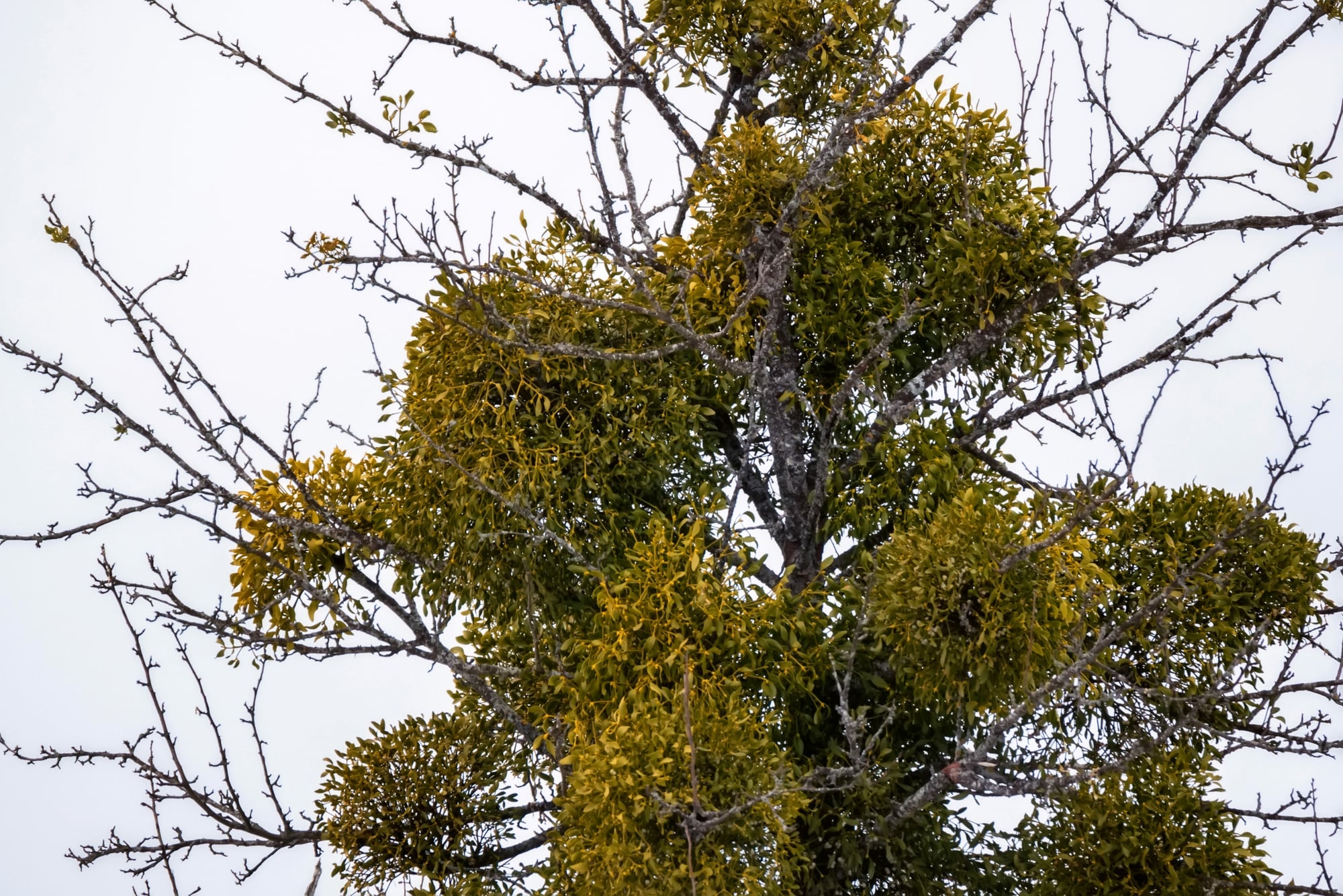
European mistletoe and American mistletoe are completely different plants. European mistletoe grows on deciduous trees like oaks and apple trees.
American mistletoe prefers hardwoods and can grow much larger, sometimes forming massive clusters that look like giant bird nests in bare winter trees. The chemical compounds differ between species, which matters because European mistletoe has been studied more extensively for potential medical applications.
It Played a Role in Ancient Medicine
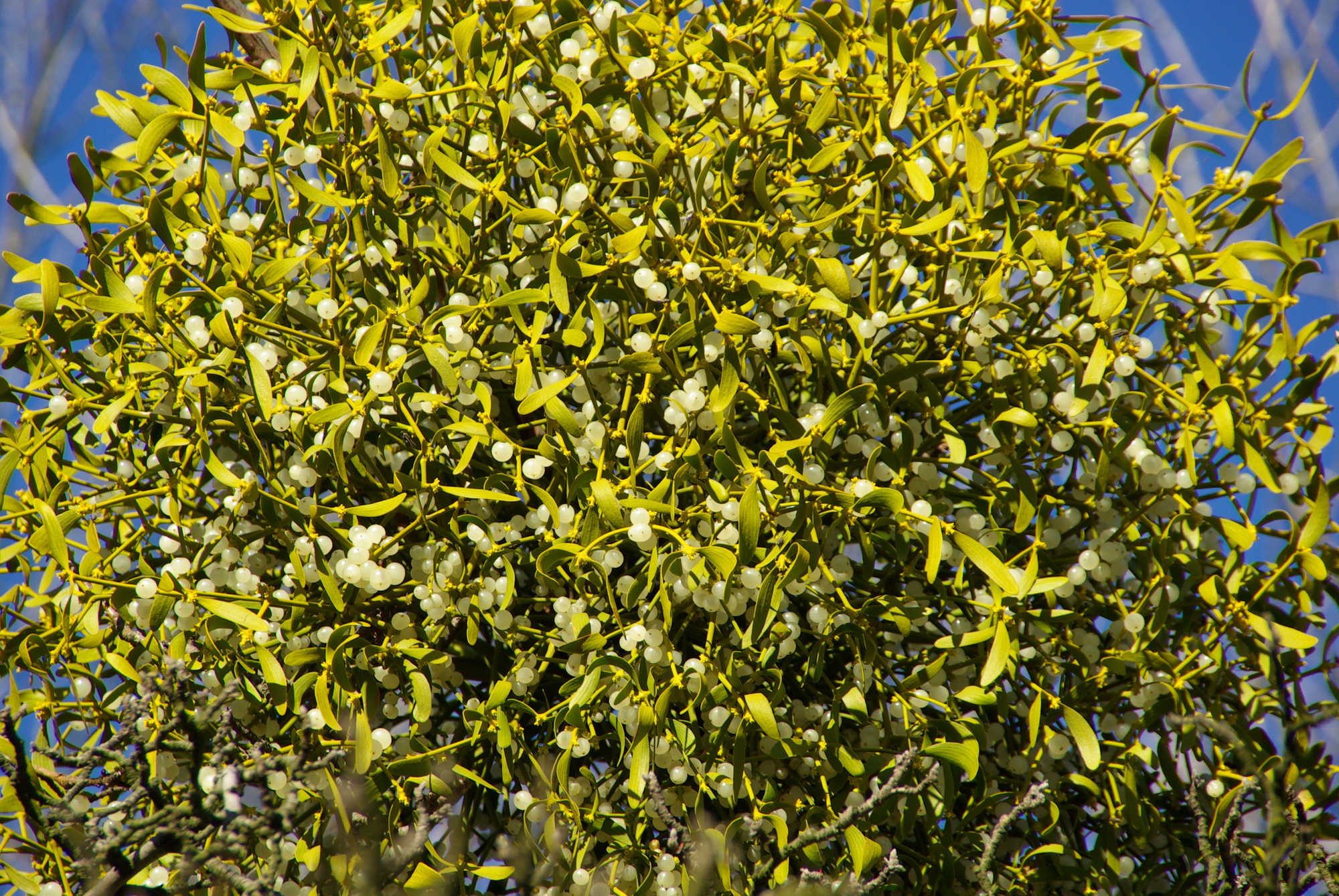
Greek physicians prescribed mistletoe for epilepsy, hysteria, and various other conditions. Medieval herbalists continued these practices, adding new uses based on the doctrine of signatures—the belief that a plant’s appearance indicates its medicinal purpose.
Because mistletoe grew on trees without roots in earth, it was thought to help with conditions affecting the head and nervous system. Some of these uses survived into modern times, particularly in European alternative medicine.
Modern Medicine Found Something Interesting
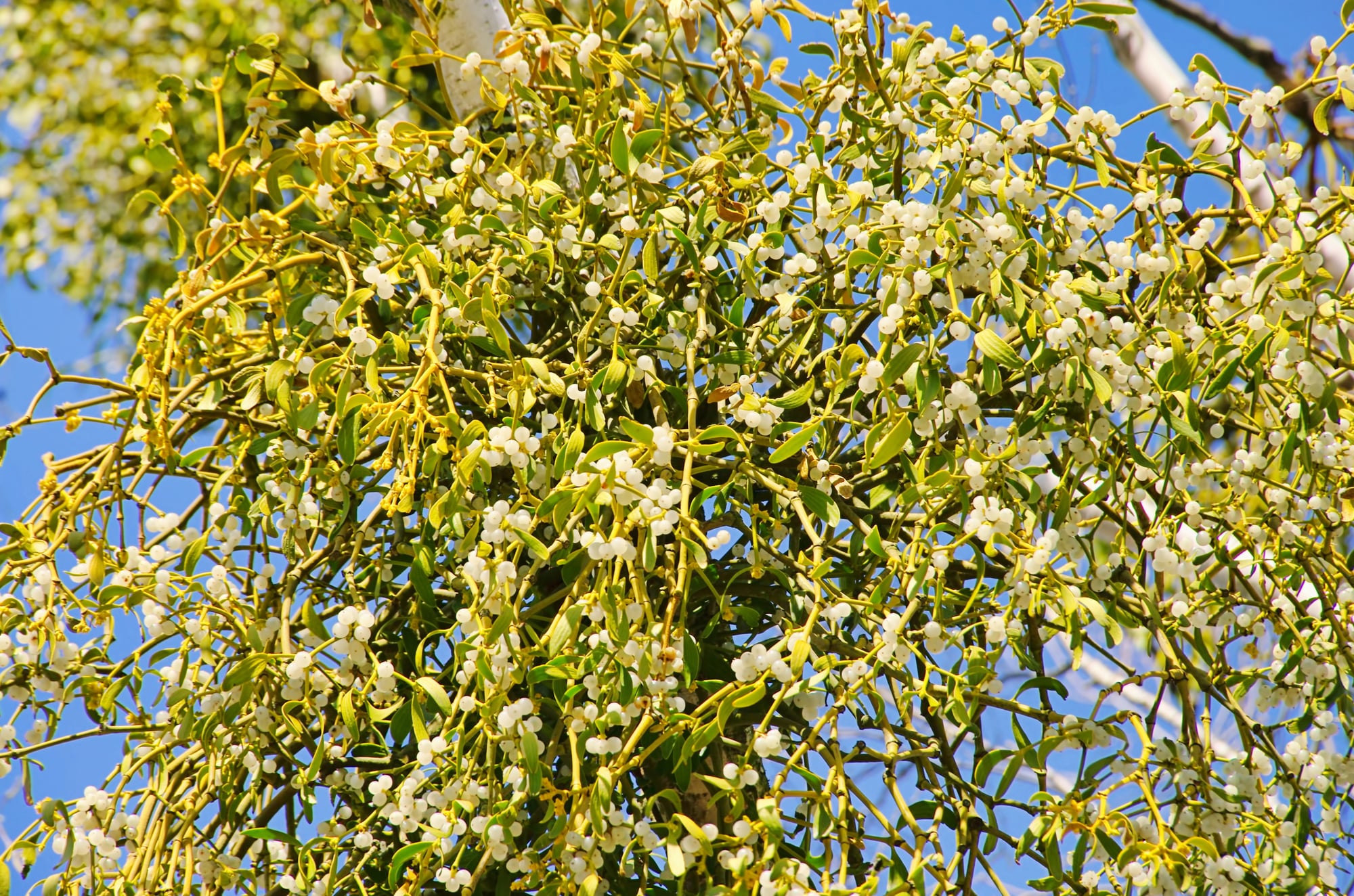
Recent research has investigated mistletoe extracts as potential cancer treatments. European mistletoe produces compounds that show some promise in laboratory studies, though clinical results remain mixed.
Several European countries approve mistletoe preparations as complementary cancer therapies, while American medical authorities remain skeptical. The plant that once symbolized magic and mystery now sits in research laboratories, being tested with the same scrutiny as any other potential drug.
Some Trees Benefit from Mistletoe
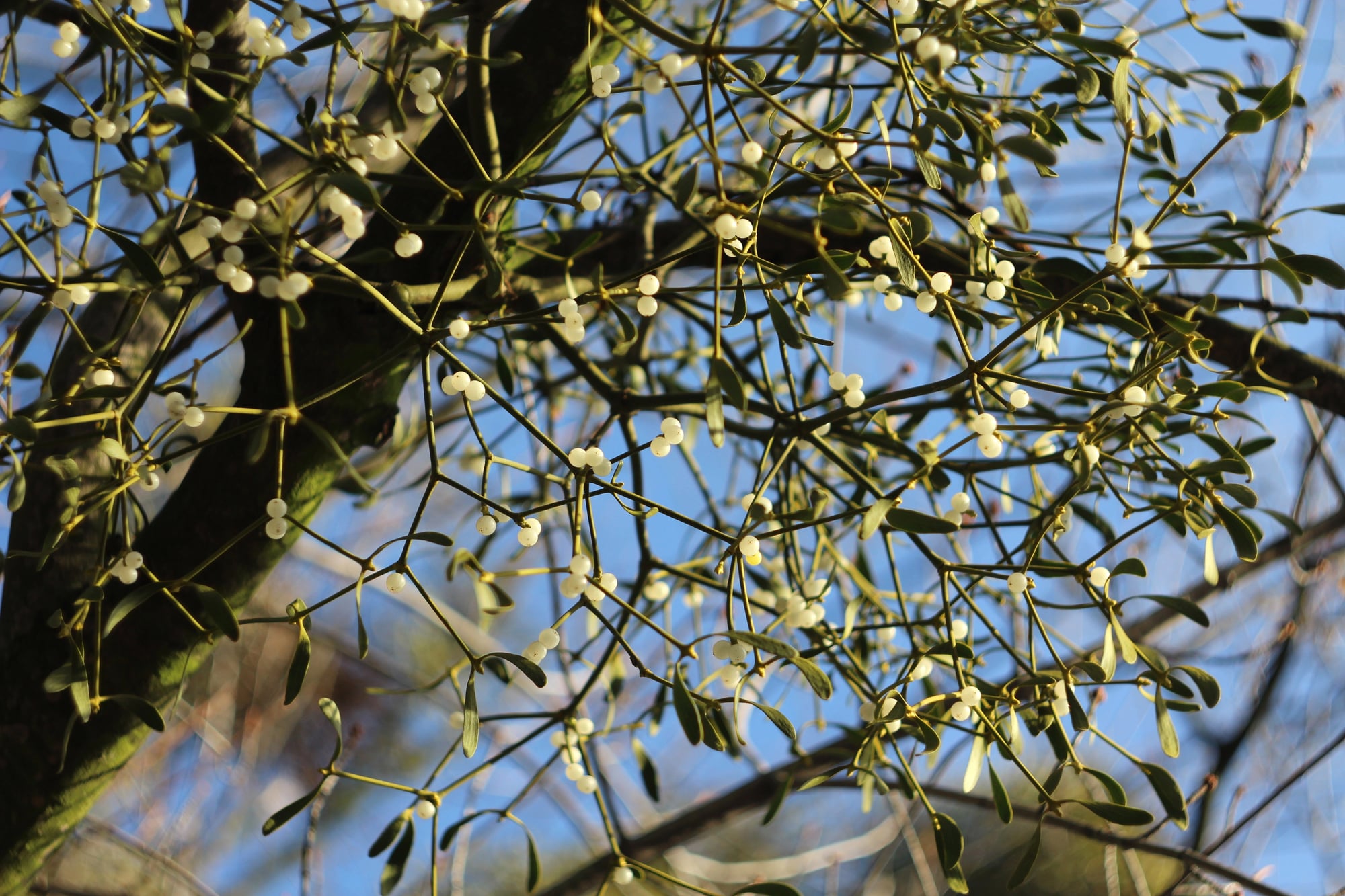
Despite being parasites, mistletoe plants provide benefits to forest ecosystems. The dense clumps offer nesting sites for birds and shelter for small mammals.
The berries feed wildlife during winter when other food sources are scarce. Some studies suggest that forests with moderate mistletoe infestations support more biodiversity than forests without it.
The relationship between parasite and host turned out to be more complex than early botanists assumed.
Austria Banned It for Years
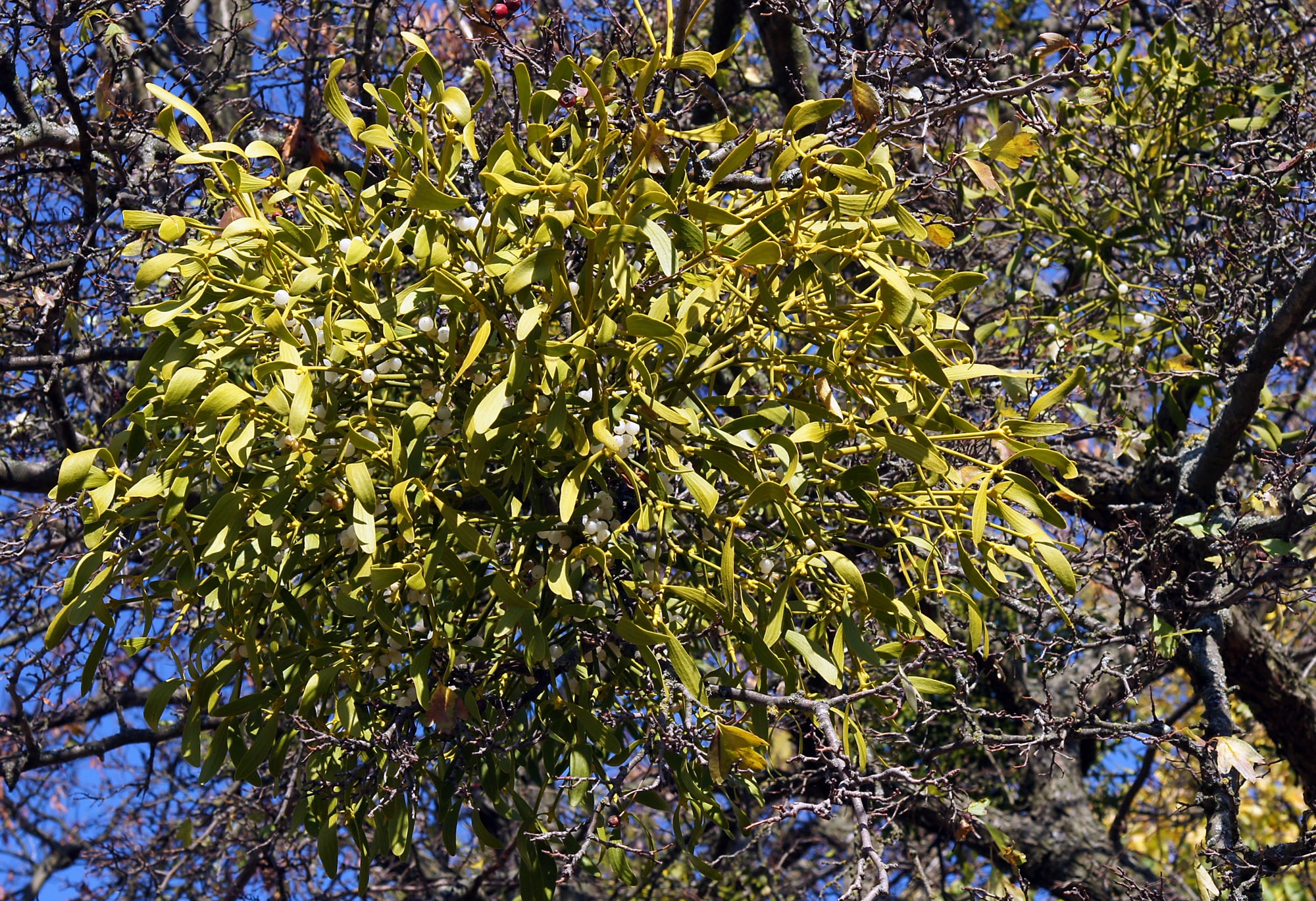
Austrian authorities prohibited mistletoe harvesting in the 19th century, concerned about people damaging valuable timber trees while climbing to collect the plant. The ban proved difficult to enforce because people wanted mistletoe for Christmas decorations and traditional medicine.
Eventually, authorities gave up and lifted the restrictions, accepting that mistletoe collection was too ingrained in local culture to eliminate.
It Features in Christmas Banned in England
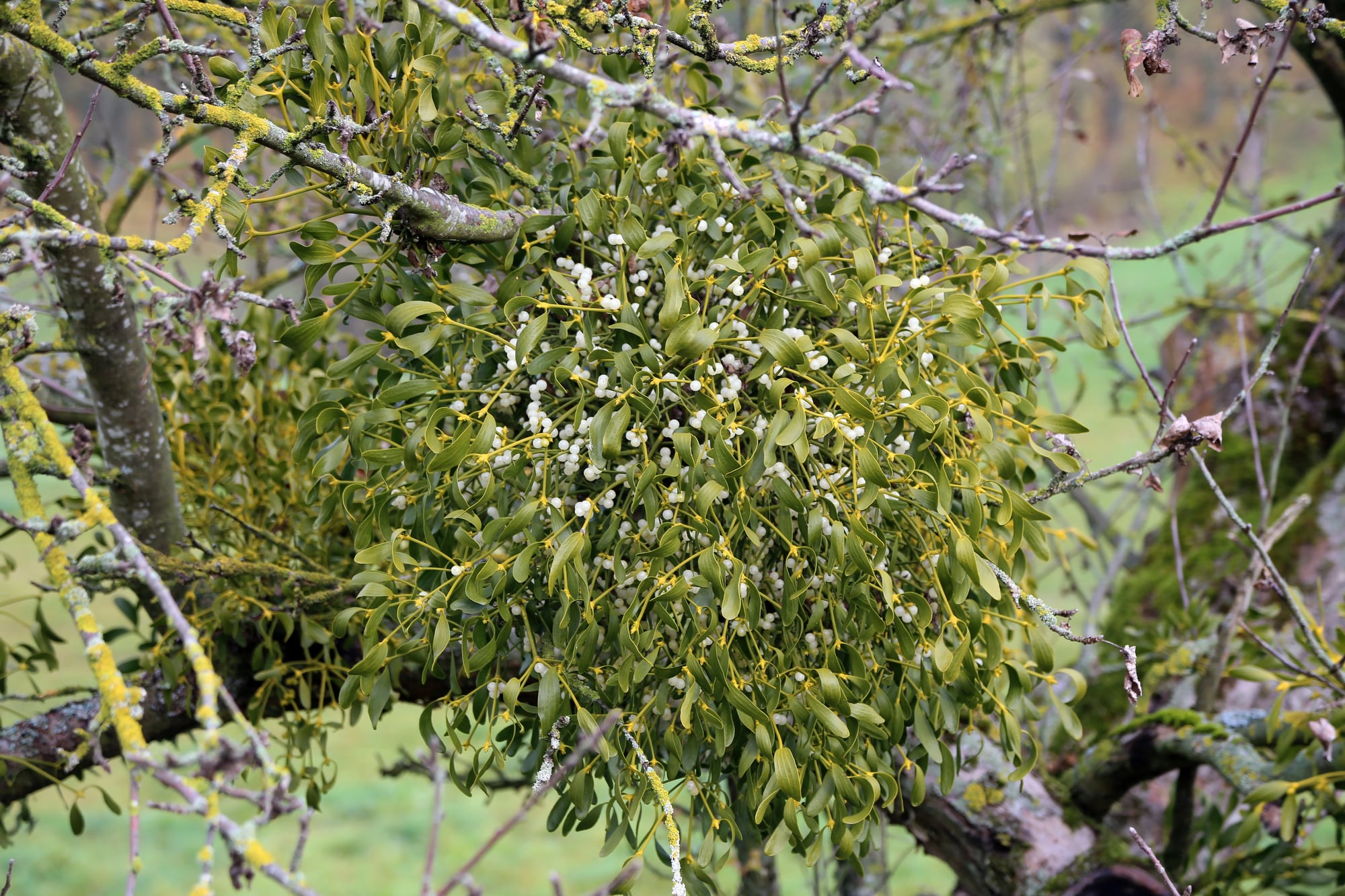
When Oliver Cromwell and the Puritans banned Christmas celebrations in England during the 1640s and 1650s, mistletoe was specifically mentioned in the prohibitions. The Puritans considered the plant a pagan symbol with no place in Christian observance.
They objected to the kissing tradition, the Druid associations, and the general frivolity surrounding it. After the monarchy’s restoration, mistletoe returned to English Christmas celebrations with renewed enthusiasm.
Artificial Mistletoe Outsells Real Mistletoe

Most mistletoe hanging in homes today is plastic. Real mistletoe dries out quickly indoors, drops berries that are poisonous, and costs more than artificial alternatives.
Plastic versions last forever, pose no poisoning risk to children or pets, and look green all season. The shift to fake mistletoe happened gradually over the late 20th century.
Now you can buy mistletoe that’s technically more accurate than the real thing—no parasitic behavior, no Druid ceremonies required.
When December Arrives
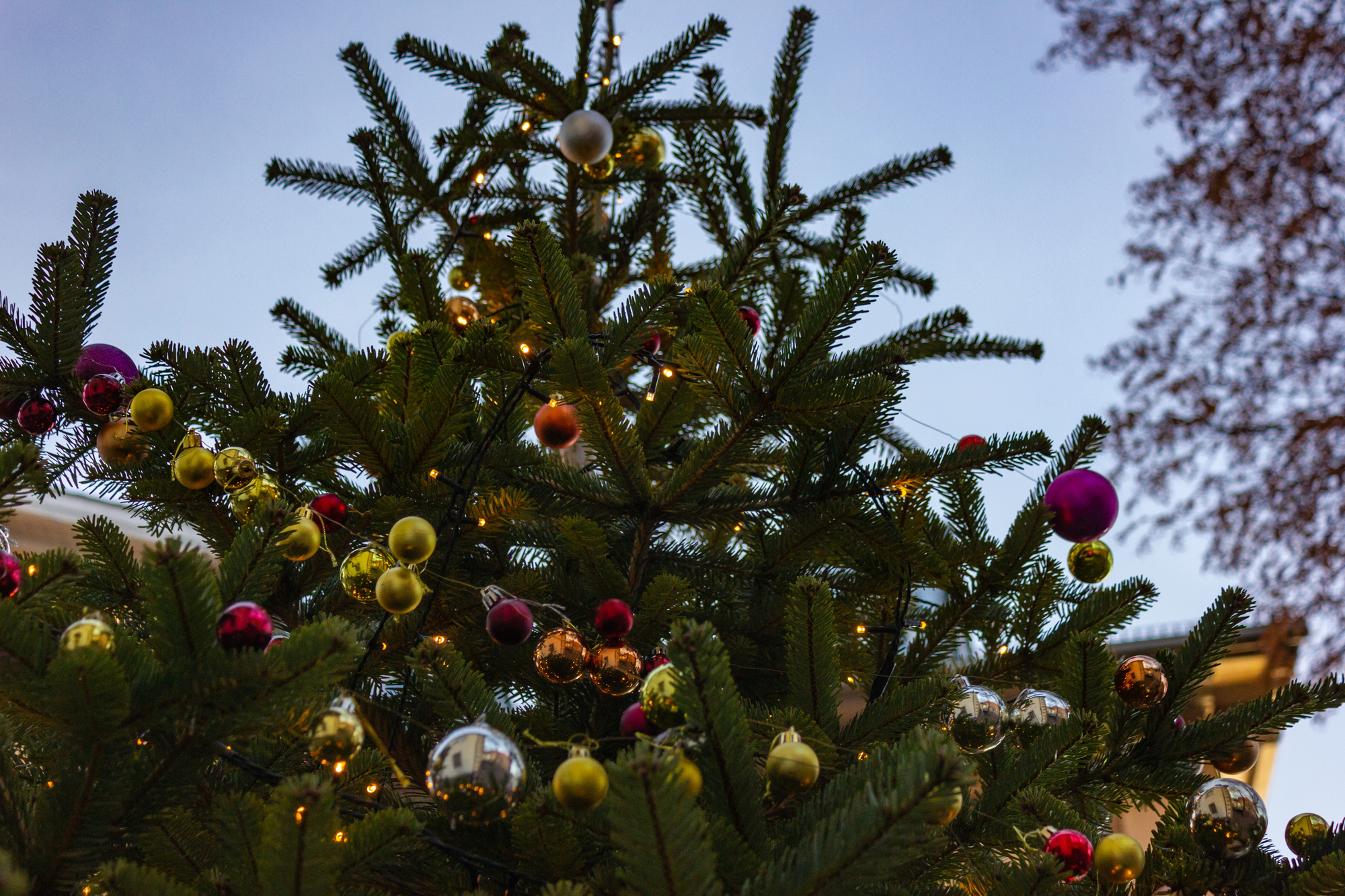
At this very moment, beneath a sprig of mistletoe, someone lingers, hoping another might glance up and lean in. Hanging above thresholds or tied to wooden rafters, it sways – quiet, leafy, steeped in customs forgotten by nearly everyone.
Few recall the old druid rites, nor the myths woven around Odin or Freya, much less tally berries like Victorians once did. Thoughts rarely drift to sticky seeds carried in bird waste, or how its tendrils choke host trees from within.
Even fewer dwell on the toxins tucked inside its white berries. What remains isn’t belief, just ritual stripped bare – a pause, a peck, then back into the night.
A hush lives inside those tales, still humming beneath the surface – each leaf packed with echoes. Not rooted in earth, not clinging to branches, but hanging – a thread tied to both yet claimed by neither.
Old voices saw what newer ones missed – the quiet strength stitched into edges, gaps, corners where balance wavers. This thing rises where roots can’t reach, drinks air instead of dirt, wears color while fields fade to gray.
Rules bend just to let it exist, making silence speak louder. People saw it, whispered tales, turned it into something holy, then wild, then full of longing.
Customs drifted like smoke – twisted, faded, reformed – but one thing stayed true: this wasn’t just another leaf; oddness like this needs ceremony. Today it’s imitation, synthetic fronds dangling from sticky hooks, marking habit without heart.
Yet every winter, when cold silences the earth and shadows stretch long, someone still lifts a sprig overhead, pauses, watches. That pause? It matters – even if no one recalls the reason.
More from Go2Tutors!

- The Romanov Crown Jewels and Their Tragic Fate
- 13 Historical Mysteries That Science Still Can’t Solve
- Famous Hoaxes That Fooled the World for Years
- 15 Child Stars with Tragic Adult Lives
- 16 Famous Jewelry Pieces in History
Like Go2Tutors’s content? Follow us on MSN.