Curious Facts About Holiday Poinsettias You Didn’t Know
You see them everywhere during the holidays—red and green plants sitting on mantels, tucked into office corners, and lined up at grocery store entrances. Poinsettias have become as much a part of December as string lights and wrapping paper.
But most people pick them up without giving them much thought. These plants have stories that go way beyond their role as seasonal decorations.
They’re Not Actually Flowers
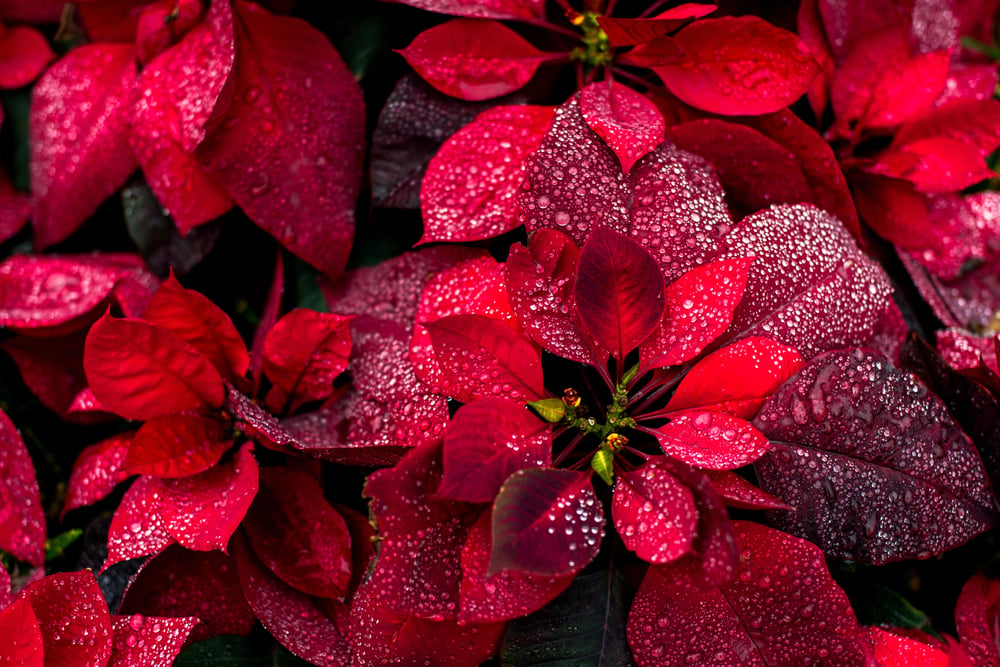
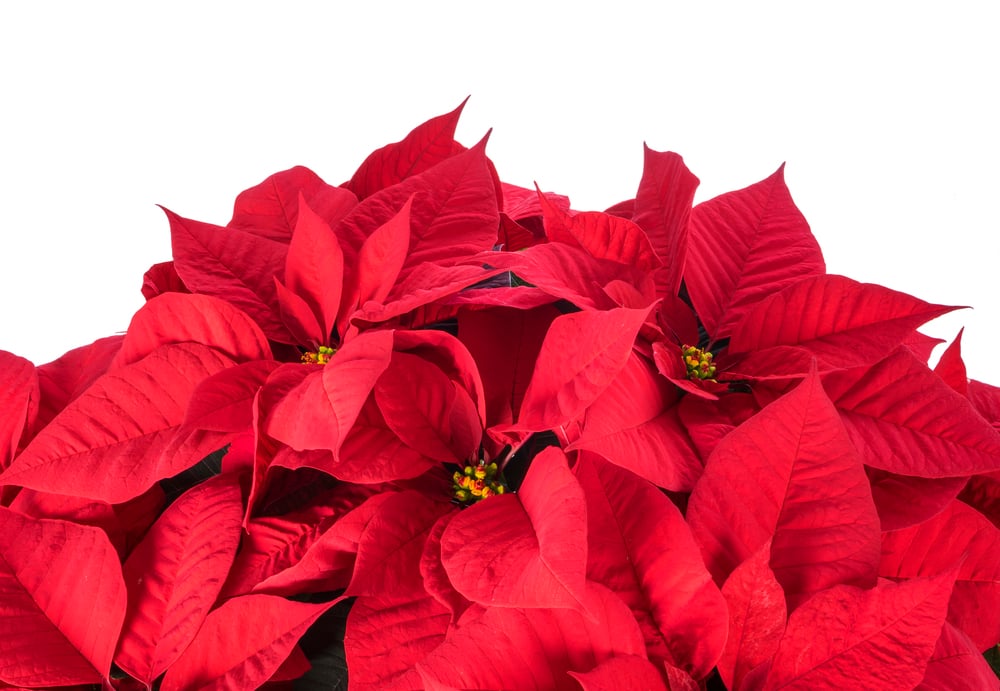
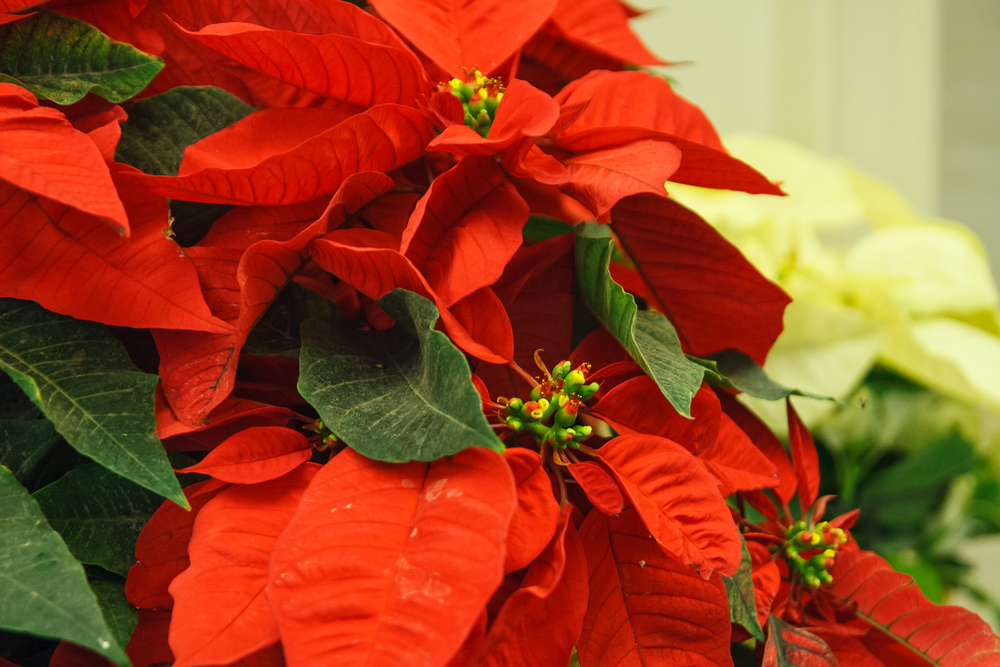
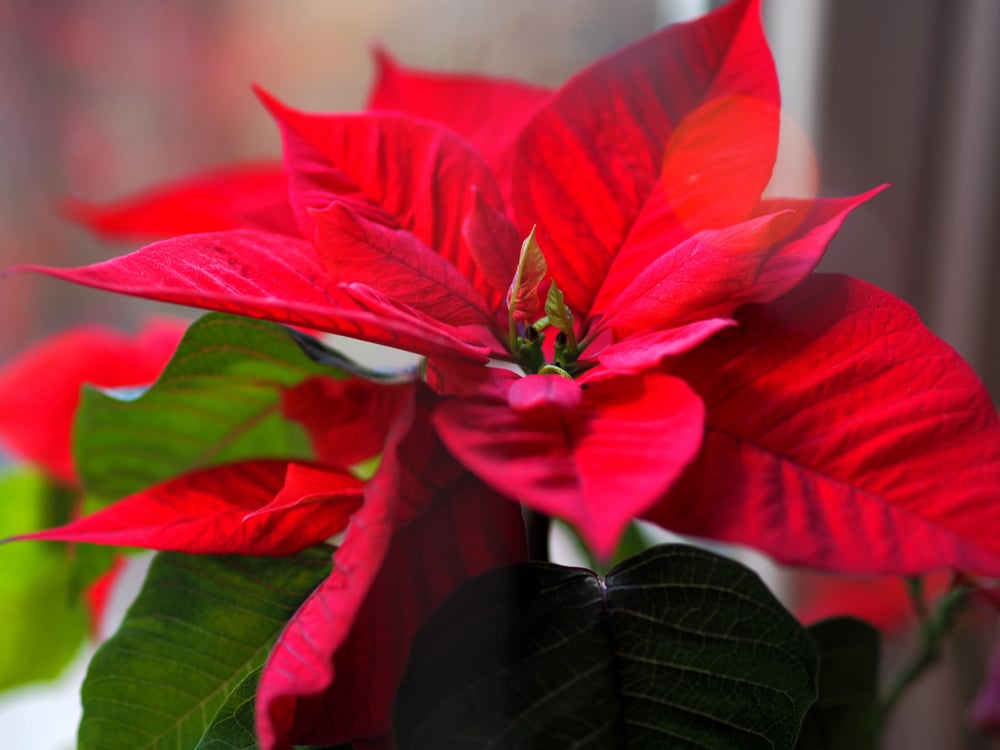
Those vibrant red “petals” that make poinsettias so recognizable? They’re leaves. The actual flowers are the tiny yellow clusters in the center, called cyathia.
The colored leaves, known as bracts, evolved to attract pollinators to those small, unremarkable flowers. Your brain registers them as blooms because they look the part, but botanically speaking, you’re admiring modified foliage.
A Mexican Ambassador Made Them Famous
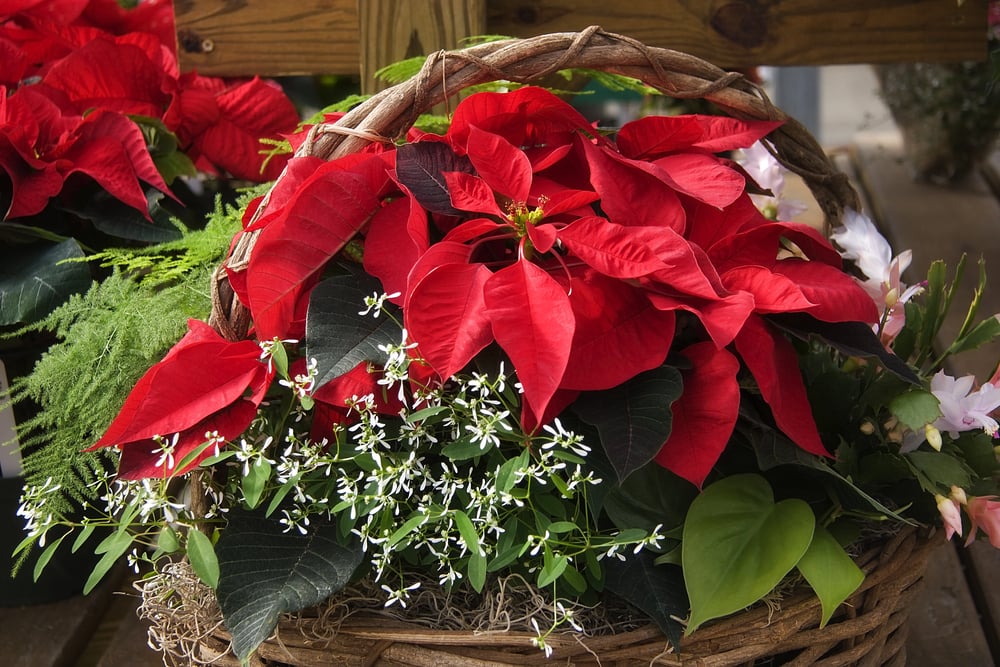
Joel Roberts Poinsett brought the first poinsettias to the United States in the 1820s. He was serving as the U.S. Ambassador to Mexico at the time and developed a passion for botany on the side.
During a visit to Taxco, he found these striking plants growing wild on hillsides and sent cuttings back to his greenhouse in South Carolina. The plant eventually took his name, though that wasn’t his doing—others named it after him posthumously.
They Were Sacred to the Aztecs
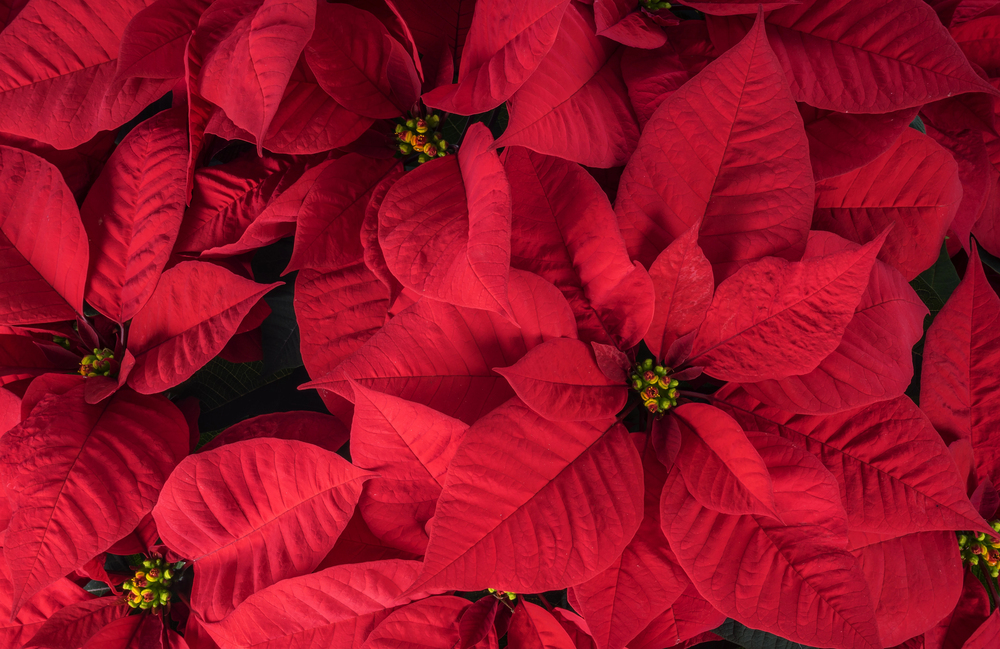
Long before poinsettias showed up in shopping centers, the Aztecs called them cuetlaxochitl. They used the red bracts to make dye for textiles and cosmetics.
The milky white sap, which you’ve probably noticed if you’ve ever broken a stem, served as a fever remedy in traditional medicine. The Aztecs also saw the plants as symbols of purity, which added a spiritual dimension to their practical uses.
The Christmas Connection Came Later
Poinsettias didn’t become associated with Christmas until after they arrived in the United States. A Mexican legend tells of a girl named Pepita who had no gift for the baby Jesus on Christmas Eve.
She gathered weeds from the roadside, and when she placed them at the church altar, they transformed into brilliant red poinsettias. This story helped cement the plant’s holiday status, though historians debate whether the legend existed before or after the plant gained popularity.
They Come in More Colors Than You Think
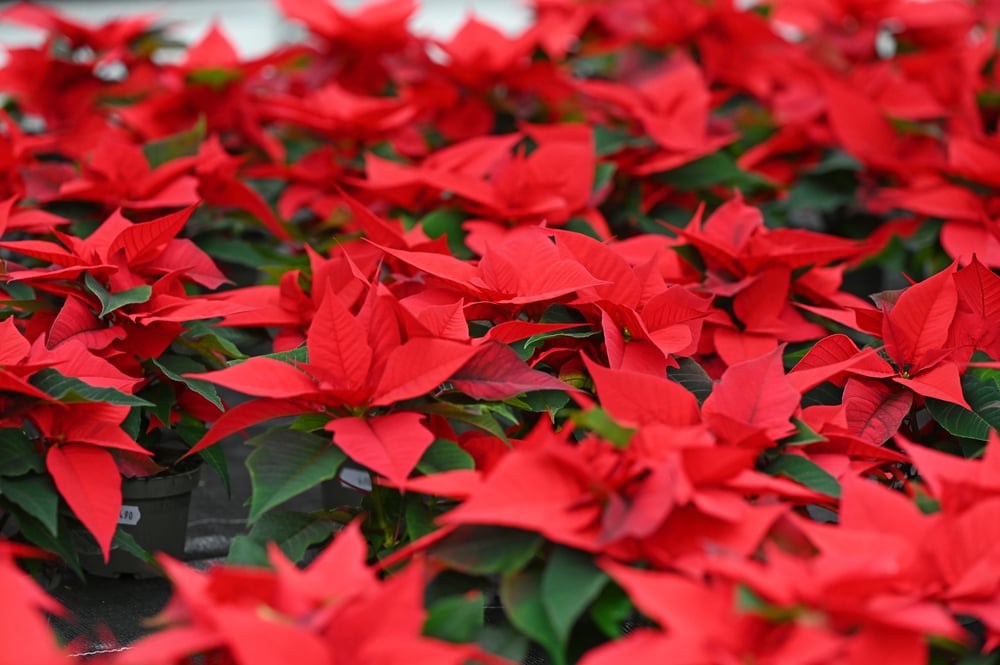
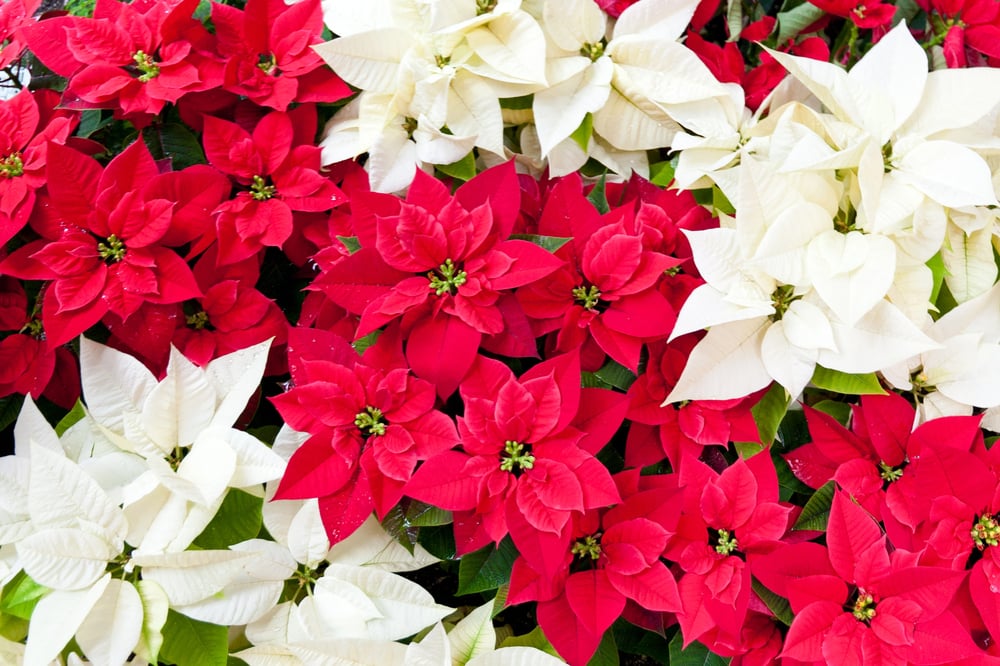
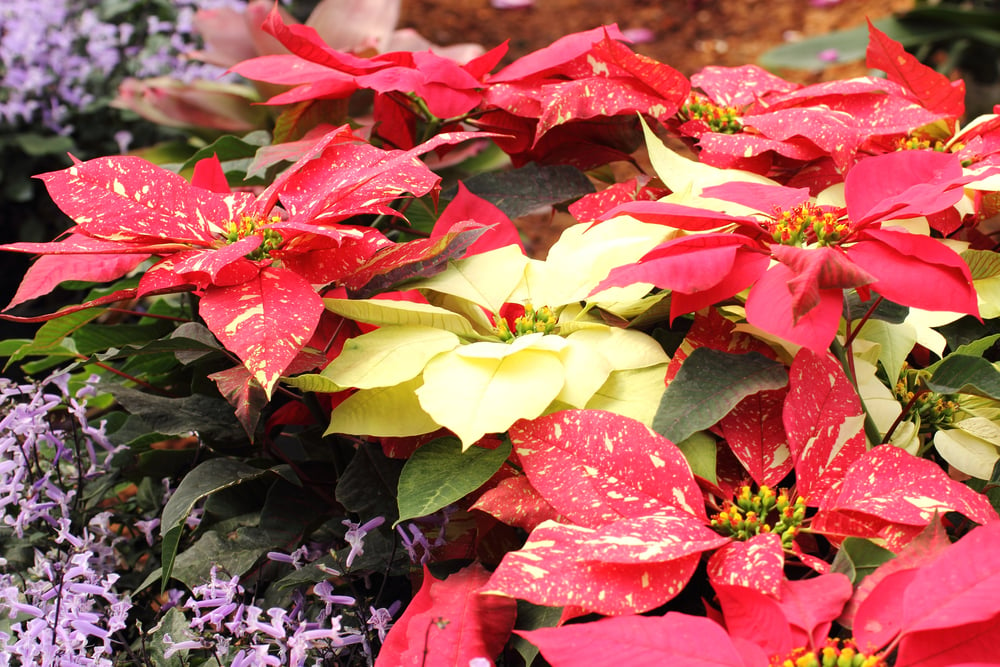
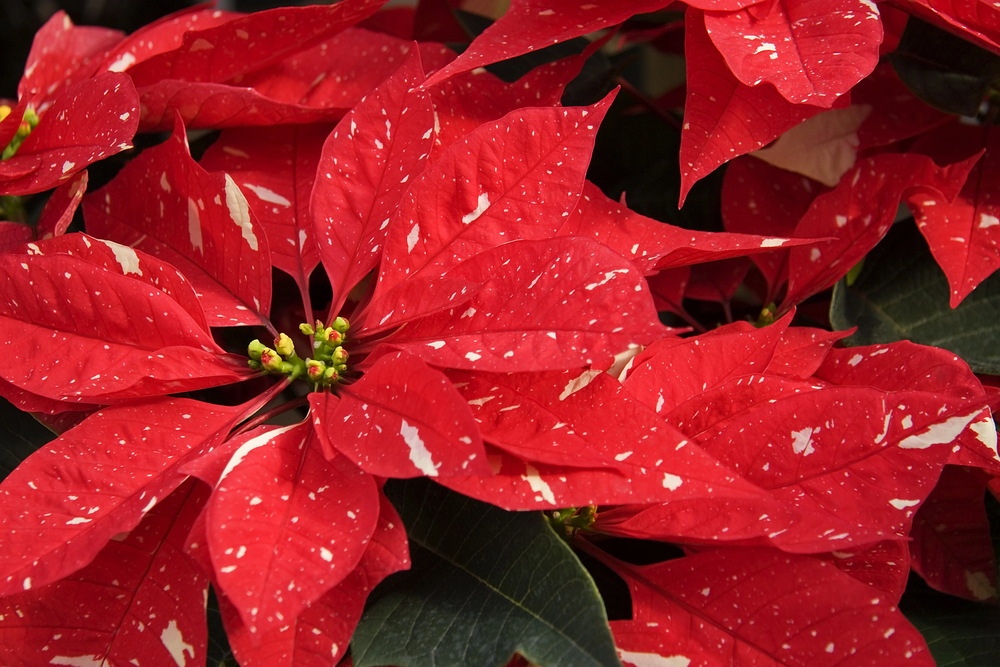
Red dominates the market, but poinsettias naturally occur in pink, white, cream, and even marbled varieties. Plant breeders have pushed this further, creating versions with orange, burgundy, and speckled bracts.
Some varieties look almost artificial because the colors seem too vivid or the patterns too precise. But they’re all real, just heavily cultivated over generations.
The Paul Ecke Ranch Controlled the Market for Decades
One family in California basically owned the poinsettia industry for much of the 20th century. Paul Ecke Sr. figured out a grafting technique that made poinsettias branch and bloom better indoors.
The Ecke family kept this method secret for years, which meant that if you wanted quality poinsettias, you bought from them or their licensed growers. By the 1990s, they supplied about 90% of the poinsettias sold in the United States.
They’re Not Actually Poisonous
This myth refuses to die, but poinsettias won’t kill your pets or kids if they take a nibble. The white sap can cause mild stomach upset or skin irritation in some people and animals, but serious poisoning is extremely rare.
A study at Ohio State University found that a 50-pound child would need to eat more than 500 bracts to reach toxic levels. Your bigger concern is the mess they make if a curious cat knocks one over.
Getting Them to Rebloom Takes Real Commitment
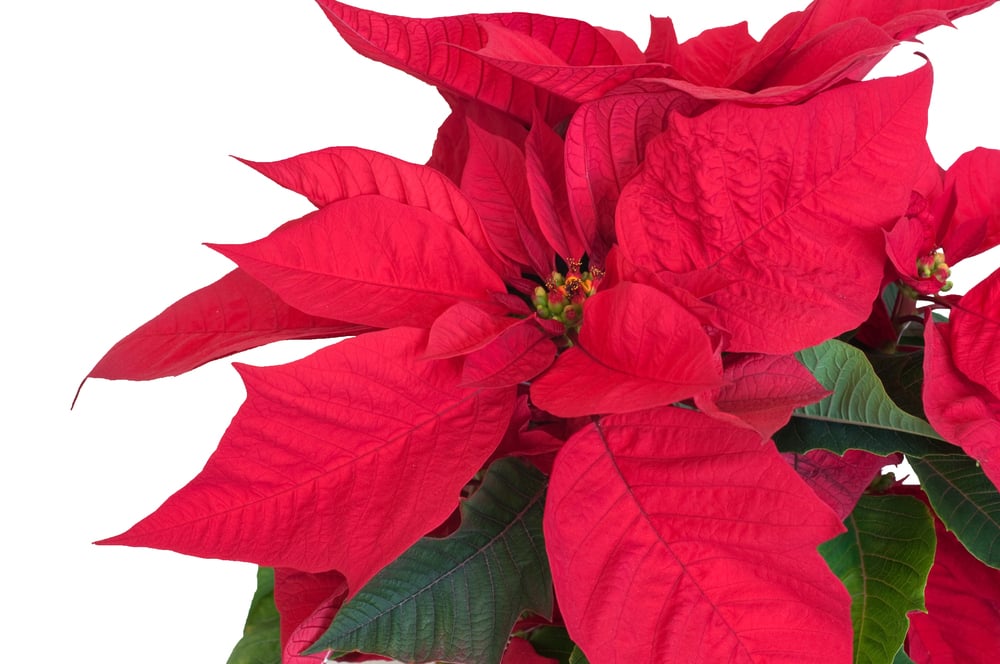
Keeping a poinsettia alive after the holidays is one thing. Getting it to turn red again next year is another.
These plants are photoperiodic, which means they need specific light conditions to produce colored bracts. Starting in October, you need to give them 14 hours of complete darkness every single night for about eight weeks.
Miss a few nights or expose them to even a little light during their dark period, and you might end up with a green plant come December.
They’re the Best-Selling Potted Plant in North America
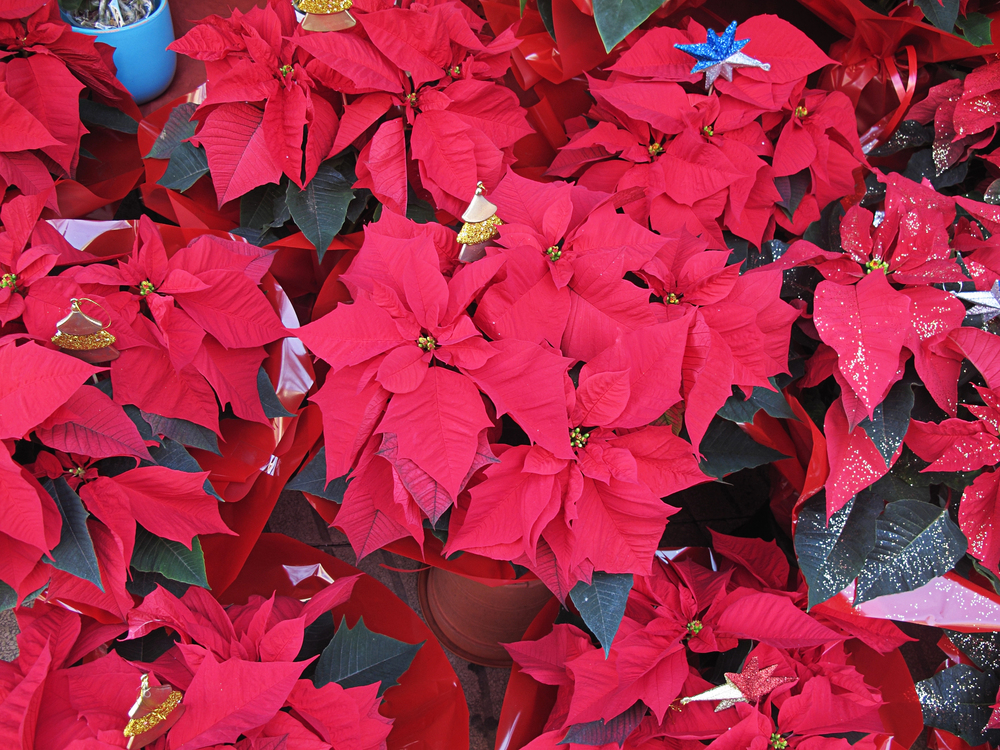
Americans buy roughly 34 million poinsettias every year, mostly between Thanksgiving and Christmas. That accounts for about one-quarter of all flowering potted plant sales during the holiday season.
California, Texas, and North Carolina grow the most, but producers exist in all 50 states. December 12th is officially National Poinsettia Day in the United States, marking the death date of Joel Roberts Poinsett.
Wild Poinsettias Grow Into Trees
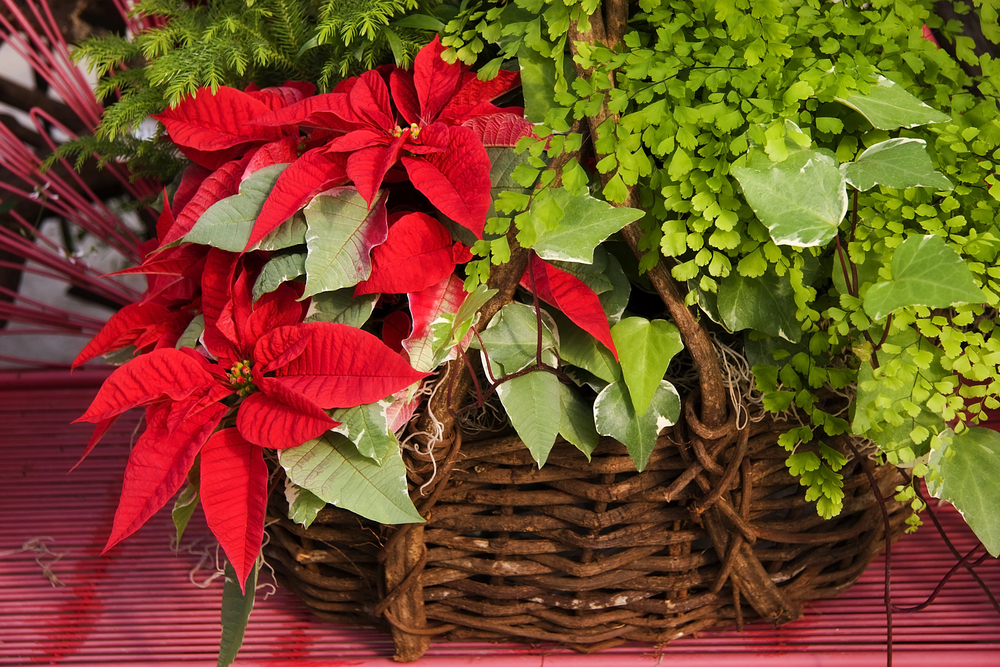
The compact plants you find at stores are dwarfed versions of what poinsettias become in their native habitat. In southern Mexico and parts of Central America, wild poinsettias can grow 12 feet tall or more.
They develop woody stems and take on a shrubby, tree-like form. The contrast between those towering plants and the tabletop versions at your local florist shows just how much selective breeding has changed them.
Temperature Shocks Kill Them Fast
Poinsettias are tropical plants that hate the cold. Taking them from a warm store to a freezing car, even for a few minutes, can damage them permanently.
The leaves start dropping within days, and the plant never fully recovers. That’s why florists wrap them in paper sleeves during winter sales—those sleeves aren’t just for looks.
If you live somewhere cold, warm up your car before bringing it outside, or ask the store to wrap them properly.
The Sap Was Once Used to Treat Warts
Traditional Mexican medicine didn’t just use poinsettia sap for fevers. People applied it directly to warts, believing it would make them disappear.
The latex in the sap does have some caustic properties, which explains the folk remedy’s logic. Modern medicine offers better options, but the practice shows how resourceful people got with the plants growing around them.
Commercial Growers Use Growth Regulators
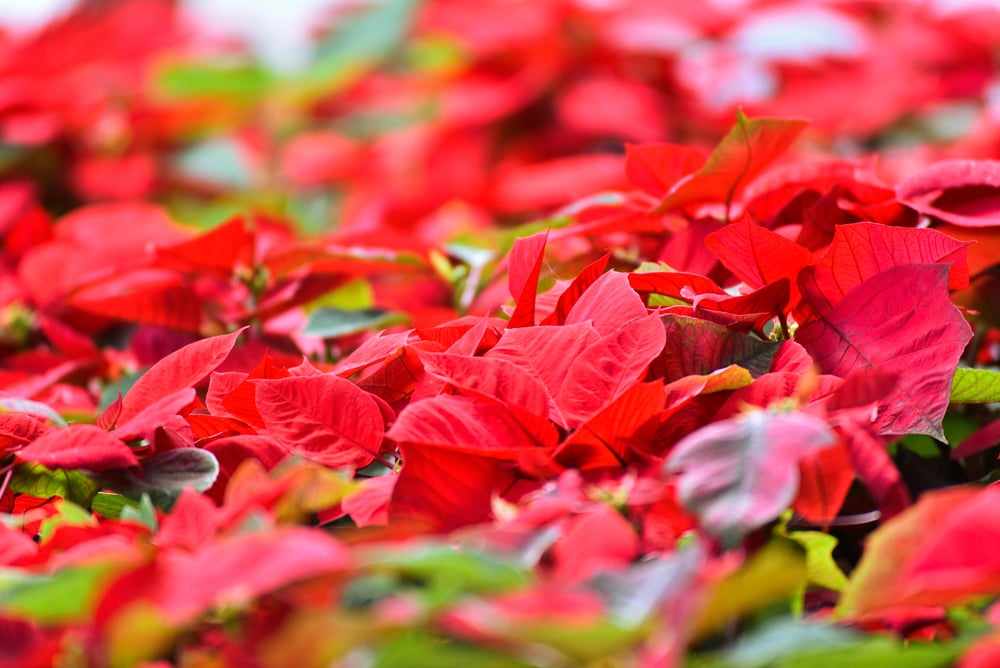
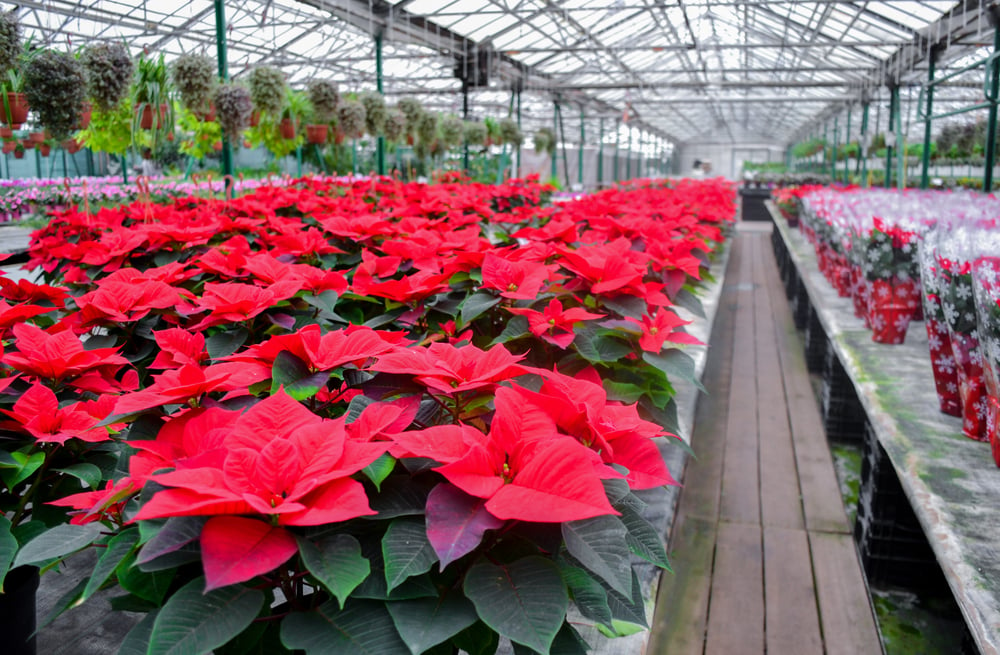
Those perfectly shaped, compact poinsettias at stores don’t happen by accident. Growers apply chemical growth regulators to keep the plants short and bushy instead of tall and leggy.
Without these treatments, poinsettias would shoot upward and lose that full, rounded shape that makes them appealing as decorations. The chemicals are safe and widely used in ornamental plant production, but they explain why your homegrown poinsettia looks nothing like the ones at the garden center.
They Need Surprisingly Little Water
Overwatering kills more poinsettias than neglect does. These plants prefer to dry out slightly between waterings.
When the soil feels dry an inch down, water thoroughly until it drains from the bottom, then don’t water again until it dries out. Sitting in soggy soil causes root rot, which turns leaves yellow and makes them drop.
That pot they come in usually has a decorative foil wrapper that traps water—poke openings in it or remove it entirely.
A Plant That Marks Time
Poinsettias aren’t mere holiday ornaments. Instead, they mark time.
Spot one in a shop window, suddenly Thanksgiving feels imminent. Once their leaves begin to curl and fall, the festive stretch nears its end.
Their presence shifts with the months – fleeting, yet oddly cherished because of it. You might attempt to sustain them across all seasons, wrestling with artificial daylight, chasing the chance of crimson bracts.
Otherwise, welcome them as temporary guests – vivid bursts appearing just as daylight shrinks and time begins curling into silence.
More from Go2Tutors!

- The Romanov Crown Jewels and Their Tragic Fate
- 13 Historical Mysteries That Science Still Can’t Solve
- Famous Hoaxes That Fooled the World for Years
- 15 Child Stars with Tragic Adult Lives
- 16 Famous Jewelry Pieces in History
Like Go2Tutors’s content? Follow us on MSN.