16 Surprising Cat vs. Dog Facts
The age-old debate between cat people and dog people continues to spark passionate discussions at dinner tables and social media threads alike. While both animals make wonderful companions, the differences between them go far beyond the obvious contrasts in barking versus purring.
From ownership statistics that might shock you to behavioral quirks that challenge everything you thought you knew about these beloved pets, the science behind cats and dogs reveals some truly unexpected findings. Here is a list of 16 surprising cat vs dog facts that will give you a fresh perspective on the furry friends ruling our homes.
Dogs dominate household numbers but cats rule in sheer volume

According to the American Veterinary Medical Association, 38.4% of households in the United States own a dog, while only 25.4% of households own a cat. This might make it seem like dogs are winning the popularity contest, but there’s a twist to this story.
Cat owners tend to have multiple felines, which means the total number of pet cats in America actually rivals or sometimes exceeds the dog population.
Cat people are surprisingly more creative than dog owners

Cat owners are 11% more likely to be creative and non-traditional thinkers. Research suggests this creativity boost might stem from the independent nature of cats, which gives their owners more alone time to develop artistic pursuits and innovative thinking patterns.
It turns out all those hours of quietly coexisting with your feline friend might be fostering your inner artist.
Like Go2Tutors’s content? Follow us on MSN.
Dogs are natural extroversion boosters for their humans

A Psychology Today study suggests that dog people are about 15 percent more extroverted than cat owners and tend to be more agreeable too. The daily walks, park visits, and social interactions that come with dog ownership naturally push people into more social situations.
Think of your dog as a four-legged wingman who’s constantly creating opportunities for human connections.
Cats actually form stronger emotional bonds with humans

The results of the study indicate that the perceived relationship that an individual has with cats is better than that with dogs because the perceived cost of the relationship is greater with dogs and the interaction is greater with cats. While dogs might seem more affectionate on the surface, research shows that cat-human relationships often involve deeper emotional connections.
Cats choose when to interact, making those moments feel more meaningful.
Germany’s pet preferences are almost perfectly split

In Germany though, the fight is far tighter, with dogs just edging out cats on 51 percent compared to 50 percent. This near-perfect split contrasts sharply with American preferences and shows how cultural differences can influence pet choices.
German efficiency apparently extends to achieving perfect balance in the eternal cat versus dog debate.
Like Go2Tutors’s content? Follow us on MSN.
Russia leads the world in cat ownership

59% of Russians own a cat, which makes the country the highest share of cat owners in the world. This might be connected to the practical benefits of cats in colder climates, where independent pets that don’t require daily outdoor walks have obvious advantages.
Russian winters and feline independence seem to be a perfect match.
Dogs require significantly more veterinary attention

“Dogs more frequently experience skin disorders, trauma, parasites (fleas and ticks), pancreatitis and lymphoma,” says Dr. Jeffrey Levy, a Manhattan-based veterinarian and certified veterinary acupuncturist. “In cats, we see many cases of inflammatory bowel disease, food allergies, and asthma.
” The active lifestyle of dogs exposes them to more environmental hazards and injuries, while cats face different health challenges related to their dietary habits and indoor lifestyles.
Dogs excel at understanding human communication

Here we directly compared both the testability and the success of companion dogs and cats in relying on human distal pointing gestures. Due to differences in their domestication, social and ecological background, and developmental processes, we expected better performance from dogs compared to cats.
Scientific testing shows dogs consistently outperform cats in following human pointing gestures and other communication cues. This skill likely developed from thousands of years of working closely with humans in hunting and farming situations.
Like Go2Tutors’s content? Follow us on MSN.
Cat owners tend to be more neurotic but also more artistic

Neuroticism, however, appears to be more present in cat owners, though feline lovers are also typically more artistic and unconventional. This personality trait isn’t necessarily negative – it often correlates with heightened sensitivity and creativity.
Cat people might worry more, but they also tend to produce more art, music, and innovative ideas.
American dogs enjoy family status more than cats

90% of American households consider dogs as part of the family. This statistic reflects the pack-oriented nature of dogs and their integration into human social structures.
Dogs naturally slot into family hierarchies, while cats maintain their independence even within loving homes.
Cats are naturally less active than their canine counterparts
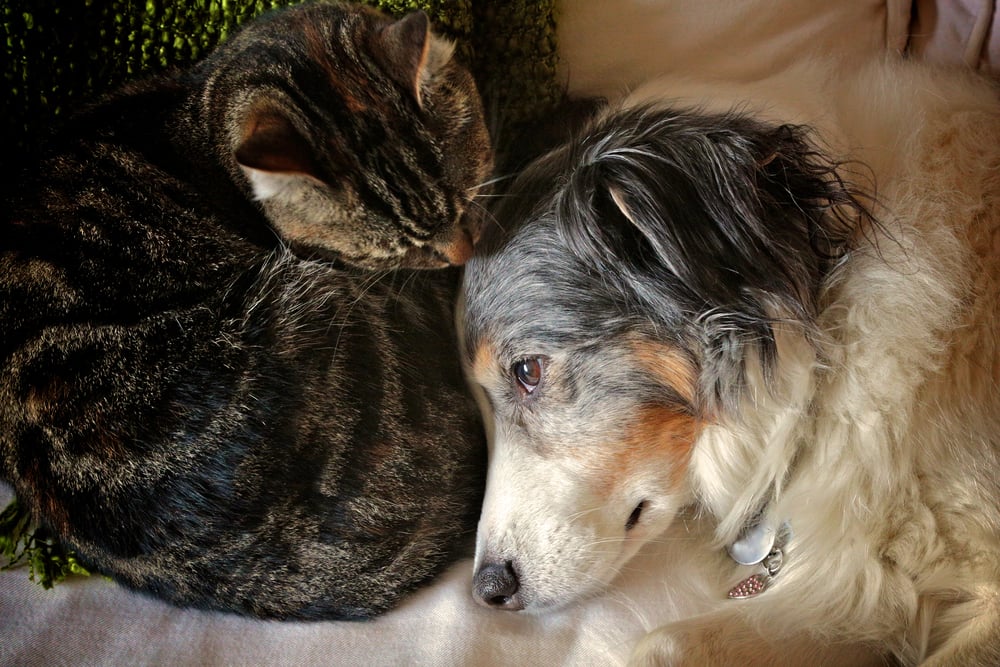
Cats are generally less active than dogs and require less exercise (though exercise is great for them). They’re also generally more independent, though of course every cat is different, and you could have a real cuddle bug on your hands.
This energy difference stems from their evolutionary backgrounds – cats developed as solitary hunters who conserve energy between bursts of activity, while dogs evolved as pack animals with higher endurance needs.
Like Go2Tutors’s content? Follow us on MSN.
Dog people show higher levels of conscientiousness

Research shows that “dog” people are 11 percent more conscientious than cat people. The structured routine required for dog care – regular feeding times, daily walks, and consistent training – naturally attracts and develops more organized personalities.
Having a dog essentially forces you to become more reliable and systematic.
Both species face similar behavioral challenges from human misunderstanding

Inadequate environment, inadequate early socialization, and anxiety cause most behavior conditions in dogs and cats. Very often the human expectation of what a dog and cat is and what their needs are is more the root of the problem than the pet itself.
Many pet behavioral issues actually stem from owners not understanding the specific needs of their chosen species. Both cats and dogs suffer when humans project incorrect assumptions about their nature and requirements.
Dogs flourish in social settings while cats prefer gradual introductions

The most common difference is that dogs are very social and playful animals, while cats generally are not. Dogs flourish in social settings and can grow relationships rather quickly, constantly interacting with other animals and humans.
Cats however, take much longer to warm up to other animals. This difference reflects their wild ancestry – dogs evolved from pack animals while cats developed as territorial solitary hunters.
Understanding this helps explain why your dog makes friends at the park instantly while your cat needs weeks to accept a new roommate.
Like Go2Tutors’s content? Follow us on MSN.
Cats actually require different attention patterns than dogs
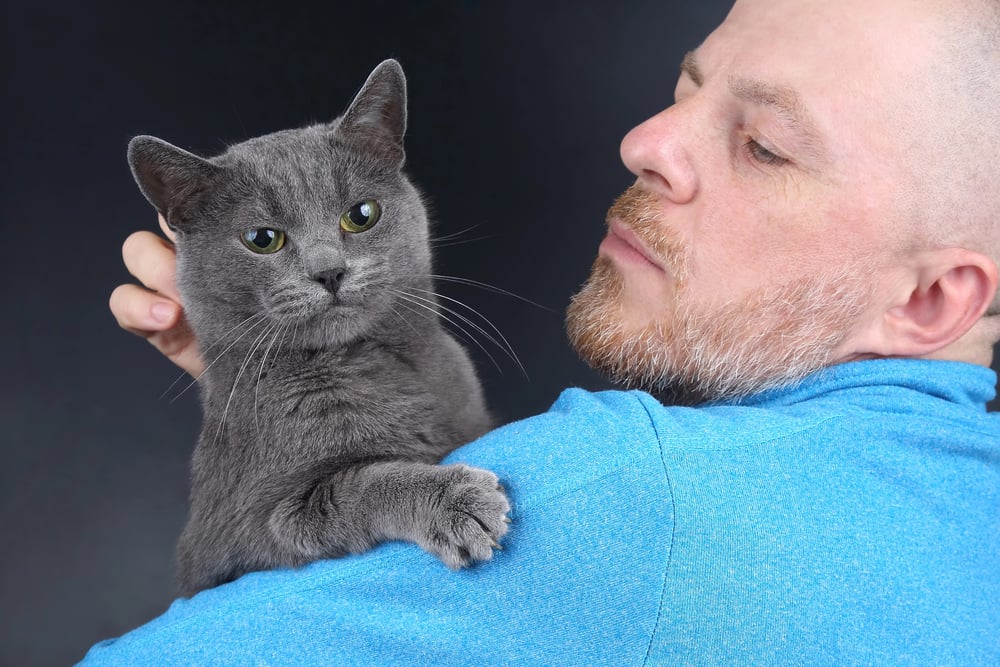
Dogs tend to require more exercise and attention (snuggles, and playtime) than cats. While dogs need consistent daily interaction, cats prefer shorter, more intense periods of attention followed by alone time.
This doesn’t mean cats are less social – they just express their social needs differently than their canine counterparts.
Cats show better performance in laboratory testing cooperation

Using an object-choice task, cats made considerably fewer choices than dogs in the laboratory. Interestingly, while dogs perform better at following human cues, cats often show more selective participation in scientific studies.
This selective cooperation might actually indicate higher intelligence – cats choose when to engage rather than automatically complying with requests.
The evolution of our modern companions

These surprising facts reveal that both cats and dogs have adapted to human companionship in remarkably different ways over thousands of years. Dogs developed their people-pleasing nature and social integration skills through selective breeding for work and companionship, while cats maintained their independence while learning to coexist with humans.
The personality differences between cat and dog owners likely reflect these animals’ different approaches to human relationships rather than causing them. Whether you’re drawn to the loyal enthusiasm of dogs or the selective affection of cats, both species offer unique benefits that have secured their places as humanity’s favorite companions.
Like Go2Tutors’s content? Follow us on MSN.
More from Go2Tutors!

- 16 Historical Figures Who Were Nothing Like You Think
- 12 Things Sold in the 80s That Are Now Illegal
- 15 VHS Tapes That Could Be Worth Thousands
- 17 Historical “What Ifs” That Would Have Changed Everything
- 18 TV Shows That Vanished Without a Finale
Like Go2Tutors’s content? Follow us on MSN.