15 Olympic Moments That Moved the World to Tears
The Olympic Games have always stood for more than just speed, strength, or skill. At their best, they reveal something deeply human — grit in the face of defeat, the raw joy of a dream fulfilled, or the quiet dignity of perseverance.
These aren’t just competitions; they’re emotional touchpoints that leave audiences around the globe breathless, silent, or sobbing. Some moments bring triumph against all odds.
Others reflect heartbreak, sacrifice, or sheer resilience. But all of them, in their own way, leave a mark that lingers long after the flame has gone out.
Here are 15 Olympic moments that moved the world in unforgettable ways.
Derek Redmond’s Father Finishes the Race

Barcelona, 1992. Midway through his 400-meter semifinal, British sprinter Derek Redmond tore his hamstring — a devastating injury for any athlete. Yet instead of stopping, he struggled on, limping with visible pain.
Then came a figure from the crowd — his father — who broke past security and supported him to the finish. Together, they crossed the line. It wasn’t about time or medals — it was about finishing, no matter what.
Kerri Strug Lands on One Foot

The 1996 Atlanta Olympics delivered a moment of fearless grit. With team gold on the line, gymnast Kerri Strug pushed through an ankle injury to land her final vault — on one foot.
The sight of her collapse, and then being carried to the podium by coach Bela Karolyi, became an instant symbol of dedication. It was pain, courage, and pride — all wrapped into a few breathtaking seconds.
Like Go2Tutors’s content? Follow us on MSN.
Muhammad Ali’s Silent Torch

When Muhammad Ali appeared at the 1996 opening ceremony, his body trembled from Parkinson’s — yet his presence was overwhelming. Lighting the Olympic flame, Ali stood not just as a boxing legend, but as a global figure of perseverance.
The image — of a man once invincible in the ring now shaking, but unbroken — struck a universal emotional chord.
Cathy Freeman Runs for More Than Gold

In Sydney, 2000, Cathy Freeman had more than a nation behind her — she carried the hopes of Australia’s Indigenous people. Wearing a sleek green-and-gold bodysuit, she won the 400 meters in front of a packed home crowd.
Her victory lap, with both the Australian and Aboriginal flags, turned a single race into a moment of cultural healing and unity.
Bob Beamon’s Leap into the Impossible

Mexico City, 1968. Long jumper Bob Beamon launched himself 29 feet, 2½ inches — smashing the previous world record by nearly two feet. It was so far beyond expectations that it stunned the judges, the crowd, and even Beamon himself.
He dropped to the ground, overwhelmed by what he’d just done — a leap not just in distance, but in belief.
Like Go2Tutors’s content? Follow us on MSN.
Eric Moussambani Swims Alone
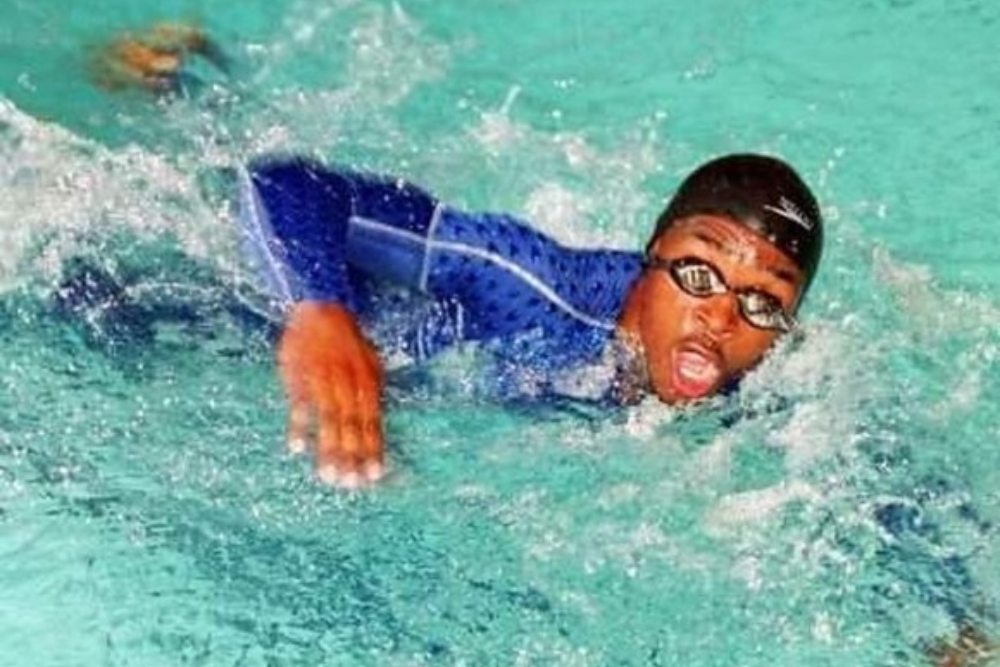
The 2000 Sydney Games introduced viewers to Eric “The Eel” Moussambani from Equatorial Guinea. Having trained in hotel pools and never seen an Olympic-sized one, he found himself swimming the 100-meter freestyle — alone — after the other competitors were disqualified.
Struggling but refusing to quit, he finished to a standing ovation. No medal, no record — just courage.
Nadia Comăneci’s Perfect 10

At just 14 years old, Romania’s Nadia Comăneci stunned the world in Montreal, 1976, by scoring the first perfect 10 in Olympic gymnastics history. The scoreboard, unprepared for such a feat, showed 1.00. Calm and composed, Nadia changed the definition of perfection — and raised the bar for generations to come.
Jesse Owens Defies Hate

Berlin, 1936. In front of Nazi leadership and propaganda, African-American athlete Jesse Owens claimed four gold medals — in hostile territory. His dominance sent a powerful message that shattered the myths of racial superiority.
More than a track performance, it was a political and human triumph.
Like Go2Tutors’s content? Follow us on MSN.
Abebe Bikila Runs Barefoot Into History

In Rome, 1960, Ethiopian marathoner Abebe Bikila stunned the world by winning gold — barefoot. His run wasn’t just about endurance; it represented Africa’s emergence on the global stage.
Bikila didn’t just win a race — he inspired an entire continent.
Dan Jansen’s Long Wait Ends

After years of near misses and personal tragedy — including the loss of his sister just before a race — American speed skater Dan Jansen finally struck gold in Lillehammer, 1994. He won the 1,000 meters, set a world record, and took his baby daughter on a lap of honor.
Years of heartbreak — undone in a moment of joy and closure.
Wilma Rudolph Outruns Polio
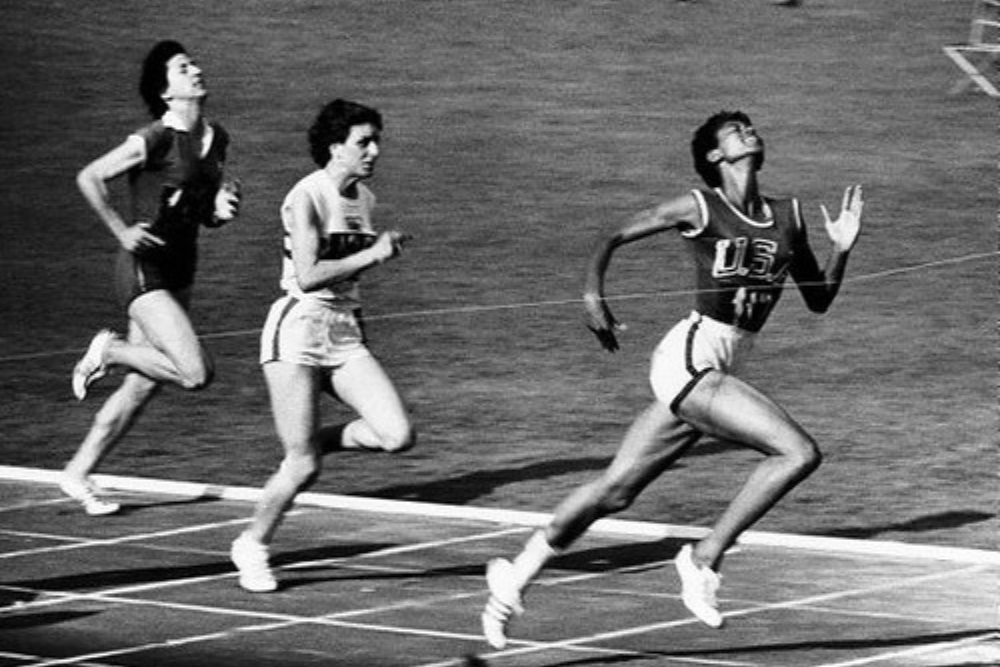
Born into poverty and stricken with polio as a child, Wilma Rudolph was told she might never walk. Yet in Rome, 1960, she became the fastest woman in the world — winning three gold medals.
Her triumph was more than physical — it was a victory over circumstance, biology, and doubt.
Like Go2Tutors’s content? Follow us on MSN.
The Miracle on Ice Celebration
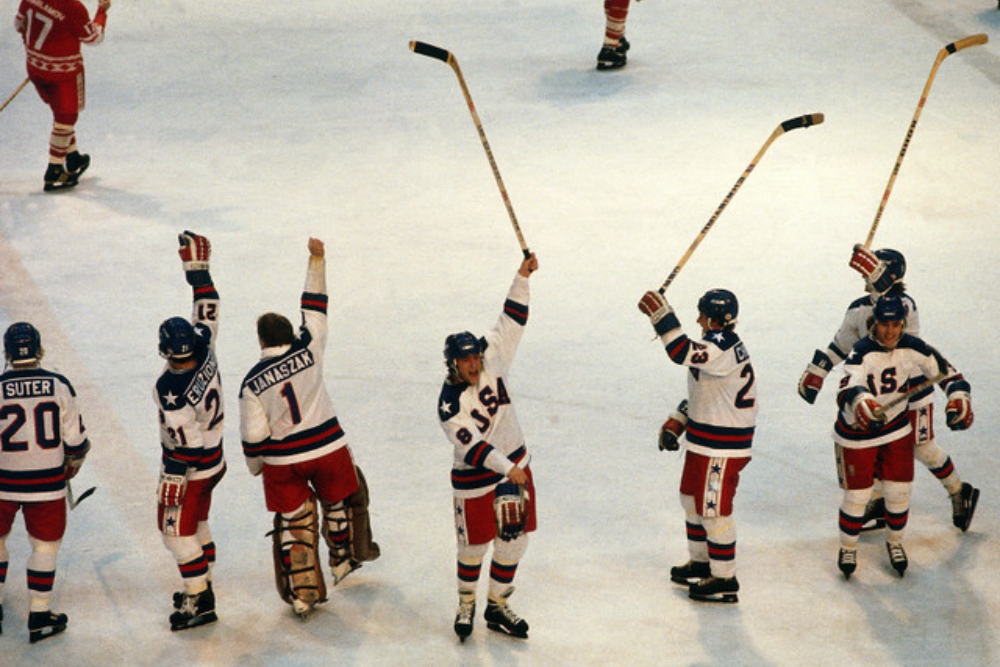
Lake Placid, 1980. A young, amateur U.S. hockey team defeated the mighty Soviets in a Cold War clash that seemed impossible. The players’ celebration — wild, tearful, chaotic — became one of the most beloved moments in American sports.
It was emotion, unleashed.
Greg Louganis’ Golden Return

In Seoul, 1988, diver Greg Louganis struck his head on the springboard in preliminaries — then returned to win gold. Later, the world learned he’d been living with HIV during the Games.
His comeback, already brave, took on even deeper meaning — an emblem of grace under unimaginable pressure.
Shun Fujimoto’s Silent Pain

At the 1976 Olympics, Japanese gymnast Shun Fujimoto performed a rings routine with a broken leg. He landed — perfectly — helping his team secure gold.
Only afterward did the world learn of the injury. His act of sacrifice became a quiet, enduring testament to the team above oneself.
Like Go2Tutors’s content? Follow us on MSN.
Bolt’s Bittersweet Farewell

Usain Bolt’s final race in 2017 ended not with a medal, but with an injury. Yet his farewell at the Rio 2016 Olympics — three more golds, joyful laps, lightning poses — left a global audience grateful.
He had dominated the track for nearly a decade, and the end of his Olympic story was hard to watch, and harder to accept.
The Spirit That Moves Us All
These moments remind us why the Olympics resonate so deeply. They’re not just about athletic dominance — they’re about human stories.
Triumph after loss. Grace in defeat. Hope where there once was none.
Whether it’s a single vault, a silent torch, or a slow swim against the tide, the tears come not because someone won — but because we saw what it took to get there. The next time the Olympic flame burns, remember: behind every medal is a story that might just move the world to tears.
More from Go2Tutors!

- 16 Historical Figures Who Were Nothing Like You Think
- 12 Things Sold in the 80s That Are Now Illegal
- 15 VHS Tapes That Could Be Worth Thousands
- 17 Historical “What Ifs” That Would Have Changed Everything
- 18 TV Shows That Vanished Without a Finale
Like Go2Tutors’s content? Follow us on MSN.