Secret Features Inside Luxury Fashion Houses
Walking past a Chanel boutique or Hermès atelier, you see the polished storefronts and immaculate displays. But behind those glass doors exists an entirely different world.
Fashion houses guard their inner workings like state secrets, and for good reason. The real magic happens in spaces most customers never see.
Private Ateliers Above the Stores
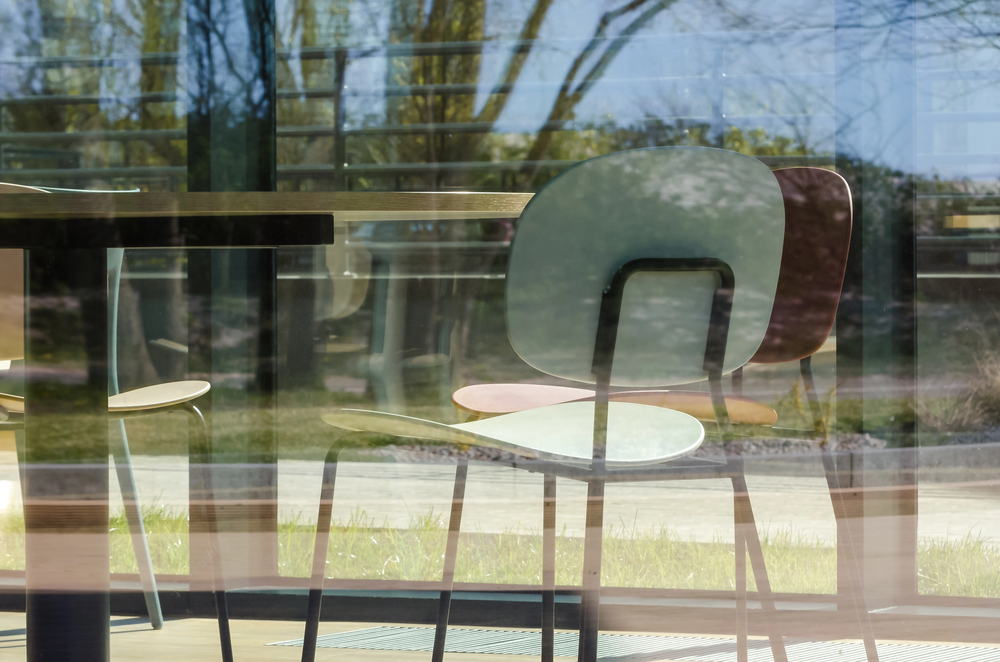
Many flagship stores hide complete workshops on their upper floors. At Dior’s Avenue Montaigne location, seamstresses work just above the sales floor, creating custom pieces while shoppers browse below.
The setup lets alterations happen within hours instead of weeks. You can request modifications during your fitting and have them completed before you leave Paris.
Louis Vuitton operates similar hidden studios in their major locations. Master craftsmen repair vintage pieces and customize new orders in soundproofed rooms.
The proximity keeps the process intimate and allows for real-time adjustments based on customer feedback.
Underground Archive Rooms

Gucci maintains an underground vault in Florence containing every piece the house has produced since 1921. Temperature-controlled and catalogued like a museum, this archive serves as both inspiration and reference.
Designers spend days down there before each collection, pulling forgotten details from decades-old garments. These archives don’t just store clothes.
They preserve fabric samples, sketches, buttons, and even thread samples. When a customer requests an exact reproduction of a vintage piece, the archives provide the blueprint.
The attention extends to matching thread weights and dye lots from specific years.
Invitation-Only Salons
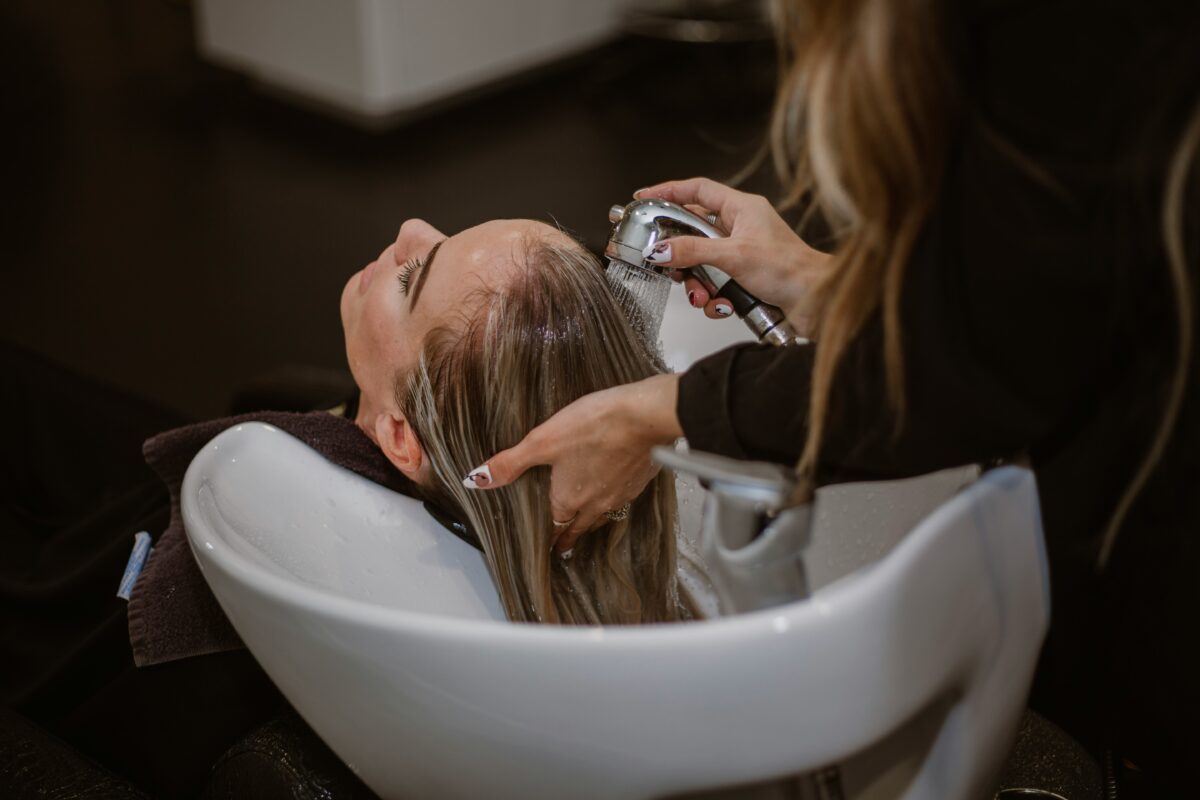
Chanel operates private salons in their flagship stores that require personal invitation. These rooms don’t appear on floor plans and lack visible signage.
Regular customers might shop at a Chanel boutique for years without knowing these spaces exist. The salons function as miniature museums and showrooms combined.
Rare vintage pieces sit alongside current collections. Clients can request to see specific items from storage or commission custom work while seated in spaces decorated with original furniture from Coco Chanel’s apartment.
Secret Fabric Libraries

Hermès keeps its fabric archive in a converted warehouse outside Paris. The space holds thousands of bolts organized by weight, weave, and origin.
Some fabrics in this collection haven’t been produced in decades. The house maintains these reserves specifically for repairs and custom orders on vintage pieces.
When someone brings in a Kelly bag from the 1960s needing restoration, craftspeople pull fabric from this library that exactly matches the original material. The practice ensures repairs become invisible.
Other fashion houses try to source similar materials, but rarely achieve the same precision.
Private Fitting Rooms With Adjustable Lighting
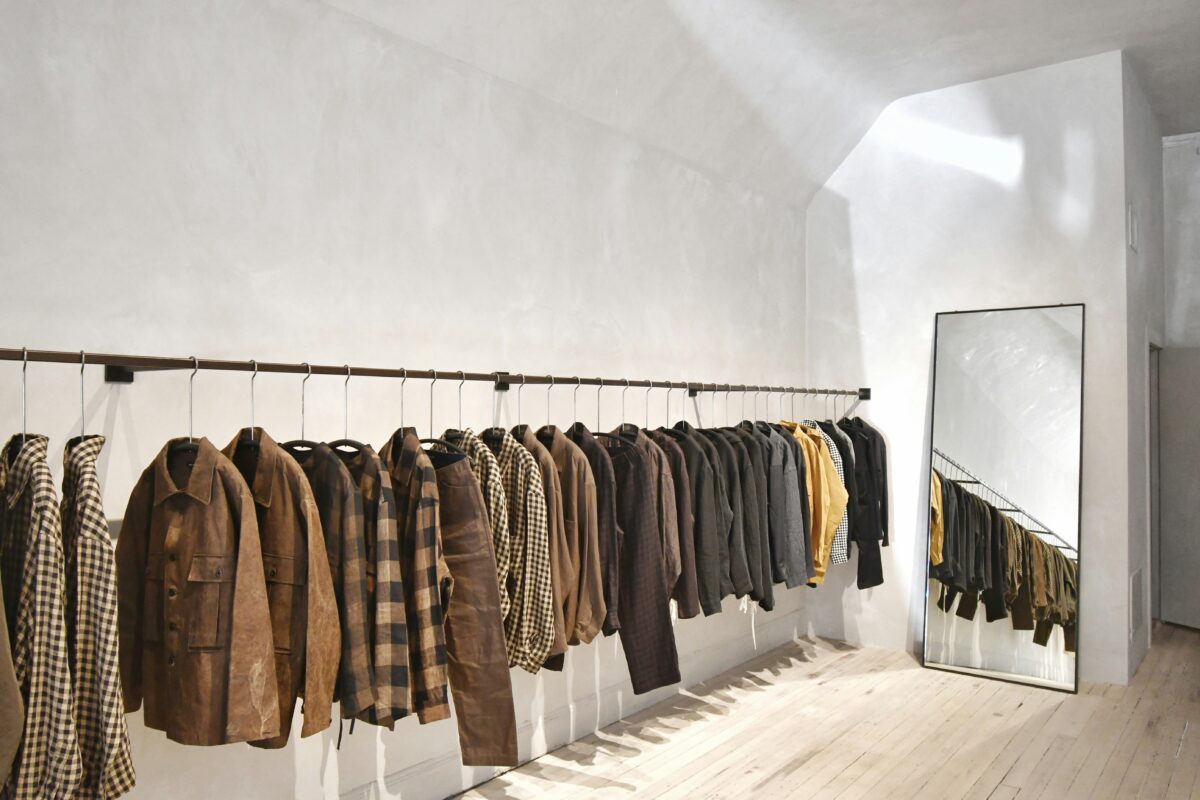
High-end fashion houses install lighting systems in their VIP fitting rooms that simulate different environments. You can see how a dress looks in afternoon sunlight, evening restaurant lighting, or outdoor shade.
The systems use programmable LEDs that replicate specific color temperatures and intensities. This feature solves a common problem.
That perfect dress in the boutique sometimes looks completely different at your actual event. The adjustable lighting helps you make decisions based on realistic conditions rather than the flattering store setup.
In-House Gemologists and Jewelry Repair
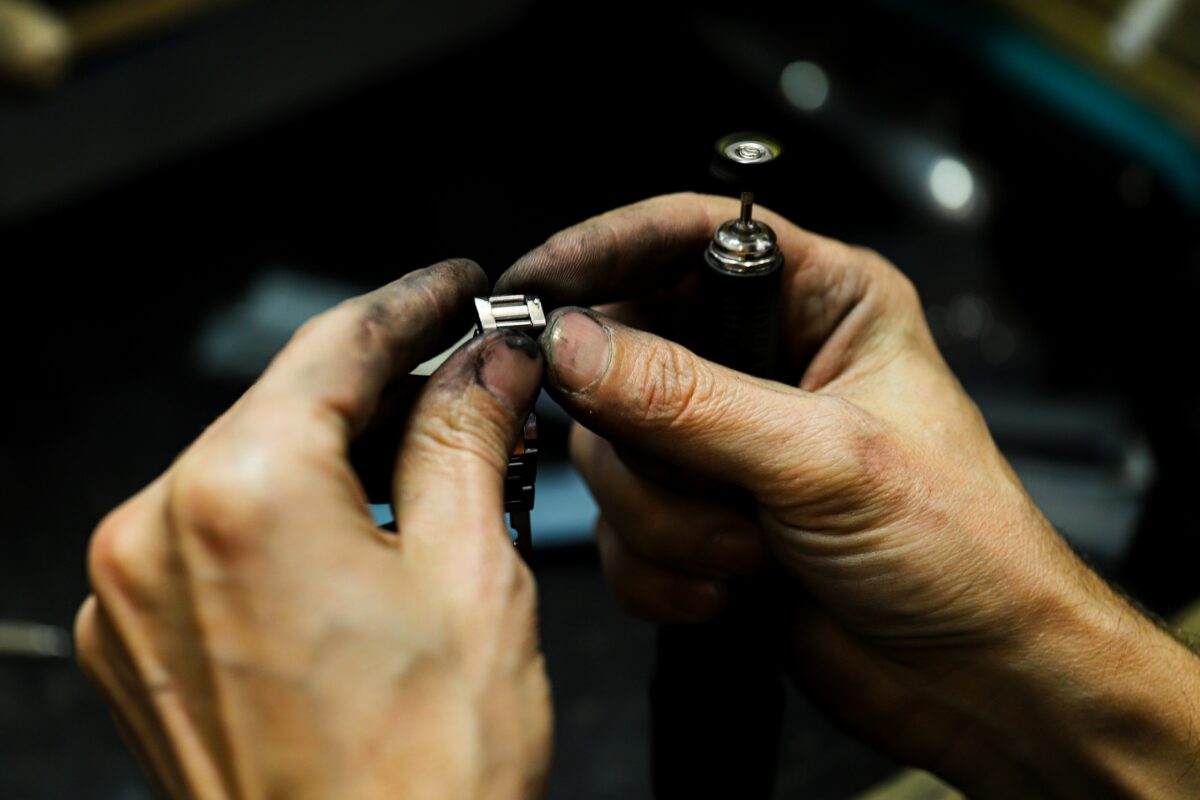
Cartier employs full-time gemologists at their major locations who work in basement-level labs. They authenticate vintage pieces, perform appraisals, and handle repairs requiring specialized tools.
The labs contain equipment found typically only in professional gem-cutting facilities. These specialists also source replacement stones for damaged jewelry.
When a client’s vintage Cartier piece loses a stone, the house locates a period-appropriate replacement that matches the original in cut, clarity, and setting style. The service extends to pieces decades old.
Personal Shopping Suites With Kitchens
Several luxury houses have added full kitchens to their private shopping suites. Prada’s New York flagship includes a space where personal shoppers prepare light meals and drinks for extended appointments.
The setup acknowledges that serious shopping sessions can last four or five hours. The kitchens aren’t just for refreshments.
They create a relaxed environment where decisions happen naturally instead of under sales pressure. Clients treat these appointments like social events, bringing friends and making a day of the experience.
Climate-Controlled Shoe Museums
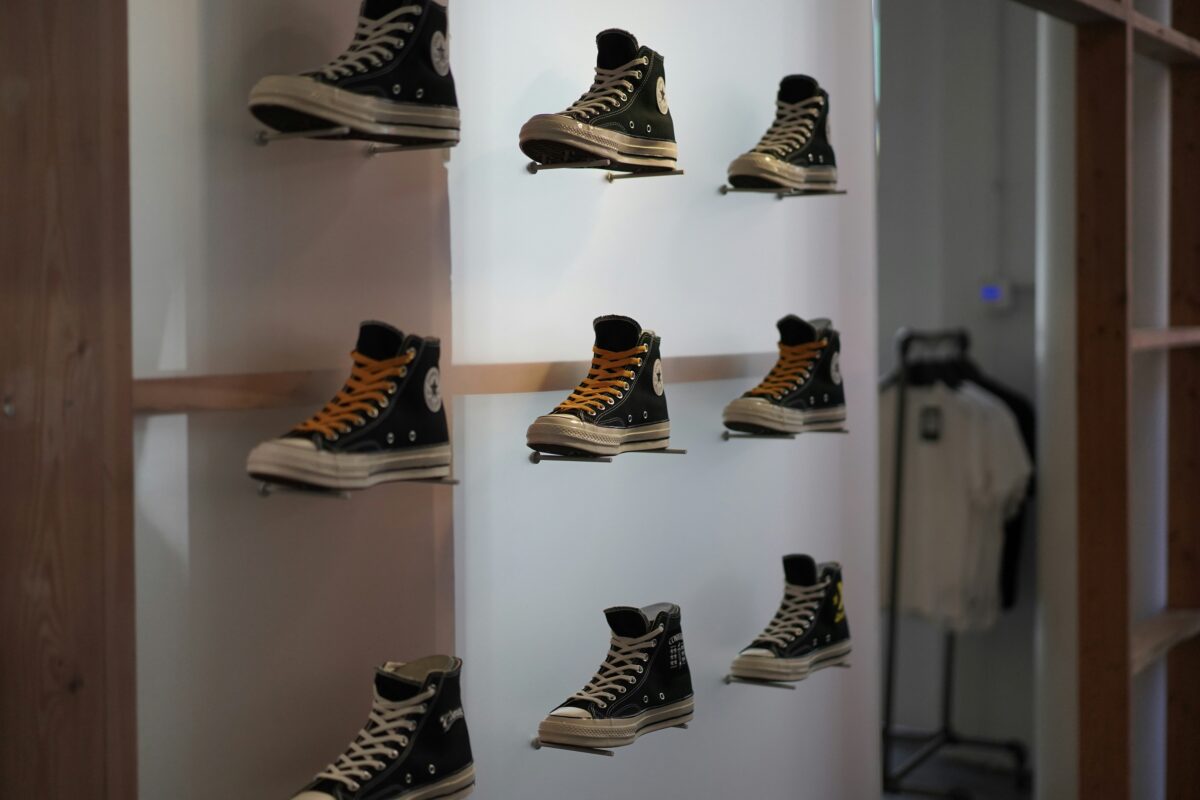
Christian Louboutin maintains a private archive of every shoe design the house has produced. The collection lives in a climate-controlled facility with each pair stored in custom protective housing.
The archive serves multiple purposes beyond nostalgia. Designers reference old collections when developing new lines.
The archive also supplies exact specifications when clients request reproductions of discontinued styles. The house can recreate any shoe they’ve ever made, down to the original last and heel height.
Leather Aging Rooms
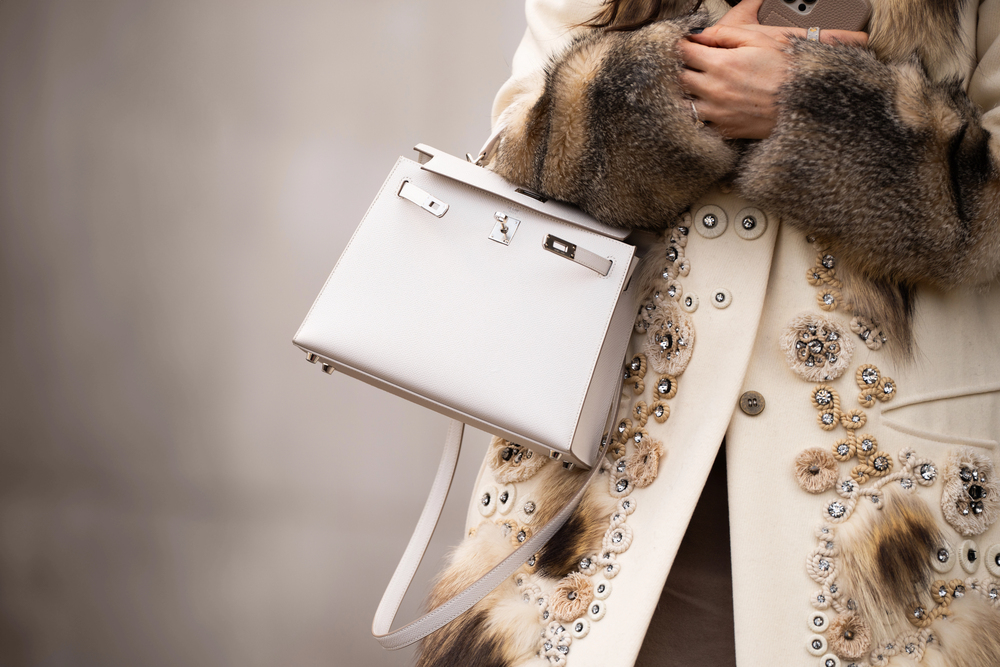
Hermès ages new leather goods in controlled environments before sale. Special rooms maintain specific humidity and temperature levels that accelerate the natural patina development leather undergoes over time.
The process takes weeks but creates a more refined appearance than brand-new leather. The practice started because customers noticed new bags looked harsh compared to their older pieces.
The aging rooms solve this by giving new items a subtle head start on the natural wearing process. The difference shows immediately in how the leather handles and photographs.
Secret Sample Sales for Top Clients

Most fashion houses hold private sales that never get advertised. These events happen in warehouse spaces or after-hours in regular stores.
Invitations go to the absolute top tier of clients, typically people who spend six figures annually with the brand. The sales include runway samples, photo shoot pieces, and overstock from limited editions.
Prices drop substantially, but the real draw involves access to items that never made it to regular retail. Some pieces exist in only one or two examples worldwide.
Restoration Workshops for Vintage Pieces
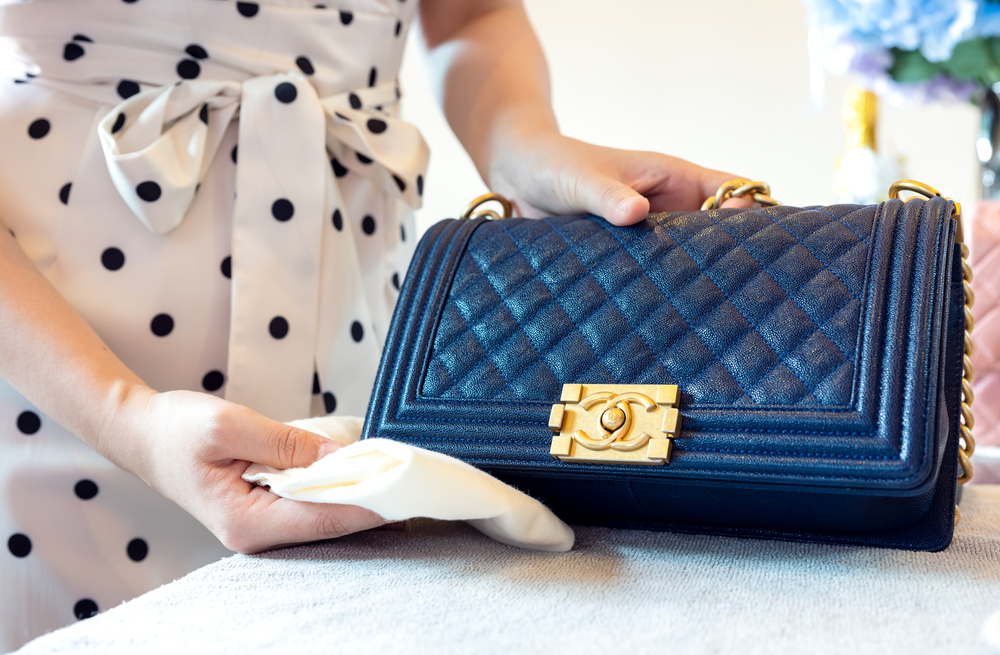
Chanel operates a dedicated workshop in Paris that exclusively restores vintage Chanel pieces. The team includes craftspeople who worked for the house decades ago and know original construction techniques.
They repair bags, clothing, and accessories using period-appropriate methods and materials. The service isn’t cheap, but it preserves pieces that would otherwise deteriorate beyond repair.
Customers send in vintage finds from estate sales or family collections. The workshop can rebuild interiors, replace hardware with period-correct versions, and match fabrics that haven’t been manufactured in forty years.
Private Museum Spaces
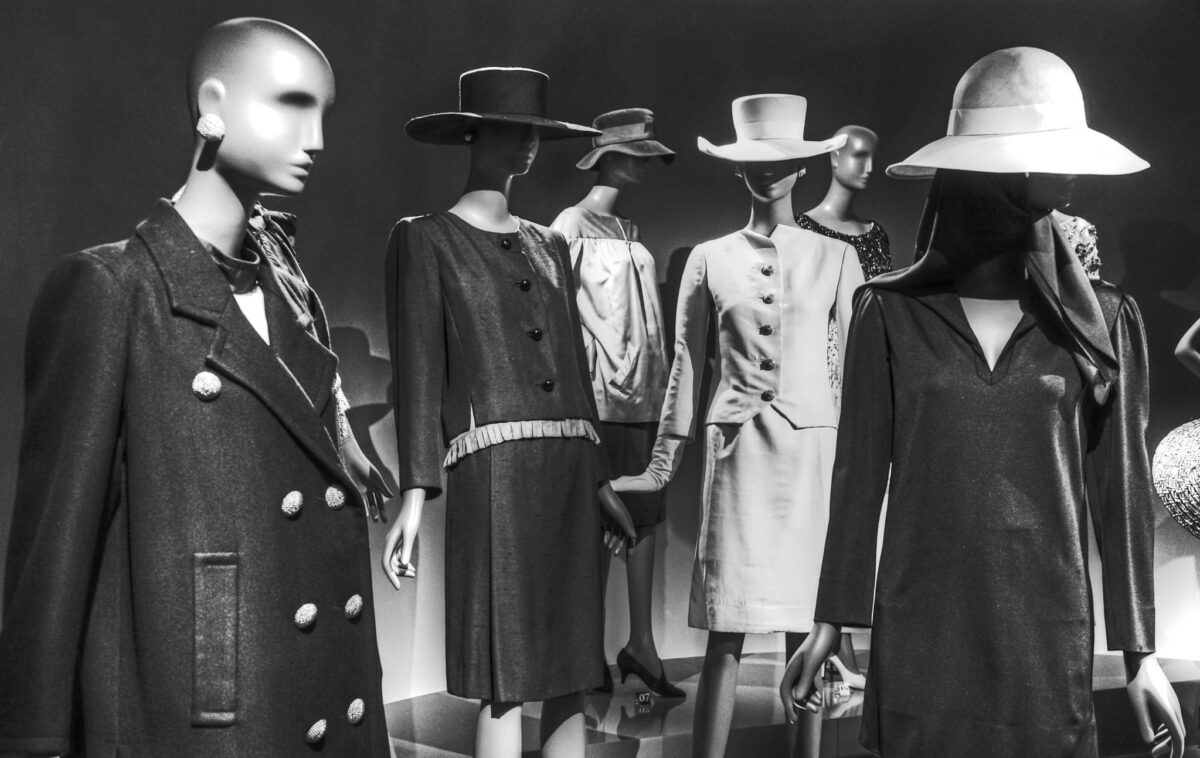
Many fashion houses maintain small museums that open only by appointment. These aren’t tourist attractions.
They serve as educational spaces for serious collectors and students of fashion history. The Yves Saint Laurent museum in Paris has a public component, but the research library and deep archive require special access.
These museums help authenticate pieces and provide historical context for collections. When auction houses need verification on attributed pieces, they send them to these private museums for expert analysis.
Bespoke Fragrance Creation Labs
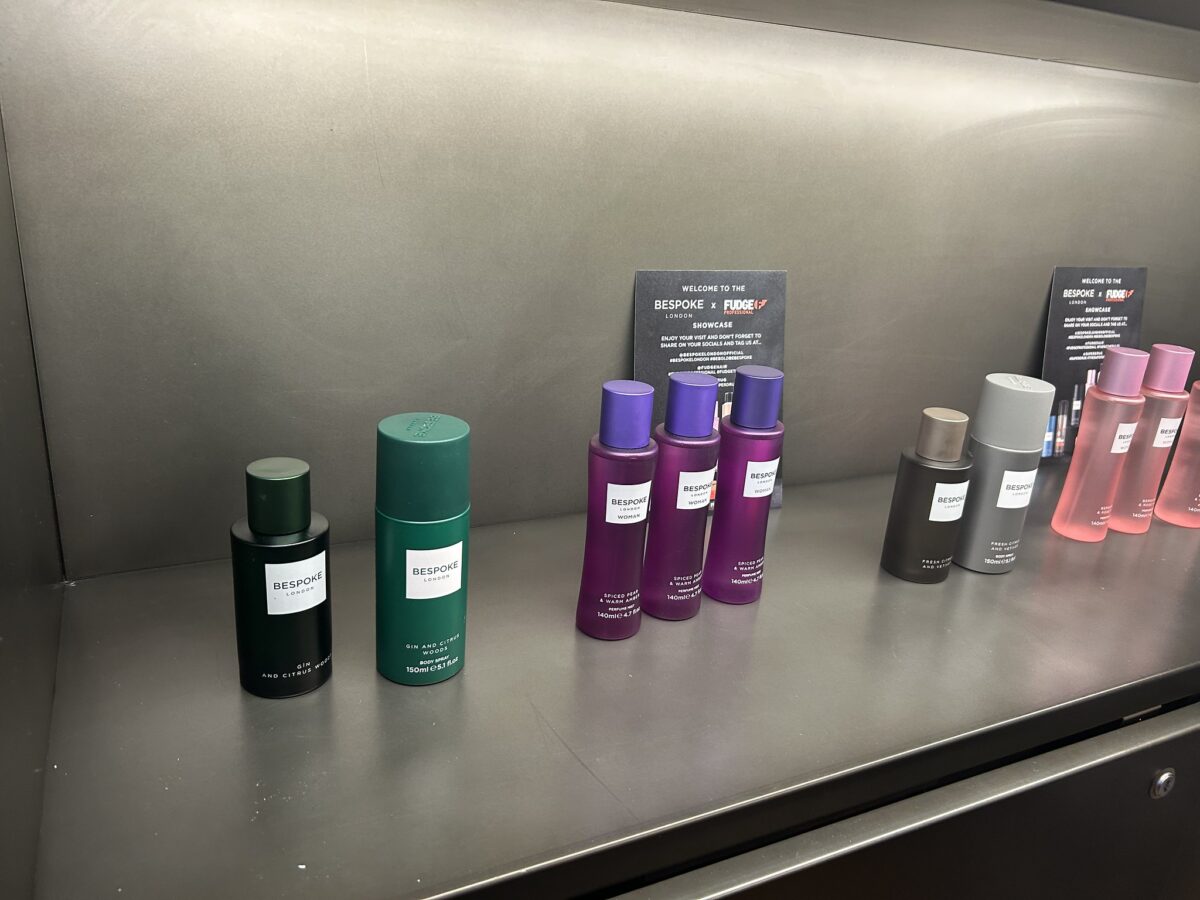
Several luxury houses offer custom fragrance creation, but few people know about the service. The process happens in private labs where perfumers work one-on-one with clients over multiple sessions.
You build a scent from scratch, adjusting notes until it matches exactly what you want. The labs contain hundreds of individual essences and compounds.
Creating a custom fragrance typically takes three to six months and involves creating multiple prototypes. The final formula gets recorded and archived so you can reorder indefinitely.
Where Luxury Really Lives
Hidden corners tell a quiet truth about real luxury. Not in the spotlight, but tucked away, in what gets done behind the scenes.
Brands would still function without them. Cost and care go into things most never notice.
Yet that is where meaning hides. What counts as real luxury isn’t about what you must do, but what you freely decide to take on.
Hidden details speak loudest to those who already know they’re there – no questions needed.
More from Go2Tutors!

- The Romanov Crown Jewels and Their Tragic Fate
- 13 Historical Mysteries That Science Still Can’t Solve
- Famous Hoaxes That Fooled the World for Years
- 15 Child Stars with Tragic Adult Lives
- 16 Famous Jewelry Pieces in History
Like Go2Tutors’s content? Follow us on MSN.