Surprising Origins of Popular Holiday Desserts
Holiday desserts feel timeless, like they’ve existed forever in their current forms. You probably assume gingerbread houses and candy canes have ancient roots stretching back centuries.
The truth gets more complicated. Many beloved holiday treats started as accidents, military rations, or solutions to practical problems that had nothing to do with celebration.
The stories behind these desserts reveal unexpected connections between war, religion, preservation techniques, and pure chance.
Gingerbread Came from Medieval Medicine

Gingerbread wasn’t originally a dessert at all. Medieval doctors prescribed ginger as a digestive aid and general cure-all, mixing it with breadcrumbs to make it palatable. The combination tasted decent enough that bakers started adding honey and spices, transforming medicine into something people actually wanted to eat.
European monasteries perfected gingerbread recipes during the Middle Ages, selling it at fairs and markets. The treat became associated with special occasions simply because the spices cost too much for everyday consumption.
Germans later turned gingerbread into architectural projects, creating decorated houses that had nothing to do with Hansel and Gretel until that story got published in the 1800s.
Fruitcake Started as Preserved Military Rations
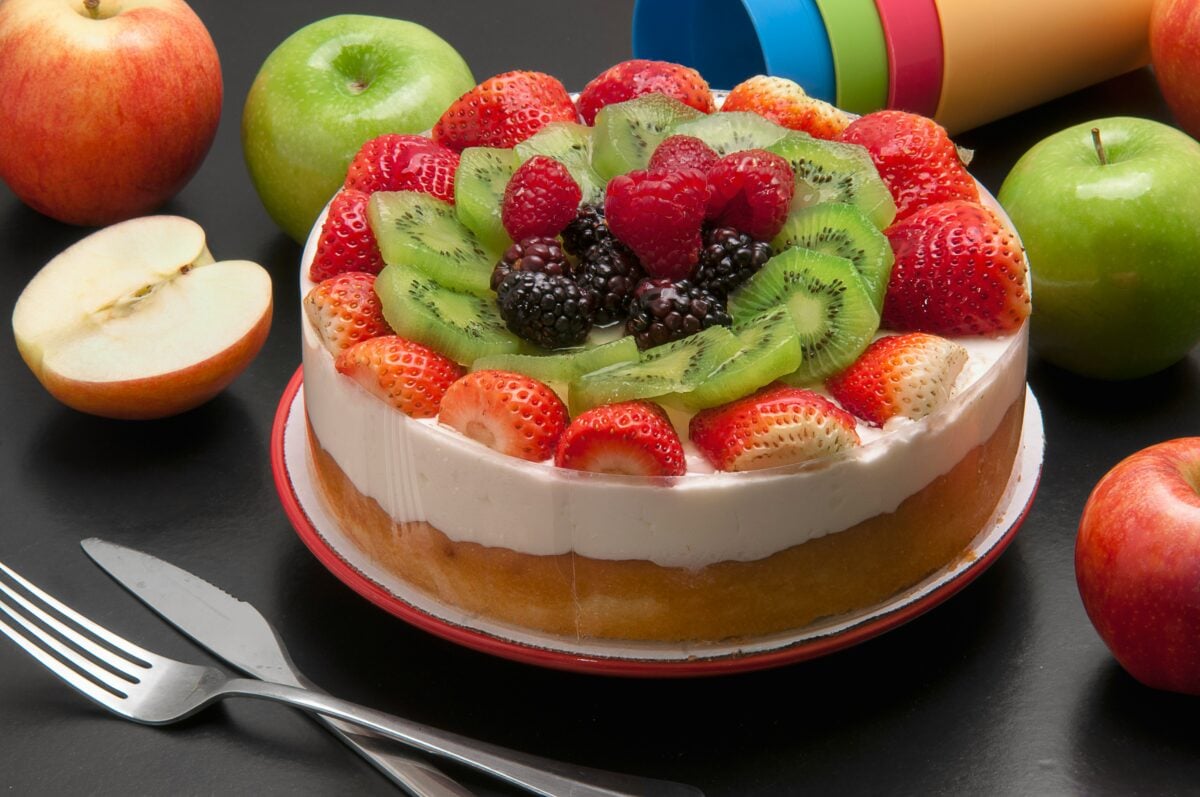
Ancient Romans created an early version of fruitcake by mixing barley, pomegranate seeds, nuts, and raisins into a dense mass. This wasn’t party food—it was practical nutrition that wouldn’t spoil during military campaigns.
The sugar in dried fruits acted as a preservative, letting soldiers carry food for months without refrigeration. By the Middle Ages, European bakers had refined the concept, soaking fruits in alcohol and sealing cakes with sugar icing to extend shelf life even further.
Fruitcakes became popular for long sea voyages and as gifts precisely because they lasted forever. The modern reputation as doorstops that nobody wants to eat developed later, when mass production created versions that prioritized shelf stability over actual flavor.
Candy Canes Were Teaching Tools

The bent sugar sticks we associate with Christmas started straight. German choirmasters in the 1600s gave children flavored sugar sticks to keep them quiet during long church services.
One inventive choirmaster bent the sticks into shepherd’s crook shapes, connecting them to the nativity story and making them seem less like bribes. The red and white stripes appeared much later, probably in the early 1900s.
The popular story about the stripes representing Christ’s blood lacks historical evidence—people just liked how decorative they looked. Peppermint became the standard flavor only because it was cheap and available, not for any symbolic reason.
Most candy cane traditions that seem ancient actually date back less than a century.
Sugar Cookies Replaced Expensive Alternatives

Before refined sugar became affordable, cookies used honey as a sweetener and cost too much for regular consumption. German and Dutch bakers in the 1700s started making simple butter cookies when sugar prices dropped, creating treats ordinary people could afford.
These plain cookies served as blank canvases for decoration, which turned them into holiday staples. Families could cut them into festive shapes and let children decorate them without wasting expensive ingredients.
The tradition of decorating sugar cookies came from practicality—they were cheap enough that ruining a few during the decorating process didn’t matter.
Pumpkin Pie Evolved from Savory Stews
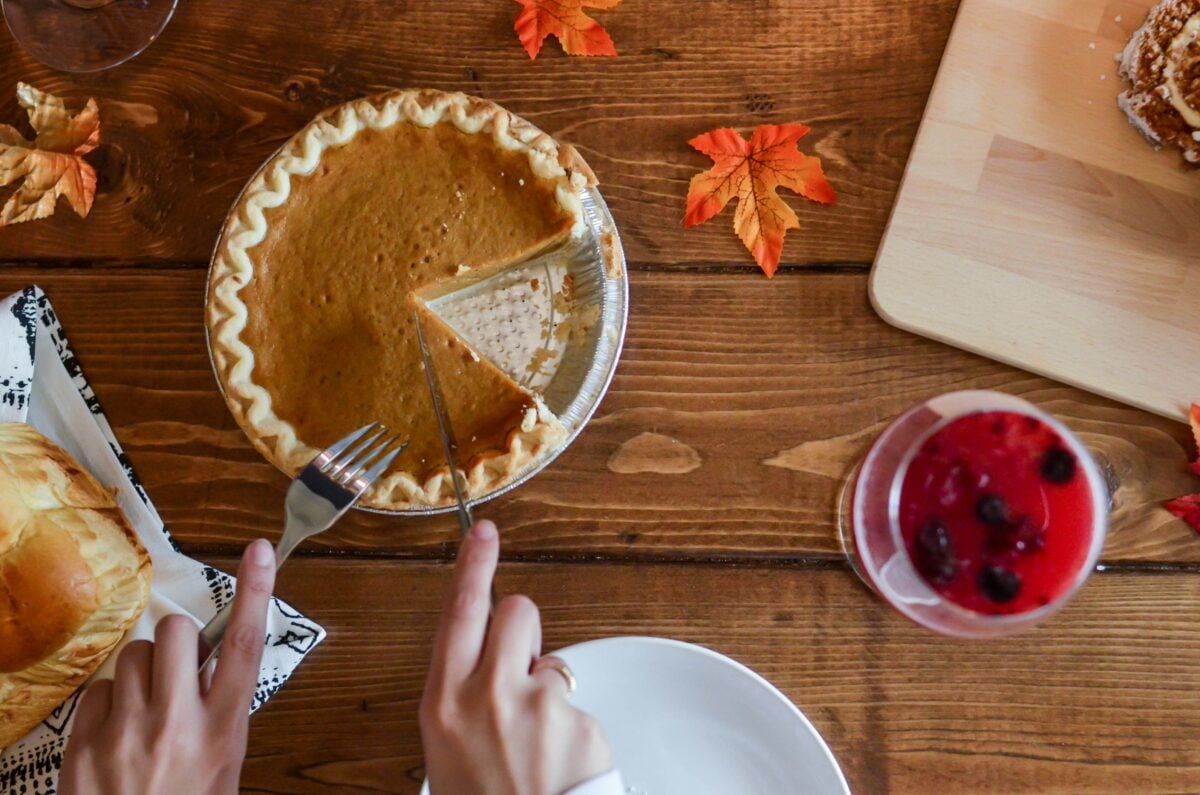
Early American colonists didn’t bake pumpkin pies as we know them. They cut the tops off pumpkins, removed the seeds, filled the cavity with milk and spices, then roasted the whole thing.
The result resembled a savory stew more than a dessert, and you ate it by scooping directly from the pumpkin shell. The transition to sweet pumpkin pies happened gradually as sugar became more available and pastry techniques improved.
By the time Thanksgiving became an official holiday, pumpkin pie had evolved into its modern form. The association with holiday meals came later through repeated tradition, not because early colonists considered it special celebration food.
Eggnog Has Boozy British Roots

Eggnog descended from a medieval British drink called posset, which combined hot milk with wine or ale, then thickened it with eggs and bread. The wealthy drank posset as a winter warmer, while common people rarely had access to fresh milk, eggs, and alcohol simultaneously.
When British colonists came to America, they adapted posset recipes using rum instead of wine, creating something closer to modern eggnog. The drink became associated with Christmas and New Year celebrations because those were occasions when families could justify spending money on expensive ingredients.
The tradition stuck even after eggs and milk became affordable year-round, largely because the alcohol content made it feel special.
Plum Pudding Contains No Plums
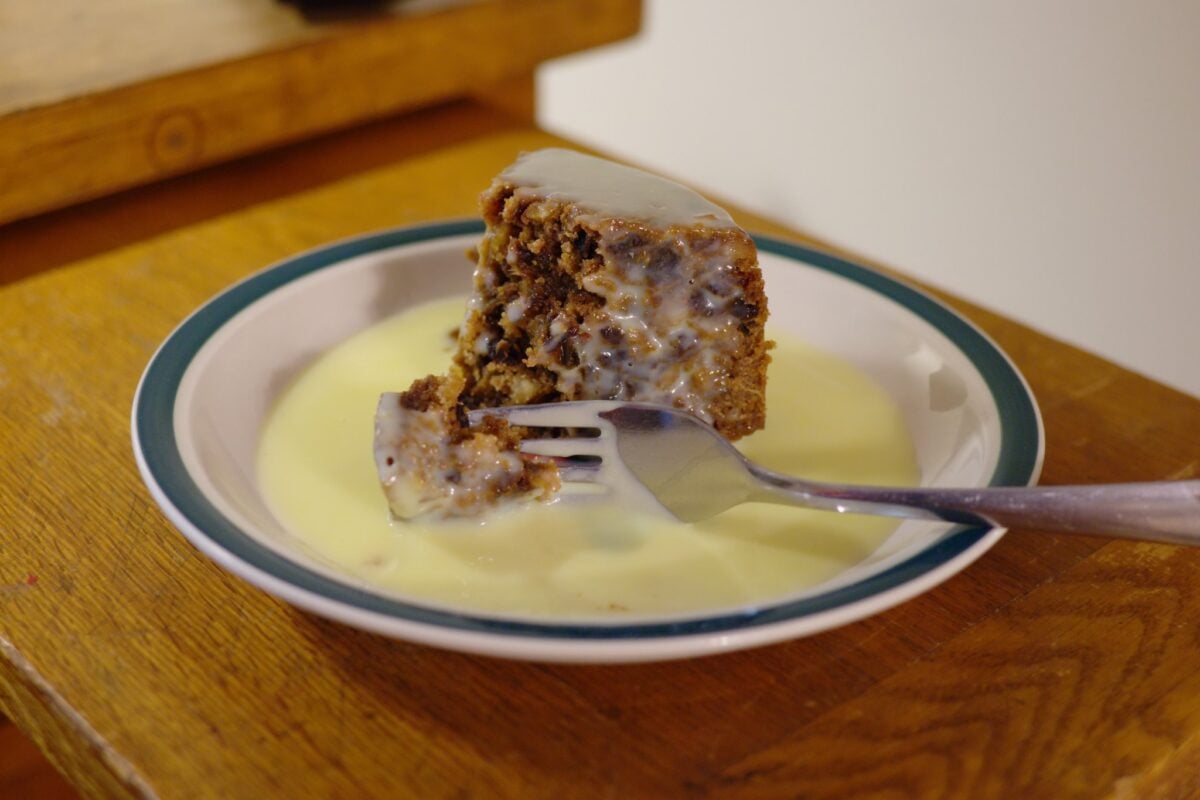
Traditional plum pudding recipes don’t include plums. The “plum” refers to raisins, which British cooks called plums in the 1600s.
The dessert combines dried fruits, suet, breadcrumbs, and enough alcohol to preserve it for months. English families made plum pudding weeks before Christmas, letting it age and develop flavor.
The custom of hiding coins or charms inside started as entertainment during long winter evenings when fresh food was scarce. Finding a coin in your slice supposedly brought good luck, though it more likely brought broken teeth.
Modern health codes discourage the practice, but some families continue it anyway, using wrapped coins instead of loose ones.
Yule Logs Started as Actual Burning Logs
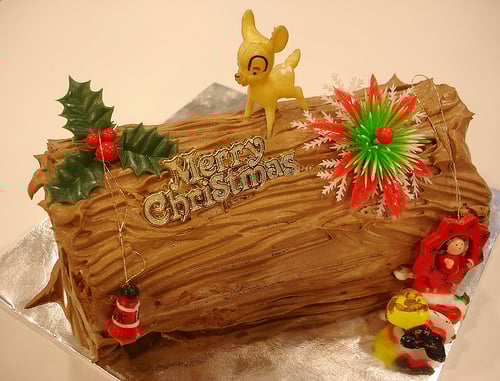
The Yule log dessert mimics an older tradition of burning large logs during winter solstice celebrations. Northern European families selected massive logs, decorated them, and kept them burning throughout the twelve days of Christmas.
The ashes supposedly had protective powers, which explains why people saved them. French pastry chefs created the cake version in the 1800s, shaping genoise or sponge cake to look like bark-covered logs.
The dessert caught on because it referenced a dying tradition that most urban families could no longer practice—city apartments don’t accommodate three-foot logs burning in the living room. The cake lets people acknowledge old customs without actually setting things on fire.
Panettone Was a Kitchen Accident
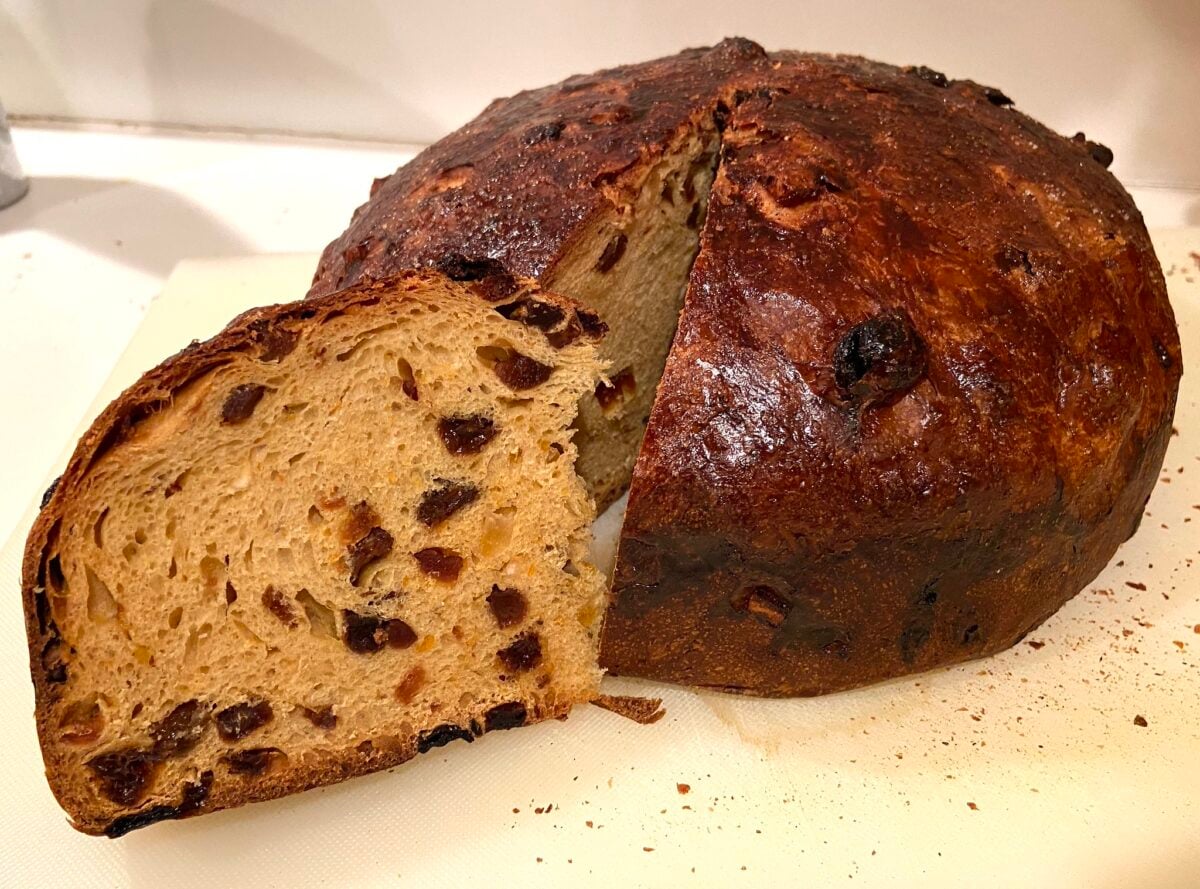
Multiple Italian legends claim to explain panettone’s origin, but most agree it involved a baker’s mistake in 1490s Milan. One story says a kitchen assistant named Toni burned the intended dessert for a duke’s Christmas feast, then quickly improvised a sweet bread using leftover ingredients.
The duke loved it, naming it “Pan de Toni” or Toni’s bread. Whether that story holds true or not, panettone remained a regional specialty for centuries before becoming internationally popular in the mid-1900s.
Companies figured out how to mass-produce the tall, airy bread without destroying its texture, turning a Milanese oddity into a global holiday tradition. Now you can find it in grocery stores everywhere, usually sold in distinctive dome-shaped boxes.
Mincemeat Pie Actually Contained Meat

Original mincemeat pies mixed chopped meat with fruits, spices, and alcohol—a medieval preservation method that let families save meat through winter months. The fruit and alcohol prevented bacterial growth while the spices masked any off flavors that developed.
British cooks gradually reduced the meat content over centuries, eventually eliminating it entirely from most recipes. The name stuck even after the ingredient disappeared.
Modern mincemeat pie rarely contains actual meat, consisting instead of dried fruits, suet, and brandy. Vegetarian versions replace the suet with butter, completing the transformation from a meat preservation method to a fruit dessert.
Stollen Has Religious Symbolism Nobody Notices

German stollen supposedly represents the baby Jesus wrapped in swaddling clothes, with the white powdered sugar symbolizing purity and the shape mimicking a bundled infant. Bakers in Dresden created stollen in the 1400s as a simple bread, originally made without butter because Catholic fasting rules forbade it during Advent.
The Pope eventually permitted Saxon bakers to use butter, transforming stollen into the rich, fruit-filled bread we know today. The religious symbolism got added retroactively, as people looked for meaning in foods they already enjoyed.
Most people eating stollen today have no idea about its supposed connection to the nativity story, and probably wouldn’t care if they did.
Pfeffernüsse Are Pepper Cookies That Don’t Taste Like Pepper

These tiny, round treats from Germany mean “pepper nuts,” yet their flavor leans more on honey along with warm touches of cinnamon or cloves. Back then, people called every spice “pepper,” so that’s how they got the name – no real pepper needed, even if a few old-school versions tossed in just a pinch.
Sailors took pfeffernüsse on sea trips since these tough little biscuits wouldn’t spoil for ages. Over time, they got tied to Christmas when Germans settled elsewhere and shared old habits.
They turned into festive snacks just by being made year after year – no deep reason linked to winter holidays.
Buche de Noel Replaced Fire Hazards

The Yule log cake in France started much like the old tradition of burning logs during Christmas. Families lit them, thinking the ashes would keep bad things away from home.
As fireplaces faded out, bakers stepped in with fancy desserts instead. These cakes often had fake mushrooms made from meringue, moss shaped from marzipan, or bark crafted in chocolate.
French bakeries made Buche de Noel a kind of craft, each trying to outdo the others with fake logs that looked super real. This sweet treat marks a shift – meals took over ceremonies, yet still nod to old customs even in today’s city living.
Honestly, no one’s sad about skipping the danger of leaving a giant log on fire inside for days.
From Necessity to Nostalgia
Holiday sweets come from stories that aren’t really about comfort or joy today. These treats began as remedies, field supplies, ways to keep food fresh, and fixes when ingredients were scarce.
Over time, doing the same thing again turned them into customs; then those habits became signs of festivity and getting together with relatives. The odd thing isn’t how ordinary these sweets first were.
It’s that we still make them even though the reasons are gone. Fruitcake doesn’t need to last through winter anymore, nor does gingerbread fix stomach issues.
We cook them since our parents’ parents did, since scents bring back moments, since mixing and shaping feels just as important as tasting. They might’ve started by chance or out of necessity.
Still, what they mean now – we made that on purpose – choosing to link past and present using dishes that stuck around way longer than their uses.
More from Go2Tutors!

- The Romanov Crown Jewels and Their Tragic Fate
- 13 Historical Mysteries That Science Still Can’t Solve
- Famous Hoaxes That Fooled the World for Years
- 15 Child Stars with Tragic Adult Lives
- 16 Famous Jewelry Pieces in History
Like Go2Tutors’s content? Follow us on MSN.