Birds That Build the Most Complex Nests
When you think about construction projects, your mind probably goes to skyscrapers or bridges. But some of the most impressive architects on Earth don’t wear hard hats or carry blueprints.
They’re covered in feathers and work with nothing but their beaks and feet. These birds create structures so intricate that engineers study them to understand principles of design and stability.
Now let’s look at some of the most talented builders in the bird world and see what makes their nests so special.
Sociable weaver
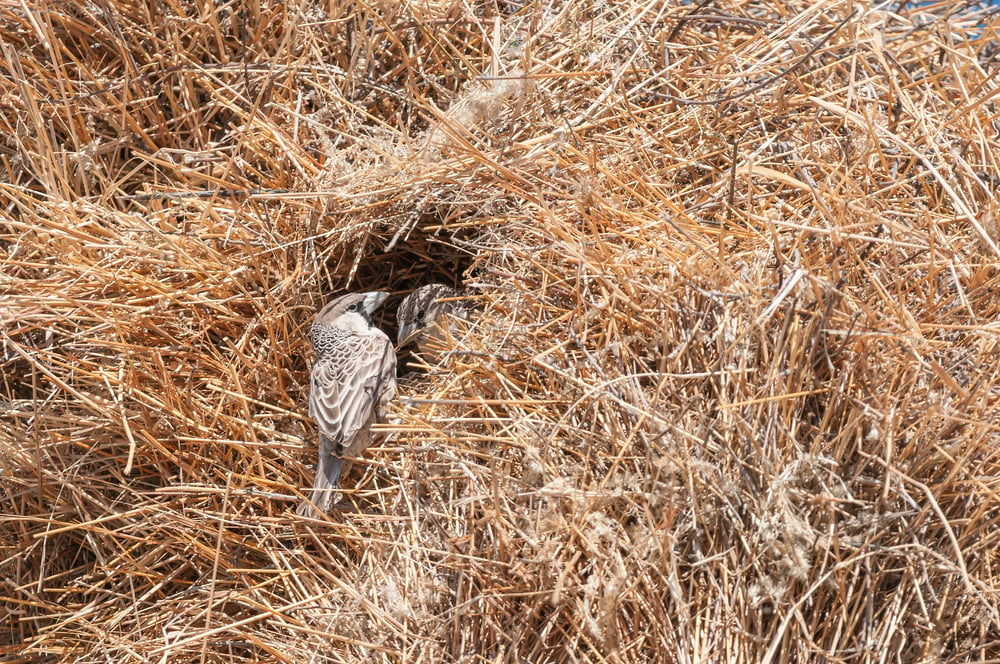
The sociable weaver from southern Africa doesn’t just build a nest. It constructs an entire apartment complex that can house over 100 pairs of birds at once.
These massive structures look like haystacks jammed into acacia trees and can weigh over a ton. The nest stays cool during scorching days and warm during cold nights because of its thick thatched roof and separate entrance tunnels for each chamber.
Some of these nests have been continuously occupied for over a century, with new generations adding rooms and making repairs.
Baya weaver
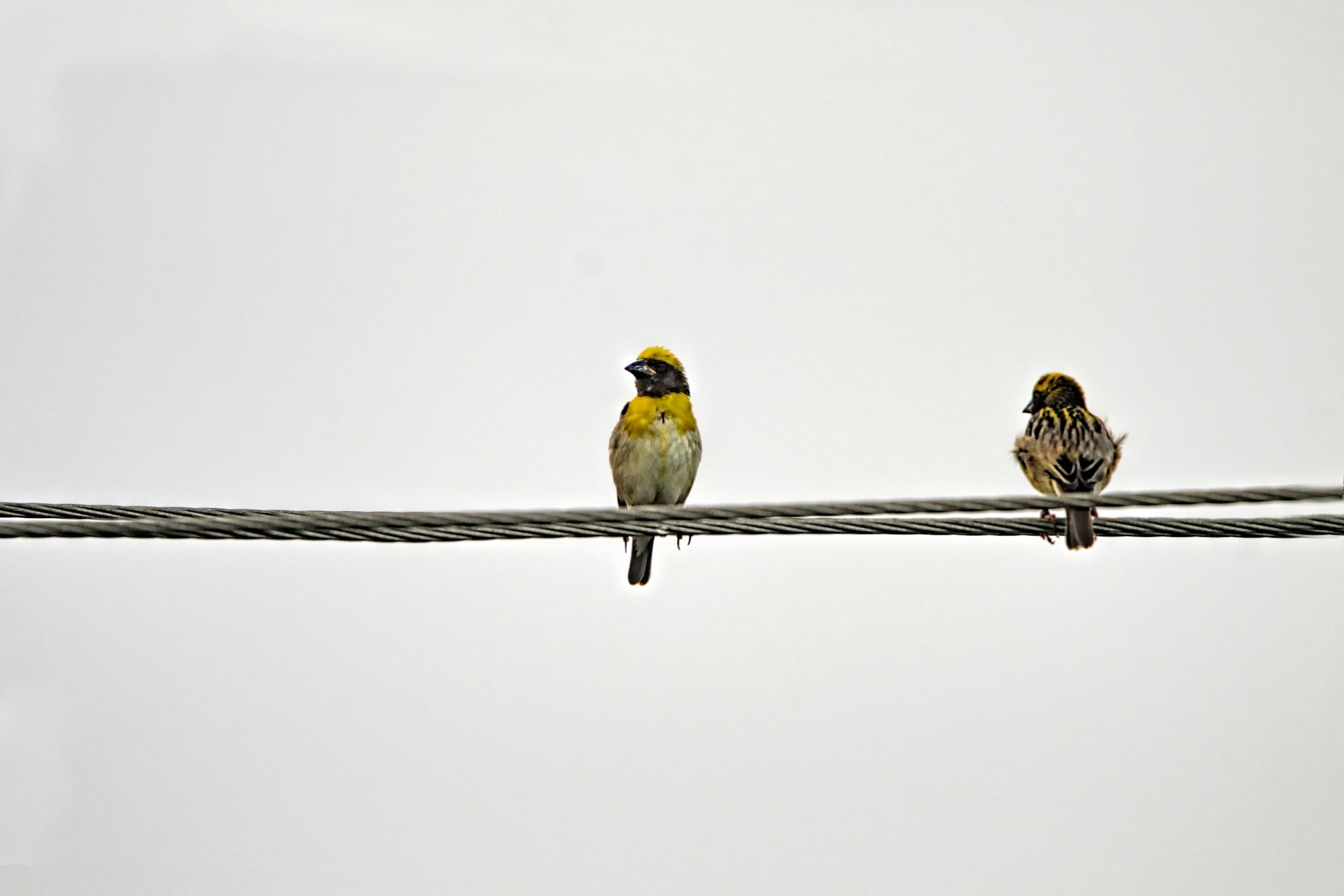
Male baya weavers from South Asia are like that friend who redecorates their apartment three times before getting it right. They weave elaborate hanging nests from grass and palm leaves, creating a round chamber with a long entrance tube that hangs down like a sleeve.
If a female inspects the nest and finds it lacking, the male will literally tear it apart and start over. The entrance tube is positioned downward to keep out tree snakes and other predators.
These birds tie thousands of knots while building, and each nest can take up to 18 days to complete.
Montezuma oropendola
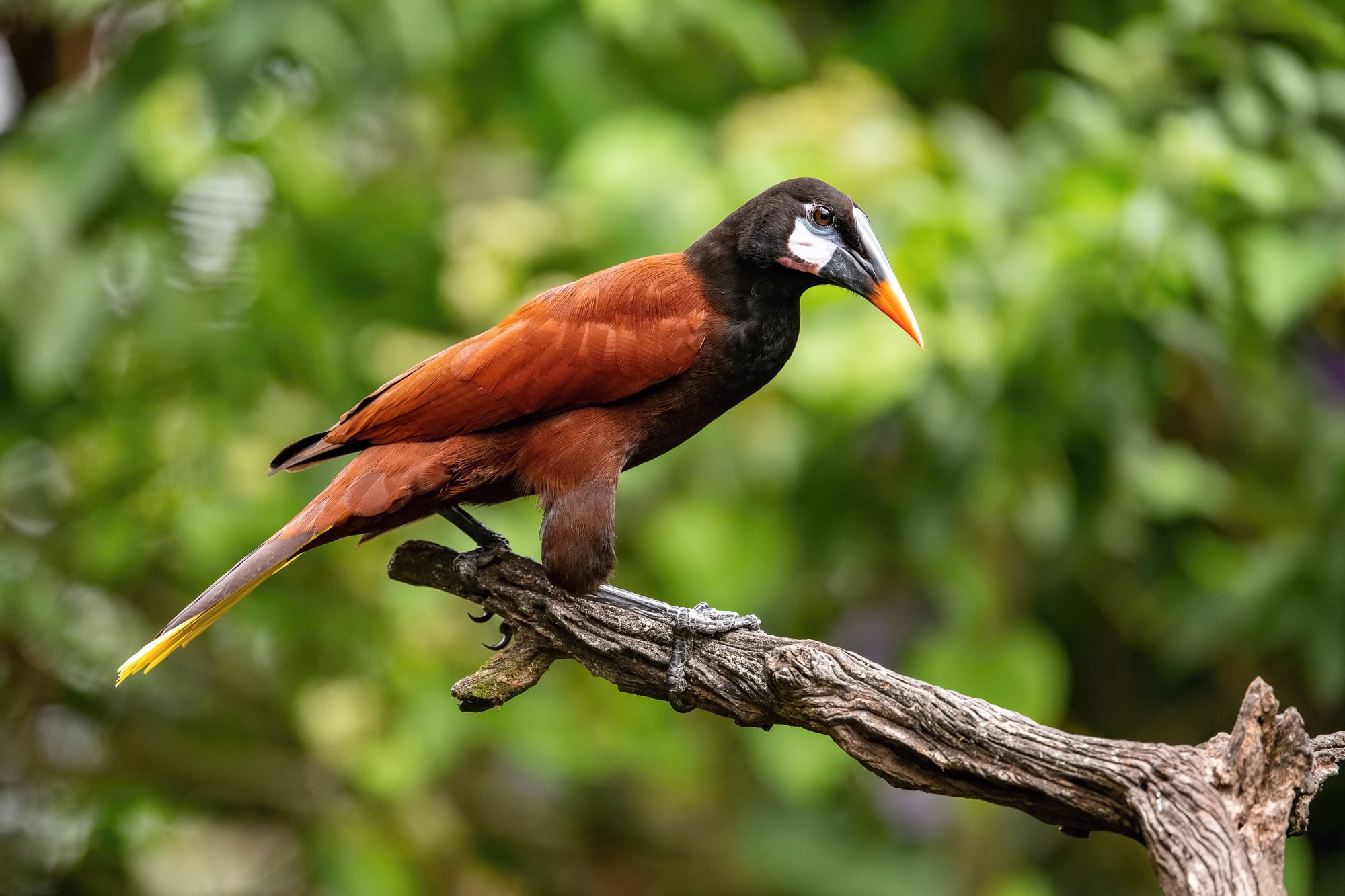
These Central American birds create nests that look like long socks hanging from tree branches, sometimes reaching three feet in length. Females do all the building work while males just show off and make loud calls.
The colonies can have dozens of these hanging nests in a single tree, swaying in the breeze like strange fruit. The length and narrow opening at the top help protect eggs and chicks from monkeys, snakes, and other nest raiders.
Some clever oropendolas even build near wasp nests for extra security.
Rufous hornero
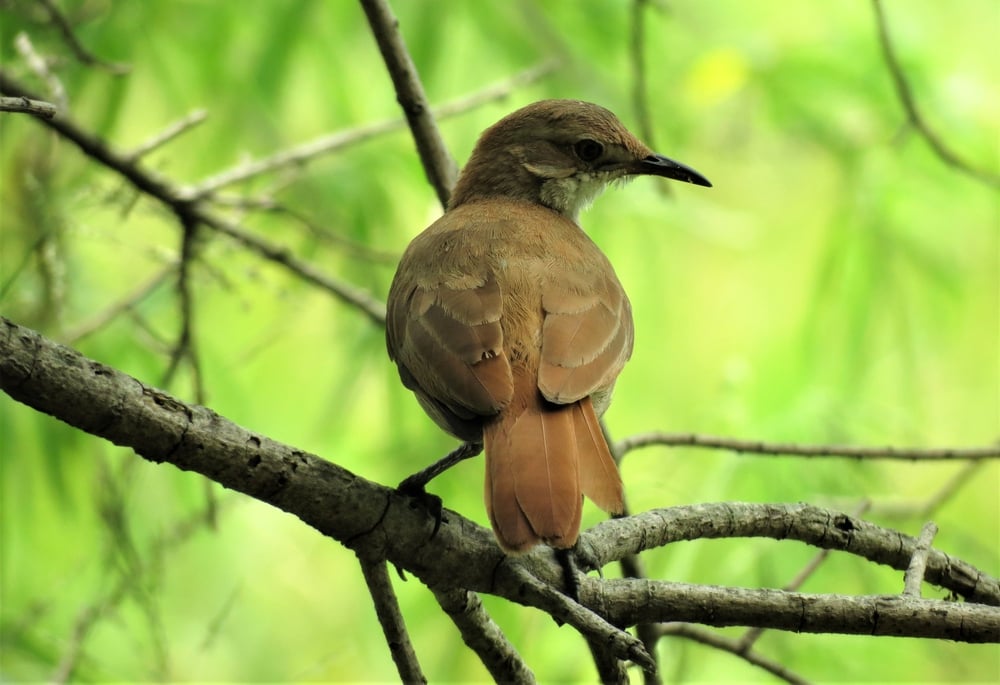
Argentina’s national bird builds a nest that looks exactly like a tiny clay oven, which is why locals call it the “baker bird.” The pair works together to gather thousands of mud pellets mixed with grass and hair, shaping them into a dome with a curved entrance passage.
This entrance leads to a separate inner chamber where the eggs stay protected from wind and rain. The thick walls harden like concrete in the sun and can last for years.
Other birds often move into abandoned hornero nests because they’re so well built.
White tern
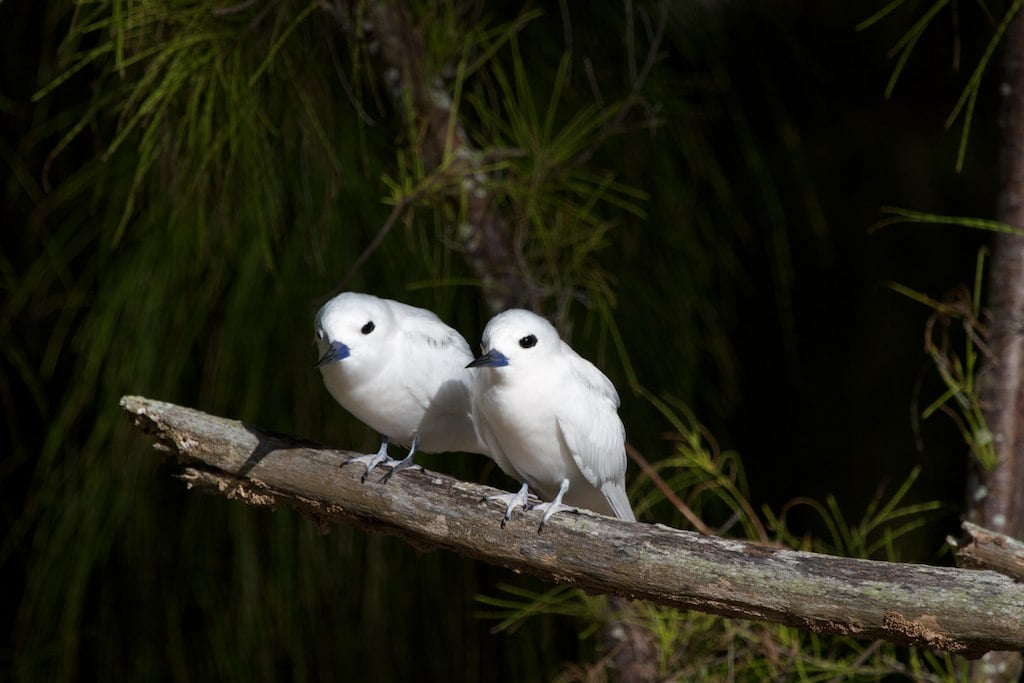
Here’s a bird that took a nest building in the opposite direction and said “why bother?” The white tern lays its single egg directly on a bare tree branch with no nest material whatsoever.
The egg has a slightly flattened bottom that helps it balance, and the chick is born with strong feet that can grip the branch from day one. This approach actually makes sense on tropical islands where branches are stable and there are fewer predators.
It’s the minimalist approach to parenting, but it works because the parents are incredibly attentive and the chicks develop balance skills fast.
Edible-nest swiftlet
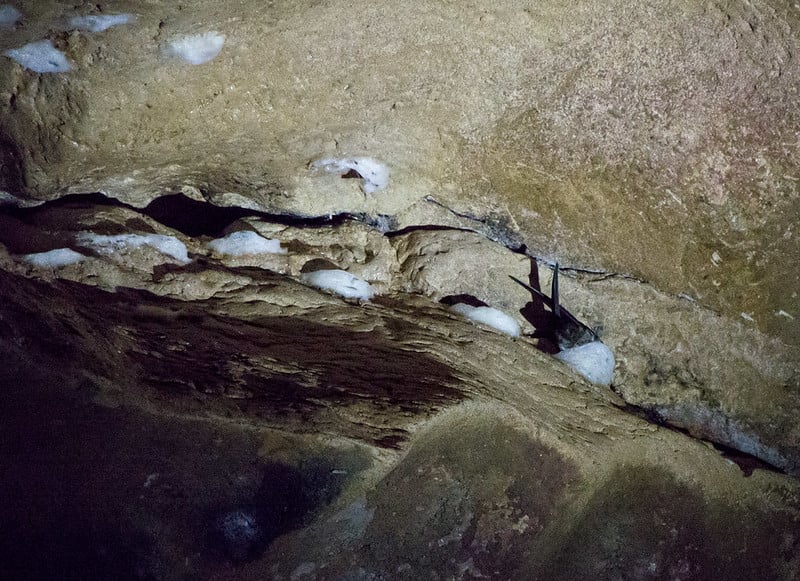
These Southeast Asian birds produce the main ingredient for bird’s nest soup, one of the world’s most expensive foods. They build their nests almost entirely from hardened saliva, which takes about 35 days to produce enough material.
The translucent cup-shaped nest gets glued to cave walls in complete darkness, with the birds navigating by echolocation like bats. People have harvested these nests for over 400 years, and some nests sell for thousands of dollars per pound.
The birds have to rebuild after each harvest, making their saliva production quite the valuable commodity.
Hamerkop

The hamerkop builds what might be the most over-engineered nest in the bird world. This African wading bird creates a massive dome that can be six feet across and strong enough to support the weight of a grown man standing on top.
The nest has three chambers including a main living area, an entrance hall, and even a false entrance to confuse predators. A single nest can contain over 8,000 sticks and take up to six months to build.
Other birds and animals often move in after the hamerkop leaves because the structure is so solid and spacious.
Tailorbird
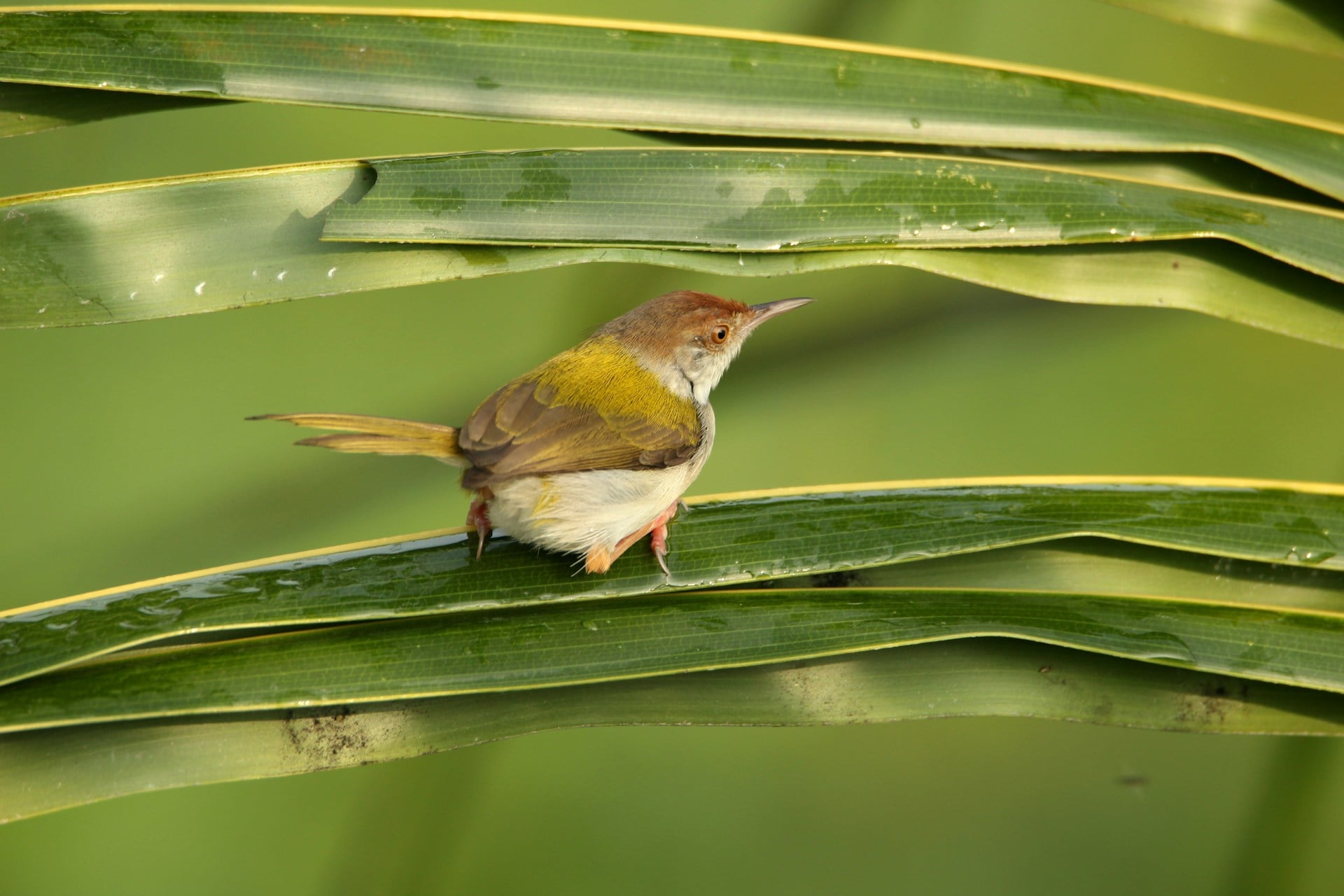
The common tailorbird from Asia literally sews leaves together to create a hidden cradle for its nest. Using its sharp beak as a needle, the bird pokes openings along the edges of large leaves and threads plant fibers or spider silk through them to stitch the leaves into a pouch.
Inside this green cocoon, the bird adds soft materials like cotton and feathers for the actual nest cup. The living leaves continue growing and provide perfect camouflage from predators.
This technique shows problem-solving skills that rival any human tailor working with fabric.
Compass termite mound birds
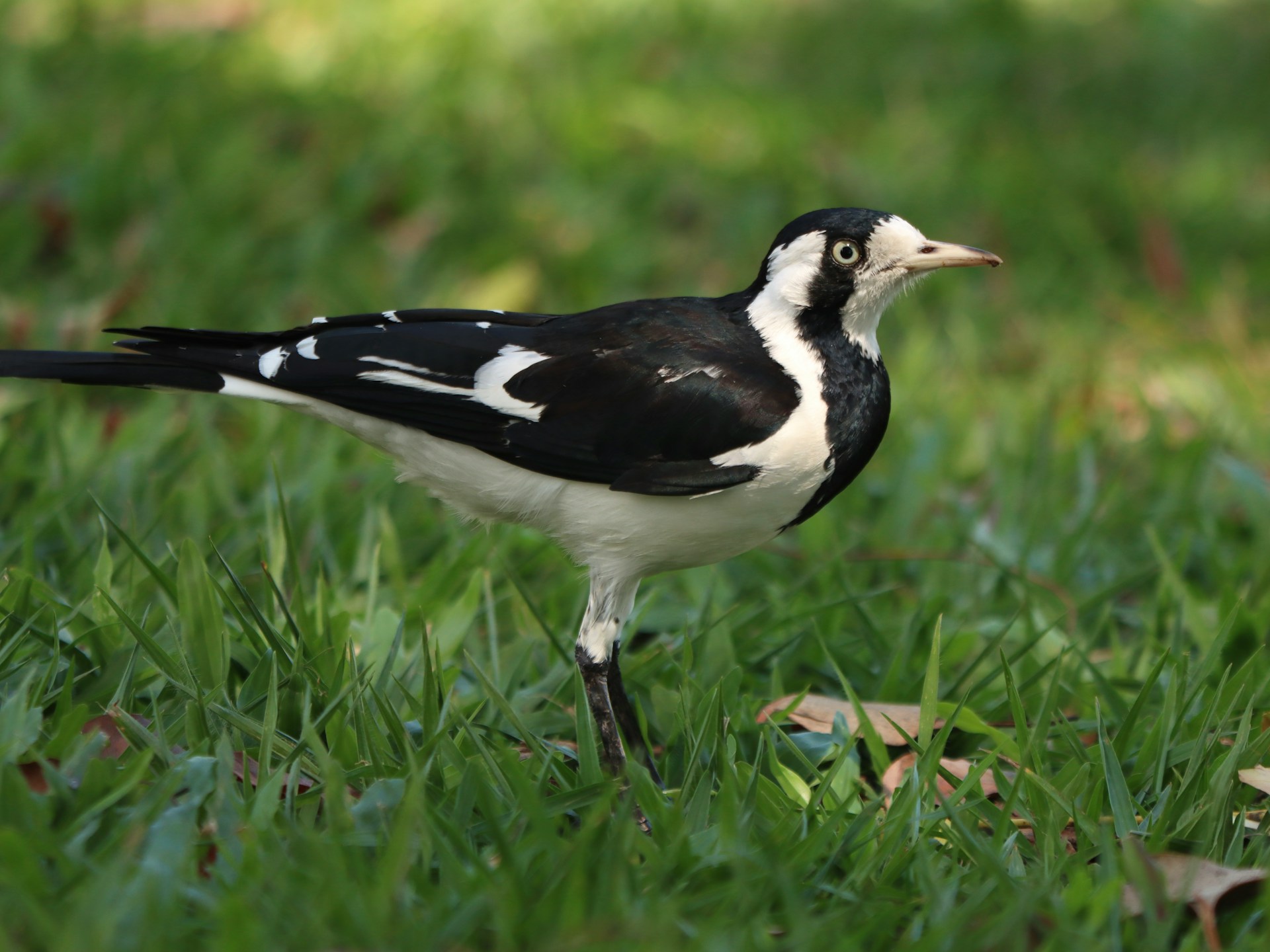
The Australian magpie-lark might not build the fanciest nest, but it picks some of the most interesting real estate. These birds often build their mud bowl nests on top of compass termite mounds, which are flat structures that termites orient north-south to regulate temperature.
The location gives the birds a great vantage point to spot danger and keeps ground predators at bay. The nest itself is made from mud mixed with grass and lined with feathers.
Both parents work on construction and can finish a nest in about a week.
Horned coot
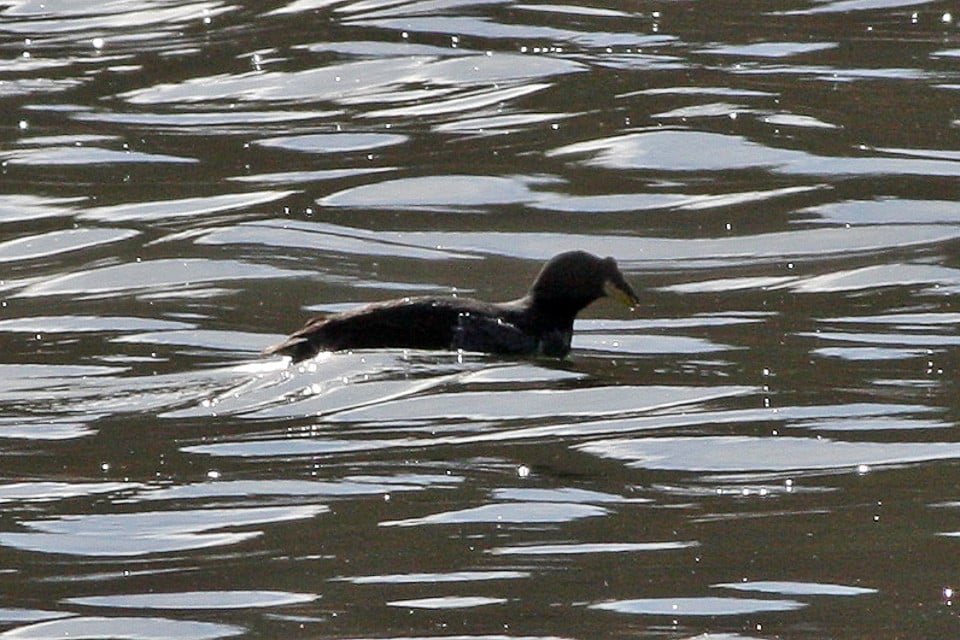
This South American water bird builds floating nest platforms in high-altitude lakes where materials are scarce. The coot dives underwater to gather stones and piles them into a cone that can contain over 3,000 pounds of rocks.
On top of this stone foundation, the bird adds aquatic plants to create a floating island. The massive base prevents the nest from washing away in waves and rising water levels.
These structures can take a full breeding season to complete and are often reused for several years.
Pendulum tit
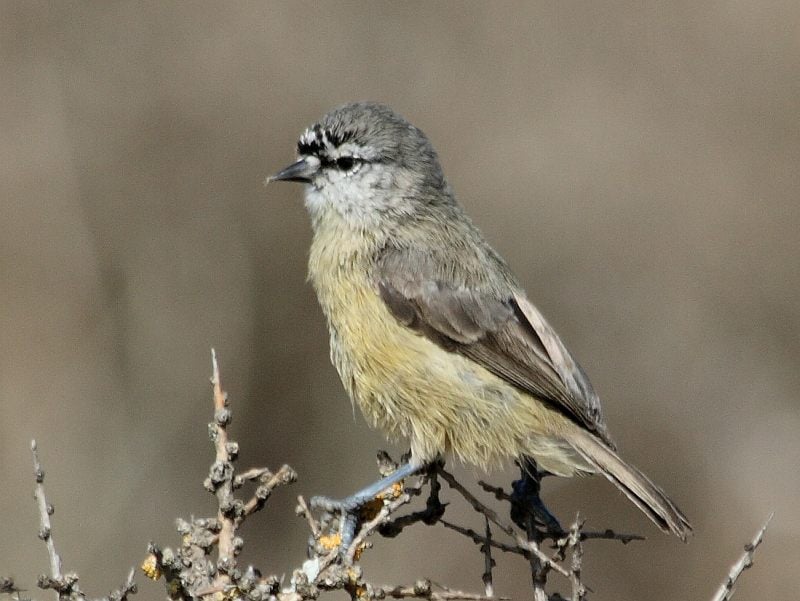
The pendulum tit from Africa creates a hanging nest that’s basically a soft fabric pouch with a side entrance near the top. The female does most of the building work, using spider webs as the main structural material and decorating the outside with lichen, moss, and flower petals.
The inside gets lined with feathers and soft plant down. The entrance tunnel extends upward and inward, making it nearly impossible for predators to reach inside.
These delicate structures sway in the wind but are surprisingly durable and waterproof.
Cactus wren
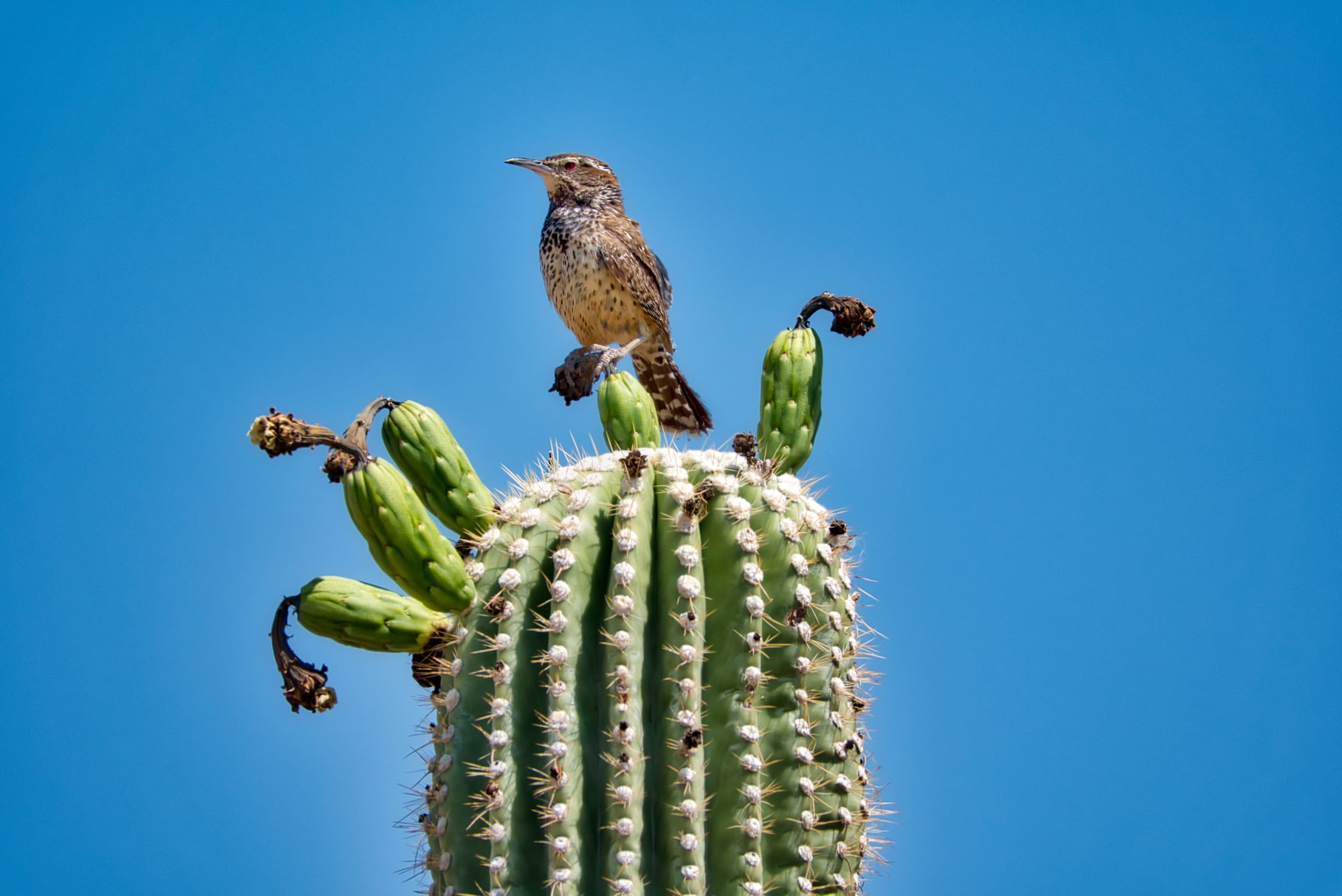
America’s largest wren builds a football-shaped nest in the spiny arms of cholla and other cacti throughout the southwestern deserts. The entrance tunnel faces away from prevailing winds and leads to a soft inner chamber lined with feathers.
The thick walls of grass and plant fibers provide insulation from the extreme desert heat. Cactus wrens are so devoted to their craft that they build multiple nests throughout the year, using some for roosting even when not breeding.
The spiny cactus location keeps most predators from even attempting a raid.
Malleefowl
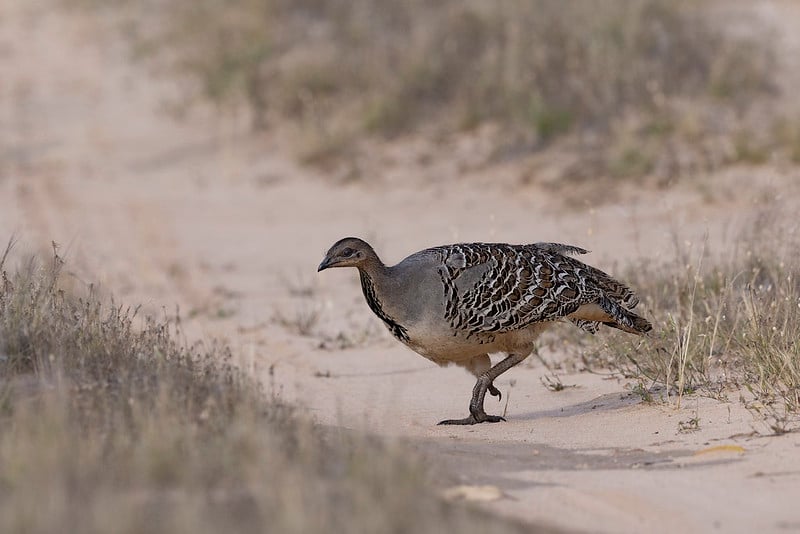
Instead of sitting on eggs like most birds, the malleefowl from Australia builds a massive mound of leaves and sand that acts as an incubator. Males spend up to 11 months each year maintaining these mounds, which can be 15 feet across and contain several tons of material.
The decomposing leaves generate heat, and the male constantly tests the temperature with his beak and adjusts the sand layer to keep it at exactly 91 degrees Fahrenheit. This dedication to temperature control is unmatched in the bird world.
The chicks dig themselves out fully developed and never even meet their parents.
Ovenbird
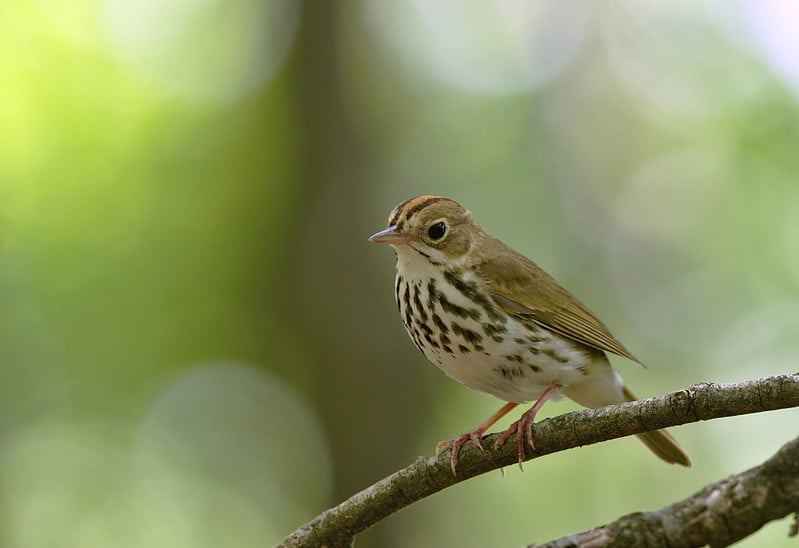
The South American ovenbird builds a domed mud nest that resembles the rufous hornero’s creation but adds its own twist with an internal spiral wall. This curved partition creates a winding entrance that leads to the nesting chamber, making it even harder for predators to navigate.
Both parents gather mud and build the structure over several weeks. The nest entrance always faces away from prevailing winds and rain.
These thick-walled structures can last several seasons and are built on fence posts, tree branches, or even on buildings in some areas.
Bald eagle

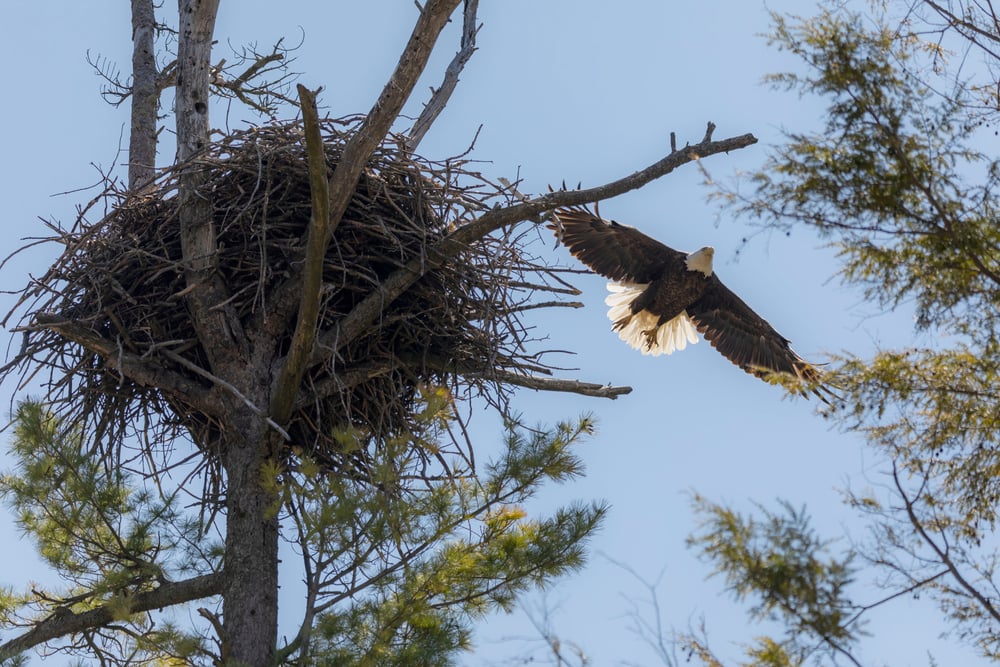
Bald eagles build the largest tree nests of any bird in North America, and they keep adding to them year after year. Some of these nests reach 10 feet across and weigh over 2,000 pounds.
The record holder was in Florida and measured 9.5 feet wide and 20 feet deep before the tree finally gave way. Eagles use large sticks for the outer structure and line the interior with softer materials like grass, moss, and feathers.
Pairs often return to the same nest each breeding season, doing renovation work before laying eggs.
Great bowerbird
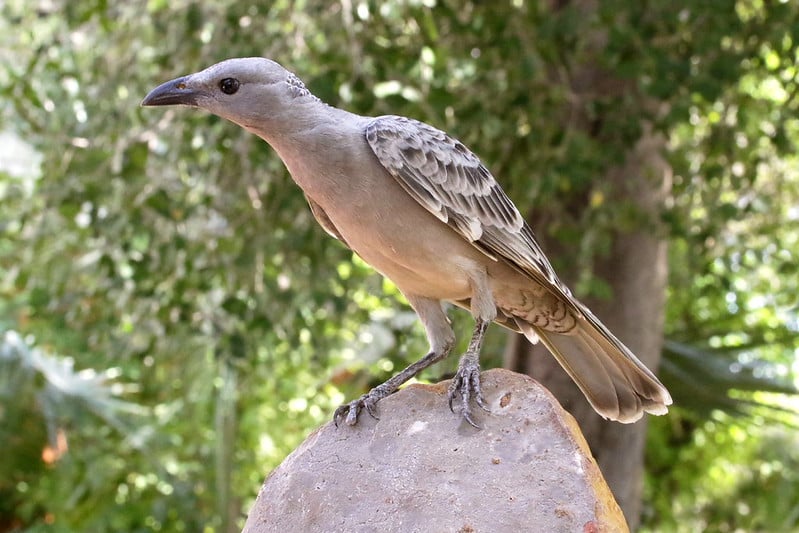
Male bowerbirds don’t actually build nests for raising young, but they create elaborate structures called bowers to attract mates. These aren’t nests at all but rather mating display areas decorated with colorful objects arranged in specific patterns.
The great bowerbird builds an avenue bower with two parallel walls of sticks and decorates the area with white and green objects like bones, shells, and glass. Males spend months perfecting their bowers and will steal decorations from neighboring males.
Females judge males based on bower quality and only mate with the most impressive architects.
Purple martin
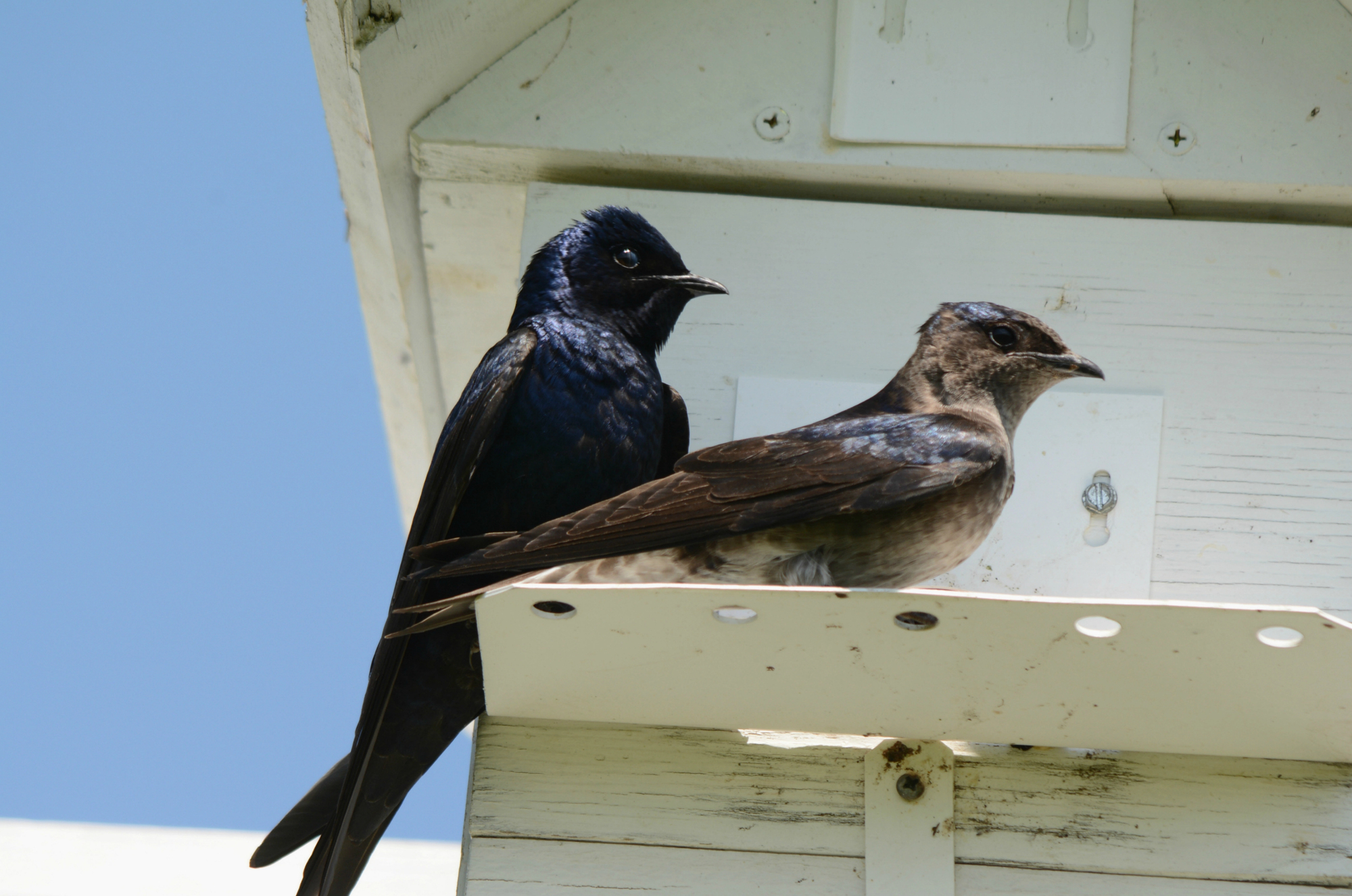
Not many birds rely so much on people like purple martins do. Once, these social fliers used dead trees or old woodpecker spots to raise their young.
Now, their homes come from us – built not by beaks, but by hands. Fancy towers with lots of rooms stand where forests once did.
They don’t craft walls or roofs, yet fit right into our world. That bond began long ago, when Indigenous folks tied dried gourds to poles.
Today’s keepers follow that quiet habit, offering shelters big enough for whole neighborhoods. A single couple takes one space, filling it later with bits of green stuff, dirt, and stems.
Vogelkop bowerbird
Out near New Guinea lives the Vogelkop bowerbird, crafting something wild – like nature’s fanciest single home. A male works hard, building a shelter shaped like a small house up against a young tree, often standing waist-high on a human.
Color matters here, so he lays out bright things – flowers, berries, shiny insect parts, mushrooms – in neat groups right outside his doorway. As colors dull over time, fresh pieces take their place without delay.
Inside those walls, some go further, mixing mashed-up fruit, black charcoal dust, and spit to coat surfaces smoothly. What you see is care, precision, order – the kind people chase when designing show gardens.
Buildings shaped by gut feeling
Designs that follow hidden urges. Structures grown from silent knowing. Spaces guided by inner pull.
Not every expert builder uses blueprints or hammers – some just have feathers and instinct. Built over countless generations, those small homes tackle survival challenges most humans never face.
Learning isn’t only passed down through genes; watching others plays a role too. A single twig placed differently can hint at personality – or local tradition among certain kinds of birds.
Before dismissing that messy bundle up in the branches, consider: right now, somewhere far away, construction is underway on a design so clever it quietly stuns experts.
More from Go2Tutors!

- The Romanov Crown Jewels and Their Tragic Fate
- 13 Historical Mysteries That Science Still Can’t Solve
- Famous Hoaxes That Fooled the World for Years
- 15 Child Stars with Tragic Adult Lives
- 16 Famous Jewelry Pieces in History
Like Go2Tutors’s content? Follow us on MSN.