Unexpected Secrets Behind Movie Special Effects
Movies transport audiences to impossible worlds and create moments that defy reality. Behind every explosion, alien creature, and gravity-defying stunt lies a combination of clever tricks, everyday objects, and sometimes hilariously simple solutions.
The secrets that make movie magic work are often more surprising than the finished effects themselves. Here are some of the most unexpected tricks that filmmakers have used to fool audiences for decades.
Cornflakes created snow in classic films
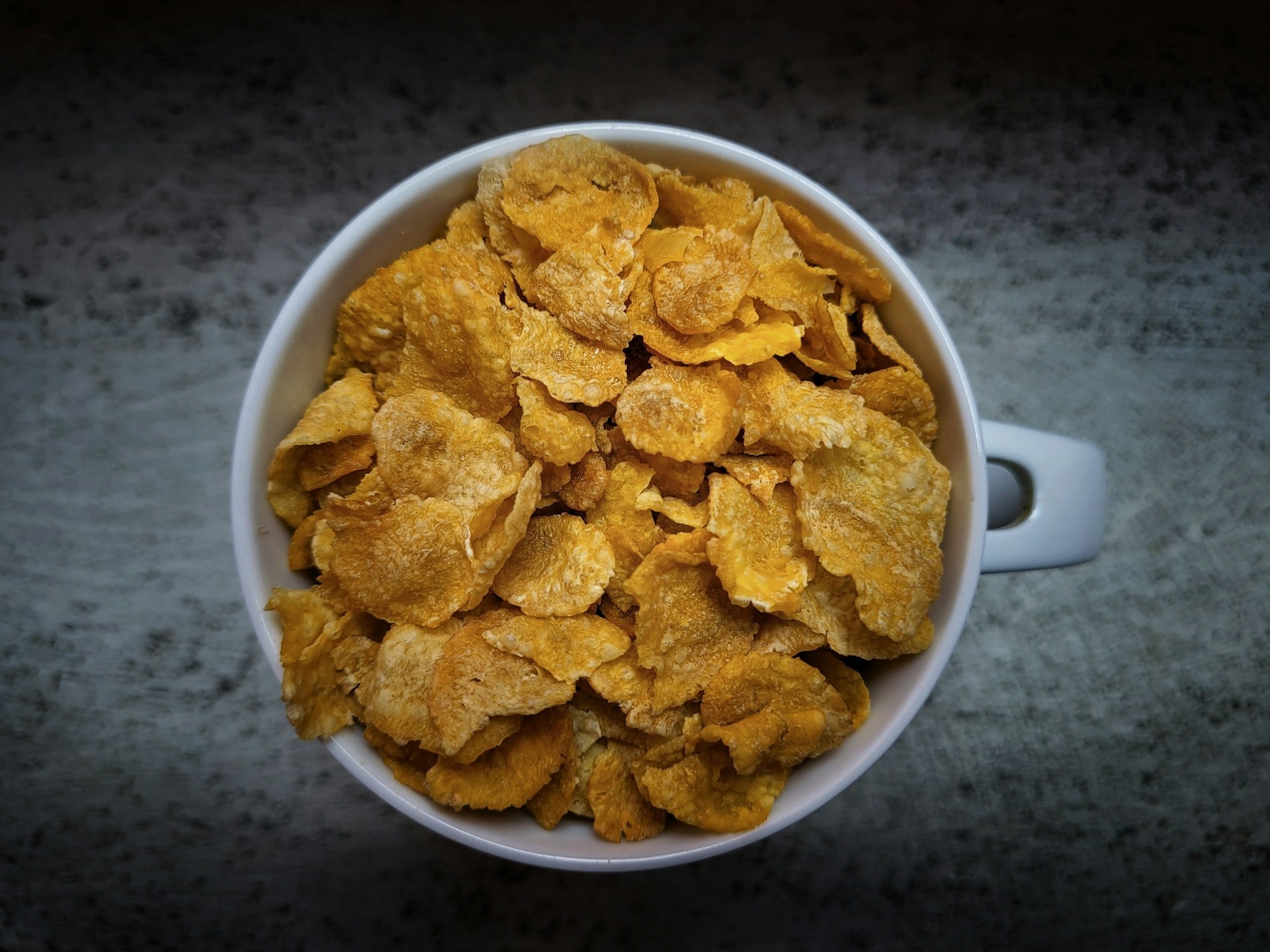
Early Hollywood needed a way to make realistic snow that would show up well on black and white film. A sound engineer discovered that painting cornflakes white created the perfect crunchy, reflective snow substitute.
The Wizard of Oz used this technique for the poppy field scene, though the crunching sound had to be added later. This breakfast cereal trick worked so well that studios kept using it for years until better materials came along.
Condoms made E.T. glow
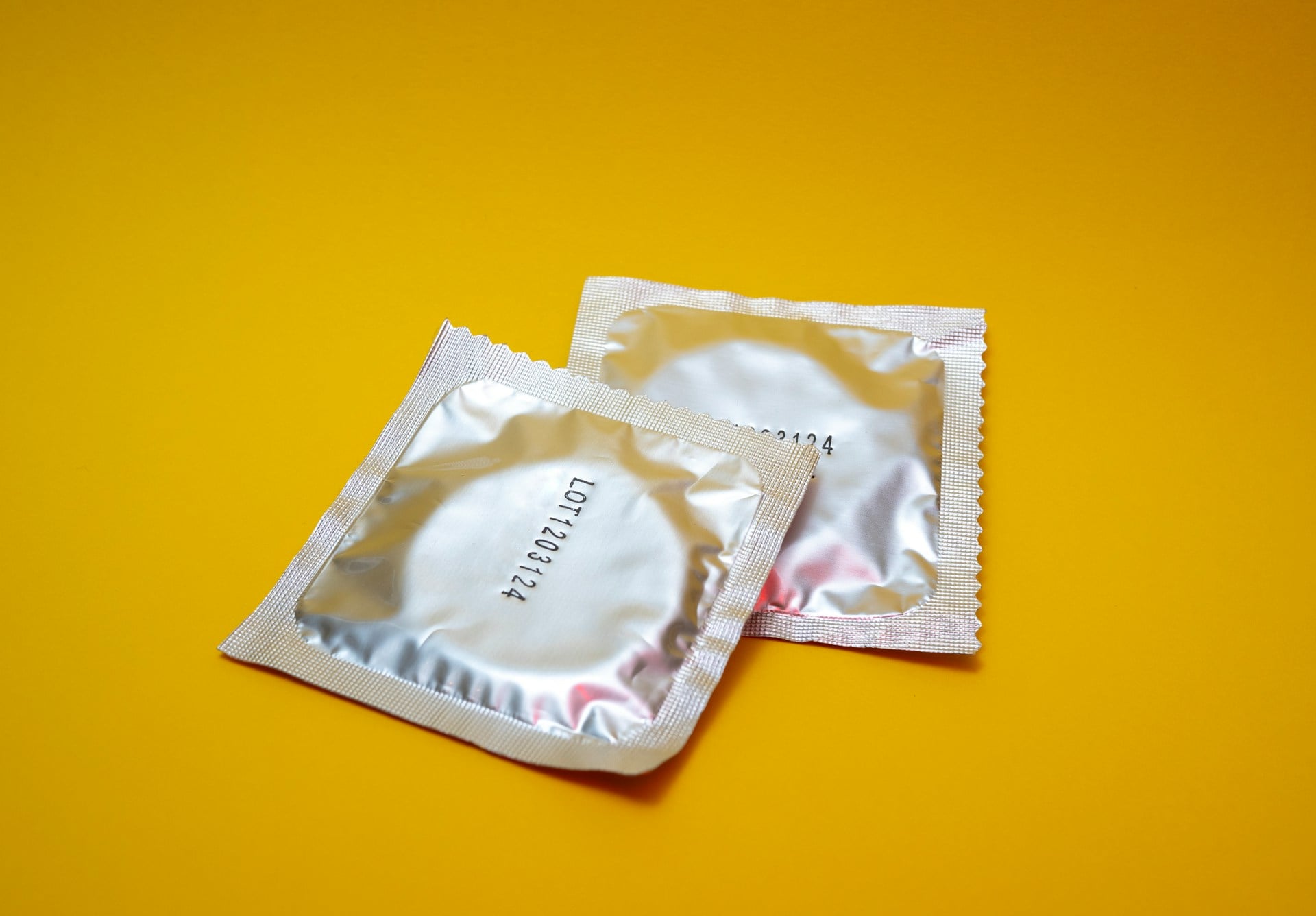
Steven Spielberg’s team needed to make E.T.’s chest light up in a way that looked organic and alive. The final effect used condoms filled with a glowing liquid that could pulse and change intensity.
This created the heartbeat effect that made the alien feel more real and relatable to audiences.
Real vomit appeared in The Exorcist

Director William Friedkin wanted the projectile vomiting scene to look as disturbing as possible. The crew created a mixture of pea soup and oatmeal that could be shot through a hidden tube at high pressure.
Smith rigged Linda Blair with a tube that ran to her mouth while another crew member operated a pump off camera. The effect was so realistic that many audience members got sick themselves during screenings.
A potato chip bag voiced alien communication
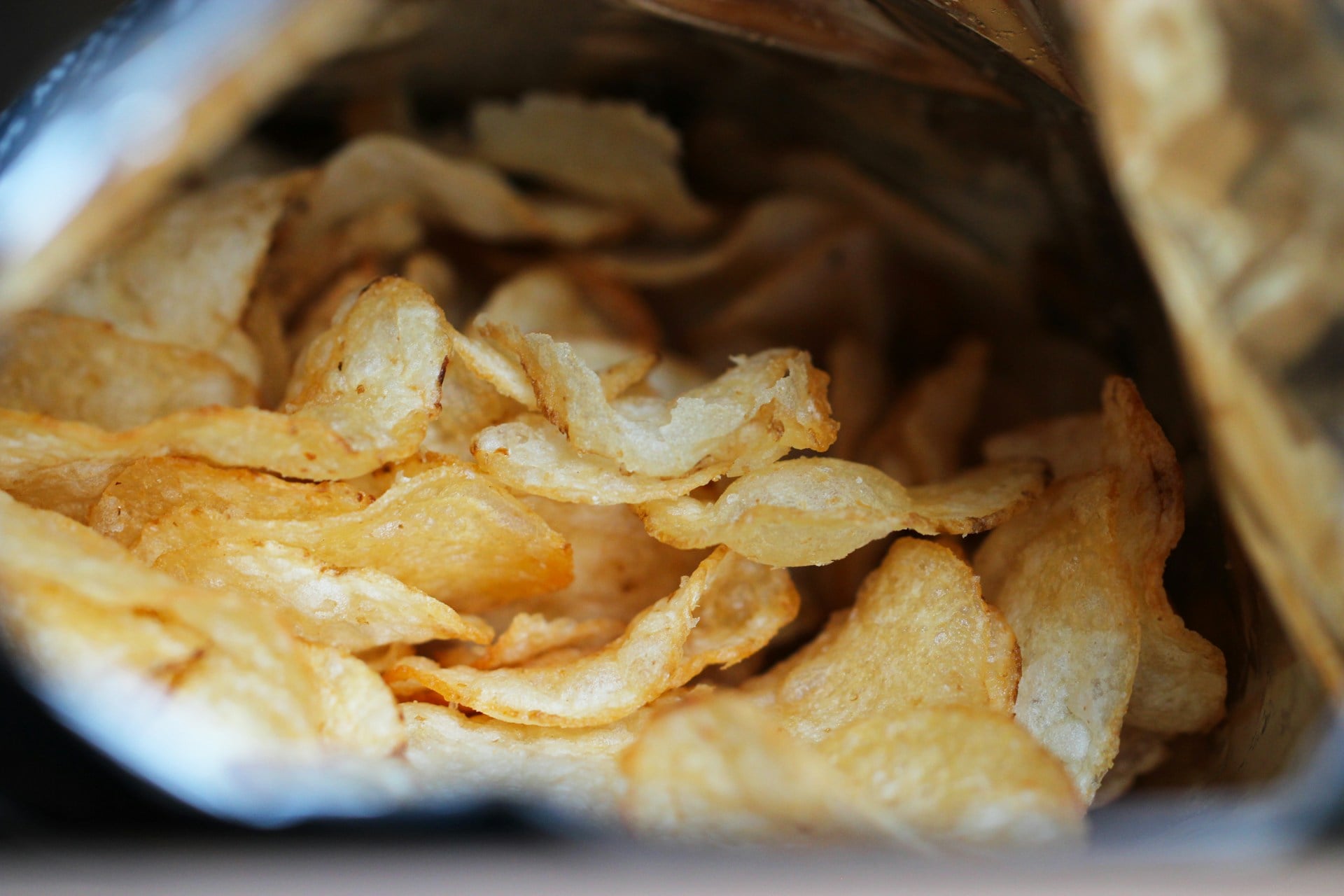
The sound designers for District 9 needed to create a unique alien language that sounded both organic and completely foreign. They experimented with hundreds of sounds before discovering that manipulating recordings of rubbing and crinkling a potato chip bag created the perfect clicking, chittering effect.
Combined with other layered sounds, this snack food became the foundation for an entire alien dialect.
Microwaved fruit created alien autopsy sounds
Sound effects artists working on horror and science fiction films often need disgusting, wet sounds for dissection scenes. Heating various fruits in microwaves until they burst provides perfect squishy, organic audio.
Watermelons, grapefruits, and honeydew melons all produce different tones when they split open. This technique has been used in countless alien and medical procedure scenes without audiences ever suspecting the kitchen-based origins.
Bacon made lightsaber sounds
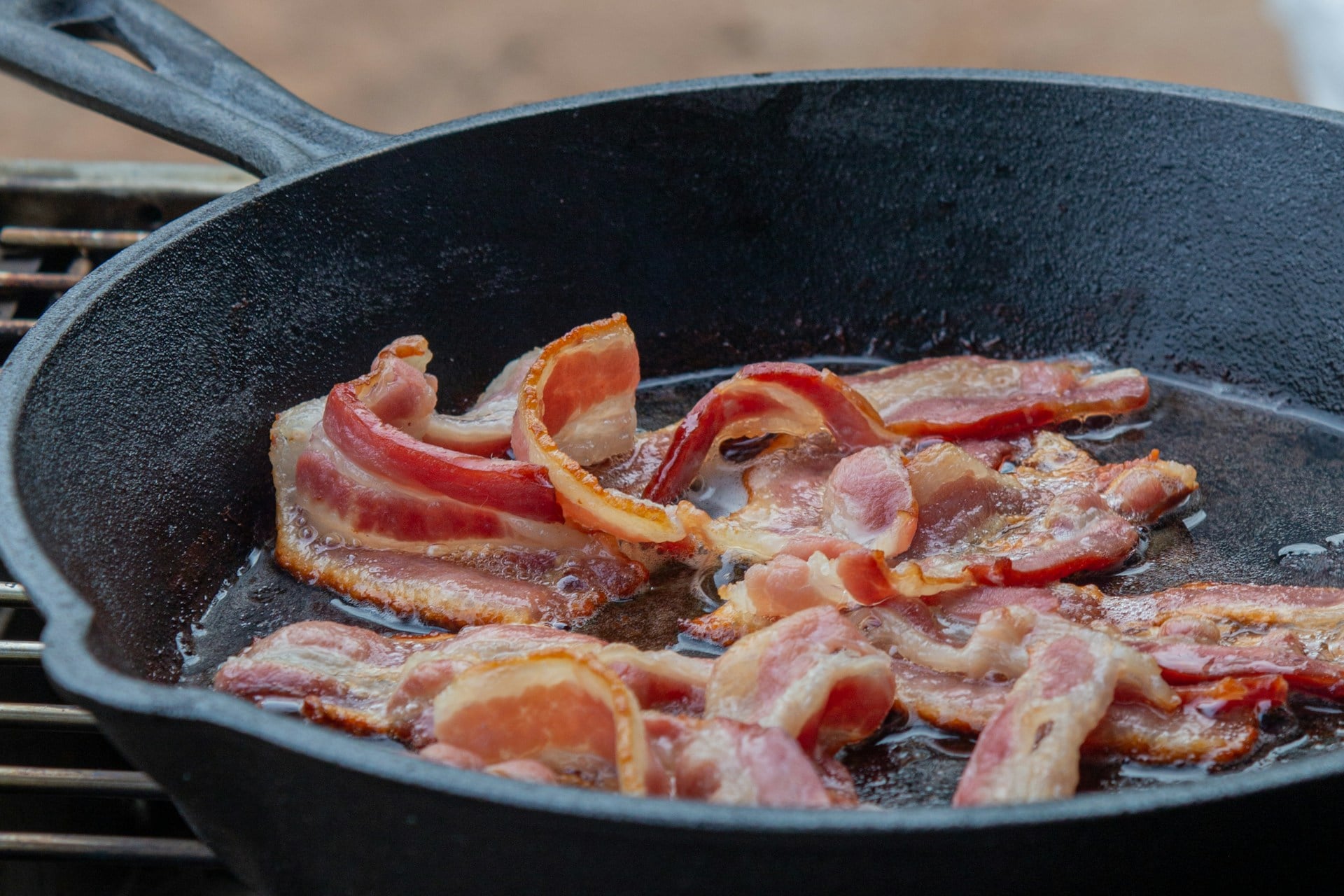
Ben Burtt created the iconic lightsaber sound by combining two unexpected sources. He recorded the hum of an old television set’s picture tube through a broken microphone, which created the base buzzing tone.
The movement sounds came from waving a microphone near a film projector’s motor while it was running. Later films added the sound of bacon sizzling to create the crackling effect when lightsabers clash.
Rhubarb simulated breaking bones

Foley artists need to create the cringe-inducing sound of bones breaking for fight scenes and horror movies. Snapping celery stalks was the traditional method, but many professionals prefer breaking stalks of rhubarb for a deeper, wetter crack.
Some mix it with the sound of splitting chicken carcasses to add layers of realism. These vegetable-based effects convince audiences they’re hearing actual skeletal damage.
Coconuts became galloping horses
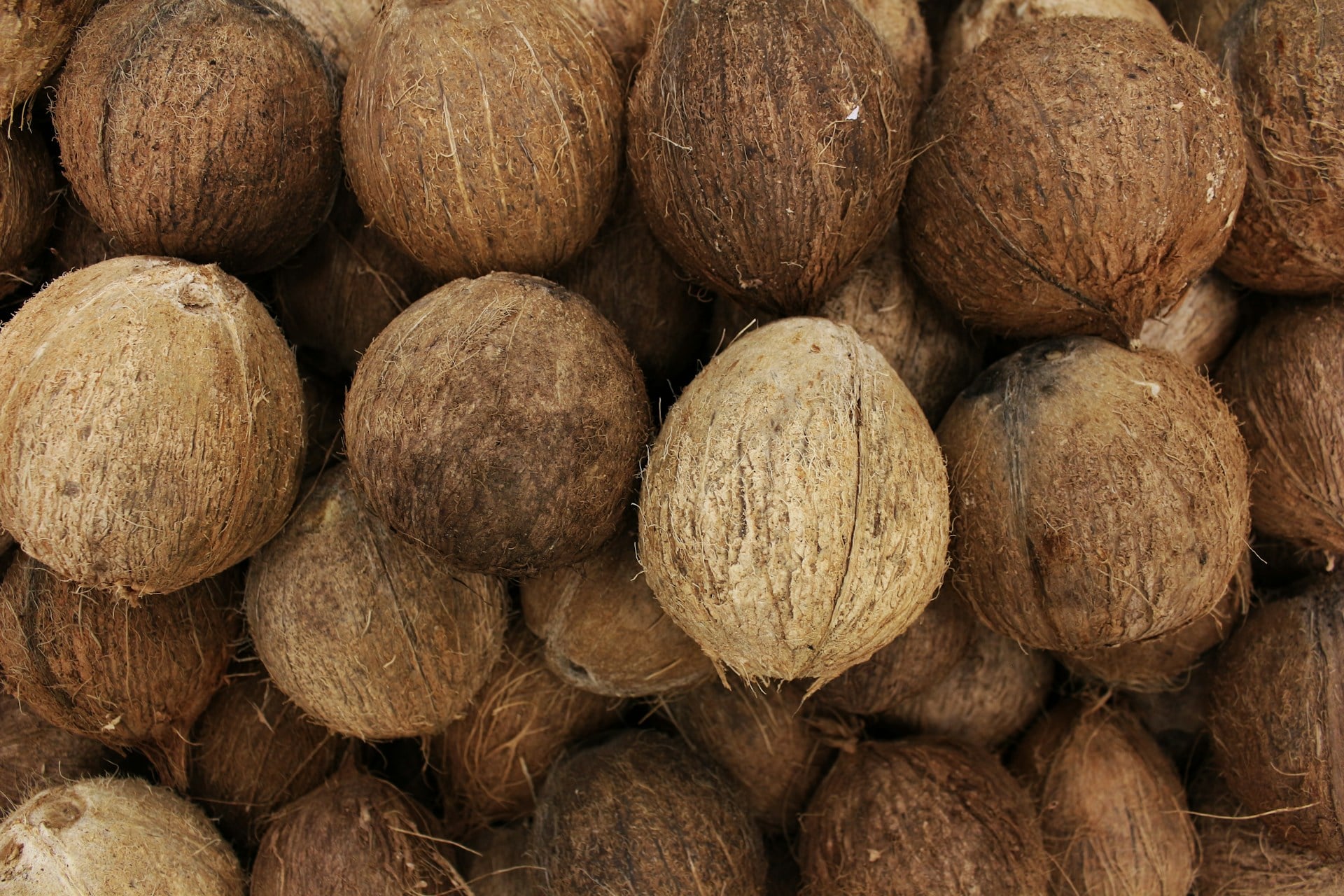
The Monty Python team famously mocked this technique in Monty Python and the Holy Grail, but coconut shells really did create horse hoofbeat sounds for decades. Foley artists would bang two halves together in rhythm to match the on-screen action.
Different surfaces created different sounds, from dirt roads to cobblestone streets. Even after recording technology improved, many sound designers still prefer this method for its crisp, clear audio quality.
Slowed-down tortoise mating created Jurassic Park dinosaurs

Gary Rydstrom and his sound team needed to create vocalizations for creatures that nobody has ever heard. The Velociraptors’ distinctive calls came from slowing down and combining tortoise mating sounds with dolphin screams.
The T-Rex roar mixed a baby elephant’s trumpet with a tiger’s growl and an alligator’s bellow.
Garbage and junk built Star Wars droids

R2-D2 and C-3PO looked like sophisticated robots, but their construction involved surprisingly ordinary materials. The prop department built R2-D2’s body using airplane parts, furniture pieces, and random electronic components.
C-3PO’s costume started as a fiberglass shell covered in gold paint and car parts. Ben Burtt created R2-D2’s beeps and whistles using an old synthesizer and his own voice processed through various effects.
Watermelons exploded for Scanners head scene
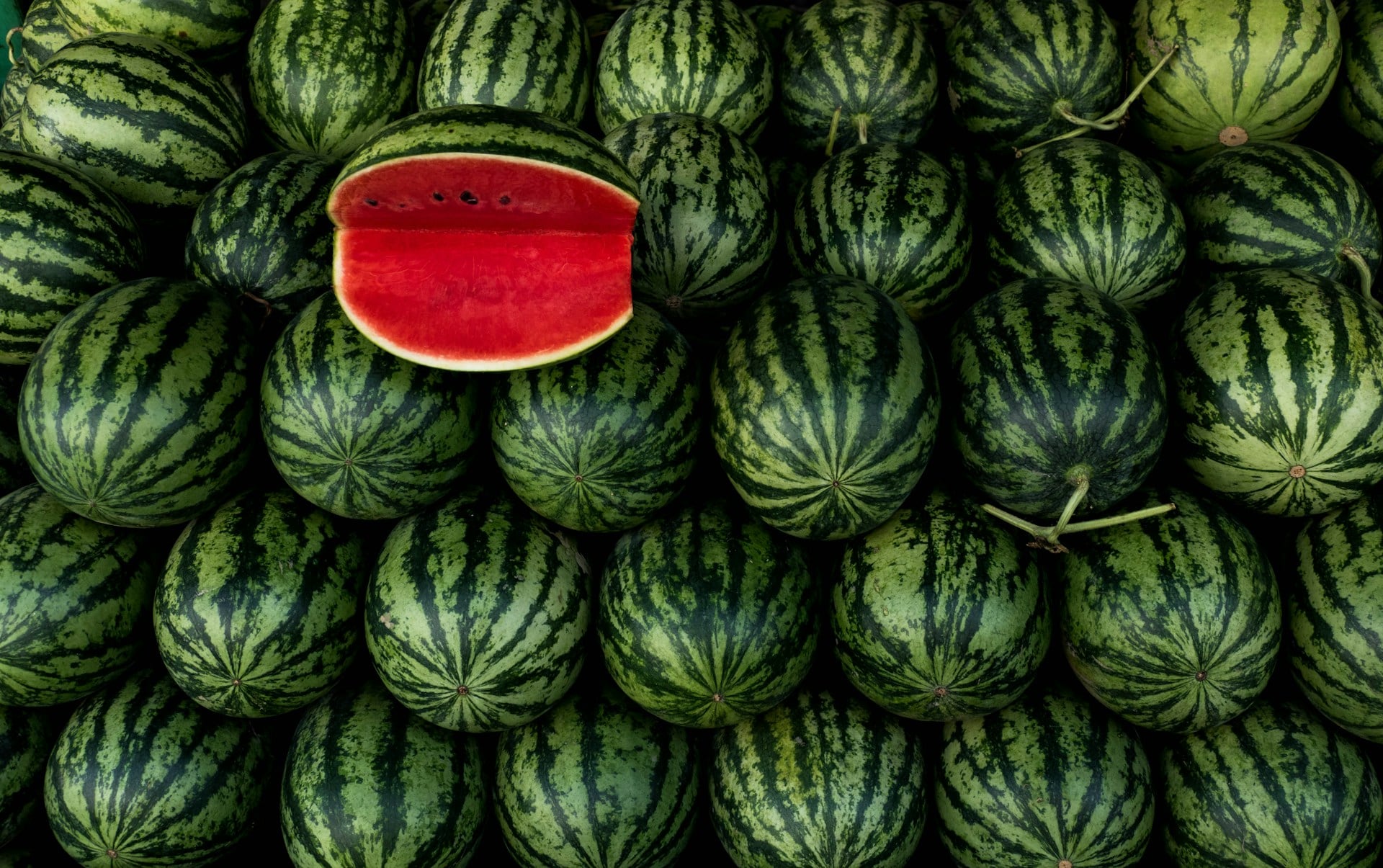
David Cronenberg’s famous head explosion scene needed to look visceral and shocking without using expensive effects. The crew built a fake head from gelatin, filled it with leftover food scraps, and placed it behind a table.
The effect was triggered using small explosives and shotgun blasts from behind. This low-budget approach created one of horror cinema’s most memorable and discussed scenes.
Dental drills powered miniature AT-AT walkers

The stop-motion animators working on The Empire Strikes Back needed smooth, consistent movement for the Imperial walkers. Phil Tippett and his team rigged the models with a system that used modified dental drills as motors.
Each walker stood only about 12 inches tall but required hundreds of hours of painstaking animation. The dental equipment provided exactly the right amount of control for creating believable mechanical movement at miniature scale.
Leather gloves created Batman’s cape sounds
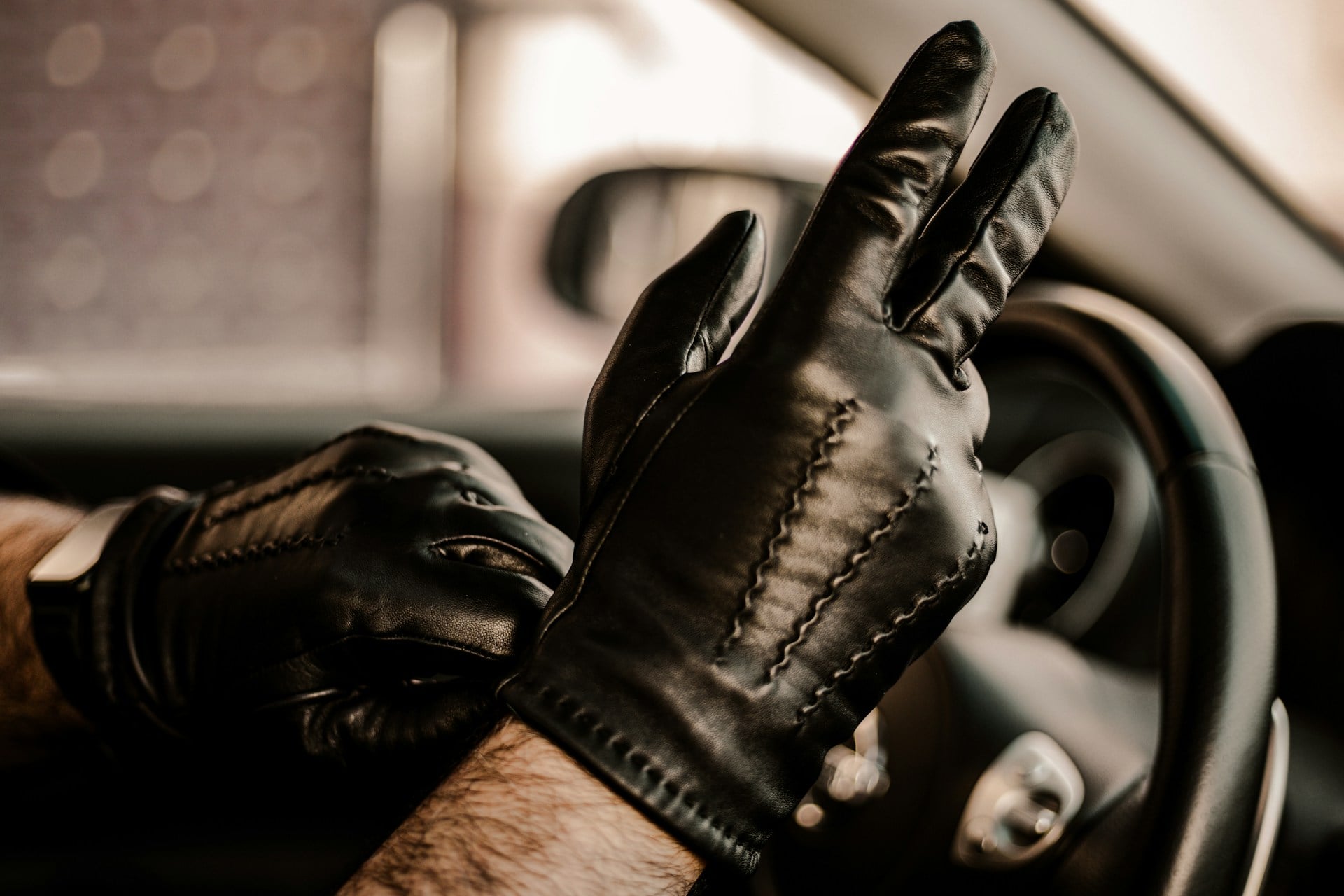
Sound designers working on Batman films needed the Dark Knight’s cape to have weight and presence in every scene. They discovered that manipulating thick leather work gloves near microphones created deep, dramatic swooshing sounds.
The audio team would wave and snap various leather items to match the cape’s on-screen movement. Modern Batman films still layer these leather sounds to give the cape its signature audio presence.
Frozen waffles crashed through glass
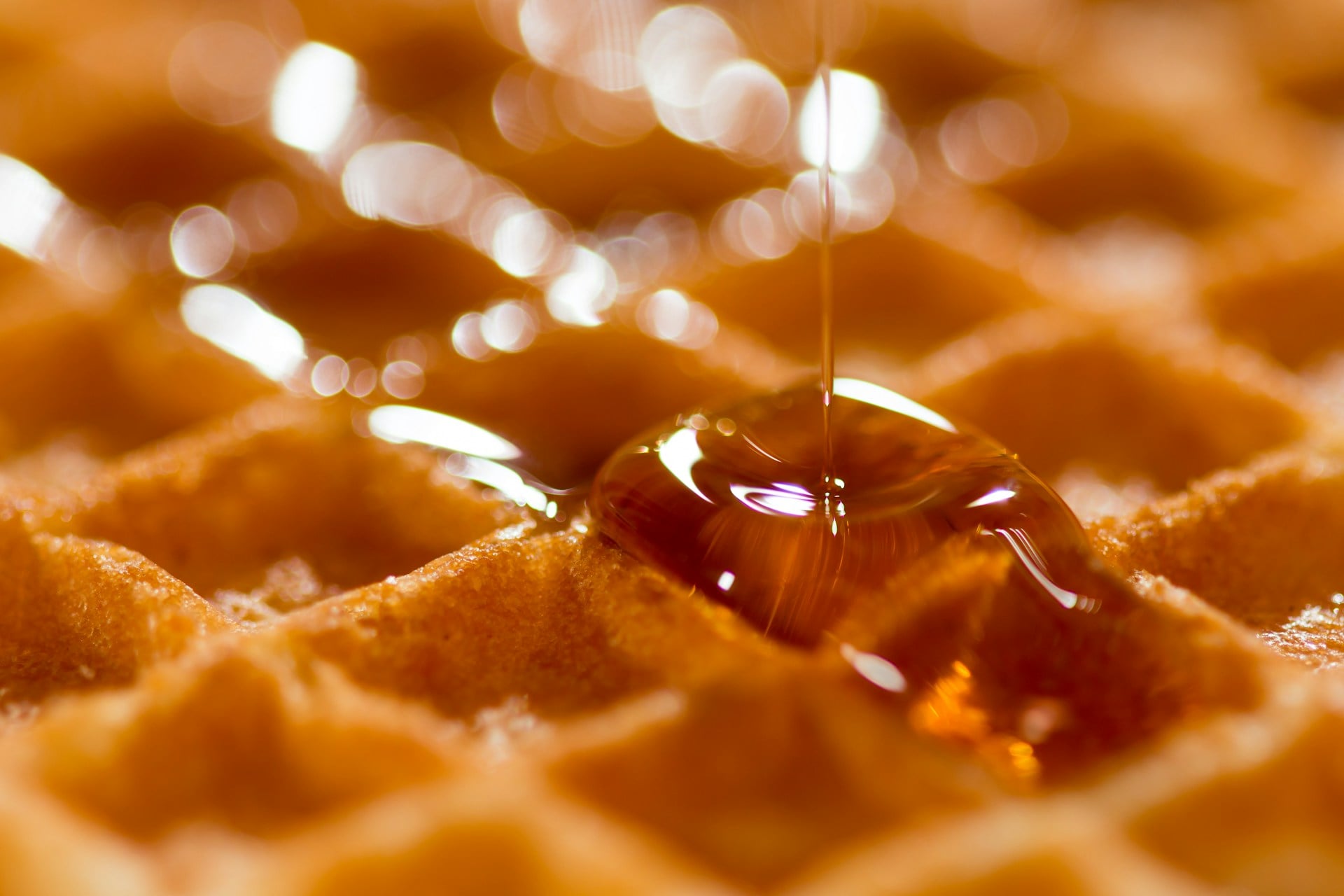
Action movies require the sound of bodies crashing through windows and glass barriers. Real glass creates sharp, dangerous shards and doesn’t sound quite right on microphones.
Sound effects teams discovered that dropping frozen waffles and other breakfast foods into boxes of crushed lightbulbs created perfect glass-breaking audio. This breakfast-based solution lets filmmakers layer the sound as many times as needed without anyone getting hurt.
Wet chamois leather made alien footsteps
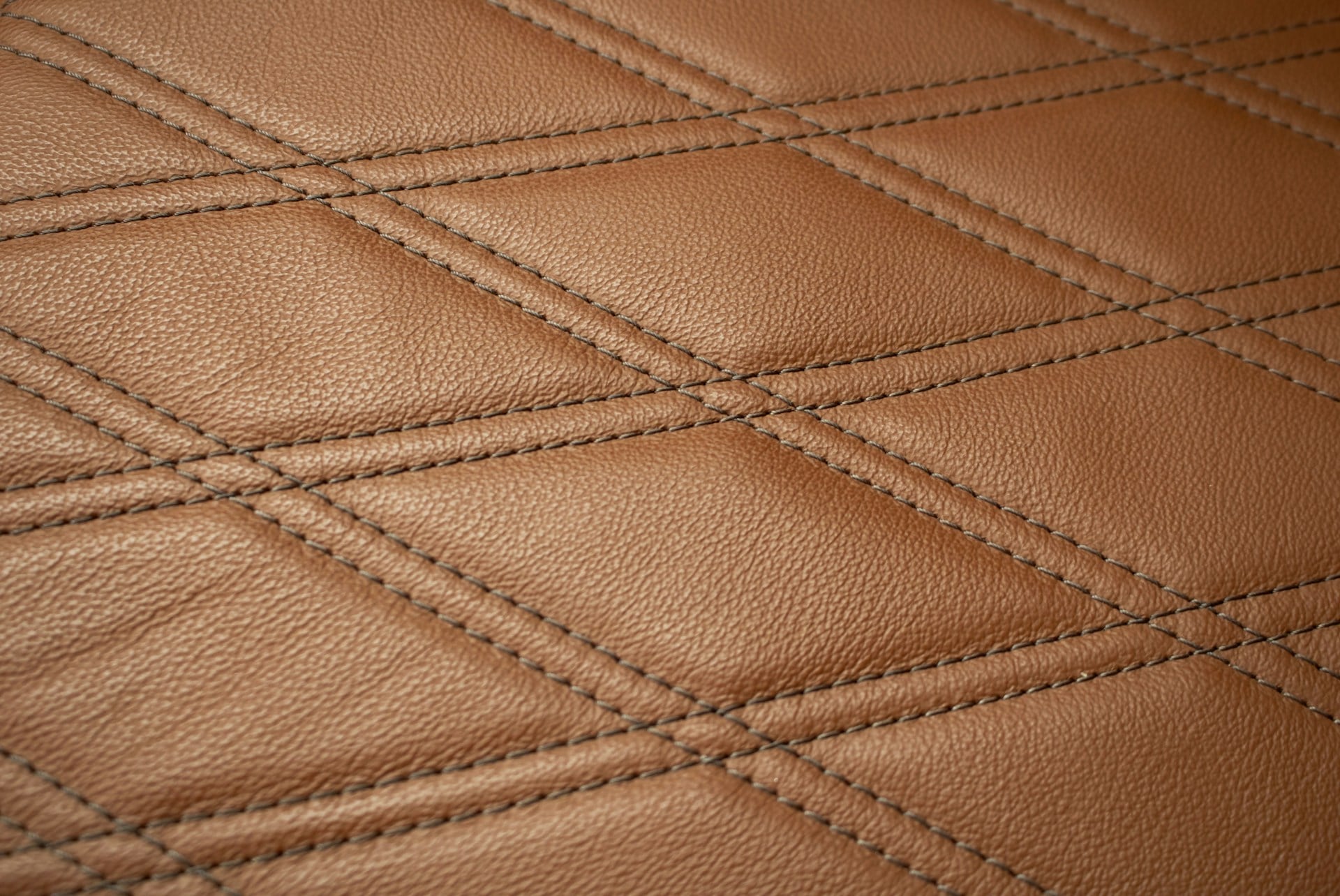
Ridley Scott’s Alien needed the Xenomorph to sound heavy and biomechanical when it moved. The sound team experimented with various materials before settling on a wet chamois cloth.
They would slap it against different surfaces and slow down the recordings to create deep, resonant footfalls. This simple car-washing cloth helped make one of cinema’s most terrifying creatures feel physically present and real.
Rulers created swooshing sword sounds
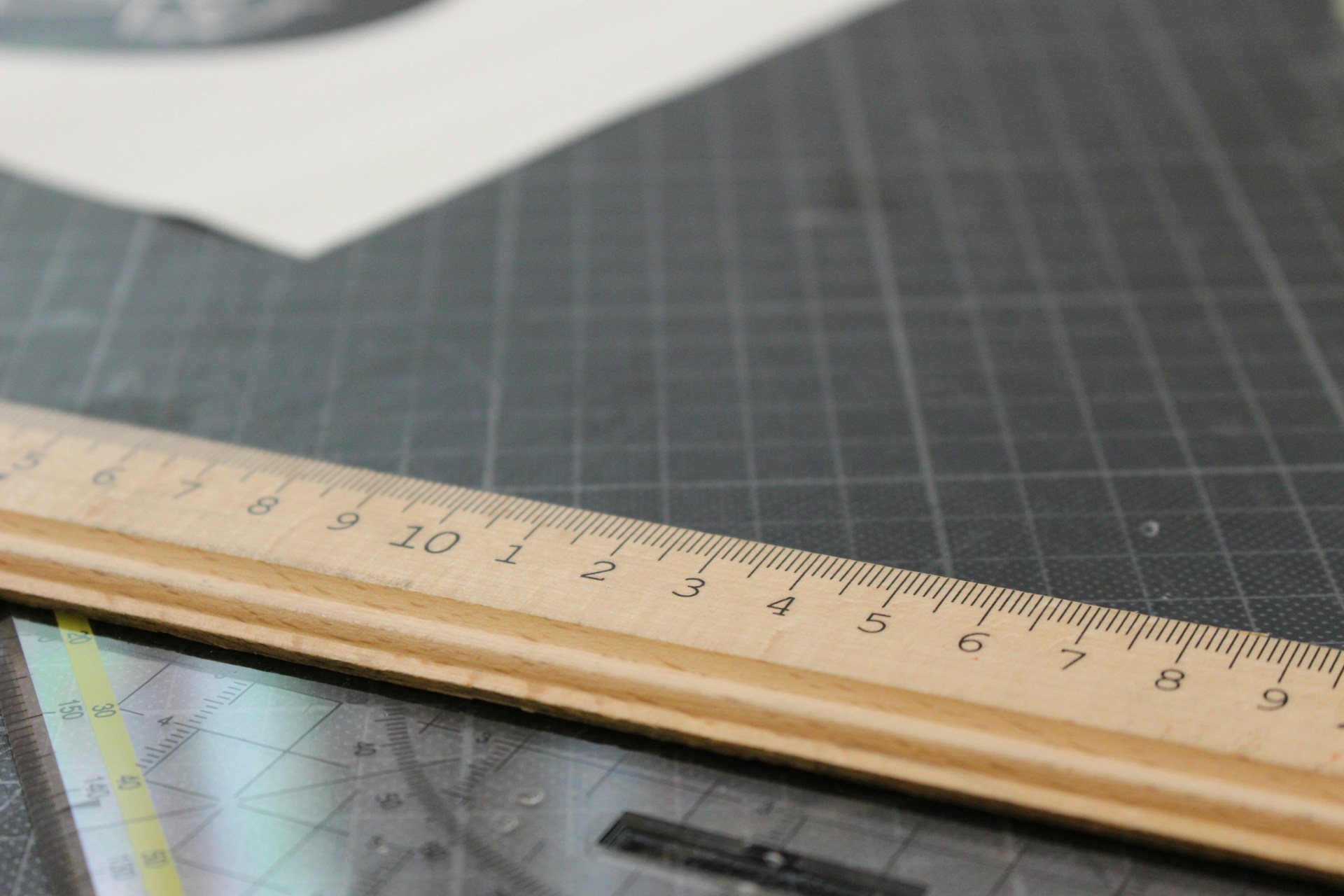
Before computer-generated audio became standard, fight choreographers needed simple ways to add impact to sword fights. Foley artists discovered that wooden rulers or thin strips of wood waved quickly near microphones created convincing blade sounds.
Combined with metal scraping sounds for impacts, these school supplies became deadly weapons in post-production.
Artichokes voiced alien movements

The sound design team for Predator needed the alien hunter to sound dangerous and completely foreign. They experimented with processing various organic sounds before discovering that artichokes provided perfect texture.
The sound of pulling apart artichoke leaves, combined with crab and lobster shell cracks, created the Predator’s distinctive clicking communication.
How tricks became tradition
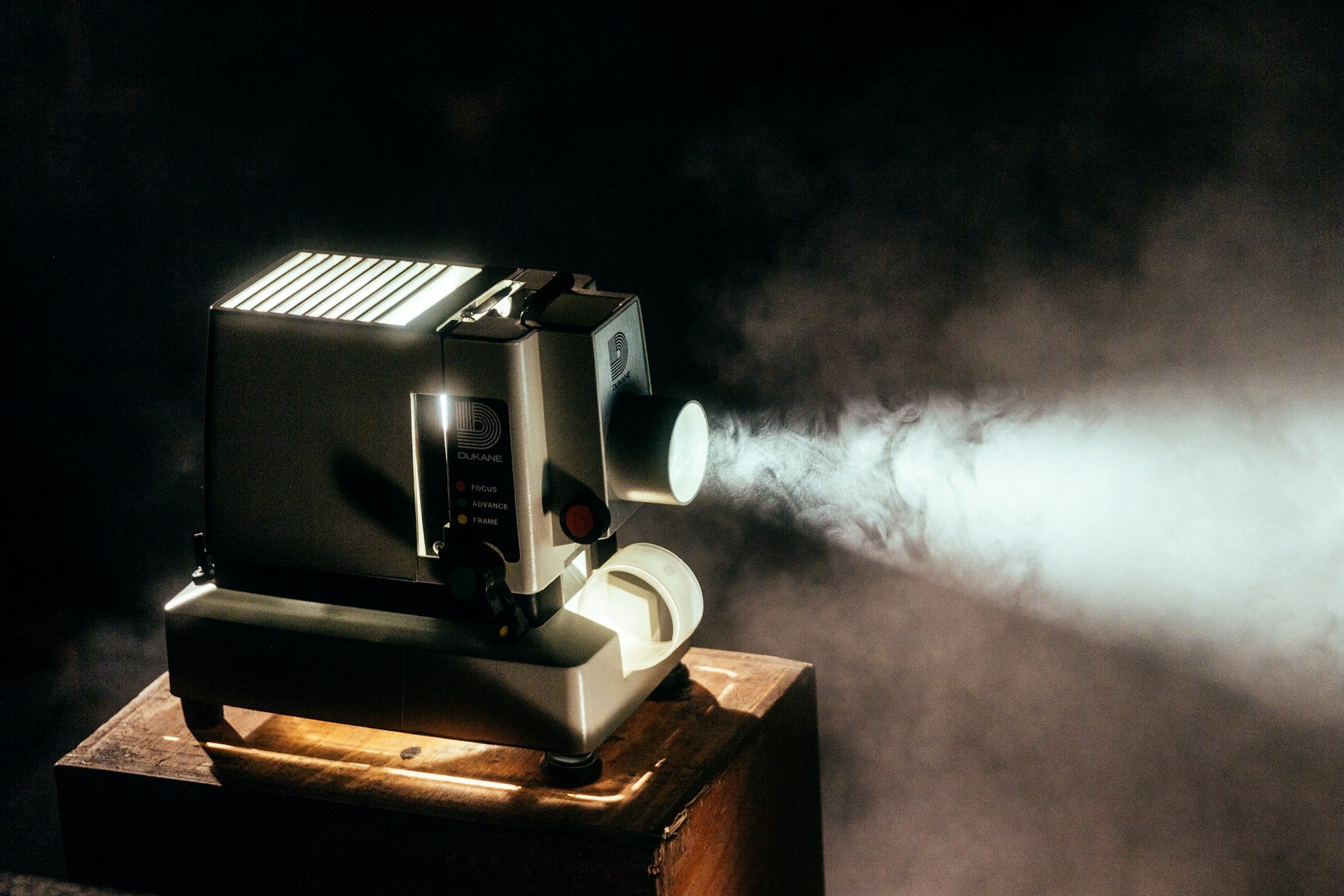
These simple solutions prove that creativity matters more than budget when creating believable effects. What started as desperate measures to solve production problems became standard techniques that filmmakers still use today.
Modern movies might add digital layers, but many classic practical methods remain because they simply work better than expensive alternatives. The next time a movie scene feels particularly real, there’s a good chance somebody raided a kitchen, hardware store, or veterinarian’s office to make it happen.
More from Go2Tutors!

- The Romanov Crown Jewels and Their Tragic Fate
- 17 Halloween Costumes Once Considered Taboo
- Famous Hoaxes That Fooled the World for Years
- 15 Child Stars with Tragic Adult Lives
- 16 Famous Jewelry Pieces in History
Like Go2Tutors’s content? Follow us on MSN.



