Top 18 War Movies of All Time
War movies have always held a special place in cinema. They show the brutal reality of combat, the strength of human spirit, and the heavy cost of conflict.
These films don’t just entertain. They make us think about sacrifice, courage, and what people are willing to do when everything is on the line.
Over the decades, filmmakers have captured war from every angle imaginable. Let’s look at the films that have defined the genre and left their mark on audiences around the world.
Saving Private Ryan

Steven Spielberg’s 1998 masterpiece changed how war looks on screen forever. The opening beach landing at Normandy is 27 minutes of pure chaos that makes you feel like you’re right there in the sand.
Tom Hanks leads a squad deep into enemy territory to bring home one soldier whose brothers have all died in combat. The film doesn’t glorify anything.
It shows war as messy, terrifying, and deeply personal.
Apocalypse Now
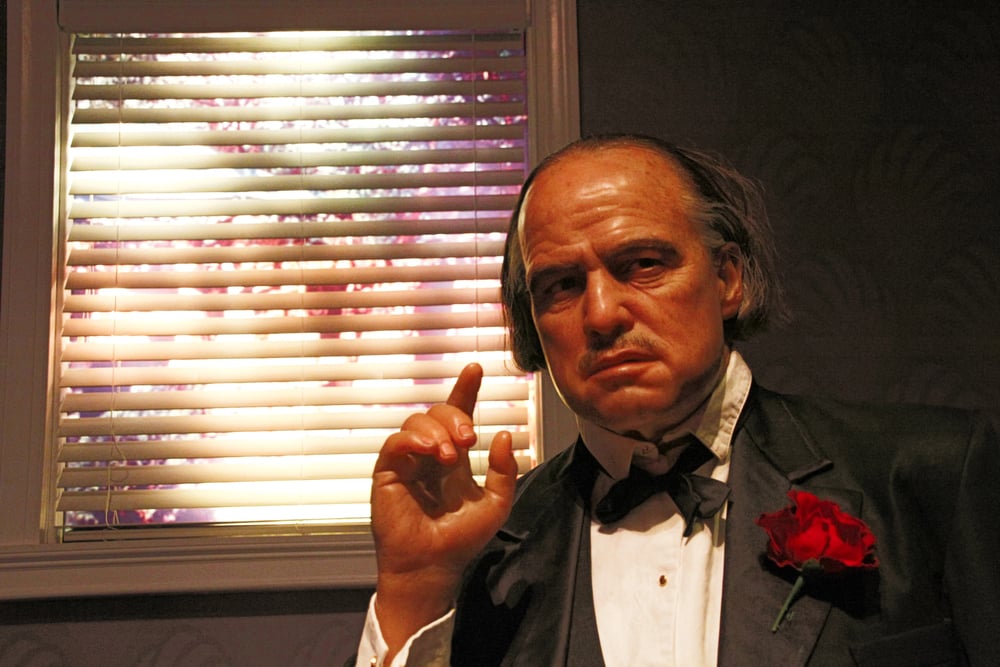
Francis Ford Coppola took viewers into the heart of darkness with this Vietnam War epic. Martin Sheen plays a soldier sent upriver to find a rogue colonel played by Marlon Brando.
The journey becomes a fever dream that questions sanity, morality, and the very nature of war itself. The famous helicopter attack scene set to Wagner’s music is unforgettable.
This film is as much about madness as it is about combat.
Schindler’s List

Spielberg returned to World War II with this powerful story about Oskar Schindler, a German businessman who saved over a thousand Jewish lives. Shot in black and white, the film feels like a documentary from the past.
Liam Neeson brings complexity to a man who starts as a profiteer and becomes a hero. The little girl in the red coat stands out as one of cinema’s most haunting images.
Full Metal Jacket
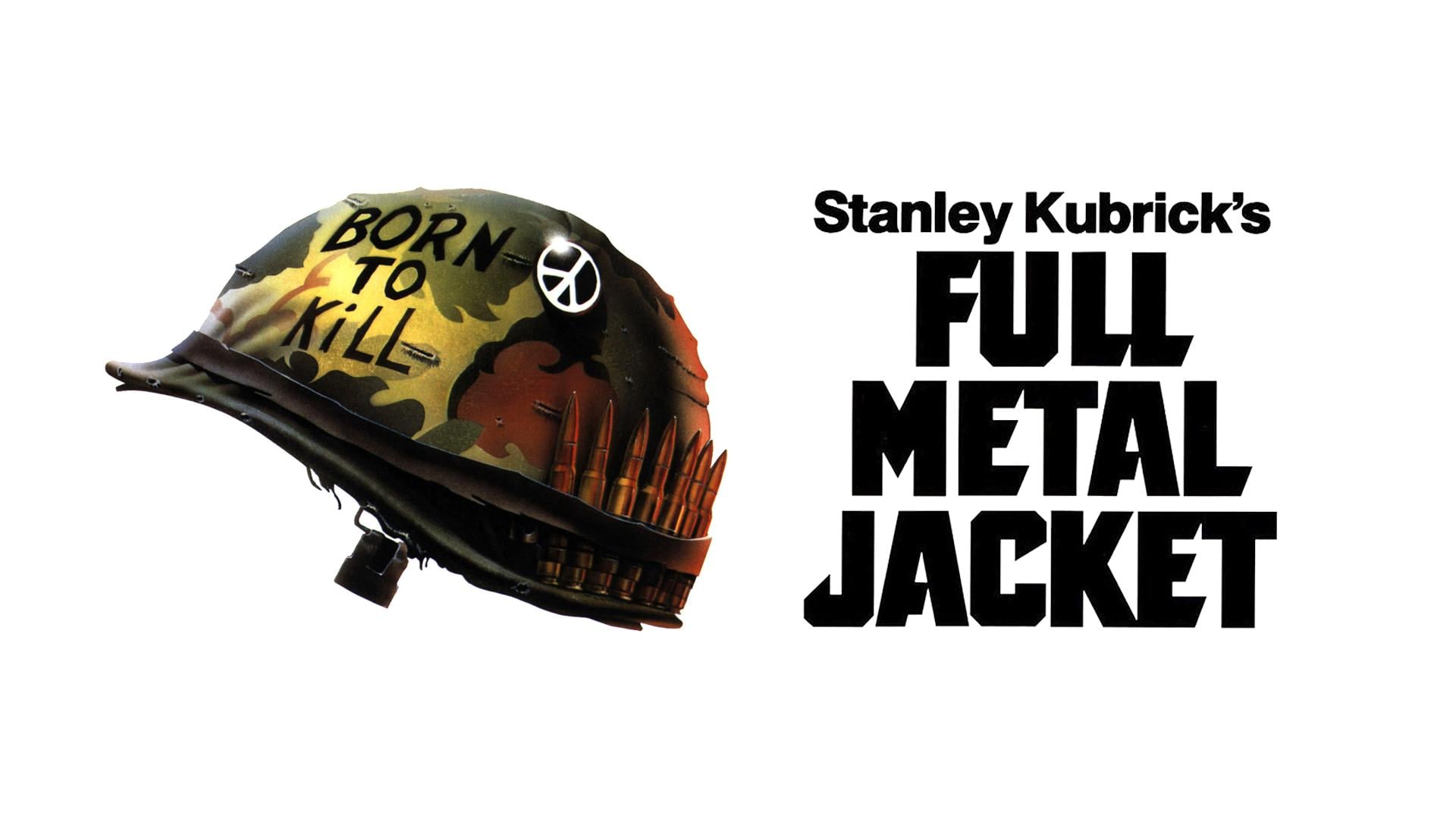
Stanley Kubrick divided this Vietnam War film into two distinct halves. The first part shows brutal Marine training under a sadistic drill instructor.
The second throws those same Marines into the chaos of the Tet Offensive. The contrast between the two sections shows how training tries to prepare soldiers for something that can never really be prepared for.
Kubrick’s cold, calculated style makes everything feel more disturbing.
The Thin Red Line
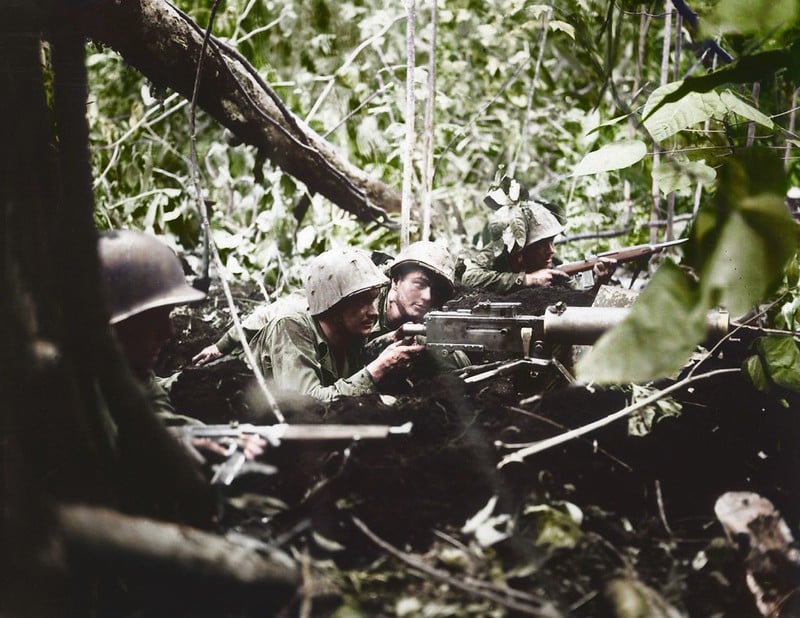
Terrence Malick came back from a 20-year break to make this philosophical war film about the Battle of Guadalcanal. The movie moves slowly, letting nature and inner thoughts share the screen with battle scenes.
It asks big questions about life, death, and why humans keep destroying each other. Some people found it boring.
Others called it brilliant. Either way, it’s nothing like typical war movies.
Dunkirk
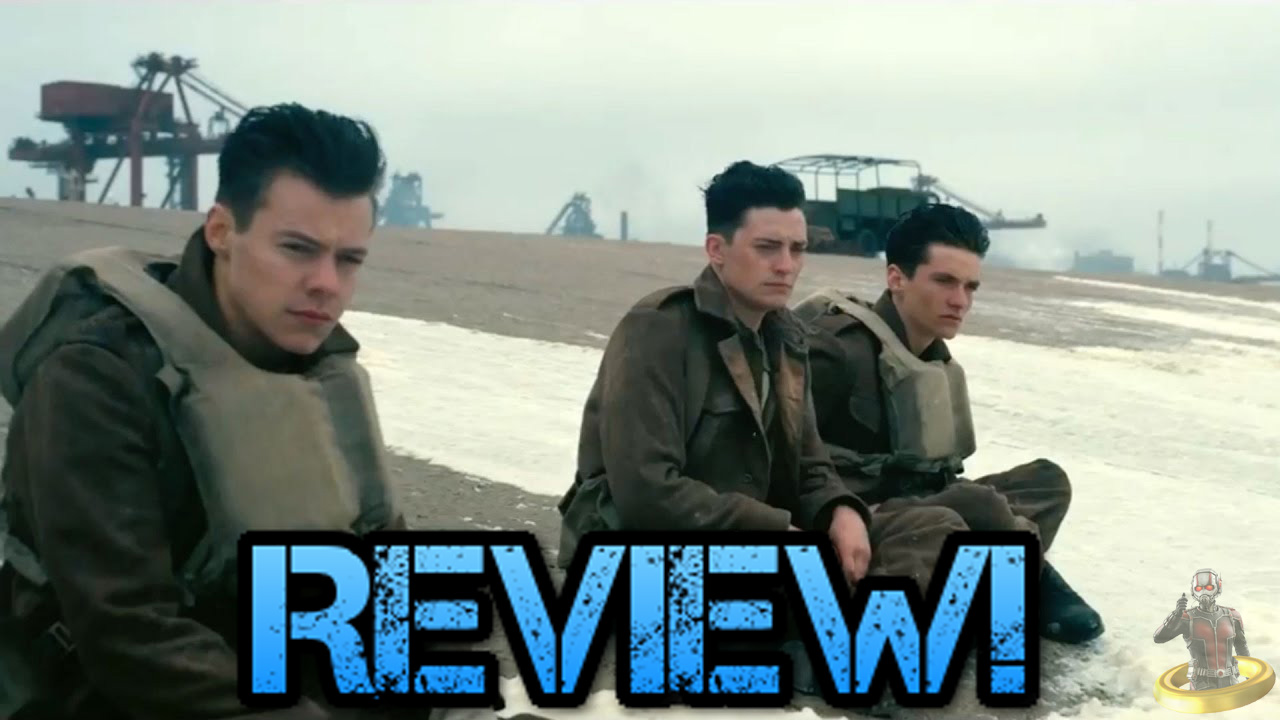
Christopher Nolan took a different approach by telling three stories at once on land, sea, and air. The film covers the massive evacuation of Allied soldiers from a French beach in 1940.
There’s barely any dialogue. The ticking clock sound keeps tension high throughout.
Nolan wanted you to feel the experience rather than just watch it, and he succeeded. The film runs just under two hours but feels much more intense than that.
Platoon
Oliver Stone drew from his own Vietnam experience to create this raw, ground-level view of the war. Charlie Sheen plays a young recruit caught between two sergeants with very different ideas about how to fight.
Willem Dafoe and Tom Berenger bring those opposing philosophies to life. The film won Best Picture in 1986 and showed that Vietnam movies could be both popular and honest.
The Hurt Locker
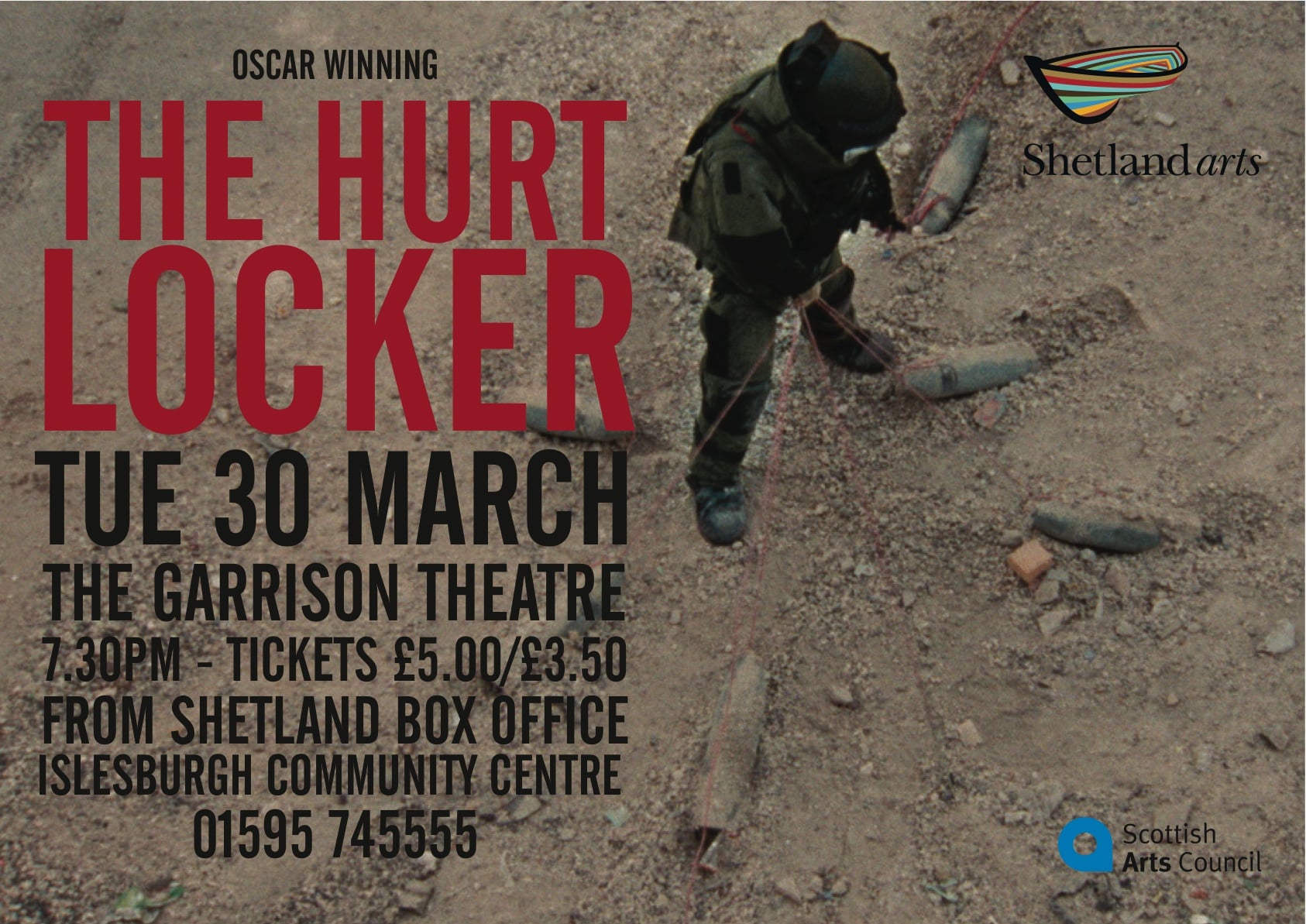
Kathryn Bigelow became the first woman to win Best Director for this tense look at a bomb disposal team in Iraq. Jeremy Renner plays a sergeant who seems addicted to the danger of his job.
The film doesn’t take political sides. It just shows what it’s like to do one of the world’s most dangerous jobs day after day.
Every scene where they approach a bomb makes your heart race.
1917
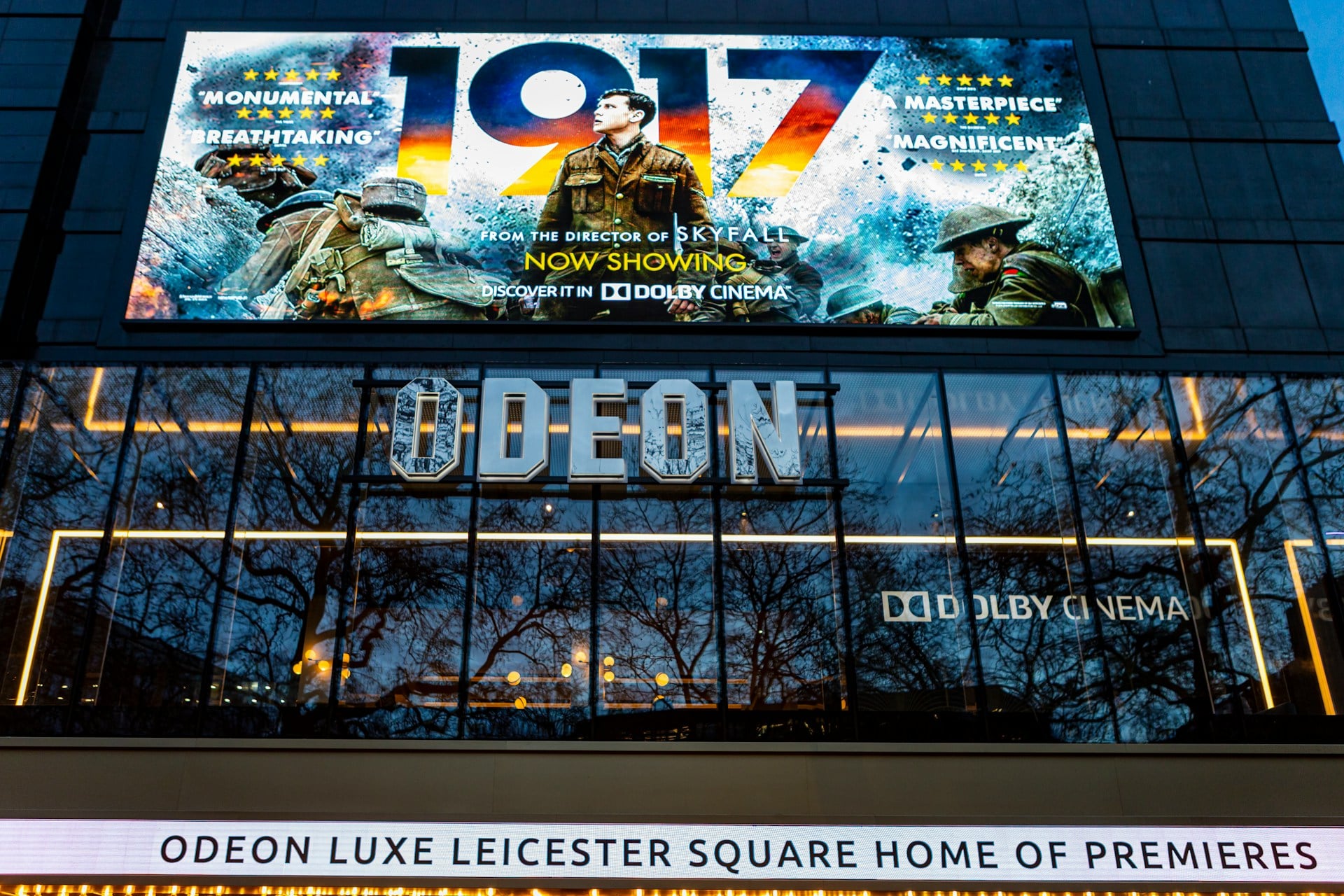
Sam Mendes made this World War I film look like it was shot in one continuous take. Two young soldiers get orders to cross enemy territory to deliver a message that could save 1,600 lives.
The technical achievement is impressive, but the story and performances make it work. You follow these men step by step through trenches, across no man’s land, and into burning towns.
Time feels real because the camera never cuts away.
All Quiet on the Western Front
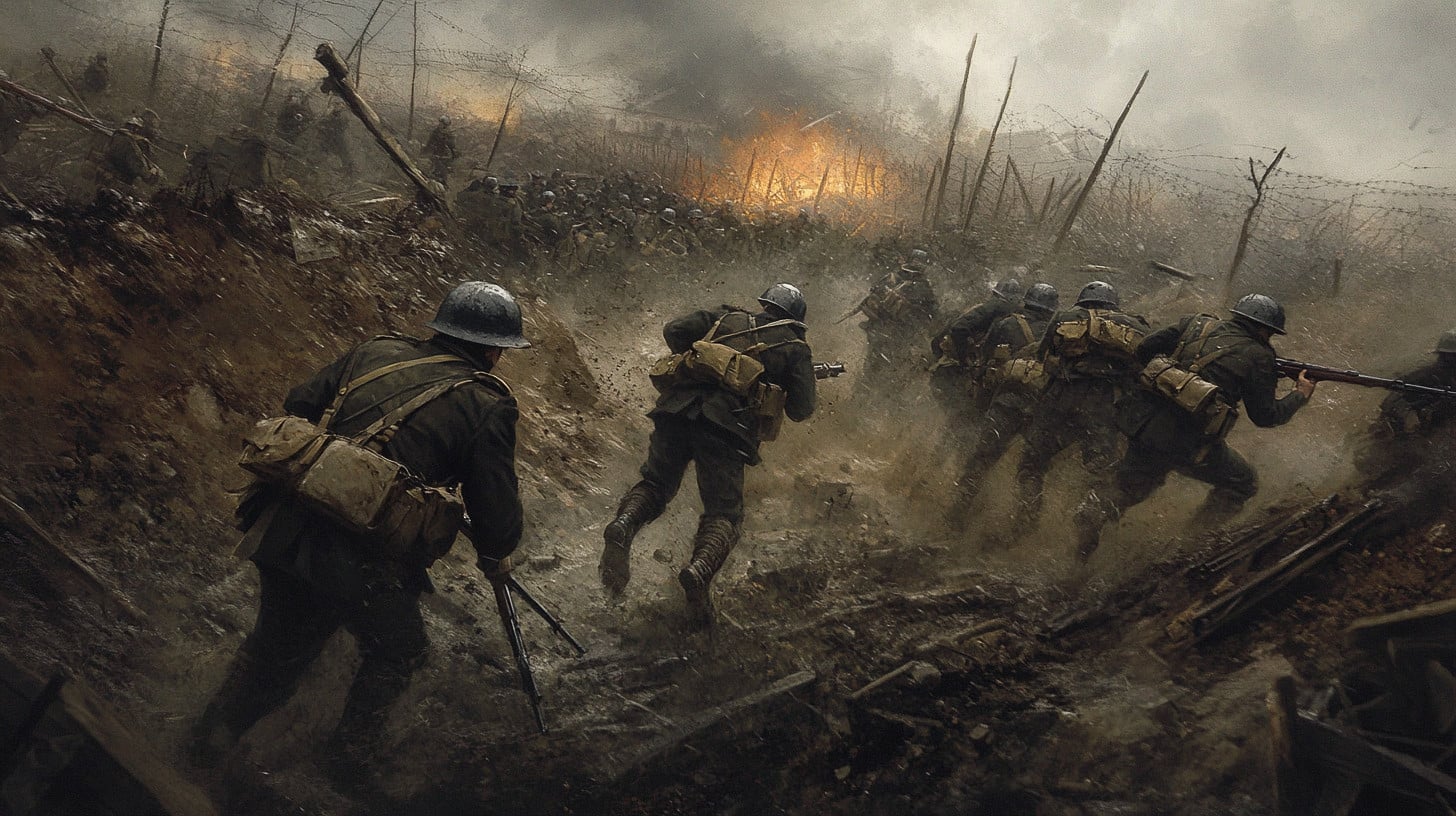
The 2022 German version brought new life to this classic story about young soldiers in World War I. The film strips away any romance or glory from combat.
It shows boys turned into cannon fodder, fighting in mud for inches of ground that don’t matter. The battle scenes are brutal and exhausting.
This version respects the original novel while using modern filmmaking to make the horror feel immediate.
Black Hawk Down
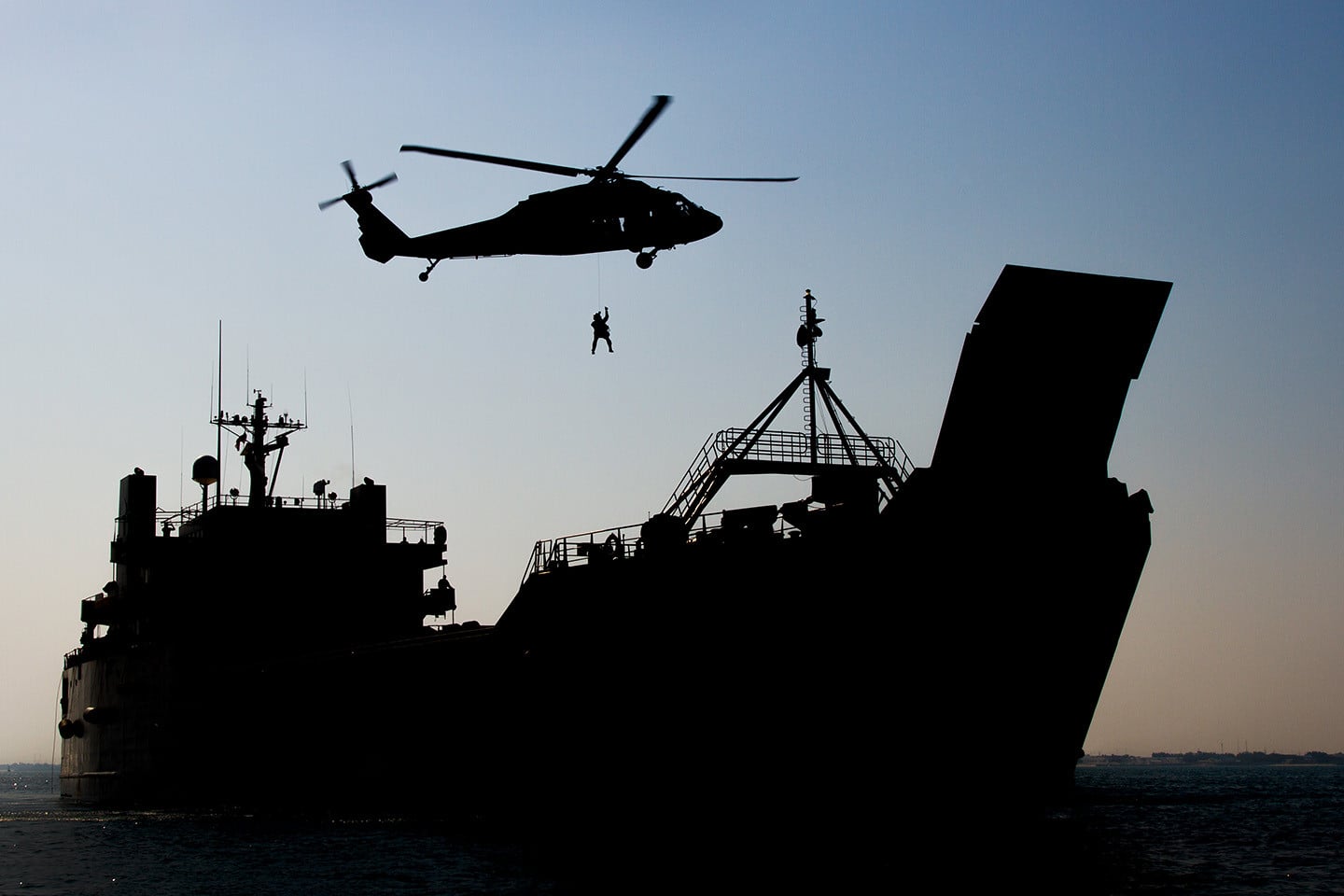
Ridley Scott recreated the 1993 Battle of Mogadishu with stunning detail. American soldiers go into Somalia for what should be a quick mission.
Everything goes wrong. The film becomes a survival story as soldiers fight their way through hostile streets to reach each other.
The action never stops once it starts. Scott used handheld cameras and natural light to make it feel like documentary footage.
Das Boot
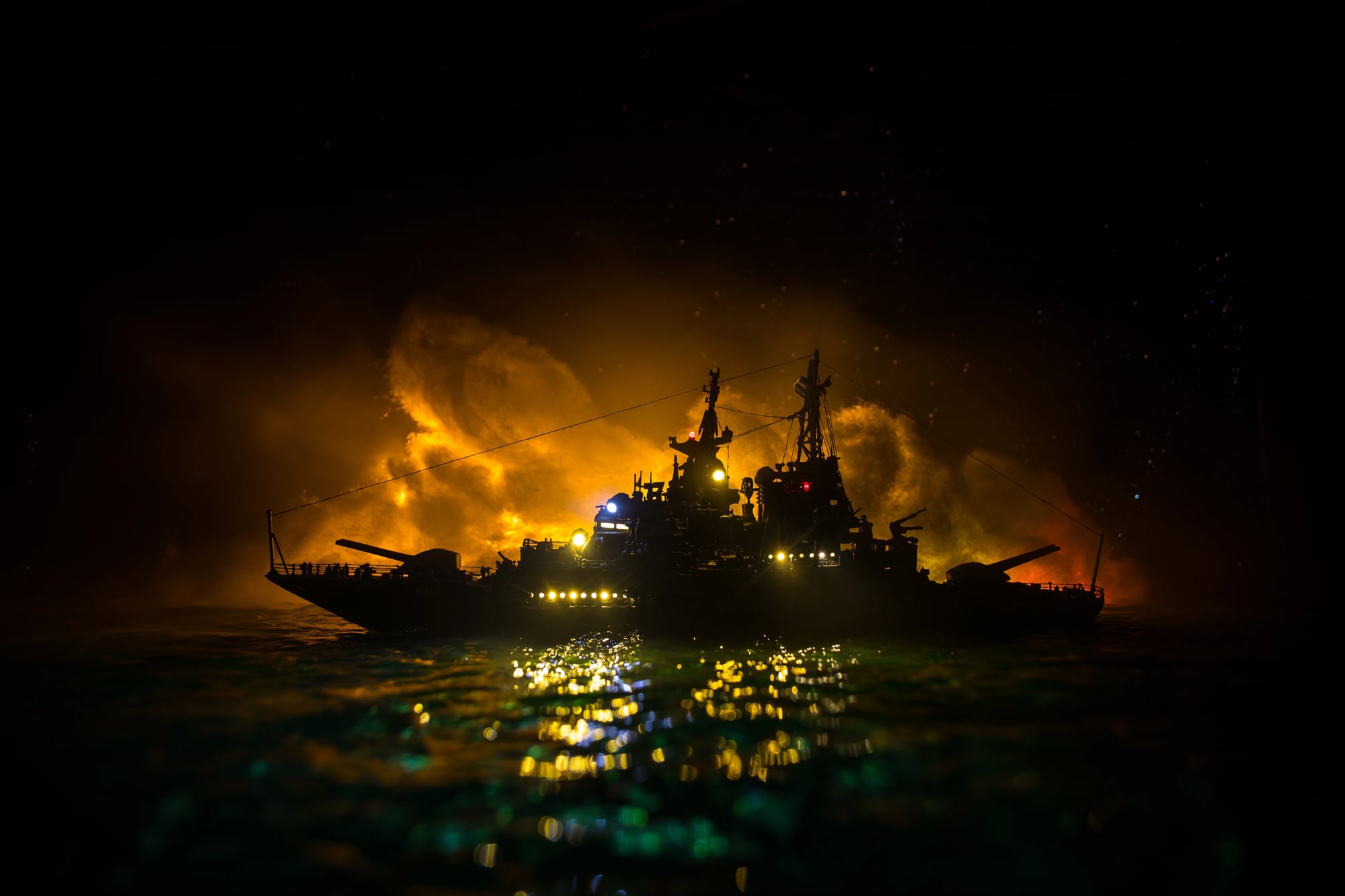
Wolfgang Petersen trapped viewers inside a German U-boat during World War II. The submarine feels cramped, wet, and suffocating.
The crew faces depth charges, equipment failures, and their own fear during long patrols under the sea. Most war films show battles above ground or in the air.
This one goes deep underwater where every creak of metal could mean death. It runs over three hours but never feels slow.
Come and See
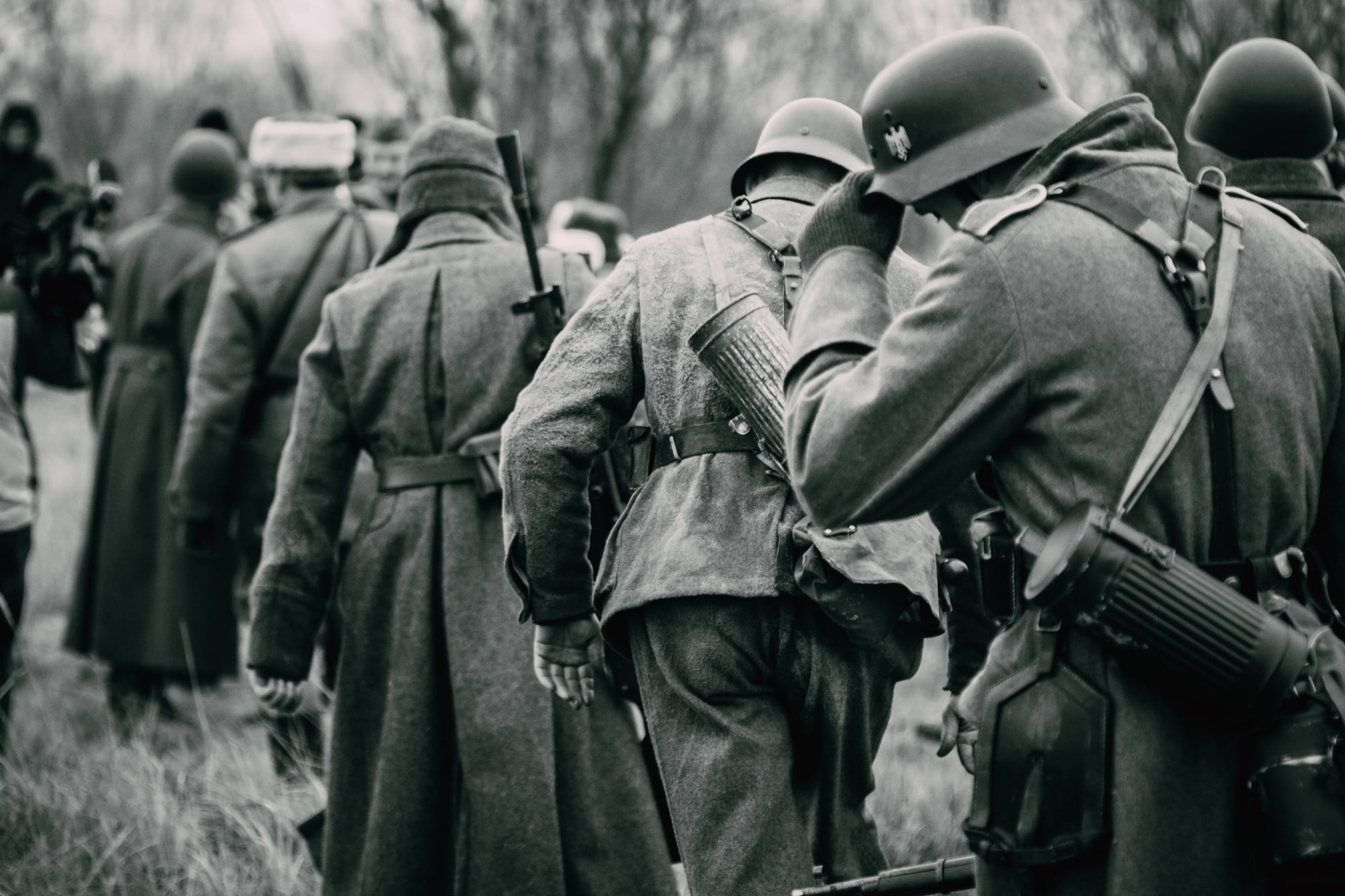
This 1985 Soviet film about the Nazi occupation of Belarus is one of the most disturbing war movies ever made. A young boy joins the resistance and witnesses unspeakable horrors.
Director Elem Klimov didn’t hold back on showing the brutality of war crimes. The main actor’s face ages before your eyes as his character loses innocence.
It’s hard to watch but impossible to forget.
Hacksaw Ridge
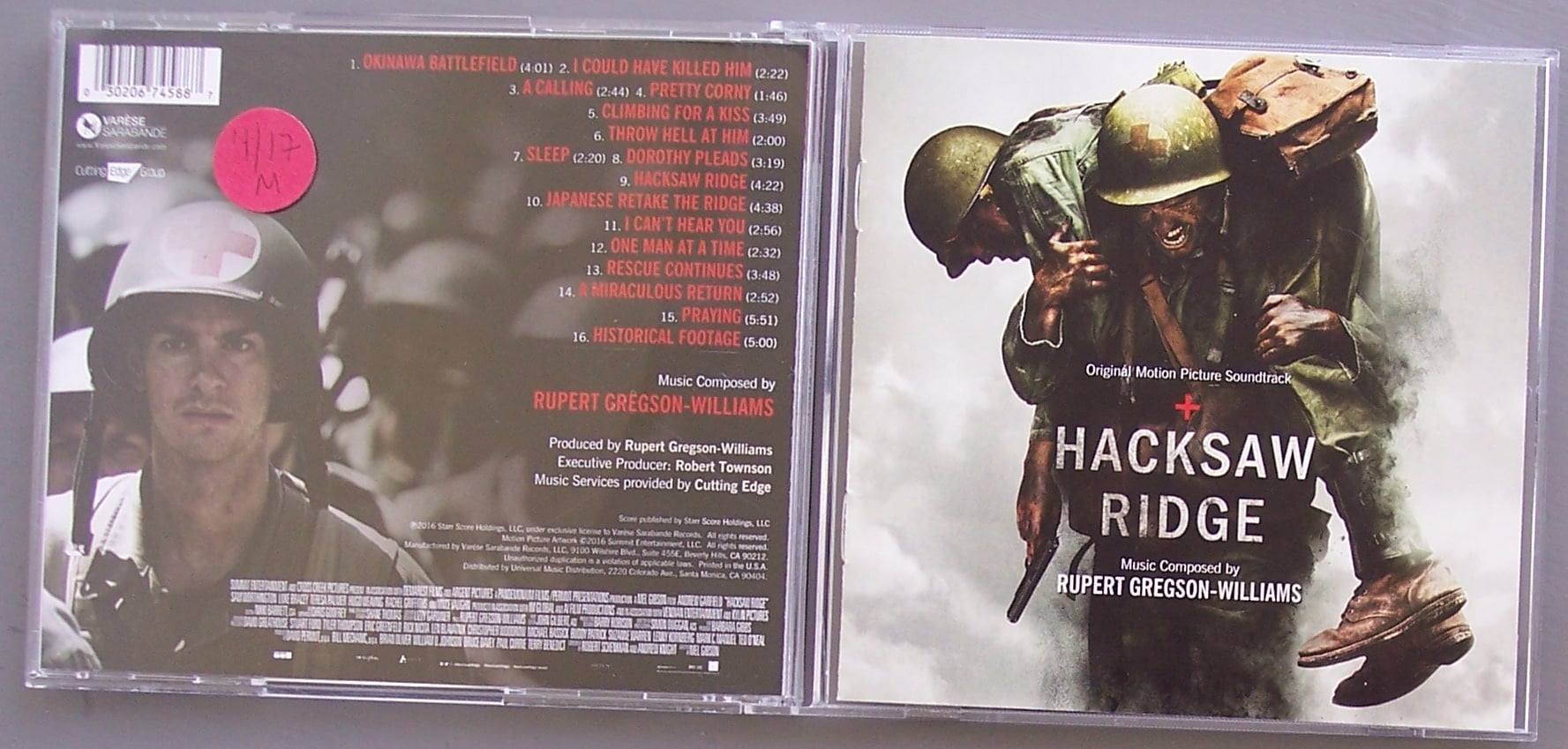
Mel Gibson directed this true story about Desmond Doss, a medic who refused to carry a weapon. Andrew Garfield plays Doss, who saved 75 men during the Battle of Okinawa without firing a single shot.
The battle scenes are incredibly violent, which makes Doss’s peaceful convictions stand out even more. Gibson showed that you can make a war hero film about someone who never killed anyone.
The Bridge on the River Kwai
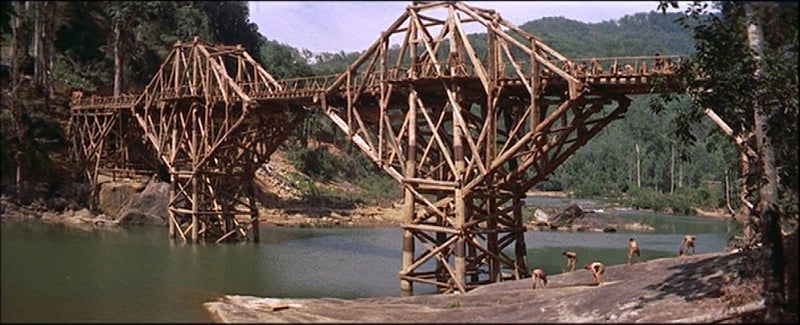
David Lean’s 1957 classic shows British prisoners of war forced to build a bridge for their Japanese captors. Alec Guinness plays a colonel so focused on discipline and pride that he almost helps the enemy.
The film explores how military structure and honor can become twisted under extreme circumstances. The ending is both tragic and ironic.
It won seven Academy Awards and remains a standard for epic filmmaking.
Paths of Glory
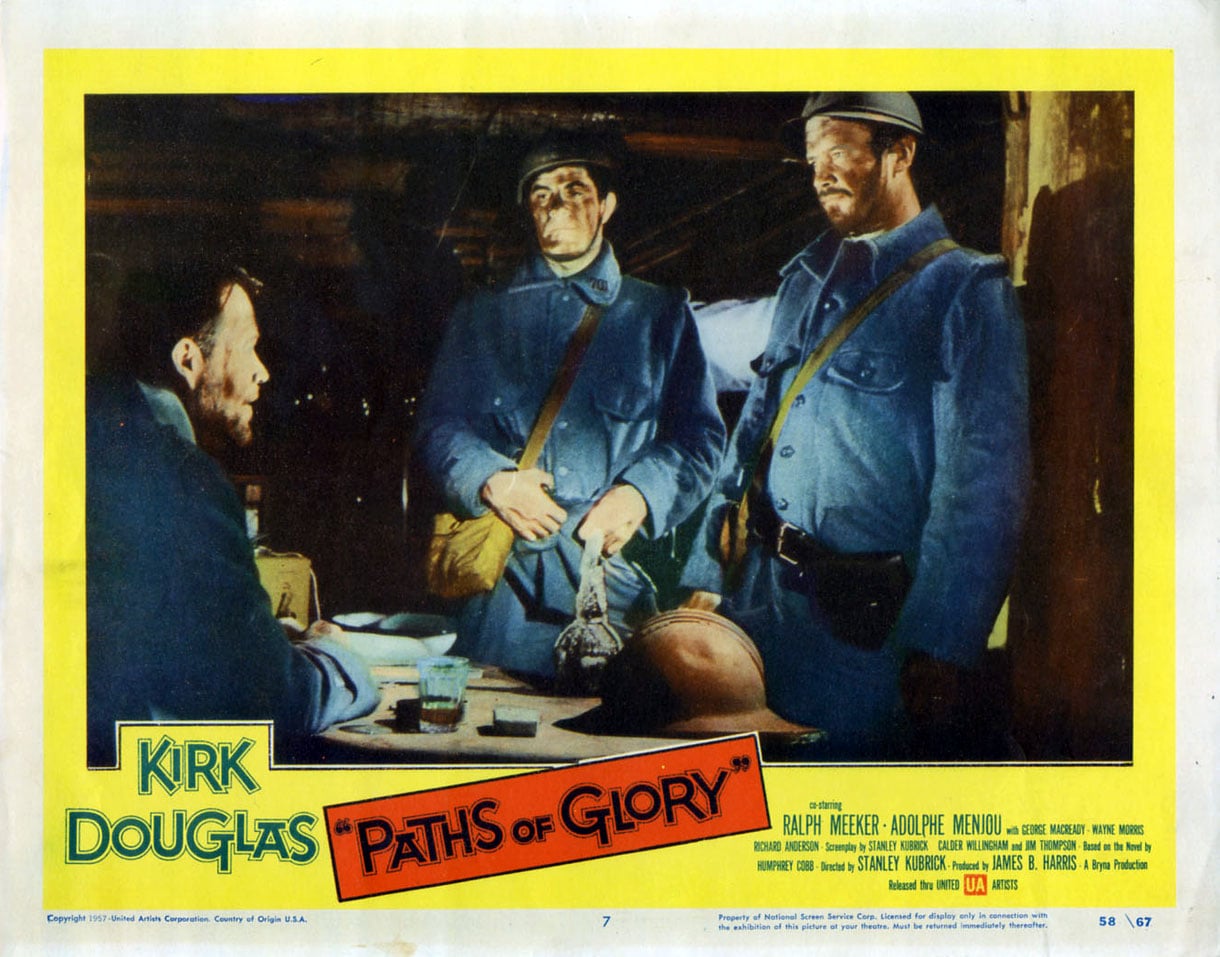
Stanley Kubrick made this powerful anti-war film about French soldiers in World War I. Kirk Douglas plays a colonel defending three men accused of cowardice after an impossible attack fails.
The film exposes how officers far from the front line treat soldiers like chess pieces. Kubrick shot the trench scenes with long tracking shots that show the cramped, dangerous conditions.
France actually banned the film for years because it made their military look bad.
Letters from Iwo Jima
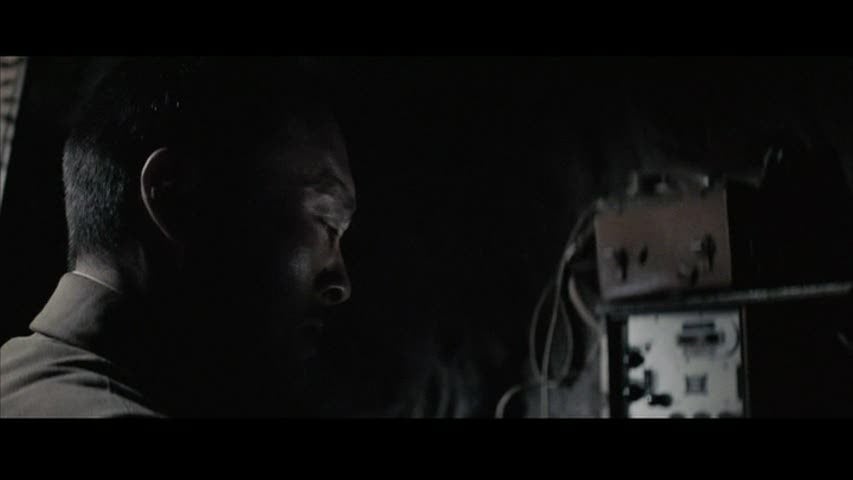
A different angle came through Clint Eastwood when he unfolded the story of Iwo Jima from Japan’s point of view – a move Hollywood seldom made. Human faces appear beneath uniforms, revealing soldiers who worry, remember homes, carry letters.
Duty drives them forward even when defeat feels certain – Ken Watanabe stands firm at their center. Spoken entirely in Japanese, performed by Japanese actors, the production stays rooted in authenticity.
Across the ocean, another film runs parallel: Flags of Our Fathers, where Americans wrestle with their own version of the clash.
Glory
It was Glory Edward Zwick that spotlighted the 54th Massachusetts Infantry Regiment, among the earliest African American units during the Civil War. Winning an Academy Award, Denzel Washington portrayed a man once enslaved who becomes a soldier.
In contrast, Matthew Broderick takes on the role of the white officer commanding the unit. What stands out is how the movie captures courage alongside prejudice from fellow Union troops.
By the last assault, sorrow sets in – awareness dawns that few will make it through alive.
Here’s what those movies continue showing us
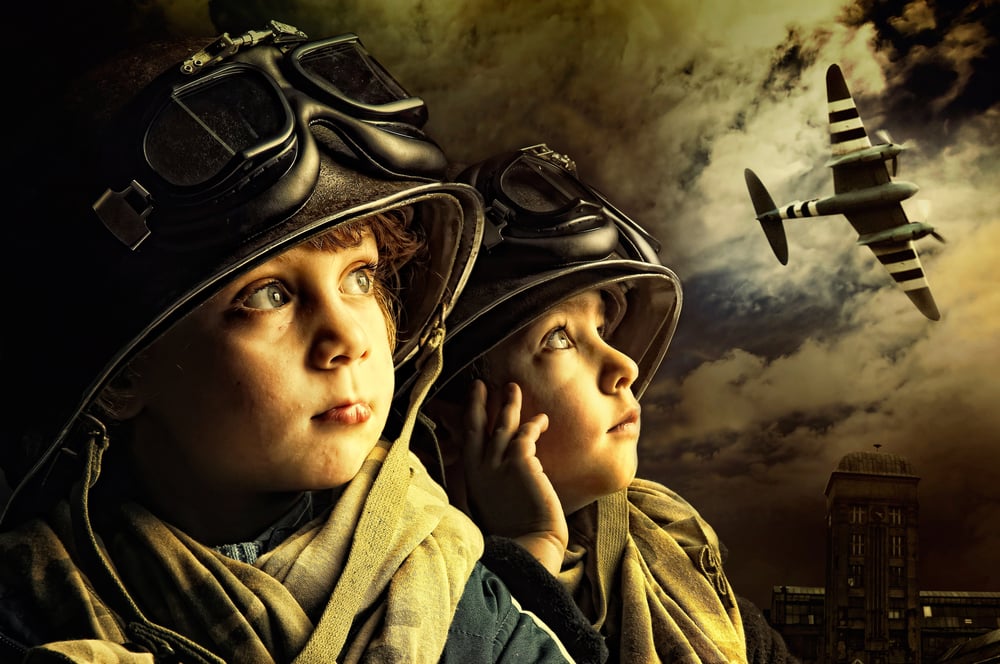
Long after the credits roll, certain films stay with us because they capture something true about war. Not just battles, but faces – faces you remember later when quiet moments come.
Some show soldiers wading through water under heavy skies; others track footsteps deep in green forests where silence feels loud. These scenes do more than play out drama.
Over time, they start acting like memory keepers for those who lived it and those learning now. People watch them years later and feel a pull, not from spectacle, but from honesty.
War changes lives, yes – but also alters towns, shifts family stories, bends history quietly. Questions appear while watching: What does standing firm really mean?
Who pays the price when guns fall silent? Answers never arrive clean or complete.
Still, we return to these images, year after year, since what they ask hasn’t gone away – it waits, present, unresolved.
More from Go2Tutors!

- The Romanov Crown Jewels and Their Tragic Fate
- 13 Historical Mysteries That Science Still Can’t Solve
- Famous Hoaxes That Fooled the World for Years
- 15 Child Stars with Tragic Adult Lives
- 16 Famous Jewelry Pieces in History
Like Go2Tutors’s content? Follow us on MSN.