10 Abandoned Airports and the Stories Behind Them
With travelers scurrying to catch flights and reconnect with loved ones, airports are usually hives of activity. However, there are abandoned aviation hubs all over the world that are now silent, with their runways broken and terminal buildings deserted. These defunct airports provide intriguing tales of how political upheavals, economic fluctuations, and technological development made them outdated.
Here is a list of 14 airports that have been abandoned worldwide, along with the fascinating tales of how these once-thriving transportation hubs have been allowed to deteriorate.
Kai Tak Airport
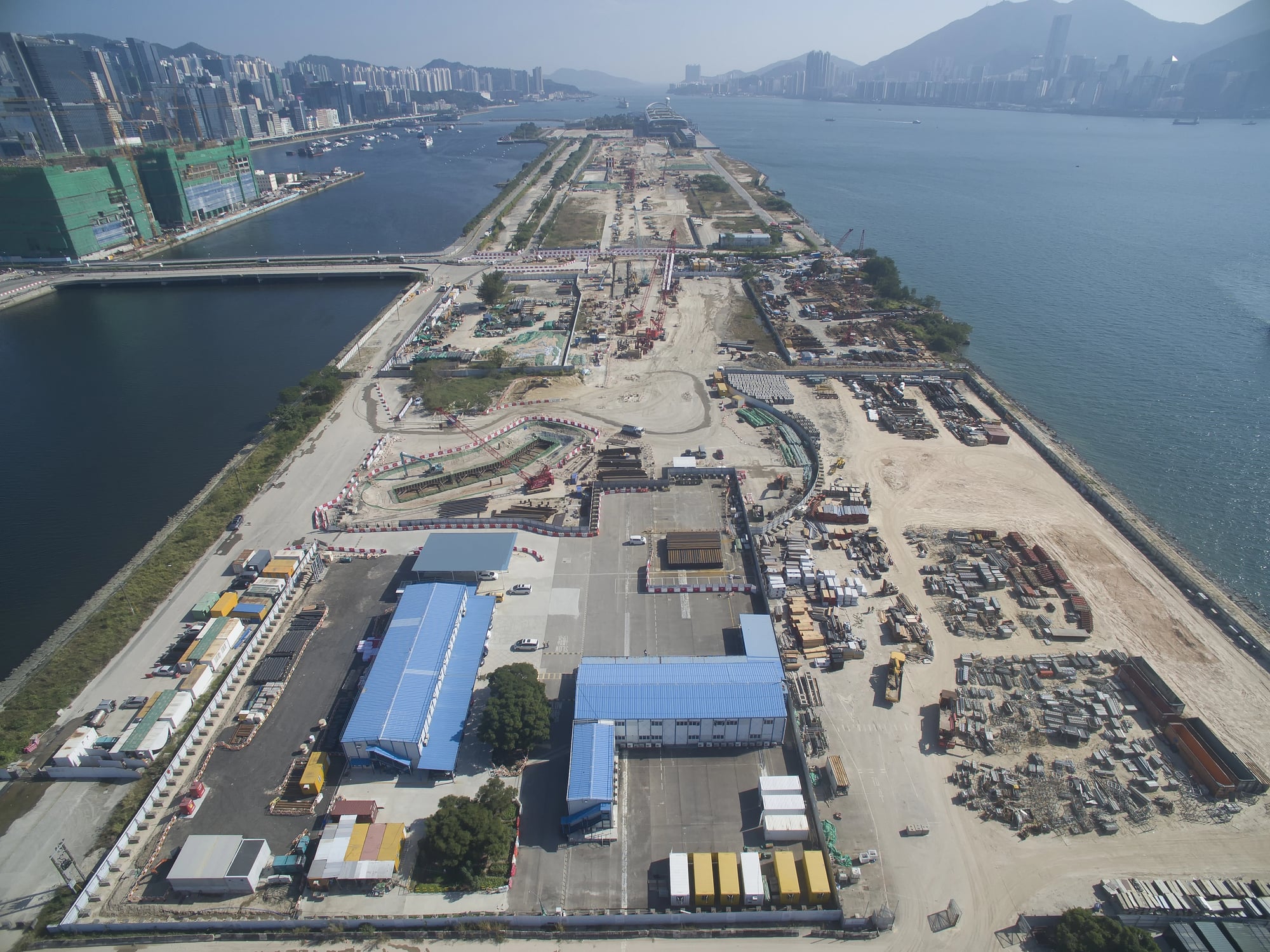
Hong Kong’s former international airport was famous for its heart-stopping approach that required pilots to navigate between densely packed high-rise buildings before making a sharp turn to align with the runway. After serving the city for 73 years, Kai Tak closed in 1998 when the new Hong Kong International Airport opened at Chek Lap Kok.
The dramatic landings became known as the ‘Kai Tak Heart Attack’ approach among pilots who had to rely on visual navigation rather than instruments for the final descent.
Ellinikon International Airport

Once the primary airport serving Athens, Greece, Ellinikon operated from 1938 until 2001 when it was replaced by the newer Athens International Airport. During World War II, it served as a Luftwaffe base during the German occupation of Greece.
After sitting abandoned for years following its closure, the 1,530-acre site is now being transformed into one of Europe’s largest urban redevelopment projects, including parks, residential areas, and a marina.
Croydon Airport

Considered London’s first major international airport, Croydon Airport pioneered air traffic control with the world’s first control tower. It served as Britain’s main airport during the interwar period between 1920 and 1946 but couldn’t accommodate larger post-war aircraft with its limited runway length.
The historic terminal building still stands today and houses a visitor center that celebrates the airport’s significance in aviation history.
Floyd Bennett Field
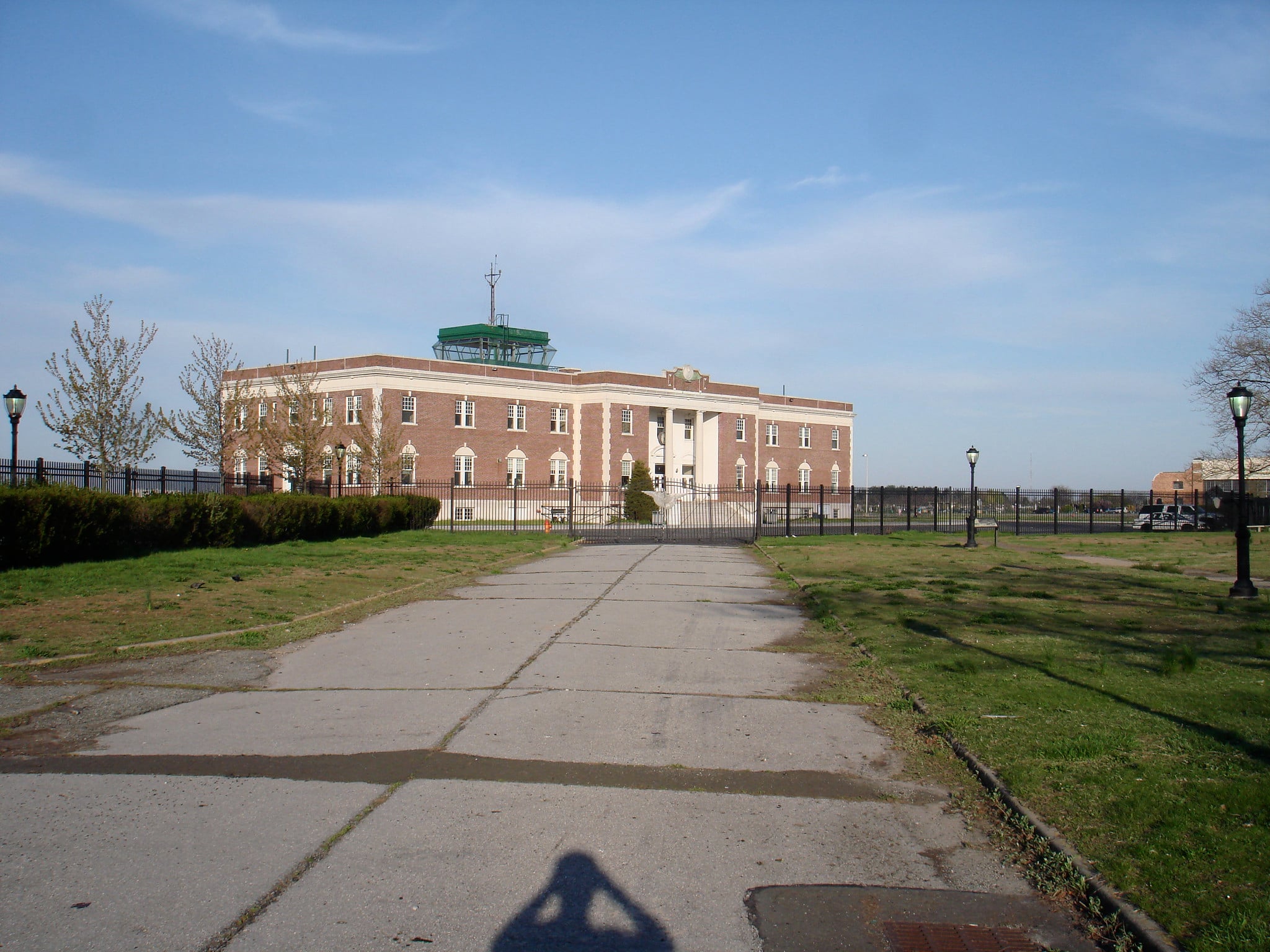
New York City’s first municipal airport opened in 1930 on Jamaica Bay in Brooklyn. Named after the naval aviator who made the first flight over the North Pole, this airport hosted many record-breaking flights during aviation’s golden age.
Commercial airlines preferred Newark Airport’s better accessibility, leaving Floyd Bennett Field to primarily serve the military until its closure in 1971. Today, it forms part of the Gateway National Recreation Area, with many original hangars and the terminal building still intact.
Johnston Atoll Airport

Built on a remote Pacific atoll about 750 miles southwest of Hawaii, this strategic military airfield was constructed by enlarging the tiny island using coral fill. The facility played crucial roles during nuclear testing operations in the 1950s and 1960s and later served as a chemical weapons storage and disposal site.
After military operations ceased in 2004, the 9,000-foot runway was abandoned to the elements, though it occasionally serves as an emergency landing location for trans-Pacific flights.
Berlin Tempelhof Airport
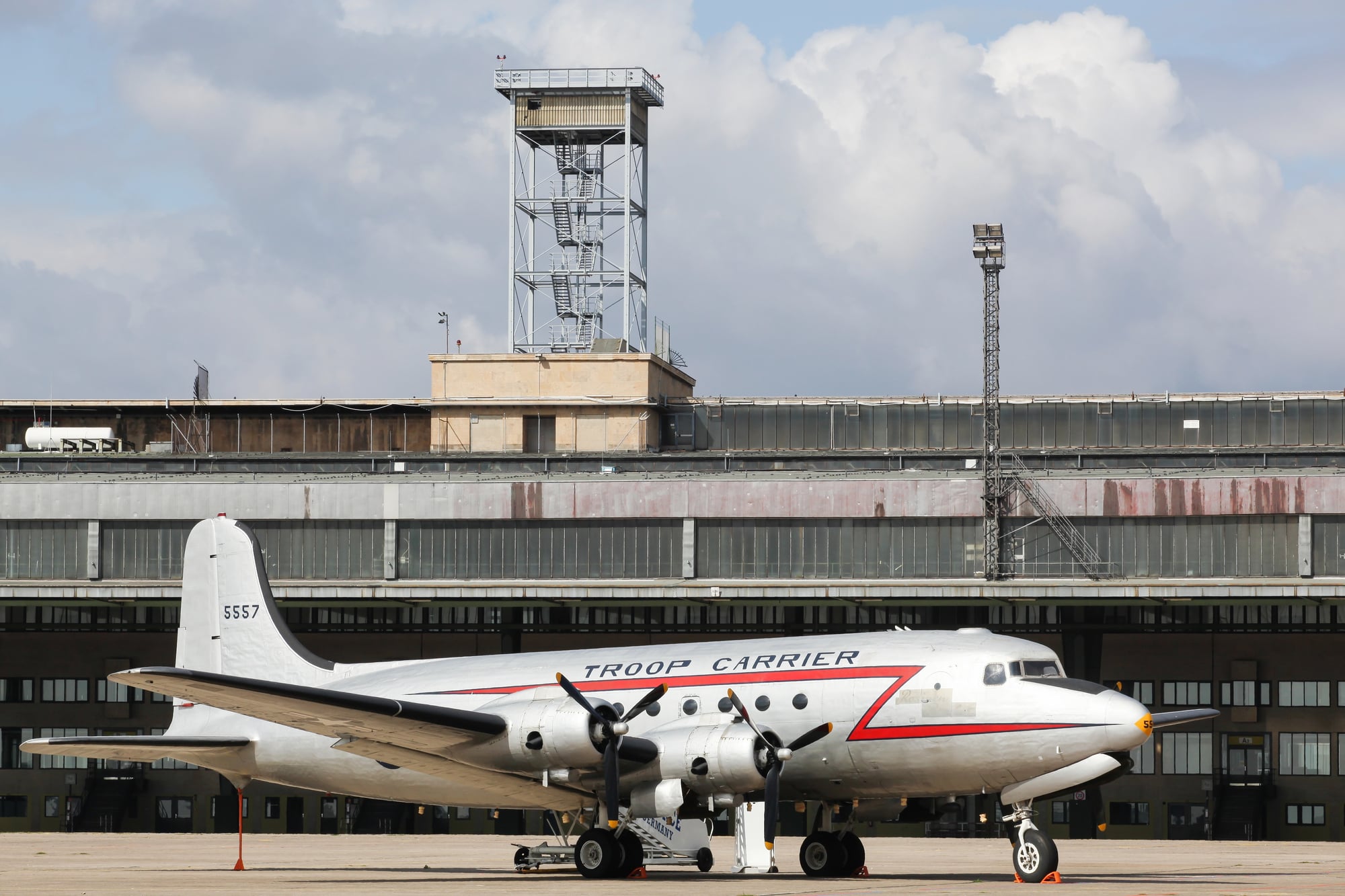
One of the oldest commercial airports in the world, this famous airfield in the heart of Berlin was essential to the 1948–1949 Berlin Airlift, which sent supplies to West Berlin while the Soviet Union blocked it. Once one of the biggest buildings in the world, Tempelhof’s enormous terminal complex exemplified the architectural magnificence of the Nazi era.
The vast grounds were turned into a public park after operations ended in 2008, and the terminal is now used as an event venue and emergency refugee shelter.
Nicosia International Airport

Frozen in time since 1974, this Cypriot airport became a casualty of the Turkish invasion that divided the island. Located in the UN-controlled buffer zone between the Greek and Turkish sides, the terminal still contains dusty check-in counters and long-abandoned Cyprus Airways planes on the tarmac.
The facility now serves as headquarters for the United Nations Peacekeeping Force in Cyprus, with much of the original infrastructure eerily preserved as it was on the day of its sudden closure.
Stapleton International Airport

From 1929 to 1995, Denver’s old main airport serviced the city; after that, operations moved to the new Denver International Airport. Despite an increase in passengers, Stapleton’s potential for growth was constrained by the rising urban development surrounding it.
One of the biggest urban redevelopment projects in America took place on the 4,700-acre site when it was closed. It was converted into a mixed-use community that included residential, commercial, and educational spaces, while maintaining some street patterns that adhered to the original runway layout.
Galeville Airport

This airfield, which was first built in 1942 as a military training facility in the Hudson Valley of New York, was later converted into the landing field for West Point. The facility could have easily been sold for development once it was decommissioned, but instead it saw a miraculous change.
As the Shawangunk Grasslands National Wildlife Refuge, the former runways have been transformed into one of the most important grassland bird habitats in the world, safeguarding endangered species like the Henslow’s sparrow.
Željava Air Base
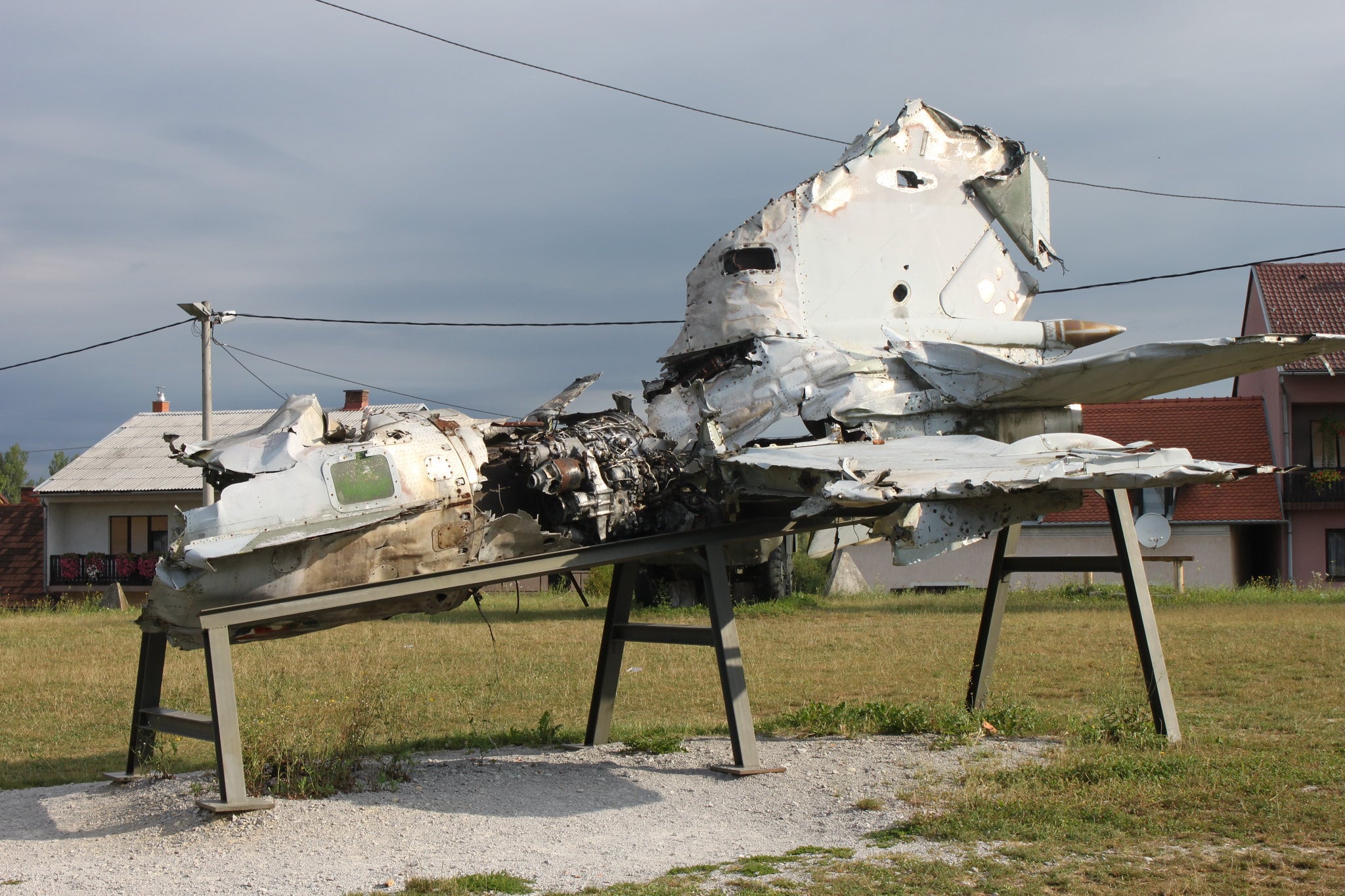
Built inside a mountain on the border between Croatia and Bosnia-Herzegovina, this underground military airbase was one of Europe’s largest subterranean airports. Constructed between 1948 and 1968 during Yugoslavia’s Cold War preparations, the facility could withstand direct nuclear strikes.
When Yugoslavia dissolved in the early 1990s, retreating forces damaged the complex to prevent enemies from using it. Today, the abandoned tunnels and hangars carved into the mountain stand as eerie monuments to a divided Europe.
The Second Lives of Former Airfields

The afterlives of these abandoned airports reflect our changing world and priorities. Many have found new purpose through creative repurposing—becoming public parks, wildlife sanctuaries, movie filming locations, and even solar farms.
The massive infrastructure investments these facilities represent make their abandonment particularly poignant, but also present unique opportunities for communities to reclaim these spaces for public use. Their concrete runways and terminals stand as monuments to aviation history while their new uses point toward different futures.
More from Go2Tutors!

- The Romanov Crown Jewels and Their Tragic Fate
- 13 Historical Mysteries That Science Still Can’t Solve
- Famous Hoaxes That Fooled the World for Years
- 15 Child Stars with Tragic Adult Lives
- 16 Famous Jewelry Pieces in History
Like Go2Tutors’s content? Follow us on MSN.