Fast Food Menu Items Not in the US
Sometimes the best version of your favorite fast food chain is the one you can’t get to. American chains dominate the global fast food landscape, but the menus they serve abroad look nothing like what you’d find at your local drive-thru.
These restaurants have spent decades adapting to local tastes, regional ingredients, and cultural traditions that American customers never get to experience. The result is a parallel universe of fast food where fried chicken comes with rice porridge for breakfast, burgers get topped with teriyaki sauce, and desserts feature flavors like taro and durian.
If you’ve ever wondered what McDonald’s Japan or KFC Malaysia has that your hometown location doesn’t, you’re in for a treat.
The Teriyaki McBurger in Japan
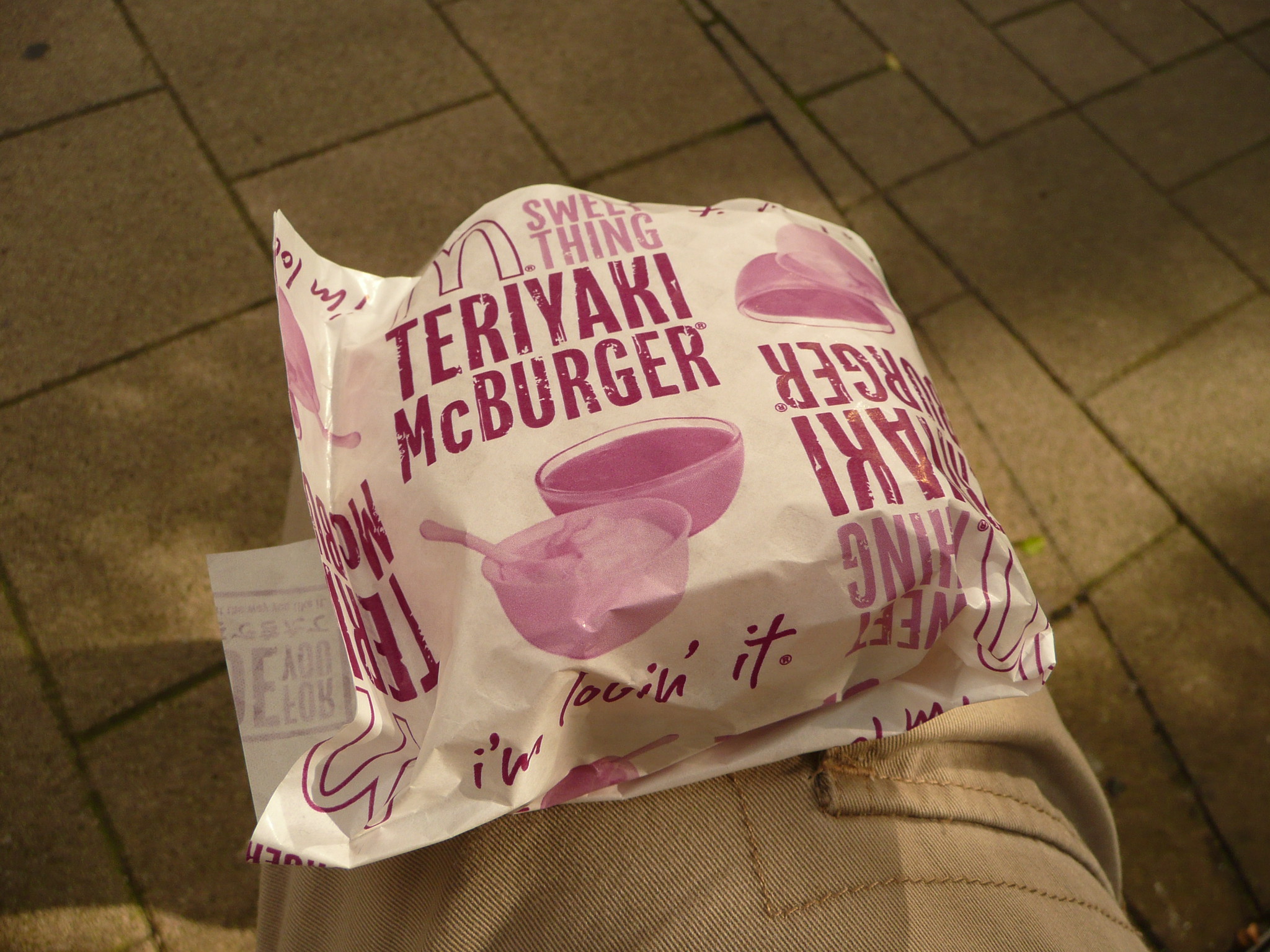
McDonald’s Japan has served the Teriyaki McBurger since 1989, making it one of the longest-running regional items anywhere in the world. The burger features a pork patty glazed with sweet and salty teriyaki sauce, topped with lettuce and mayo, then tucked into a sesame seed bun.
There’s also a chicken version called the Teriyaki Chicken Filet-O for those who prefer poultry. The doubled-up version adds a second patty for customers who want extra protein.
American McDonald’s has tested teriyaki flavors on limited-time sandwiches, but nothing has ever stuck the way this Japanese staple has.
McSpaghetti in the Philippines

McDonald’s tried selling pasta in America back in the 1980s. It flopped hard, and the chain quietly removed it from US menus.
But in the Philippines, where Jollibee had already made spaghetti a fast food staple, McDonald’s introduced McSpaghetti in 1986 and never looked back. The dish comes with frankfurter bits in a sweet tomato-based sauce that tastes nothing like traditional Italian marinara.
Locals often pair it with Chicken McDo, the chain’s crispy fried drumstick that rivals any fried chicken you’ve had. The combination sounds strange to American ears, but it’s been selling steadily for nearly four decades.
KFC Egg Custard Pastries Across Asia

Walk into a KFC in Hong Kong, China, Thailand, Singapore, or Malaysia and you’ll find egg custard pastries sitting right alongside the fried chicken. These flaky shells with silky custard filling aren’t just an afterthought on the menu.
The recipe traces back to Andrew Stow, a British pharmacist who opened Lord Stow’s Bakery in Macau in 1989 with his wife Margaret Wong. Their Portuguese-style pastries drew crowds that wrapped around the block.
In 1999, Wong sold the recipe to KFC, which turned them into a regional phenomenon. The chain releases limited-edition flavors too, including Golden Pineapple, Brown Sugar Boba, and Nutella with Marshmallow.
In 2024, KFC China celebrated the 20th anniversary of their egg pastry by releasing an Egg Custard Dirty Coffee, which is coffee served in an edible egg pastry cup. That’s the kind of creativity American KFC customers never see.
The Bulgogi Whopper in South Korea
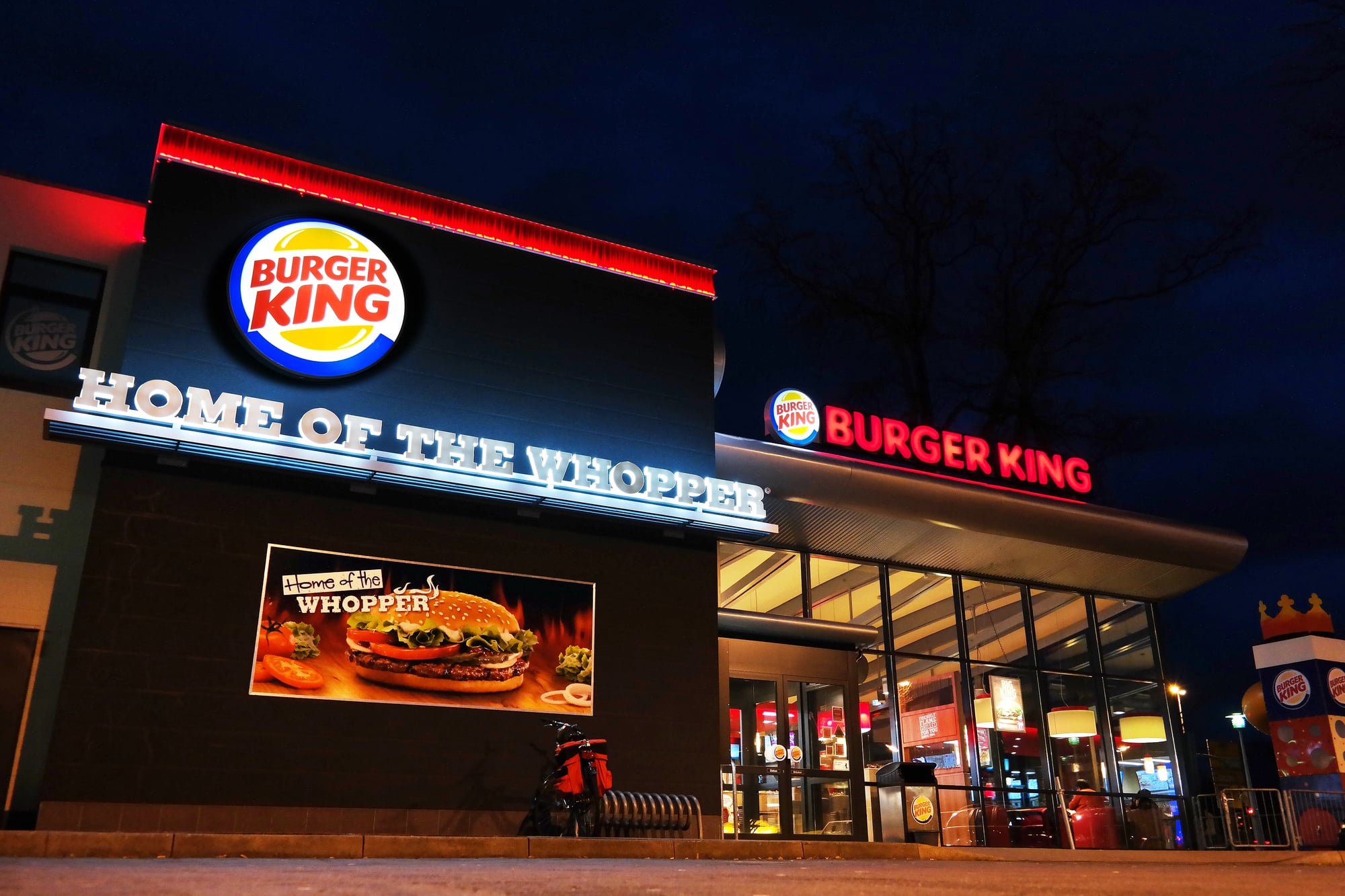
South Korean Burger King has taken the classic Whopper and given it a local twist with the Bulgogi Whopper. Bulgogi is a traditional Korean BBQ marinade made with soy sauce and sweet ingredients that create a complex, caramelized flavor.
The burger keeps all the standard Whopper fixings but adds that sweet bulgogi sauce coating the patty. South Korean locations also serve a shrimp and meat burger combination that has never made its way to American restaurants.
Nasi Lemak at Malaysian KFC
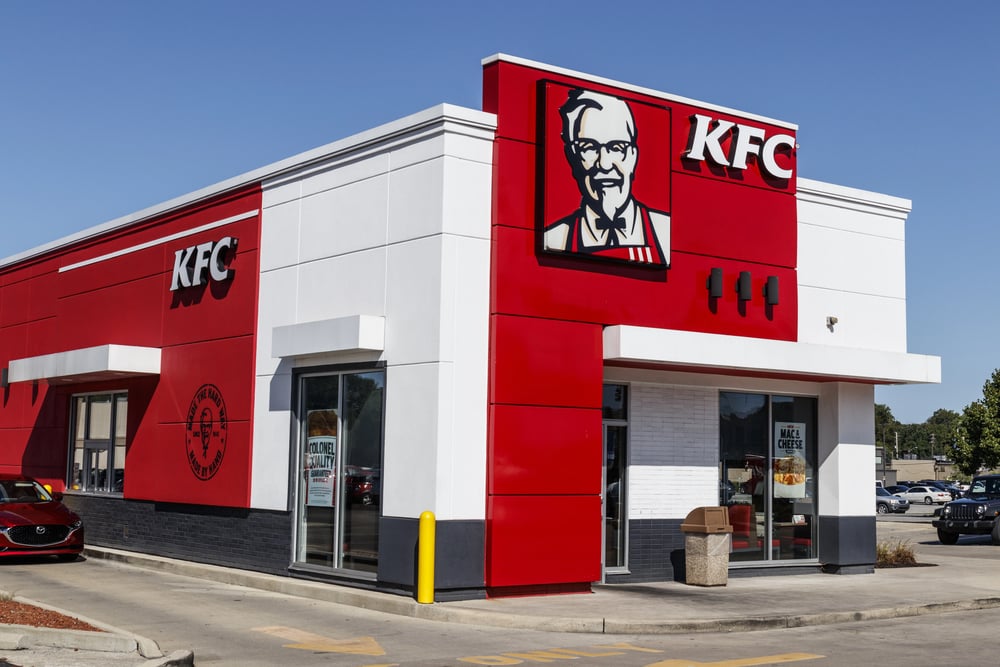
Nasi lemak is everywhere in Malaysia. The coconut rice dish appears on street corners, in food courts, and at casual restaurants throughout the country.
KFC decided to join the tradition by adding nasi lemak to their breakfast menu. The dish comes with or without KFC’s signature fried chicken.
If you want chicken, you can choose between a fillet or a drumstick. The combination of fragrant coconut rice and crispy fried chicken makes perfect sense when you think about it, but American KFC breakfast remains stuck on biscuits and bowls.
Japan’s Deep-Fried Corn Soup
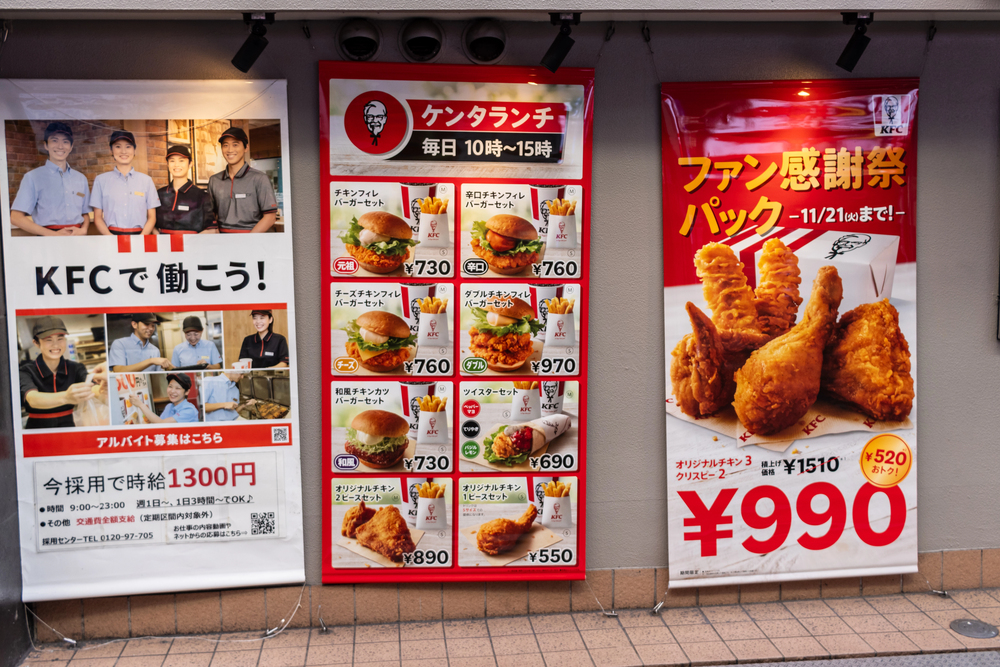
KFC Japan offers something called a corn soup fritter that sounds bizarre until you learn that corn chowder is a beloved dish in Japan. The menu item takes creamy corn soup, coats it in batter, and deep fries it until golden brown.
The result looks like an oversized chicken nugget but breaks open to reveal hot, creamy soup with bits of corn throughout. The aroma alone is enough to make you hungry.
This exists because KFC Japan pays attention to what locals actually want to eat rather than forcing American menu items on a different market.
Taro Turnover at Singaporean Burger King
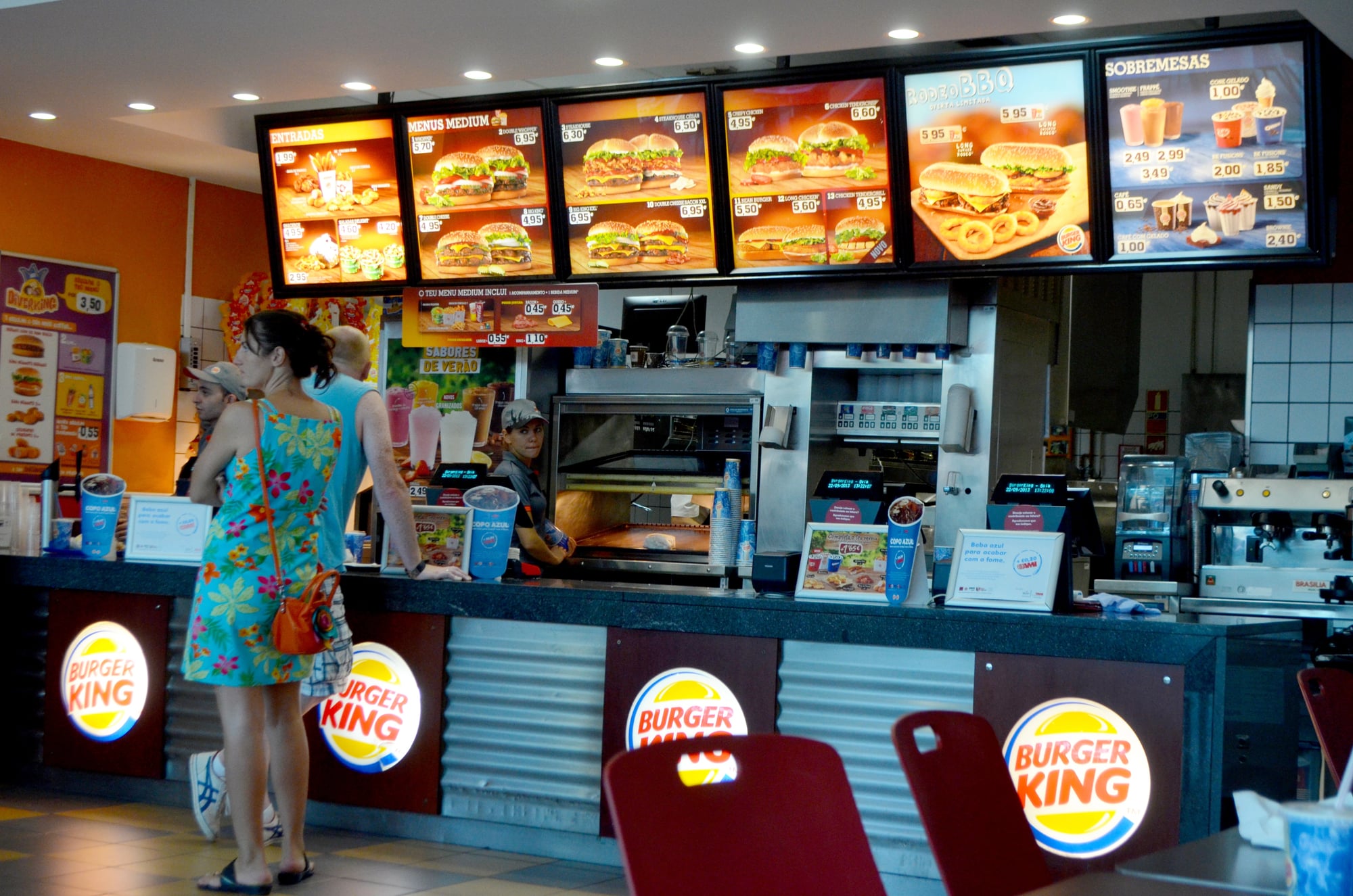
Singaporean Burger King sells a dessert that has no equivalent on American menus. The Taro Turnover is a deep-fried hand pie filled with bright purple taro paste.
Taro is a root vegetable common throughout Southeast Asia with a subtle, slightly sweet flavor and a distinctive purple color. The turnover uses the same crispy fried shell as the apple pie but the filling tastes completely different.
It’s the kind of localized dessert that shows how much fast food chains adapt when they’re paying attention.
The McSpicy in Singapore and Hong Kong
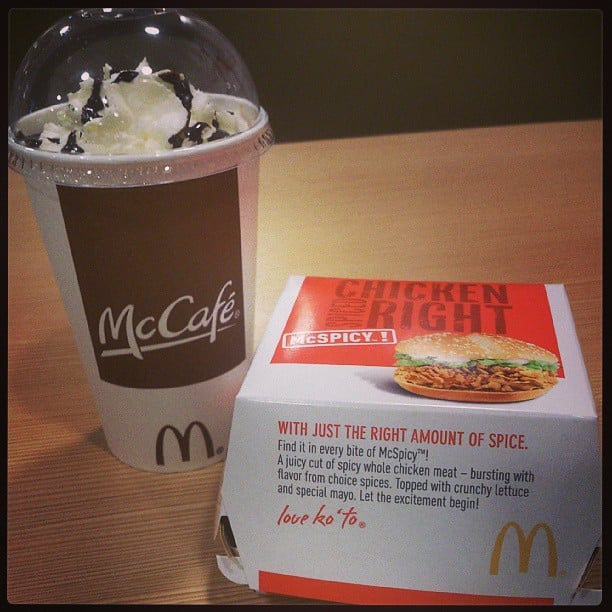
The McSpicy burger appears on menus throughout Asia, with variations in Singapore, Hong Kong, and other markets. It’s a spicy chicken sandwich that packs genuine heat rather than the mild warmth that American “spicy” items often deliver.
The Singapore version has developed such a devoted following that McDonald’s Chicago flagship restaurant now serves it on their rotating global menu alongside items from other countries. American customers have to travel to a single location in Illinois to try what Asian McDonald’s fans eat regularly.
Poutine at Canadian Wendy’s
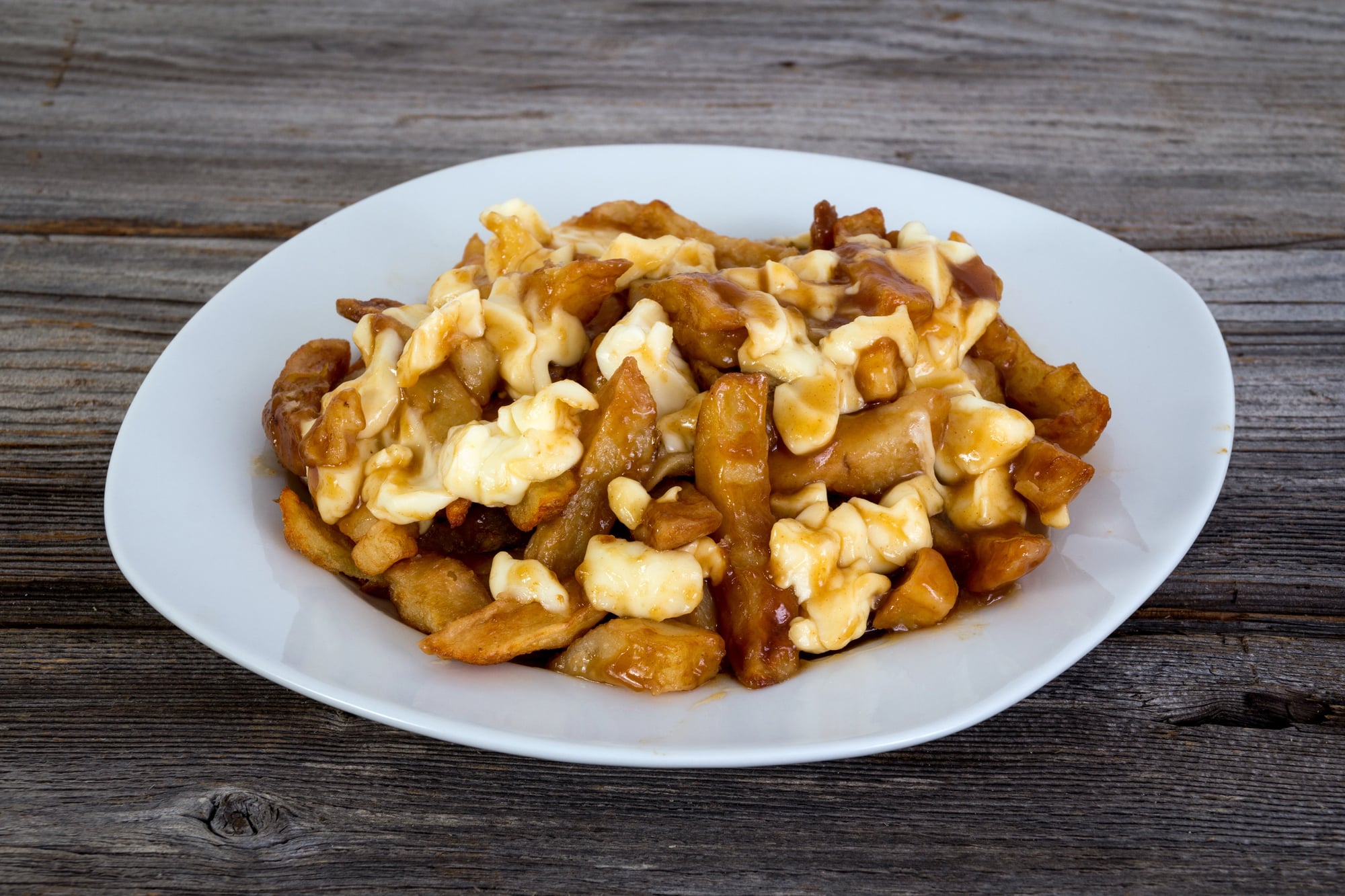
Canada has Wendy’s locations that serve poutine, the country’s beloved dish of french fries topped with gravy and cheese curds. The version at Wendy’s uses chicken-based gravy and comes with or without bacon.
Poutine looks simple on paper but the combination of crispy fries, rich gravy, and squeaky cheese curds creates something far greater than the sum of its parts. American Wendy’s sells loaded fries and various toppings, but true poutine with proper cheese curds remains a Canadian exclusive.
The Pizza McPuff in India
McDonald’s India faces a unique challenge since a large portion of the population is vegetarian and many Hindus don’t eat beef. This has pushed the chain to create vegetarian options that don’t exist anywhere else.
The Pizza McPuff takes green peas, carrots, beans, peppers, and onions, mixes them with spices and mozzarella cheese in a tomato sauce, then wraps everything in a fried pastry pocket. It’s essentially a pizza hand pie that satisfies the craving for something cheesy and savory without any meat.
Currywurst at German McDonald’s
Currywurst is German street food consisting of steamed and grilled sausage covered in curry-spiced ketchup. McDonald’s Germany serves their own version of this local favorite, adapting a dish that Germans have loved since the 1940s.
The chain also offers the Nürnburger, which is just three small pork sausage links on a bun with no elaborate toppings. These items acknowledge that German customers want familiar flavors alongside the Big Macs and McChickens.
The Wild Rock Burger in Japan
Wendy’s First Kitchen in Japan offers the Wild Rock Burger for customers who want to skip the bread entirely. Introduced in August 2017, this sandwich uses two of Wendy’s signature square beef patties as the outer layer.
Between those patties you’ll find lettuce, tomato, bacon, and a fried egg with sauce. The result is a low-carb option that actually feels indulgent rather than like a compromise.
With just 4.6 grams of carbohydrates, it appeals to protein-focused diners who want a filling meal without the bread.
The Chizza in Multiple Asian Countries
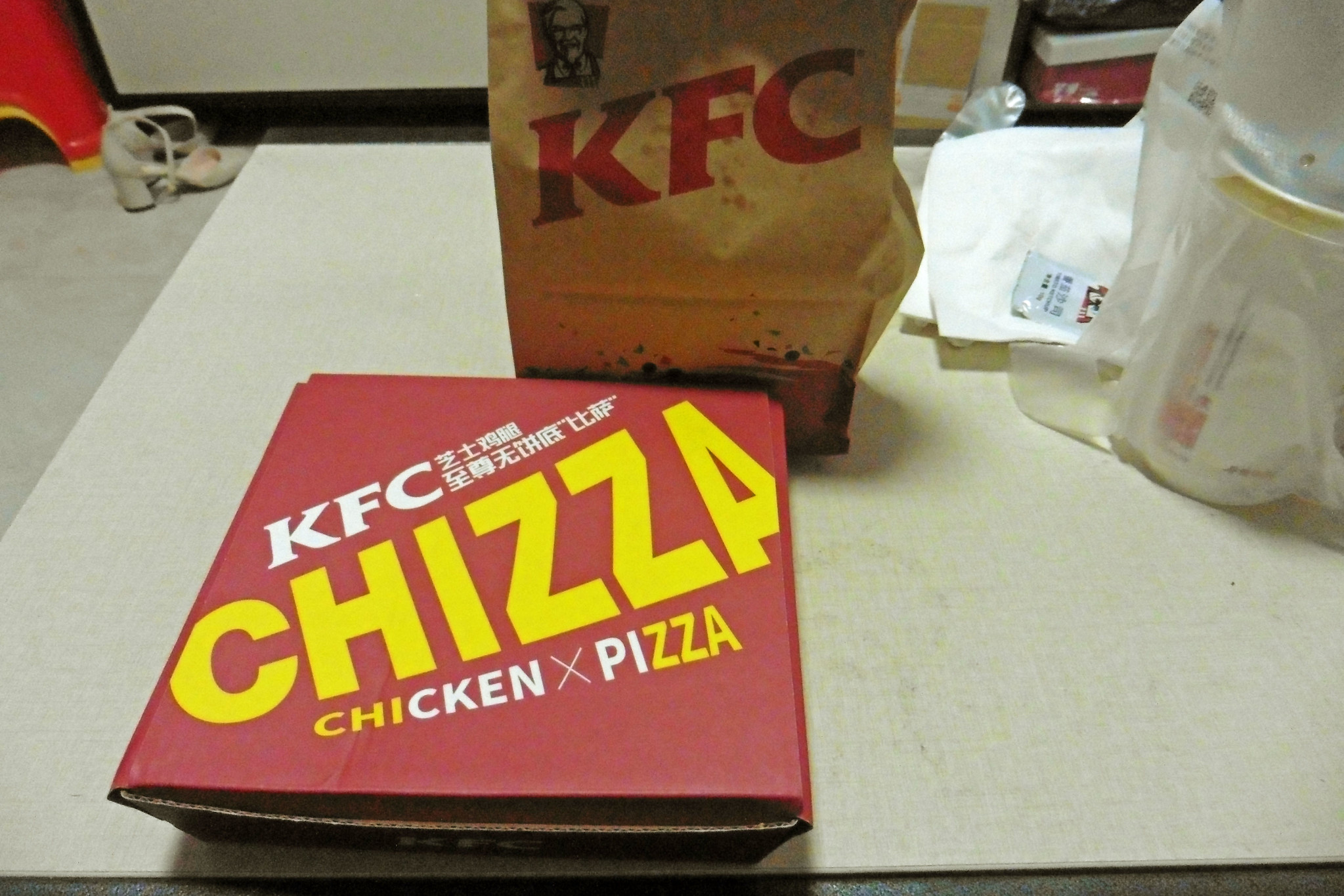
KFC created a hybrid called the Chizza that uses crispy fried chicken cutlets as the base instead of pizza dough. The chicken gets topped with marinara sauce, melted mozzarella cheese, and pepperoni.
The dish first appeared in the Philippines in 2015 and has since made limited-time appearances in Thailand, South Korea, Taiwan, India, Germany, Spain, and Mexico. KFC finally brought the Chizza to the US on February 26, 2024 for a limited run, but it disappeared from American menus while remaining available in other countries.
The Prosperity Burger in Malaysia
Every year around Chinese New Year, McDonald’s Malaysia releases the Prosperity Burger, which features a chicken or beef patty with black pepper sauce and onions. The menu has expanded to include a Golden Prosperity Burger version.
But the real draw for many customers is the Curly Fries that accompany the seasonal menu. These seasoned, spiral-cut fries appear only during this period and have become as anticipated as the burgers themselves.
American McDonald’s has no equivalent seasonal celebration menu.
Shrimp Donuts at Thai KFC
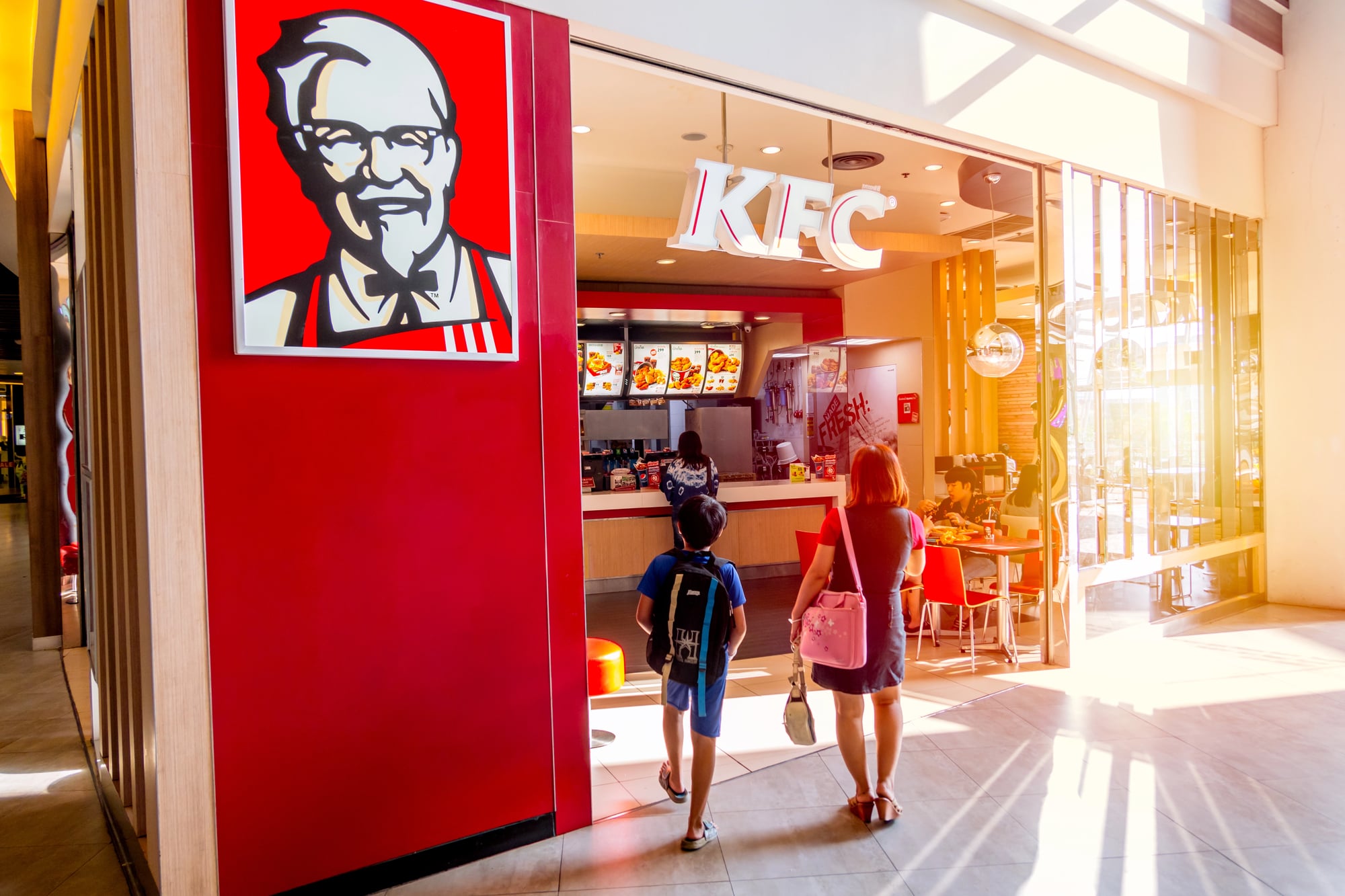
KFC Thailand serves something called the Shrimp Donut, which isn’t a sweet pastry at all. Minced shrimp is shaped into a ring, coated in batter, and fried until it resembles a golden savory donut.
The texture ends up similar to tempura with the flavor of seasoned shrimp throughout. You can order it as a standalone snack or pair it with a Zinger meal as a side.
This kind of seafood-forward snack would be a hard sell in American markets but fits perfectly into Thai dining habits.
Between the Menu Lines
What strikes you most when looking at international fast food menus isn’t just the exotic ingredients or unfamiliar flavors. It’s the willingness to take risks.
Japanese KFC sells deep-fried soup. Indian McDonald’s builds entire menus around vegetarian options.
Malaysian chains serve breakfast porridge alongside fried chicken. These aren’t gimmicks designed to go viral on social media.
They’re genuine attempts to serve what local customers actually want to eat. American fast food tends toward the familiar and the safe.
Chains test new items cautiously, roll them out in limited regions, and pull them quickly if sales disappoint. International locations operate with more freedom to experiment because they’re competing against local foods that have centuries of tradition behind them.
A McDonald’s in Tokyo isn’t just competing with Burger King. It’s competing with ramen shops and izakayas and convenience stores that sell fresh onigiri.
The next time you’re traveling abroad, skip the urge to find comfort in a familiar logo. Order something you’ve never heard of.
Try the teriyaki burger or the egg pastries or whatever strange regional item the menu has to offer. You might discover your new favorite fast food meal isn’t available within a thousand miles of home.
More from Go2Tutors!

- The Romanov Crown Jewels and Their Tragic Fate
- 13 Historical Mysteries That Science Still Can’t Solve
- Famous Hoaxes That Fooled the World for Years
- 15 Child Stars with Tragic Adult Lives
- 16 Famous Jewelry Pieces in History
Like Go2Tutors’s content? Follow us on MSN.