15 Grocery Store Employees Share Secrets They Wish People Knew
Walking through the grocery store aisles, most shoppers focus on their lists, prices, and finding everything they need. But behind every shelf stock and checkout interaction are employees who see patterns, notice behaviors, and deal with situations that would surprise the average customer.
These workers have insights that could make your shopping experience smoother, help you get better deals, and understand what really happens behind the scenes. Here’s what they wish you knew.
The Best Deals Aren’t Always Advertised

Sale signs catch your attention, but the real savings hide in plain sight. Clearance items get marked down throughout the day, not just at closing time.
End caps—those displays at the end of aisles—often feature products that need to move quickly, which means better prices for you.
Store brands sitting next to name brands are usually made by the same manufacturers. Same product, different label, significant price difference.
Most shoppers walk right past them.
Early Morning Is When The Magic Happens

The store transforms between 6 AM and 9 AM. Fresh produce arrives, shelves get fully restocked, and the deli prepares everything for the day ahead.
Shopping during this window means you get first pick of the freshest items and fully stocked shelves.
By afternoon, popular items start disappearing and produce has been picked through by dozens of hands.
The difference in quality and selection is dramatic, but most people shop after work when inventory looks nothing like it did that morning.
Your Shopping Cart Tells A Story

There’s something almost archaeological about watching shopping patterns unfold throughout the day—layers of human behavior stacking up in predictable ways, each cart a small excavation of someone’s life.
Morning shoppers move with purpose through the produce section, their carts filling with ingredients that suggest meal planning and intention.
Lunch-hour customers grab prepared foods and single-serving items, their selections painting a picture of desk-bound afternoons and limited time.
Evening shoppers tell different stories entirely.
Their carts become more scattered, more impulsive: frozen dinners mixed with organic vegetables, suggesting good intentions colliding with exhaustion.
Weekend shoppers load up like they’re preparing for siege, their carts overflowing with bulk items and enough snacks to supply a small army.
And yet, for all these patterns, every tenth cart breaks the mold completely—the midnight shopper buying only birthday candles and bananas, the morning regular whose cart contains nothing but ice cream and cat food.
These outliers matter more than the patterns.
They’re reminders that behind every purchase lives a story you’ll never fully understand.
Most Employees Know The Store Layout Better Than The Computer System

Asking for help gets you to the right aisle faster than wandering around reading signs. Employees don’t just know where items are—they know which brands are better, which products are about to be discontinued, and which alternatives work when something’s out of stock.
The computer system tells you if something’s “in stock” but it doesn’t tell you the last case is sitting in the back room, or that the delivery truck is running two days late.
A real person can tell you whether it’s worth waiting or time to try somewhere else.
Self-Checkout Creates More Problems Than It Solves
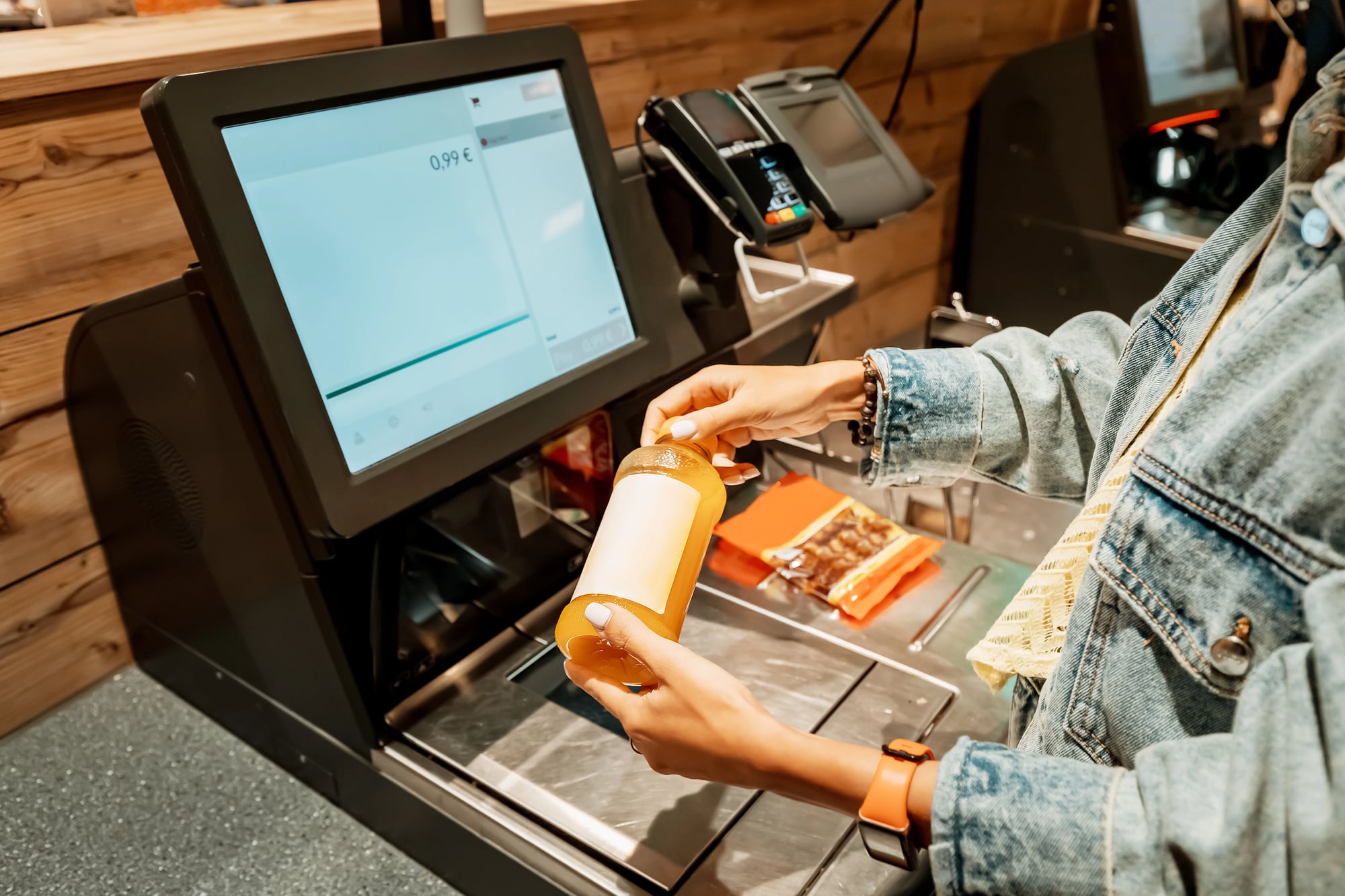
Self-checkout lanes were supposed to speed everything up, but they’ve become the source of most customer frustration and employee interruptions. The machines are sensitive, the weight sensors malfunction, and produce codes confuse everyone who isn’t a cashier.
The “unexpected item in bagging area” error happens because the system weighs everything and compares it to expected weights in the database.
Loose produce, light items, and bagged products all trigger false positives.
So employees spend more time troubleshooting machines than they ever did just scanning items themselves (which, to be fair, is exactly what they predicted would happen when these things were first installed, but apparently nobody wanted to hear that particular piece of workplace wisdom at the time, and now here we are, watching customers struggle with technology that was supposed to eliminate the need for human interaction but somehow requires constant human intervention instead).
Most checkout problems get resolved in seconds when an employee does it, but customers can spend five minutes fighting with a machine that’s determined to be difficult.
The technology isn’t intuitive—it’s just familiar to people who use it forty hours a week.
Food Expiration Dates Are More Flexible Than You Think
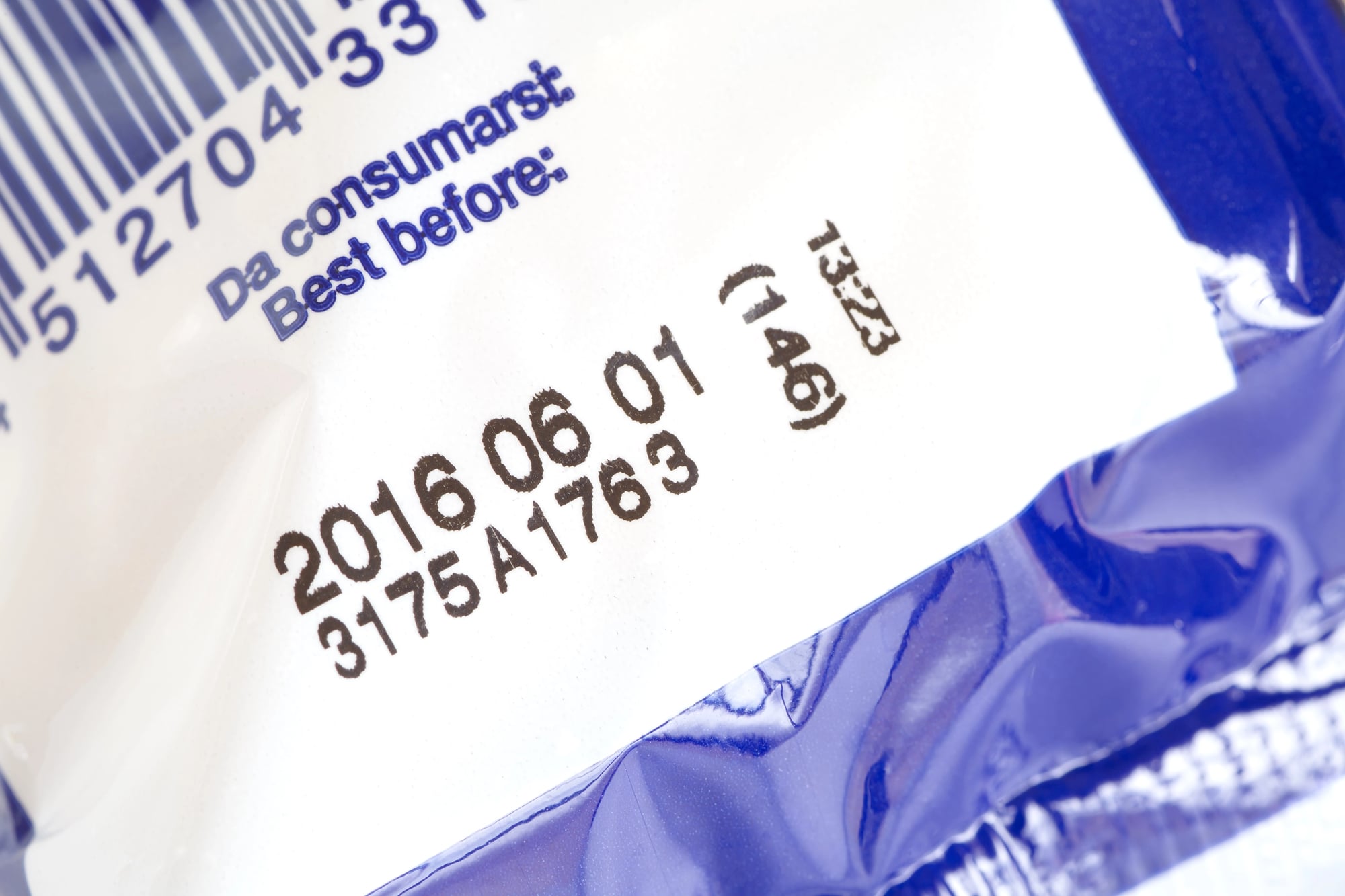
Different dates mean different things, and most people don’t understand the distinction. “Sell by” dates are for inventory management—they tell stores when to rotate stock, not when food becomes unsafe.
“Best by” dates indicate peak quality, not spoilage.
“Use by” dates are the only ones that relate to safety, and even those include built-in buffers.
Dairy products, canned goods, and dry items stay good well past their printed dates if stored properly.
Employees know this because they see perfectly good food get thrown away every day due to date confusion.
Produce doesn’t even have dates, but customers will reject apples with small blemishes while accepting packaged foods that have been sitting in warehouses for months.
Fresh doesn’t always mean what people think it means.
The Pharmacy And Deli Have Different Rules

Both departments operate on different schedules and regulations than the main store. The pharmacy closes for lunch breaks and can’t sell certain items without proper documentation.
The deli stops preparing hot foods at specific times, and custom orders need advance notice.
Showing up five minutes before closing and expecting full service is like arriving at a restaurant as they’re putting chairs on tables.
Technically possible, but you’re asking people to restart processes they’ve already shut down for the day.
Rain Makes Everything Harder

Weather affects grocery stores in ways customers never consider. Rain means more slip hazards, muddy floors, and carts that need constant cleaning.
Snow brings panic buying and empty shelves.
Hot weather increases produce spoilage and makes loading dock work miserable.
Customers track in moisture, lean wet umbrellas against displays, and generally create more work for everyone.
On stormy days, employees spend more time mopping than stocking, which means longer delays for restocking popular items.
Some Products Have Very Specific Delivery Schedules
Bread comes on certain days. Milk arrives on a schedule.
Popular sale items might not get restocked until the following week.
When customers ask “when will you have more,” the answer isn’t always “tomorrow.”
Employees learn these patterns, but the information isn’t posted anywhere customers can see it.
Asking about delivery schedules for specific items can save you multiple wasted trips.
Customer Complaints Rarely Change Anything At Store Level
Store managers have limited control over corporate policies, pricing decisions, and product selection. Complaining to front-line workers about things they can’t change just creates stress without solving problems.
The employee working the checkout lane didn’t decide to discontinue your favorite brand or raise prices on produce.
They’re often as frustrated as you are, but they have even less power to fix it.
The Produce Section Requires Constant Attention

Produce gets picked through all day long. Customers dig through apples looking for perfect ones, leaving bruised fruit on top.
They open packages to inspect contents, then leave them open for the next person.
They sample grapes and berries without buying anything.
By evening, the produce section looks like a battle zone.
Items that were perfectly arranged at opening have been scattered, mixed together, and often damaged by excessive handling.
Employees spend hours reorganizing and removing damaged items that customers created through their selection process.
Inventory Systems Aren’t Perfect
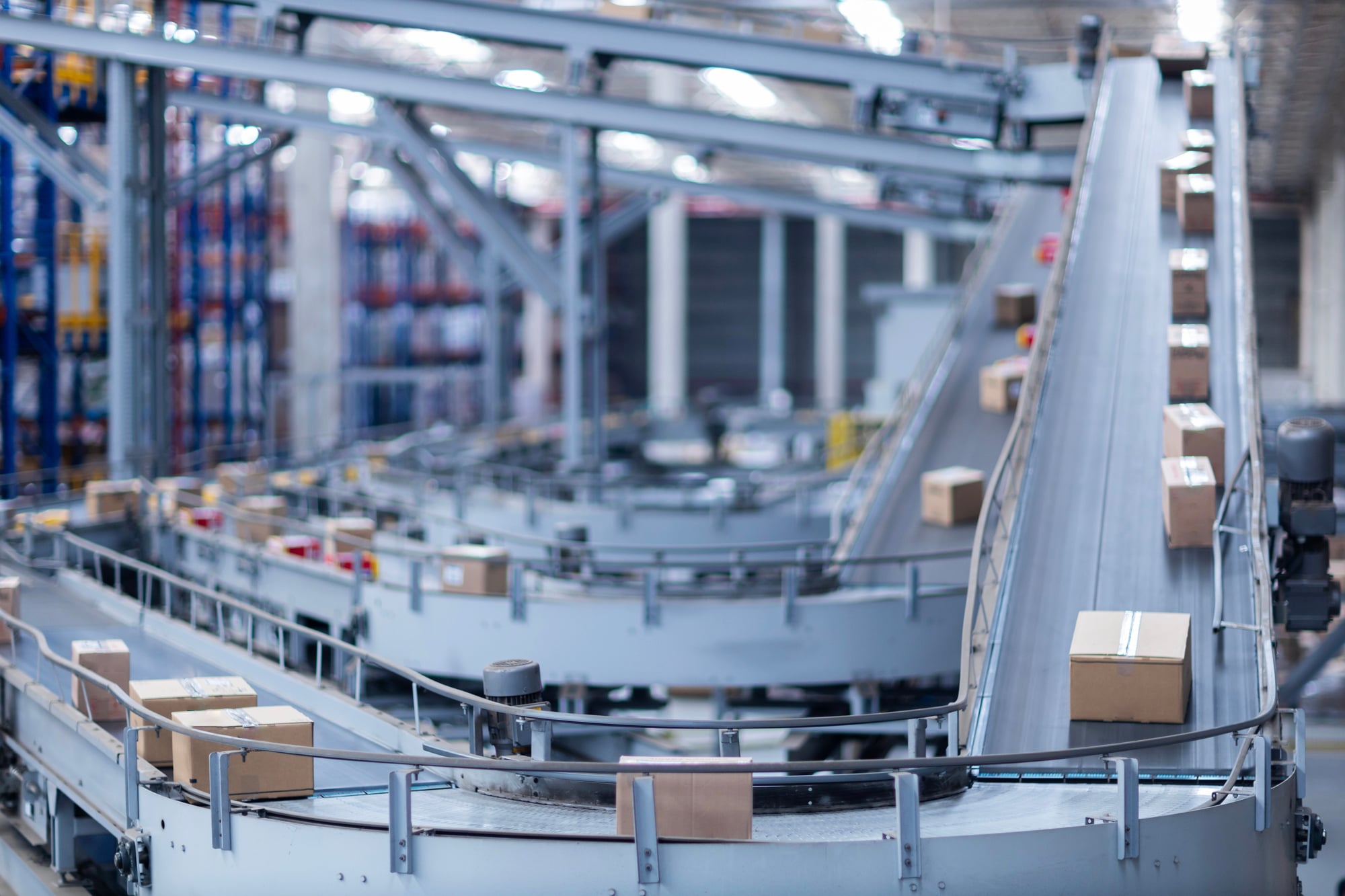
“The computer says we have twelve in stock” doesn’t mean there are twelve units sitting on the shelf.
Items get stolen, misplaced, or damaged.
Deliveries get delayed.
The count in the system and actual inventory don’t always match.
Employees know this discrepancy exists, but they can’t override the computer when customers insist “the website says it’s available.”
Sometimes the only way to verify stock is to physically check, which takes time and often confirms what the employee already suspected.
Holiday Shopping Brings Out The Worst In Everyone

Black Friday, Thanksgiving week, and major holidays turn normal shoppers into aggressive competitors.
People who are usually polite become demanding and impatient.
Lines get longer, shelves empty faster, and everyone’s stress levels spike.
Employees work longer shifts, deal with more complaints, and watch customers fight over parking spaces and sale items.
The holiday spirit doesn’t extend to grocery shopping behavior—if anything, it makes people more selfish and less considerate.
Night Shift Does More Than You Realize

While customers sleep, night crews receive deliveries, stock shelves, deep clean the store, and reset displays.
They work around cleaning equipment, navigate crowded aisles filled with pallets, and prepare everything for the next day’s shoppers.
The store you walk into each morning exists because people worked all night to make it happen.
Shelves don’t stock themselves, floors don’t clean themselves, and fresh departments don’t prepare themselves.
But customers assume everything just appears overnight without human effort.
Small Gestures Make A Big Difference

Putting items back where you found them, not leaving frozen foods in random aisles, and treating employees like human beings rather than store fixtures creates a better experience for everyone.
Employees remember customers who are consistently kind, just like they remember the ones who are consistently difficult.
A simple “thank you” or “have a good day” stands out in a job where most interactions are transactional and impersonal.
What Really Matters Behind The Uniform
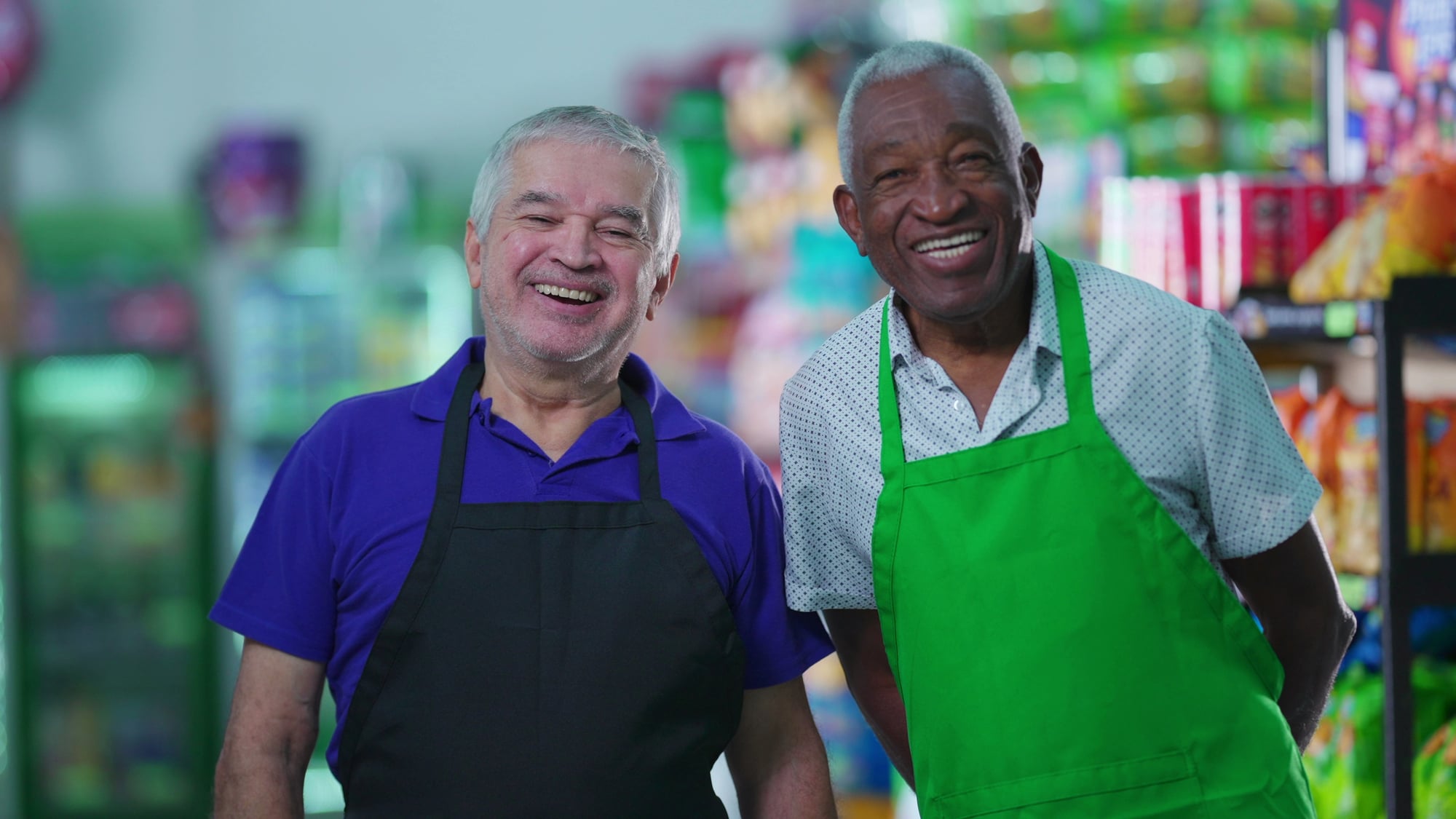
Every frustrating policy, every out-of-stock item, and every long line represents someone trying to do their job well within a system that often works against both employees and customers.
These workers see the same problems you do, but they experience them forty hours a week while earning wages that barely keep pace with the rising cost of the very products they’re selling.
Understanding that creates better interactions for everyone.
More from Go2Tutors!

- The Romanov Crown Jewels and Their Tragic Fate
- 13 Historical Mysteries That Science Still Can’t Solve
- Famous Hoaxes That Fooled the World for Years
- 15 Child Stars with Tragic Adult Lives
- 16 Famous Jewelry Pieces in History
Like Go2Tutors’s content? Follow us on MSN.