Actors Who Voiced Famous Video Games
Video games have come a long way from bleeps and bloops. Today’s games feel like interactive movies, and a big reason for that is the talent behind the microphones.
Hollywood actors have been lending their voices to gaming for years now, bringing characters to life in ways that stick with players long after they’ve put down the controller. So let’s jump right into some of the most memorable performances that made virtual worlds feel real.
Keanu Reeves as Johnny Silverhand
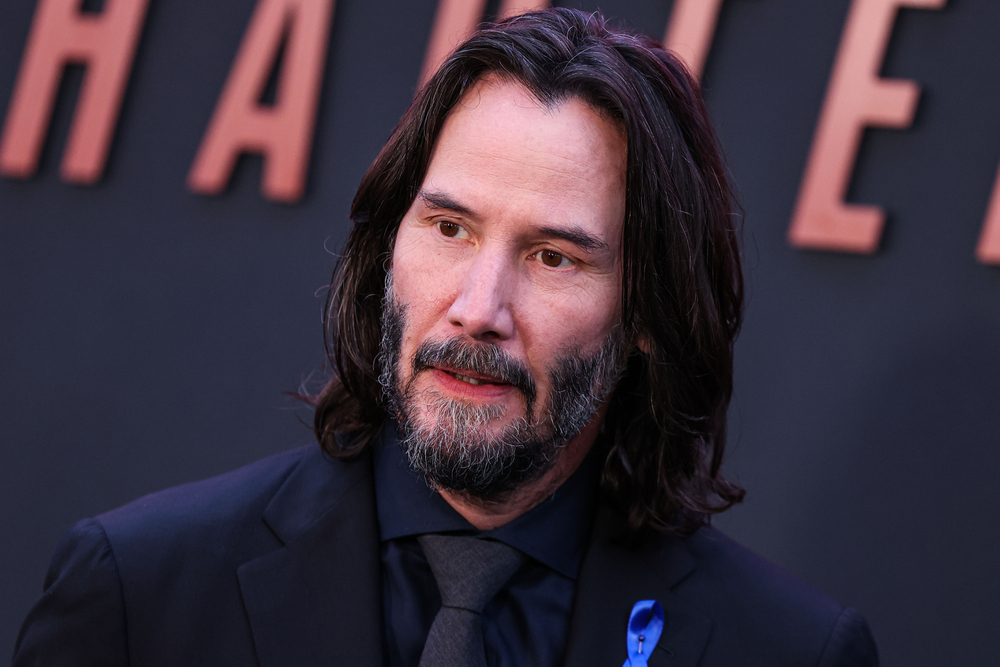
Keanu Reeves brought serious star power to Cyberpunk 2077 when he stepped into the role of Johnny Silverhand, a rebellious rocker from the past. His performance wasn’t just a quick cash grab either.
Reeves spent time in motion capture studios, delivering lines with the same intensity he brings to his film roles. The character became one of the game’s biggest draws, with players excited to see what Johnny would say or do next.
Ellen Page as Ellie
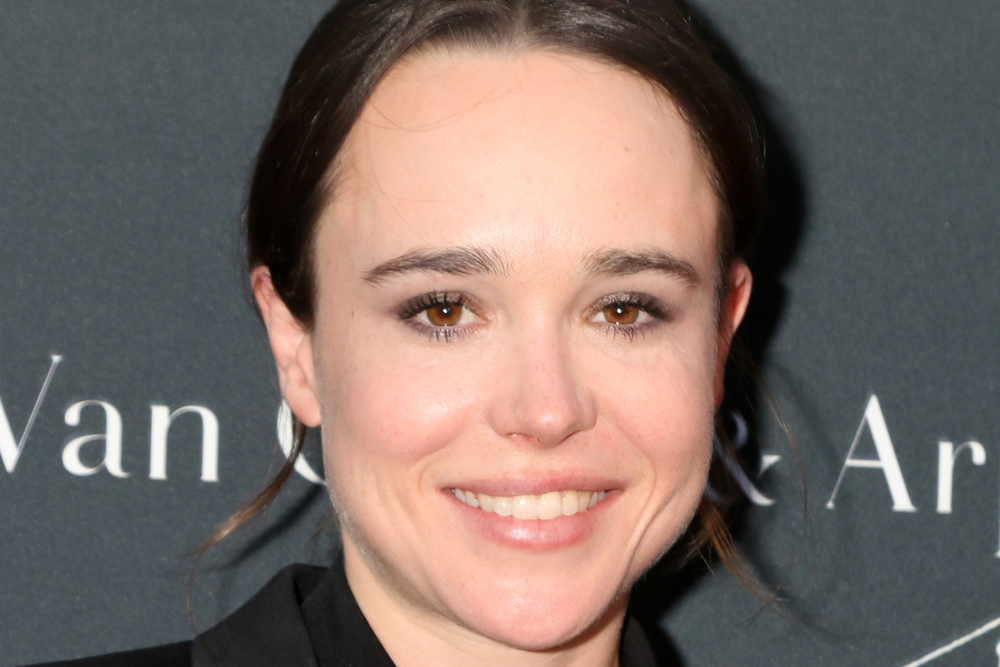
The Last of Us gave players one of gaming’s most emotionally complex stories, and Ellen Page voiced the young survivor Ellie with remarkable depth. Her performance captured both the vulnerability and toughness of a teenager trying to survive in a post-apocalyptic world.
Page brought a naturalism to the role that made every conversation feel genuine. The chemistry between her character and Joel created moments that had players reaching for tissues.
Mark Hamill as The Joker
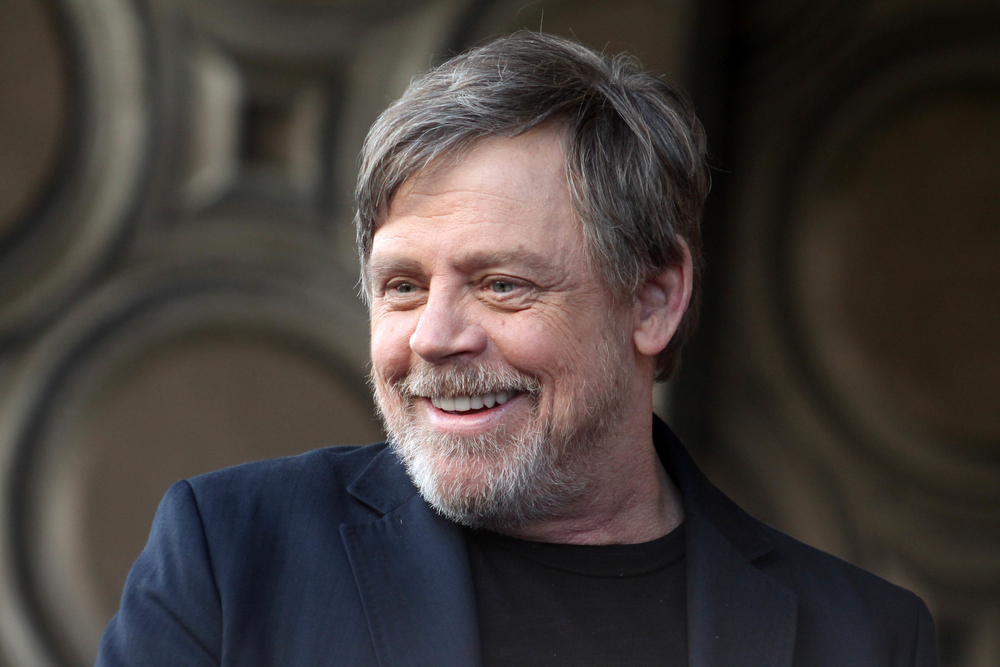
Long before superhero movies dominated theaters, Mark Hamill was already defining the Joker’s voice in Batman: Arkham Asylum and its sequels. His cackling, unhinged portrayal became the gold standard for the character across all media.
Hamill didn’t just read lines; he transformed into the Clown Prince of Crime with every recording session. Many fans argue his version surpasses even the live-action interpretations.
Patrick Stewart as Emperor Uriel Septim VII
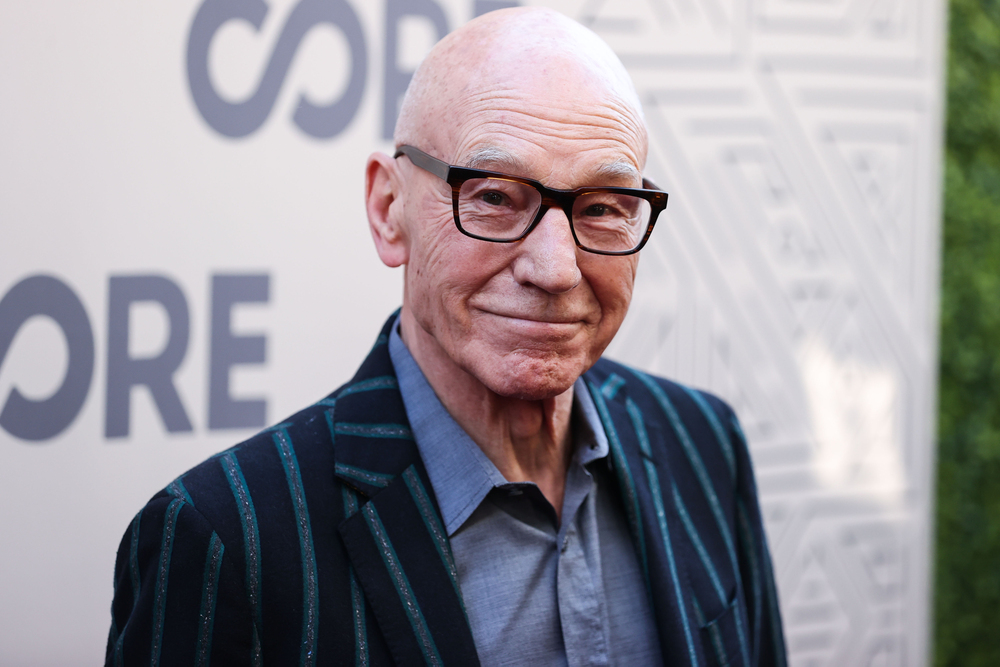
Patrick Stewart’s commanding voice opened The Elder Scrolls IV: Oblivion with gravitas that immediately pulled players into the fantasy world. His role was relatively brief, but it set the tone for the entire adventure.
Stewart delivered his lines with the same Shakespearean weight he brings to every project. That opening sequence became legendary partly because of how his voice made players feel like they were part of something epic.
Samuel L. Jackson as Officer Frank Tenpenny
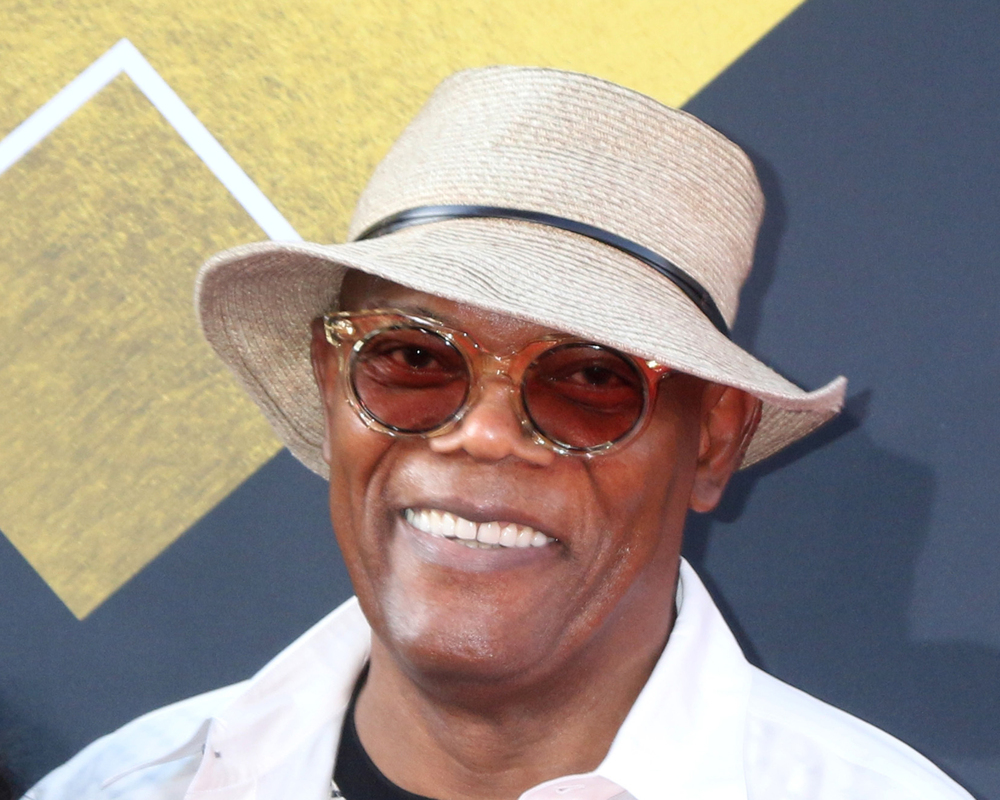
Grand Theft Auto: San Andreas featured Samuel L. Jackson as the corrupt cop Frank Tenpenny, and he was terrifyingly good at it. Jackson brought his signature intensity to a character players loved to hate.
His performance added layers to what could have been a one-dimensional villain. The way he delivered threats and manipulated the protagonist showed just how much voice acting can elevate a game’s story.
Liam Neeson as James
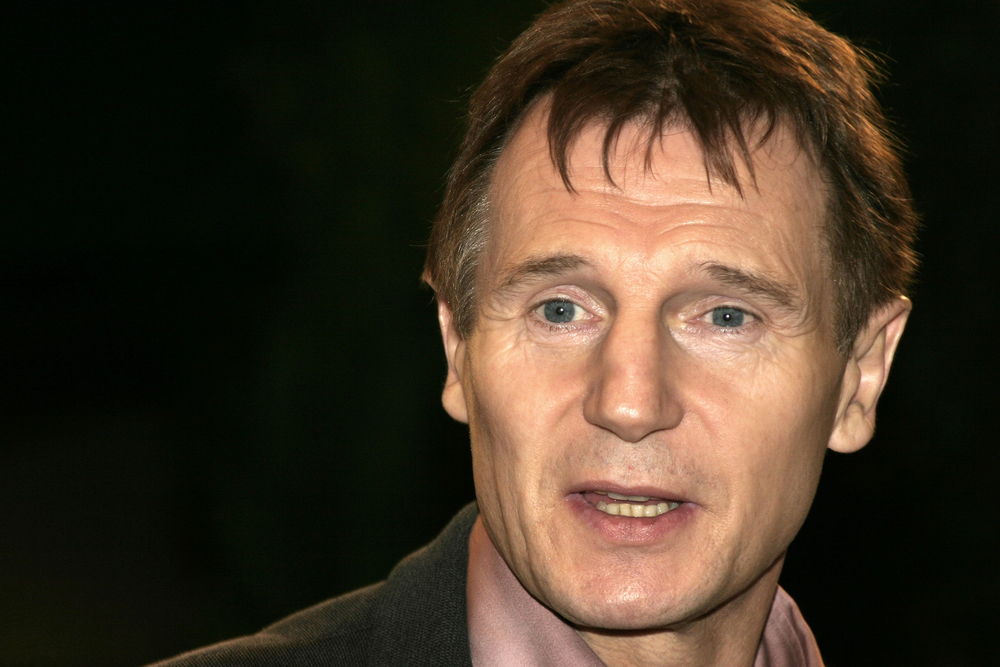
Fallout 3 cast Liam Neeson as the player character’s father, and his warm, paternal voice made the emotional stakes hit harder. Neeson recorded his lines with genuine care, making players actually invested in finding their missing dad.
His involvement also brought mainstream attention to the game before it launched. The father-son dynamic worked so well because Neeson understood how to make digital relationships feel real.
Gary Oldman as Viktor Reznov
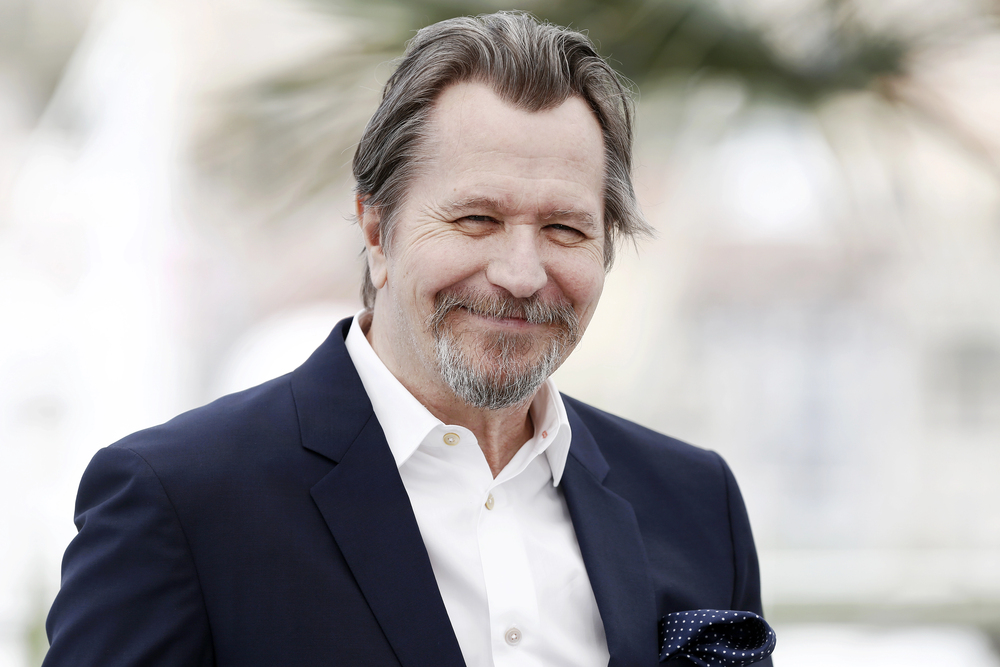
Call of Duty: World at War and Black Ops featured Gary Oldman as the Russian soldier Viktor Reznov, and he absolutely crushed it. Oldman brought theatrical flair to the battlefield, making Reznov both inspirational and slightly terrifying.
His accent work was spot-on, and he never phoned in a single line. The character became a fan favorite largely because Oldman treated the role with the same seriousness as any film performance.
Elliot Page as Jodie Holmes
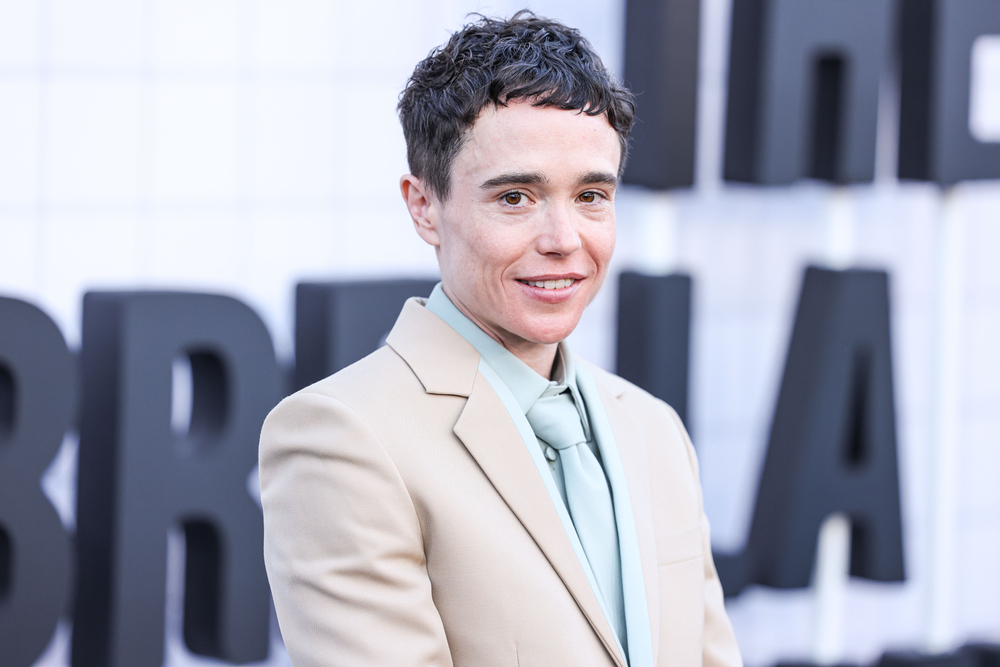
Beyond: Two Souls starred Elliot Page as Jodie Holmes in a story that blurred the line between game and movie. Page’s motion capture performance captured subtle facial expressions and body language that made Jodie feel incredibly human.
The game’s director David Cage built the entire project around Page’s involvement. Their portrayal of a woman connected to a supernatural entity showcased how far gaming technology had advanced.
Kiefer Sutherland as Venom Snake
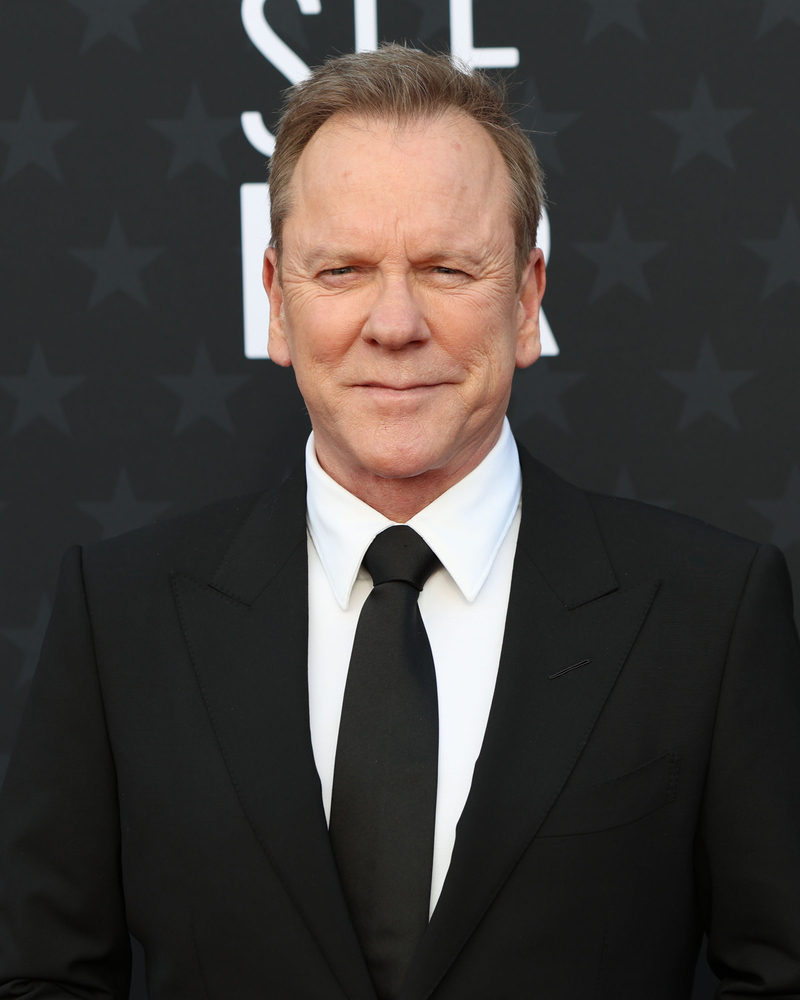
Metal Gear Solid V surprised everyone when Kiefer Sutherland replaced the series’ longtime voice actor to play Venom Snake. Sutherland brought a gruffer, more subdued performance to the usually talkative protagonist.
His restrained approach actually worked for the game’s darker tone. While some fans missed the previous voice, Sutherland proved he could handle both the action and the quieter emotional moments.
Troy Baker as Joel
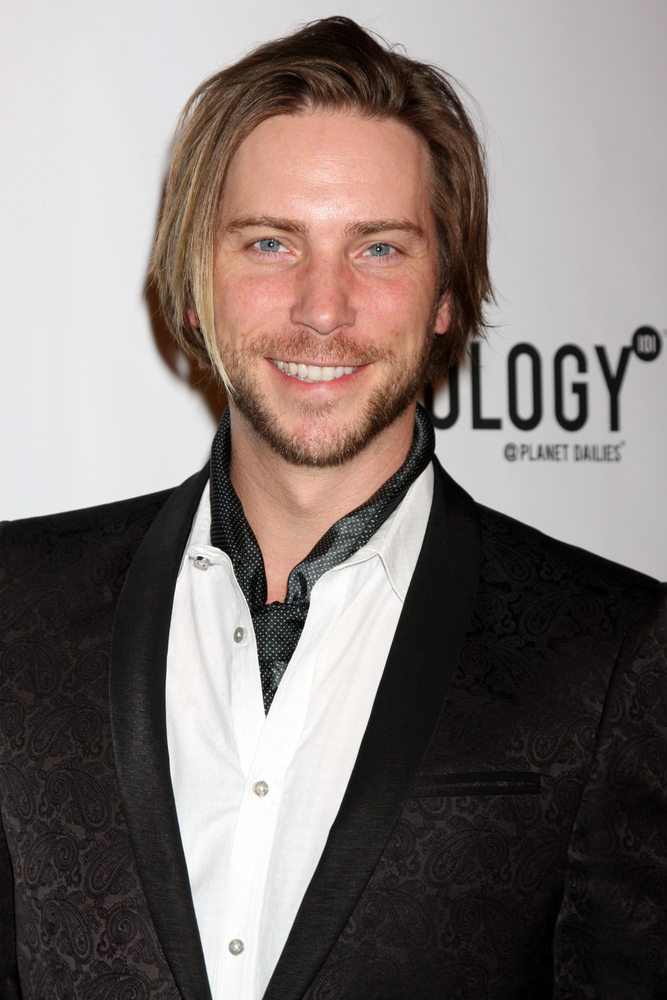
Troy Baker isn’t a household name like some others on this list, but his performance as Joel in The Last of Us made him a legend in gaming circles. Baker’s voice work captured a broken man slowly learning to care again.
He spent hours in motion capture to nail every gesture and facial expression. The relationship between Joel and Ellie felt authentic because Baker committed completely to understanding his character’s pain.
Norman Reedus as Sam Porter Bridges
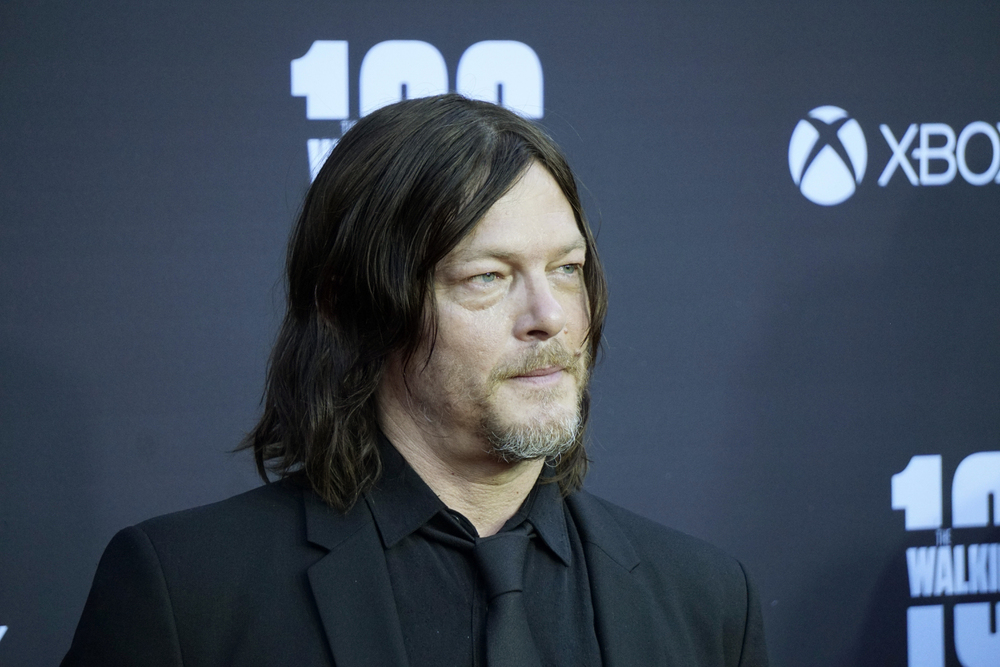
Hideo Kojima cast Norman Reedus as the lead in Death Stranding, a game about a delivery man trying to reconnect a fractured America. Reedus brought his understated acting style to Sam, making the often-silent protagonist feel thoughtful rather than empty.
The full motion capture meant Reedus’s physical performance mattered as much as his voice. His involvement drew fans of The Walking Dead to try a game they might have otherwise skipped.
Kevin Spacey as Jonathan Irons
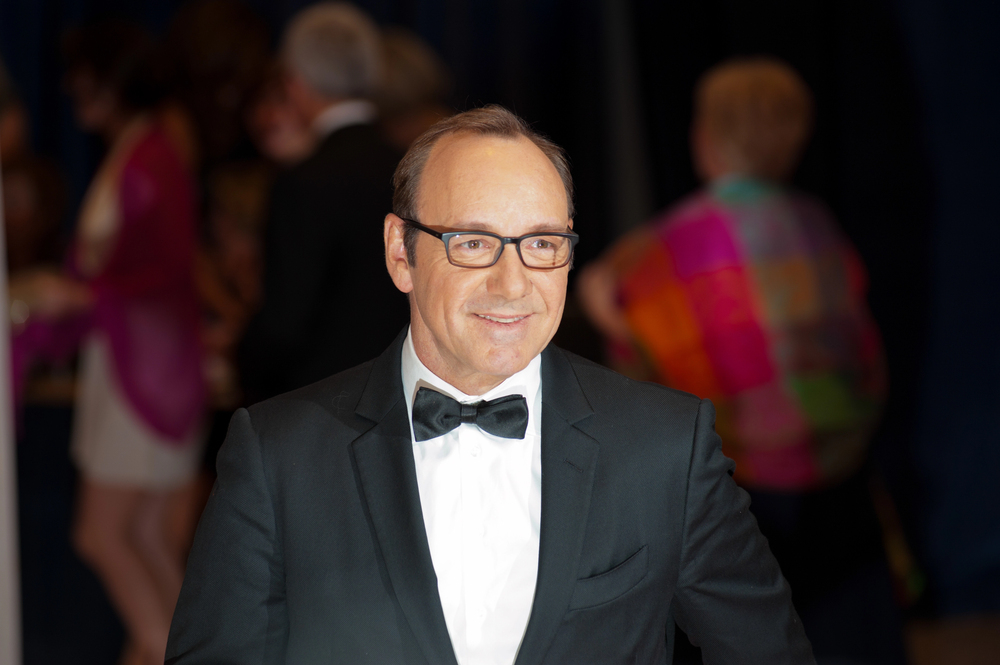
Call of Duty: Advanced Warfare featured Kevin Spacey as the antagonist Jonathan Irons before his career controversies. His performance as a charismatic military contractor who slowly reveals his true nature was genuinely chilling.
Spacey understood how to play powerful men with hidden agendas. The game’s marketing heavily featured his likeness, showing how much star power matters in modern gaming.
Ron Perlman as The Narrator
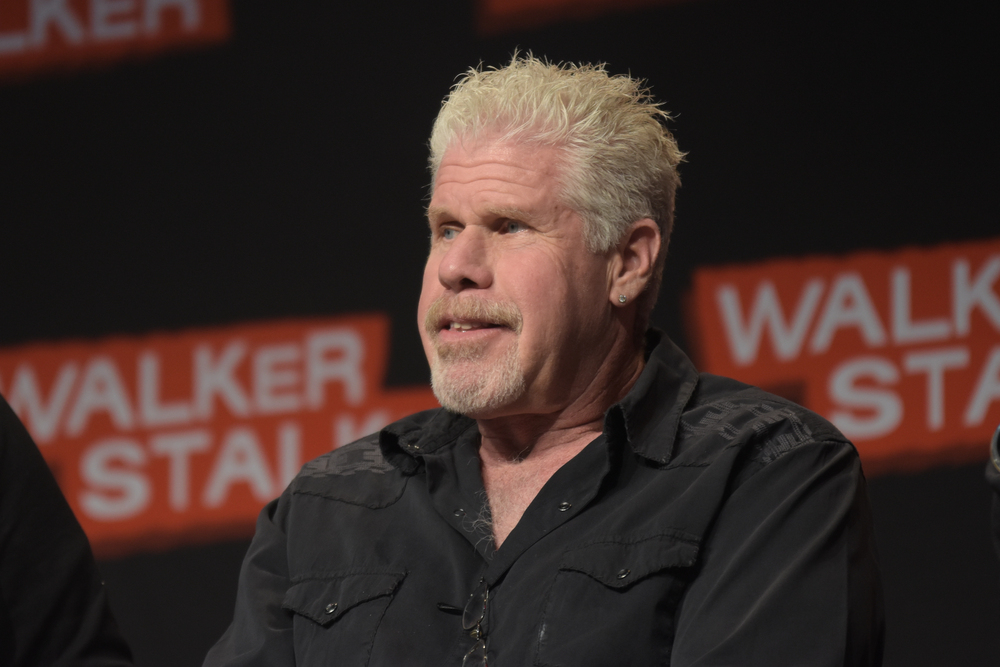
Fallout games traditionally opened with Ron Perlman’s gravelly voice setting the scene with the famous line ‘War never changes.’ His narration became as iconic as the series itself.
Perlman’s delivery had weight and weariness that perfectly matched the post-nuclear setting. Just hearing his voice meant players were about to dive into another wasteland adventure.
Kristen Bell as Lucy Stillman

Assassin’s Creed II cast Kristen Bell as Lucy, a modern-day ally to the player character. Bell brought warmth and intelligence to a role that balanced exposition with emotional support.
Her performance helped ground the game’s wild historical conspiracy theories. She proved that even supporting characters benefit from talented actors who take the material seriously.
Michael Mando as Vaas Montenegro
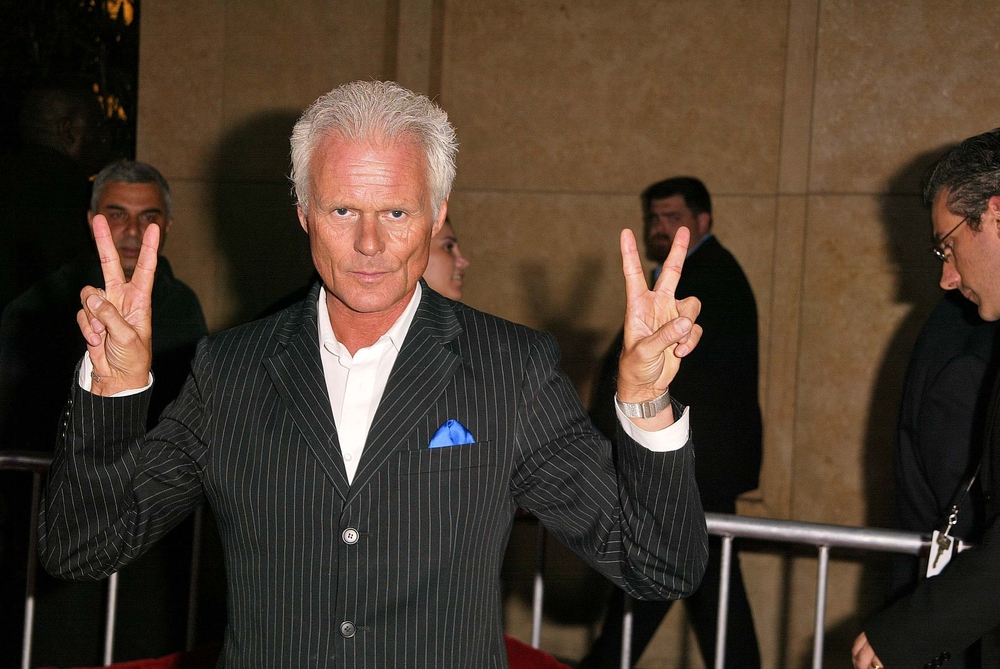
Far Cry 3’s Vaas became one of gaming’s most memorable villains thanks to Michael Mando’s unhinged performance. Mando improvised some of his most famous lines, including the ‘definition of insanity’ monologue that became a viral sensation.
His energy and unpredictability made every encounter with Vaas feel dangerous. The character was so popular that he overshadowed the game’s actual main villain.
Willem Dafoe as Norman Osborn
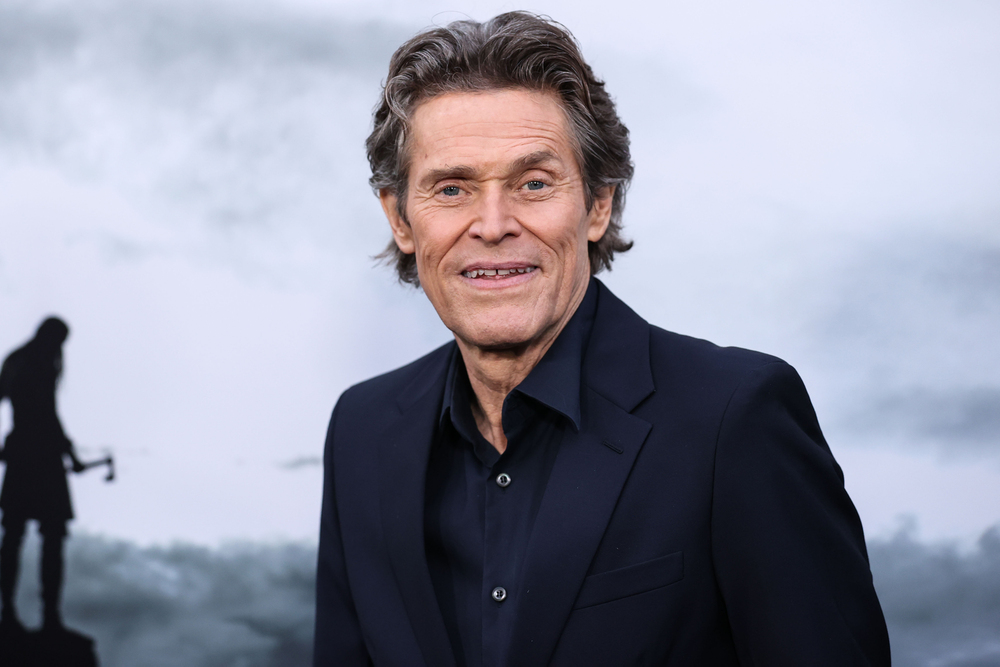
Spider-Man for PlayStation featured Willem Dafoe reprising his role as Norman Osborn with full facial capture technology. Dafoe’s expressive face and voice created a version of the character distinct from his film portrayal.
He leaned into the emotional turmoil of a father watching his son slip away. The performance showed that even characters players thought they knew could feel fresh with the right actor.
Peter Dinklage plays Ghost
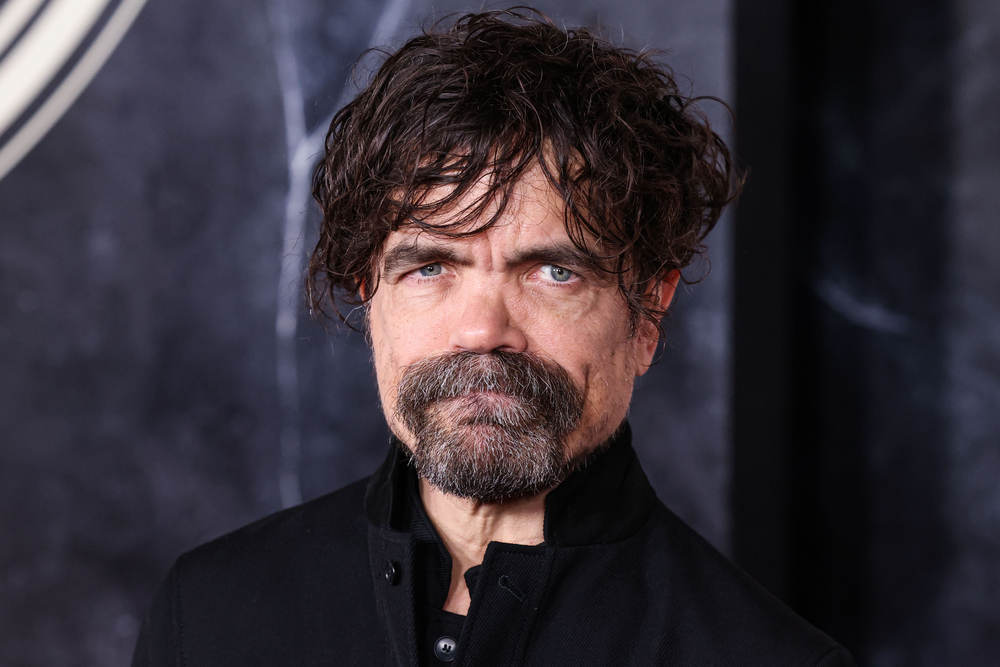
A robot buddy named Ghost first spoke with Peter Dinklage’s voice in Destiny. His acting felt too stiff to many who played the game.
Instead of keeping it, the team chose someone else later on. Every line got redone without warning.
Even so, having such a known face involved revealed something quiet about sound in digital worlds. How voices fit or do not fit matters more than expected.
Ray Liotta as Tommy Vercetti
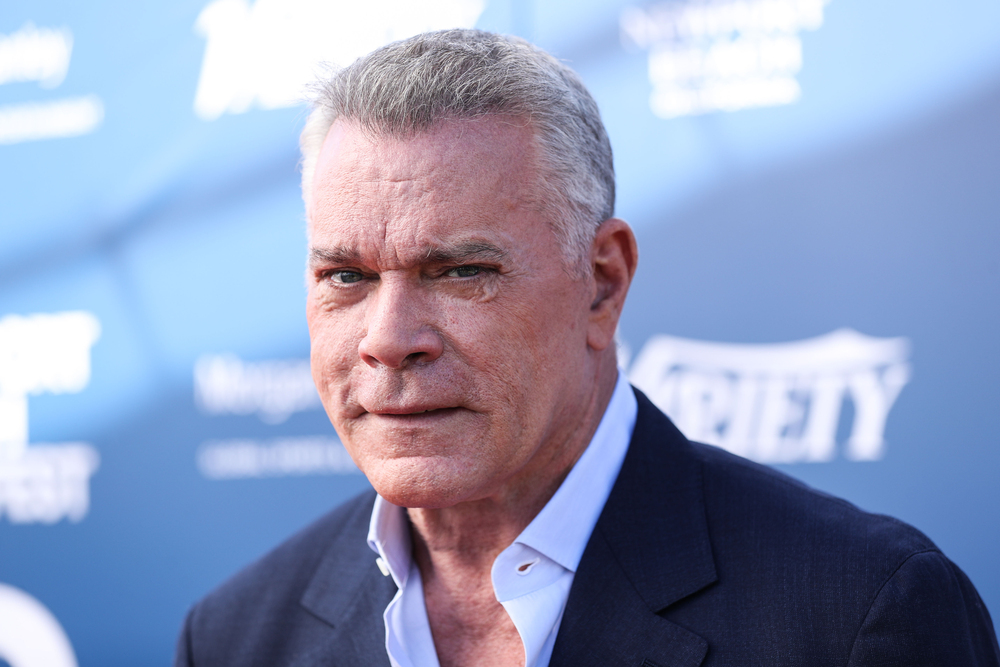
Tommy Vercetti wasn’t real, yet people remember him like he walked off a screen and into their lives. Voiced by Ray Liotta, the character carved out a space in gaming history just as sharply as any of his movie roles.
Instead of relying on flashy moves, it was the low growl of his voice that made every line stick. Picture an empire built on sand, ambition dripping from each word he spoke.
Though set in neon-lit 1986, the attitude felt timeless ruthless but weirdly charming. Insults rolled out like punchlines, threats sounded almost playful.
You never knew if you should fear him or want to join him. Years passed, yet gamers quote him more than half his film lines combined.
Some actors fade after one role peaks; Liotta? He echoed louder through pixels than many red-carpet moments.
Now, when folks hear his name, they often see pasty suits and palm trees before prison dramas.
When controllers meet Hollywood

Nowadays games feel like movies because the people behind them think alike. A trend once seen as odd big screen names voicing digital characters just happens now without question.
Real effort shows when voices carry emotion through headphones. That truth keeps studios reaching further than before.
More from Go2Tutors!

- The Romanov Crown Jewels and Their Tragic Fate
- 13 Historical Mysteries That Science Still Can’t Solve
- Famous Hoaxes That Fooled the World for Years
- 15 Child Stars with Tragic Adult Lives
- 16 Famous Jewelry Pieces in History
Like Go2Tutors’s content? Follow us on MSN.



