16 Foods That Last for Decades
Most of us are used to checking expiration dates and tossing food after a few days or weeks, but some foods laugh in the face of time. These incredible edibles can sit on your shelf for decades and still be perfectly safe to eat. While your average banana goes bad in a week, these superstar foods have staying power that would make a fine wine jealous. Some have been found in ancient tombs still edible, others have fed explorers on multi-year expeditions, and a few have basically achieved food immortality.
The secret to their longevity lies in low moisture content, natural preservatives, or processing methods that eliminate the conditions bacteria and mold need to thrive. Here is a list of 16 foods that last for decades.
White Rice

Properly stored white rice can last 30 years or more without losing its nutritional value or taste. The key is keeping it in airtight containers away from moisture and pests.
Unlike brown rice, which contains oils that can go rancid, white rice has had its bran and germ removed, making it practically immortal in storage terms.
Honey

Archaeologists have found 3,000-year-old honey in Egyptian tombs that’s still perfectly edible. Honey’s low moisture content and acidic pH create an environment where bacteria simply can’t survive.
The stuff might crystallize over time, but a gentle warming brings it right back to its liquid golden glory.
Like Go2Tutors’s content? Follow us on MSN.
Salt
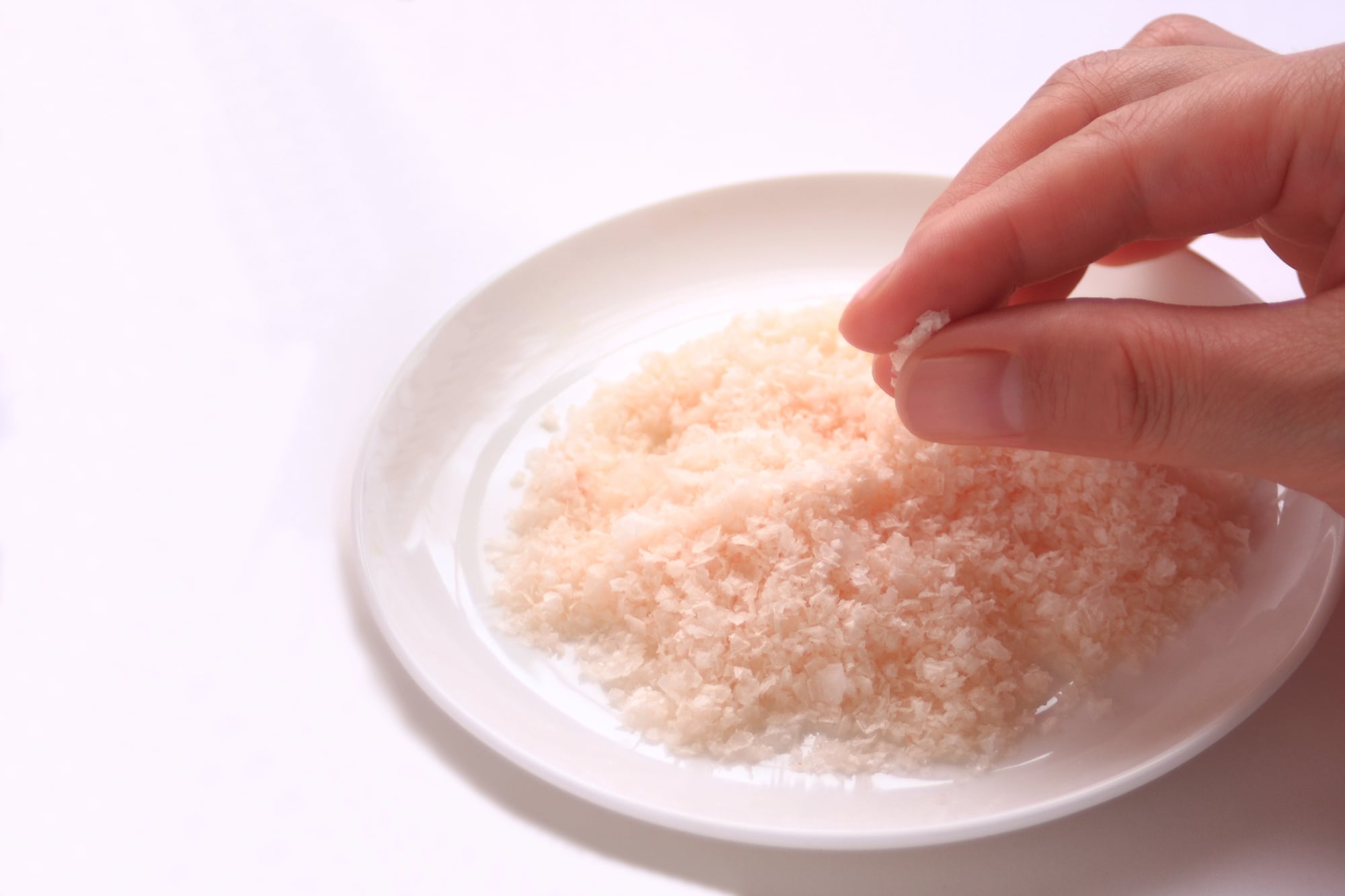
Salt has been preserving food for thousands of years, and it preserves itself just as well. Pure salt never expires because it’s a mineral, not an organic compound that can break down.
Whether it’s table salt, sea salt, or rock salt, it’ll outlast pretty much everything else in your pantry.
Sugar

White sugar stored in airtight containers can last indefinitely. Like salt, sugar doesn’t support bacterial growth due to its ability to bind water molecules.
Even if it gets hard as a rock, sugar can be broken up and used just like fresh sugar decades later.
Dried Beans

Properly stored dried beans can remain edible for 10 to 30 years. They might take longer to cook as they age, and the texture might get a bit tougher, but they’ll still provide protein and nutrients.
Navy beans, kidney beans, and black beans are all excellent long-term storage candidates.
Like Go2Tutors’s content? Follow us on MSN.
Rolled Oats
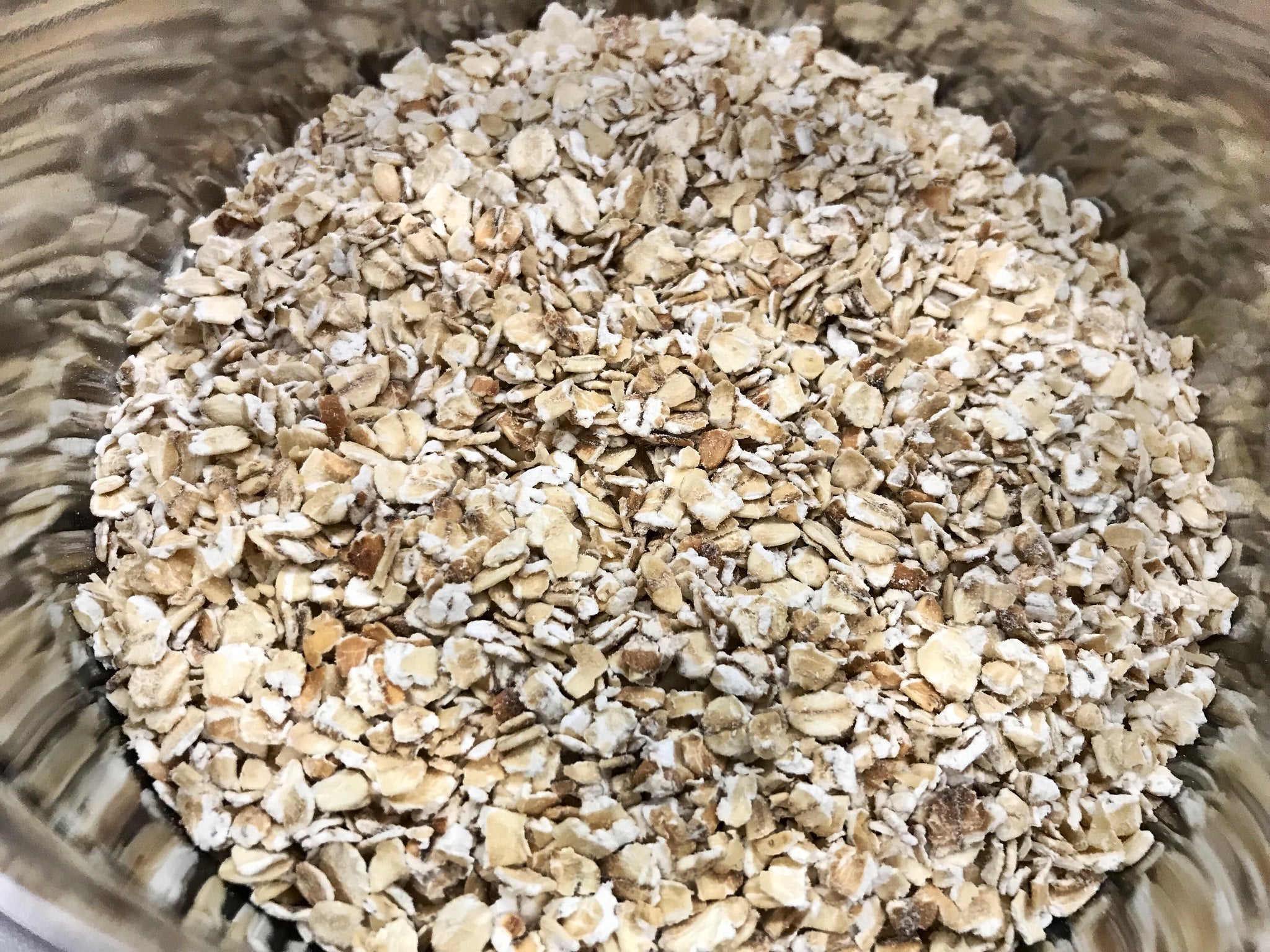
Steel-cut oats and old-fashioned rolled oats can last 20 to 30 years when stored properly. The key is keeping them in sealed containers with oxygen absorbers to prevent rancidity.
These breakfast champions retain most of their nutritional value even after decades of storage.
Pasta

Dried pasta made from durum wheat can last 20 to 30 years in proper storage conditions. The low moisture content and dense structure make it nearly indestructible.
While the texture might change slightly over decades, it remains a reliable source of carbohydrates long after its printed expiration date.
Freeze-Dried Foods

Modern freeze-drying technology can preserve fruits, vegetables, and even complete meals for 25 to 30 years. The process removes almost all moisture while maintaining nutritional content and flavor.
Mountain House and similar companies have created meals that astronauts and survivalists rely on for long-term nutrition.
Like Go2Tutors’s content? Follow us on MSN.
Hardtack

This simple combination of flour, water, and salt was the go-to food for sailors and soldiers for centuries. When properly made and stored, hardtack can remain edible for decades.
It might be harder than a rock and taste like cardboard, but it’ll keep you alive when nothing else is available.
Powdered Milk

Nonfat dry milk can last 15 to 20 years when stored in airtight containers. The removal of fat and moisture gives it incredible staying power.
While it might not taste quite like fresh milk after a decade, it still provides calcium and protein when reconstituted.
Instant Coffee

Freeze-dried instant coffee can maintain its caffeine kick for 10 to 20 years. The freeze-drying process removes moisture while preserving the coffee’s essential compounds.
It might not win any taste awards after a decade, but it’ll still wake you up on a sleepy morning.
Like Go2Tutors’s content? Follow us on MSN.
Canned Foods
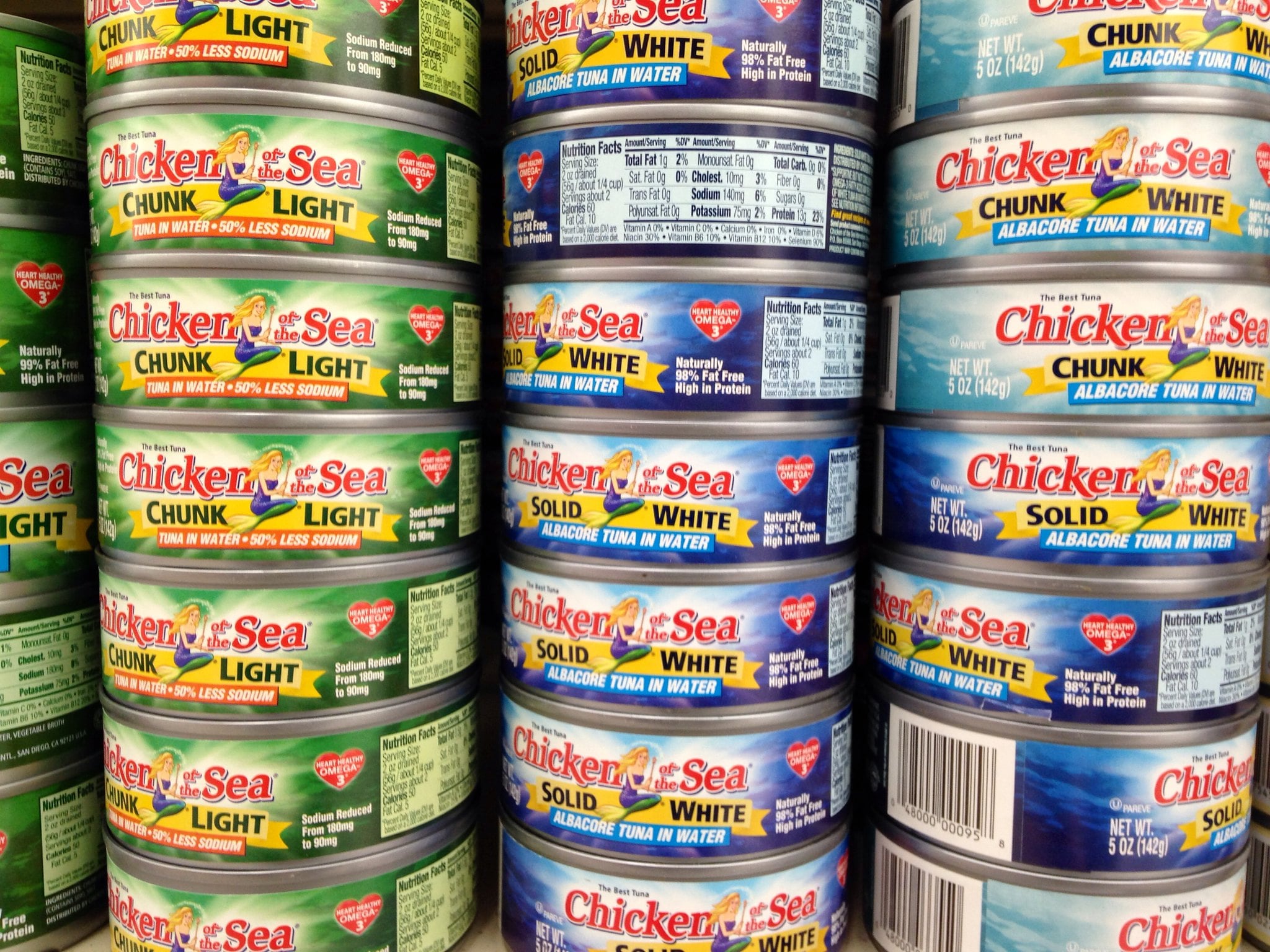
High-acid canned foods like tomatoes last 18 to 24 months past their date, while low-acid foods like canned meat can remain safe for 2 to 5 years beyond expiration. Some canned foods have been found edible after 50 years, though the taste and texture suffer significantly.
The canning process creates a sterile environment that prevents spoilage indefinitely as long as the can remains intact.
Bouillon Cubes

These concentrated flavor bombs can last 10 to 15 years thanks to their high salt content and low moisture. The salt acts as a natural preservative, while the dehydration process removes the water that bacteria need to multiply.
They might lose some potency over time, but they’ll still add flavor to your cooking.
Quinoa

This ancient grain can last 20 to 30 years when stored properly in sealed containers. Quinoa’s natural saponin coating provides some protection against pests and moisture.
Its complete protein profile makes it an excellent long-term storage food for maintaining nutrition over extended periods.
Baking Soda
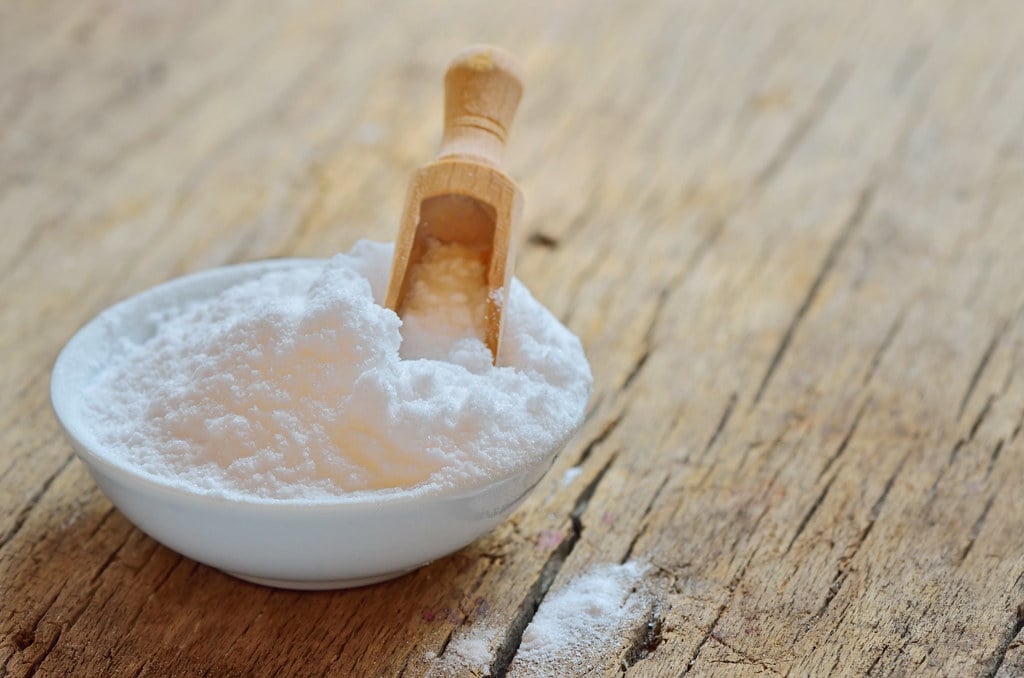
Pure baking soda lasts indefinitely when kept dry. It’s not technically food, but it’s essential for baking and has countless other uses.
The sodium bicarbonate doesn’t break down over time, making it as useful decades later as the day you bought it.
Like Go2Tutors’s content? Follow us on MSN.
Vinegar
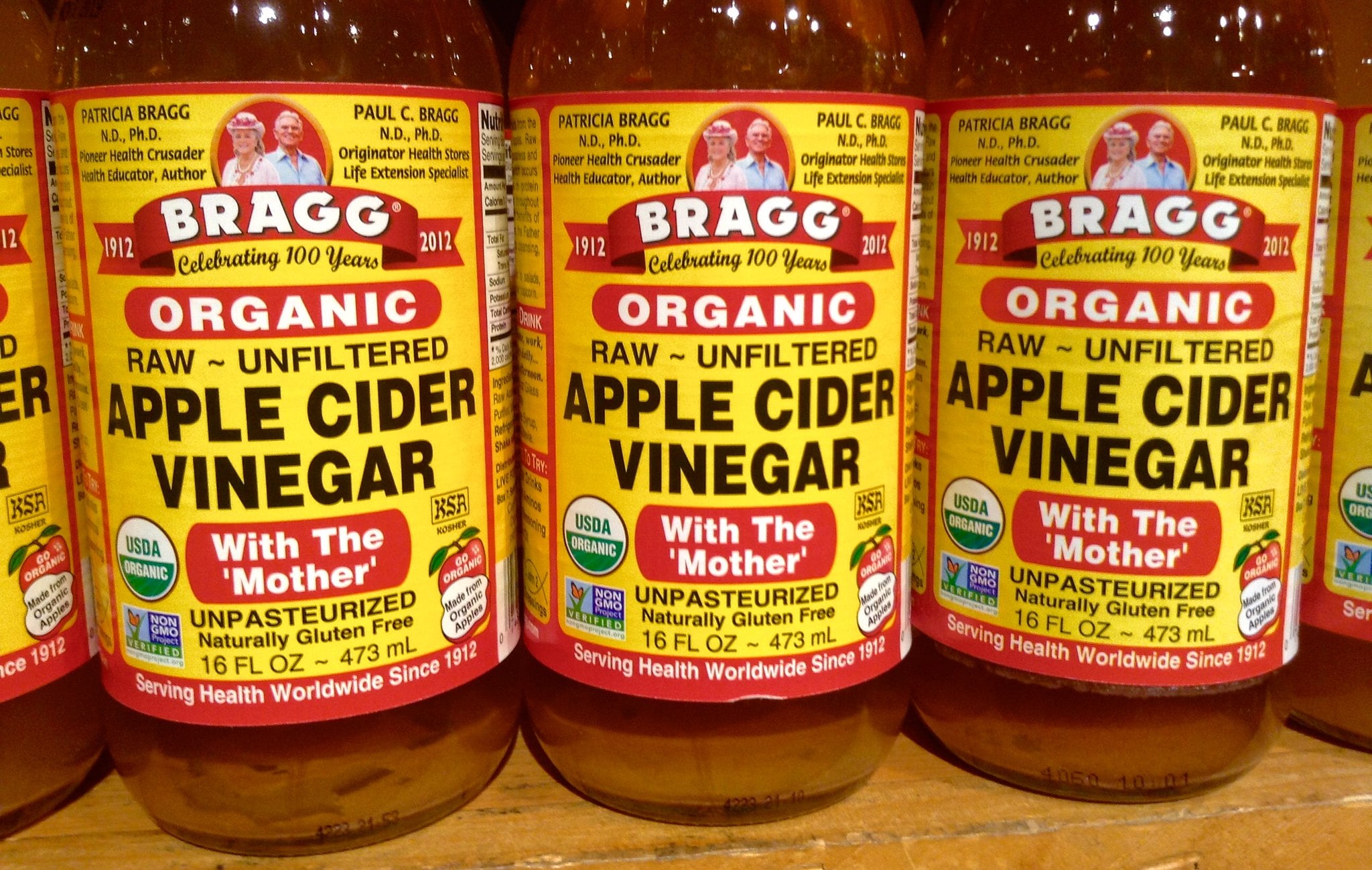
White vinegar has an indefinite shelf life thanks to its high acidity. The acid creates an environment where harmful bacteria can’t survive, essentially making vinegar self-preserving.
While other types of vinegar might develop sediment or change color, they remain safe to use for decades.
From Ancient Wisdom to Modern Preparedness

These long-lasting foods represent thousands of years of human ingenuity in food preservation. Ancient civilizations discovered these preservation secrets through trial and error, while modern technology has refined the processes and created new methods like freeze-drying.
Today, these foods serve everyone from casual home cooks building emergency supplies to serious preppers planning for uncertain times. The same foods that sustained our ancestors through famines and long journeys continue to provide security and peace of mind in our modern world.
More from Go2Tutors!

- 16 Historical Figures Who Were Nothing Like You Think
- 12 Things Sold in the 80s That Are Now Illegal
- 15 VHS Tapes That Could Be Worth Thousands
- 17 Historical “What Ifs” That Would Have Changed Everything
- 18 TV Shows That Vanished Without a Finale
Like Go2Tutors’s content? Follow us on MSN.