Forgotten Sports That Once Drew Massive Crowds
Stadiums packed to capacity. Streets lined with spectators. Athletes celebrated like royalty. These scenes weren’t always reserved for football or basketball.
History has a way of burying sports that once commanded attention on a scale most modern events can only dream of. The roar of crowds has faded, replaced by silence or the hum of different pursuits.
When Walking Was a Marathon Spectacle

In the late 1800s, competitive walking wasn’t a quirky side show — it was a full-blown phenomenon. Pedestrianism turned simple laps around an indoor track into a multi-day drama.
For six days straight, walkers shuffled, limped, and powered through exhaustion while enormous crowds filled places like Madison Square Garden. Betting was fierce, newspapers breathlessly tracked the mileage, and top competitors earned sums athletes in other sports could only envy.
Many barely slept, drifting into a daze until they collapsed, got patched up, and were sent right back into the fray.
The Original Roller Derby Mayhem

Roller derby’s early decades were a different beast entirely. From the 1930s through the ’70s, banked tracks hosted bruising races packed with sharp elbows, body checks, and the occasional all-out brawl.
Shows at the Chicago Coliseum drew crowds of fifty thousand, and the sport blended real athletic danger with a bit of theatrical flair. Even with scripted elements, the hits were real enough to send skaters home in casts.
Television later carried the chaos into living rooms, cementing its place in mid-century pop culture.
Cycling Until You Drop

Six-day bike races transformed velodromes into carnival grounds. Teams of two riders rotated in and out, keeping a bicycle circling the track almost nonstop for days at a time.
Managing sleep deprivation became as important as raw speed. Fans flocked to the arenas not just for the racing but for the atmosphere—they ate full meals in the stands, spent entire nights in their seats, and sometimes treated the events like all-week festivals.
Star cyclists became household names, especially in cities like New York where venues stayed packed deep into the night.
Ancient Rome’s Ultimate Entertainment
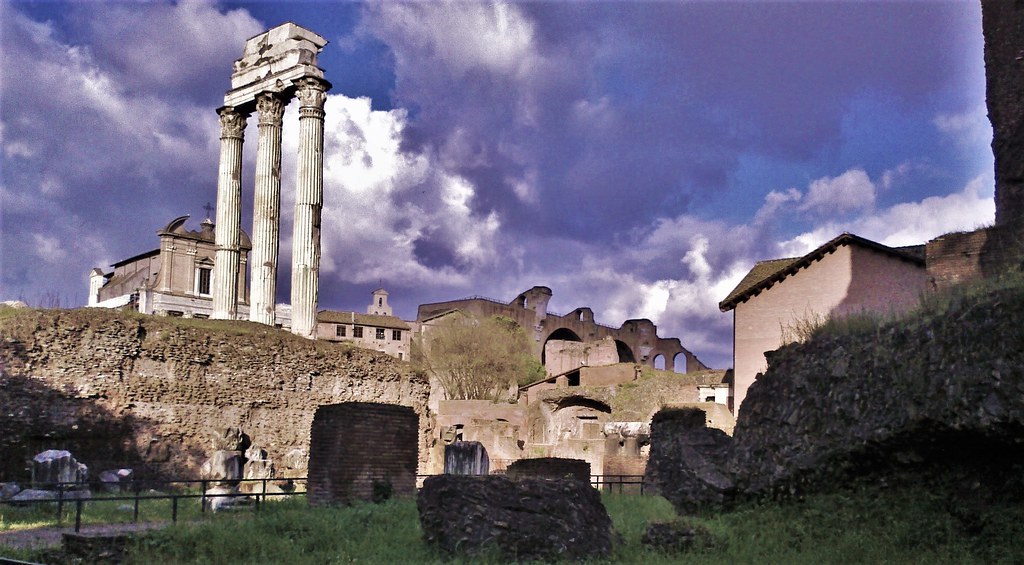
Long before modern stadium sports, chariot racing ruled the ancient world. The Circus Maximus could hold around 150,000 spectators, all fiercely loyal to their team—Blues, Greens, Reds, or Whites.
Races were fast and brutal, with crashes so dramatic they were immortalized in frescoes and mosaics. Successful charioteers lived like today’s highest-paid athletes, earning fortunes and political influence.
The fans’ passion sometimes boiled over into full-scale riots when they believed officials had cheated or favored another faction.
Fists Without Protection

Bare-knuckle boxing thrived in a rough era, drawing crowds so large that promoters couldn’t contain them inside city limits. Fights stretched on for dozens of rounds, stopping only when one fighter physically couldn’t stand.
People flocked to fields, barges, and makeshift arenas that sat conveniently close to jurisdiction lines. The sport wasn’t exactly legal, but that only added to the spectacle.
Wagers ran sky-high, and victors walked away with winnings that could change the course of their lives.
The Fastest Game You Never Saw
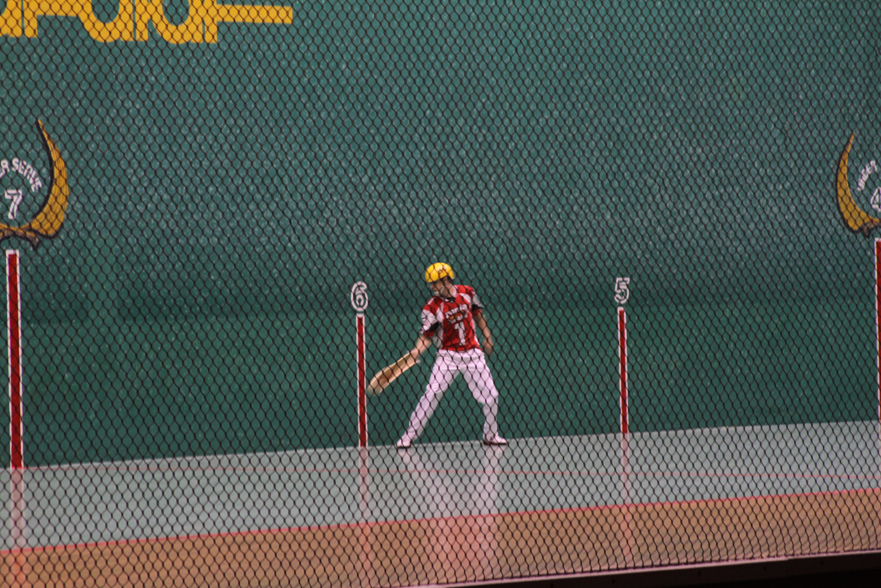
For several decades, jai alai reigned as one of the most thrilling—and lucrative—spectator sports in certain corners of the U.S. Players used curved wicker cestas to sling a small, rock-hard pelota against the fronton wall at breakneck speeds well over 150 miles per hour.
Because betting was baked into the experience, frontons in Florida, Connecticut, and Rhode Island buzzed nightly with crowds. During its heyday in the ’70s and ’80s, the sport filled cavernous arenas, but shifting gambling laws slowly eroded the fanbase.
Olympic Tugging
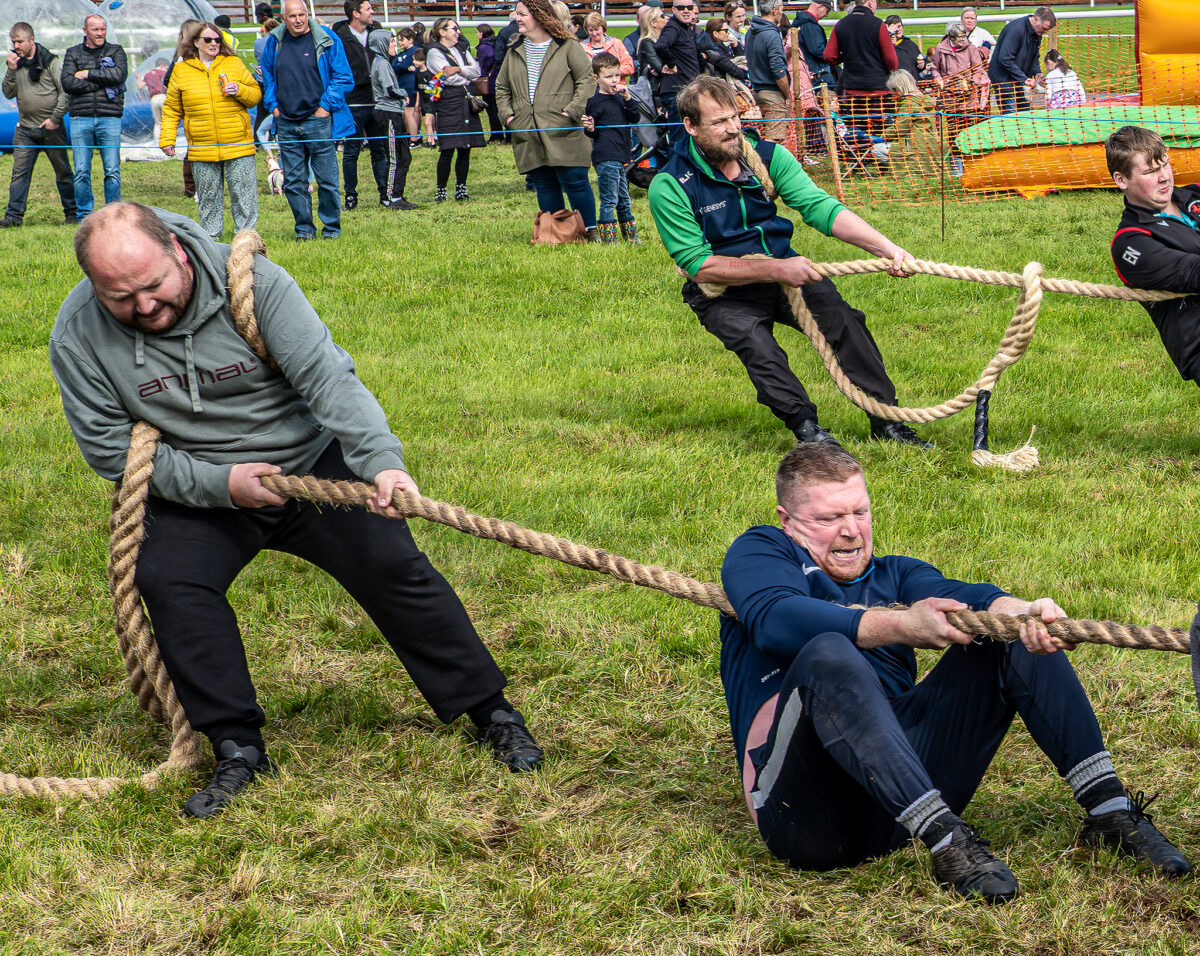
Tug of war once sat proudly among the official Olympic events between 1900 and 1920. The matches looked simple—two teams heaving on opposite ends of a rope—but serious competitors approached the sport with surprising technical precision.
Grip, positioning, and rhythm mattered as much as raw strength. British teams ruled early contests, and even after tug of war disappeared from the Olympics, clubs around the world kept leagues alive for decades.
Without the Olympic spotlight, though, public enthusiasm eventually faded.
Motorcycles on Dirt Ovals
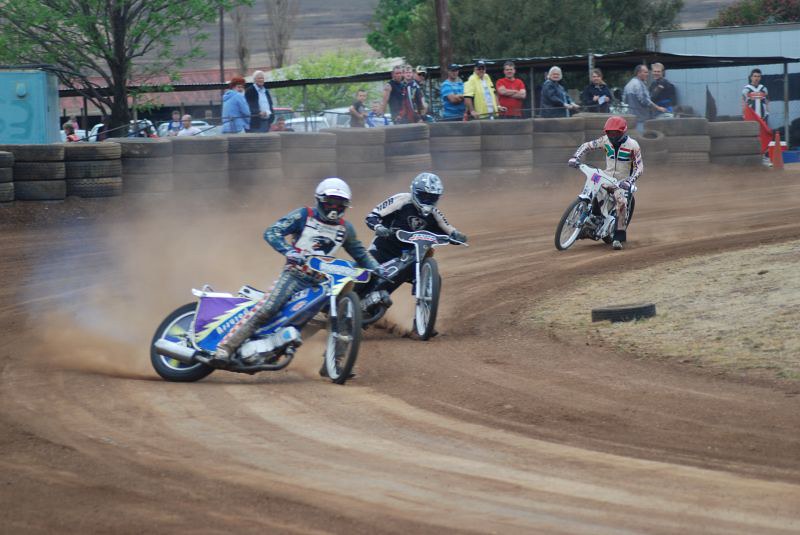
Speedway racing brought roaring engines and clouds of dust to stadiums across Europe, Britain, and Australia. Four riders lined up for short, blistering races, sliding sideways through turns on powerful motorcycles with no brakes.
The simplicity made it addictive to watch, and weekly competitions became social anchors in many towns. Local heroes emerged, fan rivalries grew intense, and some venues drew thousands every weekend.
Although still alive today, the sport no longer draws the masses it once did.
Polo Moved Inside
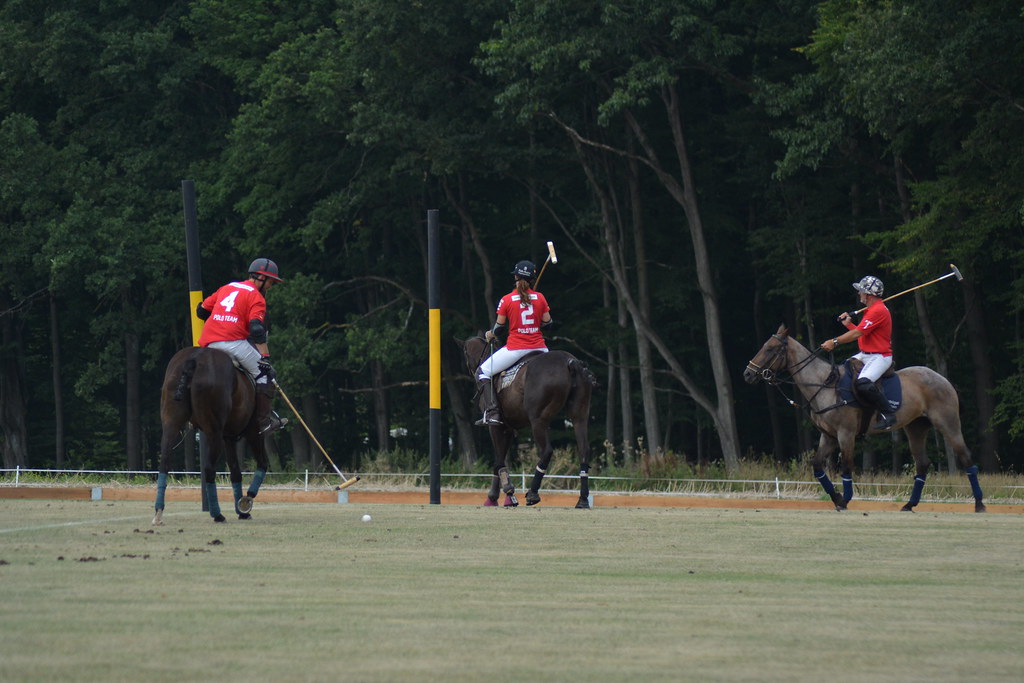
Indoor polo brought horses right into urban arenas, squeezing the speed and strategy of traditional polo into a compact, high-energy format. Fans could sit just feet from the action as riders and horses dashed around basketball-court-sized fields.
Madison Square Garden hosted major matches in the early 1900s, giving city dwellers a front-row experience without the need to travel to open fields. Eventually, the hassle of transporting horses into downtown venues overshadowed the thrill, and the sport drifted out of the mainstream.
Rowing as Prime Entertainment
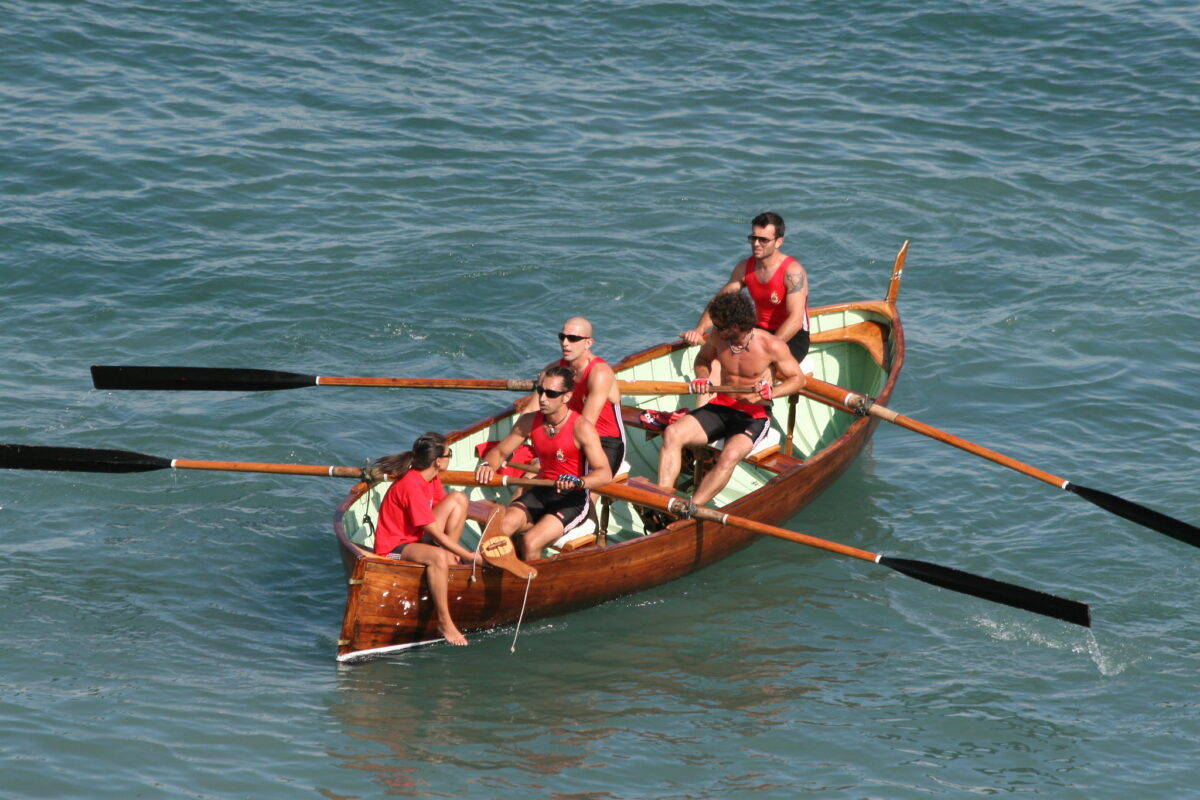
In the 1800s and early 1900s, rowing wasn’t just for universities or quiet mornings on the water—it was a top-tier spectator sport. Crowds lined riverbanks shoulder-to-shoulder to watch scullers and rowing crews race for enormous prize money.
Some cities treated big races like holidays, shutting down normal routines so people could gather along the water’s edge. Elite rowers toured extensively, challenging local champions for bragging rights and large purses.
Eventually, the excitement waned as new sports and entertainment arrived.
Dogs Chasing Mechanical Prey
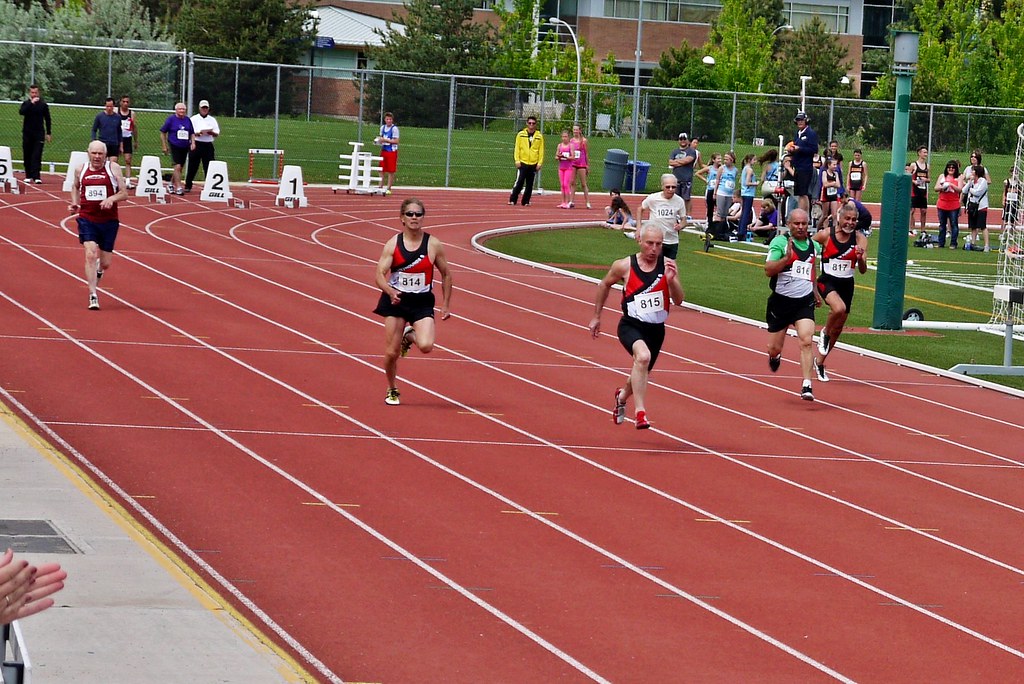
For decades, greyhound tracks were as busy as any casino. Races ran in rapid succession, and bettors filled the stands, scanning programs and shouting odds while the dogs launched after the mechanical lure.
In the U.S., the U.K., and Australia, tracks became major entertainment hubs with restaurants, bars, and nightly crowds. But concerns over animal welfare, plus competition from other forms of gambling, slowly pushed the sport into decline.
Only a handful of tracks still operate today.
Skaters Performing for Thousands
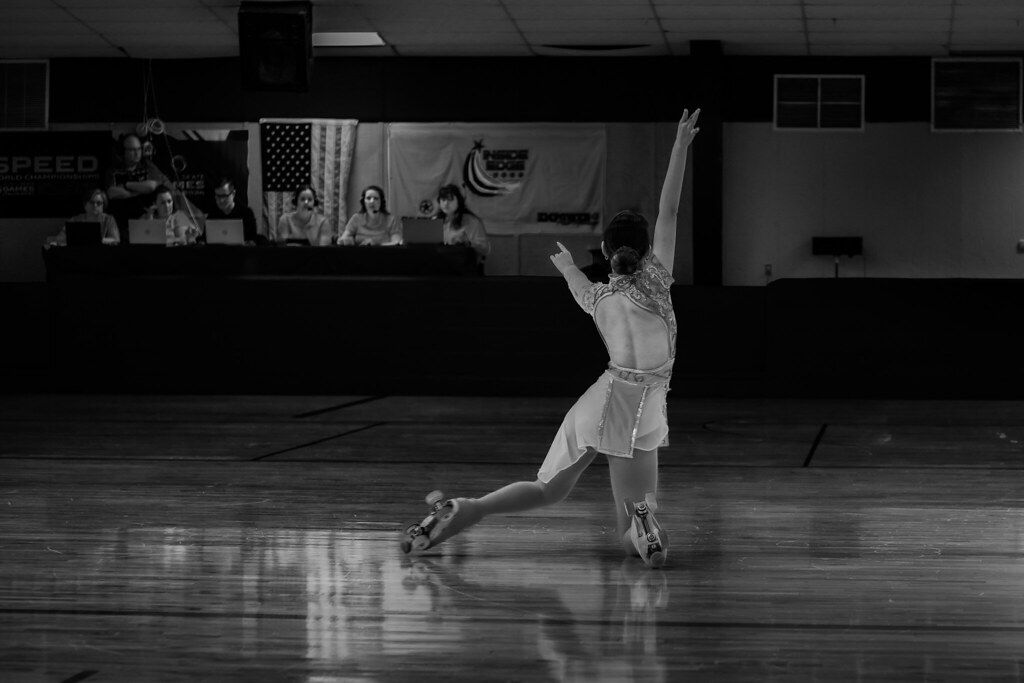
A combination of dance, acrobatics, and athletic feats on wheels were featured in roller-skating performances in the middle of the 20th century. These traveling shows filled arenas all over the nation, providing families with a spectacular evening that combined elements of circus acts and ice shows.
The performers developed loyal followings in many cities. However, the demand for live skating entertainment declined as television became more prevalent, and the major traveling shows eventually vanished.
Barrel Jumpers on Ice
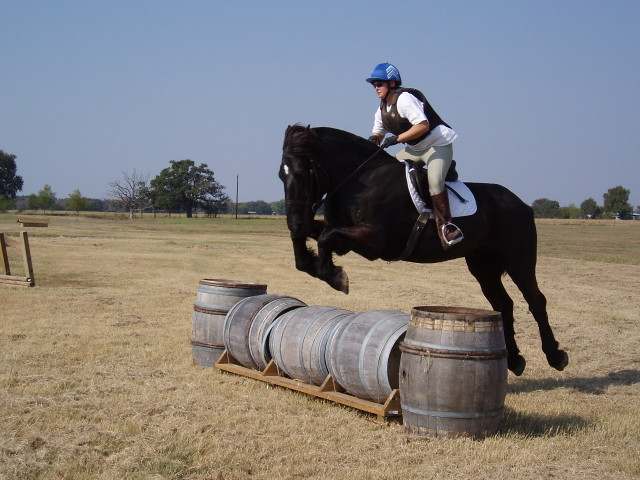
Particularly in Canada, barrel jumping gained popularity at skating shows and winter carnivals. The setup was simple: skaters built up speed and launched themselves over rows of barrels, trying to clear as many as possible without wiping out.
The simple thrill kept spectators glued to the rink’s edge despite the obvious risks—falls were common and occasionally painful. As other winter sports rose in po
pularity, barrel jumping gradually slipped out of the spotlight.
When the Crowd Moves On
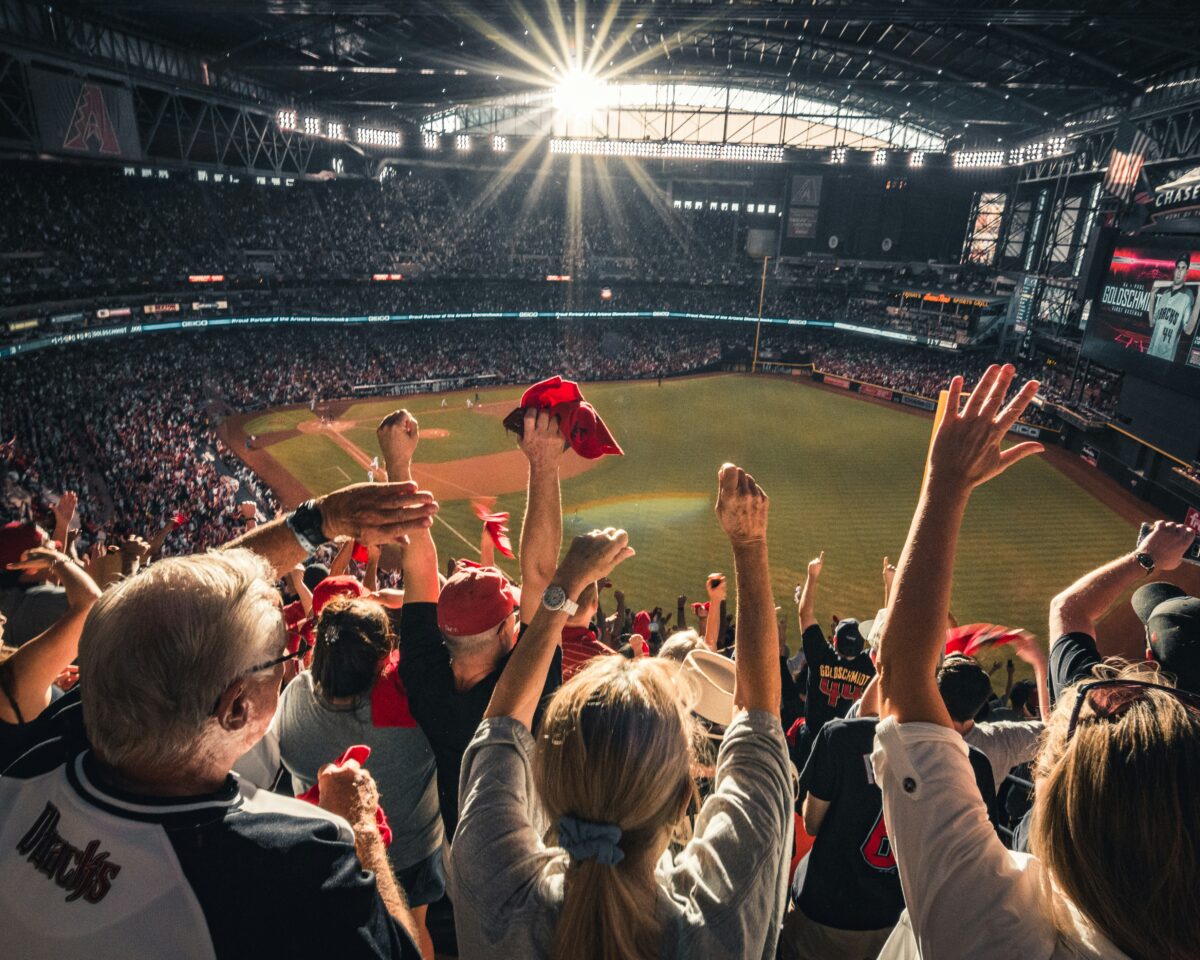
Depending on what people are interested in right now, sports come and go. An obsession from one era becomes a mystery to another.
Large arenas fill up, then gradually empty as spectators move on to new thrills. Still, those old pastimes hit just as hard back then as playoff moments do nowadays.
When they vanish, it shows nothing lasts forever, even if millions showed up at the time.
More from Go2Tutors!

- The Romanov Crown Jewels and Their Tragic Fate
- 13 Historical Mysteries That Science Still Can’t Solve
- Famous Hoaxes That Fooled the World for Years
- 15 Child Stars with Tragic Adult Lives
- 16 Famous Jewelry Pieces in History
Like Go2Tutors’s content? Follow us on MSN.