Flowers That Bloom Only Once a Decade
Some flowers don’t follow the rules. While most plants bloom every year like clockwork, a handful of rare species take their sweet time, waiting years or even decades before they finally put on a show.
These botanical oddities have puzzled scientists and captivated gardeners for centuries, and their blooms are so infrequent that people travel from around the world just to catch a glimpse. So what makes these plants wait so long?
Let’s look at some of the most fascinating flowers that only bloom once in a blue moon.
Puya raimondii
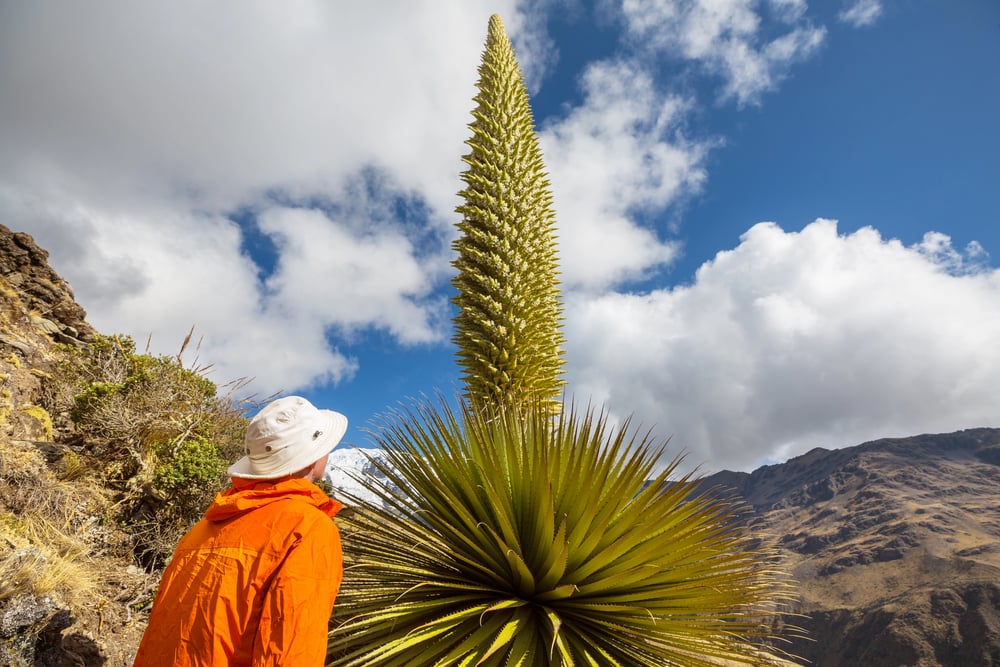
This towering plant from the Andes Mountains holds the record for one of the longest waits in the plant kingdom. The Puya raimondii can take anywhere from 80 to 150 years before it produces its first and only flower spike.
Native to the high-altitude regions of Peru and Bolivia, this member of the pineapple family grows slowly in the harsh mountain climate, storing energy for decades until it’s finally ready. When it does bloom, the plant sends up a massive spike that can reach over 30 feet tall, covered in thousands of greenish-white flowers.
After this spectacular display, the plant dies, having put everything it had into one final moment of glory.
Bamboo species
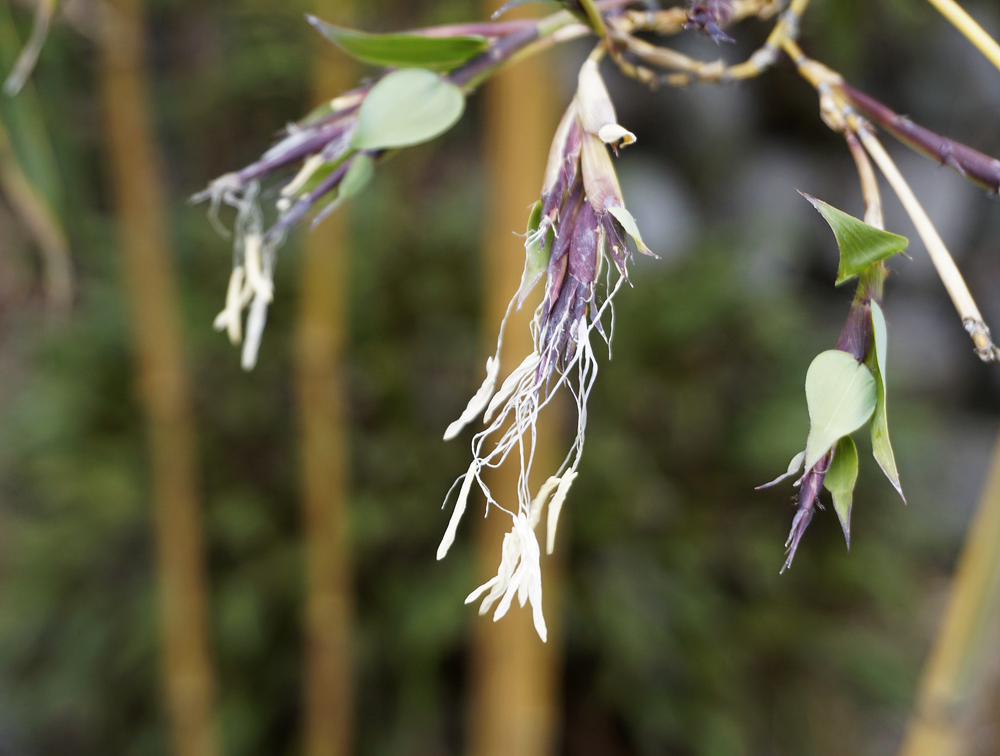
Bamboo might seem like an odd addition to this list since it grows so fast, but most species have a bizarre blooming cycle that can span decades. Many bamboo varieties bloom only once every 60 to 130 years, and when they do, entire forests of genetically identical plants flower at exactly the same time, even if they’re growing on different continents.
Scientists still aren’t entirely sure how bamboo coordinates this synchronized blooming across such vast distances. The phenomenon is so rare that most people will never see bamboo flowers in their lifetime.
After blooming, the plants typically die off completely.
Agave americana
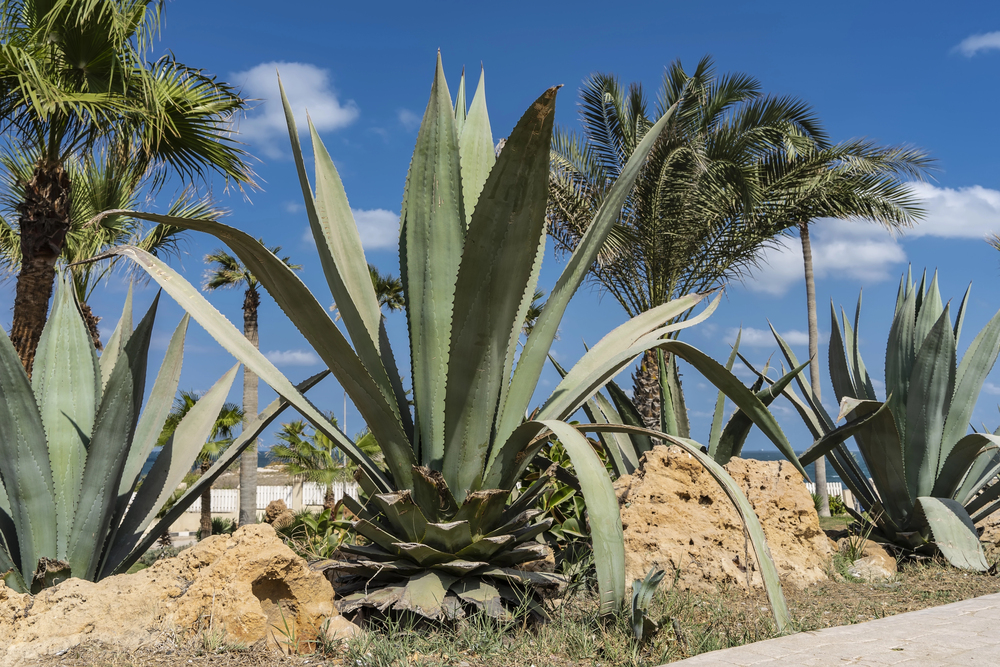
Known as the century plant, this desert dweller doesn’t actually take a hundred years to bloom, but it does require patience. Most Agave americana plants bloom after 10 to 30 years, though the exact timing depends on growing conditions and climate.
The plant spends years building up a massive rosette of thick, spiky leaves before suddenly shooting up a flower stalk that can grow several inches per day. This towering spike, which can reach 25 feet or more, produces clusters of yellow flowers that attract bats and birds.
Like many plants on this list, the agave dies after blooming, having spent its entire life preparing for one reproductive burst.
Talipot palm
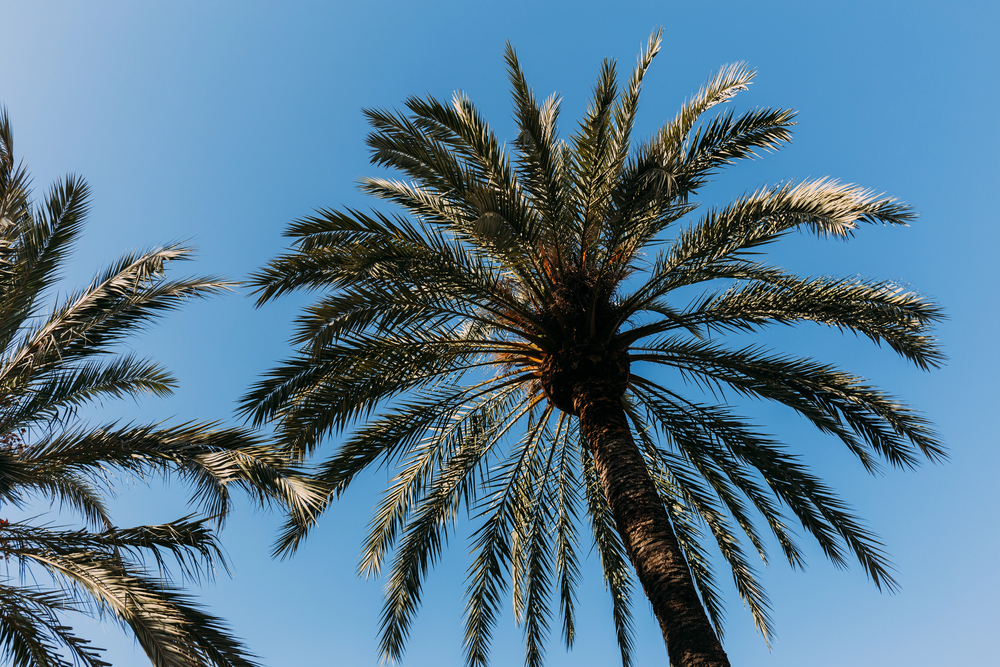
This giant palm tree from India and Sri Lanka can grow up to 80 feet tall, but it won’t flower until it’s between 30 and 80 years old. The Talipot palm spends decades slowly growing and storing nutrients in its trunk, waiting for the perfect moment to reproduce.
When it finally blooms, the tree produces the largest flower cluster in the plant kingdom, a branching structure that can contain millions of individual cream-colored flowers. The blooming process takes about a year from start to finish.
Once the fruits have matured and fallen, the entire tree dies. Locals often consider the blooming of a Talipot palm to be a significant event worth celebrating.
Corpse flower
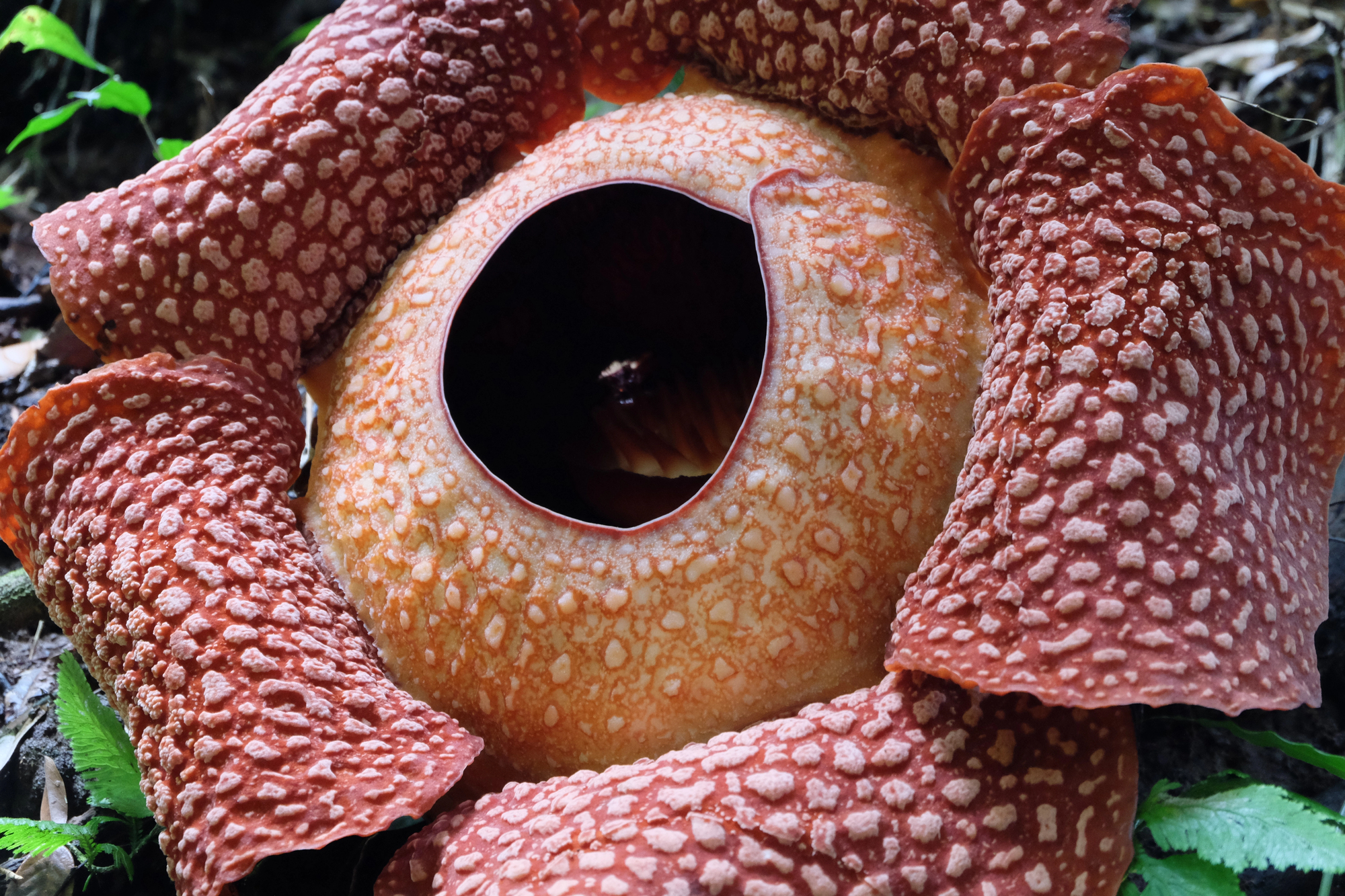
The titan arum, better known as the corpse flower, doesn’t quite wait a full decade between blooms, but it comes close enough to earn a spot on this list. These Indonesian giants typically bloom every 7 to 10 years, though cultivation has made blooming slightly more frequent in botanical gardens.
The plant produces the largest unbranched flower structure in the world, a deep burgundy spathe that can grow over 10 feet tall. True to its name, the corpse flower releases a smell like rotting meat when it blooms.
Botanical gardens around the world now live-stream their corpse flower bloomings because they’re such rare and exciting events.
Neelakurinji
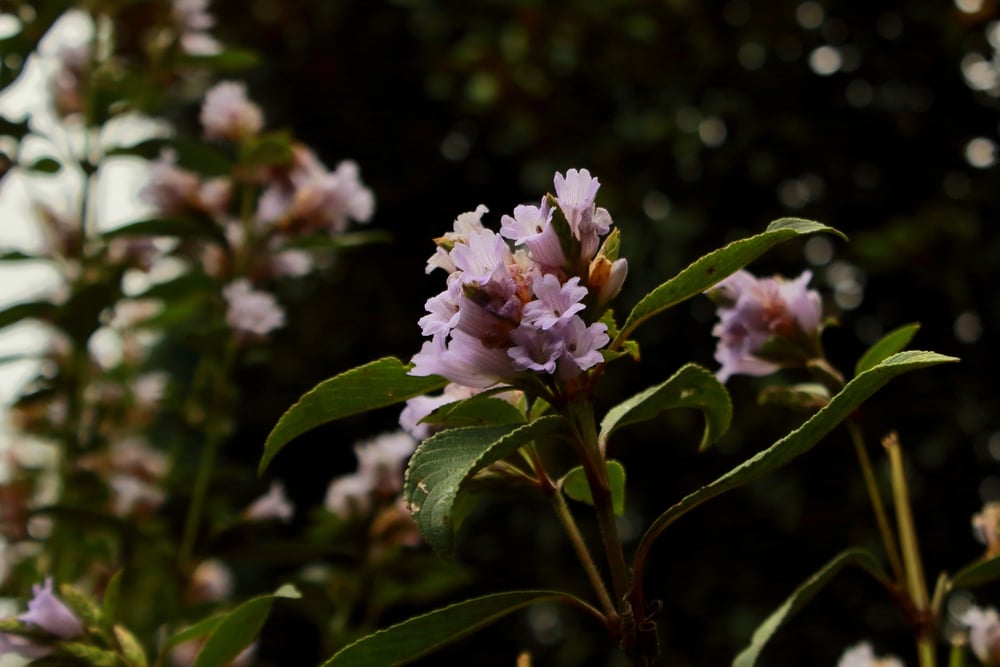
The hills of southern India turn purple every 12 years thanks to this stunning shrub. Neelakurinji covers the slopes of the Western Ghats in massive numbers, and when millions of plants bloom simultaneously, the effect is breathtaking.
The plant produces clusters of small, violet-blue flowers that blanket entire mountainsides in color. Local tourism booms during blooming years, with thousands of visitors making the trek to see the purple hills.
The next mass blooming is expected around 2030, and hotels in the region are already taking reservations.
Queen of the Andes
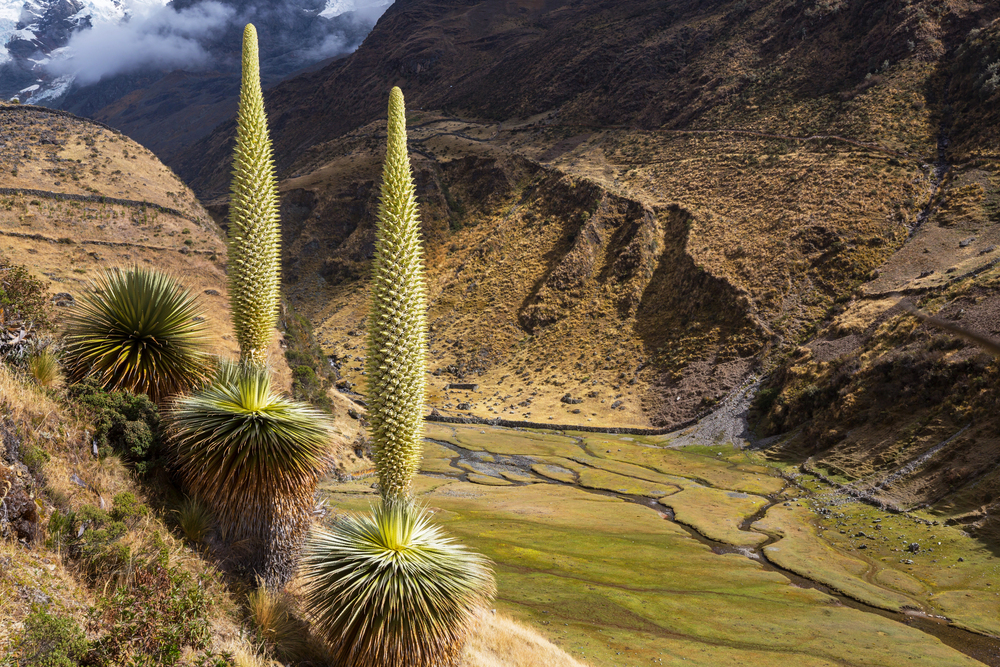
Another high-altitude specialist, the Puya alpestris from Chile takes about 6 to 8 years before producing its first flowers, though some sources report waiting periods of up to 20 years. This smaller cousin of the Puya raimondii has adapted to survive in rocky, nutrient-poor soils where growth happens slowly.
The plant produces striking turquoise-blue flowers with bright orange stamens, a color combination rarely seen in nature. These unusual blooms attract hummingbirds, which serve as the plant’s primary pollinators in the wild.
Strobilanthes kunthiana
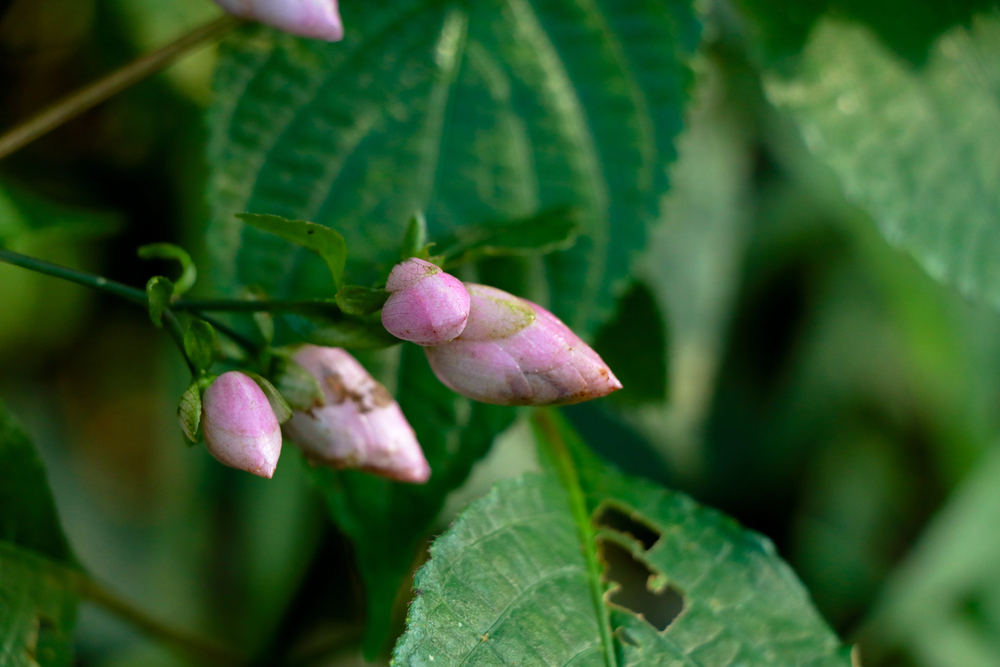
This shrub from the hills of Kerala, India, follows a strict 12-year blooming cycle that’s so predictable locals use it as a natural calendar. The plant covers forest floors in certain regions, and when it blooms, entire hillsides turn purple-blue almost overnight.
The synchronous blooming happens regardless of individual plant age, suggesting some kind of genetic programming that scientists don’t fully understand. After flowering and setting seed, most of the plants die.
This leaves behind a new generation that will bloom exactly 12 years later.
American agave
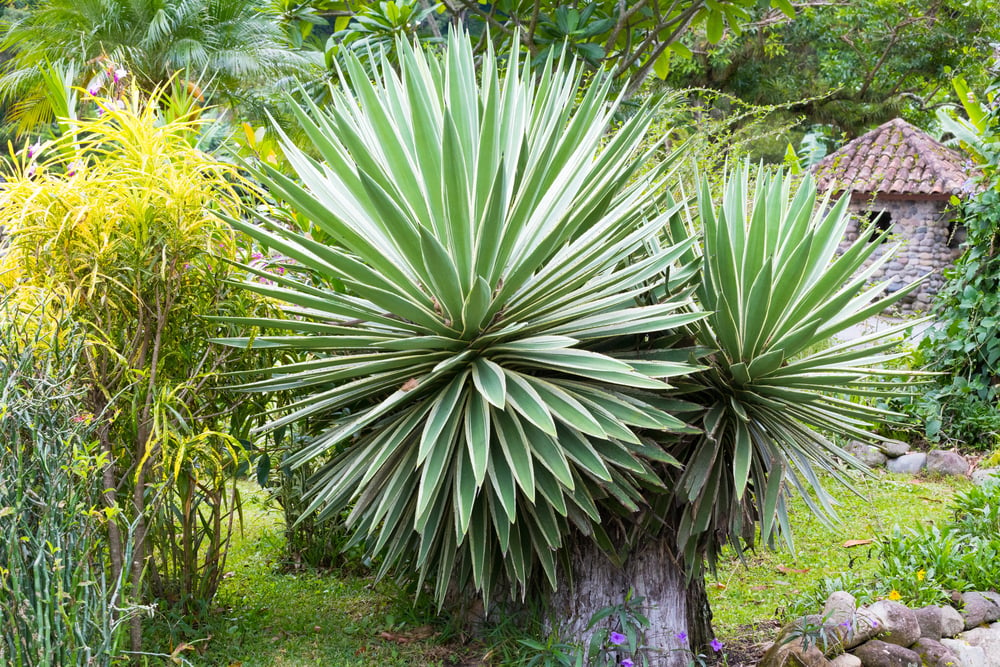
While similar to its Mexican cousin, the American agave found in the southwestern United States has its own blooming timeline. These plants typically wait 10 to 25 years before flowering, developing into large, spiky rosettes during their long vegetative phase.
The flower stalk emerges from the center of the plant and can grow remarkably fast once it starts. Native Americans traditionally harvested these plants just before blooming, when the stored sugars were at their peak.
The timing had to be perfect because once the flower stalk appeared, the plant’s energy had already been committed to reproduction.
Saussurea obvallata
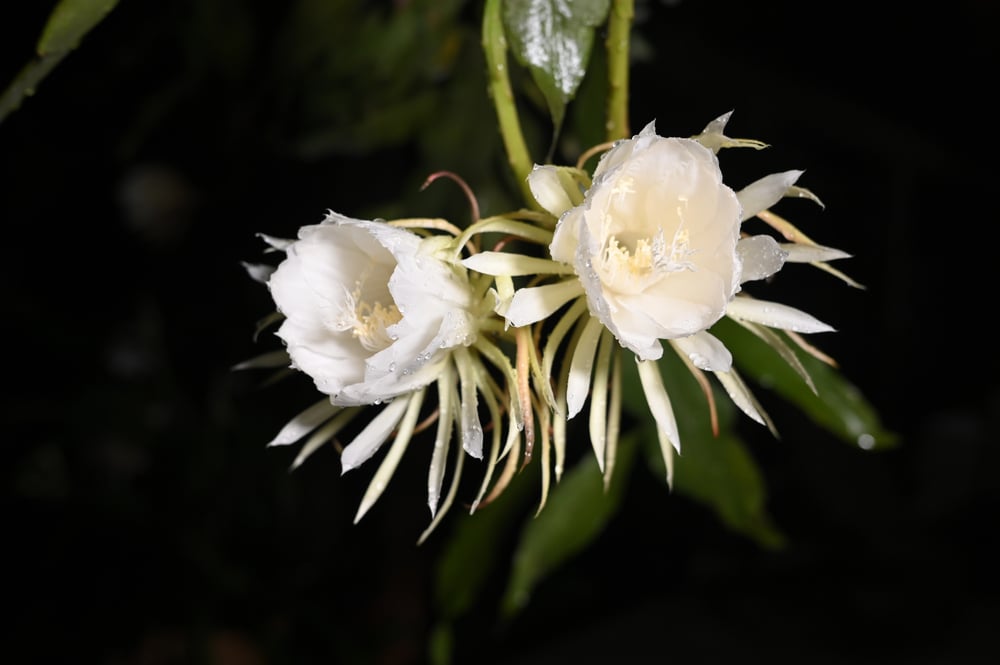
Known as brahma kamal in the Himalayas, this high-altitude flower blooms every 7 to 12 years depending on conditions. The plant grows in rocky crevices and alpine meadows where harsh weather and short growing seasons make life difficult.
Brahma kamal produces unusual papery bracts that surround its actual flowers, creating a structure that looks almost artificial. The plant is considered sacred in Hindu culture, and its rare blooming is seen as auspicious.
Pilgrims sometimes trek for days hoping to witness the brief flowering period, which lasts only a few days.
Desert marigold variants
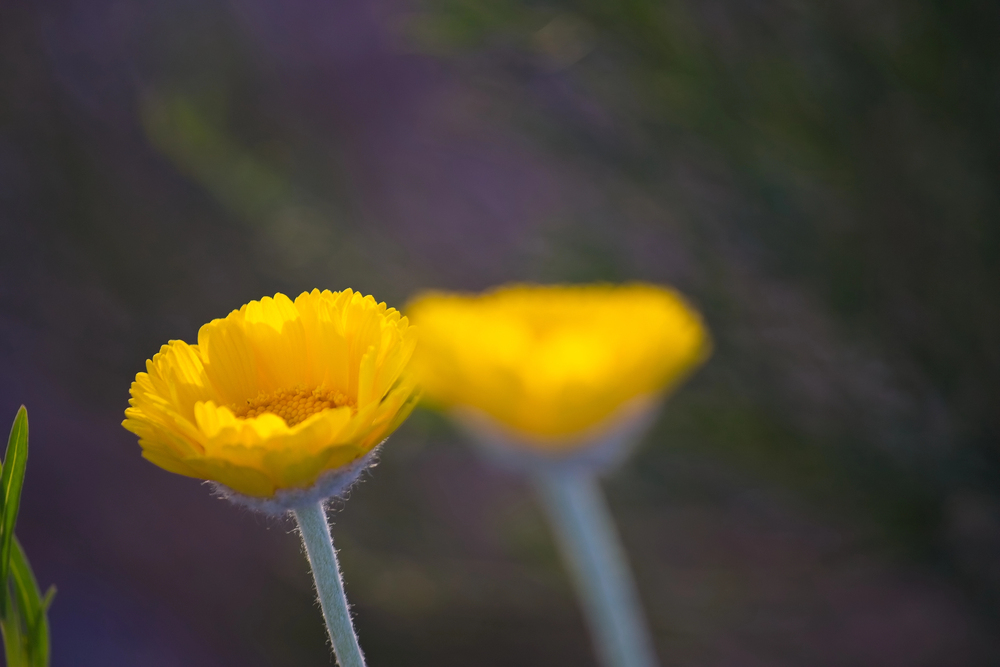
Certain rare variants of desert-adapted plants in the American Southwest have developed extreme blooming cycles to survive unpredictable rainfall patterns. Some populations bloom only when specific rainfall thresholds are met, which might happen only once or twice per decade in the driest regions.
These plants can remain dormant as seeds or small rosettes for years, waiting for the perfect conditions. When rains finally come in sufficient quantity, entire valleys can suddenly burst into color as dormant plants all bloom together.
The strategy helps ensure that seeds are produced during years when moisture is adequate for seedling survival.
Kurinji variations
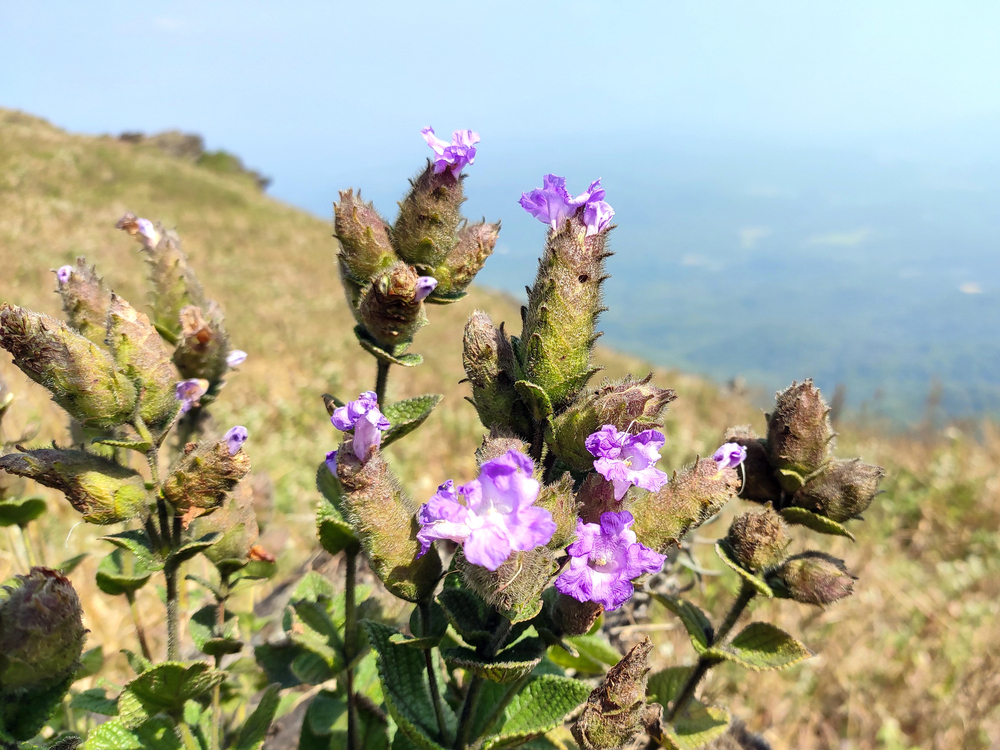
Several species in the Strobilanthes family exhibit decade-long blooming cycles, though the exact timing varies by species. Some bloom every 7 years, others every 12, and a few rare varieties reportedly wait up to 16 years.
These plants all share similar strategies of synchronized mass flowering followed by widespread plant death. The synchronization appears to be hardwired into each species’ genetics.
Environmental factors can slightly influence the exact timing. Researchers study these plants to understand how organisms can maintain such precise internal clocks across decades.
Patagonian species
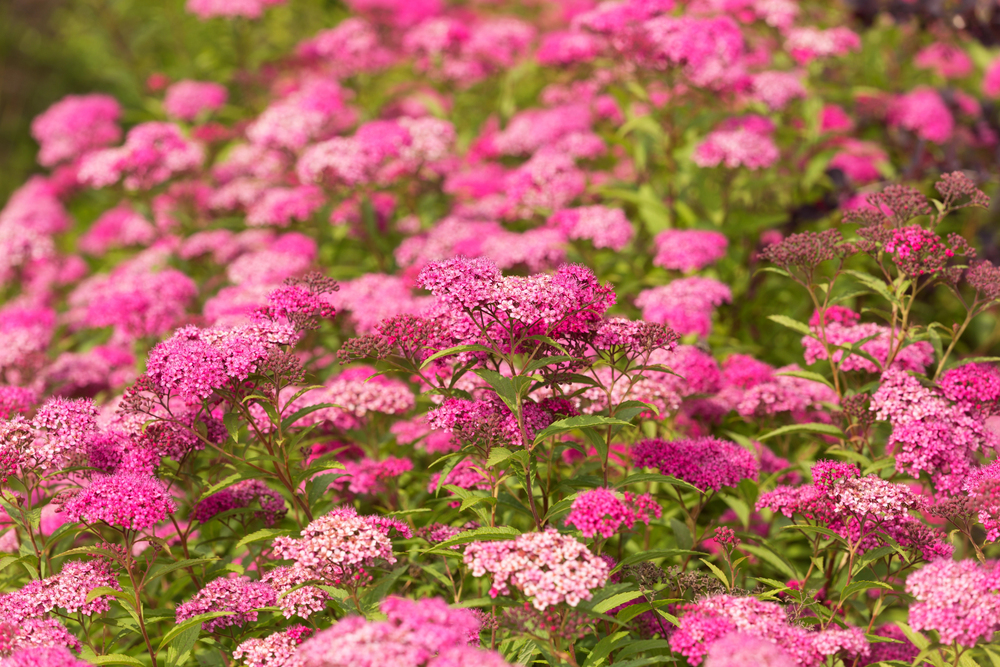
Remote regions of Patagonia host several plant species with unusually long blooming cycles adapted to the harsh southern climate. Some of these plants wait 8 to 15 years between flowering events, storing nutrients slowly during the short growing seasons.
The extreme weather conditions, including fierce winds and limited warmth, make reproduction a costly endeavor that requires years of preparation. Many of these species remain little-studied because of their remote locations and infrequent blooming.
Botanists sometimes camp in these regions for entire field seasons hoping to document a blooming event.
Himalayan variants
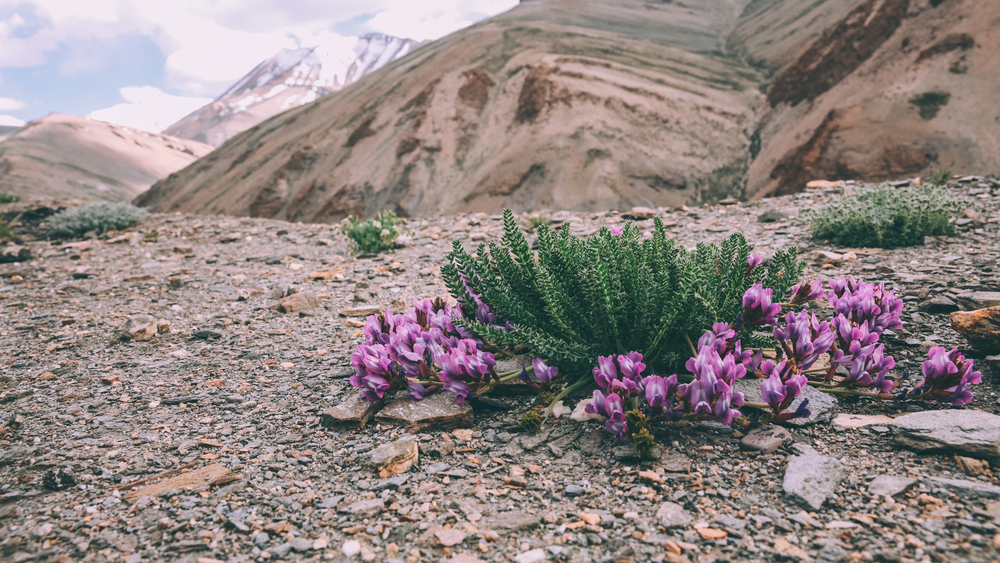
The Himalayan region hosts numerous plant species with extended blooming cycles that have evolved in response to altitude and climate stress. Plants growing above 12,000 feet often take 10 to 20 years to accumulate enough resources for flowering.
The combination of intense UV radiation, temperature extremes, and short growing seasons means that annual flowering would be impossible for many species. These plants often have specialized pollinators that have also adapted to the infrequent flowering schedules.
Local communities have traditional knowledge about which years certain plants will bloom, passed down through generations.
Andean plateau specialists
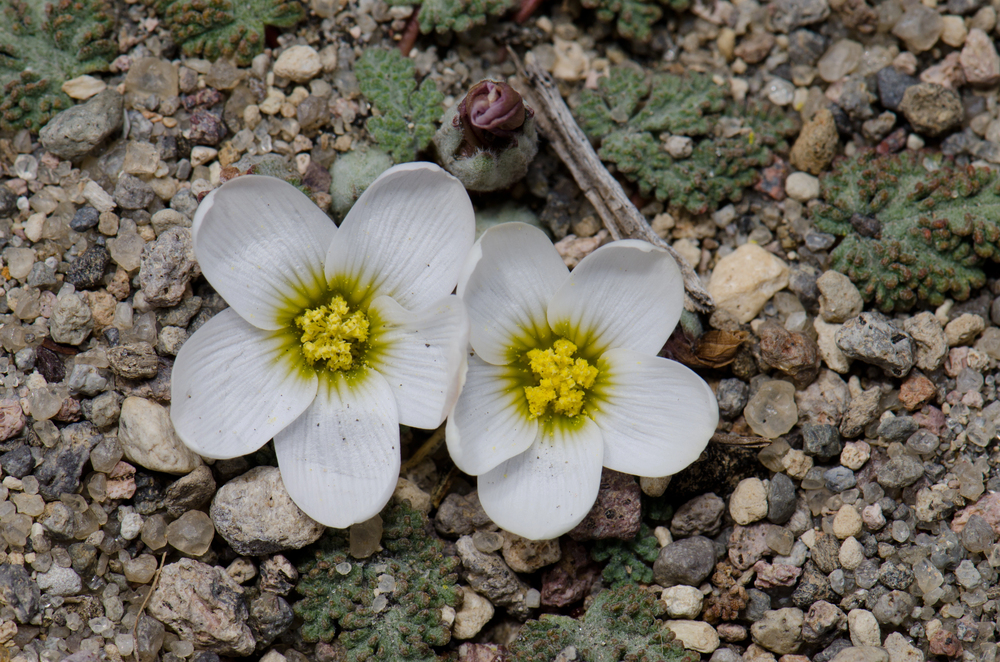
Up in the high Andes, certain uncommon plants flower just once every fifteen years or longer. Tough air and blazing sunlight rule here – growing is never easy.
Waiting so long helps them gather enough strength to create tough seeds built for survival. Century-old stems sometimes appear, sprouting blooms only a few times across decades.
When flowers finally show, local communities notice, marking moments in traditions passed down through generations.
Australian desert rarities
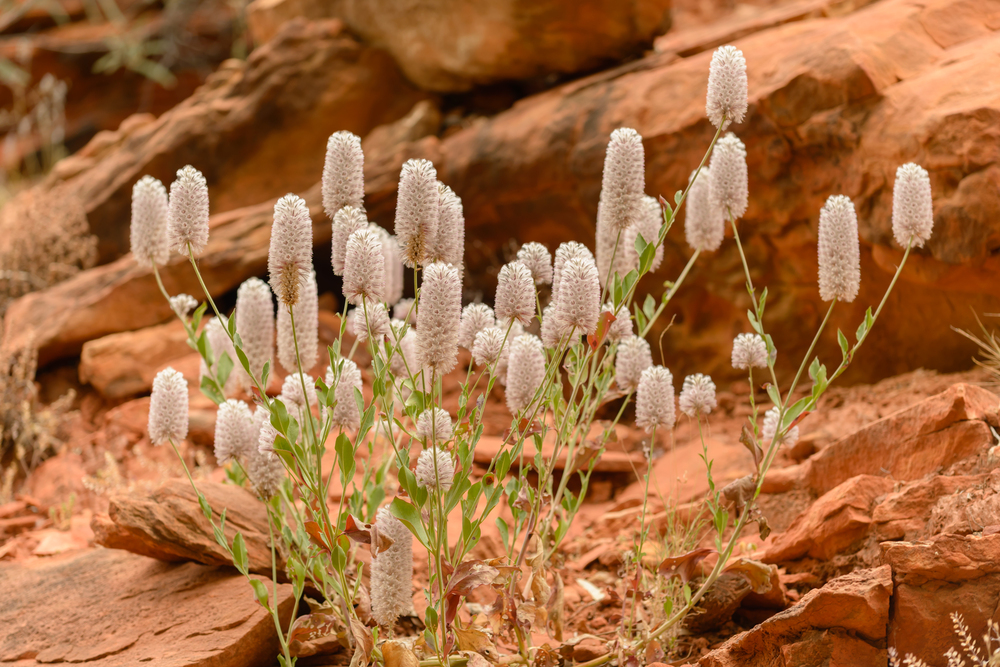
Out there among the sands, odd little flowers wait. Rain decides everything – maybe one good downpour every ten years is all it takes.
Without water, they sit still, doing nothing, just holding on beneath the surface. Then overnight, after a soak, green things push up and stretch toward light.
Not clocks but drops of rain tell them when to wake. Two seasons could bring blossoms back to back, or silence for fifteen winters.
They do not follow calendars; chance guides their timing. While others rely on steady rhythms year by year, these go their own way.
Suddenly, where there was dust, bright petals spread wide under the open sky. Animals show up too, drawn by sudden nectar hidden in plain sight.
Beauty shows up when waiting long enough
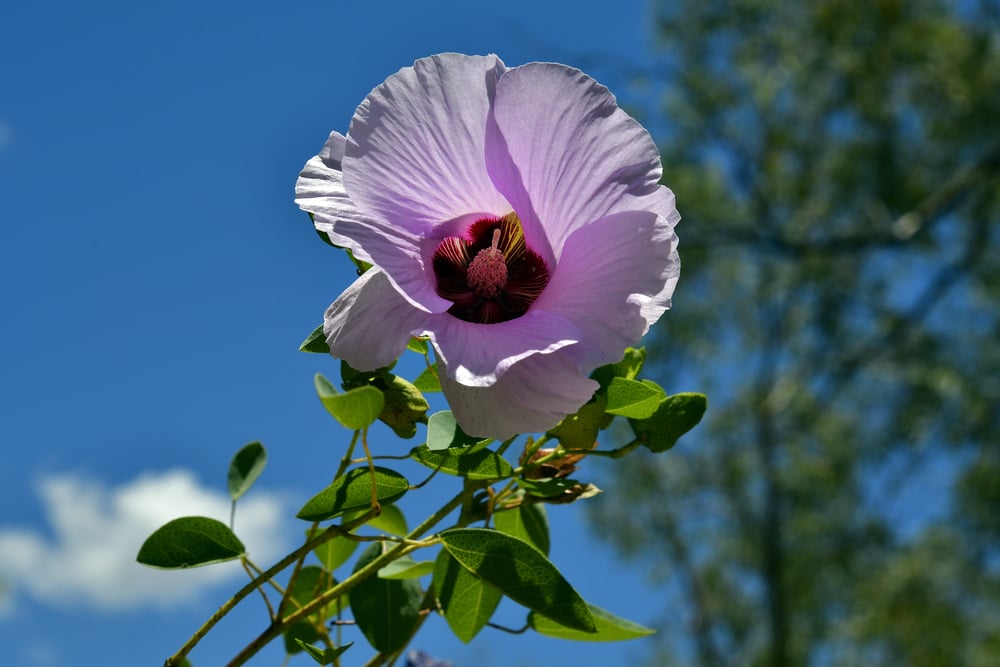
Out here, time moves differently. Some blossoms take ages just to open, surviving where speed means nothing.
A single flower can mark a wait longer than most people remember, then vanish fast. Seeing it happen is quiet magic – years folded into days.
Places that care for plants guard these moments closely. They are aware how few chances there may ever be.
More from Go2Tutors!

- The Romanov Crown Jewels and Their Tragic Fate
- 13 Historical Mysteries That Science Still Can’t Solve
- Famous Hoaxes That Fooled the World for Years
- 15 Child Stars with Tragic Adult Lives
- 16 Famous Jewelry Pieces in History
Like Go2Tutors’s content? Follow us on MSN.