15 Hotel Amenities That Used to Be Standard
Hotels have always been about hospitality, though the definition of what makes a guest feel welcome has shifted dramatically over the decades. What once seemed like basic courtesy now feels like luxury, while some former staples have vanished entirely from the modern travel experience.
The transformation of hotel amenities tells a fascinating story about changing technology, evolving guest expectations, and the relentless pursuit of cost-cutting measures. Here is a list of 15 hotel amenities that used to be standard but have largely disappeared from today’s hospitality landscape.
Free Local Phone Calls

Every hotel room once came with unlimited local calling as naturally as it came with towels. Guests could call restaurants for reservations, contact local friends, or reach taxi companies without worrying about charges.
This amenity made perfect sense when landlines dominated communication — back when hotels served as communication hubs for travelers who couldn’t just whip out their phones.
Complimentary Newspapers

Walking into a hotel lobby meant finding stacks of the local newspaper and national publications like USA Today waiting for guests. Many hotels delivered papers directly to room doors each morning, treating current events as essential as fresh coffee.
The ritual of reading the paper over breakfast was part of the quintessential hotel experience — something that’s nearly extinct in our digital age.
Like Go2Tutors’s content? Follow us on MSN.
In-Room Phone Books

Those thick yellow and white pages weren’t just decorative items stuffed in nightstand drawers. Phone books were essential travel tools that helped guests find everything from pizza delivery to emergency services.
Hotels considered them as crucial as providing clean linens, understanding that travelers needed local information at their fingertips before Google existed.
Concierge Services at Mid-Range Hotels
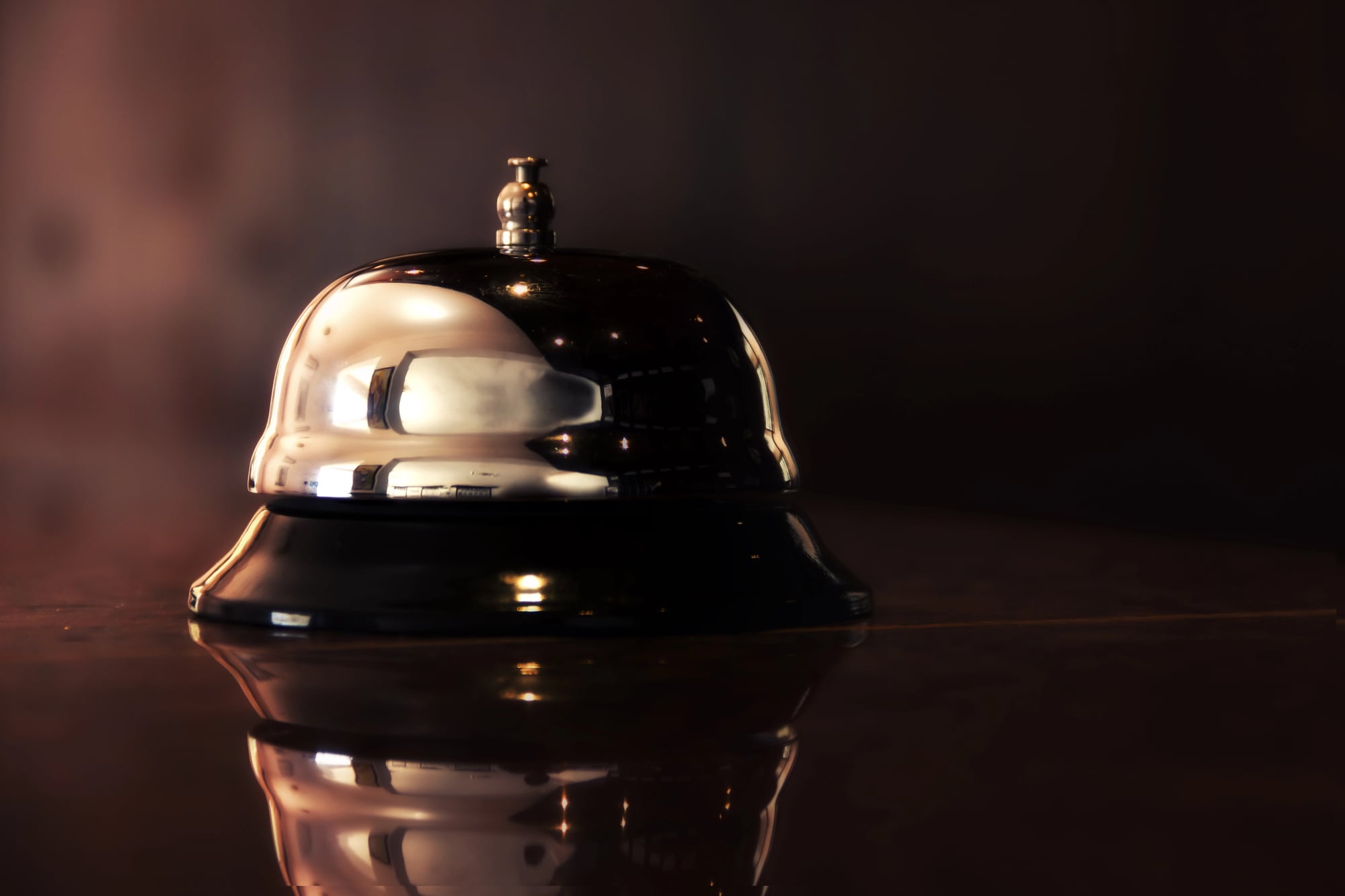
Professional concierges weren’t exclusive to luxury establishments back then. Mid-range hotels regularly employed knowledgeable staff who could secure theater tickets, recommend restaurants, and arrange transportation.
These human Google searches provided personalized service that made even budget-conscious travelers feel pampered — a level of attention that’s become increasingly rare.
Complimentary Shuttle Services
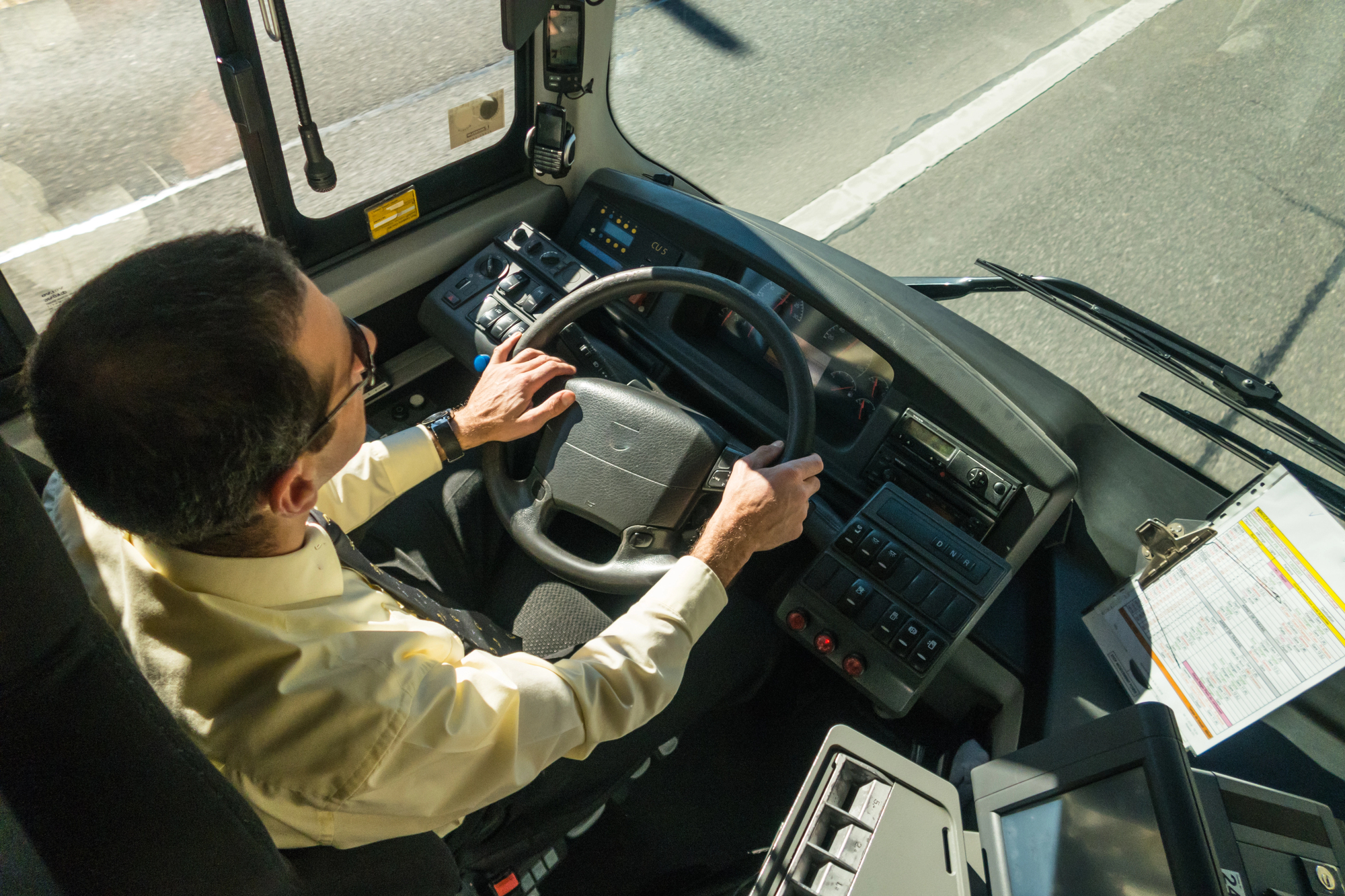
Airport shuttles were practically universal among hotels within a reasonable distance of terminals. Many properties also offered shuttles to nearby shopping centers, business districts, or popular attractions.
This transportation was included in room rates rather than treated as an additional revenue stream — imagine that concept today.
Like Go2Tutors’s content? Follow us on MSN.
Free Long-Distance Calling

Before cell phones conquered the world, hotels provided free long-distance calling within the continental United States. Business travelers could conduct conference calls from their rooms, while leisure guests could check in with family back home without accumulating hefty phone bills.
International calls cost extra, yet domestic long-distance was part of the package.
In-Room Safes Without Fees

Hotel room safes were provided as a standard security feature rather than a profit center. Guests could secure valuables without paying daily fees that sometimes exceeded the cost of the items being protected.
The safe was simply there — like the television or air conditioning — as part of the room’s basic functionality.
Complimentary Bottled Water

Two bottles of water greeted guests in every room, refreshed daily by housekeeping. This gesture acknowledged that travelers might arrive thirsty and didn’t want to immediately hunt for vending machines.
The bottles were modest in size though significant in their message of hospitality — a small touch that spoke volumes.
Like Go2Tutors’s content? Follow us on MSN.
Free Parking

Parking spaces came with hotel rooms the same way bathrooms did. They were an assumed necessity rather than an optional upgrade.
Even downtown properties typically included parking in their rates — understanding that guests needed somewhere to leave their vehicles without breaking the bank.
Daily Housekeeping
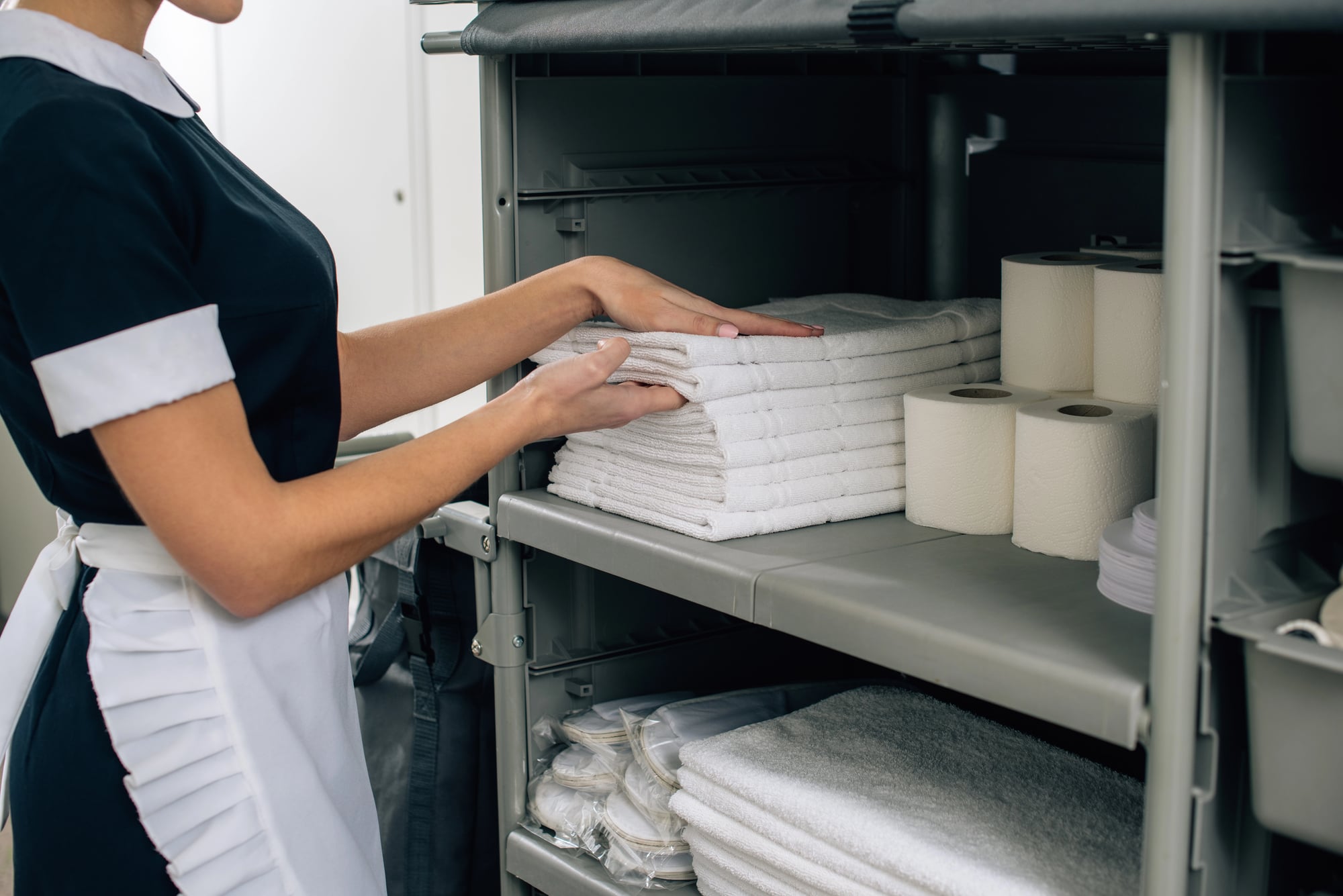
Hotel rooms received daily attention from housekeeping staff who refreshed linens, restocked amenities, and maintained cleanliness standards. This daily service wasn’t negotiable or optional but fundamental to the hotel experience.
Guests expected to return each evening to a pristine room that felt fresh and welcoming — no questions asked.
Complimentary Breakfast
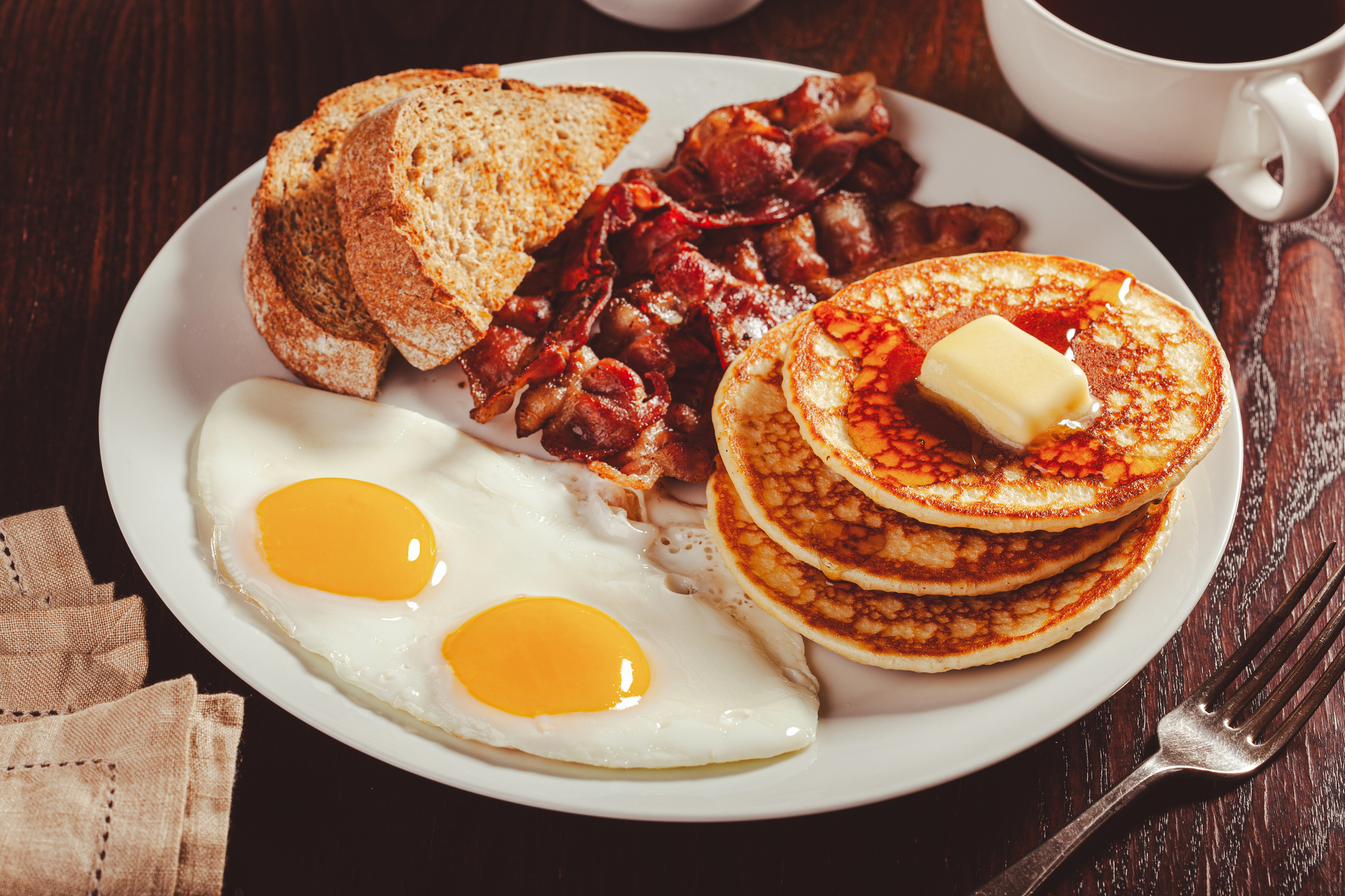
Continental breakfast was the great equalizer that made budget hotels feel hospitable. Even basic properties offered coffee, pastries, and fruit to start guests’ days properly.
The breakfast might’ve been simple, but it demonstrated that hotels cared about their guests’ well-being beyond just providing a bed.
Like Go2Tutors’s content? Follow us on MSN.
In-Room Coffee Makers

Every room came equipped with a coffee maker and daily supplies of coffee, creamer, and sugar. Hotels recognized that caffeine was a travel necessity, not a luxury amenity.
The coffee might not have rivaled gourmet cafes, yet it provided that crucial morning boost without requiring guests to venture out immediately.
Complimentary Local Maps and Guides
Hotel lobbies overflowed with local maps, restaurant guides, and attraction brochures. Front desk staff maintained comprehensive collections of area information and eagerly shared recommendations.
These resources helped guests navigate unfamiliar territories and discover local gems they might otherwise miss.
Free Wi-Fi in Public Areas

When internet access first became important to travelers, hotels provided free Wi-Fi in lobbies, restaurants, and common areas. This connectivity allowed guests to check email, browse the web, and stay connected without additional charges.
The internet was treated as a basic utility rather than a premium service.
Like Go2Tutors’s content? Follow us on MSN.
Complimentary Toiletries Beyond Basics
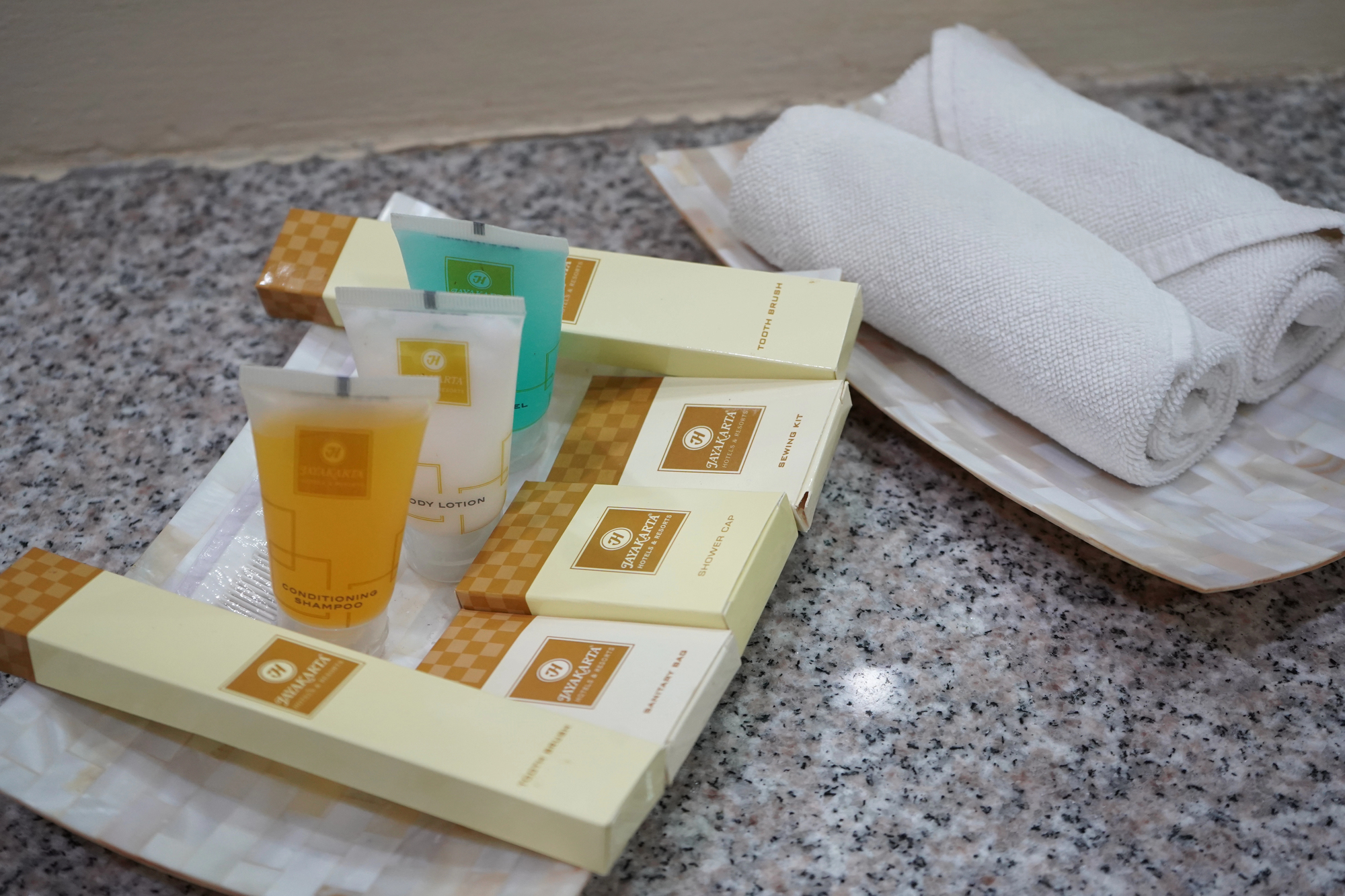
Hotels provided comprehensive toiletry collections including shampoo, conditioner, body lotion, sewing kits, and dental care items. These amenities went beyond mere soap and recognized that travelers might forget essentials or want to pack light.
The toiletries were often branded with the hotel’s logo, serving as subtle marketing tools.
The New Reality of Hospitality

Today’s hotel industry operates under different pressures and expectations than its predecessors. Cost-conscious travelers often prioritize low room rates over inclusive amenities, while others willingly pay premium prices for luxury experiences.
The middle ground where modest amenities came standard has largely disappeared, replaced by a more polarized landscape of bare-bones budget options and high-end indulgences. Understanding what we’ve lost helps us appreciate both the genuine hospitality of the past and the innovations that define modern travel.
More from Go2Tutors!

- 18 Unexpectedly Valuable Collectibles You Might Have Lying Around
- 20 Little-Known Historical Battles That Had Huge Consequences
- 20 Historical Artifacts That Scientists Can’t Explain
- 15 Inventions That Were Immediately Banned After Being Created
- 20 Actors Who Were Almost Cast in Iconic Roles
Like Go2Tutors’s content? Follow us on MSN.