Retro Video Games That Shaped Pop Culture
Video games started as simple blips on a screen, but they didn’t stay that way for long. Some of those early titles broke through the walls of arcades and living rooms to become something bigger—cultural touchstones that showed up in movies, music, fashion, and the way people talked about technology itself.
These games didn’t just entertain players. They changed how society viewed interactive entertainment and proved that pixels and joysticks could create experiences as memorable as anything on film or in books.
Pac-Man Made Gaming Universal

When Pac-Man appeared in arcades in 1980, it did something most games hadn’t managed—it appealed to everyone. The bright yellow character eating dots and running from ghosts was cute, non-threatening, and instantly understandable.
Women and children started showing up at arcades that had previously been the domain of teenage boys and young men. The game spawned merchandise faster than anyone expected.
Pac-Man appeared on lunch boxes, board games, breakfast cereal, and even had his own animated TV show. The character became recognizable to people who had never touched an arcade cabinet.
That crossover appeal showed the entertainment industry that games could generate massive media franchises, not just quarter profits from arcades.
Space Invaders Started the Whole Thing

Before Pac-Man made games cute, Space Invaders made them cool. The 1978 arcade game created an actual shortage of 100-yen coins in Japan.
Players lined up to shoot descending rows of alien sprites, and the simple premise of defending Earth against extraterrestrial invaders tapped into something primal about competition and survival. The game established the high score as a badge of honor.
Players would return to arcades specifically to beat their friends’ scores, creating a social element that previous games lacked. That competitive drive became a cornerstone of gaming culture and remains fundamental to how people engage with games today.
Super Mario Bros. Brought Gaming Home
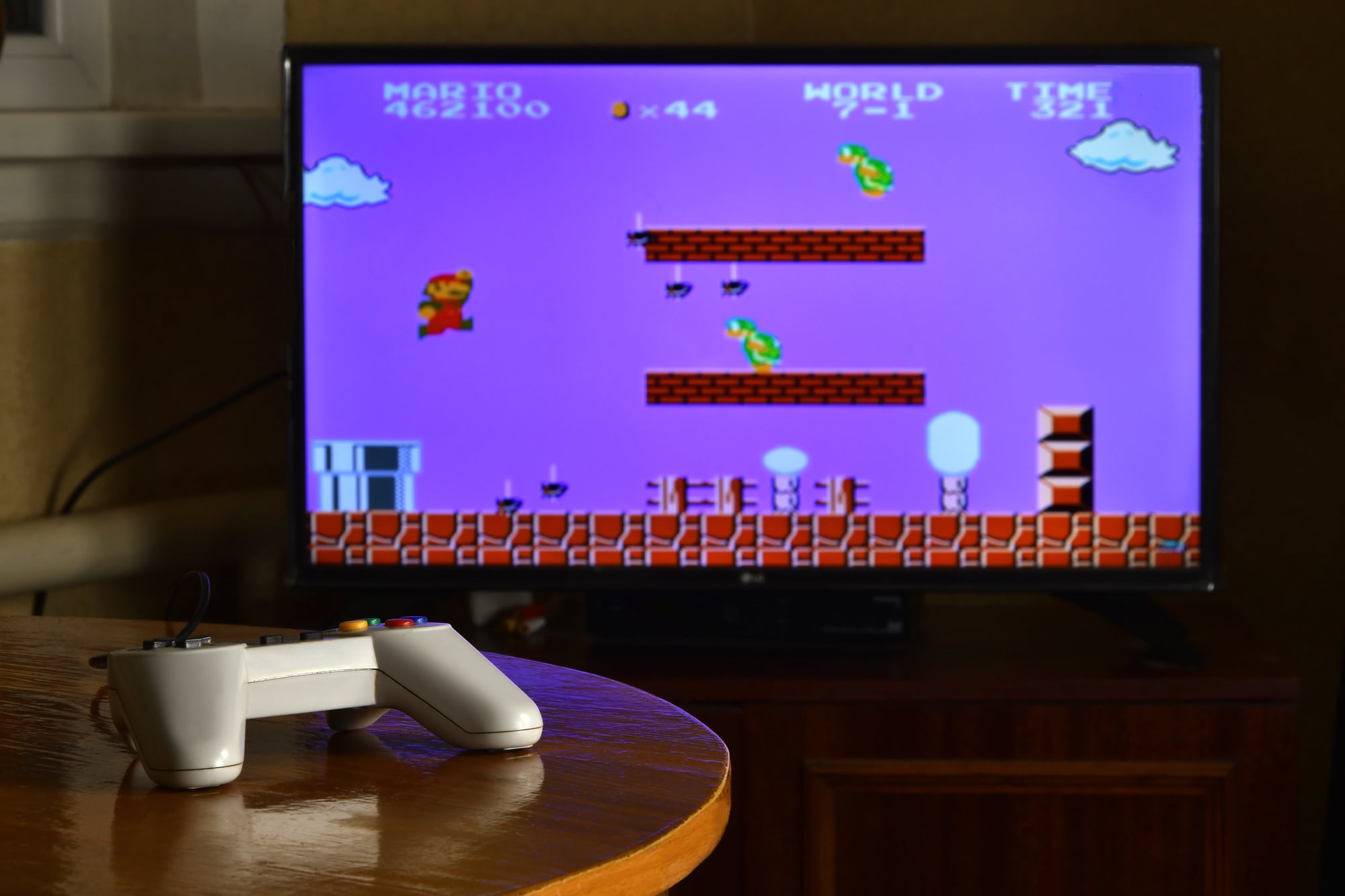
Nintendo’s 1985 platformer turned home consoles into legitimate entertainment systems. Mario’s quest to rescue Princess Peach gave players a reason to care about the little plumber beyond just jumping and running.
The game’s level design taught players through gameplay rather than instructions, a design philosophy that influenced thousands of games afterward. Mario became more recognizable than Mickey Mouse in some surveys.
The character appeared in countless sequels, spin-offs, cartoons, and eventually movies. Nintendo built an empire on that foundation, and Mario’s face became synonymous with video games themselves for multiple generations.
The Legend of Zelda Created Adventure

Zelda arrived in 1986 and showed that video games could tell epic stories. Players explored dungeons, collected items, and pieced together a narrative through exploration rather than being led through a linear path.
The game came with an actual treasure map in the box, blurring the line between the game world and reality. The series introduced save files, allowing players to continue their adventure across multiple sessions.
That simple addition changed how people thought about games as experiences that could last days or weeks rather than minutes. Zelda proved that games could be as immersive as reading a fantasy novel.
Tetris Conquered Every Platform
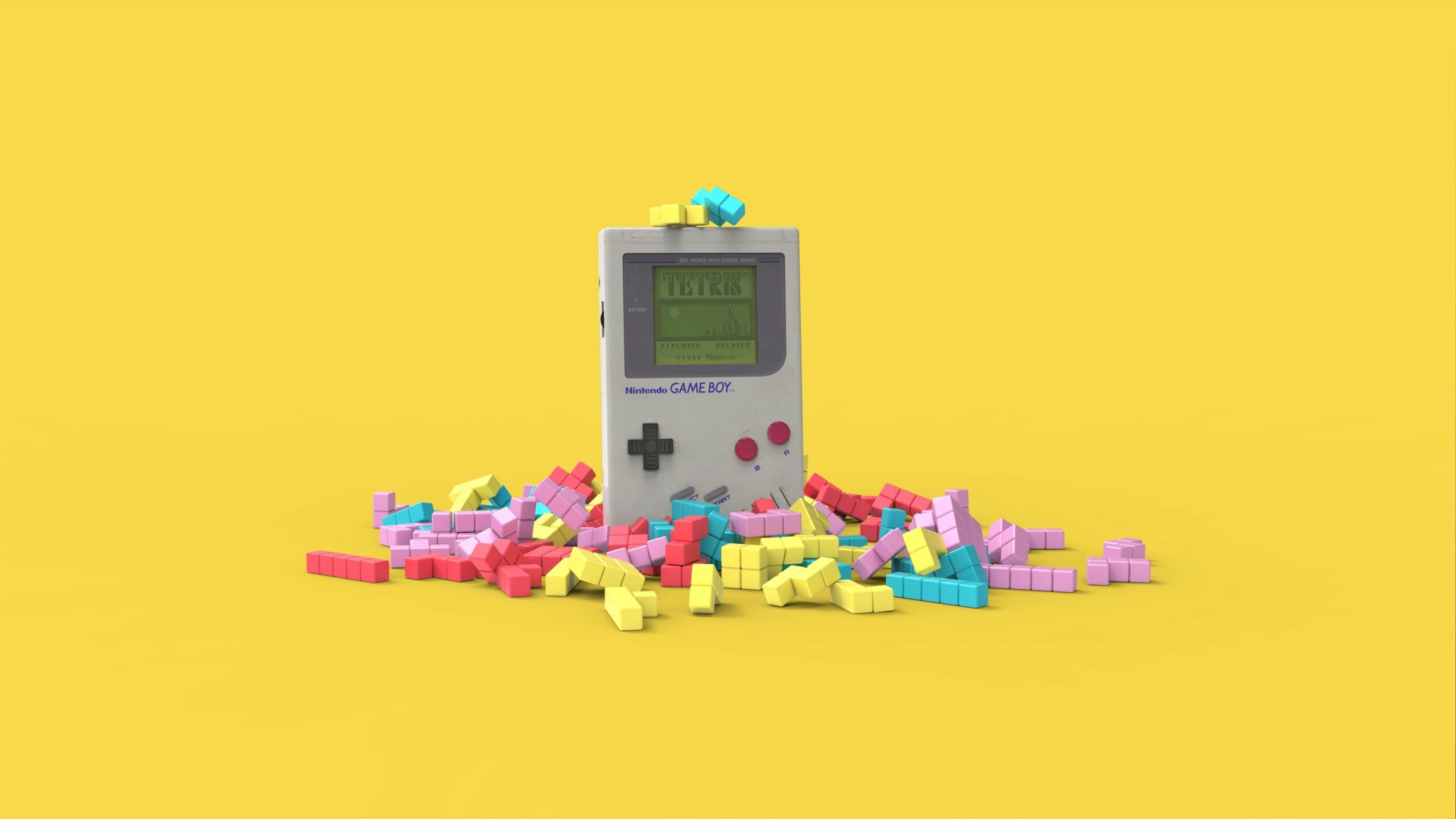
A Russian puzzle game from 1984 spread across every gaming device imaginable. Tetris was simple enough for anyone to understand but deep enough to remain challenging forever.
The falling blocks and their increasingly rapid descent created a zen-like state for players, and the music became permanently lodged in the collective memory of anyone who played. The game appeared on everything from massive arcade machines to tiny handheld Game Boys.
It came pre-installed with the Game Boy in 1989, and that pairing sold over 35 million copies. Tetris proved that games didn’t need violence or complex stories to be compelling—just solid mechanics and a satisfying loop.
Sonic the Hedgehog Challenged Nintendo

Sega needed an answer to Mario, and they found it in a blue hedgehog with an attitude. Sonic arrived in 1991 with speed, style, and a personality that reflected the company’s marketing strategy—edgier, cooler, and faster than the competition.
The character appeared in commercials that directly mocked Nintendo, creating a console war that made gaming feel like choosing a side in a cultural movement. Sonic represented a shift in gaming demographics.
The character appealed to kids who thought Mario was too childish and wanted something that felt more grown-up. That positioning helped Sega capture a huge chunk of the market and showed that brand identity and character design could be as important as gameplay.
Street Fighter II Built the Fighting Game Genre
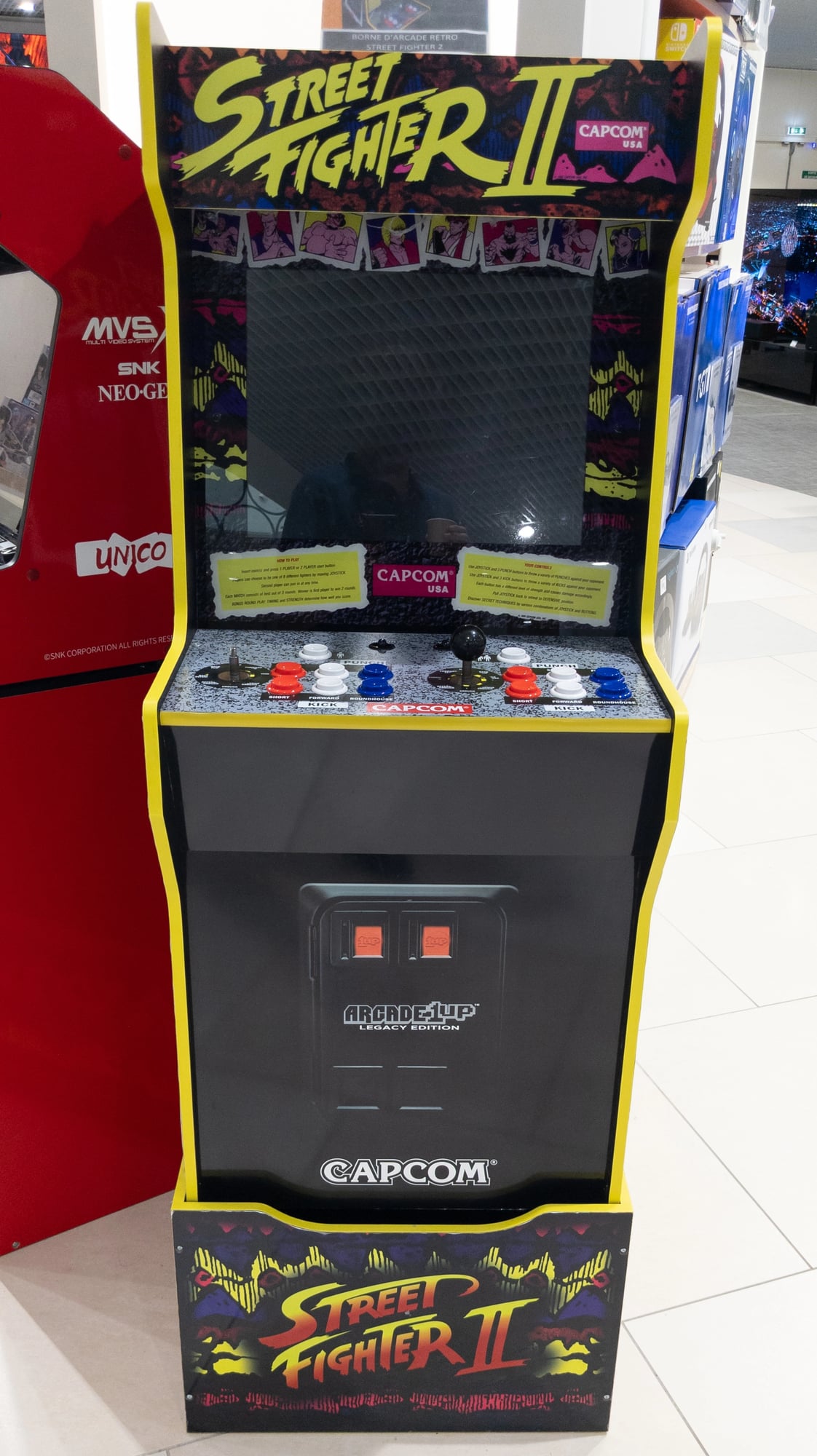
Capcom’s 1991 arcade fighter created the template every fighting game still follows. Players could choose from eight distinct characters, each with unique moves and fighting styles.
The game required actual skill to master, with complex button combinations producing special attacks that made matches between experienced players look like choreographed martial arts demonstrations. The game sparked a competitive scene that predated modern esports by decades.
Players gathered at arcades to test their skills against strangers, and tournaments emerged organically. Street Fighter II showed that games could be spectator entertainment, with crowds gathering to watch skilled players face off.
Final Fantasy Brought Role-Playing Games West

Japanese RPGs had existed for years, but Final Fantasy broke through in 1990 to reach a Western audience that had mostly ignored the genre. The game featured a deep story, character progression, and turn-based combat that required strategy rather than reflexes.
Players invested dozens of hours into their party of heroes, forming emotional connections to pixelated characters. The series became a massive franchise with each numbered entry bringing innovations in storytelling and presentation.
Final Fantasy VII later pushed the genre into mainstream consciousness in 1997, but the original game laid the foundation and proved that Western audiences would embrace Japanese storytelling conventions if the games were good enough.
Doom Defined First-Person Shooters

Id Software released Doom in 1993 and created a phenomenon that went far beyond gaming. The first-person shooter lets players blast through hordes of demons on Mars with an arsenal of satisfying weapons.
The game’s shareware distribution model meant it spread through office networks and college computer labs, introducing people to gaming who might never have bought it in a store. Doom’s violence sparked congressional hearings and moral panic, but that controversy only increased its cultural footprint.
The game appeared in news reports as evidence of gaming’s supposed negative influence on youth, making it more famous than any advertising campaign could have. Doom proved that games could generate the same kind of cultural debate as movies or music.
Mortal Kombat Forced the Ratings System

When Mortal Kombat arrived in arcades in 1992, its digitized actors and over-the-top violence made it stand out. The game’s finishing moves, called fatalities, let winners brutally dispatch their opponents in ways that were shocking for the time.
The home console versions in 1993 sparked outrage from parents and politicians, leading to Senate hearings about video game violence. Those hearings directly resulted in the creation of the ESRB rating system, which still governs game content today.
Mortal Kombat’s controversy proved that games had become culturally significant enough to warrant government attention and regulation. The series thrived on its reputation as the most violent game available, turning notoriety into sales.
Pokemon Created a Global Phenomenon
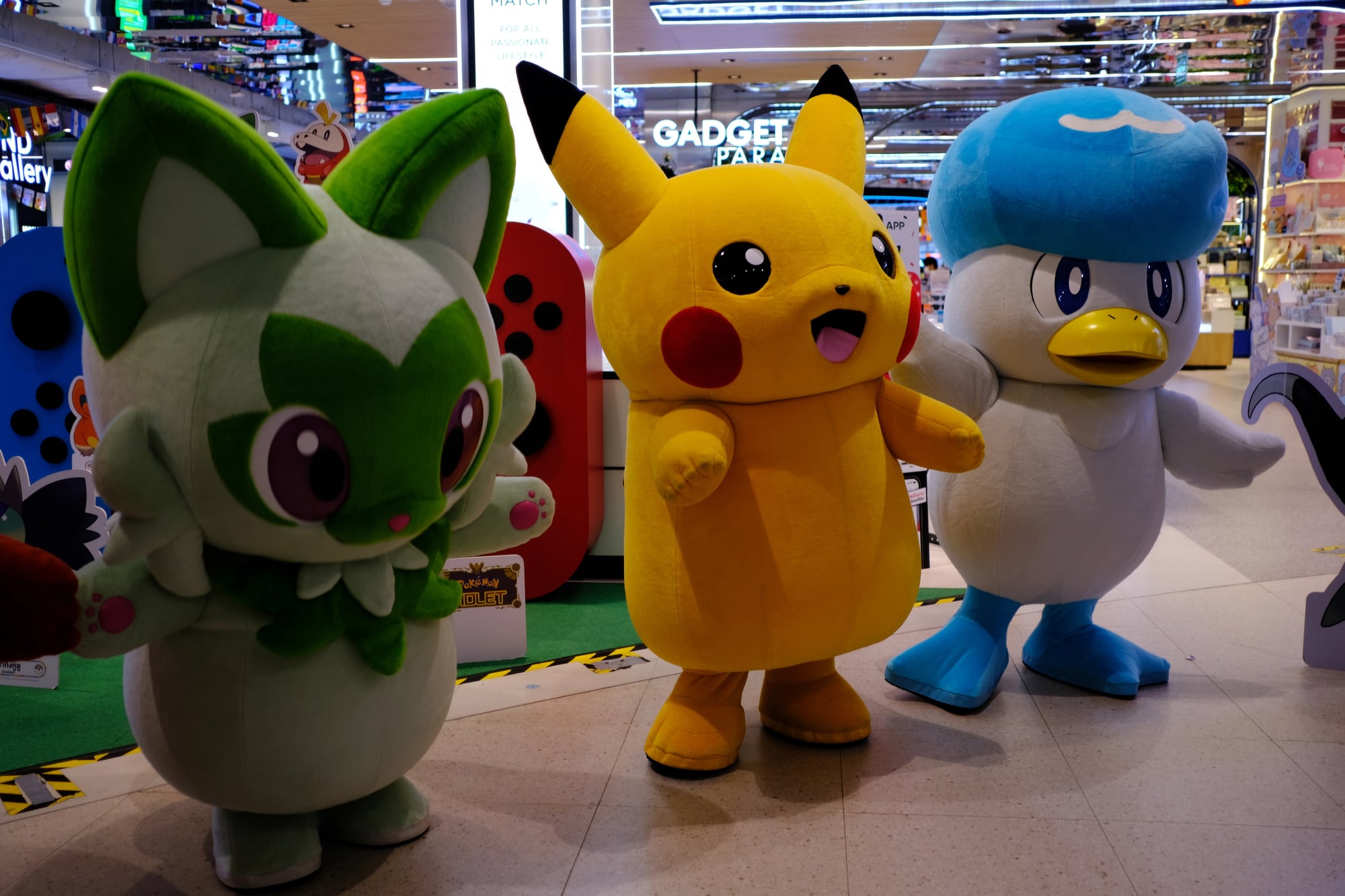
Nintendo’s 1996 Game Boy RPG combined collecting, battling, and trading into an experience that became a worldwide obsession. Kids carried link cables to connect their Game Boys and trade creatures, creating a social experience that spread through schoolyards.
The phrase “Gotta catch ’em all” became part of everyday language. The franchise expanded into trading cards, an anime series, toys, and eventually movies.
Pokemon wasn’t just a game—it was a multimedia empire that generated billions in revenue. The original games proved that handheld systems could deliver experiences as compelling as home consoles and that the right game could create a cultural movement.
GoldenEye 007 Reinvented Console Multiplayer

Rare’s 1997 shooter brought four-player split-screen deathmatches to home consoles in a way that actually worked well. Friends gathered around TVs to compete in virtual arenas based on the James Bond film, and the experience felt distinctly different from arcade or PC gaming.
The game’s multiplayer became a social event, with groups meeting regularly to play. GoldenEye showed that console shooters could match their PC counterparts and that multiplayer gaming worked as a party activity.
The game sold over 8 million copies and became one of the defining experiences of the Nintendo 64 era. It established split-screen multiplayer as a standard feature that influenced console design for years.
Metal Gear Solid Blurred Games and Cinema

Hideo Kojima’s 1998 stealth game featured Hollywood-quality voice acting, cinematic camera angles, and a plot that rivaled action movies in complexity. Players controlled Solid Snake through a terrorist incident with twists, betrayals, and emotional moments that made them care about the characters.
The game broke the fourth wall in memorable ways, including a boss fight that required switching controller ports. Metal Gear Solid proved that games could be as narratively sophisticated as films and that players would sit through long cutscenes if the story was compelling enough.
The series pushed the boundaries of what games could express and influenced a generation of developers who wanted to make games that were more than just mechanics.
Dance Dance Revolution Made Gaming Physical
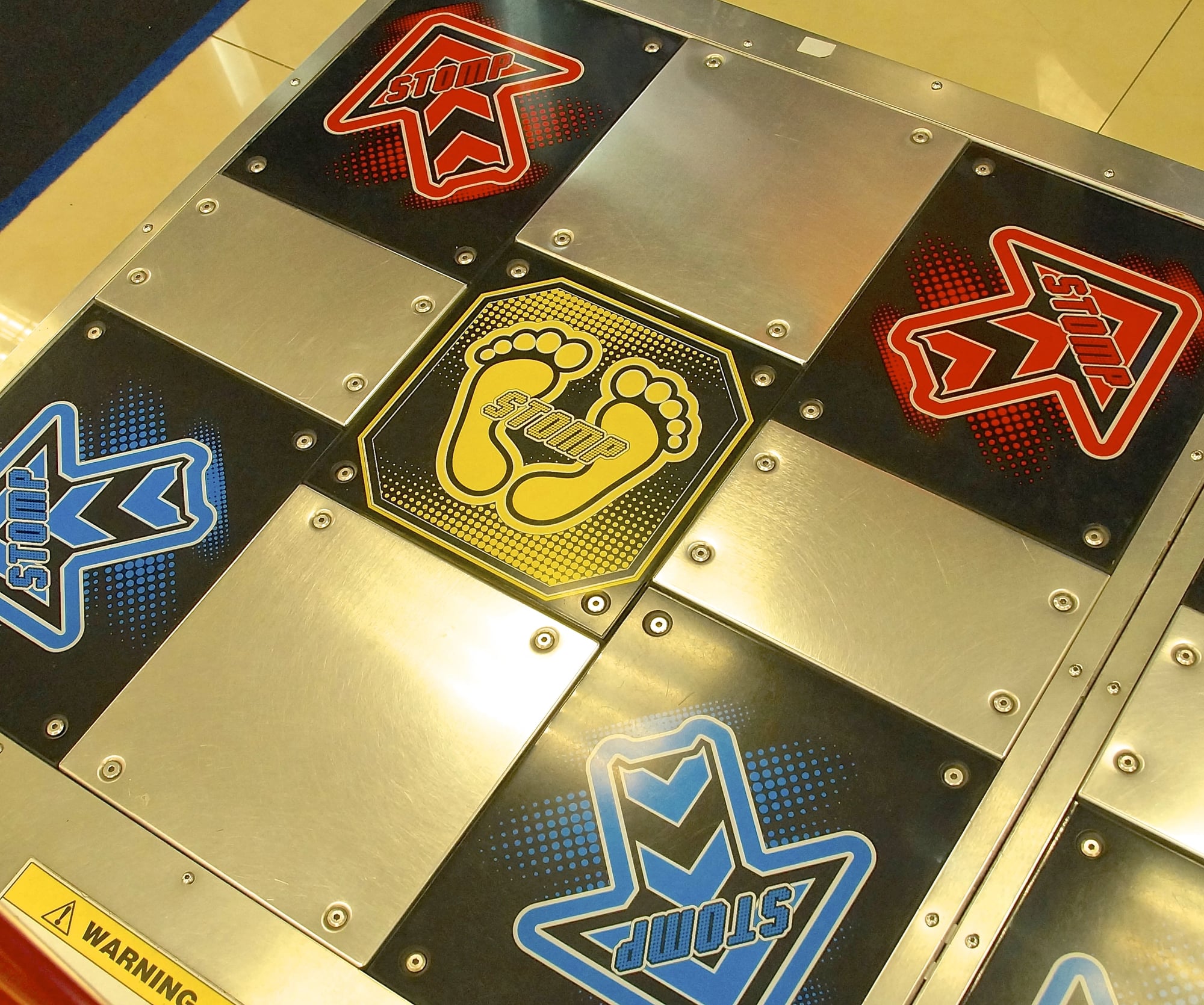
Konami’s 1998 rhythm machine in arcades made folks stomp on arrows while tunes played, mixing moves with play. DDR popped up in game spots, creating scenes – bystanders often stopped by to see experts crush tough sequences.
It hopped from Japan to gaming centers everywhere; eventually, home editions came with mats so people could turn their space into tiny gamae zones. The game proved you could move around while playing, way before the Wii brought motion gaming into homes.
Long before others caught on, DDR shaped how workout games evolved – showing fun didn’t need a regular controller. People saw it as play and sweat rolled into one, building a niche where fast feet meant winning rounds.
When Pixels Became Part of Us

These games weren’t just ways to pass the time – turns out, they reshaped how we saw fun and tech. You’d spot them popping up where video games had no business being, hitting folks who’d never even touched a joystick.
That sparked talks way outside gamer circles. Decades after release, those faces, noises, and moments still hang around in mainstream culture.
Think movie nods, beats lifted into songs, memories held by ex-players dusting off old consoles. It turned out these digital adventures could speak to totally different age groups.
Suddenly, it was clear – games belong right there with films, books, and music when it comes to shaping views on life.
More from Go2Tutors!

- The Romanov Crown Jewels and Their Tragic Fate
- 13 Historical Mysteries That Science Still Can’t Solve
- Famous Hoaxes That Fooled the World for Years
- 15 Child Stars with Tragic Adult Lives
- 16 Famous Jewelry Pieces in History
Like Go2Tutors’s content? Follow us on MSN.



