Sports Played Only in One Country
Every four years, the Olympics showcase sports the whole world plays. Football stadiums fill with crowds on every continent.
Basketball courts appear in nearly every country. But some sports never crossed their national borders.
They evolved in isolation, shaped by local culture and geography, and stayed exactly where they started. These sports aren’t footnotes in obscure record books.
They draw massive crowds, inspire fierce loyalty, and define national identity for the people who play them. You just won’t find them anywhere else.
Australian Rules Football Confuses Outsiders
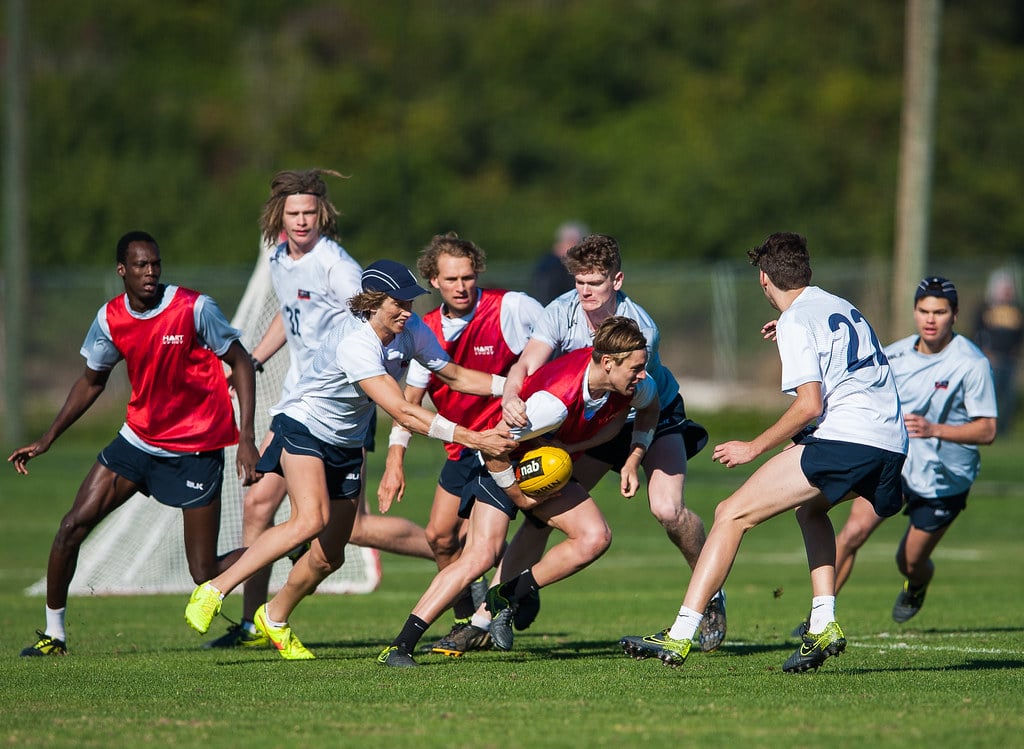
This sport dominates Melbourne and much of southern Australia. The AFL (Australian Football League) fills stadiums with 100,000 people for grand finals.
Players run across oval cricket fields, punching and kicking an oblong orb toward goal posts at each end. The rules defy easy explanation. You can’t throw the orb, only punch it or kick it.
Tackling looks brutal—players jump on opponents’ backs, grab them around the waist, and drag them down. But certain tackles bring penalties.
The distinction between legal and illegal contact makes sense only to people who grew up watching. Teams field eighteen players at once, far more than football or rugby.
The field stretches longer and wider than other football codes. Matches last two hours with four quarters.
The scoring system awards six points for goals and one point for near-misses called behinds. A team might win 98 to 87, numbers that sound absurd to American football fans.
Australians argue endlessly about whether AFL or rugby league represents the superior sport. But AFL stays uniquely Australian. Brief attempts to export it to other countries failed completely.
The sport requires too much space, too many players, and too much cultural context to transplant successfully.
Hurling Flies Faster Than Hockey
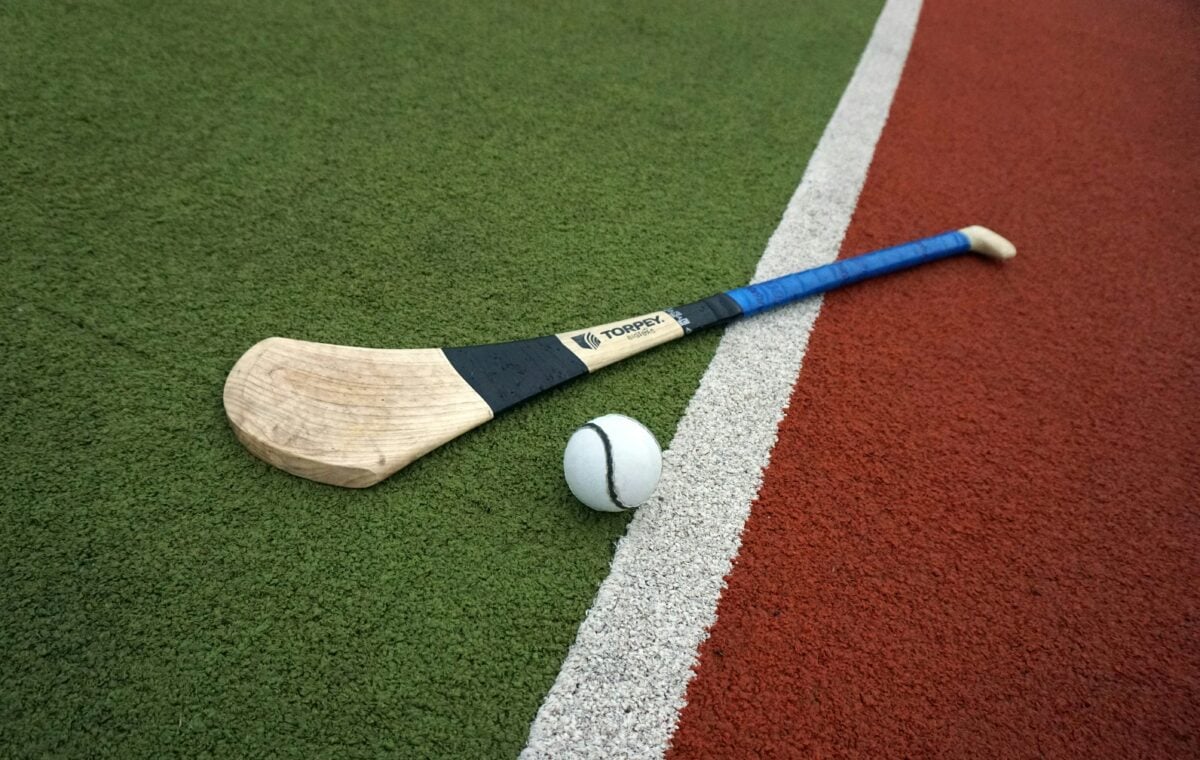
Ireland’s national sport involves hitting a small leather orb with a wooden stick called a hurley. The orb, called a sliotar, travels at speeds exceeding 100 miles per hour when struck properly.
Players catch it on their sticks, bounce it on the hurley while running, and launch it toward goals at either end of a massive grass field. The combination of speed and minimal protective gear makes hurling look insane to outsiders.
Players wear helmets now, but only since the 1990s. Before that, they played with bare heads despite orbs rocketing at face height constantly.
Broken bones happen regularly. Players keep going.
Each county in Ireland fields teams that compete for provincial and national championships. The All-Ireland final draws 80,000 people to Croke Park in Dublin.
Players remain amateurs. They hold regular jobs and train at night.
The best hurlers achieve celebrity status within Ireland while remaining completely unknown elsewhere. The sport dates back at least 3,000 years.
Ancient texts describe matches played with similar rules. Modern hurling maintains that connection to Irish history and identity in ways professional soccer never could.
You can’t separate the sport from the culture that created it.
Gaelic Football Mixes Several Games
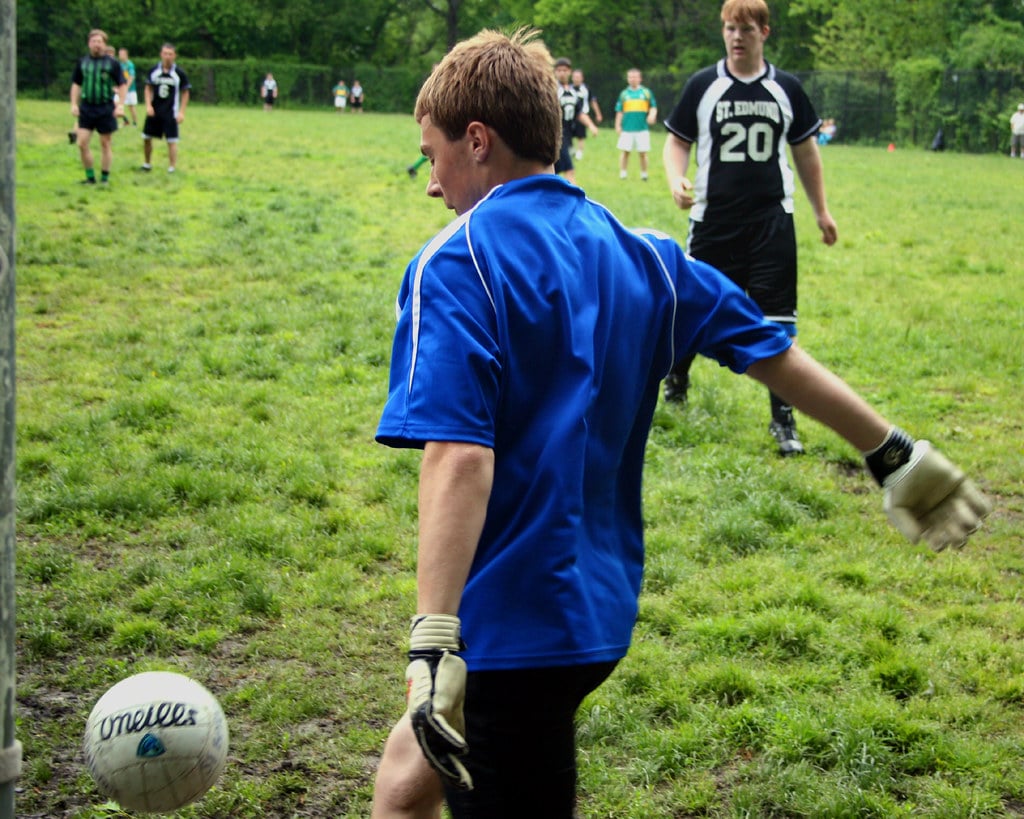
This looks like a combination of soccer, rugby, and basketball but plays like none of them. You advance the orb by kicking it, punching it, or carrying it while bouncing or dropping it onto your foot every few steps.
Goals scored three points. Kicking the orb over the crossbar but between the goal posts scores one point.
The same organization governs both hurling and Gaelic football in Ireland. Counties field teams in both sports.
Many players compete in both, though specialization becomes more common at elite levels. The fitness demands prove extreme—players cover huge distances during matches that last seventy minutes.
Physical contact stays legal but controlled. You can shoulder charge an opponent who has the orb or is competing for it.
You can’t tackle someone to the ground like in rugby. The balance between contact and flow creates a unique style of play.
Irish immigrants brought Gaelic football to other countries, and small communities play it in cities with Irish populations. But the sport never gained traction outside those diaspora groups.
It remains definitively Irish, played primarily in Ireland, for Irish people and those with Irish connections.
Pesäpallo Spins Finnish Baseball Sideways
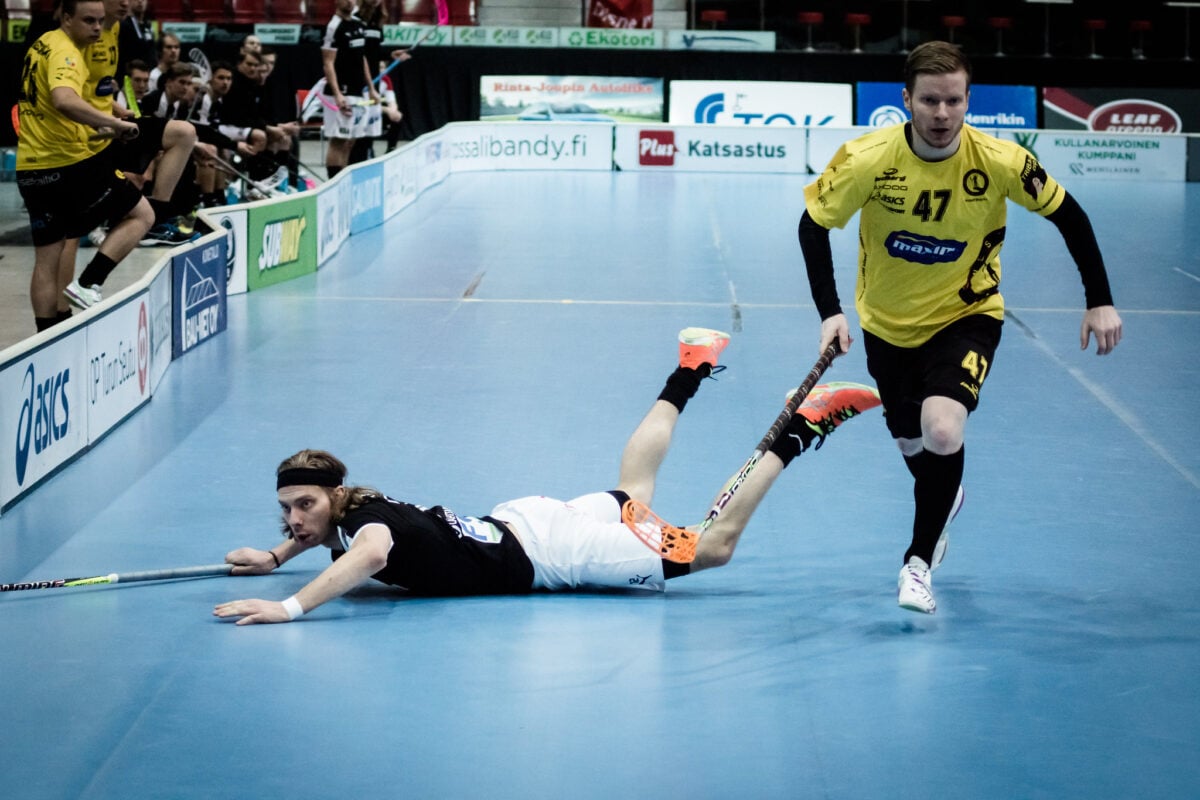
Finland created its own version of baseball in the 1920s. The rules diverge so dramatically from American baseball that calling it “Finnish baseball” barely captures the differences.
The pitcher stands next to the batter and tosses the orb straight up. The batter hits the orb as it falls.
The field layout rotates ninety degrees from standard baseball diamonds. Bases form a zigzag pattern rather than a square.
Runners follow a winding path around the field. This creates different strategic considerations—where you hit the orb matters more than how hard you hit it.
Games move faster than American baseball. Three outs per inning, but innings feel quicker.
Strategy emphasizes bunting and placement over power hitting. Teams score frequently, but pitching dominance can still determine outcomes.
Finland supports professional pesäpallo leagues. Top players become national celebrities.
But the sport never spread beyond Finnish borders. Even Finland’s Nordic neighbors ignored it.
The game requires understanding too many unique rules to attract casual foreign interest.
Buzkashi Drags Goats Across Afghanistan
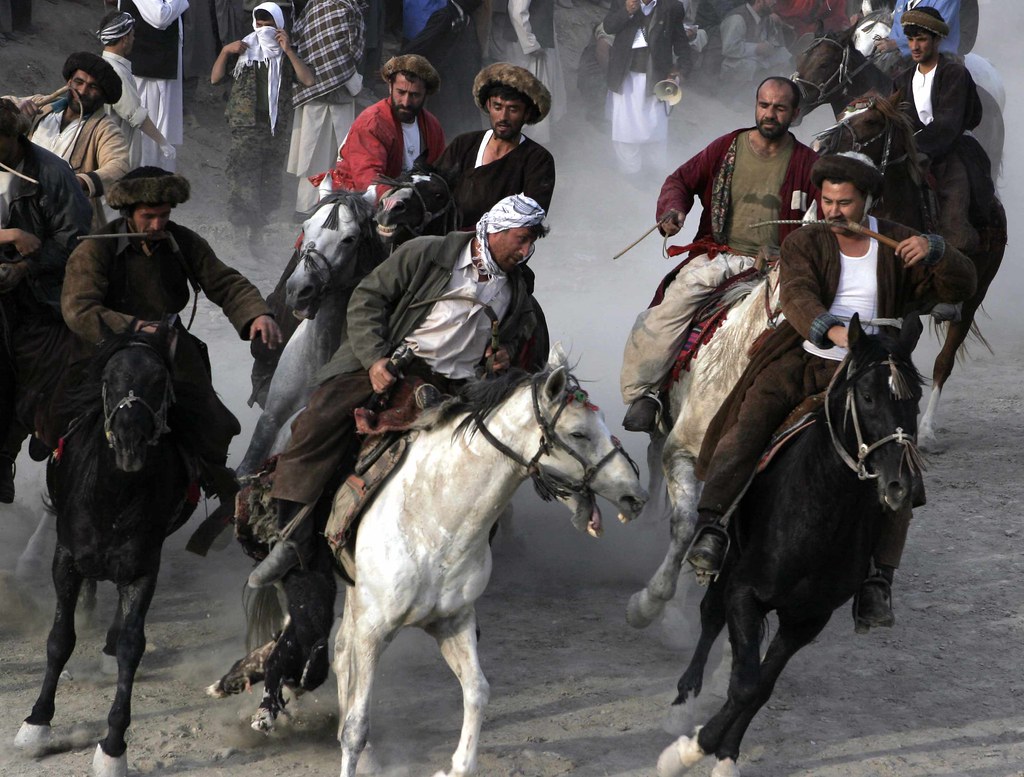
This might be the world’s most violent sport. Riders on horseback compete to grab a headless goat carcass, carry it around a flag or marker, and deposit it in a scoring circle.
Other riders try to steal the carcass. Whipping opponents stays legal.
Horses crash into each other at full gallop. Traditional buzkashi follows few formal rules.
Modern versions impose structure—boundaries, time limits, official scoring—but the core chaos remains. The carcass weighs fifty or sixty pounds when soaked with water.
Riders need immense strength to lift it while controlling a horse with one hand. Wealthy Afghans sponsor chapandaz riders and their horses.
The best horses undergo years of specialized training. A champion buzkashi horse can cost thousands of dollars, a fortune in Afghanistan.
The riders achieve status similar to professional athletes elsewhere. Pakistan and some Central Asian republics play buzkashi occasionally, but Afghanistan claims it as the national sport.
Matches draw thousands of spectators. The sport represents Afghan identity and tradition despite wars and political instability disrupting play for years at a time.
Calcio Storico Beats Modern Football
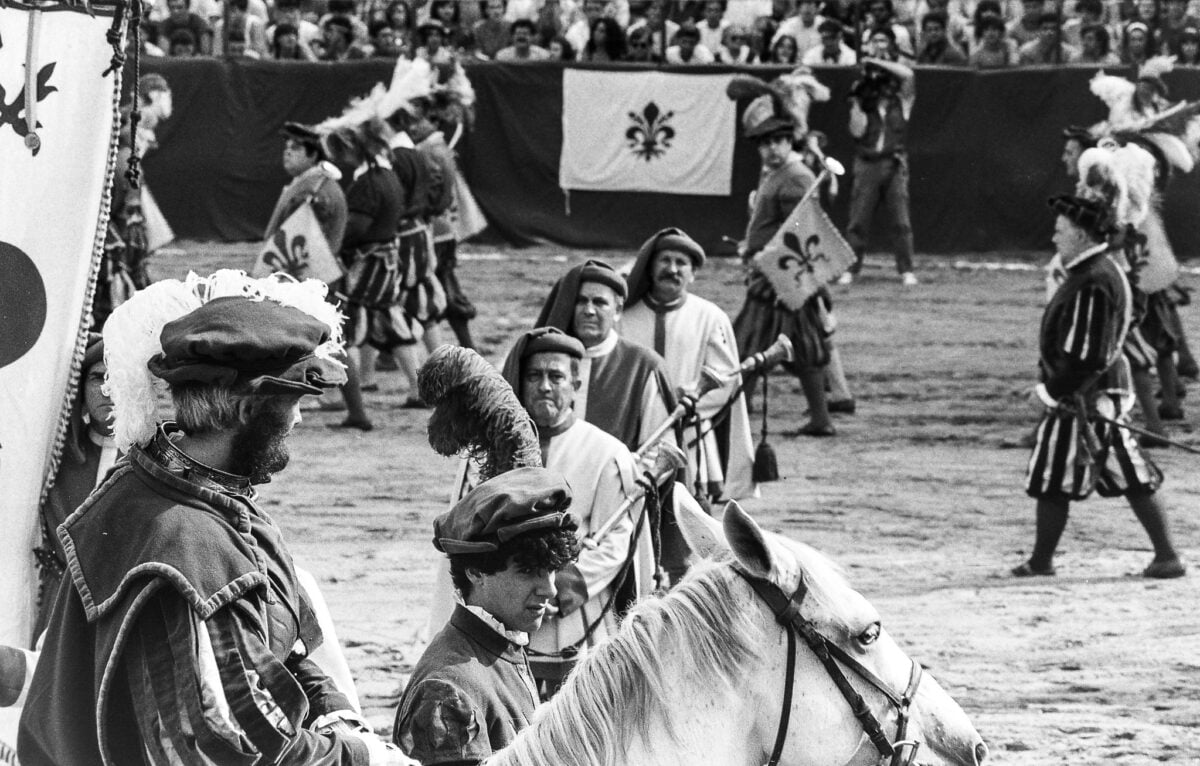
Florence holds four calcio storico matches per year, one per historic neighborhood. The sport combines elements of rugby, wrestling, and street fighting.
Twenty-seven players per team occupy a sand-covered piazza. They punch, kick, tackle, and generally brawl while trying to advance the orb toward the opponent’s goal.
Rules prohibit kicks to the head and gang tackling. Most other violence stays legal.
Matches feature constant fistfights. Blood flows regularly. Medics stand ready, but players rarely leave the field for injuries.
The machismo culture demands toughness. Each neighborhood takes these matches seriously.
Residents identify with their team intensely. Winning brings prestige for the entire year.
The sport traces its roots to 16th-century Florence, and modern matches maintain many original traditions. Tourist crowds fill viewing areas, but locals dominate the actual competition.
You need family connections to the neighborhoods to play. The sport exists purely for Florentine pride and tradition, not for commercial expansion or international recognition.
Hornussen Combines Golf and Baseball
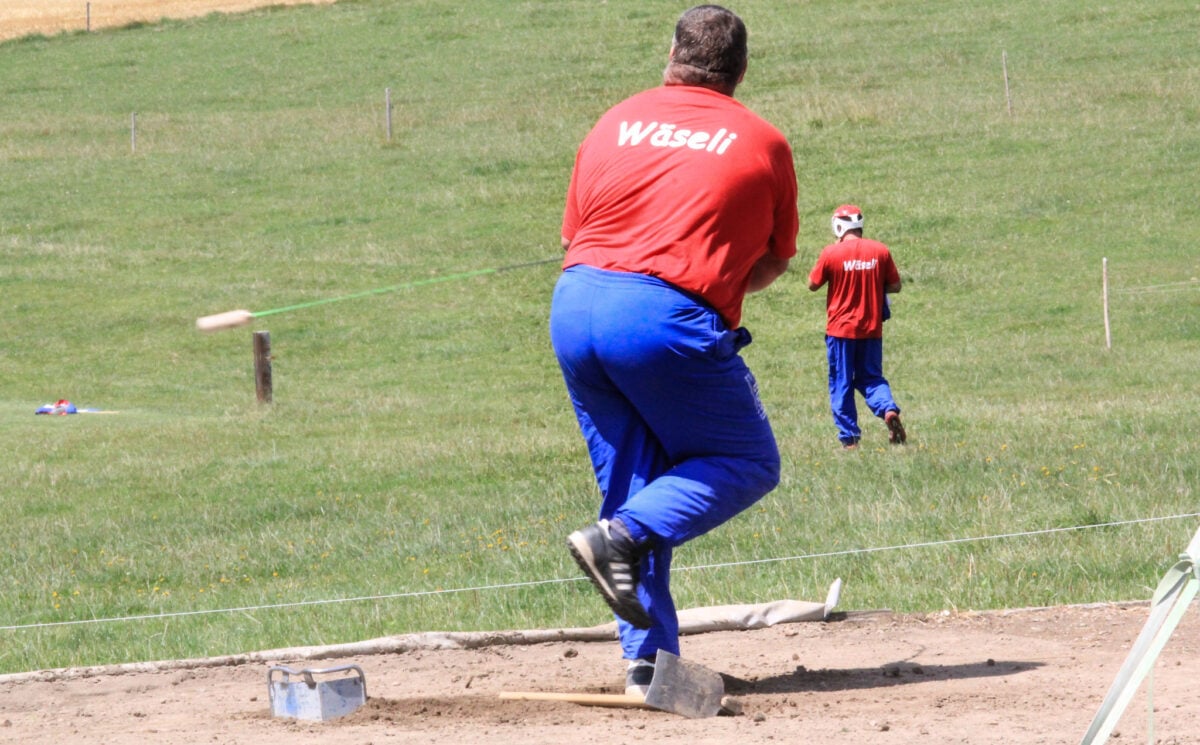
This Swiss sport involves hitting a puck-shaped object called a hornuss with a flexible stick. The striker swings the stick in a circular motion, building momentum, then strikes the hornuss, launching it up to 300 meters down a field.
The opposing team tries to knock it out of the air using large wooden shovels. The combination of extreme hitting distance and defensive shoveling creates a unique spectator experience.
Good strikers place the hornuss just beyond defensive reach but not so far that it lands untouched. The shovelers run around the field tracking the hornuss’s flight path and jumping to intercept it.
Teams compete in Swiss leagues organized by village. Matches draw local crowds but rarely attract attention beyond their immediate regions.
The sport demands specific equipment manufactured only in Switzerland. This limits its spread even within the country, let alone internationally.
Hornussen dates back centuries but codified its rules only in the 1900s. The Swiss value it as cultural heritage rather than commercial entertainment.
No one expects the sport to expand beyond Swiss villages, and no one wants it to.
Tejo Explodes in Colombian Bars
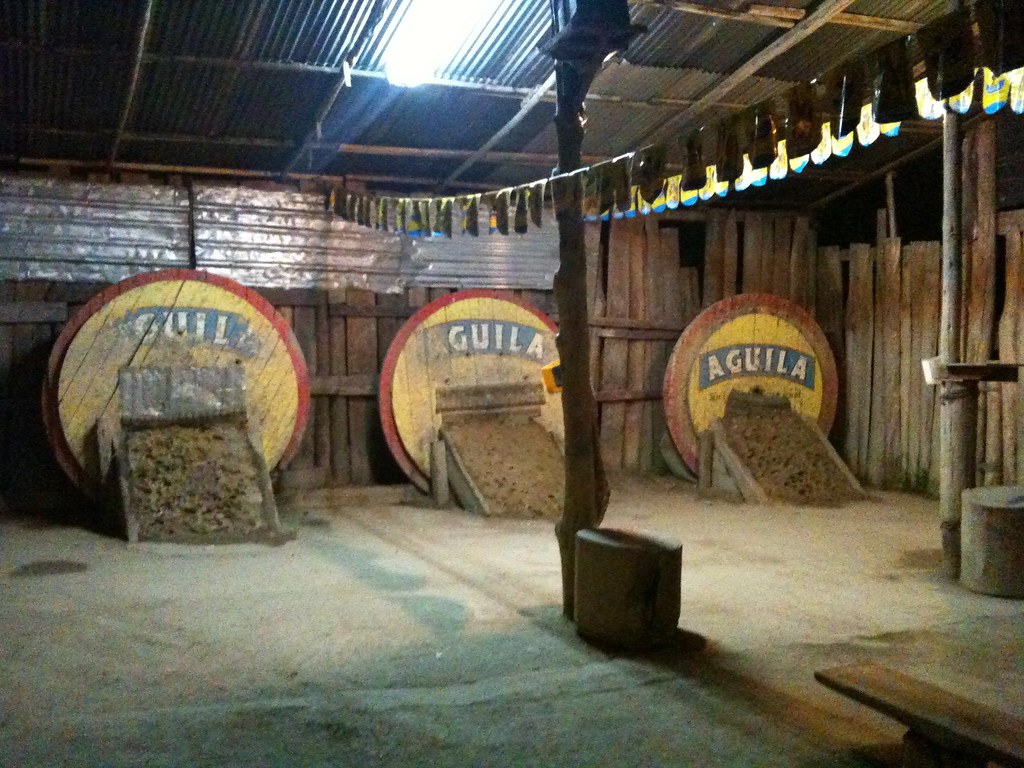
This drinking game achieved official sport status in Colombia. Players throw a metal disc called a tejo at a clay-filled box positioned about sixty feet away. Small paper triangles filled with gunpowder sit on the clay around a metal ring.
When the tejo strikes gunpowder, it explodes loudly. Scoring rewards both accuracy and explosions.
Hitting the center ring scores points. Detonating gunpowder scores points.
Doing both scores maximum points. Players drink beer between throws.
Official rules limit alcohol consumption during tournaments, but casual play embraces the drinking aspect fully. Tejo courts appear throughout Colombia, from purpose-built facilities to backyard setups.
The sport cuts across social classes. Office workers and laborers play together.
The explosions and drinking create a social atmosphere that competitive sports often lack. Colombia designated tejo as the national sport in 2000, giving it official recognition.
But the sport never expanded internationally despite Colombian immigrant communities elsewhere.
You need gunpowder to play properly, which creates obvious legal and safety barriers in most countries.
Pelota Mixteca Preserves Ancient Mexican Traditions
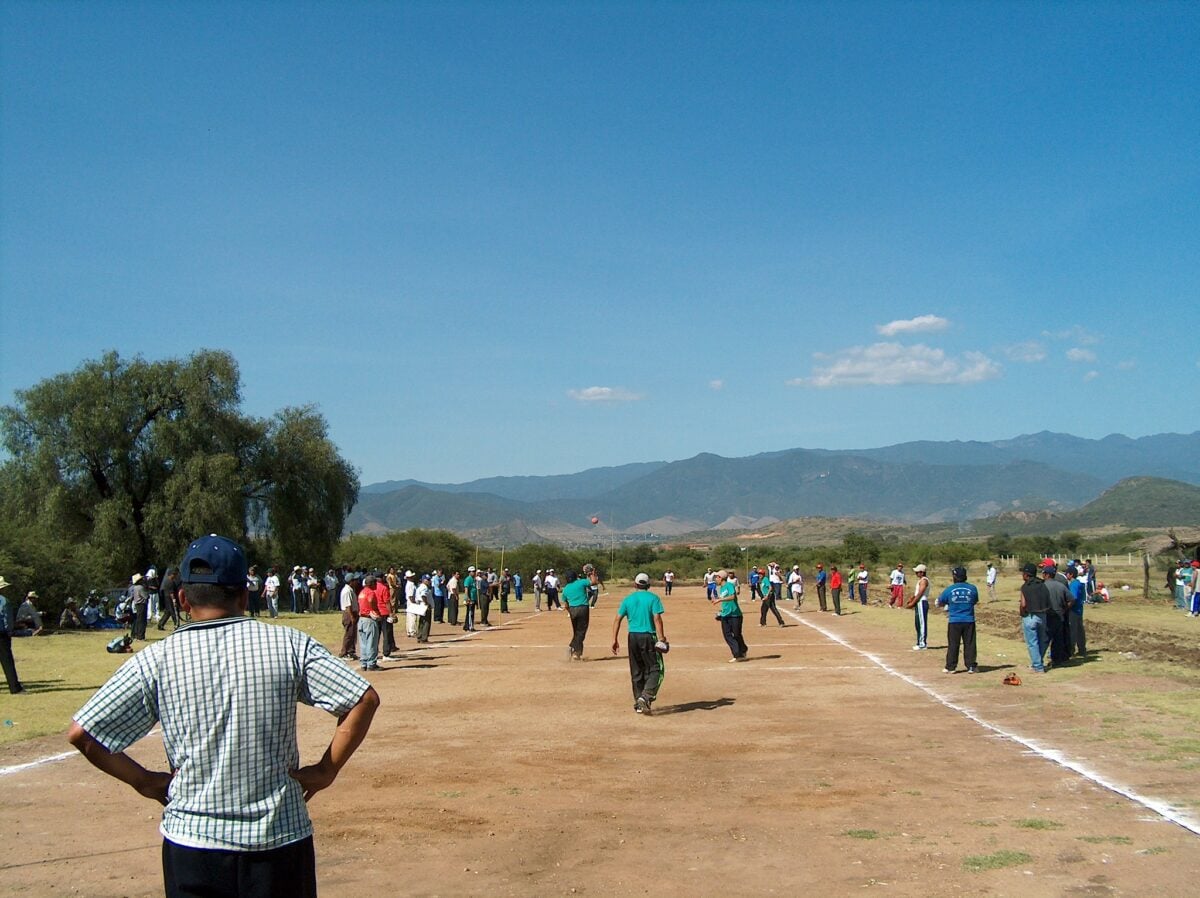
This sport dates back to pre-Columbian Mesoamerica. Players wear heavy leather gloves studded with metal spikes.
They hit a small rubber orb back and forth across a court, similar to tennis but without a net. The orb weighs several pounds.
Hitting it properly requires significant strength. Matches occur primarily in Oaxaca, Mexico, where indigenous Mixtec communities maintain the tradition.
Villages field teams that compete during festivals and holidays. The sport represents cultural continuity—modern players use essentially the same techniques and equipment as their ancestors did centuries ago.
The extreme physicality limits participation. Players’ hands absorb tremendous impact.
Even with gloves, injuries occur frequently. Young players gradually build tolerance through years of practice.
The commitment required keeps the sport small even within Mexico. Anthropologists study pelota mixteca as a living connection to ancient civilizations.
But for the players and communities involved, it’s not an academic subject—it’s a vital part of cultural identity that they won’t let disappear.
Yukigassen Organizes Snowball Fights
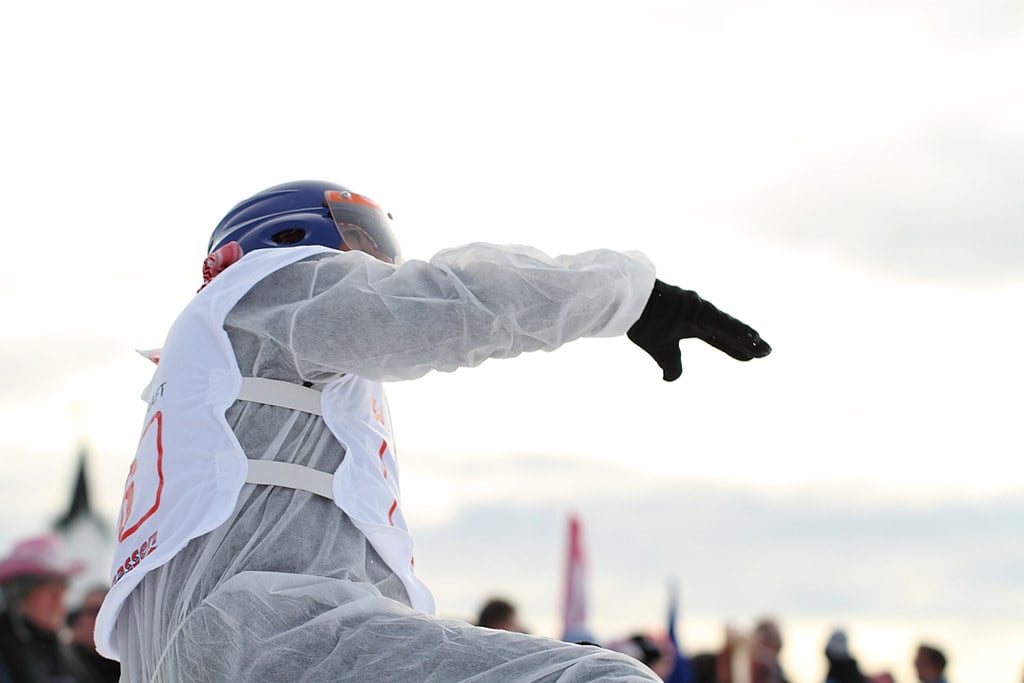
Japan formalized snowball fighting into a competitive sport with leagues, tournaments, and standardized rules. Teams of seven players face off across a court divided by a center line.
Each team pre-makes ninety snowballs before the match starts. Players throw these snowballs at opponents while hiding behind snow barriers.
Getting hit eliminates you from the round. Matches consist of three rounds lasting three minutes each.
Teams score points by eliminating opponents or capturing the opposing team’s flag. Strategy matters—rushing too aggressively leaves you exposed, but playing too defensively allows opponents to control the field.
The sport originated in northern Japan where heavy snowfall is reliable. It has spread somewhat internationally through Japanese cultural influence, with occasional tournaments held in other snowy countries.
But serious competition remains concentrated in Japan where purpose-built facilities and organized leagues exist. Yukigassen appeals to broad demographics.
Physical size matters less than throwing accuracy and strategic thinking. Children compete separately from adults.
The sport combines childhood play with athletic competition in ways that few other sports achieve.
Camogie Brings Women Into Hurling
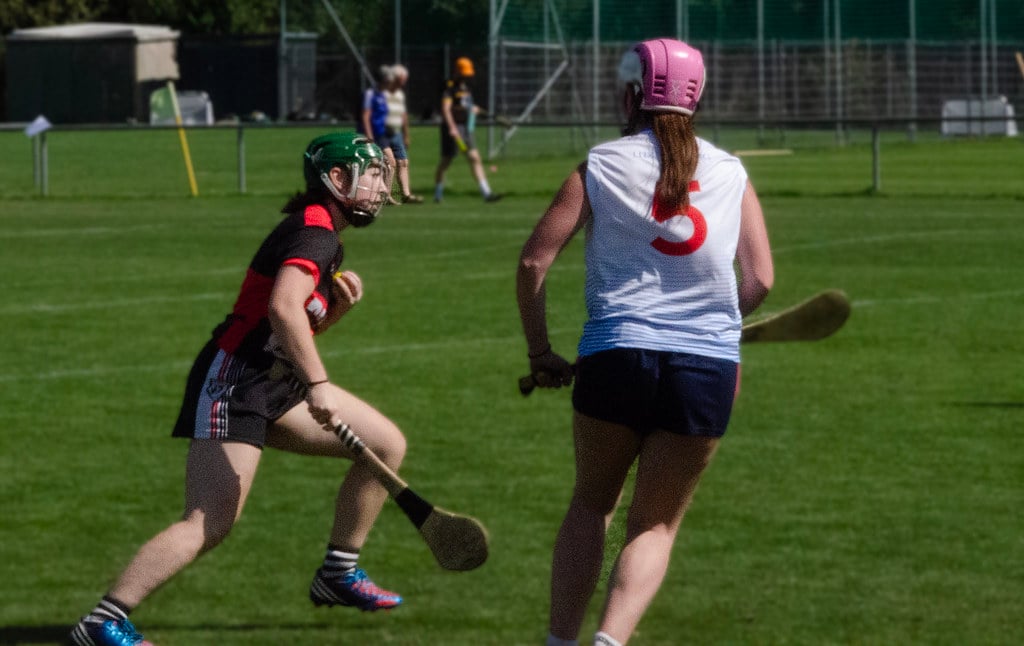
This sport follows almost identical rules to hurling but remains exclusively for women. Ireland developed camogie in the early 1900s to give women access to a sport similar to the men’s game.
The name comes from the Irish word for the stick used to play. Early camogie modified some hurling rules to suit perceived notions of female propriety.
Modern camogie eliminates most of those distinctions. The games now play almost identically, though camogie uses a slightly smaller field and lighter sliotar.
The physicality matches hurling—players collide hard and orbs fly at dangerous speeds. Camogie never achieved quite the same popularity as hurling within Ireland.
Crowds at camogie finals number in the tens of thousands rather than hurling’s 80,000-plus. But the sport maintains a dedicated following and produces exceptional athletes who train as seriously as their hurling counterparts.
Like hurling, camogie stays almost completely contained within Ireland. Irish immigrant communities play it occasionally, but it never gained traction as an international women’s sport.
The uniqueness that makes hurling and camogie special also prevents their spread.
Canadian Football Adjusts the American Game
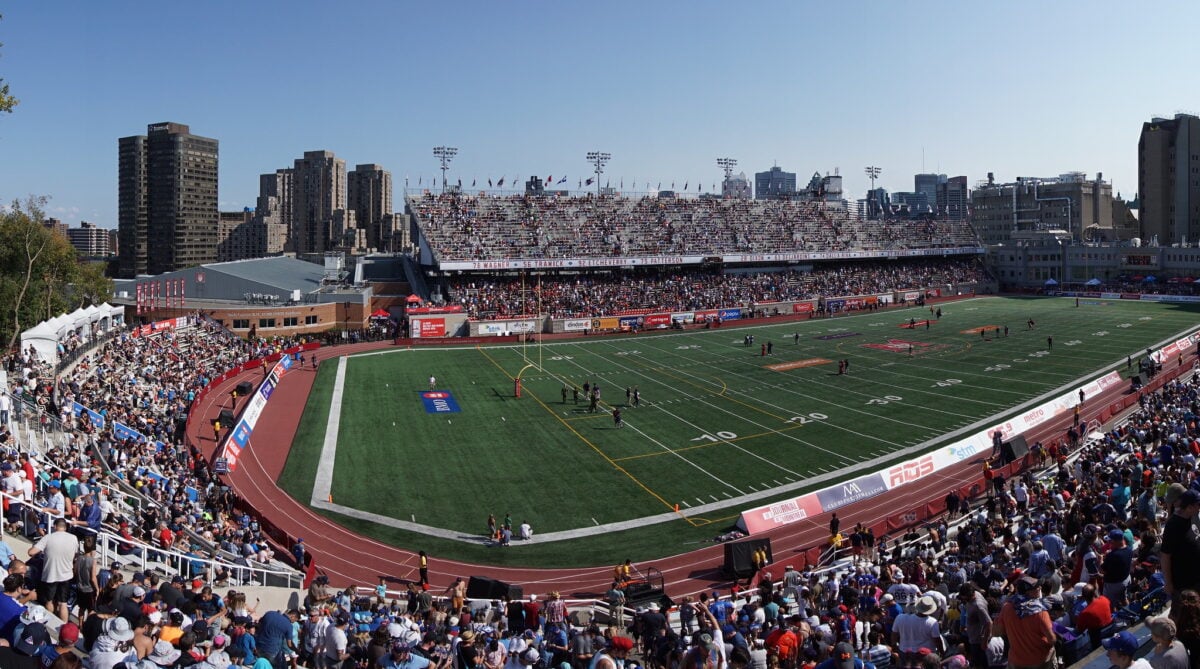
Canada plays football on a longer, wider field with twelve players per side instead of eleven. The field measures 150 yards by 65 yards compared to American football’s 120 by 53.
Three downs to gain ten yards instead of four. End zones extend 20 yards deep instead of ten. These changes create a different game.
The extra space favors passing over running. Teams score more points.
The strategy diverges from American football despite similar basic rules. Canadian players who move to American teams must adjust their entire approach.
The Canadian Football League operates as a professional league with nine teams. It draws solid attendance but can’t compete financially with American leagues.
Top Canadian players often leave for bigger American contracts. Yet the CFL survives by maintaining its distinct identity.
Americans occasionally watch the Grey Cup, Canada’s championship game, out of curiosity. But Canadian football remains a Canadian product.
The rule differences prevent easy integration with the more popular American version. Canada maintains its variation partly through pride, partly through tradition, and partly because changing would mean abandoning something uniquely Canadian.
Trugo Rolls in Melbourne
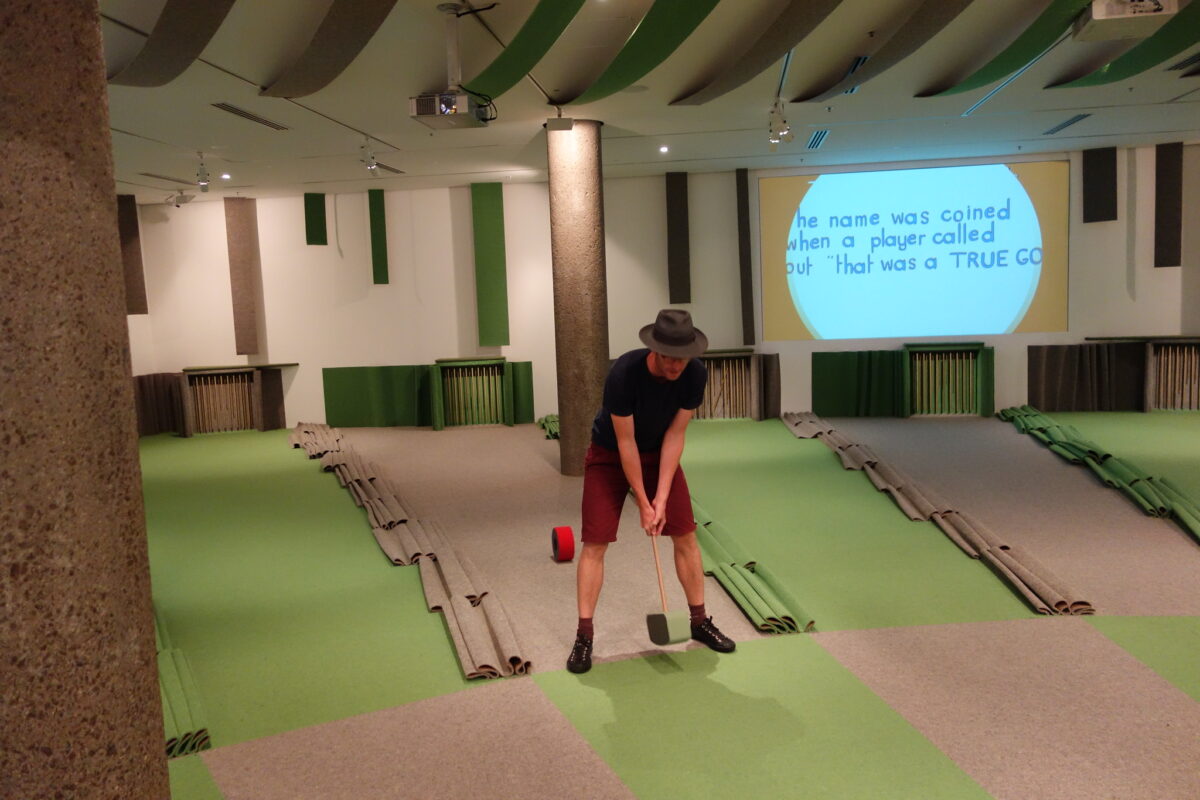
This sport exists almost exclusively in Melbourne’s western suburbs. Players strike a rubber ring with a mallet, attempting to roll it through goal posts 30 meters away.
The ring weighs about two pounds. Players hit it from a standing position using a long-handled wooden mallet.
Trugo originated among railway workers in the 1920s. They played during lunch breaks using rubber buffer rings from train carriages.
The sport formalized gradually, establishing clubs and competitions that continue today. But it never spread beyond Melbourne’s working-class neighborhoods.
The sport attracts primarily older players now. Few young people take it up.
Clubs struggle to maintain membership. Trugo faces potential extinction as its founding generation ages.
But current players remain devoted, gathering weekly to compete for trophies that matter intensely within their small community. Melbourne recognizes trugo as a local heritage.
The media occasionally covers tournaments. Yet the sport stays hyper-local, unknown even in other parts of Australia.
Its survival depends entirely on the dedication of a shrinking group of enthusiasts.
When Borders Define the Playing Field
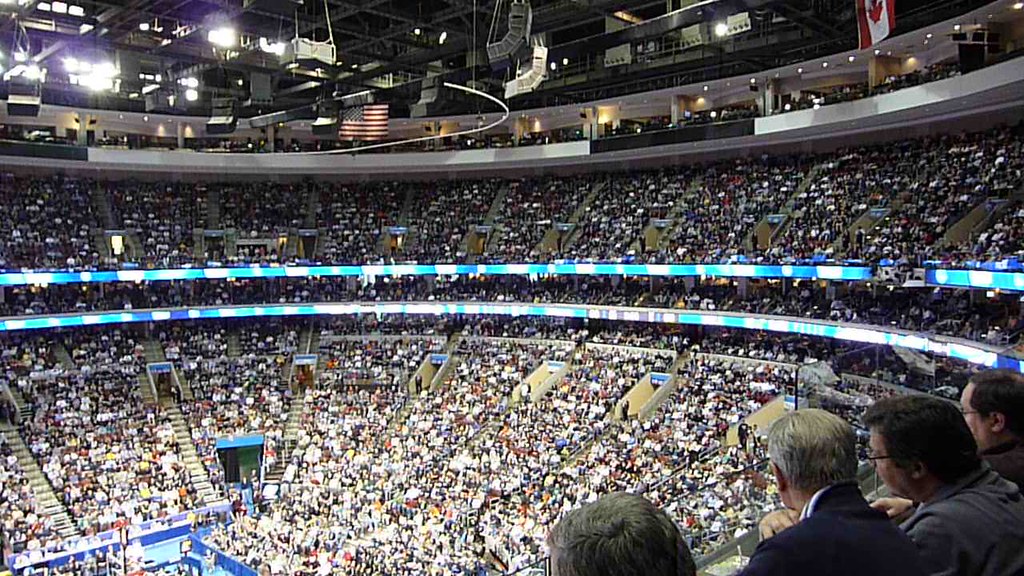
These sports prove that globalization doesn’t touch everything. Some activities remain stubbornly local no matter how connected the world becomes.
They need specific cultural contexts, particular landscapes, or rules too strange for outsiders to adopt easily. You won’t see Australian rules football in the Olympics.
Hurling won’t become an NCAA sport. Buzkashi won’t trend on social media beyond occasional viral clips.
These sports exist for the people who created them, and that’s enough. Their isolation makes them valuable.
They represent cultural uniqueness in an increasingly homogenized world. Every country claims certain foods, music styles, or art forms as distinctly its own.
These sports fill the same role. They belong to one place and one people.
The athletes who play them professionally or semi-professionally operate outside the global sports economy. They won’t earn millions or achieve worldwide fame.
But they carry forward traditions, inspire local pride, and maintain connections to history that commercial sports often lack. The borders that contain these games also protect them.
What stays local stays authentic.
More from Go2Tutors!

- The Romanov Crown Jewels and Their Tragic Fate
- 13 Historical Mysteries That Science Still Can’t Solve
- Famous Hoaxes That Fooled the World for Years
- 15 Child Stars with Tragic Adult Lives
- 16 Famous Jewelry Pieces in History
Like Go2Tutors’s content? Follow us on MSN.