Movies That Changed Pop Culture
Some films just entertain for a couple of hours and then fade from memory. Others burrow into society’s consciousness and refuse to leave.
These special movies reshape how people dress, talk, think, and see the world around them. They introduce phrases that everyone starts using, inspire countless imitations, and create moments that define entire generations.
The films on this list didn’t just sell tickets. They rewired pop culture itself and left marks that still show up decades later.
Star Wars

George Lucas created more than a movie in 1977. He built a universe that swallowed pop culture whole.
Kids lined up around the block to see it multiple times, and toy stores couldn’t keep action figures on shelves. The film proved that science fiction could be fun and accessible instead of dark and serious.
Phrases like ‘May the Force be with you’ became part of everyday conversation. The success changed how studios thought about franchises, merchandising, and summer blockbusters.
Before Star Wars, movies rarely spawned empires of sequels, toys, and endless spin-offs.
The Godfather

Francis Ford Coppola turned a crime novel into a cultural monument that redefined how Americans think about organized crime. The 1972 film made the mafia seem almost romantic, with its emphasis on family loyalty and honor codes.
Marlon Brando’s raspy-voiced performance became instantly iconic, spawned thousands of impressions, and influenced how actors approached complex characters. The movie changed Hollywood’s attitude toward violence, showing it could be artful rather than gratuitous.
Wedding scenes everywhere suddenly featured people doing terrible Vito Corleone impressions. Coppola proved that popular entertainment could also be serious art, bridging the gap between commercial success and critical respect.
Jaws

Steven Spielberg made everyone afraid to go in the water with his 1975 thriller about a killer shark. The film created the modern summer blockbuster model, proving that wide releases during warm months could generate massive profits.
Theaters were packed with screaming audiences, and beach attendance dropped noticeably that summer. The simple two-note musical theme became shorthand for approaching danger in countless parodies and references.
Spielberg’s techniques for building suspense without showing the monster influenced horror directors for generations. The movie also demonstrated that a young director could dominate the box office, shifting power away from old studio bosses.
Pulp Fiction

Quentin Tarantino shook up cinema in 1994 with his non-linear crime story full of oddball characters and snappy dialogue. The film made it cool for movies to jump around in time, telling stories out of order just because it worked better that way.
John Travolta’s career came roaring back to life after years in the wilderness. Suddenly everyone wanted to write dialogue like Tarantino, with characters having long conversations about nothing before violence erupted.
The soundtrack brought surf rock and soul music back into style. Independent films gained new respect and bigger budgets after Pulp Fiction proved that weird, violent art-house movies could make serious money.
The Blair Witch Project

Three film school graduates spent about $60,000 making a horror movie that earned nearly $250 million worldwide in 1999. The found-footage style felt revolutionary, making viewers believe they were watching real events unfold.
Studios realized they didn’t need huge budgets to create effective scares. The marketing campaign used the early internet brilliantly, spreading rumors and fake documentary footage that convinced some viewers the story was real.
Shaky handheld camera work became standard in horror films, for better or worse. The movie proved that clever marketing and a fresh approach could matter more than expensive special effects.
Easy Rider

Dennis Hopper and Peter Fonda rode motorcycles across America in 1969 and accidentally captured the spirit of a generation. The film showed Hollywood that young audiences wanted stories about rebellion and freedom, not the same old polished studio fare.
Its soundtrack featured rock music instead of orchestral scores, changing how movies used popular songs. The tragic ending refused to provide easy answers or happy resolutions, reflecting the confusion many felt about America’s direction.
Studios started giving young directors more creative control after Easy Rider’s surprise success. The film helped kill off the old studio system and ushered in the New Hollywood era of the 1970s.
The Matrix

The Wachowskis blew minds in 1999 with their story about reality being a computer simulation. The film’s bullet-time effects, where cameras appeared to rotate around frozen action, became instantly iconic and heavily copied.
Long black leather coats flew off store shelves as people tried to dress like Neo. Philosophical discussions about the nature of reality moved from college classrooms into mainstream conversation.
The movie made Keanu Reeves a bona fide action star and proved that smart science fiction could dominate the box office. Fashion, action choreography, and visual effects all shifted to follow The Matrix’s lead.
Saturday Night Fever
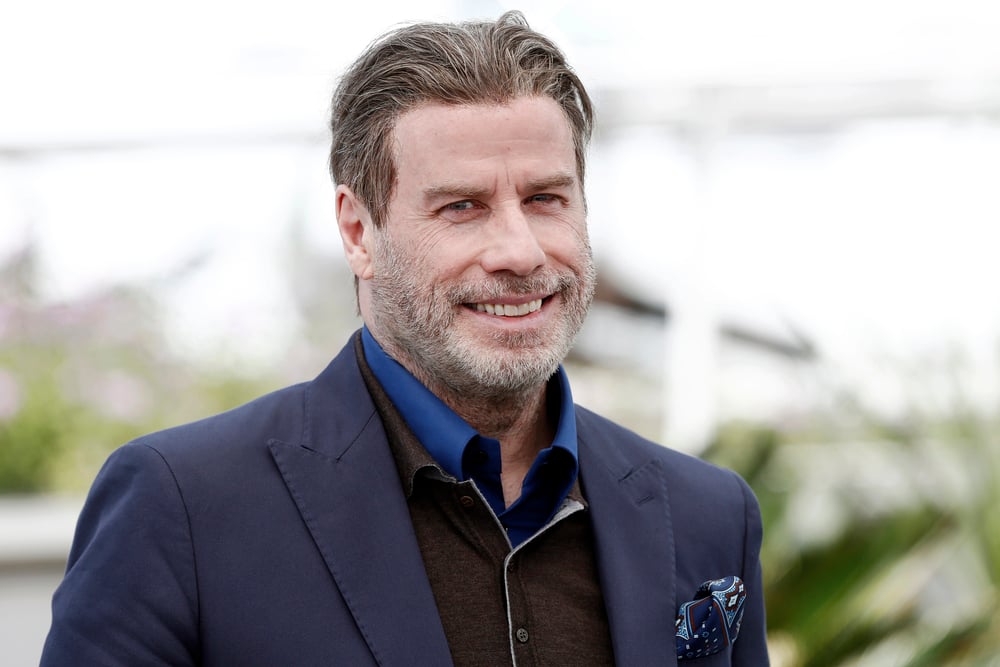
John Travolta’s white suit and disco dancing defined an entire era when the film hit theaters in 1977. The Bee Gees’ soundtrack became one of the best-selling albums ever, and disco moved from underground clubs to mainstream acceptance.
Dance floors everywhere suddenly featured people attempting Travolta’s moves, with varying degrees of success. The film turned dancing into something cool for men, breaking down barriers that had existed for years.
Fashion shifted toward tight pants, open shirts, and gold chains. Saturday Night Fever created a phenomenon that touched music, fashion, and nightlife in ways few movies ever have.
Psycho

Alfred Hitchcock murdered his leading lady halfway through the 1960 film and broke every rule Hollywood held sacred. The shower scene became the most famous sequence in cinema history, copied and parodied endlessly.
Hitchcock insisted theaters not admit anyone after the movie started, creating the modern expectation that you should arrive on time. The film made people scared of motels, showers, and stuffed birds.
Bernard Herrmann’s shrieking violin score became the template for horror music. Psycho proved that a black-and-white, low-budget thriller could terrify audiences and dominate pop culture just as effectively as expensive color productions.
Bonnie and Clyde

Arthur Penn’s 1967 film about Depression-era bank robbers made violence stylish and antiheroes sympathetic. The shocking ending, where bullets rip through the main characters in slow motion, changed how filmmakers could depict death.
Fashion designers started creating looks inspired by 1930s gangster style after the movie became a hit. The film challenged the old Production Code that limited what movies could show, helping to create the modern rating system.
Warren Beatty and Faye Dunaway became major stars playing charming criminals that audiences actually rooted for. Critics initially hated it, then reversed course, showing how the film forced everyone to reconsider what movies could be.
Scream

Wes Craven revived the slasher genre in 1996 by making fun of it while still delivering genuine scares. The characters knew all the horror movie rules and discussed them openly, creating a new kind of self-aware cinema.
The Ghostface mask became a Halloween staple within months. The film launched a new wave of teen-focused horror movies that dominated late 1990s theaters.
Drew Barrymore’s shocking early exit repeated Psycho’s trick for a new generation. Scream proved that horror could be smart, funny, and terrifying all at once, influencing how filmmakers approached genre movies.
Rocky

Sylvester Stallone wrote himself into Hollywood history with his 1976 story about an underdog boxer getting a shot at the title. The image of Rocky running up the Philadelphia Museum of Art steps became one of cinema’s most inspiring moments.
Audiences left theaters feeling like they could overcome any obstacle in their path. The film launched a franchise that’s still going strong decades later.
Training montages set to pumping music became standard in sports movies and beyond. Rocky proved that small, character-driven stories could compete with big-budget spectacles, and that viewers craved heroes who struggled and bled for their victories.
A Nightmare on Elm Street
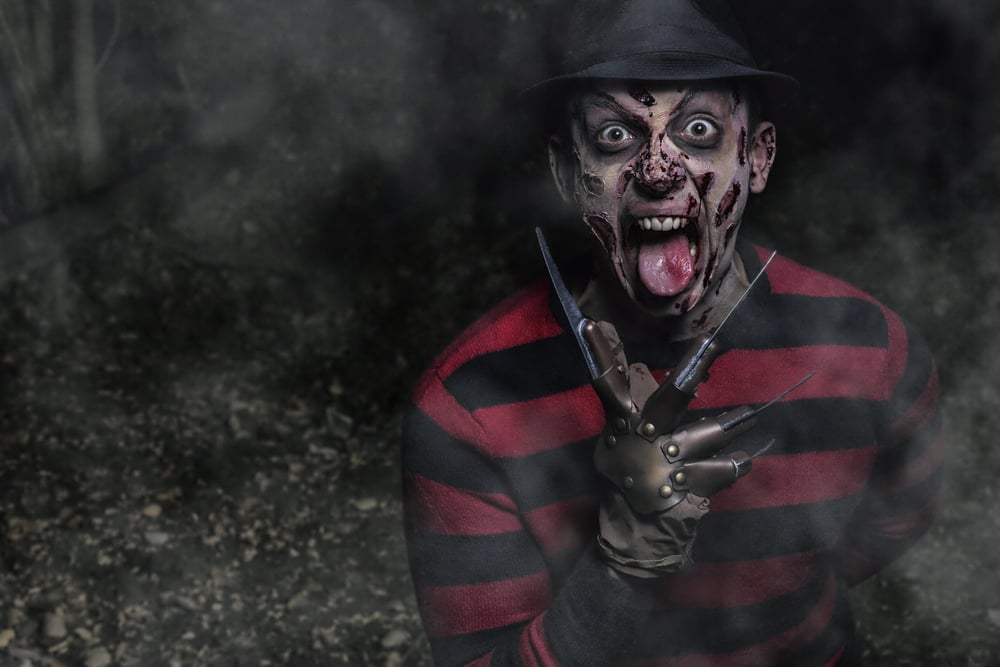
Wes Craven created a villain who could kill you in your dreams with his 1984 horror film. Freddy Krueger became a pop culture icon, appearing on lunchboxes and becoming oddly beloved despite being a child murderer.
The striped sweater and bladed glove became instantly recognizable symbols. The film made people afraid to fall asleep, tapping into a primal fear in a fresh way.
Robert Englund’s darkly comedic performance turned Freddy into horror’s first true personality, spawning countless sequels and cementing him alongside other monster legends. The movie’s success helped establish New Line Cinema as a major studio.
Breakfast Club

John Hughes nailed what it was like being a teen back in ’85 – five different kids, one boring Saturday locked inside school. It hit grown-ups right in the feels, reminding them how weird high school really was, while teens finally saw themselves on screen.
He proved stories about young people didn’t have to be dumb jokes – they could mean something real. Each kid played a role: athlete, brain, troublemaker – and somehow those roles helped everyone talk about how cliques worked.
Simple Minds’ hit ‘Don’t You (Forget About Me)’ turned into a defining tune for kids growing up back then. Because of the film, studios started showing teen life more honestly – showing their struggles actually mattered.
Get Out
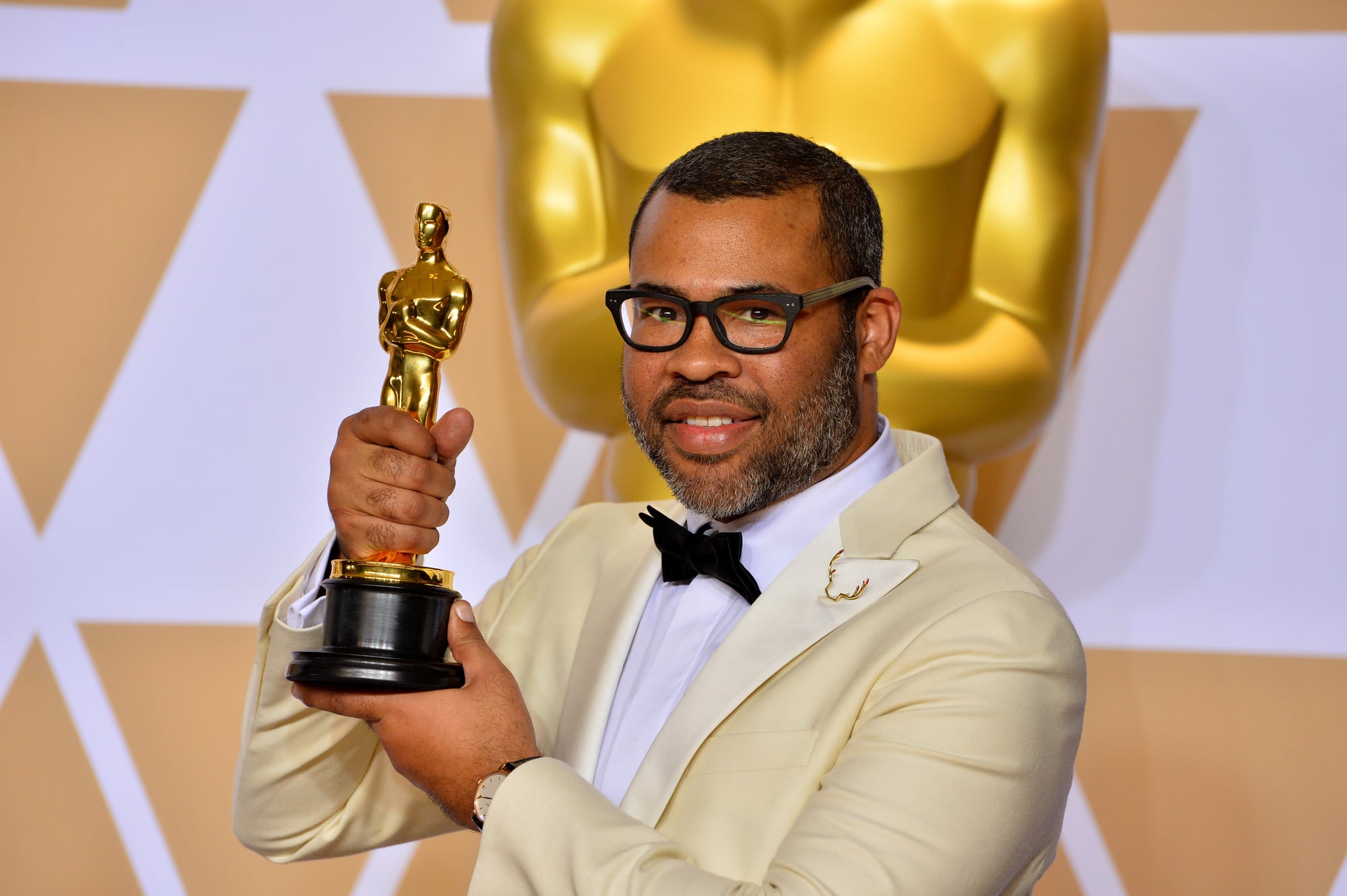
Jordan Peele’s 2017 scary movie on racism – wrapped in suspense – shifted how people saw genre films. It started many talks about racial tensions across the U.S., showing horror isn’t just jumpscares but can carry weighty themes.
People began using “sunken place” regularly, describing moments when you feel voiceless or trapped. Because he made waves, studios noticed: new perspectives don’t only win praise – they pull crowds too.
The film snagged the Oscar for Best Original Script, finally making horror something the Academy takes seriously. Get Out proved fun and sharp insights can blend perfectly – if done right.
Top Gun

Tom Cruise wearing pilot shades turned into the go-to image of cool once this 1986 war movie blew up. Afterward, Navy sign-ups jumped – teens suddenly dreaming of jet cockpits.
That beach volleyball moment quietly redefined subtle male chemistry on screen, even if nobody called it that back then. Meanwhile, Kenny Loggins’ ‘Danger Zone’ got glued to high-speed thrills and edge-of-your-seat danger.
The movie made army gear seem super cool, transforming fighter planes into sky legends. Right after it hit cinemas, shops ran out of bomber jackets – Ray-Bans vanished just as fast.
Mean Girls

Tina Fey’s 2004 teen comedy sparked slang that sticks around now. Lines such as ‘on Wednesdays we wear pink’ or ‘that’s so fetch’ slipped into daily talk – though fetch didn’t exactly catch on.
Fans turned October 3rd into a kind of celebration thanks to just one quote from the film. It showed clearly how girls at school can suffer gossip, yet also spread it.
Lindsay Lohan shined brightest back then – meanwhile, Rachel McAdams played a character so sharp folks couldn’t look away. That movie shifted the way we see cliques, teasing, and who’s “in” or “out” – its impact stuck around well past the last scene.
When Entertainment Becomes History
Those films weren’t only products of their era. Instead, they helped define years ahead – altering speech patterns, fashion choices, even how directors build scenes.
Culture never stands still; however, a few movies set down roots that shift things for good. Chances are, fresh game-changers already play in cinemas today, slowly building energy until nobody can overlook them.
A handful of stories won’t stay confined to film – they leak into daily life, settling comfortably among us.
More from Go2Tutors!

- The Romanov Crown Jewels and Their Tragic Fate
- 13 Historical Mysteries That Science Still Can’t Solve
- Famous Hoaxes That Fooled the World for Years
- 15 Child Stars with Tragic Adult Lives
- 16 Famous Jewelry Pieces in History
Like Go2Tutors’s content? Follow us on MSN.