Banned Toys from Schools in the 90s
Back in the 90s, maybe you felt that drop in your stomach when class got news of another rule. A favorite thing – something fun, something everyone loved – had crossed a line, suddenly banned without warning.
That decade sparkled with trends kids couldn’t get enough of, so schools spent years reacting fast, trying to keep up with bits of paper, tiny toys, things made from whatever was at hand.
It started like clockwork every time. Some children brought in a fresh item, out of nowhere.
Soon enough, copies spread through the hallways fast. Before long, educators gathered stacks of them after class.
By June, what ruled lunchtime talk became untouchable. Now that we see it clearly, a few of those rules had good reasons behind them.
Some went way too far without cause. Each one left its mark on what kids traded between classes.
Pogs

These cardboard discs took over playgrounds with terrifying speed. The game itself was simple—stack your Pogs face-down, slam them with a heavier “slammer,” and keep whatever flipped face-up.
The problem was that “keep” part. Schools deemed Pogs a form of gambling, and they weren’t entirely wrong.
Kids would lose their prized collections in a single bad throw, leading to tears, fights, and angry phone calls from parents. The bans spread across the United States, Canada, and even parts of Europe and Australia.
Some schools allowed kids to trade Pogs but not actually play the game. Others confiscated them on sight.
By the time administrators cracked down, the fad was already burning itself out anyway.
Slap Bracelets

These fabric-covered strips of curved metal would straighten when pulled and then snap around your wrist when slapped. The satisfying thwack sound they made was irresistible.
Kids would slap them on their arms, their friends’ arms, table legs, anything within reach. The bans came from two directions.
First, the constant slapping noise drove teachers insane. Second, cheap knockoff versions used thinner metal that could poke through the fabric and cut skin.
Schools in New York started banning them as early as 1990, and others quickly followed. The original manufacturers tried to defend their product, but the damage was done.
Pokémon Cards
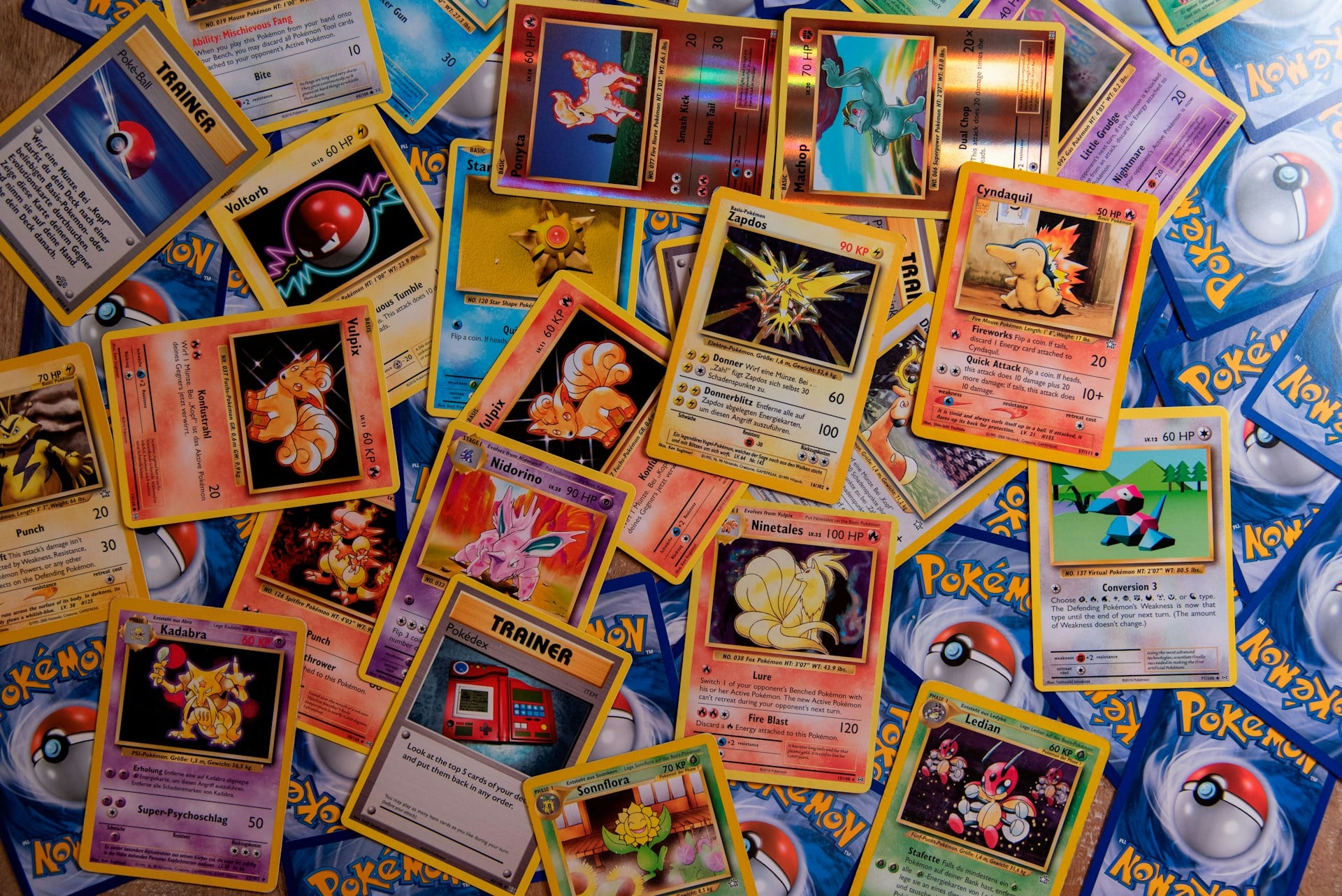
By 1999, Pokémon cards had infiltrated every elementary school in America. Kids traded them at recess, compared collections at lunch, and snuck them out during class.
The obsession was total. Schools banned them for several reasons.
Older kids would manipulate younger ones into lopsided trades. Arguments over stolen or disputed cards escalated into physical fights.
And the sheer distraction factor made teaching nearly impossible when a new set dropped. Some schools allowed designated trading times.
Most just confiscated any cards they saw. Kids adapted by hiding them in lockers and making trades behind the gym.
Tamagotchis

These egg-shaped digital pets arrived in 1997 and immediately became a problem. The little creatures needed constant feeding, cleaning, and attention, and they had no pause button.
Your Tamagotchi didn’t care that you were taking a math test. It was hungry now.
Kids would hide them in their desks, their laps, their pencil cases—anywhere they could sneak a quick button press. The constant beeping gave them away.
Teachers got tired of competing with virtual pets for attention, and bans rolled out nationwide. Some desperate kids handed their Tamagotchis to their parents during school hours, turning mom and dad into reluctant caretakers.
Tech Decks
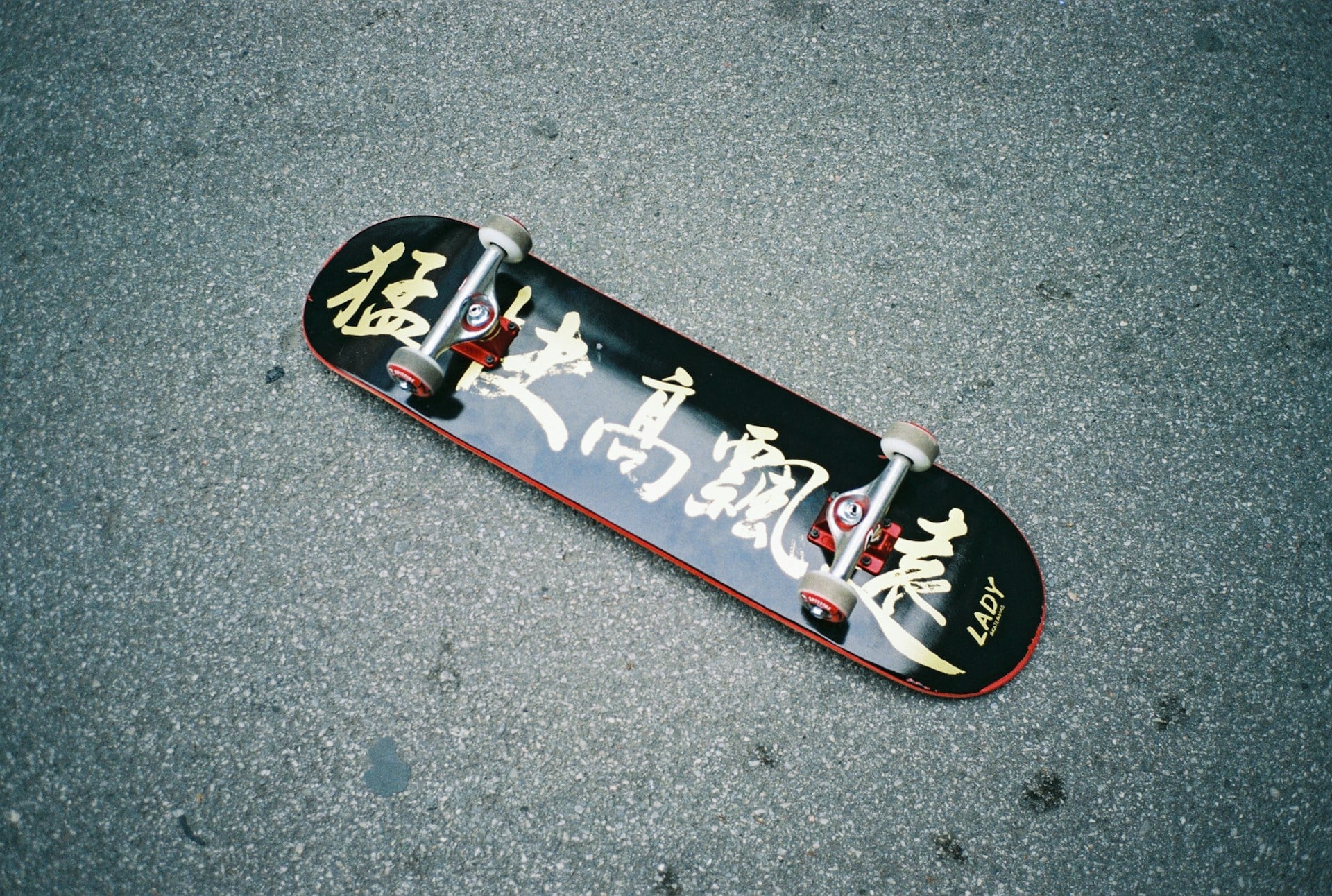
These tiny fingerboard skateboards showed up in 1999 and let kids perform miniature kickflips and grinds on their desks. For a brief moment, every flat surface became a skate park.
Textbooks, lunch trays, and the edge of your friend’s binder all served as obstacles. Teachers saw them as pure distraction.
The clicking sounds were constant. Kids would practice tricks under their desks during lessons, not even pretending to pay attention.
Schools required parents to write notes acknowledging the toys were disruptive before returning confiscated ones.
Yo-Yos

Yo-yos have cycled through popularity for decades, but the 90s saw a particularly intense craze. Companies sent performers to school assemblies, demonstrating tricks and selling their products right there in the gym.
Within days, everyone needed one. The problems started when kids began competing to see who could do the best tricks—or whose yo-yo could “sleep” the longest.
Someone always got hit in the face. Claims that someone else stole a yo-yo led to fights.
Some schools in Australia banned them entirely after the situation spiraled into what one survivor described as “Lord of the Flies territory.”
Magic: The Gathering Cards
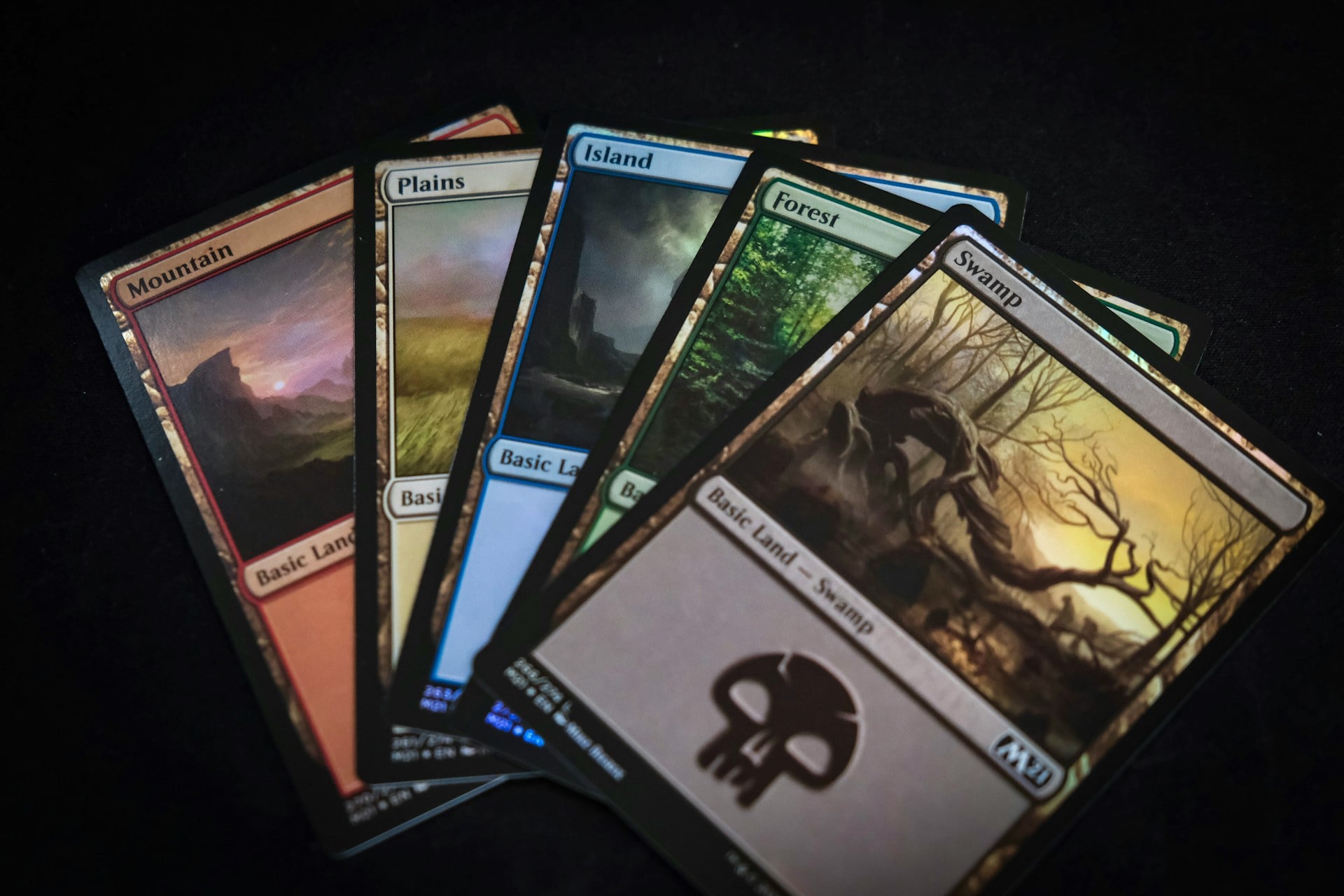
Magic predated Pokémon but caused its own headaches. The fantasy card game involved building decks, battling opponents, and collecting rare cards worth real money.
Schools had two main objections. First, the usual problems with trading card games: theft, unfair trades, and fights.
Second, some teachers and parents believed the fantasy themes promoted the occult. The concerns became serious enough that Wizards of the Coast reportedly hired someone to visit schools and explain the game wasn’t satanic.
It didn’t always work. One Illinois teacher described the cards as “scary stuff,” and a principal called them “bordering on the occult.”
Parents in Westchester County, New York even filed a lawsuit against their school district for allowing the game to be played after class, claiming it promoted “New Age” practices. A federal appeals court eventually cleared the district in 2001.
Laser Pointers

Technically not a toy, but kids treated them like one. The appeal was obvious—point a tiny red dot at the ceiling, the wall, or the back of your teacher’s head.
Comedy gold, until someone shined it in someone’s eyes. Laser pointers were banned in many schools and restricted by laws in multiple states after concerns about eye damage.
The worst offenders would aim them at teachers during class, turning a brief annoyance into a discipline issue. Some states made it a misdemeanor to shine one at a police officer.
Game Boys
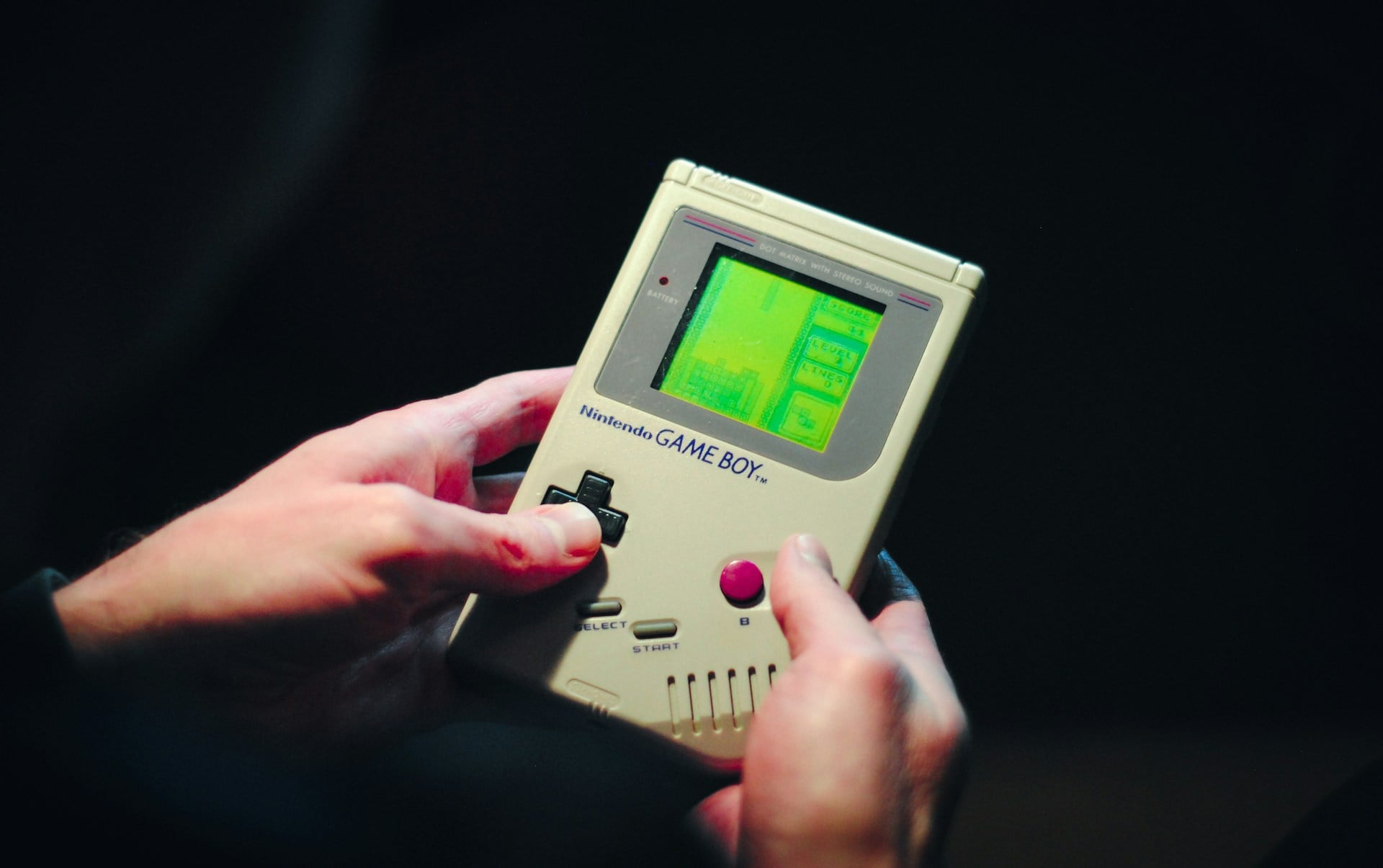
Bringing a Game Boy to school was a power move. Only certain kids had them, and everyone wanted a turn during recess.
The problem was that recess wasn’t enough. Kids would try to sneak in a few minutes of Tetris or Pokémon during class, volume muted, screen angled away from the teacher.
Schools didn’t technically ban ownership, but they’d confiscate any Game Boy spotted on school grounds. Getting it back often required a parent visit to the principal’s office.
Rich kids allegedly didn’t care—they had backup systems at home.
Gak and Slime

Nickelodeon’s Gak was weird, gross, and endlessly entertaining. The stretchy, gooey substance made rude noises when squeezed and stuck to everything.
Kids loved it. Teachers who had to scrape it off desks and chairs did not.
Gak itself wasn’t particularly dangerous, but it was messy and distracting. Some schools banned it after finding it ground into carpets or stuck in someone’s hair.
The bigger concern was kids mixing it with other substances to see what would happen, creating chemistry experiments that no one had approved.
Bart Simpson T-Shirts

This wasn’t a toy, but it fit the pattern. The Simpsons premiered in 1989 and immediately became a cultural phenomenon.
Kids wore shirts featuring Bart and his catchphrases: “Eat my shorts,” “Don’t have a cow, man,” and the especially problematic “I’m Bart Simpson—who the hell are you?”
School administrators weren’t fans of a cartoon character celebrating underachievement and disrespect for authority. Shirts proclaiming Bart an “underachiever and proud of it, man” got sent home for violating dress codes.
The controversy seems quaint now, but at the time, it represented a genuine clash between youth culture and institutional expectations.
The Trapper Keeper Situation

Trapper Keepers weren’t banned for being dangerous or promoting anything objectionable. They were banned for being too loud and too big.
The Velcro closure made a distinctive ripping sound every time a kid opened one during class. Some knockoff versions were so oversized they wouldn’t fit in desks or blocked other students’ workspace.
This might be the pettiest ban on the list, but it happened. Multiple schools asked kids to leave their organizational binders at home.
The irony of banning a school supply for being too distracting was apparently lost on everyone involved.
Why Everything Got Banned

Looking at this list, a pattern emerges. The 90s saw an explosion of collectible, tradable, competitive toys hitting schools all at once.
Each one created the same problems: distraction during class, disputes during recess, and a widening gap between kids who could afford the latest craze and those who couldn’t.
Teachers were overwhelmed. Parents were frustrated.
And the toys kept coming, each one more addictive than the last. The bans were often blunt instruments—outright prohibition rather than managed compromise—but they reflected a real struggle to maintain order in spaces designed for learning.
The Legacy of Confiscation

It was always the same story with every toy that got banned: coolness grew whenever grown-ups hated it. Forbidden meant wanted – Pogs, Pokémon cards, things like that turned into treasures just by being off-limits.
Hiding them became a kind of art among kids. Secret trades popped up near toilets, under benches, on slow bus rides home.
Buried in classroom drawers, lost toys gathered dust like forgotten secrets. In back rooms from coast to coast, containers hold slap bands and tiny dinosaur bones untouched for years.
A sticker once meant more than homework. Lessons faded.
These bits of junk stayed.
More from Go2Tutors!

- The Romanov Crown Jewels and Their Tragic Fate
- 13 Historical Mysteries That Science Still Can’t Solve
- Famous Hoaxes That Fooled the World for Years
- 15 Child Stars with Tragic Adult Lives
- 16 Famous Jewelry Pieces in History
Like Go2Tutors’s content? Follow us on MSN.