14 Shopping Habits That Changed Forever
Shopping used to be a pretty simple affair. You’d make a list, drive to the store, walk the aisles, then check out with cash or a credit card. Those days feel like ancient history now, though some of these changes happened just a few years ago.
The way we buy things has transformed so dramatically that our grandparents would barely recognize modern shopping. Here is a list of 14 shopping habits that changed forever.
Online Window Shopping

Browsing store windows turned into scrolling through websites and apps. People now spend hours ‘window shopping’ online — checking out products they might never buy.
This digital browsing has become entertainment in itself, replacing the old tradition of wandering through malls just to see what’s new.
Price Comparison in Real Time

Shoppers no longer accept the first price they see. Standing in a store while comparing prices on your phone became the norm practically overnight — though retailers had to adapt quickly.
They faced customers who could instantly find better deals elsewhere, forcing them to become more competitive with their pricing strategies.
Cart Abandonment Without Guilt
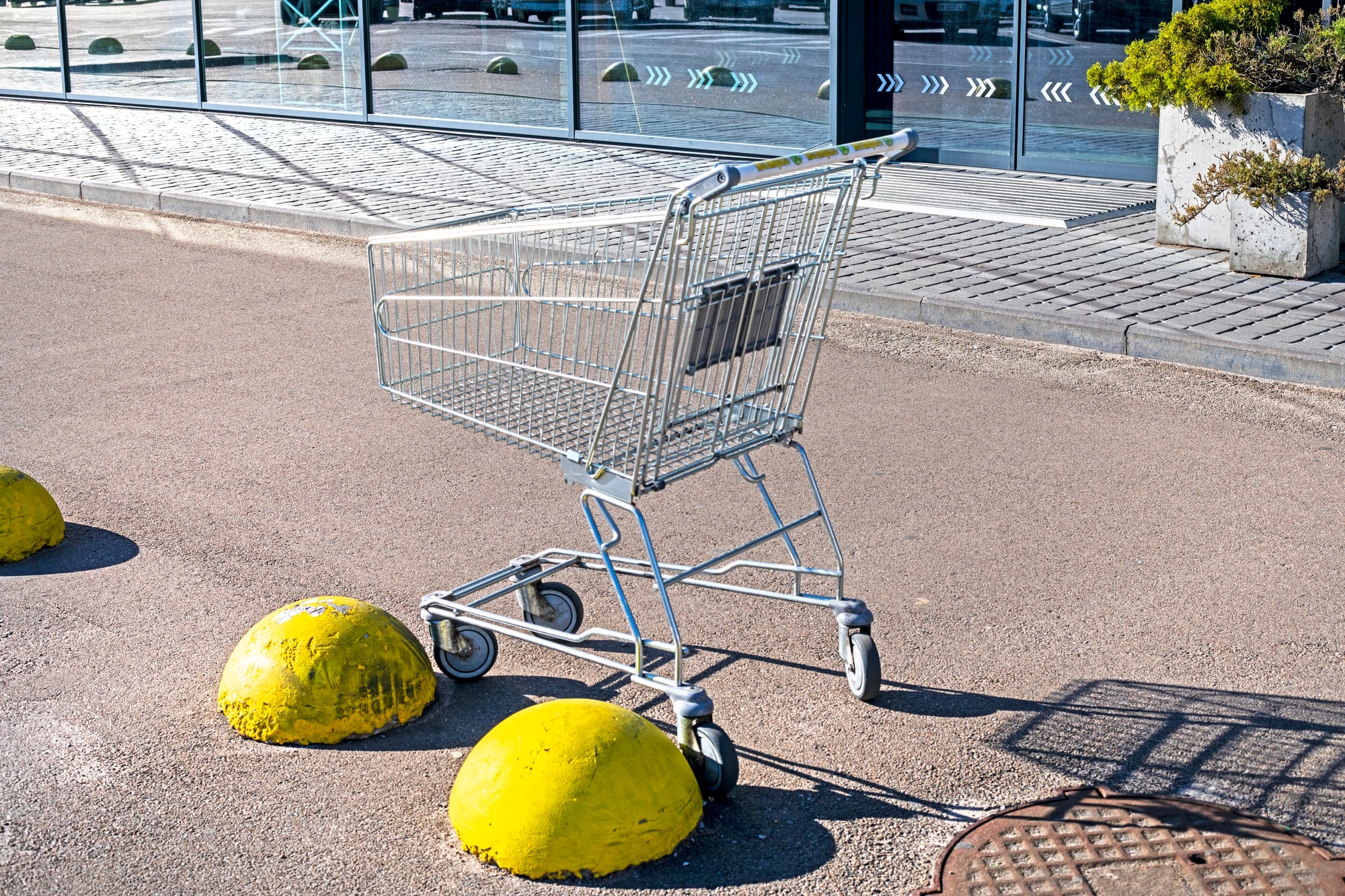
Filling up online shopping carts then closing the browser became a casual habit. Unlike walking away from a full cart in a physical store, there’s no awkwardness in digital abandonment — no judgmental looks from cashiers.
Retailers now send reminder emails about forgotten carts, desperately trying to recapture those lost sales.
Same-Day Delivery Expectations

Waiting weeks for purchases became unacceptable to many shoppers. The expectation shifted from ‘eventually’ to ‘immediately’ — with same-day delivery becoming standard rather than premium service.
This change forced entire supply chains to reorganize around speed, transforming logistics operations across industries.
Review Dependency
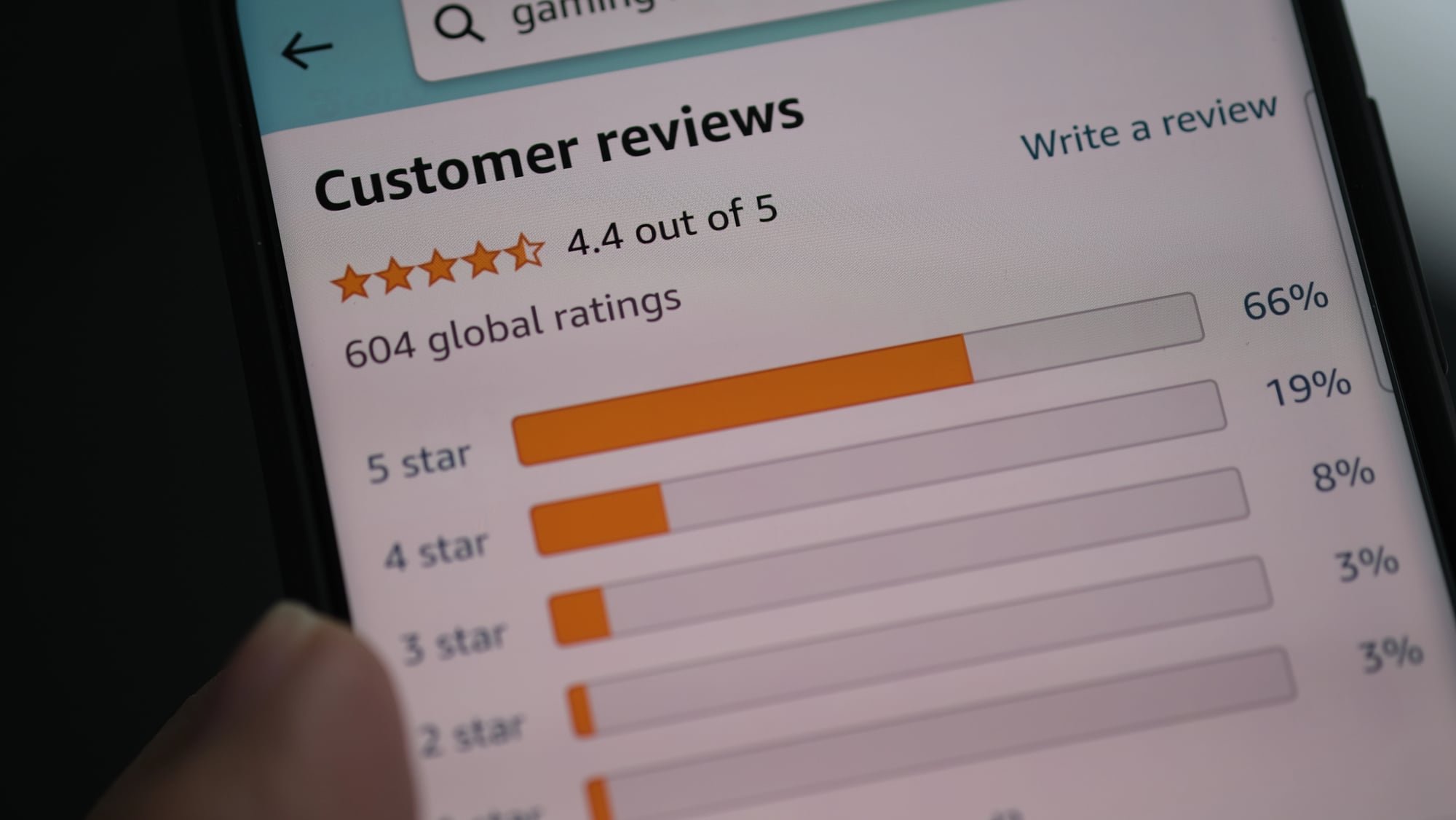
Making purchases without reading reviews first became almost unthinkable. Shoppers now rely heavily on other customers’ experiences before buying anything significant — even mundane household items.
This habit shifted power from marketing departments to actual users, making authentic customer feedback more valuable than polished advertisements.
Subscription Everything

Buying individual items gave way to subscribing for regular deliveries. From razors to pet food — subscription services turned one-time purchases into ongoing relationships.
This model changed how people budget, making monthly recurring charges a normal part of household expenses while creating predictable revenue streams for businesses.
Mobile-First Shopping

Desktop computers stopped being the primary shopping device. People started buying everything from their phones — making mobile optimization essential for retailers.
This shift meant that shopping could happen anywhere, anytime, turning every spare moment into a potential purchasing opportunity.
Social Media Purchasing

Discovering products through social media feeds became a primary shopping method. Instagram evolved from an entertainment space into a shopping destination — though the transition felt natural.
Influencer recommendations started carrying more weight than traditional advertising, making social media presence crucial for brands seeking visibility.
Contactless Everything

Physical contact during transactions became something to avoid. Contactless payments, curbside pickup — touch-free shopping experiences went from novelty to necessity almost overnight.
This change accelerated adoption of digital payment methods while reshaping the entire checkout experience for both consumers and retailers.
Return Policies as Deal Breakers
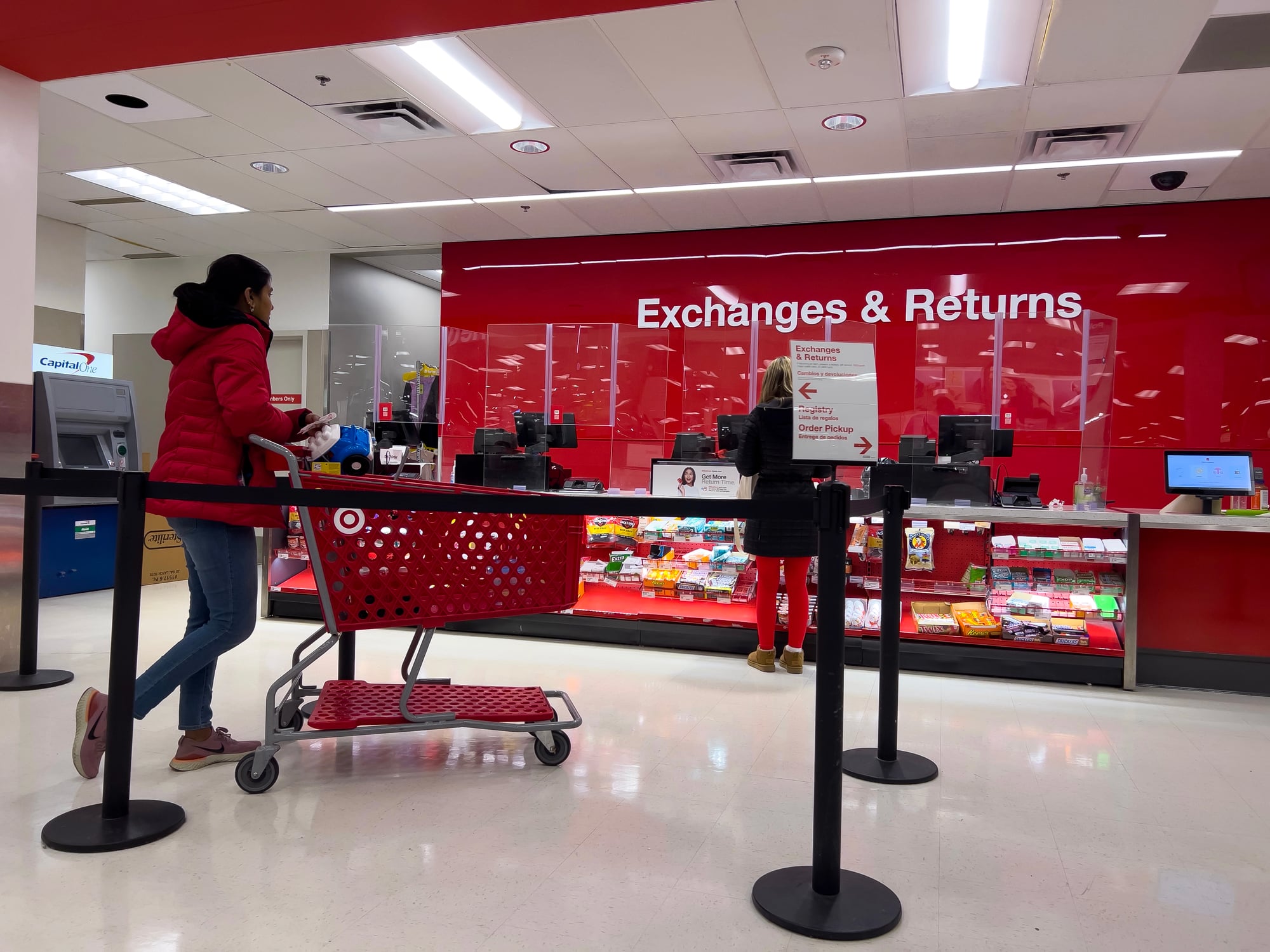
Generous return policies became make-or-break factors in purchase decisions. Shoppers started expecting hassle-free returns as basic service — not a bonus feature anymore.
Companies with complicated return processes found themselves losing customers to competitors with more flexible policies, forcing industry-wide policy changes.
Personalized Recommendations

Generic product suggestions got replaced by AI-powered personal recommendations. Shopping platforms began learning individual preferences, suggesting products based on past behavior patterns.
This customization made shopping more efficient yet also created concerns about privacy and data usage among consumers.
Buy Now, Pay Later

Splitting purchases into installments without traditional credit became mainstream. Services that let people pay for purchases over time without interest gained massive popularity, especially among younger consumers.
This payment method changed how people think about affordability, making expensive items feel more accessible than ever before.
Voice Shopping

Talking to devices to make purchases entered everyday life. Smart speakers made it possible to reorder household essentials just by speaking, though the technology still has limitations.
This hands-free shopping method simplified routine purchases while raising questions about accidental orders and privacy concerns.
Virtual Try-Ons

Testing products digitally before buying became surprisingly effective. Augmented reality features let shoppers see how furniture looks in their homes or how makeup appears on their faces.
These virtual experiences reduced the guesswork in online shopping while decreasing return rates significantly for participating retailers.
How We Shop Now Shapes Tomorrow
The shopping habits that emerged over the past decade aren’t just temporary changes — they’ve permanently altered consumer expectations and business models. Companies that adapted to these new behaviors thrived, while those that clung to old methods struggled to survive in an increasingly digital marketplace.
The convenience and personalization that modern shoppers demand have become the baseline, not luxury features reserved for premium customers. These transformed habits continue evolving, suggesting that the way we shop tomorrow will likely be just as different from today as today is from yesterday.More from Go2Tutors!
More from Go2Tutors!

- The Romanov Crown Jewels and Their Tragic Fate
- 13 Historical Mysteries That Science Still Can’t Solve
- Famous Hoaxes That Fooled the World for Years
- 15 Child Stars with Tragic Adult Lives
- 16 Famous Jewelry Pieces in History
Like Go2Tutors’s content? Follow us on MSN.