Most Protected Places on Earth
Some locations on our planet exist behind layers of secrecy, armed guards, and security systems that would make a spy movie look tame. These aren’t your average no-go zones.
They’re places where governments, organizations, and private entities have decided the world simply can’t enter, whether it’s to protect national secrets, preserve priceless artifacts, or keep dangerous materials away from human hands. Let’s take a walk through some of these forbidden territories and find out what makes them so heavily guarded.
Fort Knox
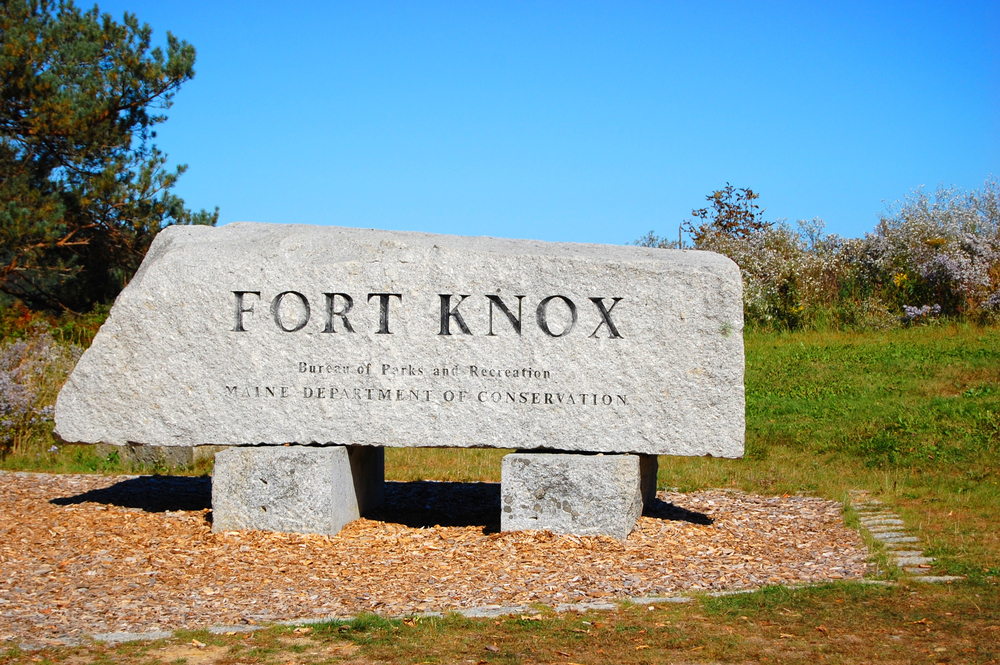
The United States Bullion Depository sits in Kentucky, surrounded by more than just high fences and stern looks. Granite walls several feet thick form the outer shell, while a blast-proof door weighing 20 tons seals the vault itself.
Inside that vault sits a massive portion of America’s gold reserves, stacked in neat rows that most people will never see in person. Guards patrol constantly, and the facility has its own emergency power supply, just in case someone gets clever ideas during a blackout.
The exact security measures remain classified, but everyone knows this place doesn’t mess around when it comes to keeping intruders out.
Area 51
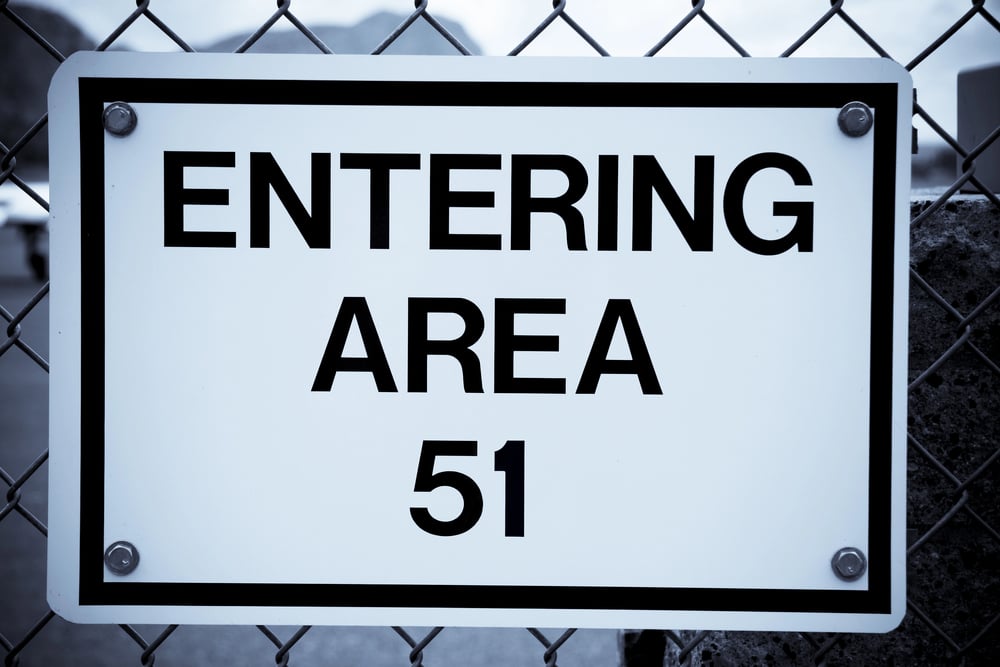
This Nevada military base has sparked more conspiracy theories than almost any other location on the planet. The U.S. government didn’t even acknowledge its existence until 2013, despite decades of satellite images and reports from people living nearby.
Armed guards patrol a perimeter that stretches for miles, with signs warning that deadly force is authorized against trespassers. The base actually serves as a testing ground for experimental aircraft and weapons systems, which explains all the secrecy.
Those UFO stories? Probably just classified planes that looked strange flying overhead at dusk.
Vatican Secret Archives
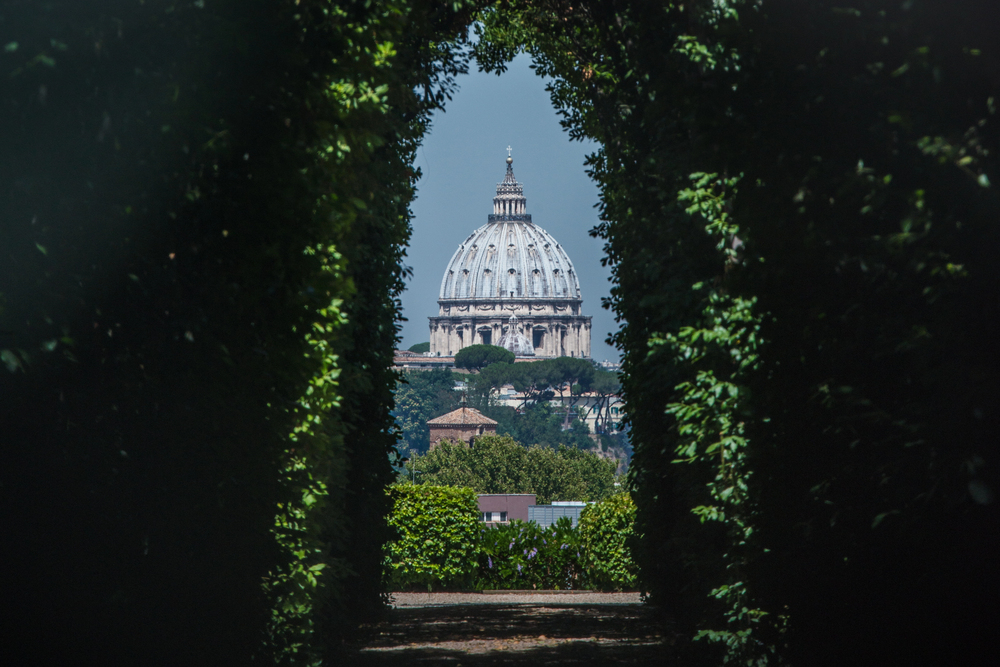
The Catholic Church keeps centuries of documents locked away in climate-controlled rooms beneath Vatican City. Only qualified scholars with special permission can enter, and even they can’t browse freely.
You have to request specific documents in advance, and the staff brings them to you. The collection includes letters from historical figures, papal account books, and records of church trials that shaped European history.
Some conspiracy theorists claim the archives hide proof of aliens or ancient secrets, but the real reason for restricted access is simpler: these documents are incredibly old and fragile. Too many hands touching them would destroy invaluable pieces of history.
Svalbard Global Seed Vault
Norway built this facility into the side of a mountain on a remote Arctic island, designed to survive pretty much anything short of a direct nuclear strike. The vault stores duplicate samples of seeds from crop collections worldwide, kept frozen at negative 18 degrees Celsius.
If a catastrophic event wipes out certain plant species, scientists can retrieve these backup seeds and restart food production. Access requires multiple levels of approval, and the location itself provides natural protection.
The permafrost surrounding the facility keeps everything frozen even if the cooling systems fail, and the entrance sits high enough to stay dry even if all the ice caps melt.
North Sentinel Island
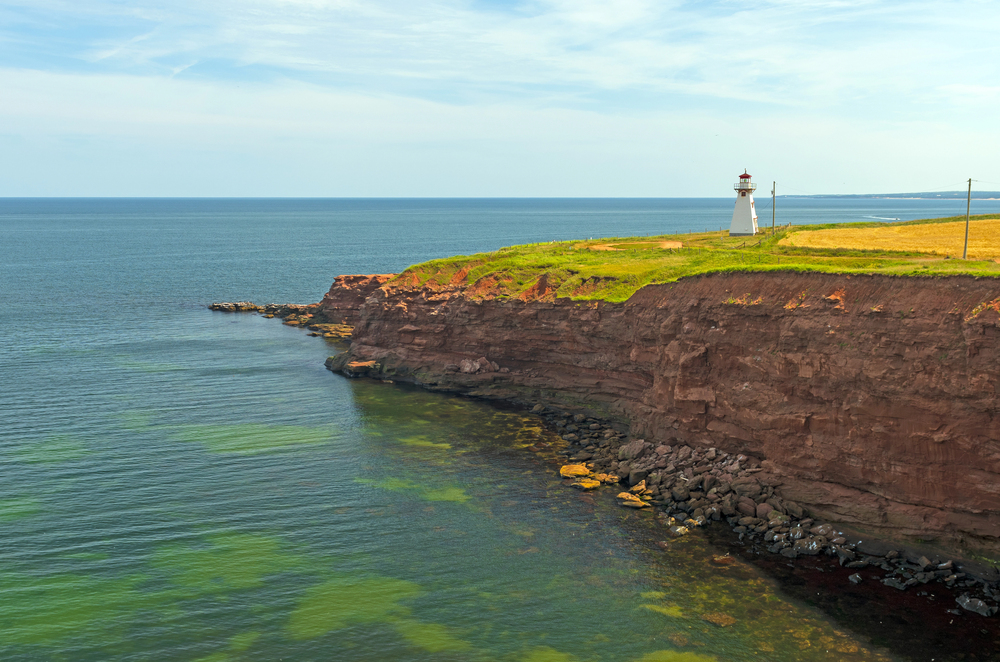
This small island in the Indian Ocean belongs to India, but the Indian government has declared it off-limits to everyone. The Sentinelese people who live there have rejected all contact with the outside world, sometimes violently.
They’ve lived in isolation for thousands of years, and exposure to modern diseases could wipe them out since they have no immunity. A young American missionary tried to visit in 2018 and was killed shortly after arriving on the beach.
India enforces a three-mile exclusion zone around the island, and the navy patrols regularly to keep boats away. This protection works both ways, keeping curious outsiders safe while preserving one of the last uncontacted tribes on Earth.
Cheyenne Mountain Complex
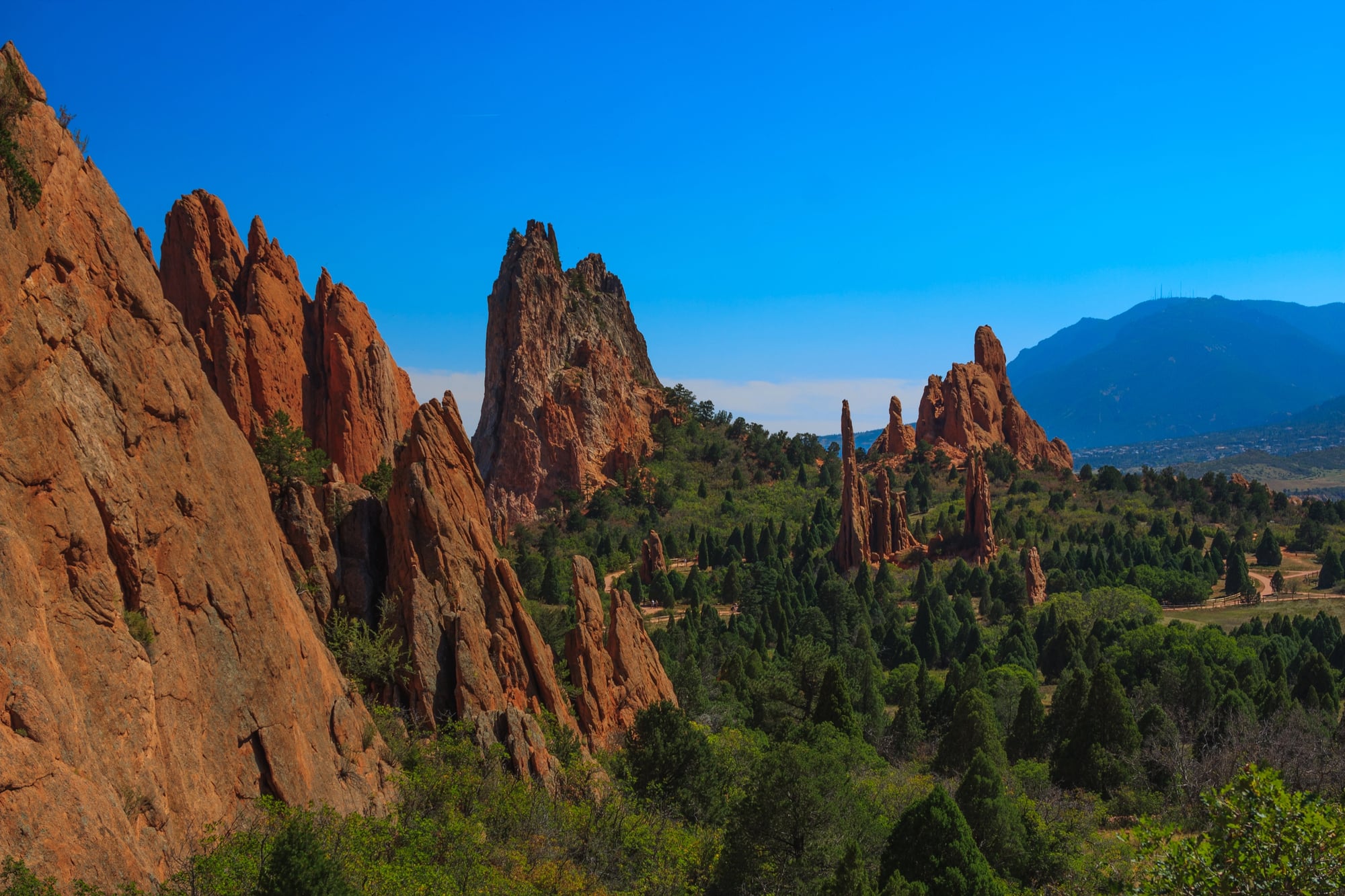
Colorado houses this military installation deep inside a granite mountain, built during the Cold War to survive a direct hit from a nuclear weapon. Massive steel doors weighing 25 tons each can seal the complex shut in seconds.
Inside, buildings sit on giant springs designed to absorb shock waves from explosions. The complex monitors airspace over North America and tracks satellites orbiting Earth.
At one point, it served as NORAD’s main command center, though some operations have since moved to nearby Peterson Air Force Base. Still, the mountain facility remains operational and ready to serve as a backup command center if needed.
Moscow Metro-2
Rumors suggest a second subway system runs beneath Moscow, built by Stalin for evacuating Soviet leaders during emergencies. The Russian government has never officially confirmed its existence, but former officials and engineers have occasionally mentioned it over the years.
According to these accounts, the tunnels connect the Kremlin to underground bunkers and important government buildings across the city. Some lines supposedly stretch all the way to airports outside Moscow.
If Metro-2 really exists, it’s protected by secrecy rather than visible security, hidden behind unmarked doors in regular metro stations and government buildings.
Pine Gap
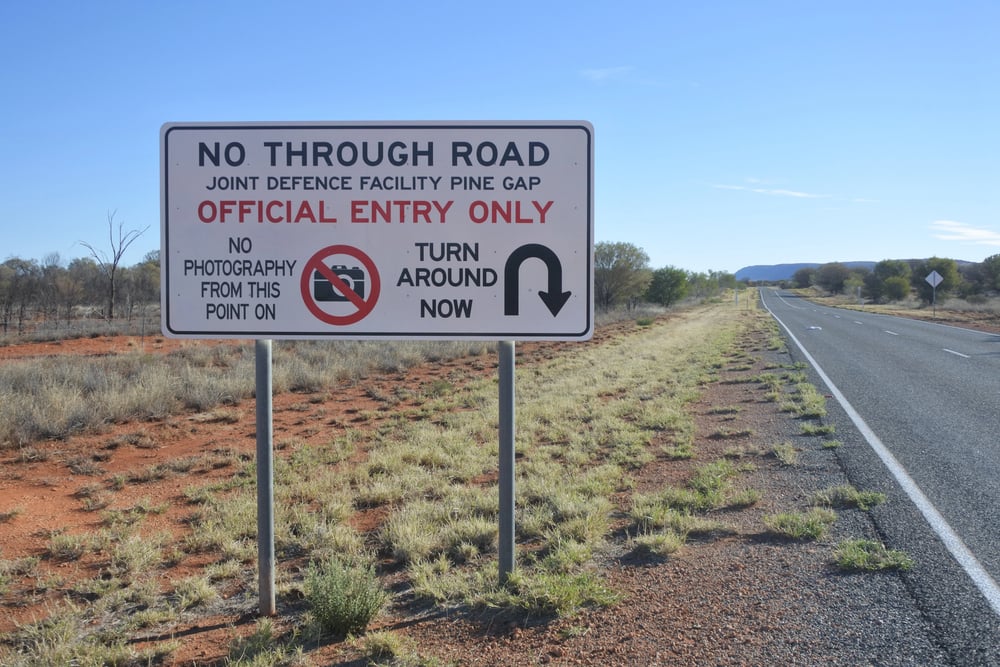
Australia’s outback hides this joint defense facility operated by Australia and the United States. The base monitors satellite communications and provides early warning for missile launches across the Asia-Pacific region.
Employees need security clearances from both countries before they can work there. The facility sits in the middle of nowhere, hundreds of miles from major cities, which itself provides a layer of protection.
High fences and surveillance systems keep the curious away, though occasional protesters still make the long journey to demonstrate outside the gates. The base has sparked plenty of conspiracy theories over the decades, but its real purpose involves tracking military and intelligence communications.
Woomera Prohibited Area
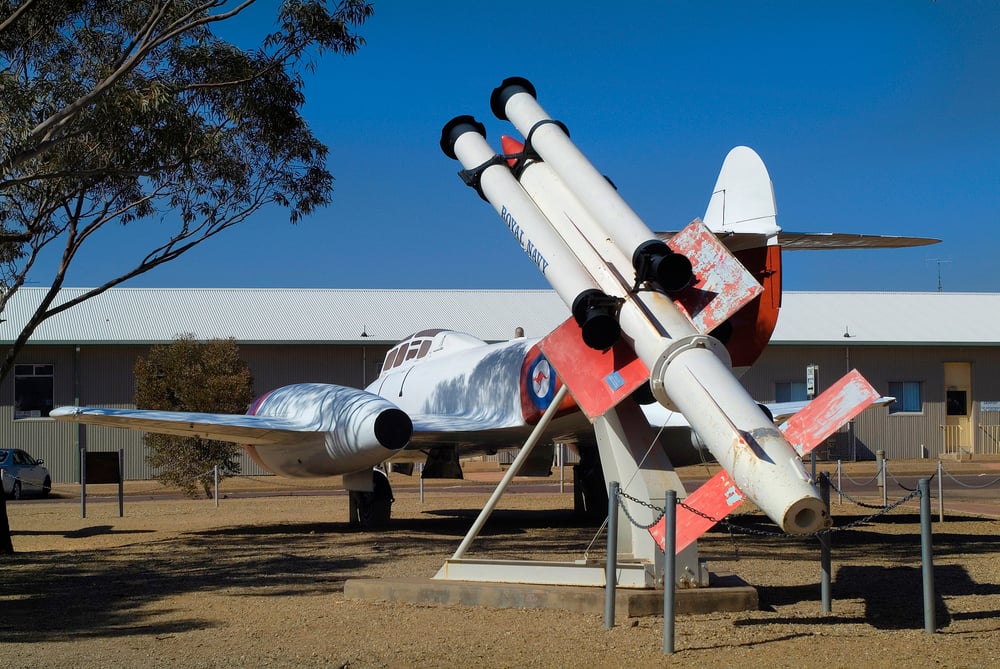
This massive chunk of South Australian desert, larger than England, serves as a weapons testing range for Australia’s military. The government restricts access to prevent civilians from stumbling into active test zones or unexploded ordnance left over from decades of trials.
Some parts of the range are so remote that dangerous materials from old tests still contaminate the soil. Indigenous Australians traditionally used this land, and they maintain some access rights under special arrangements.
Everyone else needs written permission from the Department of Defense, which they rarely grant unless you have a very good reason for being there.
Mount Weather Emergency Operations Center
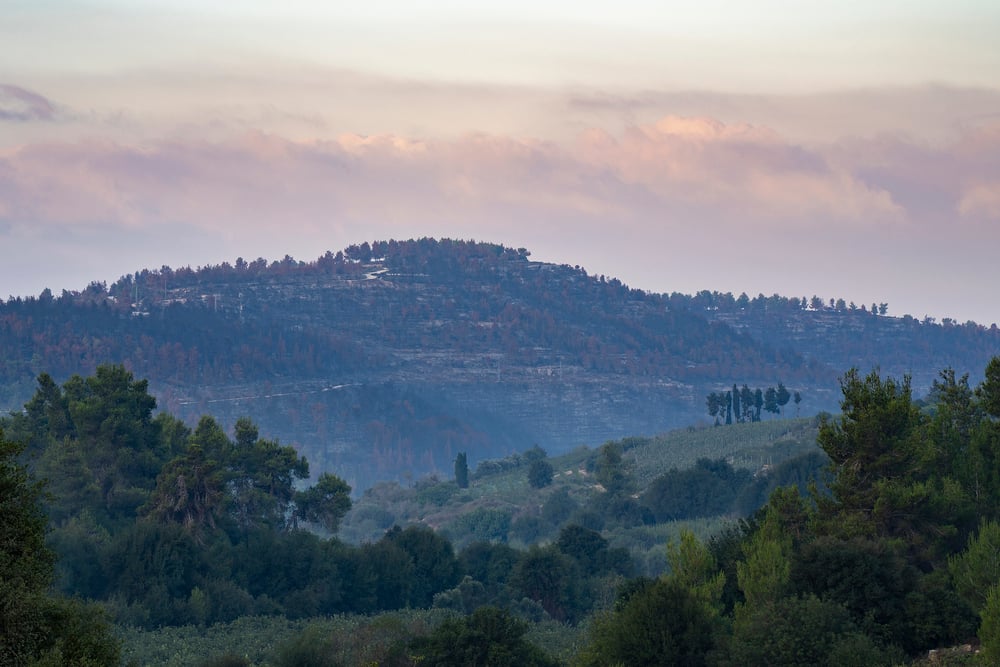
Virginia’s Blue Ridge Mountains hide this sprawling underground facility designed to keep the U.S. government running during catastrophic disasters. The complex includes dormitories, cafeterias, hospitals, and even a small reservoir of drinking water.
If Washington, D.C. becomes uninhabitable, key officials would relocate here to continue operating the federal government. The facility also houses computer systems that back up important government data.
Multiple security checkpoints protect the entrance, and the surrounding area is monitored constantly. Most employees who work there have never seen the deeper levels, which remain restricted even to people with high-level clearances.
Google Data Centers
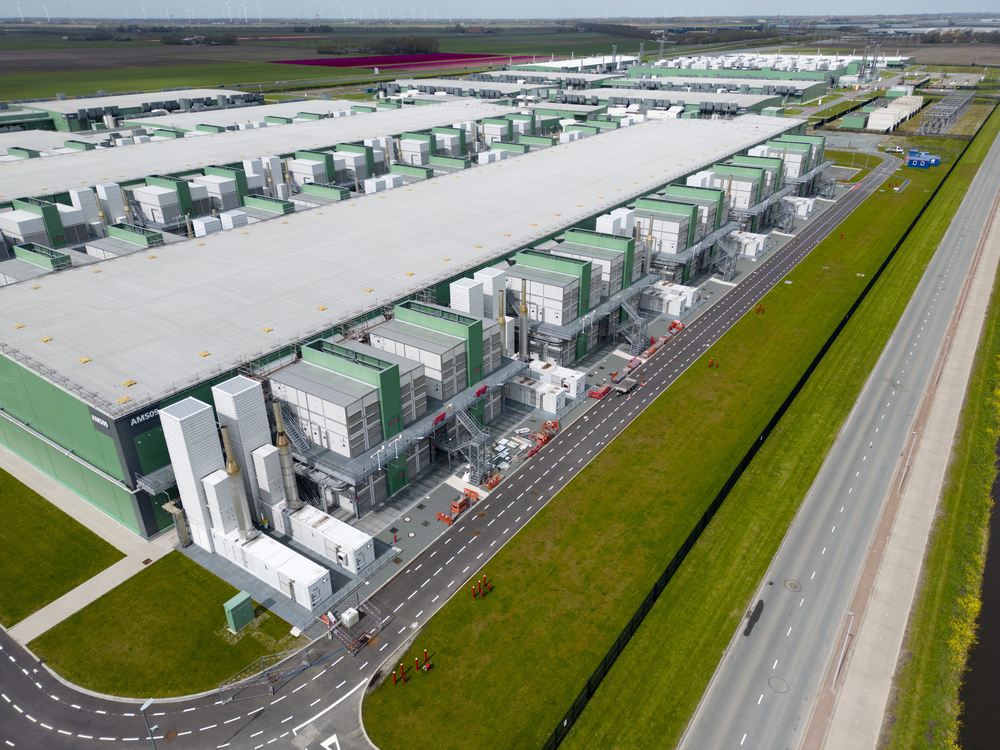
These facilities scattered across the globe store enormous amounts of information that billions of people access every day. Google keeps their exact locations somewhat secret and surrounds them with extensive security measures.
Armed guards, biometric scanners, and mantrap doors prevent unauthorized entry. Inside, servers hum away in climate-controlled rooms, processing searches, storing emails, and running the infrastructure for countless online services.
Google even makes employees sign strict confidentiality agreements about the data centers’ layouts and security procedures. The company fears both physical attacks and corporate espionage, so they’ve turned these buildings into fortresses that happen to look like ordinary warehouses from the outside.
Granite Mountain Records Vault
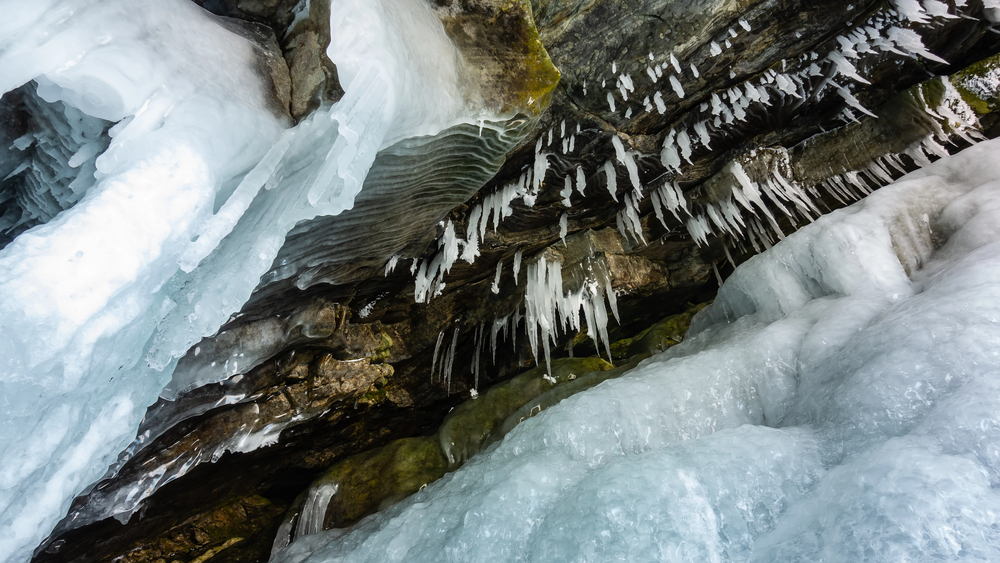
The Church of Latter-day Saints carved this storage facility into a Utah mountainside to preserve genealogical records and church documents. The vault sits behind a 14-ton door that can withstand nuclear blasts, earthquakes, and pretty much any other disaster you can imagine.
Climate control systems keep the temperature and humidity at perfect levels for preserving paper and film. The church has been microfilming records from around the world for decades, creating backup copies in case the originals get destroyed.
Only church employees with specific duties can enter the vault, and even they can’t access certain restricted areas without additional approval.
Bold Lane Car Park
This parking garage in Derby, England might seem out of place on this list, but it’s earned recognition as one of the most secure parking facilities on Earth. Motion sensors, CCTV cameras, and barriers protect every vehicle inside.
When you park, the system seals your car in a locked space that only opens when you return with your ticket. The garage has never had a single car stolen since implementing this system.
It’s not protecting national secrets or gold reserves, just regular people’s vehicles, but the level of security rivals facilities guarding far more valuable items.
Bank of England Vaults
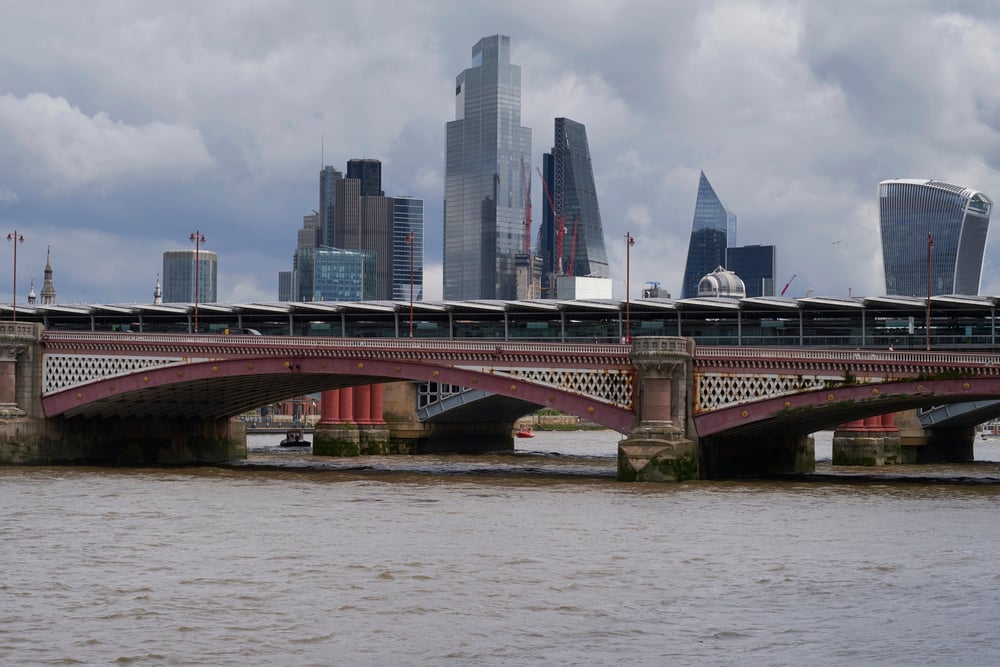
Nine floors below the streets of London, these vaults hold gold bars worth billions of pounds. The bank stores gold for the United Kingdom and several other countries, stacking the bars on pallets in temperature-controlled rooms.
Getting inside requires passing through multiple security checkpoints, each with different authentication methods. The vault doors weigh several tons and use time locks that won’t open even if someone knows the combination until the preset time arrives.
Security guards monitor every corridor, and the bank has never publicly revealed the full extent of its protective measures. Even knowing where the vaults sit doesn’t help potential thieves, since the building’s design makes unauthorized entry essentially impossible.
Haven Co
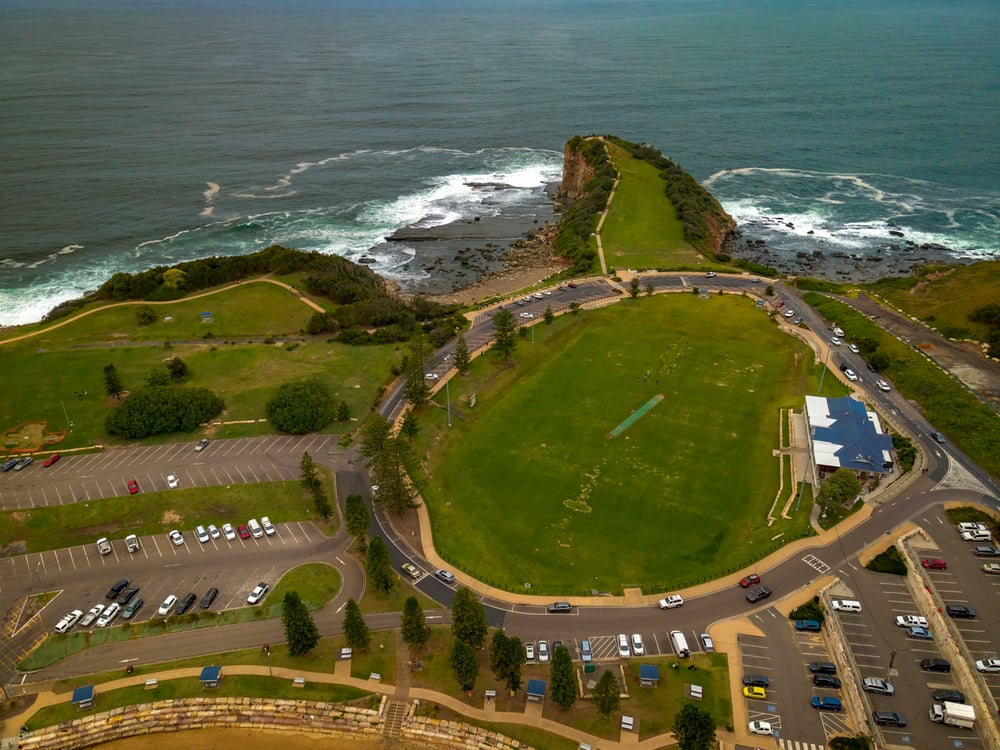
This attempted offshore data haven operated from an abandoned sea fort off England’s coast in the early 2000s. The founders wanted to create a place where people could host websites beyond any government’s legal reach.
They installed servers in the old fort and promised customers complete freedom from censorship or surveillance. Security meant keeping people off the platform physically, since it sat several miles from shore in international waters.
The venture eventually collapsed due to technical problems and legal disputes, but for a few years, this rusty platform represented one of the most unusual protected locations on Earth, guarded by waves and distance rather than armed security.
Mezhgorye
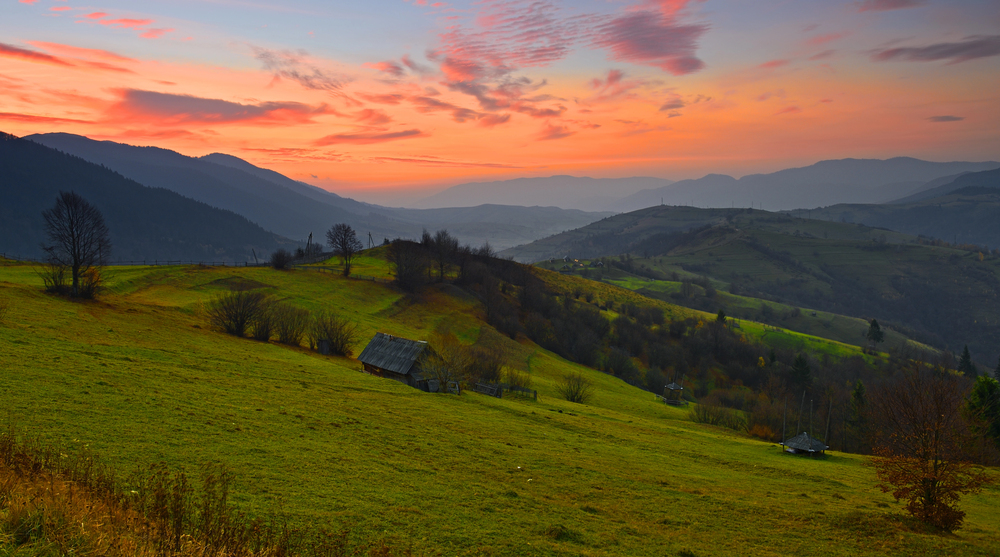
Hidden deep in Russia’s Ural Mountains lies a secret settlement missing from most maps. Visitors are not allowed here, kept away by layers of secrecy.
Beneath the surface, it is believed that military work tied to nuclear arms takes place. Guarded by two full battalions, access is nearly impossible.
Over time, officials have given different reasons for its existence – sometimes calling it a mine, other times suggesting it shelters top leaders if disaster strikes. From above, satellite photos reveal huge dig sites and structures scattered across the land.
What truly goes on behind those walls? Nobody knows for sure.
Getting too close means being arrested fast – if the armed patrols do not open fire before they even see your face.
Federal Reserve Bank of New York
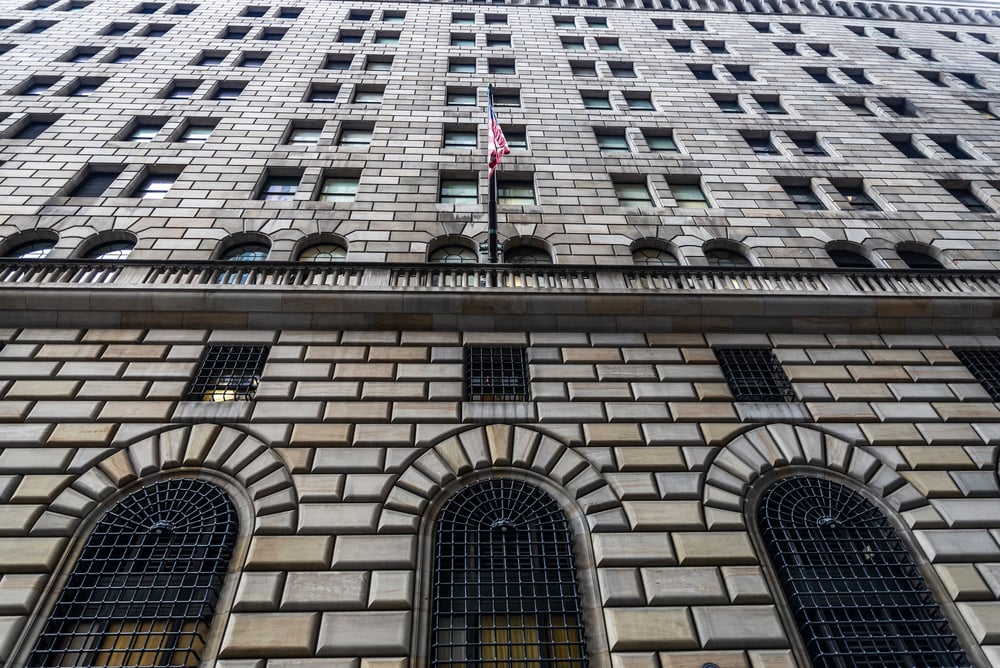
Beneath Manhattan’s streets, deep under layers of city noise, a vault rests on solid rock. Gold fills its chambers – more than what’s held at Fort Knox.
Stored eighty feet down, it waits in silence behind thick concrete fortified with steel. Foreign nations own most of these bars; they rely on the New York Fed to guard their reserves.
When deals happen across borders, workers shift metal from one section to another within the same underground space. Rarely does any of it ever rise to daylight.
Few individuals hold pieces of the entry code, so nobody walks in solo. Watched at each doorway, the place stands guarded nonstop.
Its layout turns break-ins into near-impossible missions – especially if you’re chasing dreams of stealing gold.
From locked doors to locked down
Out here, where quiet rules, fences stand not just around land but ideas too – gold hidden deep, seeds saved for droughts, whispers never meant to spread. Spinning forward, the planet leans on spots sealed shut, holding back risks or treasures till time cracks them open again.
Smarter locks now watch these gates, guided by circuits and code, yet their job hasn’t changed much at all. Staying safe means someone always has to say no.
Comfort finds its way in that fact – or anger does, if your feet are planted beyond the gate
.
More from Go2Tutors!

- The Romanov Crown Jewels and Their Tragic Fate
- 13 Historical Mysteries That Science Still Can’t Solve
- Famous Hoaxes That Fooled the World for Years
- 15 Child Stars with Tragic Adult Lives
- 16 Famous Jewelry Pieces in History
Like Go2Tutors’s content? Follow us on MSN.