Subtle AI Phone Features People Use Every Day Without Even Realizing It
Artificial intelligence has quietly become part of everyday life, and nowhere is this more obvious than in smartphones. Most people think of AI as something futuristic or complicated, but the truth is that it’s already helping millions of users complete simple tasks faster and easier.
These features don’t announce themselves with flashy notifications or complicated menus. They just work in the background, making life a little smoother without anyone paying much attention. Let’s take a closer look at the AI tools hiding in plain sight on nearly every modern phone.
Predictive text that learns your typing habits

When typing out a message, those word suggestions that appear above the keyboard aren’t random. The phone studies how someone writes, which words they use most often, and even the context of their conversations.
Over time, it gets better at guessing what comes next. This means fewer typos and faster texting, all thanks to a small AI engine running quietly in the background.
Auto-brightness adjustments based on surroundings

Phones don’t just brighten or dim the screen based on a light sensor anymore. AI now tracks patterns throughout the day, learning when and where someone prefers a brighter or darker display.
If someone always turns down the brightness at night or cranks it up outdoors, the phone starts doing it automatically. It’s a small change, but it saves battery and makes the screen easier on the eyes without constant manual tweaking.
Face unlock that adapts to appearance changes

Unlocking a phone with a face scan might seem straightforward, but there’s a lot happening under the surface. The AI doesn’t just compare a static image.
It continuously updates its understanding of facial features, adapting to things like new glasses, different hairstyles, or even subtle aging over time. This is why face unlock still works even after someone grows a beard or gets a haircut.
Photo organization by people and places

Opening a photo gallery and finding pictures sorted by faces or locations isn’t magic. AI scans every image, identifying people, objects, and backgrounds without needing manual tagging.
It groups photos of the same person together and can even recognize pets or specific landmarks. This happens entirely on the device in most cases, so the sorting is fast and private.
Battery optimization through usage prediction
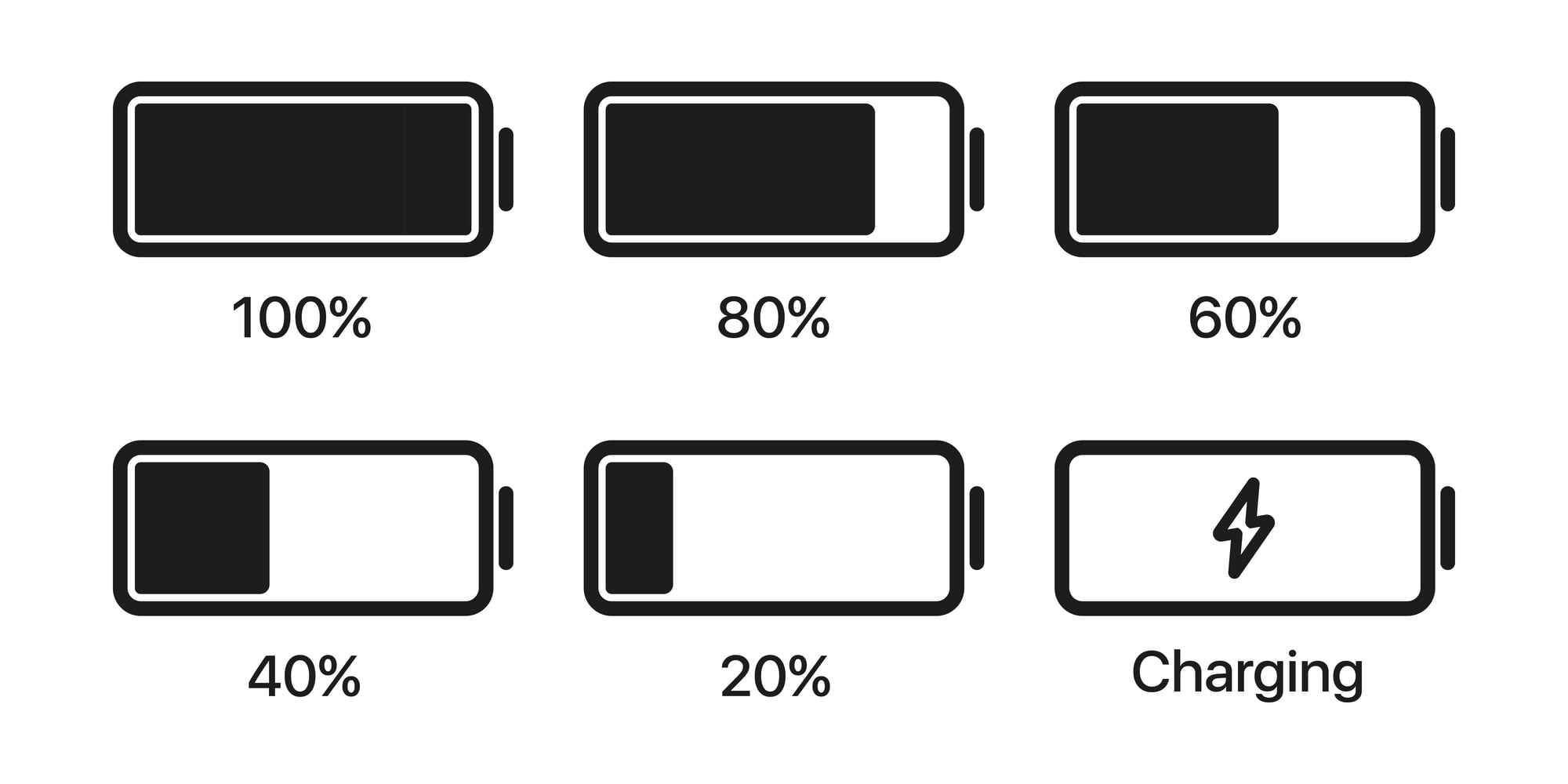
Phones now predict which apps will be used at certain times of the day and adjust power accordingly. If someone always checks email in the morning and watches videos at night, the phone learns this routine.
It allocates battery resources to keep those apps running smoothly while limiting power to apps that rarely get opened. This extends battery life without any input from the user.
Spam call filtering before the phone rings

Most people don’t realize their phone is checking incoming calls against massive databases of known spam numbers in real time. AI analyzes call patterns, frequency, and caller behavior to decide if a call should be flagged or blocked.
This happens in the split second before the phone rings, which is why suspected spam calls often show a warning label right away.
Smart replies in messaging apps
Those quick response suggestions that pop up in text messages aren’t typed by humans. AI reads the incoming message and generates short, context-appropriate replies like ‘Sounds good’ or ‘On my way.’
The suggestions change based on the conversation, and the system gets better at matching the user’s tone over time. It’s a time-saver for quick responses without thinking too hard.
Voice assistants that understand natural speech

Talking to a phone and having it understand commands used to require very specific phrasing. Now, AI processes natural language, meaning someone can speak casually and still get accurate results.
The assistant learns accents, speech patterns, and even background noise to improve accuracy. It’s why voice commands work better now than they did just a few years ago.
App recommendations based on routines
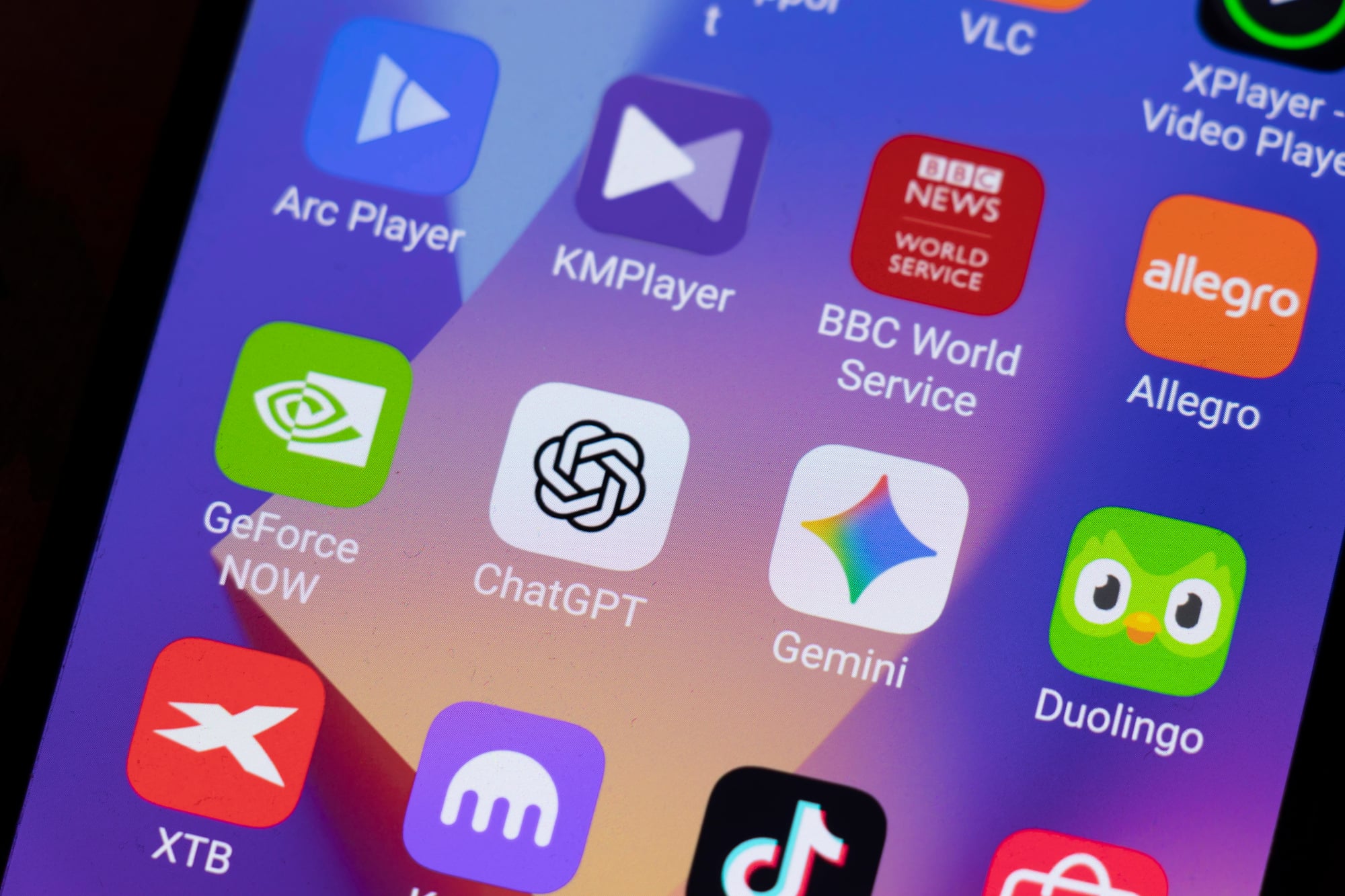
Ever notice how certain apps appear on the home screen or in the app drawer at just the right time? AI tracks when and where apps are used, then predicts which ones might be needed next.
If someone opens a navigation app every morning at 8 a.m., the phone starts suggesting it around that time. It’s a subtle nudge that saves a few seconds of searching.
Automatic photo enhancements before sharing

When someone takes a picture and it looks better than expected, AI is often the reason. Phones now adjust lighting, contrast, and color balance in real time, even before the shutter button is pressed.
After the photo is taken, additional tweaks happen in the background to sharpen details or reduce blur. Most people assume they just took a great shot, but the phone did a lot of the heavy lifting.
Notification sorting by importance

Not all notifications are treated equally anymore. AI learns which apps and alerts matter most to someone and prioritizes them accordingly.
Less important notifications get grouped together or delayed, while urgent ones come through immediately. This reduces distraction without manually setting rules for every app.
Adaptive sound settings for different environments

Phones can now adjust volume and audio output based on the surroundings. If someone is in a noisy area, the phone might boost certain frequencies to make calls clearer.
In a quiet room, it lowers volume automatically to avoid disturbance. This happens without toggling settings, making audio experiences smoother across different locations.
Gesture controls that improve over time

Swiping, tapping, and scrolling might seem straightforward, but AI refines how the phone responds to touch. It learns the difference between accidental touches and intentional gestures, reducing false inputs.
Over time, the phone becomes more responsive to individual habits, making interactions feel more natural and less frustrating.
Translation features that work offline
Translating text or speech used to require an internet connection, but AI models now run directly on the phone. This allows real-time translation of signs, menus, or conversations without data.
The accuracy improves as the AI processes more language patterns, making it useful for travel or learning new phrases on the go.
Keeping track of how well your battery is working shows warnings when it needs attention

Phones today do more than display a number. They watch how you charge, what temperatures your device faces, often you use it.
Over time, smart systems learn these behaviors. When drops in power seem likely, alerts appear quietly.
Search suggestions that predict intent
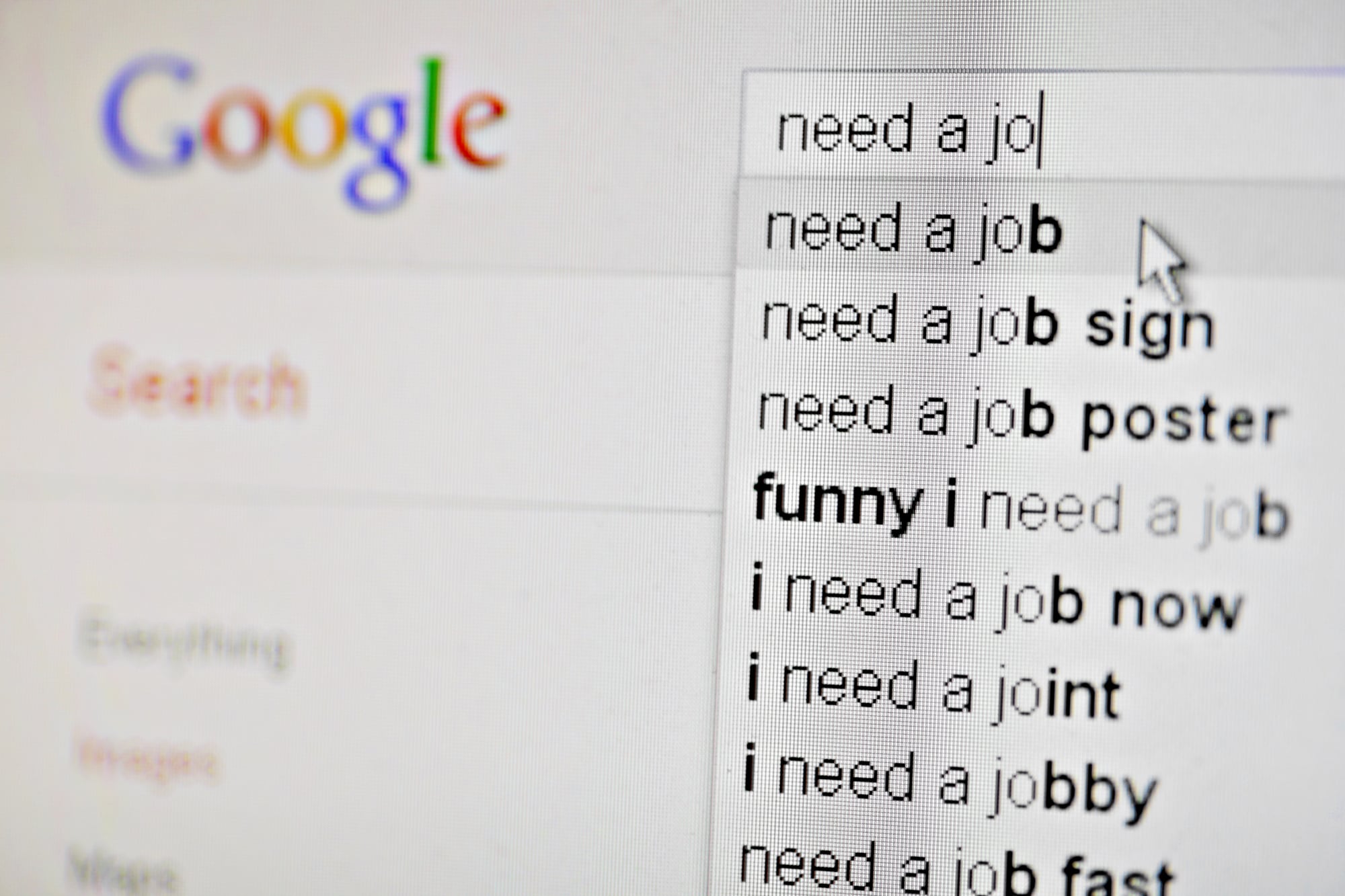
A word pops up before you finish – not just filling blanks, but reading ahead. Your device assumes where your mind is headed, swapping raw guesses for smarter picks.
Typing ‘best pizza’ could pull up local spots instantly, skipping extra taps. Suggestions arrive by watching patterns, past choices shaping what shows next. Speed builds quietly, one shortcut at a time.
AI quietly integrated into daily life

Most folks hardly notice these tools at all. Woven quietly into everyday moments, they slip by without fanfare.
Cleverness grows inside phones while staying simple to operate. That quiet progress is what matters. When chores suddenly take less effort than before, artificial intelligence likely played a role.
More from Go2Tutors!

- The Romanov Crown Jewels and Their Tragic Fate
- 13 Historical Mysteries That Science Still Can’t Solve
- Famous Hoaxes That Fooled the World for Years
- 15 Child Stars with Tragic Adult Lives
- 16 Famous Jewelry Pieces in History
Like Go2Tutors’s content? Follow us on MSN.