Foods Medieval Royals Loved to Eat
Banquets in royal halls meant more than just eating. Each plate served to monarchs whispered of status, loyalty, or ambition.
Feasts aimed to stun guests while drawing clear lines between ranks. Power decided the menu, not hunger alone.
Tradition guided choices as firmly as taste ever could. Pages saved from old palace logs show feasts piled high, nothing like what most ate back then.
When hunger hit villages and farms, kings still dined on course after rich course, each arranged just so. Dishes weren’t just meals – they carried meaning, built from rare spices, slow work, bold colors.
Power showed itself not in speeches, but in silver platters holding peacock or swan. Take a step into the world of medieval feasts, where certain dishes showed power without saying a word.
Rich spreads weren’t just about taste – each meal sent messages through flavor and display. Banquets featured game birds alongside spiced wines, revealing access to distant lands.
Status climbed on silver platters, often loaded with meats only nobles could claim. What appeared on the table spoke louder than laws ever did.
Even salt carried weight, placed carefully to mark rank among guests. These meals built identity as much as hunger was filled.
Roasted meats as the centre of the table
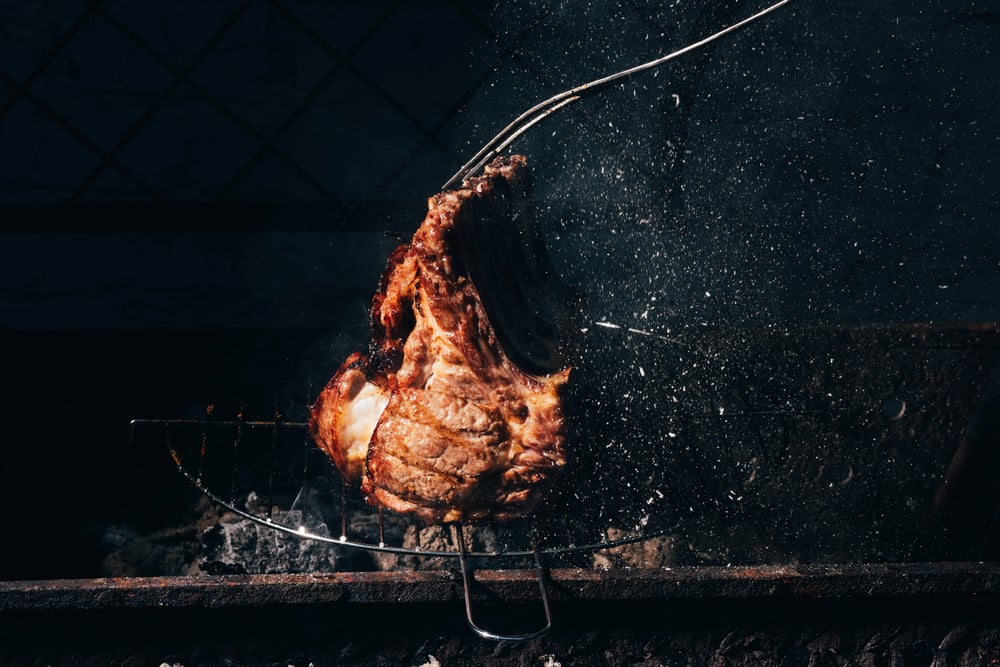
Roasted meat dominated royal meals and symbolised wealth more clearly than almost any other food. Large cuts of beef, pork, and mutton were slow-roasted over open fires, requiring space, fuel, and skilled cooks.
These dishes were not meant to be subtle. They were designed to arrive at the table in impressive form, announcing abundance before the first bite was taken.
Game meats carried even greater status. Deer, boar, and certain birds were restricted by law to the ruling classes, making their presence on a plate an unmistakable sign of privilege.
The eating game was a public reminder of royal rights over land and wildlife. The act of consuming these meats reinforced authority as much as it satisfied hunger.
Bread refined by class

Bread was a daily staple for everyone in medieval society, but the type of bread eaten marked clear social divisions. Royals favoured fine white bread made from carefully sifted wheat flour, a product that required more labour and higher-quality grain than darker loaves.
This bread was soft, pale, and fresh, often served warm and accompanied by rich sauces or meat juices. In contrast, most people ate dense, coarse bread made from mixed grains.
At court, even bread became a symbol of refinement, showing how something ordinary could be transformed into a marker of rank.
Spices as proof of global reach

Spices were among the most prized ingredients in medieval royal kitchens. Pepper, cinnamon, cloves, nutmeg, and ginger travelled long distances through complex trade networks before reaching European courts.
Their cost made them powerful symbols of wealth and international connection. Royal cooks used spices generously, not sparingly.
Heavily seasoned dishes demonstrated that expense was no obstacle. Spices were also associated with learning and medicine, giving them an intellectual prestige that suited royal identity.
A richly spiced meal quietly declared that the court stood at the centre of a wider world.
Sauces that transformed simple food
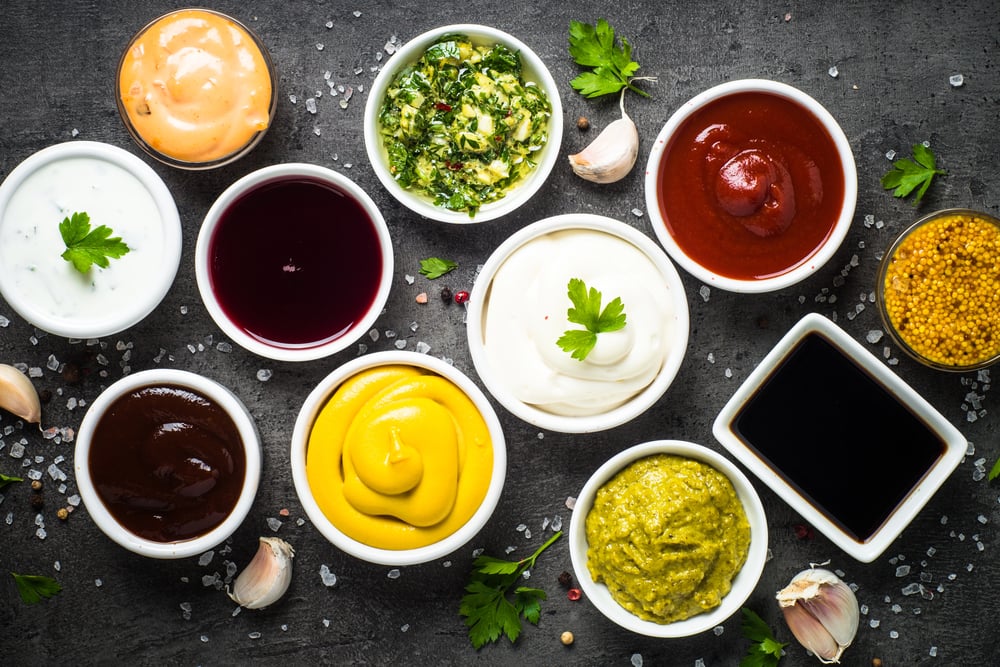
Medieval royal cooking relied heavily on sauces to create richness and complexity. These sauces often blended wine, vinegar, ground nuts, bread crumbs, herbs, and spices into thick, flavourful accompaniments.
The result was food designed to impress through depth rather than simplicity. Preparing such dishes required trained staff and well-organised kitchens.
These meals reflected the structure behind the scenes as much as what appeared on the plate. The complexity of the food mirrored the complexity of court life itself, where order, hierarchy, and ceremony shaped daily routines.
Fish for religious observance
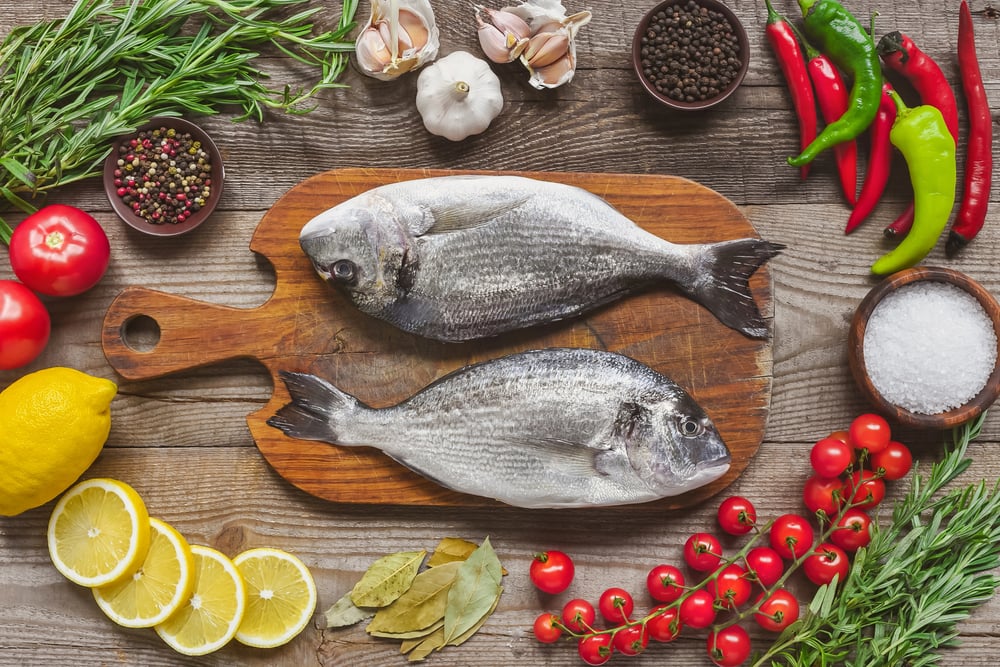
Religious calendars dictated frequent days when meat was avoided, even at court. On these occasions, fish replaced meat as the main source of richness and variety.
Royal kitchens sourced freshwater and saltwater fish in impressive quantities, ensuring that fasting never appeared austere. Salmon, eel, pike, and shellfish were prepared in pies, stews, and sauces that rivalled meat dishes in effort and presentation.
Observing religious rules did not diminish luxury. Instead, it redirected it, showing that devotion and indulgence could coexist at the royal table.
Sweet dishes and early indulgences
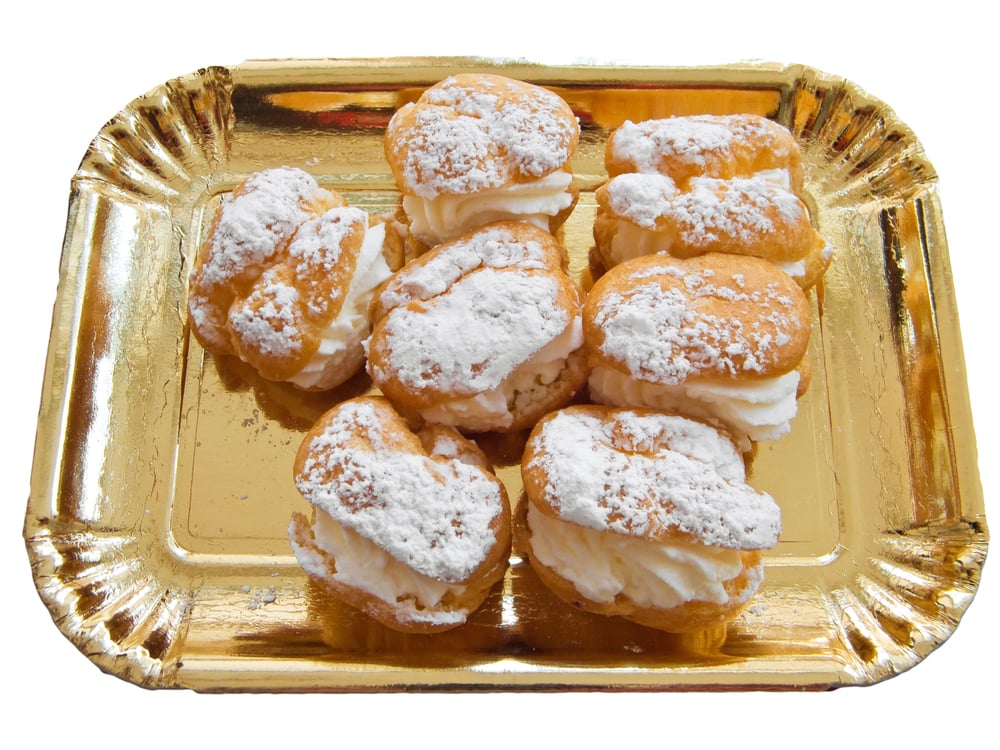
While modern desserts were unknown, medieval royals enjoyed sweet dishes that served a similar purpose. Honey was widely used, and later sugar became an increasingly important luxury ingredient.
Sweetened pastries, fruit preserves, and spiced drinks often appeared at the end of meals. Dried fruits such as figs, dates, and raisins were especially valued because they came from distant regions.
Their presence signalled trade connections and wealth. Sweet flavours offered contrast after heavy meals and reinforced the sense that royal dining allowed pleasures beyond necessity.
Exotic fruits and rare produce

Fresh fruit was not taken for granted in the medieval world, especially outside harvest seasons. Royal households, however, made efforts to secure fruit that most people would never encounter.
Oranges, lemons, and pomegranates were imported at great expense and treated as prized items. Even locally grown fruits such as apples and pears were carefully selected for appearance and quality.
Fruit was often displayed as much as eaten, functioning as a visual statement of abundance. A well-stocked fruit bowl spoke quietly of power and access.
Feasts as political theatre
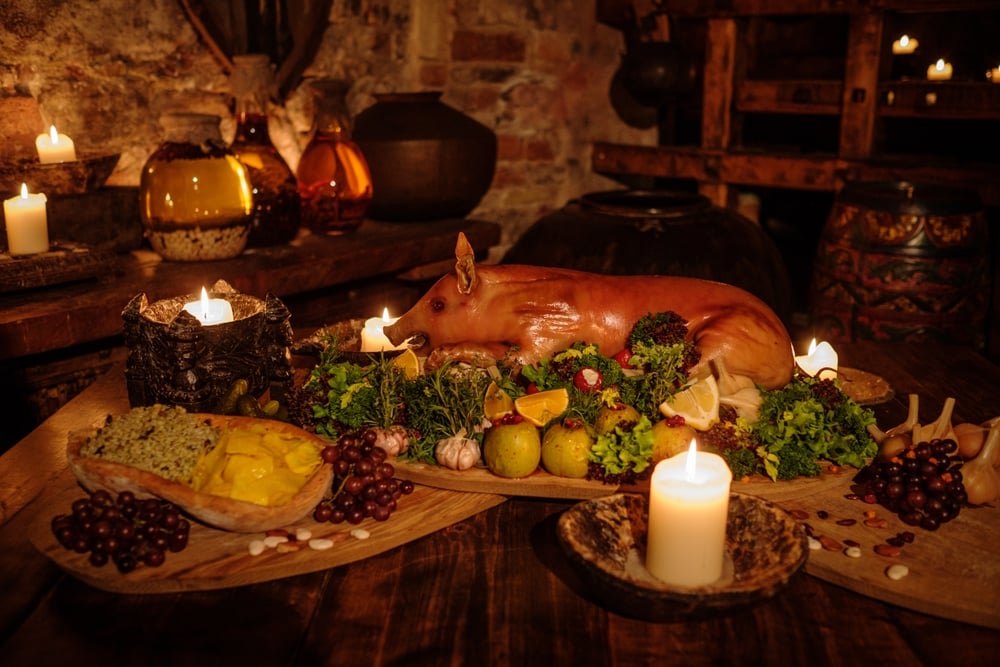
Royal feasts transformed eating into spectacle. These events were carefully staged, with multiple courses served in deliberate sequence.
Dishes were arranged for visual impact, sometimes shaped or decorated to reflect symbols of authority or regional identity. Strict rules governed seating, serving order, and portion size.
Every detail reinforced hierarchy. Feasting was not casual enjoyment but structured performance, where food helped communicate loyalty, favour, and status.
The meal itself became an extension of governance.
Seasonal eating without scarcity
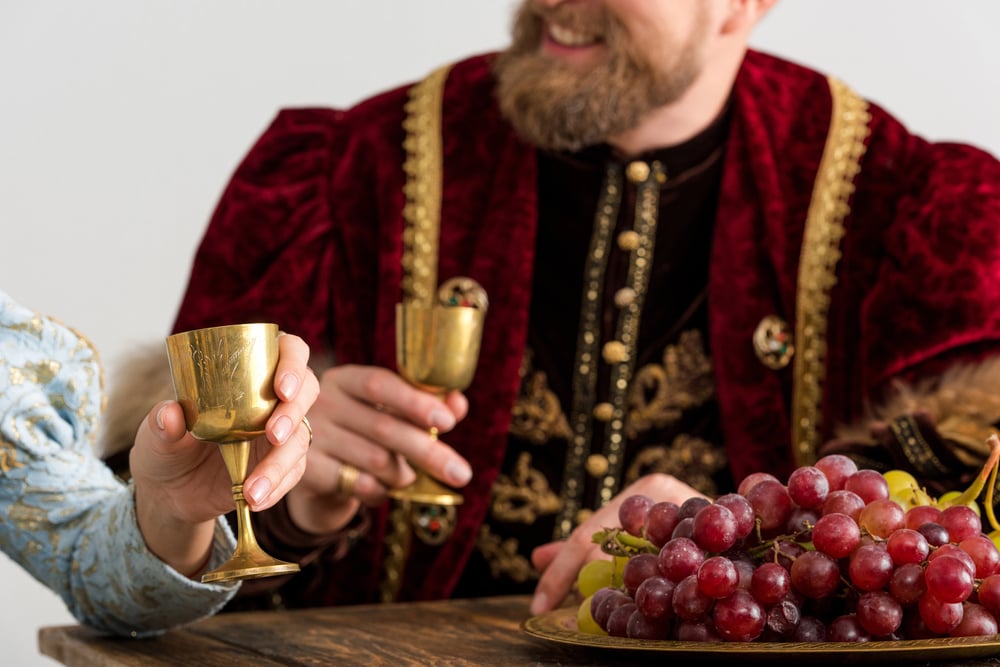
Medieval diets followed seasonal rhythms, but royalty experienced those rhythms differently. While common people faced periods of shortage, royal households relied on preservation methods and extensive supply networks to maintain variety throughout the year.
Salted meats, pickled vegetables, and stored grains ensured continuity. When fresh seasonal foods appeared, they were celebrated as markers of time and renewal.
Seasonal change became an opportunity for display rather than hardship, reinforcing the idea that royal life existed above ordinary constraints.
Food as daily reinforcement of power
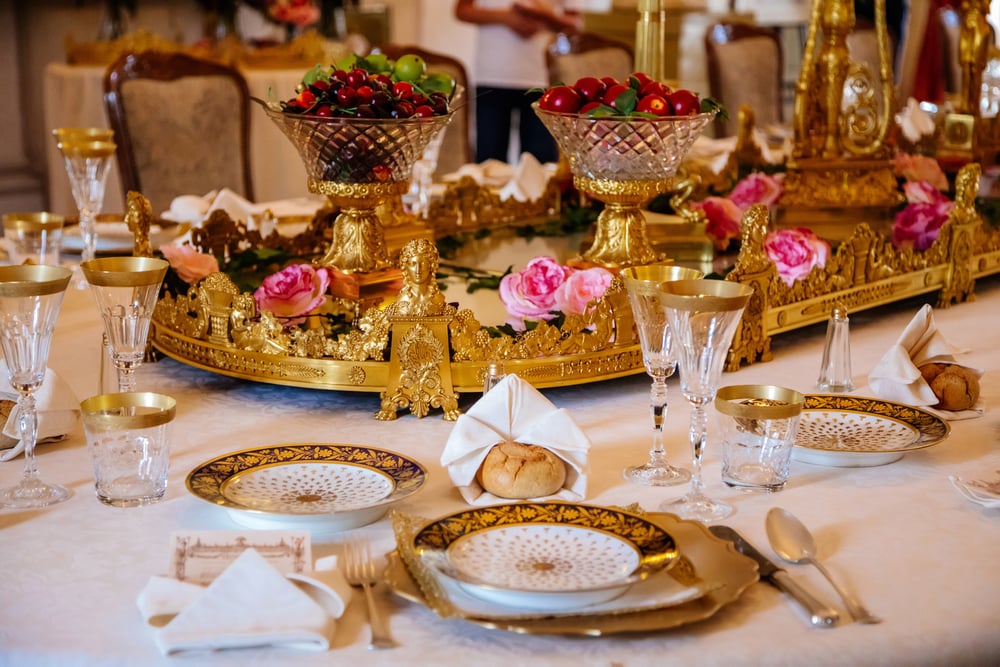
— Photo by MarkuzaAnna
What medieval royals loved to eat was inseparable from how they ruled. Meals reinforced social order through repetition and visibility.
Every shared dish, every public feast, and every display of abundance reminded observers of who held authority. Food also created distance.
The contrast between royal tables and common diets was impossible to ignore. That separation was not accidental.
It was carefully maintained through access, law, and ritual, ensuring that power was tasted as well as seen.
Why royal diets still resonate

Long ago, kings and queens ate in ways that still affect how fancy meals feel today. Because of distant lands sending rare spices and fruits, dishes gained a certain grandeur.
When plates are arranged like art, it echoes feasts meant to impress nobles. Feeding guests slowly, one course at a time, began as a power display.
Standing near the head table once showed rank – now it just feels special. Meals marking big moments? That habit grew from palace rituals.
What we call indulgence often started as someone’s daily bread – if they wore a crown. Even now, long after those feasts ended, the way they ate still lingers in subtle ways.
Who sat where mattered more than hunger ever did. Meals shaped by custom showed who belonged and who did not.
Rich spices arrived far from home, proving reach and influence. Taste played a part, but so did display.
What was served often spoke louder than words. Power dressed itself in roasted meats and rare wines.
A shared table could build loyalty or deepen divides. Centuries later, we see echoes of status in every dish once placed on cloth.
More from Go2Tutors!

- The Romanov Crown Jewels and Their Tragic Fate
- 13 Historical Mysteries That Science Still Can’t Solve
- Famous Hoaxes That Fooled the World for Years
- 15 Child Stars with Tragic Adult Lives
- 16 Famous Jewelry Pieces in History
Like Go2Tutors’s content? Follow us on MSN.