Animals That Have Long Lifespans
Some creatures on this planet have figured out how to stick around far longer than most.While humans celebrate reaching 100 years old, certain animals are just getting started at that age.
These long-living species have adapted in remarkable ways to survive for decades or even centuries, often in environments that seem harsh or impossible for such longevity. Let’s dive into the world of these incredible survivors and discover what makes them tick for so long.
Greenland shark
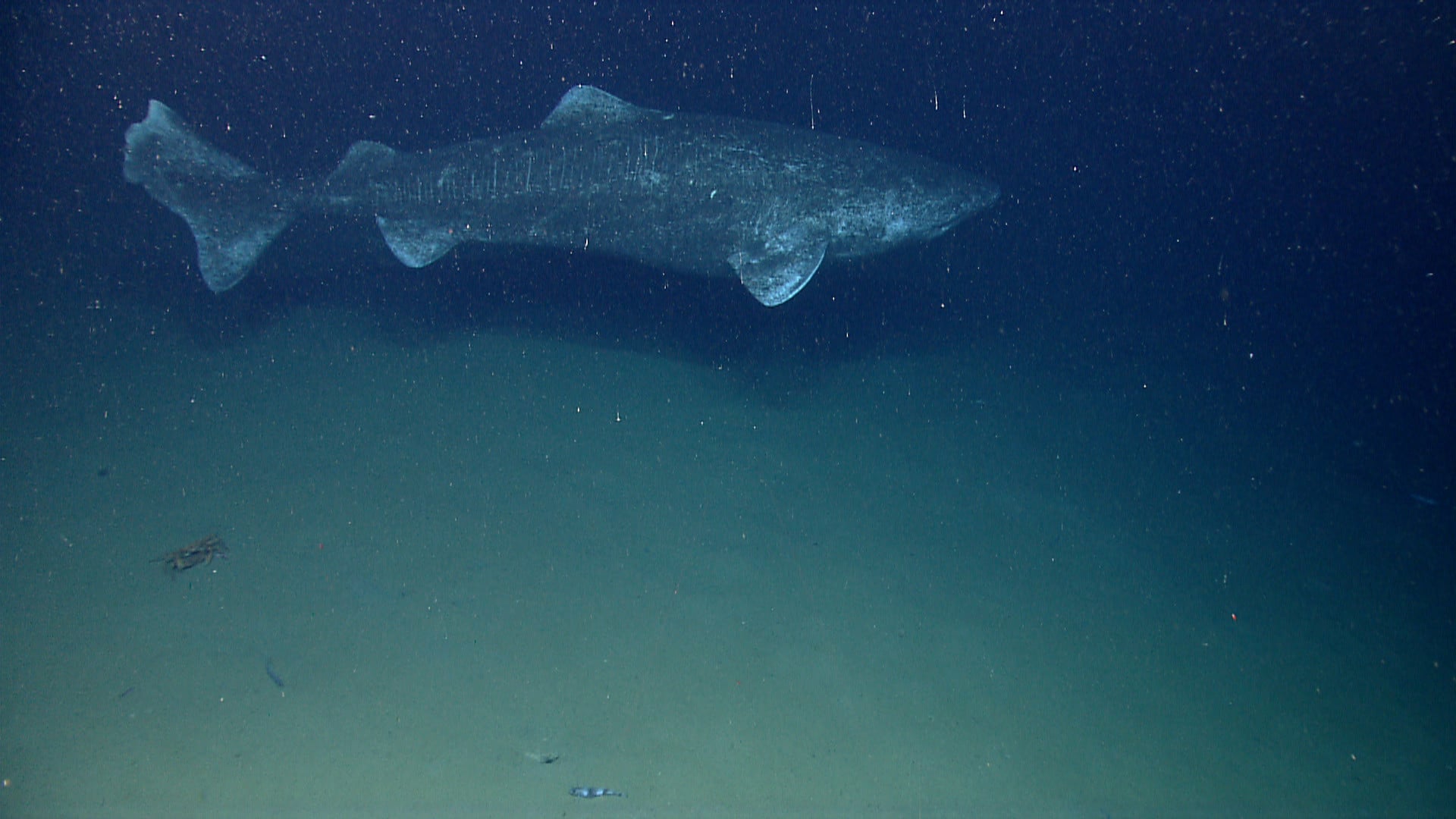
The Greenland shark holds the record as the longest-living vertebrate known to science.These massive creatures swim slowly through the cold Arctic waters, and researchers have found individuals that are at least 400 years old.
Some scientists believe certain specimens could be over 500 years old, meaning they were alive before Shakespeare wrote his plays. Their extreme longevity comes from living in freezing temperatures that slow down their metabolism to a crawl.
Ocean quahog clam

This unassuming clam lives on the ocean floor and can survive for more than 500 years. Scientists determine their age by counting growth rings on their shells, similar to counting tree rings.
One particular clam named Ming was discovered to be 507 years old when researchers accidentally killed it while trying to determine its age. These clams grow incredibly slowly and have a metabolism that barely registers compared to other marine animals.
Bowhead whale
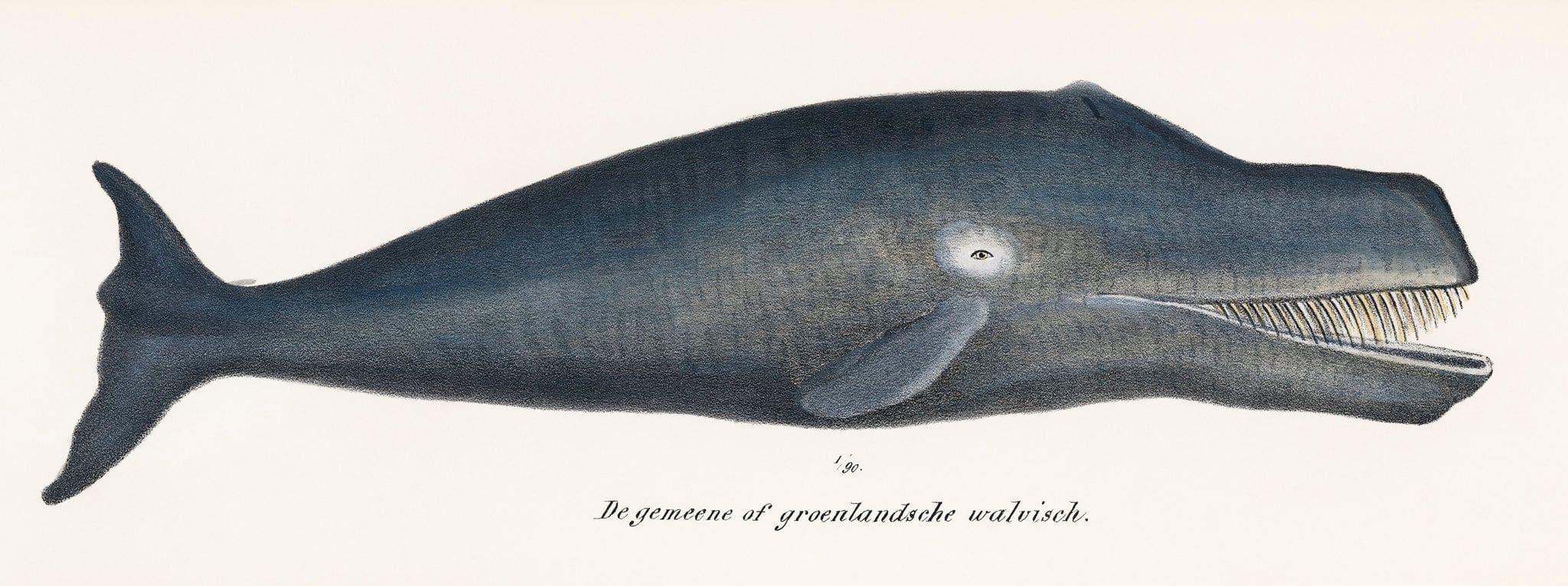
Bowhead whales cruise through Arctic waters and can live for over 200 years. These massive mammals have been found with harpoon fragments embedded in their blubber from whaling attempts that occurred in the 1800s, proving they survived attacks from more than a century ago.
Their thick blubber protects them from the extreme cold, and their slow-paced lifestyle in frigid waters contributes to their impressive lifespan. Scientists believe their DNA has special repair mechanisms that prevent the usual cellular damage that causes aging.
Galápagos giant tortoise

These enormous tortoises are famous for their long lives, often exceeding 100 years in the wild. The oldest known Galápagos tortoise, named Harriet, lived to be 175 years old before passing away in 2006.
Their slow metabolism and plant-based diet contribute to their longevity, and they spend most of their days moving at a leisurely pace across volcanic islands. The lack of natural predators in their isolated home also means they rarely face life-threatening situations.
Tuatara

This reptile from New Zealand looks like a lizard but is actually the last survivor of an ancient group that walked alongside dinosaurs. Tuataras can live for over 100 years, with some individuals reaching 150 years or more.
They grow and mature extremely slowly, not reaching adulthood until they’re about 35 years old. Their low body temperature and slow metabolism help them conserve energy throughout their exceptionally long lives.
Red sea urchin

These spiny creatures attach themselves to rocks along the Pacific coast and can live for more than 200 years. Unlike most animals, red sea urchins don’t show typical signs of aging as they get older.
They maintain their ability to reproduce throughout their entire lives and don’t experience the usual decline in health that comes with age. Scientists study them intensely to understand why they seem almost immune to the aging process.
Koi fish

These colorful fish that swim in garden ponds and ornamental pools can live well past 100 years when properly cared for. The oldest verified koi, named Hanako, lived to be 226 years old in Japan.
Their longevity depends heavily on water quality, diet, and living conditions, but even in less-than-perfect environments, they regularly reach 50 or 60 years. Koi ownership often becomes a multi-generational commitment, with fish being passed down through families.
African elephant
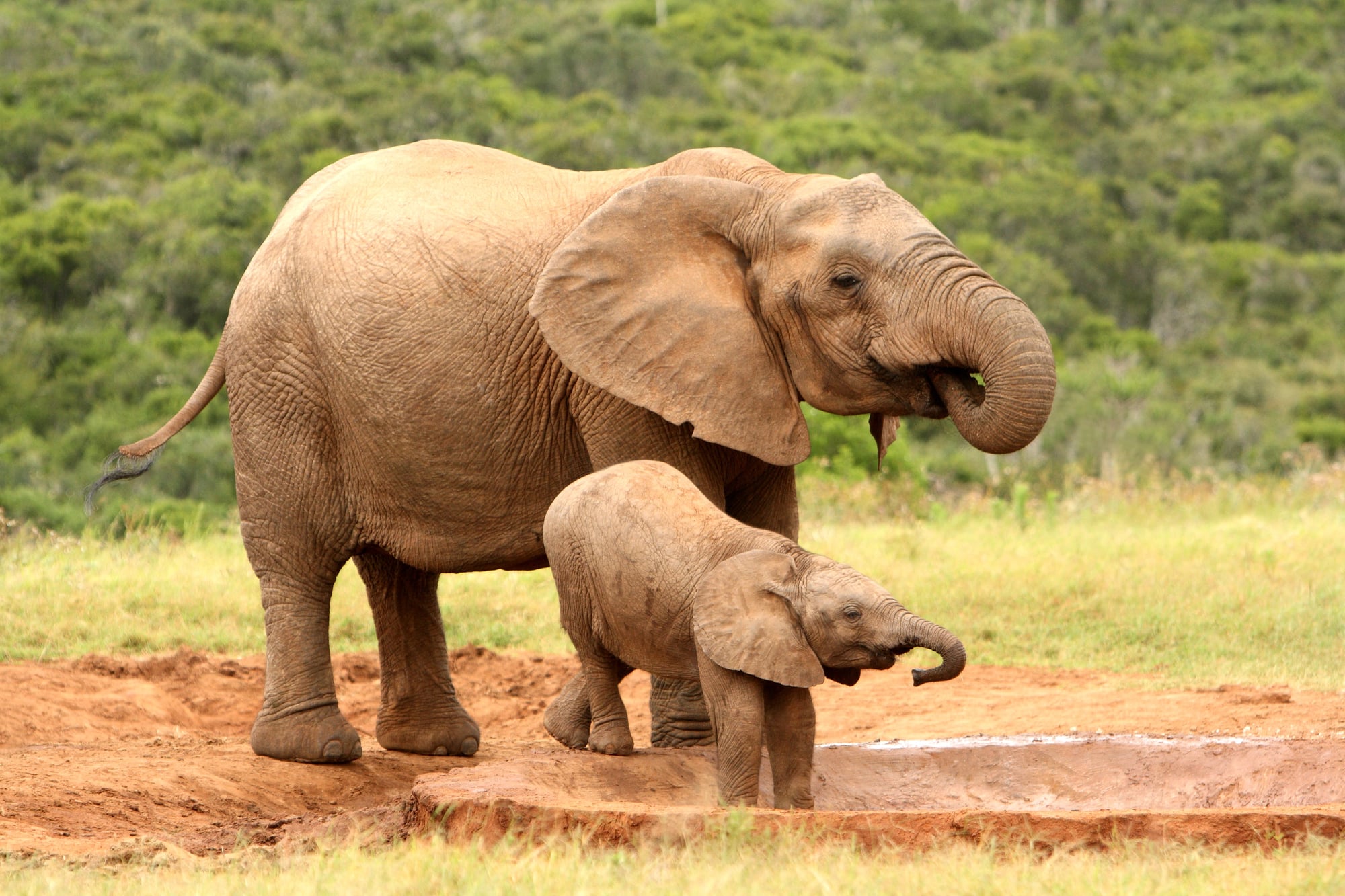
African elephants are the largest land animals and can live for 60 to 70 years in the wild. Their complex social structures and tight family bonds contribute to their survival, as older elephants teach younger ones where to find water during droughts.
Female elephants often live longer than males because they stay within protective family groups their entire lives. Their impressive memory helps them remember migration routes and water sources across vast distances for decades.
Macaw
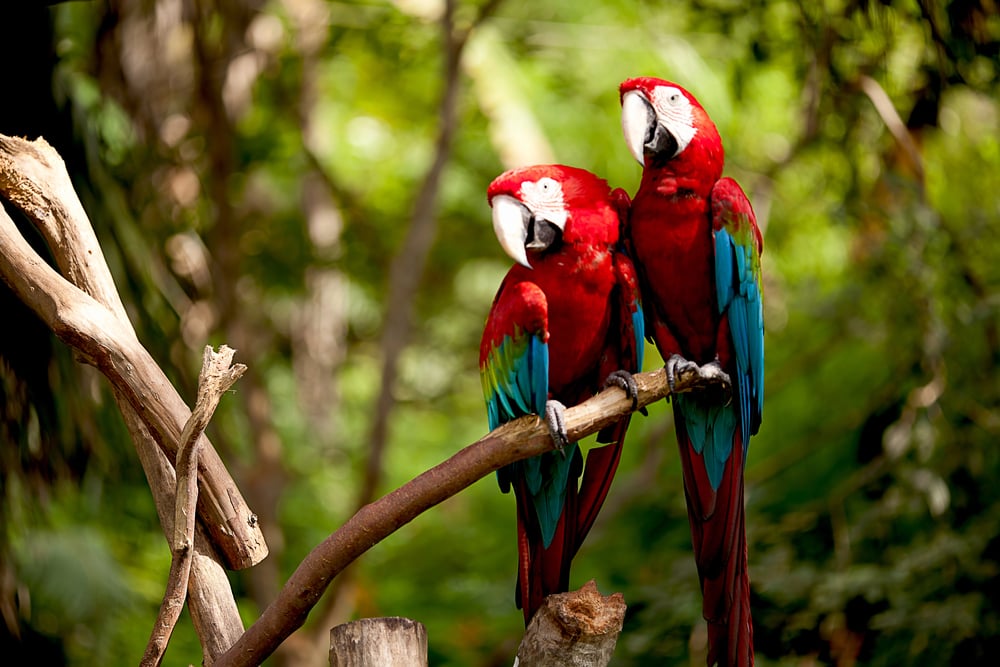
These vibrant parrots from Central and South America regularly live 50 to 60 years in the wild, and even longer in captivity. Some macaws have been documented living past 100 years when well cared for by humans.
Their strong beaks, intelligence, and ability to adapt to different food sources help them survive for decades in tropical forests. Macaws form lifelong pair bonds with their mates, and losing a partner can significantly impact their health and longevity.
Geoduck clam

This strange-looking clam from the Pacific Northwest burrows deep into mud and sand, where it can live for more than 160 years. Geoducks have a long tube-like siphon that extends up to the surface to filter food from the water above.
Their protected underground position keeps them safe from most predators throughout their lengthy lives. Commercial harvesting has reduced their numbers, but in undisturbed areas, they continue to thrive for well over a century.
Aldabra giant tortoise

Native to the Aldabra Atoll in the Indian Ocean, these tortoises regularly live past 100 years. One famous individual named Adwaita was believed to be around 255 years old when he died in 2006, though the exact age remains disputed.
These tortoises share many traits with their Galápagos cousins, including a slow metabolism and peaceful herbivorous lifestyle. They can go long periods without food or water, which helps them survive in their isolated island habitat.
Rougheye rockfish

This deep-sea fish lives in the cold waters of the North Pacific and can survive for over 200 years. Rougheye rockfish grow extremely slowly and don’t reach reproductive maturity until they’re around 20 years old.
Their deep-water habitat protects them from many predators and fishing pressure, allowing them to live out their full lifespan. The cold temperatures and high pressure of their environment slow down their biological processes significantly.
Glass sponge

These deep-sea sponges attach to the ocean floor and have been estimated to live for over 10,000 years, making them among the oldest living organisms on Earth. Glass sponges build their structures from silica, the same material found in glass, creating beautiful lattice-like skeletons.
They filter nutrients from water that flows through their bodies, and their incredibly slow growth rate means they barely change from century to century. Scientists struggle to determine their exact age because traditional dating methods don’t work well on these ancient creatures.
Immortal jellyfish
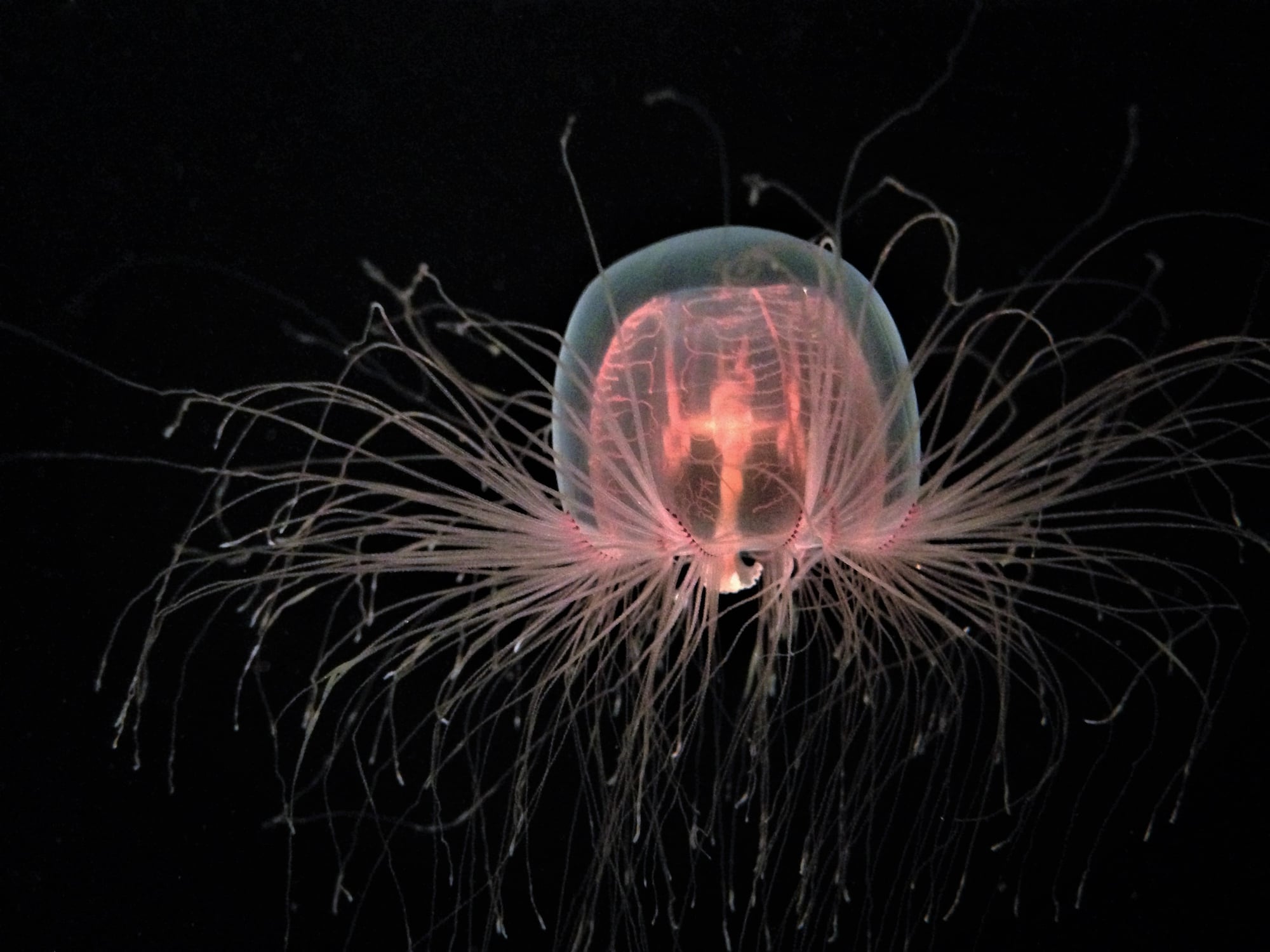
The Turritopsis dohrnii earned its nickname by doing something no other animal can do reliably. When this tiny jellyfish faces stress, injury, or old age, it can revert back to its juvenile polyp stage and start its life cycle over again.
This biological trick means it can potentially avoid death indefinitely, though most still get eaten by predators or succumb to disease. Scientists study this jellyfish intensely, hoping to understand the mechanisms that allow it to reverse its aging process.
Warty oreo
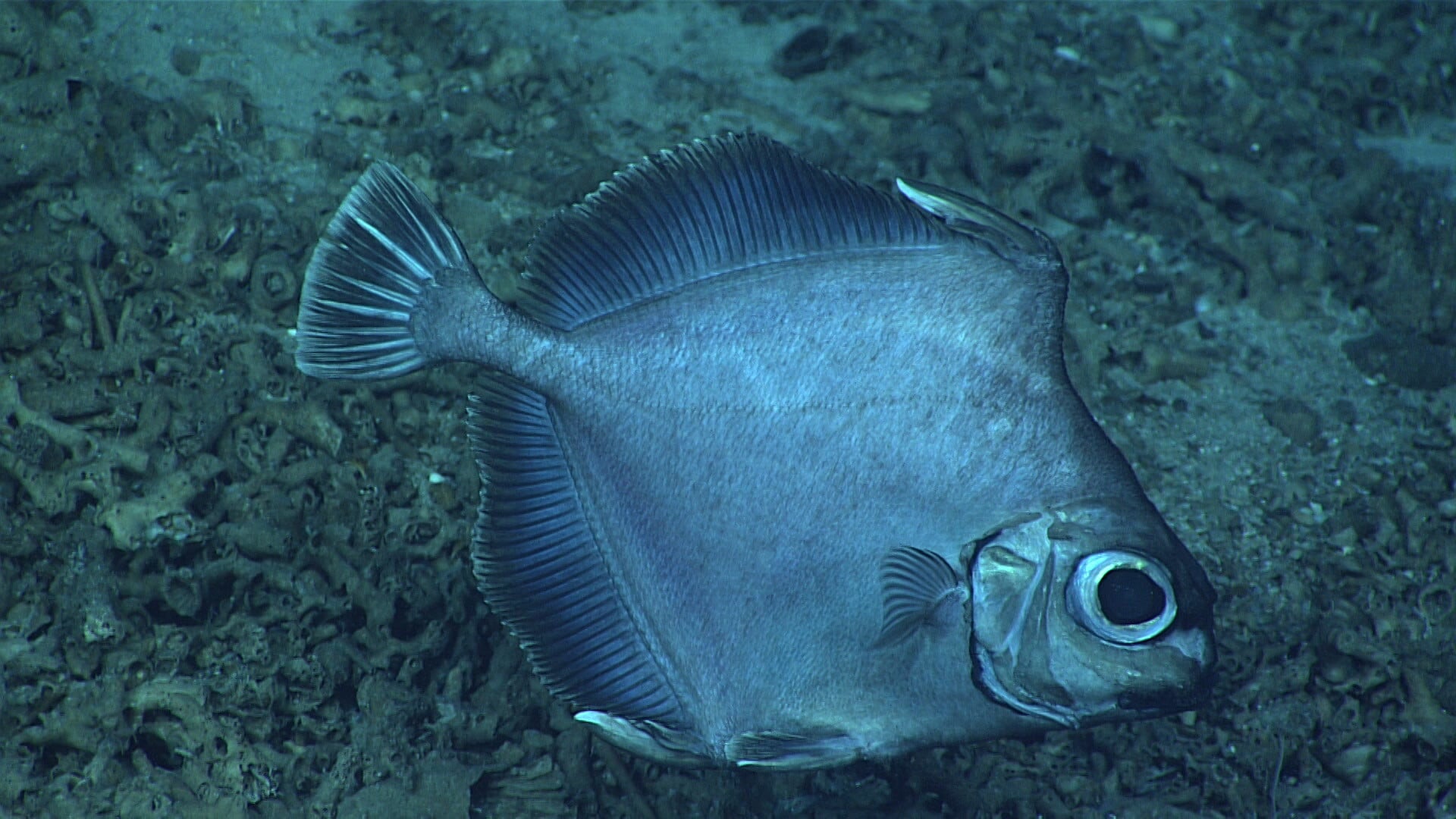
This deep-sea fish lives in waters around New Zealand and Australia, where it can survive for more than 140 years. The warty oreo gets its name from the bumpy protrusions covering its dark body, which help it blend into the deep ocean environment.
Like many deep-sea creatures, its slow metabolism and cold habitat contribute to its exceptional lifespan. Commercial fishing has threatened their populations because they reproduce so slowly that overfishing can quickly devastate their numbers.
Antarctic sponge

Living in the freezing waters around Antarctica, these sponges grow at an almost imperceptible rate and can live for over 1,500 years.The extreme cold of their environment means their biological processes happen in slow motion compared to animals in warmer climates.
These sponges provide important habitat for other Antarctic creatures, and their ancient bodies serve as historical records of ocean conditions over millennia. Scientists can study their growth patterns to understand how ocean temperatures have changed over centuries.
Freshwater pearl mussel

These freshwater mollusks live in clean, cold rivers across Europe and North America, where they can survive for over 250 years. Freshwater pearl mussels filter huge amounts of water throughout their lives, helping to keep river ecosystems healthy.
They have a complicated life cycle that requires specific fish hosts for their larvae, making them vulnerable to environmental changes.
Pollution and habitat destruction have made them endangered in many areas, despite their natural ability to live for centuries.
Longfin eel
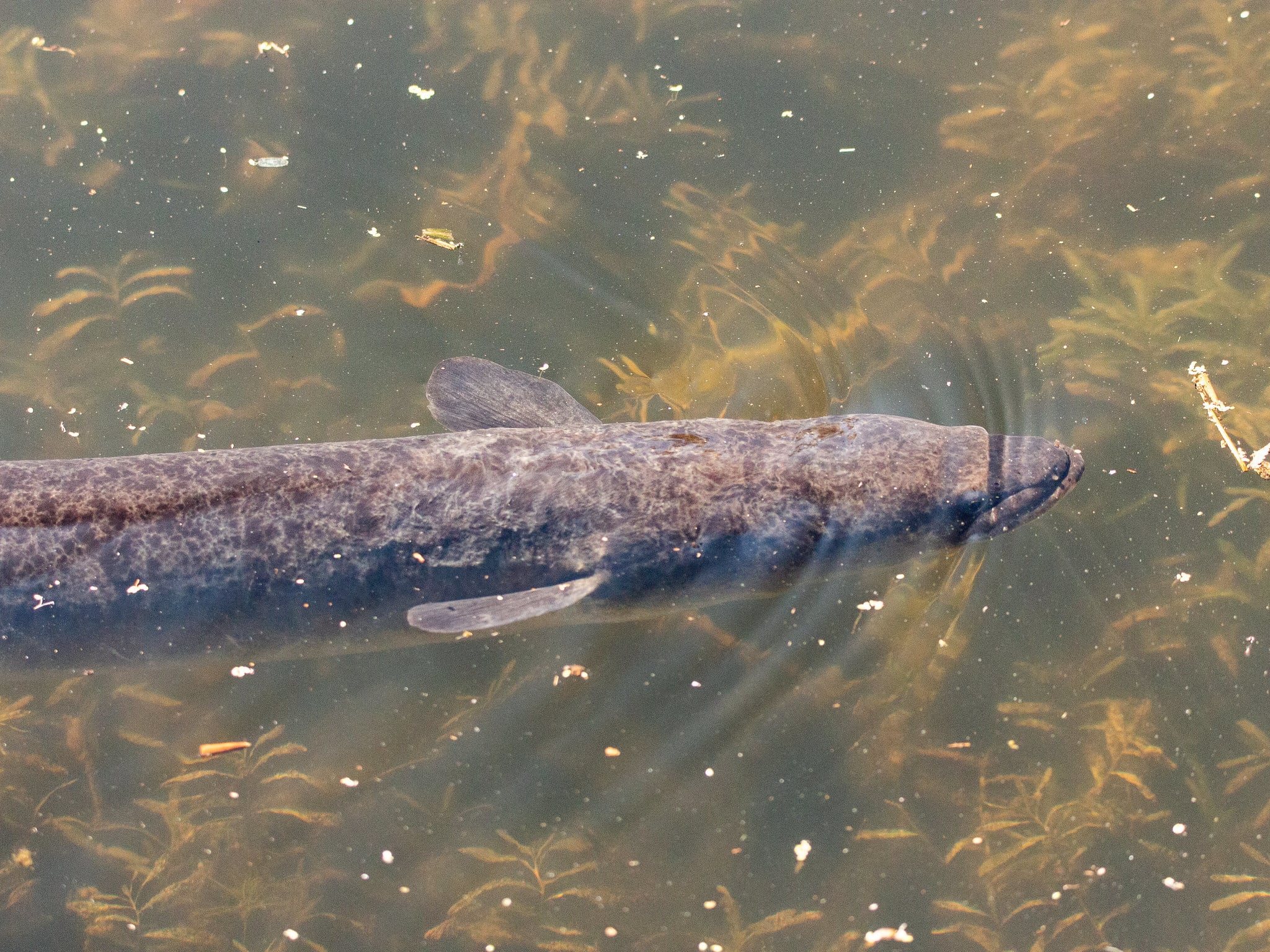
These snake-like fish live in freshwater streams in New Zealand and Australia, and they can survive for more than 100 years. Longfin eels spend decades in rivers before making a one-way journey to the ocean to spawn, after which they die.
Some individuals have been documented living in the same river pool for 80 or 90 years before finally making their reproductive migration. Their patient lifestyle and ability to survive in various water conditions contribute to their impressive longevity.
Nature’s patient teachers
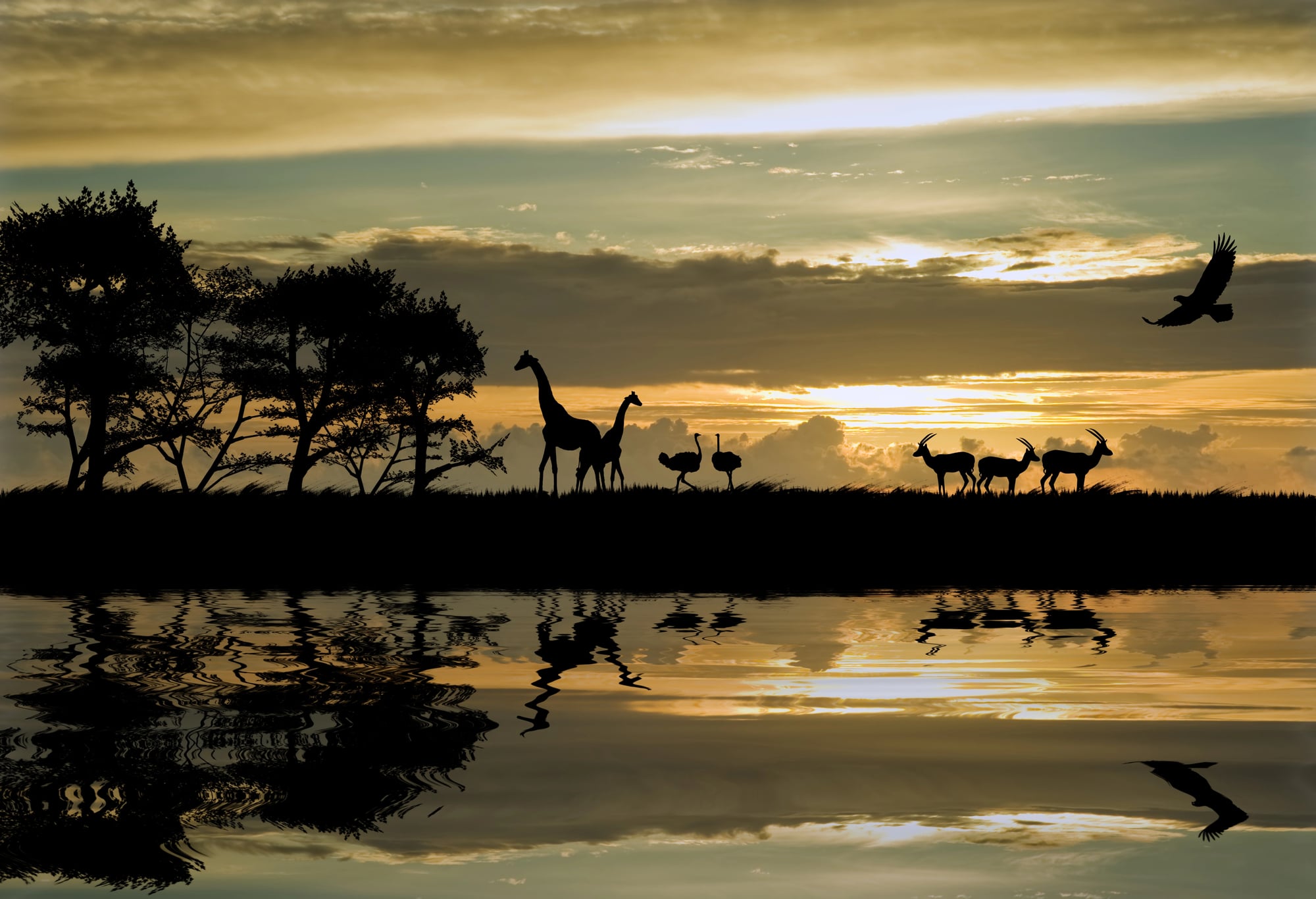
These long-living creatures remind us that survival isn’t always about speed or strength. Many of them thrive in cold, deep, or isolated places where life moves at a different pace than what we’re used to.
Their extended lifespans give scientists valuable insights into aging, adaptation, and what it takes to endure across centuries. The next time you see an old tortoise or think about creatures in the deep ocean, remember that some of them have witnessed more history than any human ever will.
More from Go2Tutors!

- The Romanov Crown Jewels and Their Tragic Fate
- 13 Historical Mysteries That Science Still Can’t Solve
- Famous Hoaxes That Fooled the World for Years
- 15 Child Stars with Tragic Adult Lives
- 16 Famous Jewelry Pieces in History
Like Go2Tutors’s content? Follow us on MSN.