Costliest Mistakes in Sports
Brilliance lights up the past of games, yet shadows from defeat shape it too. One choice, a step too soon, or thinking that slips off track – these twist paths for players, teams, maybe whole divisions.
Costliest blunders on fields or courts almost never come from missing skill. Pressure mixes with pride, bad guesses, or poor timing – and out comes disaster.
What sticks isn’t only about cash, even when amounts shock. What holds weight is how final it feels.
One choice locks everything in place – no undoing it later. Papers get signed.
Moves happen. Consequences stretch far ahead, long after the moment passes.
A few blunders in sports have carried huge price tags – each one echoing well past the instant it happened. What made them so expensive wasn’t just the loss, but how they shifted futures in unpredictable ways.
Boston Red Sox and Babe Ruth
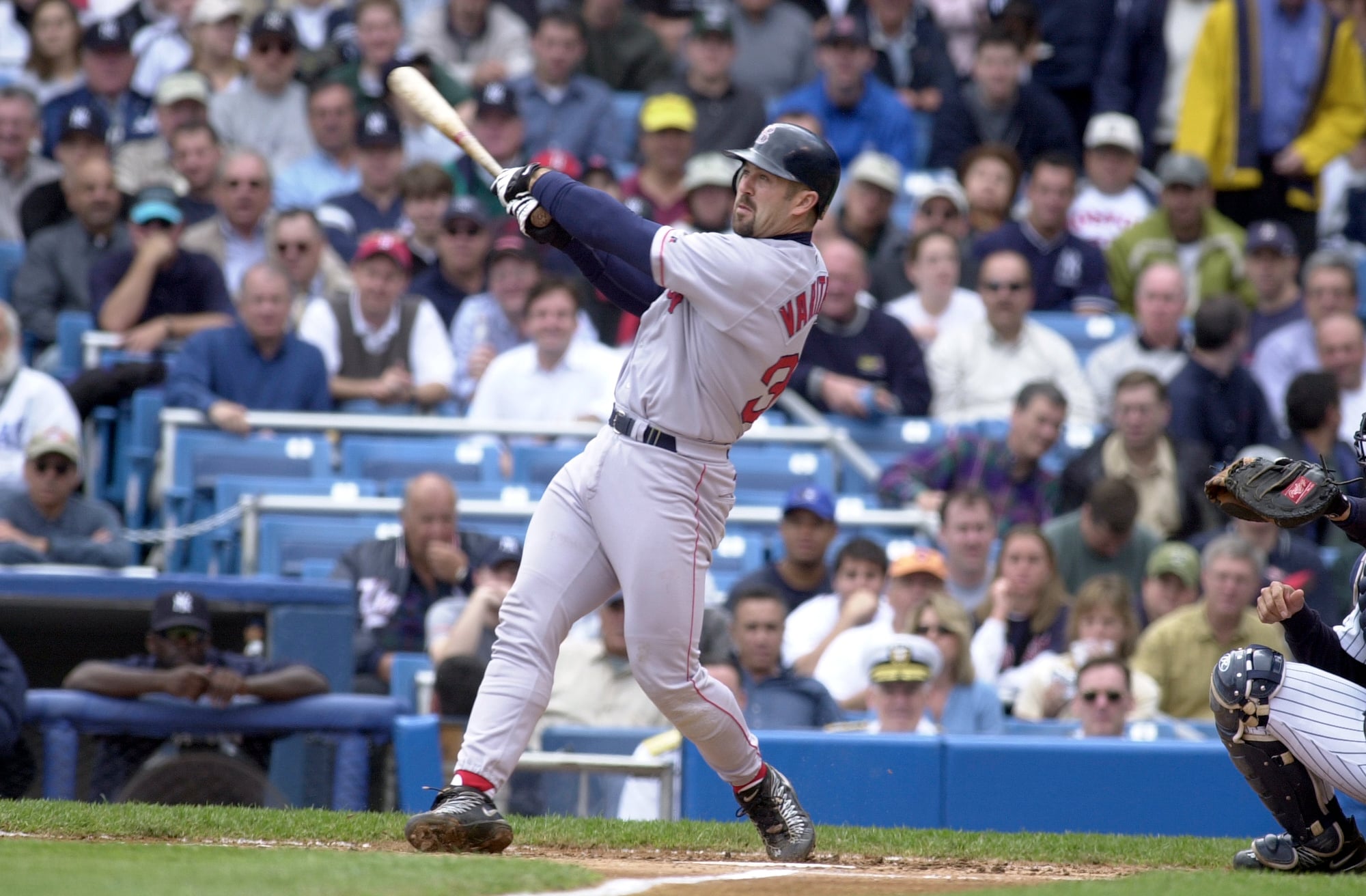
In 1919, the Boston Red Sox sold Babe Ruth to the New York Yankees for what seemed like a reasonable sum at the time. Ownership needed cash, and Ruth was seen as difficult to manage despite his talent.
The decision looked practical in the short term. What followed became one of the most infamous stretches in sports history.
The Yankees built a dynasty around Ruth, while the Red Sox went decades without a championship. The sale reshaped two franchises and turned a financial decision into a cultural curse that lasted nearly a century.
Cleveland Browns Drafting Johnny Manziel
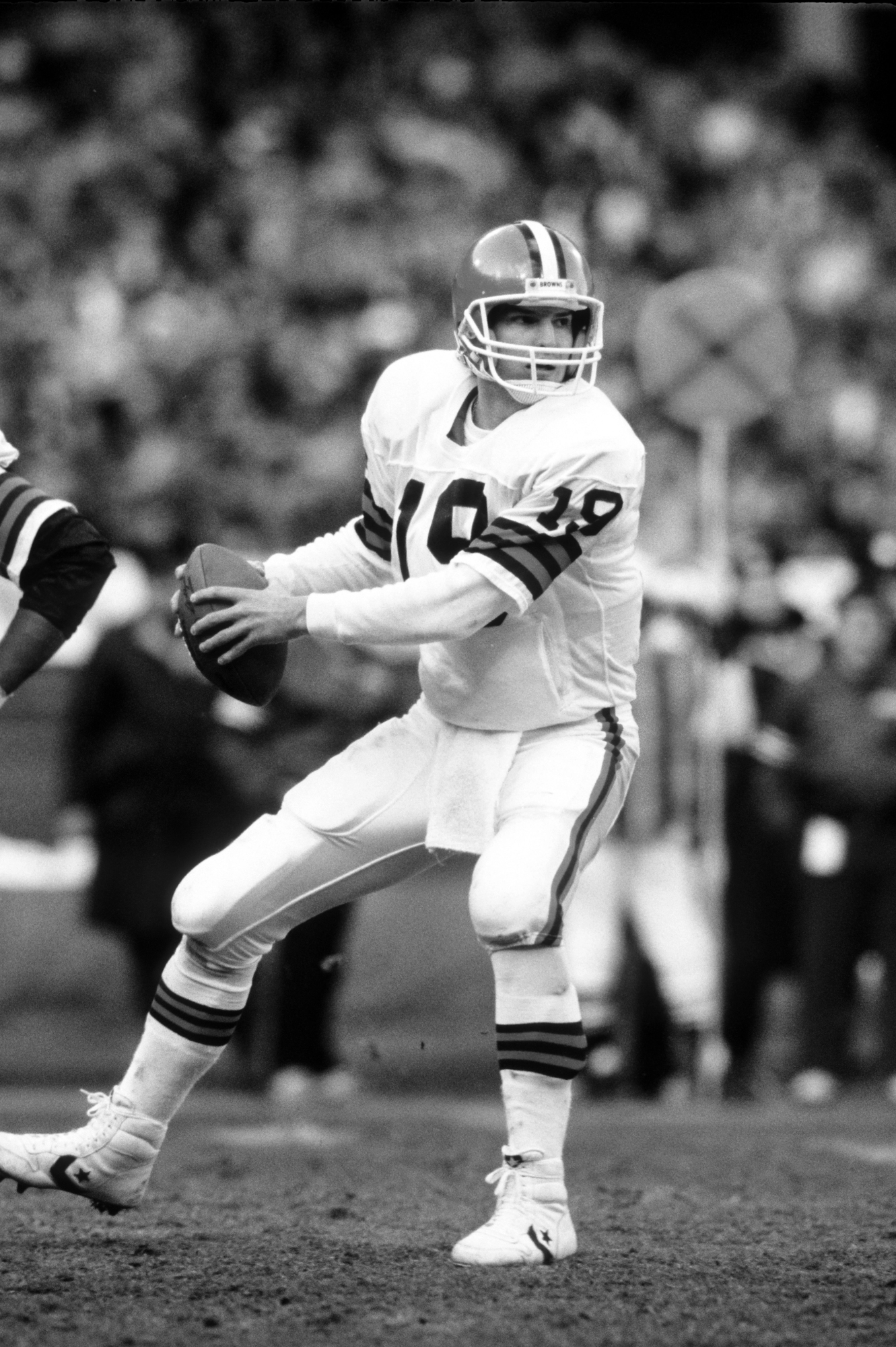
When the Browns selected Johnny Manziel in the first round of the 2014 NFL Draft, the pick was meant to signal a fresh start. Manziel brought attention, excitement, and a college highlight reel that suggested star potential.
The reality was far different. Poor preparation, off-field issues, and inconsistent performance derailed his career almost immediately.
The Browns wasted a high draft pick, valuable development time, and yet another opportunity to stabilize the franchise at quarterback. The cost was measured in years of continued instability.
Los Angeles Lakers Trading for Russell Westbrook
The Lakers’ decision to trade for Russell Westbrook in 2021 was driven by star power rather than fit. On paper, the roster looked formidable.
In practice, the pieces never aligned. Westbrook’s contract limited flexibility, while his playing style clashed with the team’s needs.
The move drained depth, cost future assets, and forced constant adjustments. What was meant to extend a championship window instead closed it prematurely, turning a bold gamble into an expensive lesson in roster balance.
Detroit Tigers and the Chris Davis Contract
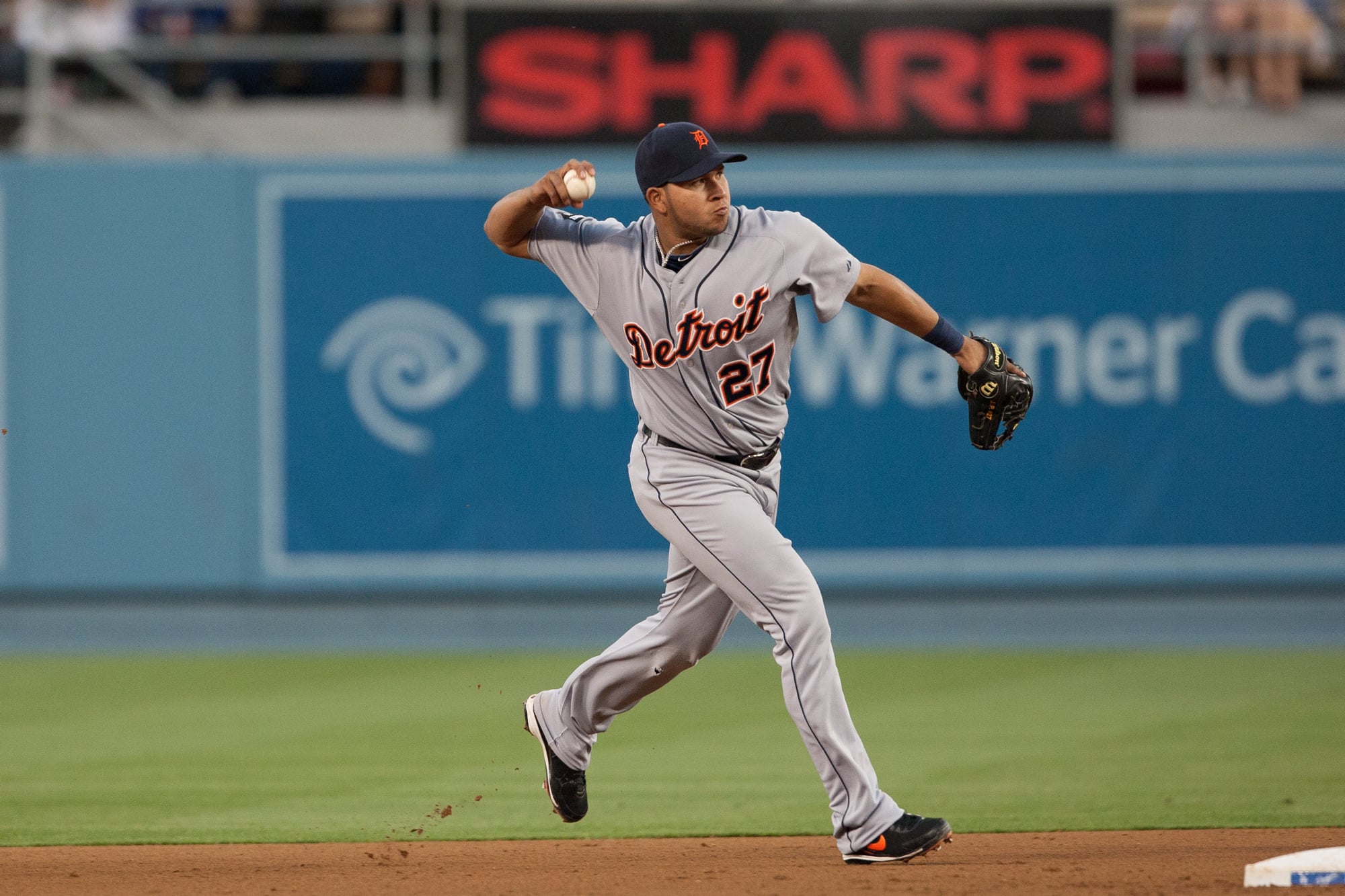
The Baltimore Orioles’ decision to sign Chris Davis to a massive long-term deal stands as a cautionary tale of paying for past performance. Davis had delivered incredible power seasons, and the contract was meant to lock in that production.
Instead, his performance declined sharply. Injuries and inconsistency turned the deal into a financial anchor that limited roster flexibility for years.
The cost was not just the salary itself, but the opportunities lost while the team remained tied to the contract.
Seattle Seahawks Super Bowl XLIX
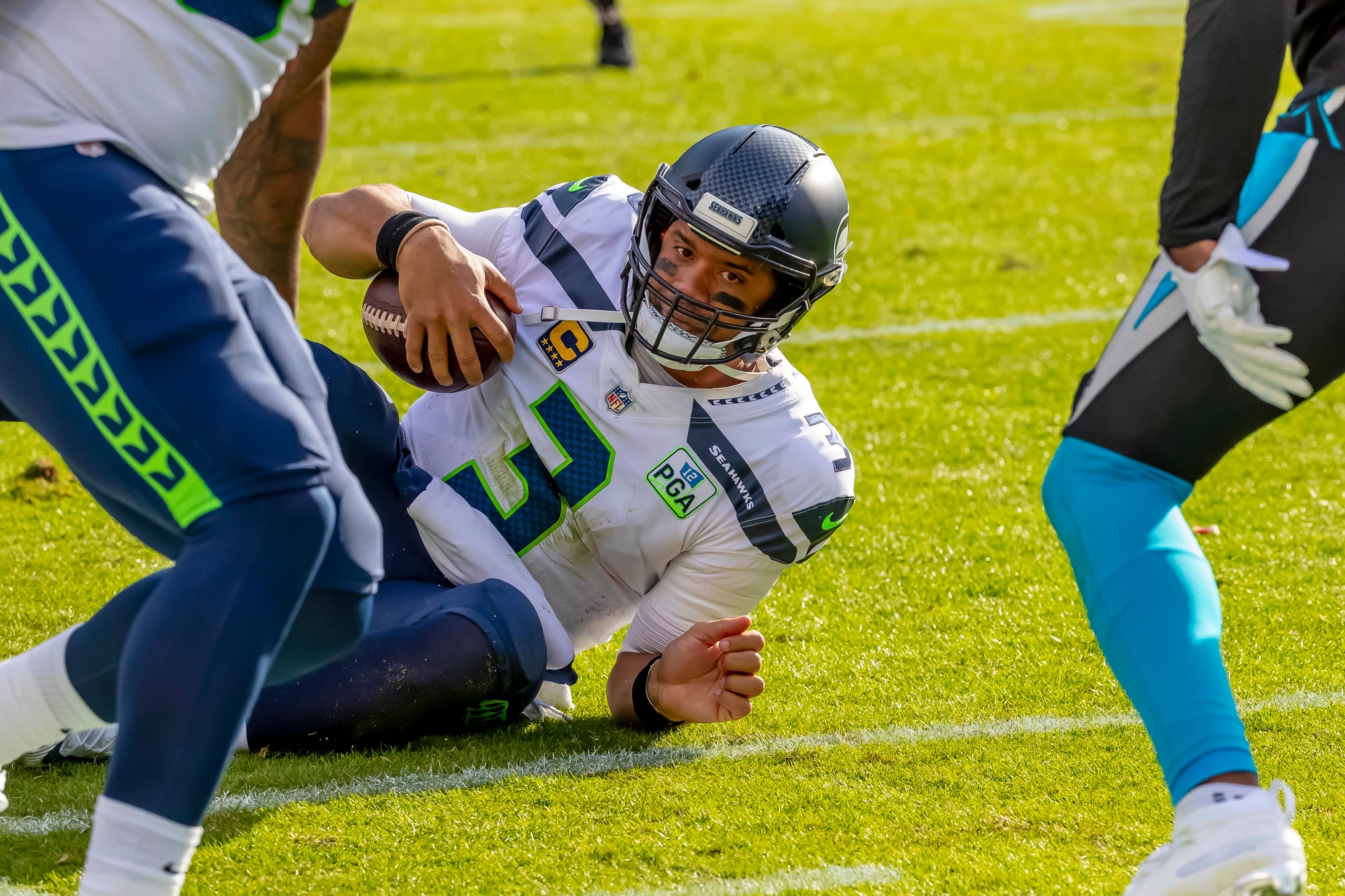
With seconds left in Super Bowl XLIX, the Seahawks were one yard from a championship. Instead of running the orb, they opted for a pass.
The result was an interception that instantly ended the game. The decision became one of the most debated calls in sports history.
Beyond the loss itself, the moment marked a turning point. The team never fully recaptured its momentum, and internal trust reportedly suffered.
One play reshaped the legacy of an entire era.
New York Knicks and the Steph Curry Draft Pass
In the 2009 NBA Draft, the Knicks passed on Stephen Curry, citing concerns about size and durability. At the time, the choice aligned with conventional thinking.
Curry went on to transform basketball, redefine shooting, and anchor multiple championships elsewhere. The Knicks continued searching for a franchise cornerstone, while the cost of that missed opportunity grew with every record Curry broke.
Manchester United and Alexis Sánchez
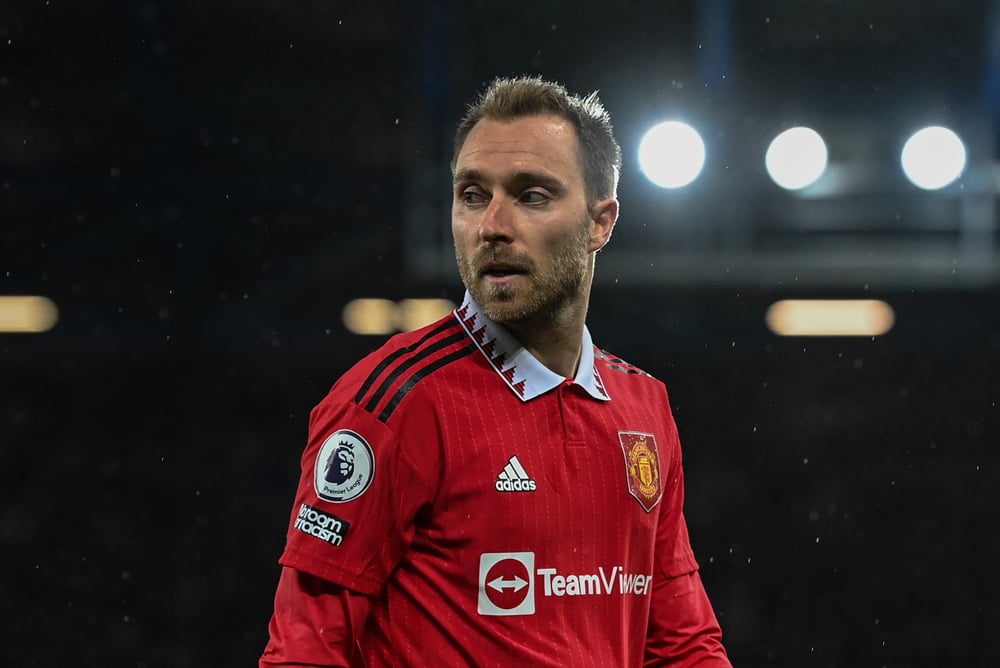
Manchester United signed Alexis Sánchez on enormous wages, expecting a proven star to elevate the squad. The move was meant to send a message of ambition and dominance.
Instead, Sánchez struggled to fit into the system, while his salary disrupted the wage structure. Performances dipped, morale suffered, and the club found itself paying heavily for a player who never justified the investment.
The mistake lingered long after his departure.
Brooklyn Nets Big Three Experiment
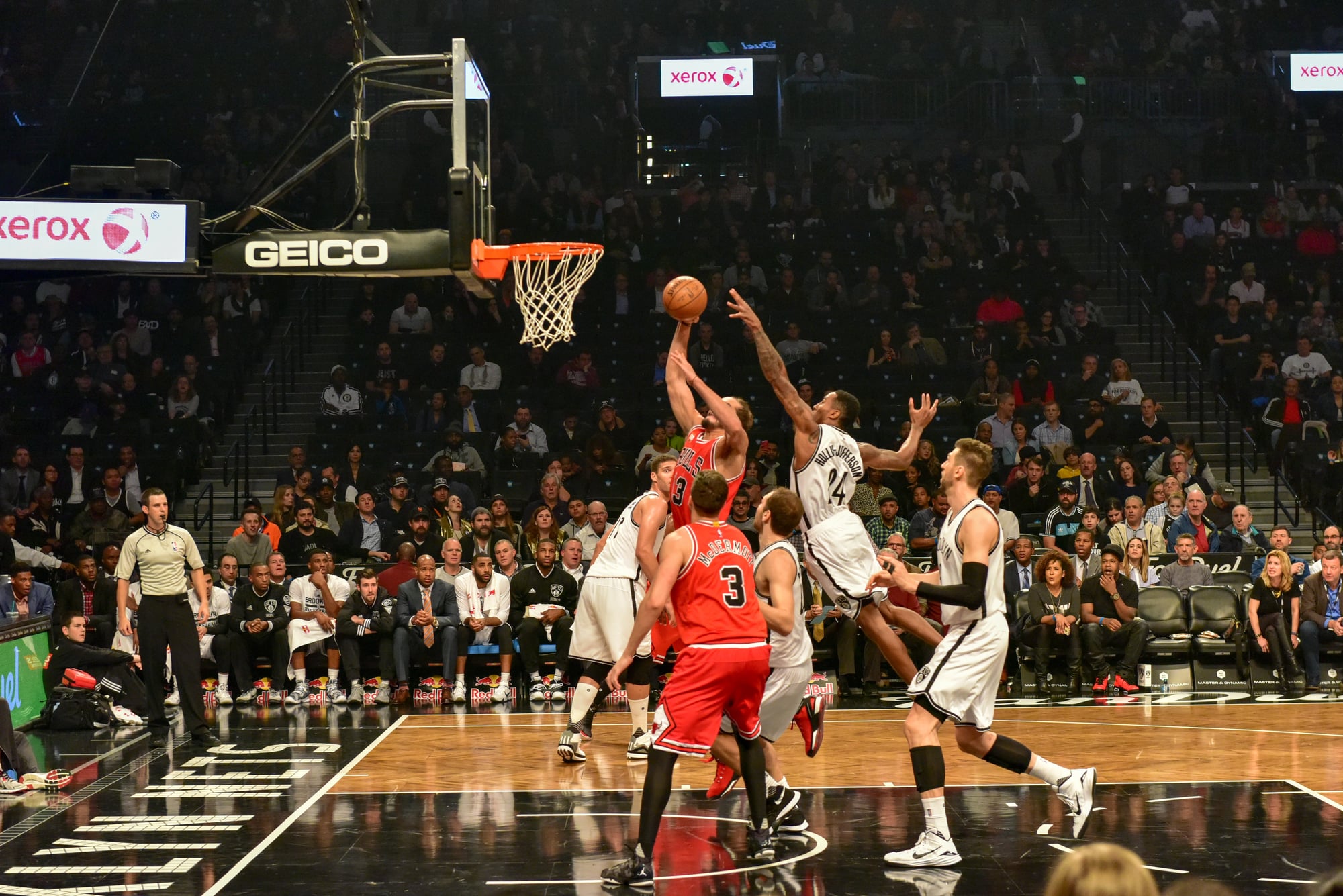
The Nets assembled a roster featuring Kevin Durant, Kyrie Irving, and James Harden with championship expectations. On paper, it looked unstoppable.
In reality, injuries, availability issues, and chemistry problems unraveled the plan. Draft picks were spent, flexibility disappeared, and the window closed without a title.
The cost was not just financial, but strategic, setting the franchise back years.
Brazil national football team 2014 World Cup Collapse

Hosting the World Cup carried enormous pressure for Brazil. Expectations were sky-high, and the team was built to dominate on home soil.
The semifinal loss to Germany, by a staggering margin, was more than a defeat. It triggered national introspection, coaching upheaval, and long-term structural changes.
The cost was emotional and institutional, reshaping how Brazilian football viewed itself.
Oakland Raiders Drafting JaMarcus Russell
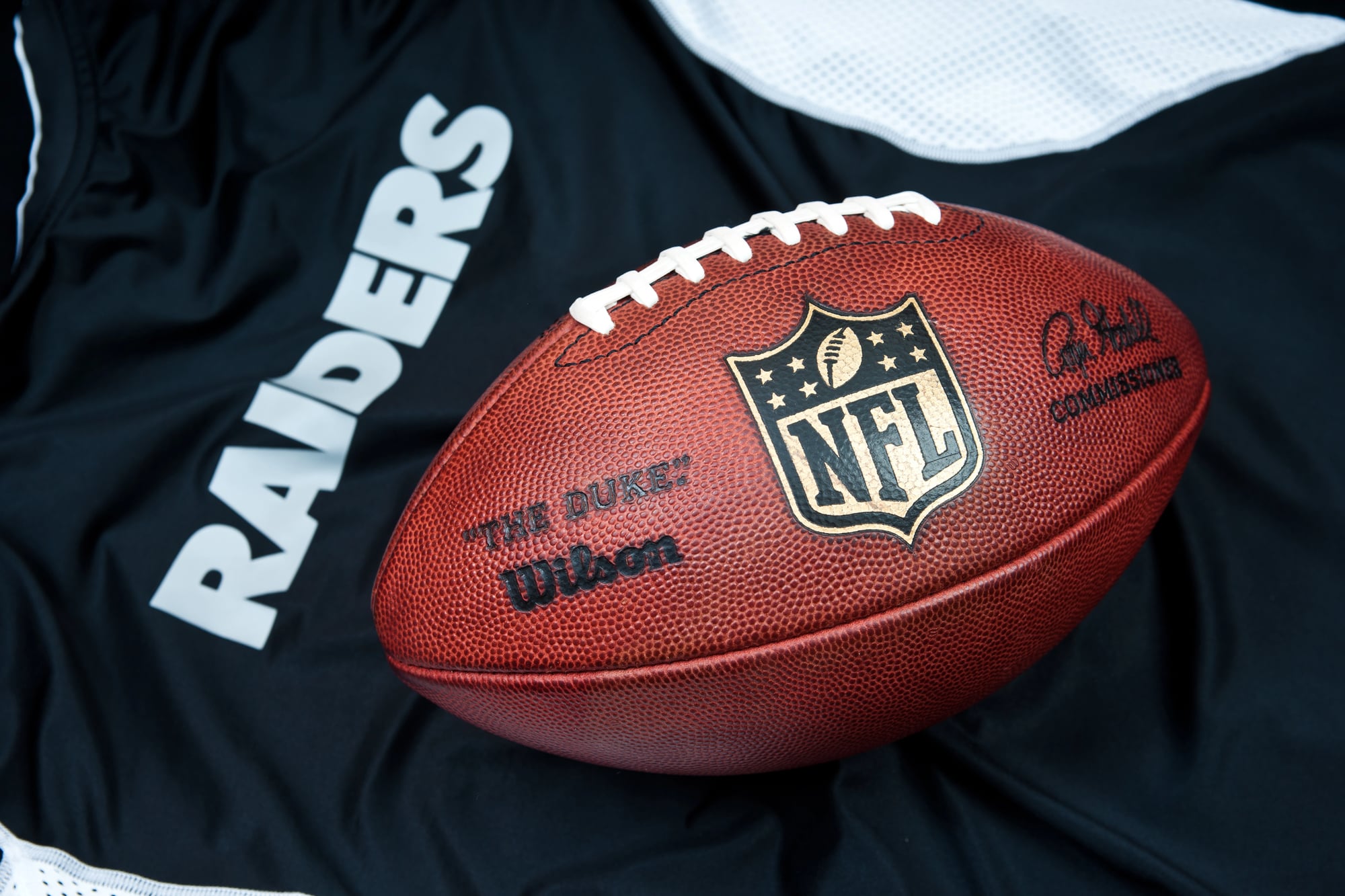
JaMarcus Russell was selected first overall in 2007, viewed as a franchise savior. His arm strength and size were undeniable.
What followed became one of the most expensive draft failures in NFL history. Lack of preparation and commitment undermined his potential, leaving the team with a massive financial loss and years of recovery.
The mistake reinforced how difficult projecting success can be at the highest level.
When Money Amplifies Error

The most costly mistakes in sports rarely happen in isolation. They are amplified by contracts, expectations, and public scrutiny.
A poor decision in amateur competition might fade quietly. At the professional level, it echoes for years.
Modern sports economics magnify these moments. Guaranteed contracts, salary caps, and media exposure mean every misstep carries weight.
Teams are no longer just managing performance. They are managing consequences.
Why These Mistakes Keep Happening

Despite history, similar errors repeat. Pressure to win now often overrides patience.
Fan expectations push organizations toward splashy moves. Confidence in talent evaluation can slide into overconfidence.
That said, mistakes are part of the system. Sports reward risk, and avoiding every error would mean never making bold decisions.
The challenge lies in knowing which risks are worth taking and which ones quietly undermine the future.
The Price of a Single Choice

What makes errors stick isn’t always clarity in the moment, but what follows after. A single decision – be it a signing, a selection, or an on-field judgment – can shift everything.
Success and downfall often hang on something barely noticeable until it breaks. The weight of those choices grows long after the whistle blows.
What sticks around isn’t always brilliance – often it’s a mistake that lingers. Those who adjust their path when things go wrong tend to last longer than those who don’t.
Some names fade quietly, not because they failed once, but because they ignored what failure tried to say.
More from Go2Tutors!

- The Romanov Crown Jewels and Their Tragic Fate
- 13 Historical Mysteries That Science Still Can’t Solve
- Famous Hoaxes That Fooled the World for Years
- 15 Child Stars with Tragic Adult Lives
- 16 Famous Jewelry Pieces in History
Like Go2Tutors’s content? Follow us on MSN.