Bizarre Trivia About The English Language And Grammar
English is a stubborn language. It refuses to follow its own rules, borrows shamelessly from other tongues, and somehow convinces millions of people that silent letters make perfect sense.
The deeper you dig into its quirks and contradictions, the more it becomes clear that English isn’t just irregular — it’s gloriously, inexplicably strange.
The letter “e” appears in roughly 11% of all English text

This single letter dominates English writing more than any other. Pick up any book, newspaper, or text message and start counting — you’ll find “e” lurking everywhere.
It shows up in “the”, “me”, “she”, “where”, “there”, “every”, and thousands of other common words.
“Queue” is just the letter “Q” followed by four silent letters
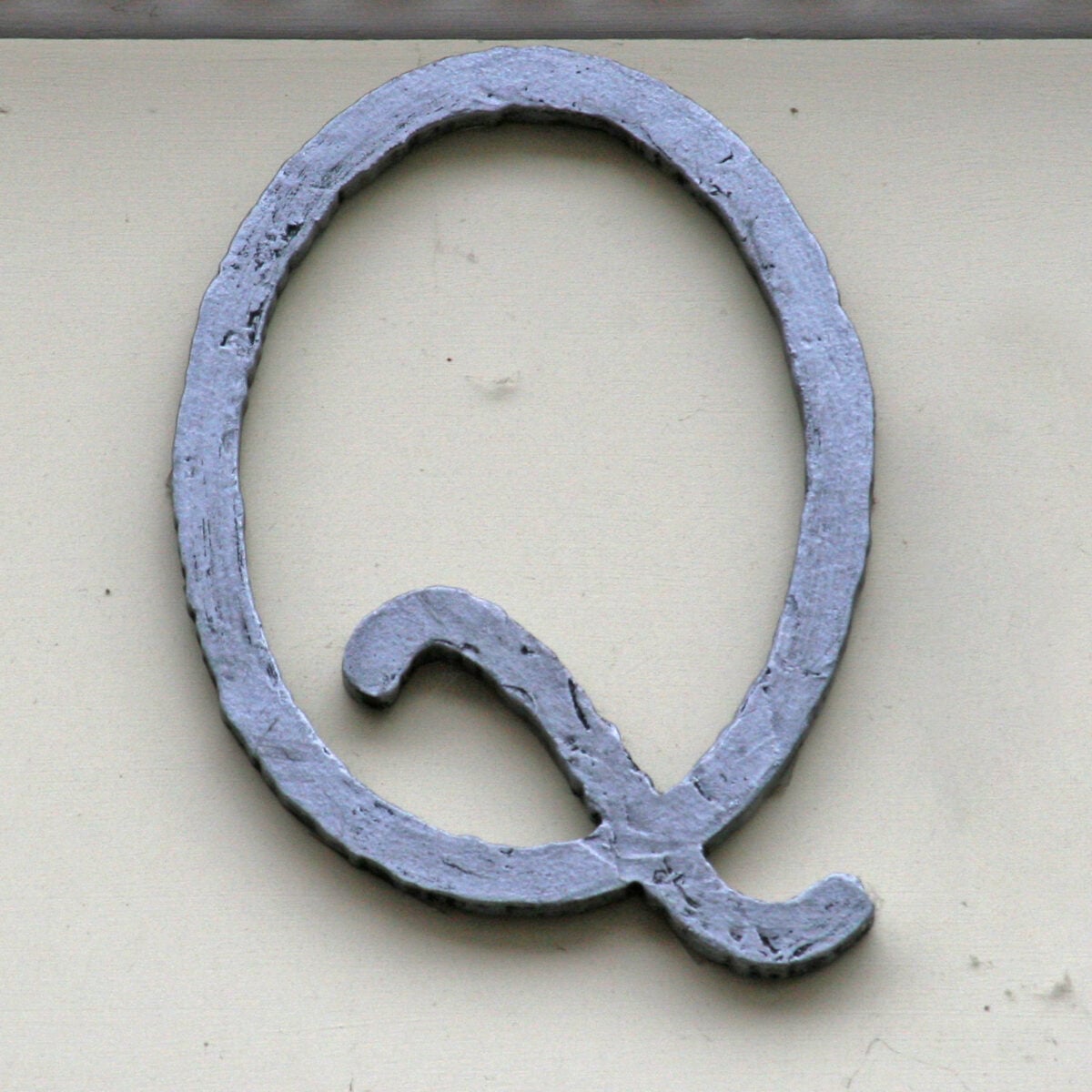
The word essentially says its own name while dragging four unnecessary passengers along for the ride. French gave us this particular gift, but English kept it exactly as ridiculous as it arrived.
You could spell it “Q” and lose nothing.
The word “set” has over 400 different meanings

When you really start digging into what “set” can do (and lexicographers have spent considerable time on this question, which says something about both their dedication and their tolerance for tedium), the sheer versatility becomes almost absurd. You can set a table, set a bone, set concrete, set sail, set someone straight, or belong to a social set.
The sun sets, Jell-O sets, and musicians play sets — and somehow we’ve all agreed that this makes perfect sense, though it clearly doesn’t, at least not when you step back and think about it the way a person learning English as a second language might, which is to say with a mixture of bewilderment and quiet frustration. So we just accept it.
And move on.
No word in English rhymes with “month,” “orange,” “silver,” or “purple”

These words sit in splendid isolation, like stubborn dinner guests who refuse to mingle. English has thousands upon thousands of rhyming pairs, but these four have decided they’re above all that.
Poetry suffers accordingly. Children learning to write verses get frustrated and move on to easier targets.
“Buffalo buffalo Buffalo buffalo buffalo buffalo Buffalo buffalo” is a grammatically correct sentence

This eight-word sentence means that bison from Buffalo, New York, who are intimidated by other bison from Buffalo, also intimidate bison from Buffalo. The sentence works because “buffalo” can be a noun (the animal), a proper noun (the city), and a verb (to intimidate or confuse).
The beauty here isn’t just grammatical correctness — it’s the way English allows this kind of recursive wordplay that sounds like nonsense but follows every rule perfectly.
The shortest complete sentence in English might be “Go”

Two letters. Subject implied, verb present, meaning crystal clear. English grammar teachers spend years explaining complex sentence structures, but this tiny command contains everything language needs to function.
Some argue “I am” works too, but “Go” feels more definitive.
“Ghoti” could theoretically be pronounced “fish”

George Bernard Shaw pointed this out: take the “gh” from “rough” (sounds like “f”), the “o” from “women” (sounds like “i”), and the “ti” from “nation” (sounds like “sh”). Put them together and you get “fish” spelled as “ghoti.”
English spelling makes so little consistent sense that this kind of linguistic mischief becomes possible — and that’s both the problem and the charm of the whole system, really, because while it creates confusion for anyone trying to learn proper spelling (and pronunciation becomes a guessing game even for native speakers encountering unfamiliar words), it also opens up possibilities for wordplay that more logically structured languages simply can’t match. But still.
Fish.
The word “mortgage” literally means “death pledge”

French handed English this cheery compound: “mort” (death) plus “gage” (pledge). The idea was that the debt dies when you pay it off, or the pledge dies if you default.
Either way, death features prominently in home ownership vocabulary. Real estate agents don’t usually mention this etymology during closing.
English borrowed “ketchup” from Chinese, “shampoo” from Hindi, and “chocolate” from Nahuatl

English is a linguistic magpie — it sees something shiny in another language and takes it home. These three common words traveled across continents and through multiple languages before landing in English.
Ketchup wandered from Chinese through Malay and into English. Chocolate came from the Aztecs through Spanish.
The result is a language that’s part Germanic, part Latin, part French, with bits of everything else mixed in for flavor.
“I” is always capitalized, but “you” isn’t

This seems backwards when you think about politeness and respect. Every other major European language capitalizes the formal version of “you” — German capitalizes “Sie”, Spanish capitalizes “Usted” in formal writing.
But English decided the first person singular deserves permanent capitalization while the second person gets lowercase treatment. The ego embedded in English grammar shows itself in small ways.
The word “noun” is a noun, “verb” is a noun, and “adjective” is a noun

Grammar terminology creates its own weird recursion. The word used to describe action words is itself not an action word.
The word used to describe describing words is itself not primarily used for describing. English grammar teaches itself through a series of linguistic inside jokes.
“Cleave” means both “to stick together” and “to split apart”

English kept both meanings from different linguistic roots and decided context could sort it out. You can cleave to someone (stick close) or cleave something in two (split it apart).
The same word carries opposite meanings with complete confidence. Readers just have to figure out which version applies.
The plural of “ox” is “oxen,” but the plural of “box” is “boxes”

English pluralization follows no consistent pattern that won’t immediately contradict itself. Most words add “s” or “es,” but then you get “children,” “feet,” “geese,” and “deer” (which stays the same).
Germanic roots gave us “oxen,” while “box” follows the standard Latin-influenced pattern. Learning English plurals means memorizing exceptions to exceptions.
“Facetious” and “abstemious” contain all five vowels in alphabetical order
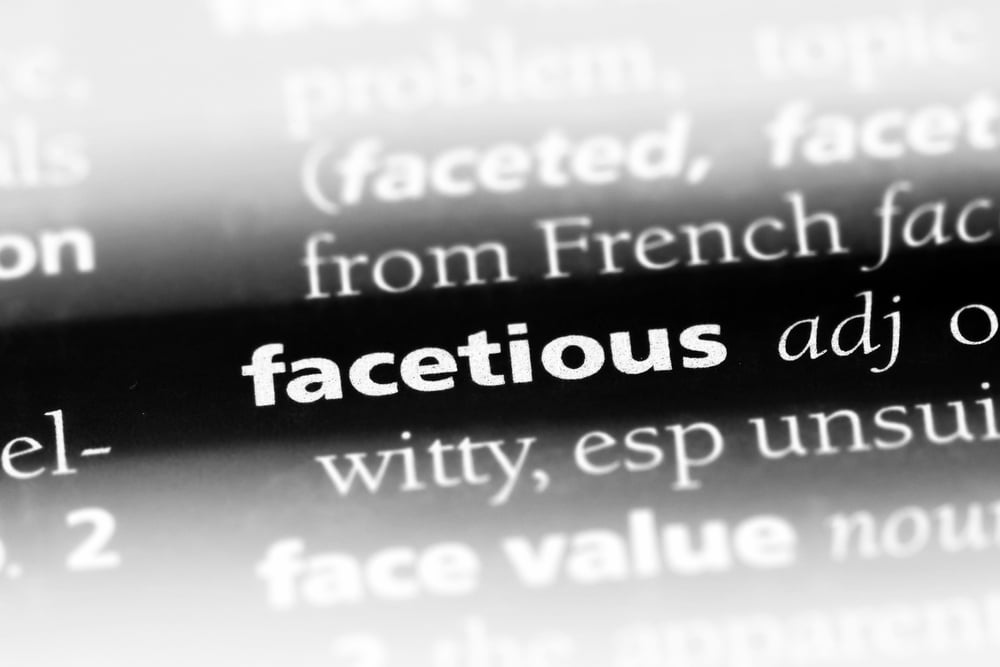
These two words accidentally arranged themselves into perfect vowel sequences: a-e-i-o-u. It’s completely unintentional — neither word was designed for this party trick. But there they are, carrying every English vowel in perfect alphabetical order, like they planned it.
“Dreamt” is the only English word ending in “mt”

This past tense form of “dream” stands completely alone. English has thousands of word endings, but “dreamt” claimed “mt” exclusively for itself.
The more common “dreamed” follows standard patterns, but “dreamt” decided to be different. And succeeded.
Living with linguistic chaos

English doesn’t apologize for its contradictions — it celebrates them. Every bizarre rule, every borrowed word, every exception that proves nothing resembling a rule tells the story of a language that grew through contact, conquest, and cultural mixing.
The result is messy, illogical, and absolutely fascinating. Learning to speak English means making peace with chaos, and somehow, millions of people manage it every day.
More from Go2Tutors!

- The Romanov Crown Jewels and Their Tragic Fate
- 13 Historical Mysteries That Science Still Can’t Solve
- Famous Hoaxes That Fooled the World for Years
- 15 Child Stars with Tragic Adult Lives
- 16 Famous Jewelry Pieces in History
Like Go2Tutors’s content? Follow us on MSN.