16 Fashion Trends Never Meant to Be Popular
Fashion has always been a bit of a wild card. Sometimes what starts as a practical solution, a rebellious statement, or even a complete accident ends up becoming the next big thing. The runway of history is littered with trends that were never supposed to catch on, yet somehow managed to captivate millions and change the way we dress.
From workwear that escaped the factory floor to mistakes that became must-haves, these fashion phenomena prove that popularity doesn’t always follow a logical path. Here are 16 fashion trends that were never meant to be popular but somehow conquered closets around the world.
Ripped Jeans

What started as a sign of wear and tear from hard manual labor became one of fashion’s most enduring statements. Construction workers and farmers didn’t set out to create a trend when their denim developed natural tears and fraying.
Yet by the 1970s, people were paying premium prices for pre-distressed jeans that looked like they’d been through years of honest work.
Crocs
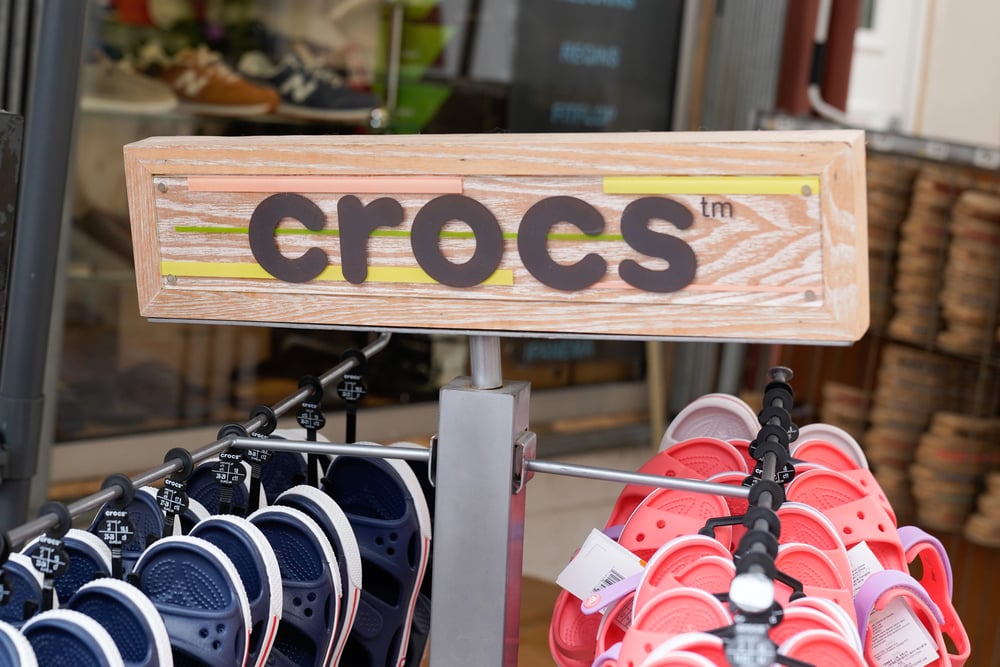
These foam clogs were originally designed as boating shoes, meant to provide grip on wet surfaces and quick drainage. The openings weren’t a fashion statement—they were purely functional for water sports.
Nobody at the company expected suburban moms and celebrities to start wearing them to grocery stores and red carpet events.
Oversized Blazers

The shoulder-padded, oversized blazer trend of the 1980s came from women trying to command respect in male-dominated boardrooms. It was armor disguised as fashion, designed to make women appear larger and more authoritative.
Fashion designers noticed and amplified the look, turning workplace strategy into a decade-defining silhouette.
Doc Martens

These chunky boots were created for industrial workers who needed durable footwear with air-cushioned soles. The original target market was construction crews and factory workers, not punk rockers and fashion enthusiasts.
The boots’ association with rebellion came later, when various subcultures adopted them as symbols of non-conformity.
Tie-Dye

The psychedelic swirls and rainbow patterns of tie-dye weren’t meant to be a fashion statement at all. They started as a way to hide stains and give new life to old, worn-out clothing.
College students in the 1960s began experimenting with the technique as a cheap way to refresh their wardrobes, never imagining it would become synonymous with an entire cultural movement.
Flannel Shirts
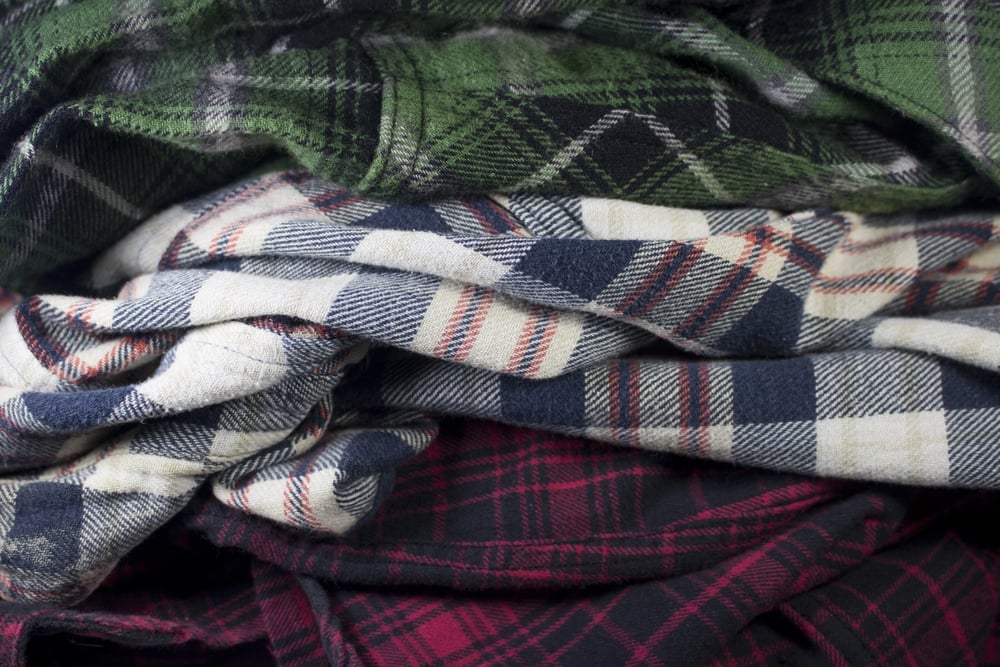
Lumberjacks and outdoor workers wore flannel for warmth and durability, not to make a style statement. The thick, brushed cotton was perfect for chopping wood in cold climates, but it wasn’t designed for coffee shops and music venues.
When grunge musicians started wearing their everyday work clothes on stage, flannel transformed from functional wear into a symbol of alternative culture.
Sneakers as Everyday Shoes
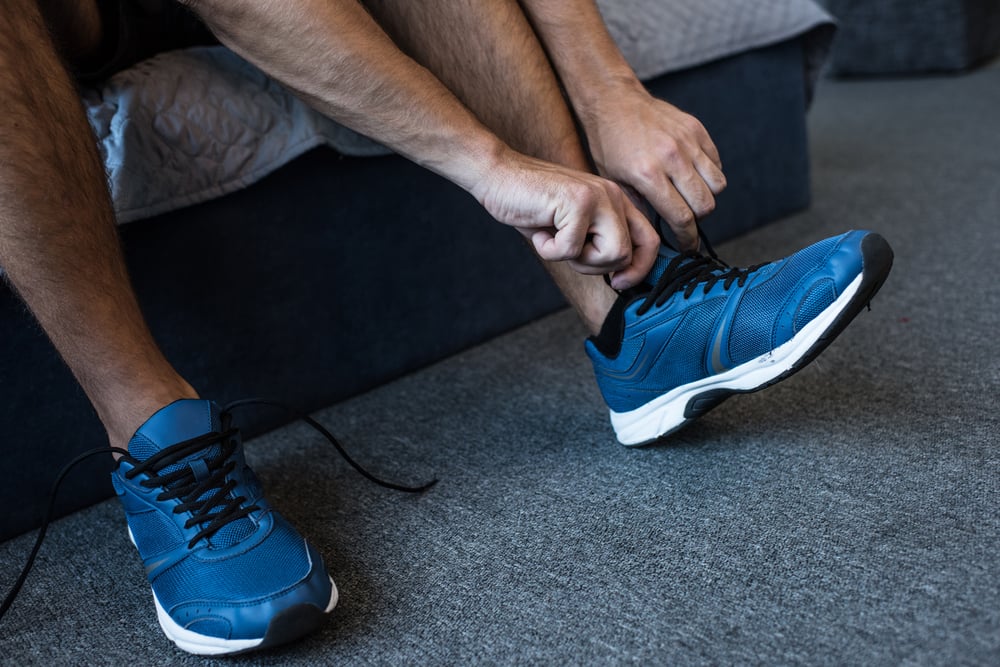
Athletic shoes were strictly for sports until the late 20th century. Basketball players wore Converse on the court, runners laced up their training shoes for races, and everyone changed back into ‘real’ shoes afterward.
The idea of wearing sneakers to work, dinner, or formal events would have seemed absurd to previous generations.
Hoodies

The hooded sweatshirt was created for athletes and laborers who needed warmth without the bulk of a jacket. Champion developed the first hoodie in the 1930s for workers in freezing New York warehouses.
It took decades before this purely practical garment became a staple of casual fashion and, eventually, a symbol of youth culture.
Platform Shoes
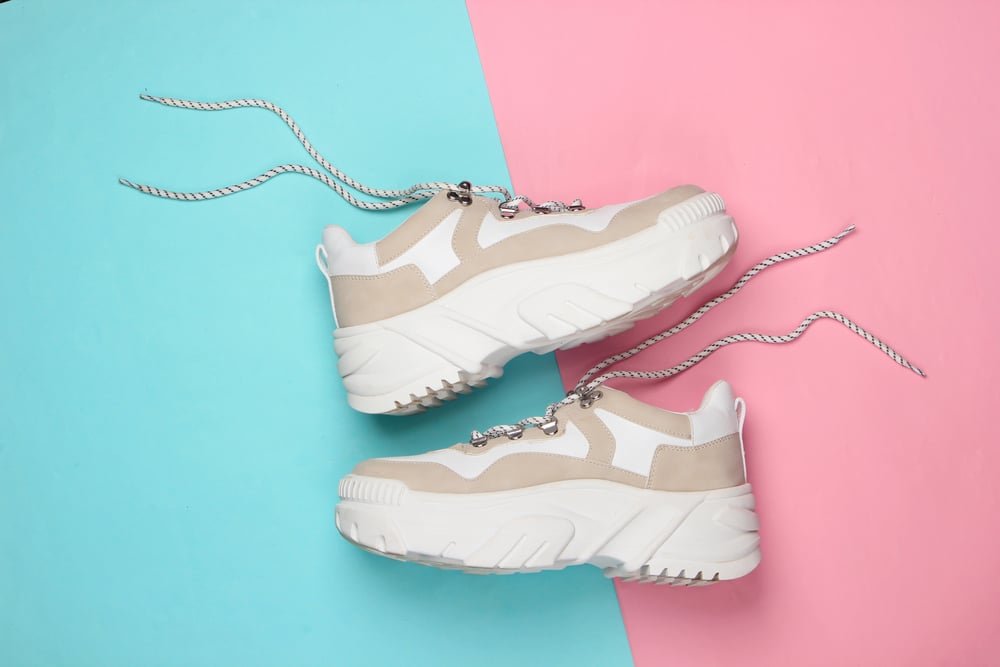
Originally, platform shoes served a very practical purpose in ancient times—they kept feet clean and dry above muddy streets. When they resurged in the 1970s, it was partly due to shorter musicians wanting extra height on stage.
The chunky, towering platforms that became a disco staple were never intended to be a widespread fashion phenomenon.
Cargo Pants

Military personnel needed extra pockets to carry essential gear during combat missions. The baggy, multi-pocketed design of cargo pants was all about function over form.
When these utilitarian garments migrated to civilian wardrobes in the 1990s, they maintained their bulky silhouette despite most wearers having nothing more demanding to carry than a wallet and keys.
Bucket Hats

Irish farmers and fishermen wore wide-brimmed, soft hats to protect themselves from rain and sun while working outdoors. The practical design could be folded up and stuffed into a pocket when not needed.
Hip-hop artists in the 1980s adopted the humble bucket hat as part of their aesthetic, transforming agricultural headwear into urban fashion.
Chokers

These tight necklaces have a surprisingly dark history—they were originally worn by prostitutes in certain periods as a form of identification. Later versions served practical purposes, like supporting the neck or indicating social status.
The idea that a strip of fabric or ribbon around the neck would become a mainstream accessory trend was never part of the original plan.
Backwards Baseball Caps

Catchers in baseball started wearing their caps backward so the brim wouldn’t interfere with their protective masks. It was a purely practical adjustment that had nothing to do with style.
When young people began copying the look in casual settings, they transformed a functional baseball necessity into a symbol of laid-back attitude.
Ripped Fishnets

Fishnet stockings were designed to be durable and long-lasting, but when they developed runs or tears, most women simply threw them away. Punk and goth subcultures embraced the deliberately damaged look, turning accidental destruction into intentional fashion.
The more ripped and distressed the fishnets appeared, the better they fit the aesthetic.
Visible Underwear Straps

For most of fashion history, showing your undergarments was considered a major faux pas. Bra straps were meant to be hidden, and slip-showing was embarrassing.
The trend of intentionally displaying colorful bra straps or layering visible camisoles under sheer tops completely flipped traditional modesty rules on their head.
Safety Pins as Accessories

Safety pins were invented as a practical fastening solution for clothing repairs and baby diapers. Punk rockers in the 1970s began using them to hold together torn clothing and as makeshift jewelry when they couldn’t afford real accessories.
The utilitarian metal clips became symbols of rebellion and DIY culture, spawning countless fashion interpretations.
When Function Becomes Fashion

These accidental trends remind us that fashion often has the most unexpected origins. What we wear today as style statements were frequently born from necessity, rebellion, or pure chance.
The next time you see someone rocking distressed jeans or platform sneakers, remember that someone, somewhere, was just trying to solve a practical problem or make do with what they had. Fashion’s greatest hits often come from the most unlikely places, proving that sometimes the best trends are the ones nobody saw coming.
More from Go2Tutors!

- The Romanov Crown Jewels and Their Tragic Fate
- 13 Historical Mysteries That Science Still Can’t Solve
- Famous Hoaxes That Fooled the World for Years
- 15 Child Stars with Tragic Adult Lives
- 16 Famous Jewelry Pieces in History
Like Go2Tutors’s content? Follow us on MSN.



