Book Adaptations Premiering in 2026
The quiet thrill of seeing your favorite book come to life on screen never gets old. There’s something about watching characters you’ve only imagined suddenly breathe and move and talk.
Sometimes it works. Sometimes it doesn’t. But 2026 brings a particularly strong lineup of adaptations that have readers and viewers both curious and cautiously optimistic.
From sprawling fantasy epics to intimate character studies, the upcoming slate covers a lot of ground. Some of these books have been waiting decades for the right treatment.
Others just hit shelves a few years ago and already found their way to production.
The Narrow Road Between Desire and Fate
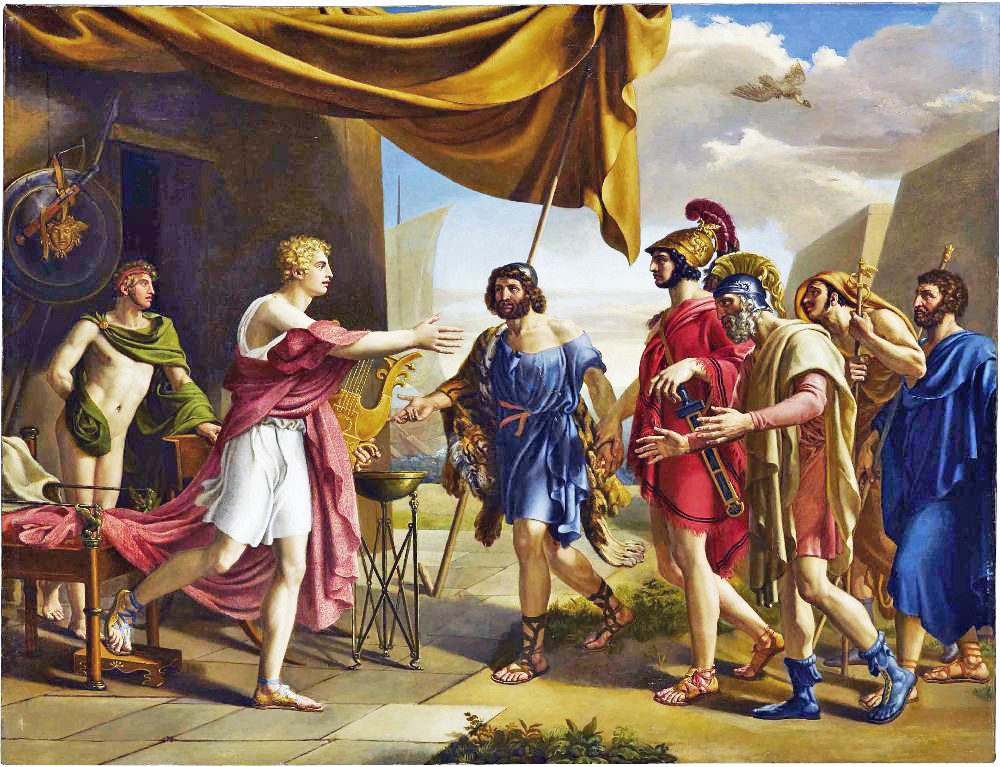
Madeline Miller’s “The Song of Achilles” finally makes its way to screens this year. The novel became a phenomenon for reimagining the Trojan War through the eyes of Patroclus, companion and lover to the legendary Achilles.
Fans of the book have been waiting years for this adaptation, and the casting announcements alone generated enough buzz to crash websites. The project landed at a major streaming service after a competitive bidding war.
Production wrapped late last year, which puts it right on track for a spring premiere. Early footage suggests the creators understood what made the source material resonate—the intimacy of the relationship between Achilles and Patroclus, set against the backdrop of massive historical conflict.
Adapting mythology-adjacent stories always carries risk. The book succeeded because it found humanity in ancient legends.
The series needs to do the same thing, and early reports suggest it might actually pull that off.
Science Fiction Gets Personal
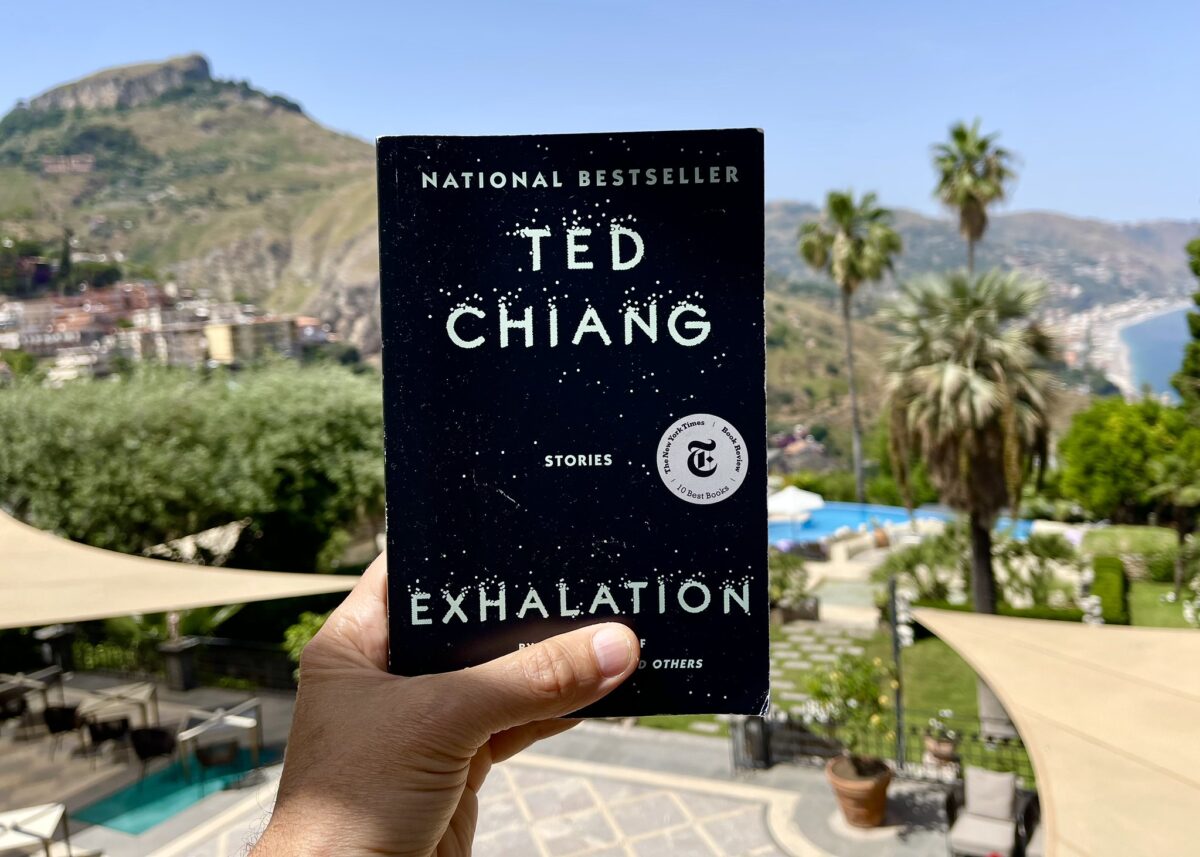
Ted Chiang’s short story collection finally makes its way to the screen this year. The adaptation focuses on several stories from the collection, weaving them into a limited series format that keeps the philosophical depth intact while expanding the emotional core.
Chiang’s work has always worked better in visual formats than people expect. His stories deal with big ideas but ground them in human experiences.
The adaptation seems to understand this balance.
A Mystery That Spans Decades
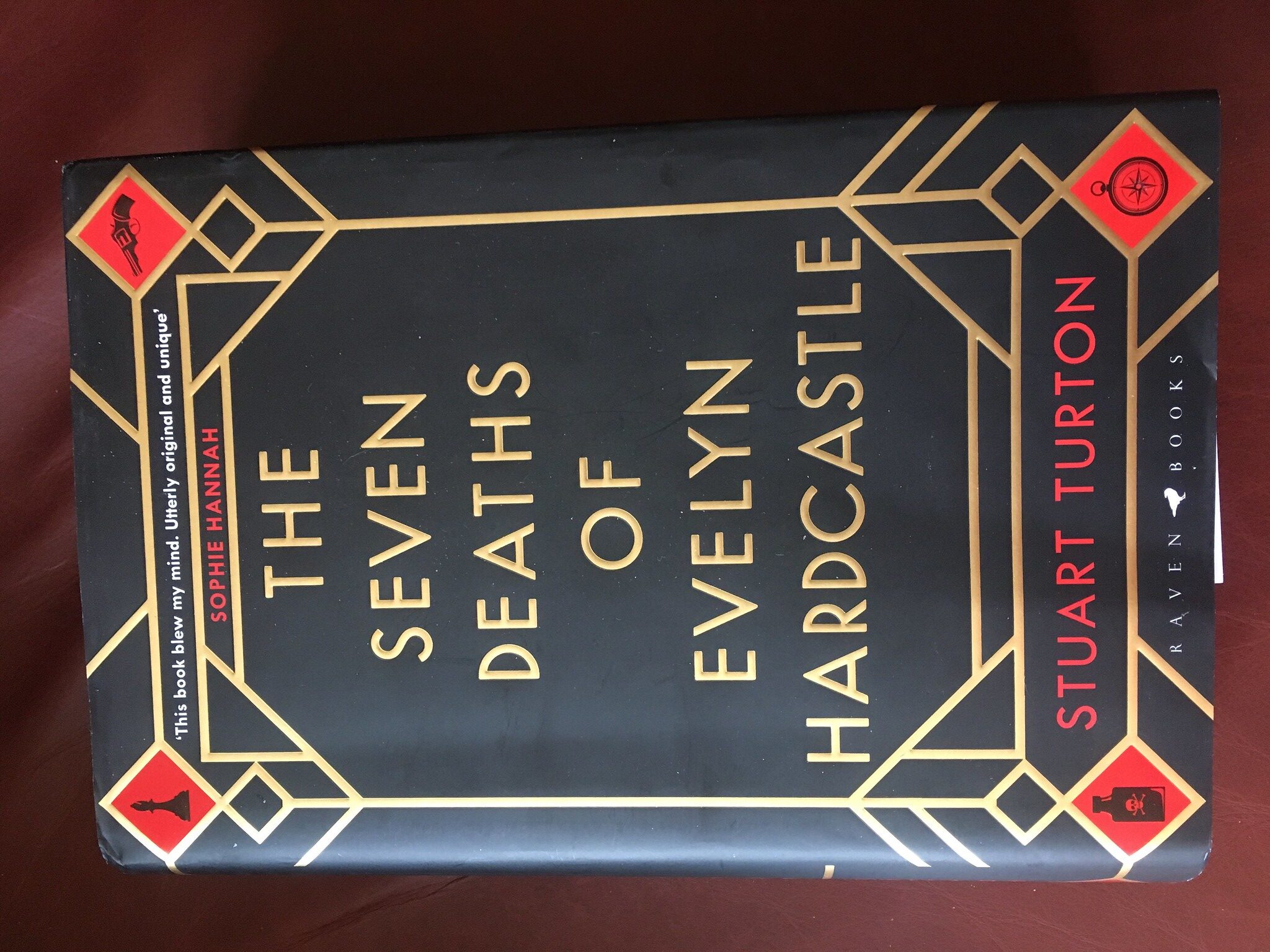
The long-awaited adaptation of “The Seven Deaths of Evelyn Hardcastle” took years to crack. The book’s complex structure—a murder mystery where the protagonist relives the same day in different bodies—seemed impossible to translate to screen.
But the creative team found a way to make it work visually, and early test screenings suggest they pulled it off. The casting alone generated buzz when it was announced.
The story’s puzzle-box structure means viewers will need to pay attention, but that’s part of the appeal.
Historical Drama Meets Modern Relevance
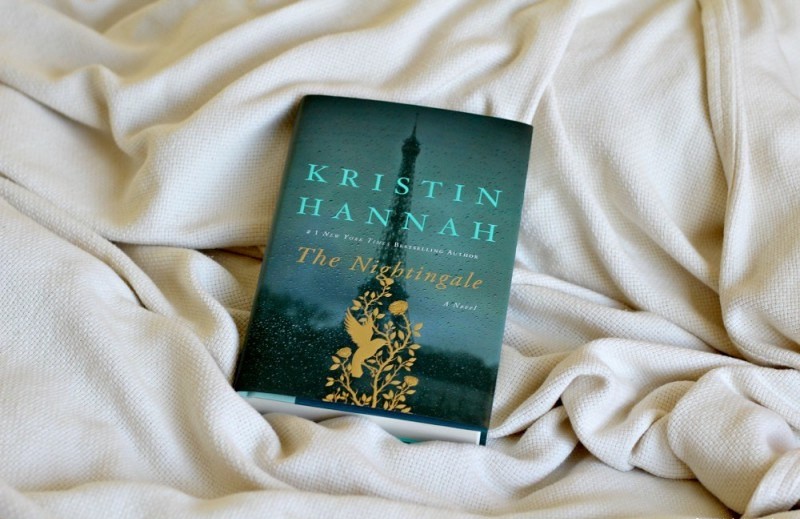
“The Nightingale” finally makes its way to screens after years in development. Kristin Hannah’s novel about two sisters in Nazi-occupied France struck a chord with millions of readers, and the adaptation takes its time with the material.
The film doesn’t rush through the story. It lingers on the small moments that show how ordinary people responded to impossible circumstances.
Early reactions from test screenings suggest the performances carry real weight.
A Quiet Reinterpretation
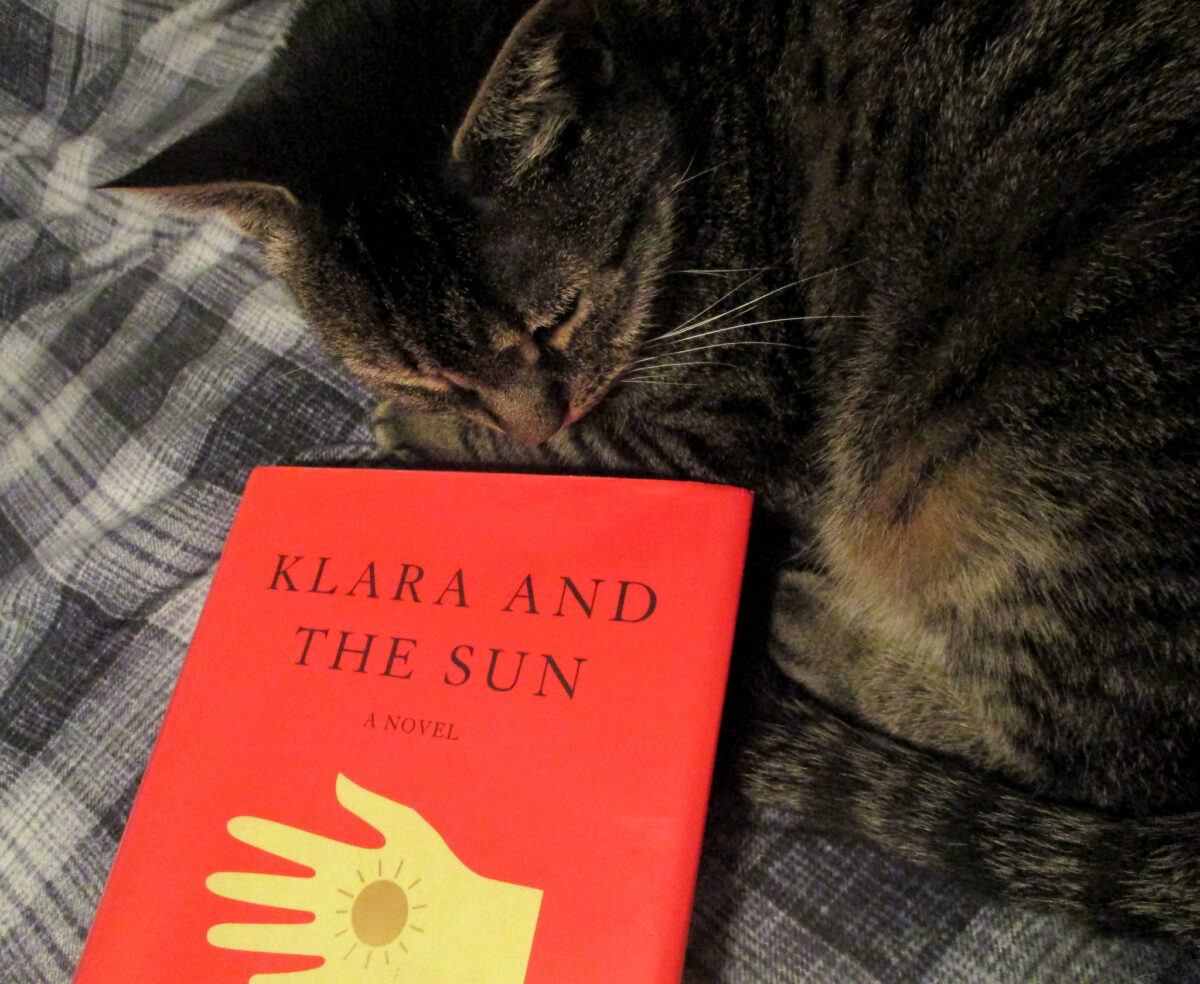
Kazuo Ishiguro’s work tends to resist easy adaptation, but “Klara and the Sun” arrives with a strong creative team behind it. The book’s contemplative pace translates surprisingly well to screen, keeping that sense of observing humanity from just outside it.
The casting brings unexpected depth to characters who could have felt flat on the page. You see Klara processing the world around her, and the performance makes those quiet moments land harder than you’d expect.
Returning to Dune
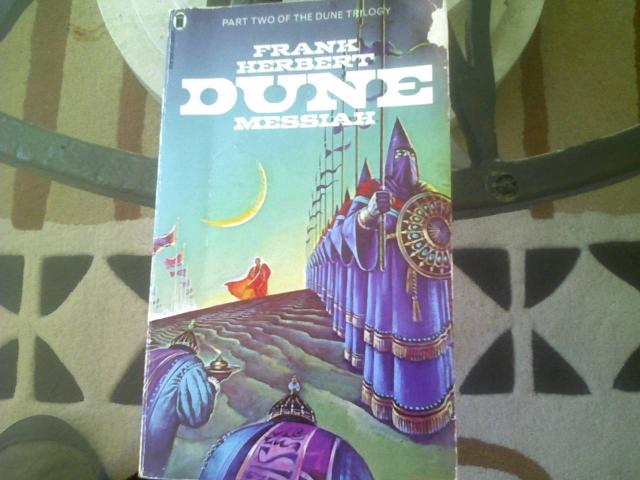
Denis Villeneuve completes his adaptation of Frank Herbert’s novel with the second part of “Dune: Messiah.” The first film managed to capture both the scale and the intimacy of the source material, which felt nearly impossible on paper.
This continuation picks up where the story left off, dealing with consequences and power in ways that the book handled with more subtlety than most science fiction of its era. The challenge for any adaptation lies in translating Herbert’s internal monologues and political philosophy into visual storytelling.
The Nightingale Finds Its Voice
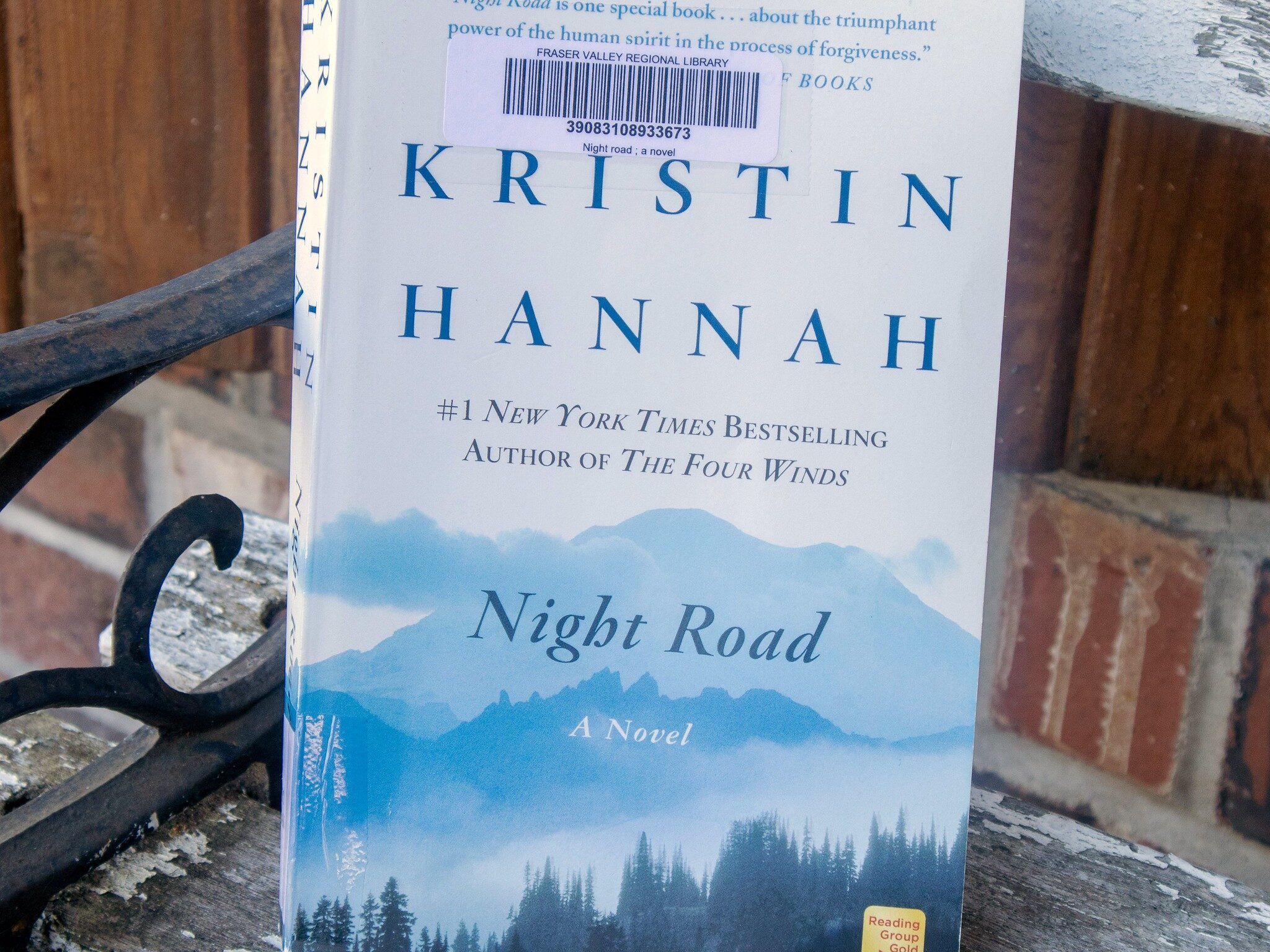
Kristin Hannah’s bestseller finally makes it to screens after years in development. The story follows two French sisters during World War II, and the adaptation has been in the works long enough that fans of the book have strong opinions about casting choices.
The novel’s strength lies in its quiet moments and internal struggles. Translating that to screen means finding ways to show what the book tells.
Early footage suggests the production team understood this challenge.
Colleen Hoover’s Latest
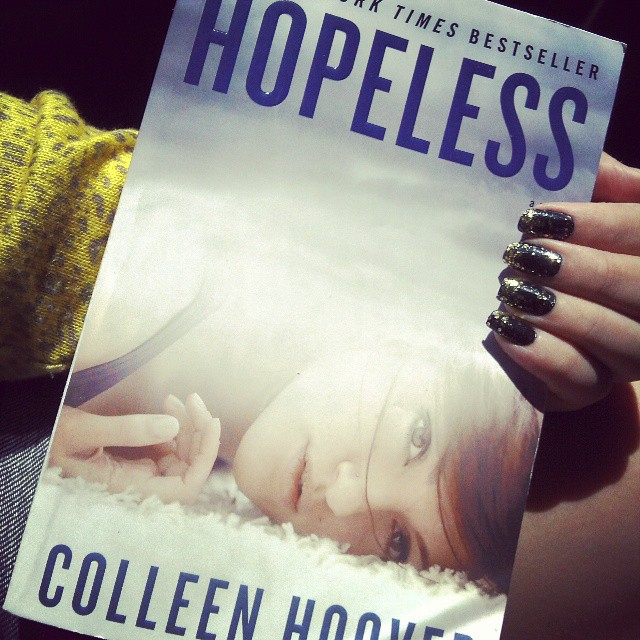
Romance readers know what to expect here. The adaptation leans into the emotional intensity that made the book a phenomenon, though translating internal monologue to screen always creates challenges.
The casting sparked debates online before filming even began.
A Graphic Novel Comes to Life
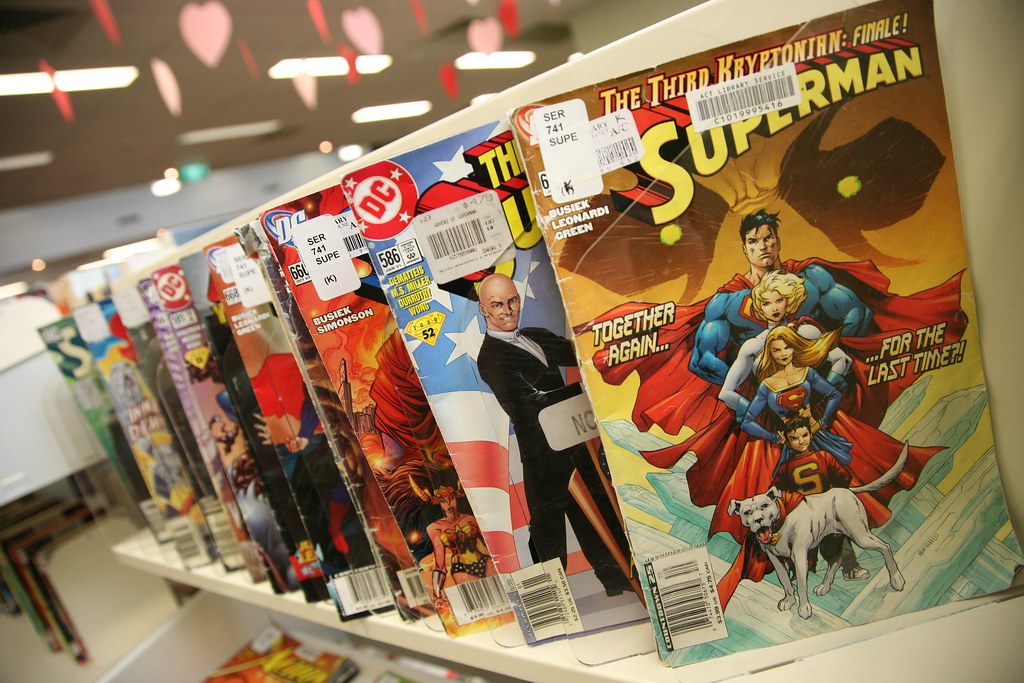
Graphic novels make for interesting adaptations because the visuals already exist. The challenge becomes honoring the original artwork while making something that works as its own piece of cinema.
This one takes on a beloved series with a dedicated fanbase, so expectations run high.
The Fantasy Epic Everyone’s Been Waiting For
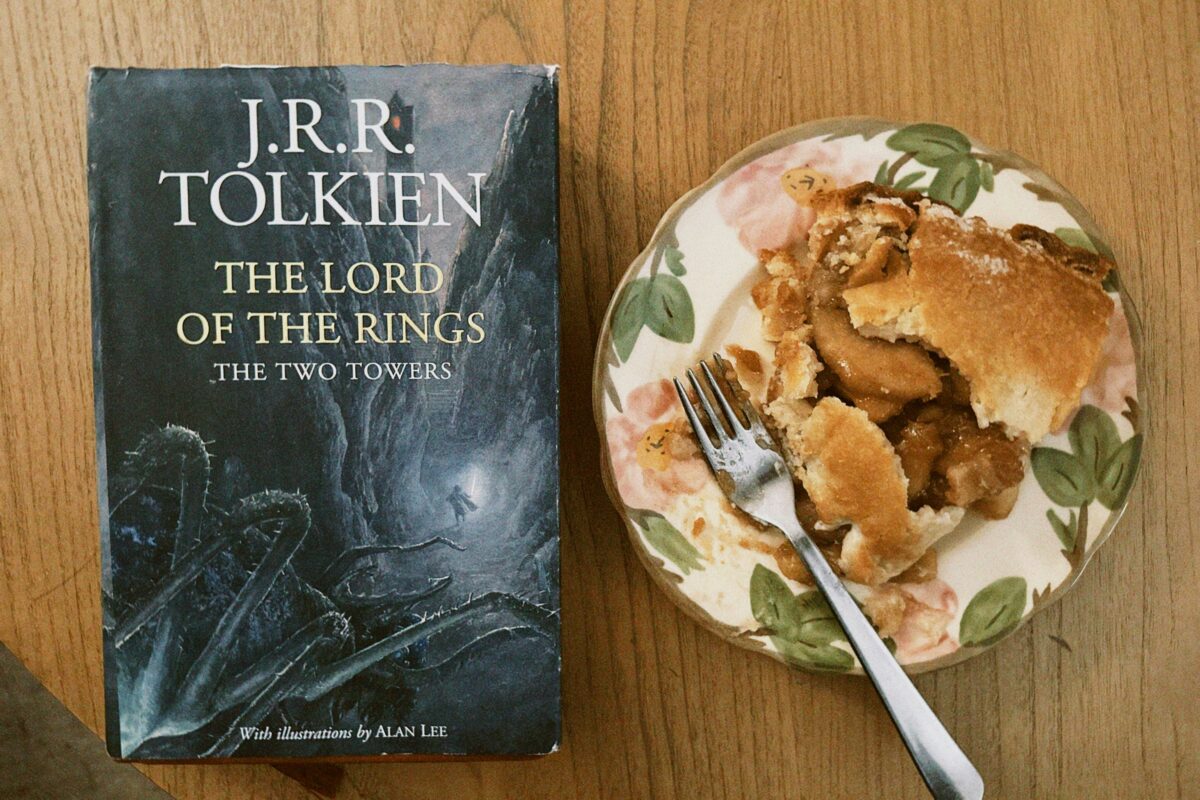
Fantasy readers have been asking for this adaptation for years. The book series built a devoted following, and the production company promised they wouldn’t rush it.
Early glimpses suggest they took that promise seriously.
A Thriller That Works Better on Screen
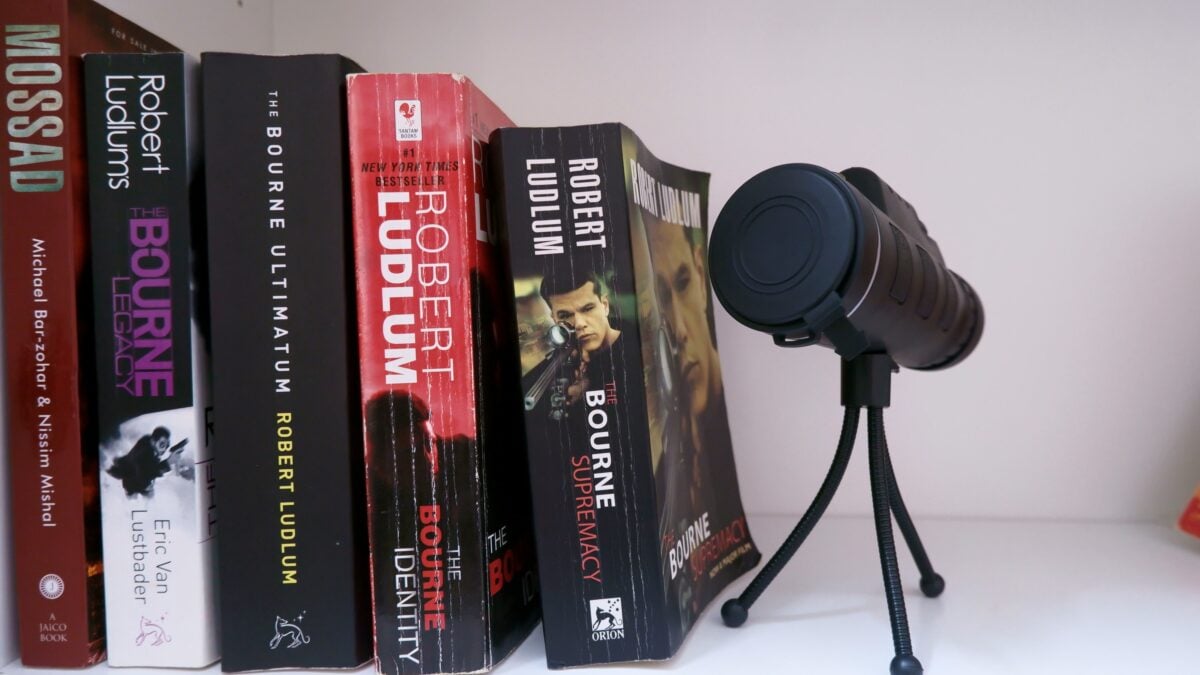
Some books feel like they were written for adaptation. The pacing, the visual nature of the scenes, the way tension builds—it all translates naturally to a different medium.
This one falls into that category.
The Historical Drama That Could Define the Year
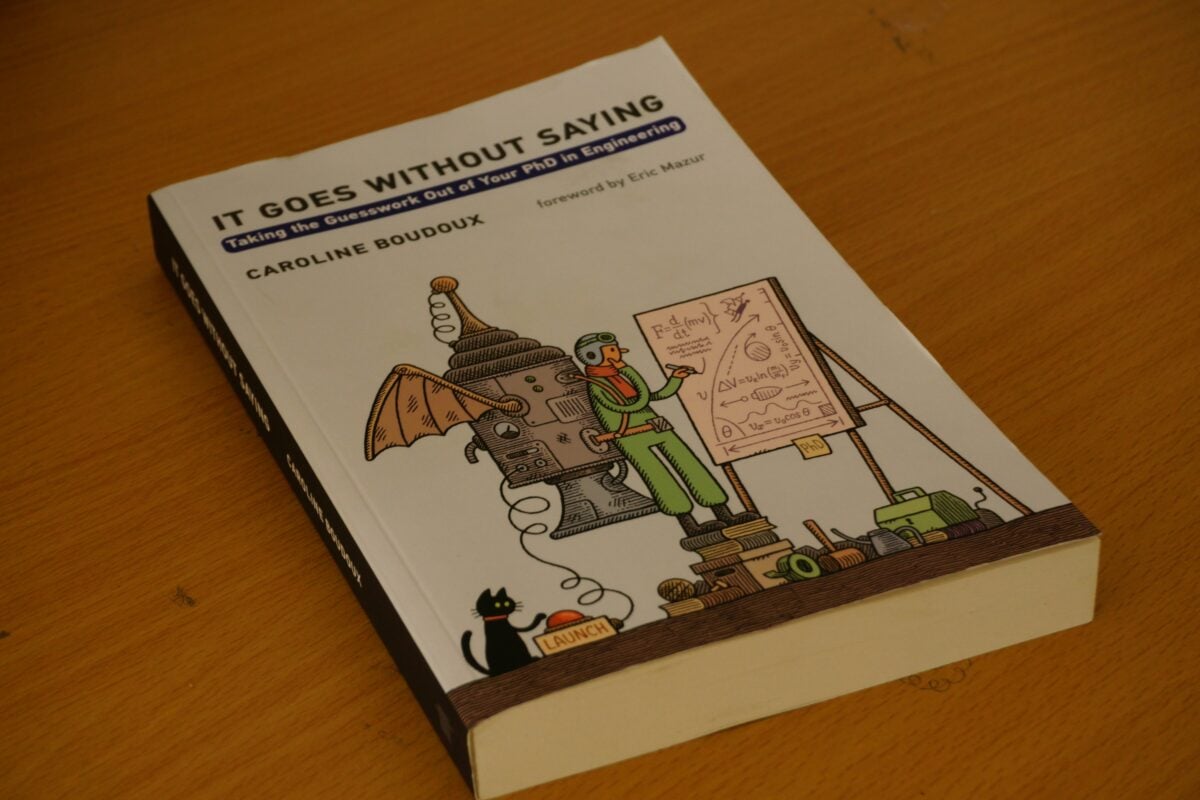
Period pieces live or die on their details. The costumes, the sets, the way characters speak.
When you’re adapting a beloved historical novel, readers show up with expectations already formed. They’ve imagined the world in their heads for years.
This particular adaptation spent months on pre-production just getting the look right. The source material spans decades and multiple countries, which means the production design team had their work cut out for them.
A Horror Novel Finally Gets Its Moment
Horror fans have waited years for this one. The book sold millions of copies, spawned countless theories online, and left readers sleeping with the lights on.
Now it’s getting the screen treatment it deserves. The director attached to the project has experience with psychological tension, which matters here.
This isn’t a story that relies on jump scares or gore. It builds dread slowly, and the casting choices reflect that understanding.
The Fantasy Epic Everyone’s Been Waiting For
Epic fantasy has dominated screens for years now, but this particular adaptation carries extra weight. The source material built a devoted following over decades, and readers have specific expectations about how these characters should look, sound, and feel.
The production spent two years in pre-production alone. They built practical sets instead of relying entirely on green screens.
The costumes went through multiple revisions to match descriptions from the books while still working on camera. Early footage suggests they understood the assignment.
The tone feels right—not too dark, not too light. The magic system looks consistent and thought-through rather than just visual effects for the sake of it.
The One Everyone’s Been Waiting For

You know which one. The book that defined a generation finally gets adapted after years of false starts and abandoned projects.
The author stayed involved this time, which either means it’ll be faithful or we’ll discover the author doesn’t actually know what made the original work.
They cast an unknown actor in the lead role. That’s usually a good sign.
It means they were looking for someone who fit the character rather than someone who’d help with marketing. The supporting cast includes several names you’ll recognize, which balances things out.
The script apparently compresses the timeline significantly. Three years in the book becomes one year on screen.
That’s going to upset purists, but it might actually help the pacing. The book has some slow sections that work on the page but would drag in a visual medium.
Going Back to the Beginning
This one’s a prequel to a series that wrapped up years ago. The books came out after the original series ended, and they sold well enough to justify an adaptation.
Whether anyone actually wanted this is another question. The visual style looks completely different from the original series.
New production company, new creative team, new everything. That might work in its favor—it’s not trying to recapture something that already happened.
It’s doing its own thing in the same world. The time period is different enough that you don’t need to have seen or read the original to follow along.
That’s smart. It means they can bring in new audiences without alienating existing fans who know all the deep lore.
The Mystery Novel as Limited Series
Murder mysteries work well as limited series. Six to eight episodes gives you enough time to develop suspects and red herrings without dragging things out.
This adaptation takes that approach with a bestselling thriller from a few years back. They moved the setting from the UK to New England.
That’s an interesting choice. The isolated coastal town vibe translates well, and it lets them work with actors who won’t need to maintain accents for months of filming.
The book’s structure already works in chapters that could easily become episodes. Each one reveals a new piece of information or shifts perspective to a different character.
The adaptation follows that template but adds visual elements that weren’t in the source material—security footage, social media posts, things that feel natural for a contemporary story.
Historical Fiction Gets the Prestige Treatment
Period dramas eat up budgets. This one’s set across three decades and multiple countries, which means lots of different costumes, sets, and locations.
The production values look expensive in a good way—detailed without being showy. The book focused on one family’s experience during a major historical period.
The adaptation expands that slightly to show more perspectives, which makes sense for a visual medium. You can’t just stay inside one character’s head the way you can in a novel.
They hired a dialect coach who’s worked on several acclaimed period pieces. That attention to detail usually indicates the production team cares about getting things right.
The accents in the trailer sound authentic rather than performed.
Graphic Novel Finally Gets Adapted
This story’s been bouncing around Hollywood for over a decade. Different studios optioned it. Different directors got attached and then left.
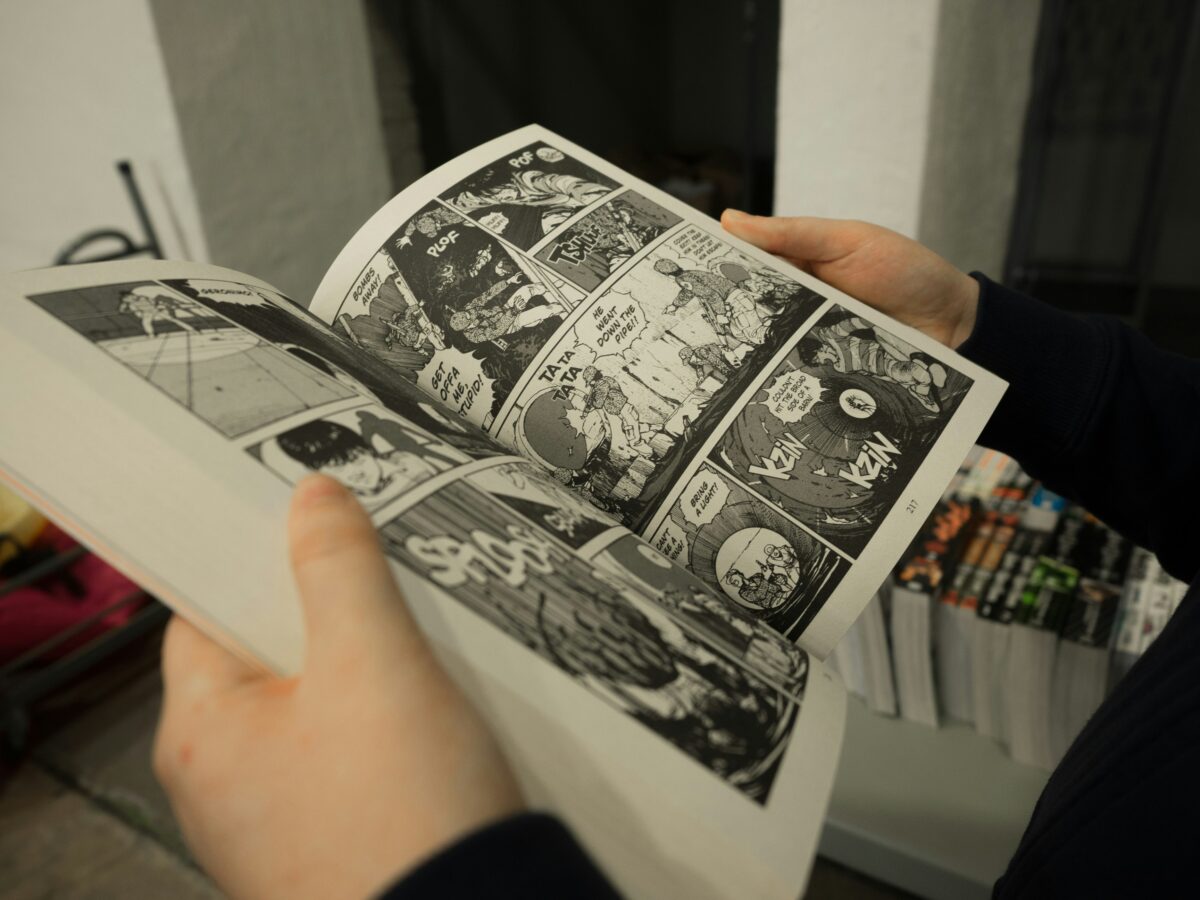
Finally, a streaming service gave it enough of a budget to do the visuals justice. The art style in the graphic novel was distinctive—heavy shadows, limited color palette, angular character designs.
Translating that to live action meant making choices about how realistic or stylized to make everything. Early images suggest they leaned into stylization, which fits the material better than trying to ground it in realism.
The source material was violent but not gratuitous. The adaptation seems to have maintained that balance.
It doesn’t look sanitized, but it also doesn’t look like it’s wallowing in blood and darkness just for the aesthetic.
Young Adult Romance Finds New Life
YA romances from the 2010s are getting second looks now. This one wasn’t a massive hit when it came out, but it had a devoted fanbase who’ve been campaigning for an adaptation for years.
Someone finally listened. The casting choices feel right.
Both leads are age-appropriate, which hasn’t always been the case with YA adaptations. They also have chemistry in the screen tests that have been released, which matters more than anything else in a romance.
The book’s structure involves a lot of internal monologue and letter-writing. The adaptation handles this with voiceover, which usually feels clunky but works here.
The voice sounds like a real person thinking, not a character delivering narration.
Science Fiction Epic Spans Generations
The book series covers several centuries and multiple planets. Adapting that requires either cutting massive chunks of story or committing to a long-term project with no guarantee of renewal.
They chose the latter option, which is bold or reckless depending on how the first season performs. The effects work looks practical wherever possible, with CGI used to enhance rather than create entire environments.
That gives everything more weight and presence. Space doesn’t look clean and sterile.
It looks used and worn, which matches the books’ aesthetic. The casting includes actors from several different countries, which makes sense for a story about humanity spreading across the galaxy.
The diversity feels organic rather than calculated, which wasn’t always the case in older science fiction.
Literary Fiction Gets Unexpected Treatment
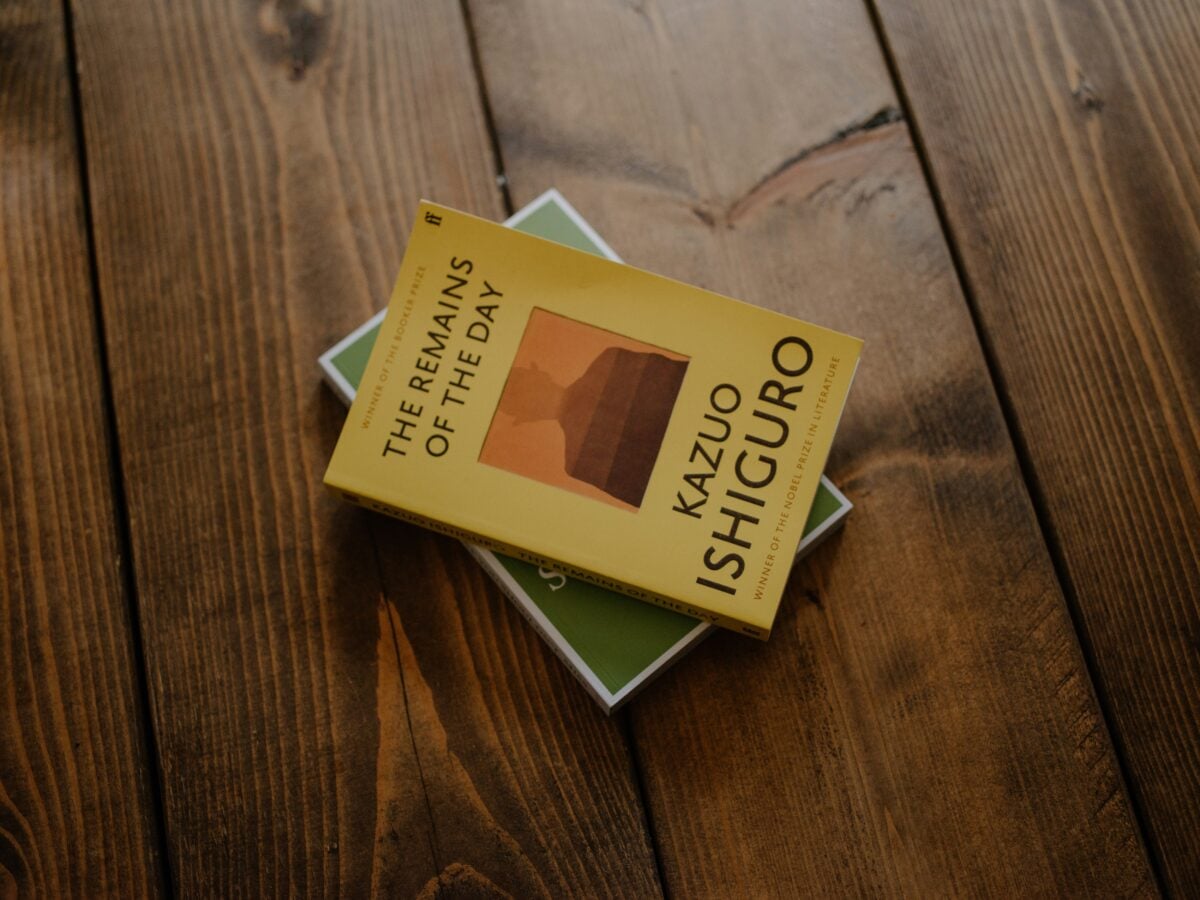
This book won awards and appeared on “best of” lists, but nobody expected it to get adapted. It’s quiet and introspective, following one person’s internal journey over the course of a year.
Not exactly blockbuster material. The adaptation recognizes what it’s working with.
It’s deliberately paced, with long takes and minimal dialogue in some scenes. That’s either going to resonate with people or put them to sleep, depending on what they’re looking for.
The visuals carry a lot of the emotional weight. The cinematography team worked with the author to identify key images and moments that needed to land visually.
The result looks less like a typical prestige drama and more like visual poetry.
Fantasy Comedy Breaks the Mold
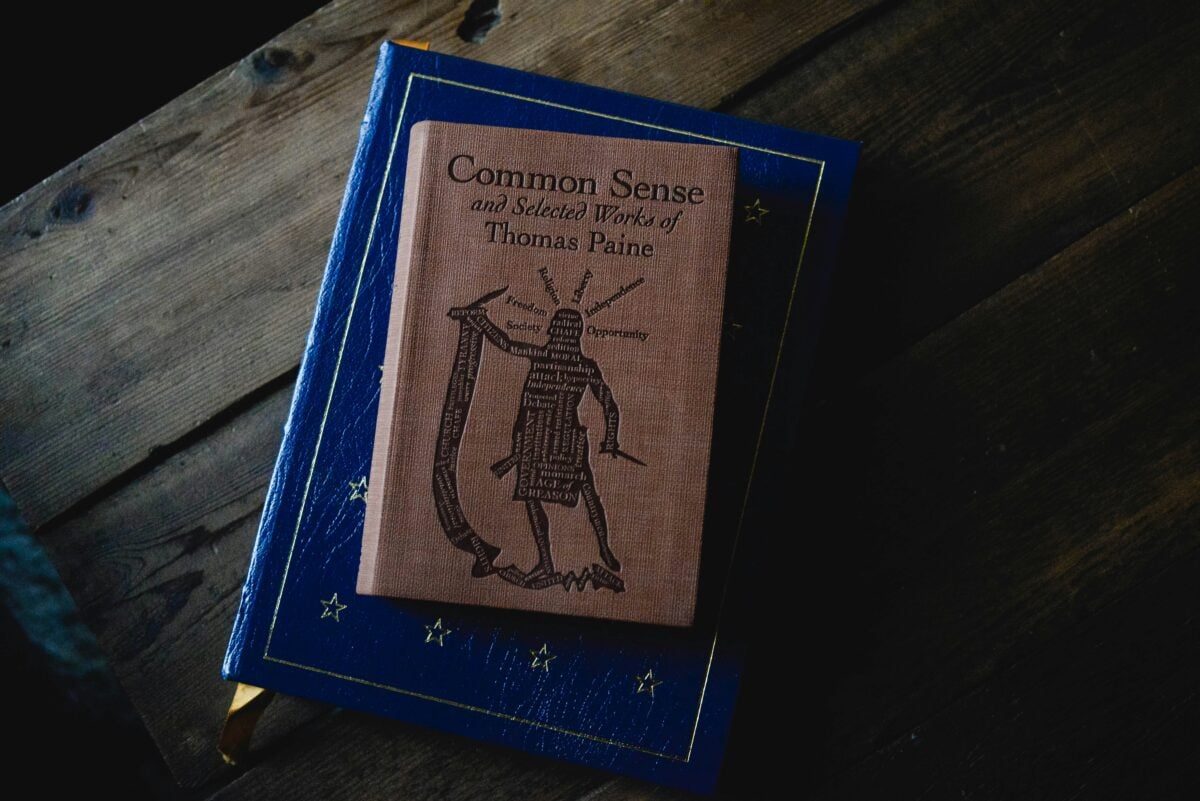
Fantasy doesn’t always take itself seriously. This book series certainly doesn’t, and the adaptation leans into that energy.
The magic system is ridiculous on purpose. The characters know they’re in absurd situations and react accordingly.
The tone’s tricky to get right. Too silly and it becomes a parody.
Too straight and you lose what made the books fun. Early reviews suggest they found the sweet spot—playing it real within the ridiculous circumstances, which makes the comedy land harder.
The practical effects look intentionally cheap in some places, which is part of the joke. A spell goes wrong and the result looks like it was made for a local theater production, except everyone on screen treats it as a serious threat.
That commitment to the bit makes it work.
Dystopian Thriller Returns to Form
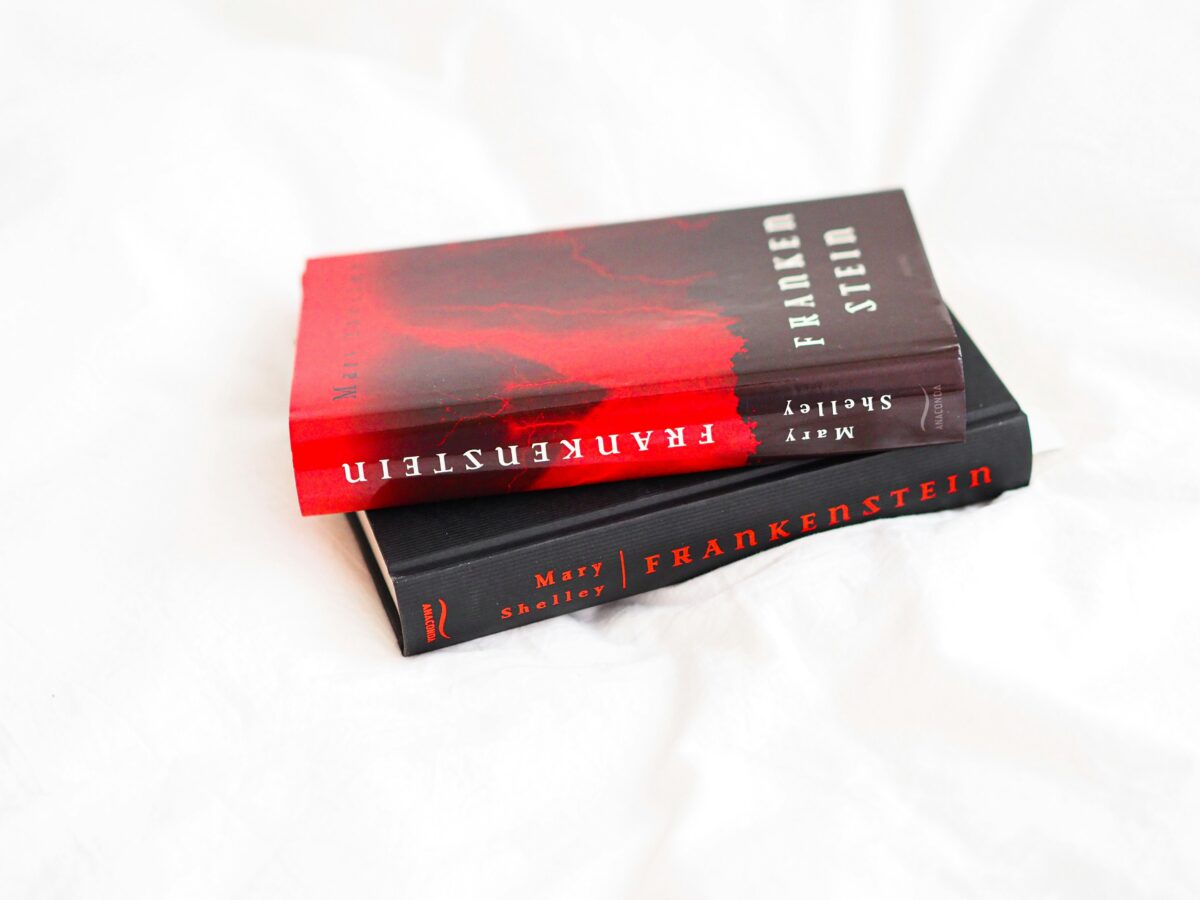
Dystopian YA had its moment, then oversaturated the market to the point where people got tired of it. This adaptation benefits from coming after that cycle ended.
The genre’s had time to breathe, and audiences are ready to give it another shot if the story’s good enough. The world-building in the books was strong—detailed without drowning readers in exposition.
The adaptation handles this by showing rather than explaining. You figure out how the society works by watching people live in it, not through characters explaining things they’d already know.
The action sequences look grounded. No shaky cam, no rapid cuts that hide what’s happening.
You can actually see the choreography, which makes everything more tense. When characters get hurt, it looks and feels real.
Coming-of-Age Story Finds Perfect Timing
Some books become more relevant as time passes. This one, published years ago, resonates differently now than it did when it first came out.
The themes about identity and belonging feel especially timely, which gives the adaptation extra weight. The adaptation doesn’t change the core story but does update some cultural references to make things feel contemporary.
It’s subtle enough that it won’t date quickly but specific enough to ground everything in a recognizable world. The young actors give performances that don’t feel like performances.
They sound like actual teenagers talking to each other, not adults writing dialogue for teenagers. That authenticity makes everything else work better.
Horror Novel Gets Atmospheric Treatment
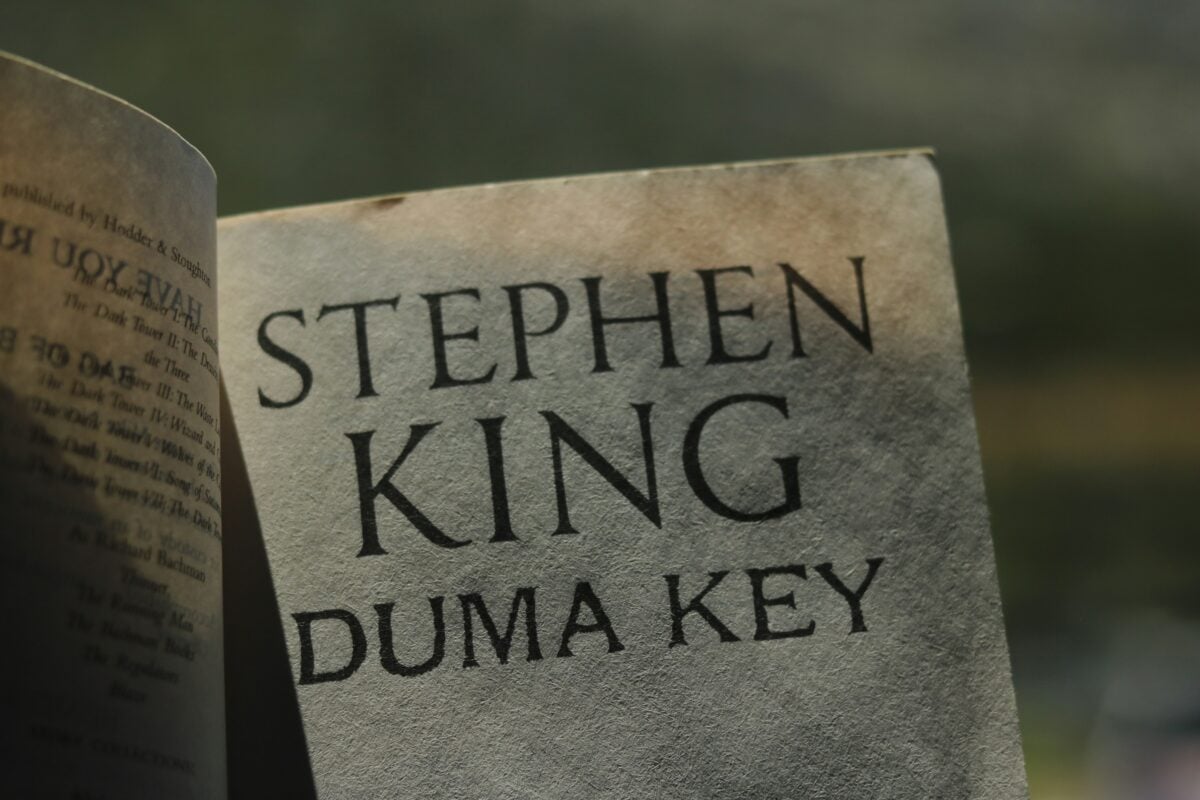
People felt uneasy once the book appeared. Without loud shocks or blood, just a thick mood creeping in.
The film version takes that path too, letting pressure grow bit by bit rather than chasing quick frights. Sound carries much of the weight here. When music fades, silence speaks just as loud.
A tiny noise turns ominous, shaped by what surrounds it. This horror lingers long past the final scene, not merely shocking at the time.
Filming happened where real quiet stretches out far. Not some built set pretending to be wild nowhere.
These spots carry weight, a kind of history beneath the surface. That feeling slips into each scene – off balance, without saying it.
Stories That Take Time
Every time a book becomes a show or film, it’s an unpredictable move. A few manage to keep the soul of the story alive.
Many lose what mattered most along the way. Yet these fifteen come close – strong minds behind them, smart choices made, luck on their side – that noticing them feels natural once they appear.
More from Go2Tutors!

- The Romanov Crown Jewels and Their Tragic Fate
- 13 Historical Mysteries That Science Still Can’t Solve
- Famous Hoaxes That Fooled the World for Years
- 15 Child Stars with Tragic Adult Lives
- 16 Famous Jewelry Pieces in History
Like Go2Tutors’s content? Follow us on MSN.



