Natural Events Shaping Folklore
Throughout human history, people have gazed at the world around them and tried to make sense of the inexplicable. Before science offered explanations for natural phenomena, cultures around the globe crafted stories to understand the forces that shaped their lives.
These tales weren’t just entertainment—they were attempts to give meaning to earthquakes that leveled cities, lights that danced across northern skies, and waves that swallowed entire coastlines. Every culture developed its own interpretations, often reflecting their values, fears, and relationship with the natural world.
Earthquakes

Ancient civilizations struggled to explain why the ground beneath their feet would suddenly shake and split. In Japan, people believed a giant catfish named Namazu lived beneath the islands, kept in check by the god Kashima who placed a massive stone on its head.
When Kashima grew tired or distracted, Namazu would thrash its tail and cause the earth to tremble. Tibetan folklore took a different approach, claiming that a giant frog carried the world on its back—every time it jumped or moved in water, earthquakes rippled across the land.
The Maori of New Zealand told of Ruaumoko, the unborn child of the Earth goddess, whose movements in the womb caused tremors that humans felt on the surface.
Volcanic Eruptions
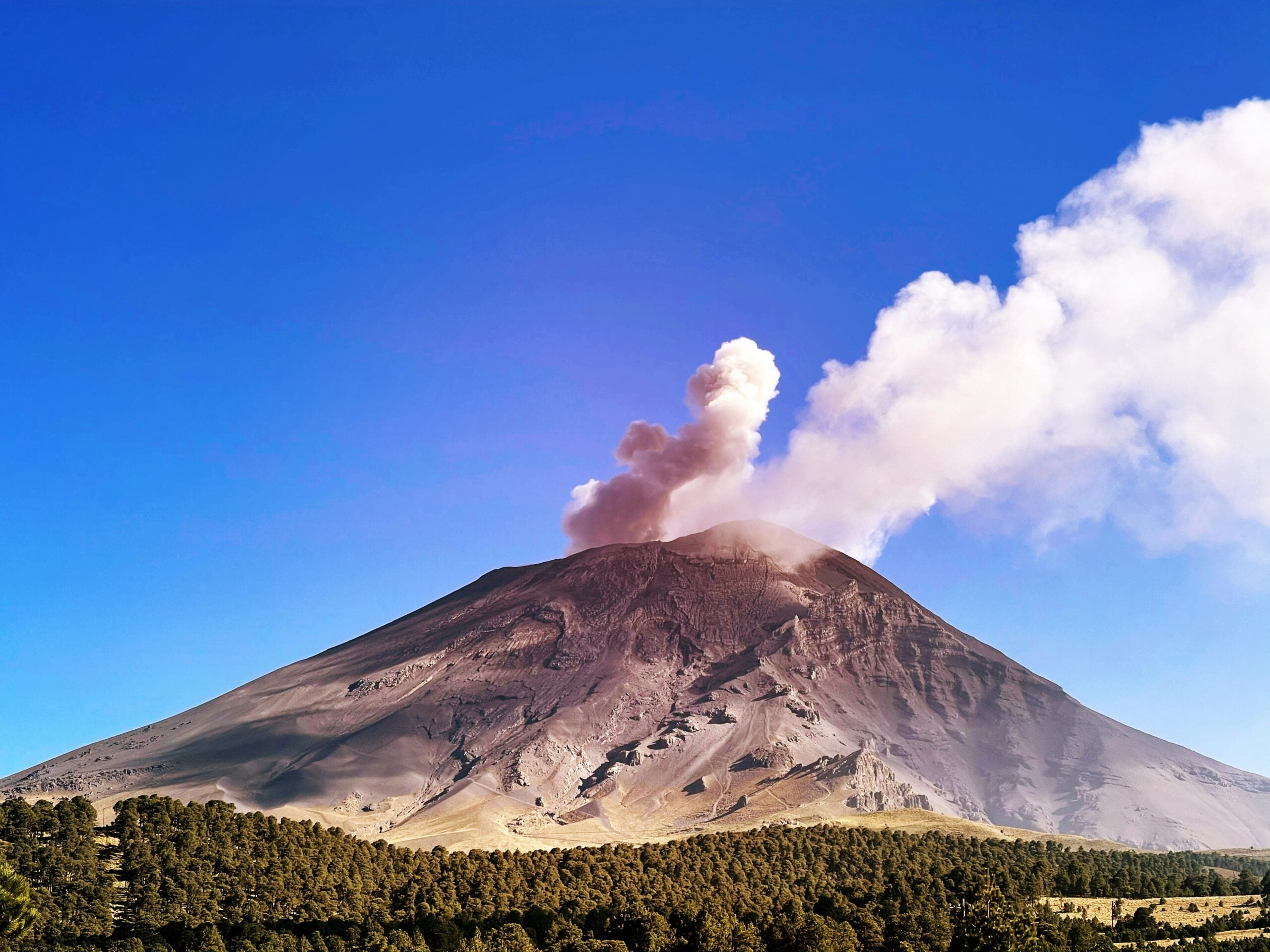
Mountains that spewed fire and ash demanded dramatic explanations. Hawaiian mythology attributed volcanic activity to Pele, the goddess of fire who lived in the crater of Kilauea.
When Pele became enraged with her sister Hi’iaka, she set forests ablaze and hurled the body of Hi’iaka’s lover into the volcano—a story that historians now believe describes the actual 15th-century eruption of Kilauea that lasted 60 years. The ancient Greeks had their own version, believing that the god Hephaestus operated his forge beneath Mount Etna, with volcanic eruptions being the smoke and sparks from his metalworking.
These stories gave people a way to personify the terrifying power they witnessed, transforming geological chaos into divine drama.
Aurora Borealis

The shimmering curtains of light that dance across polar skies captivated ancient peoples who had no concept of solar particles colliding with Earth’s atmosphere. Norse warriors believed the northern lights were reflections from the armor and shields of Valkyries as they escorted fallen soldiers to Valhalla.
Finnish legend offered a more whimsical explanation—a mystical arctic fox sprinted across the snow so fast that its bushy tail struck the mountains and sent sparks flying into the sky. The Sami people of northern Scandinavia held a darker view, believing the lights were souls of the dead and that looking at them directly or making noise could invite the spirits to snatch you away.
In Japan, couples believed that children conceived under the aurora would be blessed with good looks, intelligence, and fortune.
Solar Eclipses
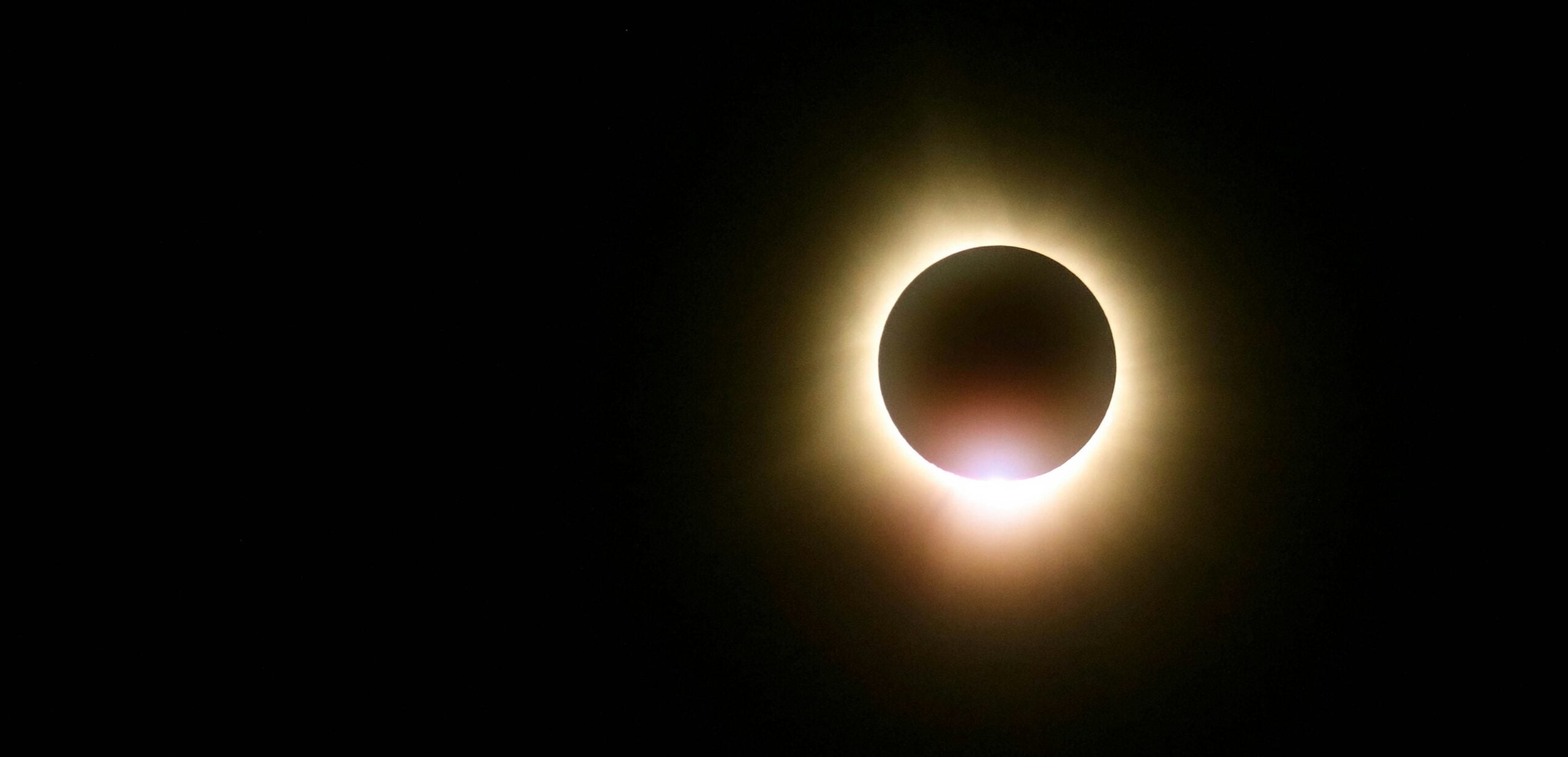
When the sun suddenly vanished from the sky, ancient peoples feared the world might end. Hindu mythology described the demon Rahu who had his head severed by the gods but remained immortal—during eclipses, Rahu’s disembodied head attempted to swallow the sun, though it always slipped through since he had no body.
The Vikings believed two wolves, Skoll and Hati, constantly chased the sun and moon across the sky, and eclipses occurred when they briefly caught their prey. An African tribe from West Africa took a gentler approach, claiming that eclipses happened when the sun and moon had arguments, and only human kindness and harmony could end their dispute.
The sudden darkness terrified populations who couldn’t predict when light would return.
Meteor Showers

Streaks of light racing across the night sky seemed like messages from the heavens. The Perseid meteor shower gets its name from Perseus, the Greek hero who slayed Medusa—ancient Greeks believed the shooting stars originated from the constellation named after him.
Christians later reinterpreted the August Perseids as the ‘tears of Saint Lawrence,’ connecting them to the martyrdom of Saint Laurentius on August 10th. Greek astronomers believed shooting stars were literally that—stars falling from their fixed positions in the celestial sphere, often interpreted as omens of significant events.
Many European cultures held that making a wish on a shooting star would bring good fortune, a superstition dating back to the belief that the gods were watching Earth at that precise moment and might grant requests.
Rainbows

The arc of colors stretching across the sky after rain storms inspired countless interpretations. Irish legend claimed leprechauns buried pots of gold at rainbow’s end, forever out of reach since rainbows can only be seen from a distance.
Norse mythology saw rainbows as Bifrost, the burning bridge connecting Earth to Asgard where the gods lived—only warriors who died in battle could cross it. The ancient Greeks personified the rainbow as Iris, messenger of the gods who carried communications between heaven and Earth.
Aboriginal Australians developed an entirely different narrative, viewing the rainbow as a serpent deity that created the universe and controlled rain and rivers, serving as both protector and punisher of tribal law breakers.
Tornadoes

Spinning columns of destruction that appeared from nowhere demanded supernatural explanations. Iroquois mythology told of Dagwanoenyent, daughter of the wind spirit, who took the form of a whirlwind and was considered an unkillable witch by the Seneca tribe.
Anyone who angered her would be picked up and thrown miles away, though some legends claimed warriors who knew the right song could summon her into battle. The Mayan god Huracan (from which we get the word ‘hurricane’) descended from clouds on one leg, his foot equipped with prominent claws that destroyed everything in his path when he became enraged.
Native American tribes across the Great Plains developed various tornado spirits in their folklore, reflecting the deadly reality these communities faced during storm season.
Thunder and Lightning

The crash of thunder and flash of lightning represented divine power to ancient peoples. Greek mythology placed these phenomena firmly in the hands of Zeus, king of the gods, who hurled lightning bolts when angry or as displays of his authority.
The Norse attributed thunder to Thor striking his mighty hammer, creating both the sound and the flash. Japanese mythology featured Raijin, the thunder god born from the decaying body of the goddess Izanami—he beat drums to create thunder while his companion gods produced lightning.
These personifications made sense to people who couldn’t fathom the concept of electrical discharge through the atmosphere and needed to believe some entity controlled these fearsome displays.
Great Floods

Nearly every ancient culture has a flood myth, suggesting either a shared traumatic memory or the universal experience of devastating floods. The biblical story of Noah’s Ark is perhaps most famous, but similar tales exist worldwide.
Babylonian mythology told of Utnapishtim, who survived a divine flood by building a boat. Greek legends spoke of Deucalion and Pyrrha, the only survivors of Zeus’s flood meant to destroy corrupt humanity.
Aboriginal Australian dreamtime stories, Mayan creation myths, and Hindu scriptures all feature great deluges that wiped out previous civilizations. Some scientists now theorize these widespread flood legends might preserve cultural memories of actual events like post-ice age sea level rises or regional megafloods.
Whirlpools

Massive swirling vortexes that could swallow ships whole terrified ancient mariners. Greek mythology immortalized the whirlpool as Charybdis, a monster who was once a daughter of Poseidon but was cursed by Zeus and transformed into a creature that sucked in and expelled vast amounts of water three times daily.
Sailors had to navigate between Charybdis and the monster Scylla on the opposite shore—being ‘between Scylla and Charybdis’ became a phrase meaning choosing between two equally dangerous options. Scotland’s Corryvreckan, the world’s third-largest whirlpool, inspired legends about Prince Breacan who attempted to anchor his ship there for three days to win a chief’s daughter—the rope of maidens’ hair that held his vessel broke on the third night because one maiden wasn’t as pure as she claimed, dragging him to his death.
Will-o’-the-Wisps

Mysterious glowing lights hovering over marshes and swamps spawned eerie folklore across cultures. Europeans called them ‘ignis fatuus’ or foolish fire, believing they were spirits trapped between heaven and hell who lured travelers into dangerous bogs.
Welsh tradition claimed they were fairy fires held by mischievous creatures called púca who deliberately led people astray before extinguishing the light and leaving them lost. Japanese folklore spoke of hitodama, small floating orbs representing recently deceased souls visible near graveyards, especially during the Obon festival when ancestral spirits returned to Earth.
Scientists eventually discovered these lights were burning marsh gases like methane and phosphine, but for centuries they represented the supernatural danger lurking in wetlands.
Tides

The daily rising and falling of ocean waters puzzled coastal communities for millennia. Norse mythology claimed that Thor, attempting to drink the ocean during a challenge, took such massive gulps that seas have risen and fallen in echo of his efforts ever since.
Japanese legends spoke of tide jewels—magical gems controlled by the Sea God that could command the ebb and flow of waters. The Tlingit people of Alaska told of the raven god Qa who built a house under a rock in the middle of the ocean with a pit fitted with a lid—twice daily, a man opens and closes this lid, causing the tides to rise and fall.
Ancient Greeks believed Charybdis, the same monster of whirlpools, controlled the tides with her thrice-daily inhalation and expulsion of seawater.
Changing Seasons

The cycle of spring growth, summer abundance, autumn harvest, and winter death demanded explanation. Greek mythology offered perhaps the most famous seasonal story through Persephone, daughter of Demeter the harvest goddess.
When Hades abducted Persephone to the underworld, Demeter’s grief caused all plants to wither and die—eventually a compromise allowed Persephone to spend part of each year on Earth (bringing spring and summer) and part below (causing autumn and winter).
The Aztecs believed the world had been created and destroyed four times already, with each era ending in natural disaster—the changing seasons reminded them of nature’s power to transform. Finnish mythology in the Kalevala connected seasonal changes to the adventures and movements of gods and heroes whose actions directly affected the natural world.
Moon Phases

The waxing and waning moon captivated ancient stargazers who invented elaborate stories to explain its transformation. Chinese mythology described a lunar toad living on the moon, while other Asian cultures told of a rabbit pounding medicine or making rice cakes.
Ancient Vedic religion portrayed the moon as a cup holding Soma, the elixir of the gods—when deities drank from this cup during their celebrations, the moon waned, then waxed again as the cup refilled. Some Native American tribes believed the moon was a separate being from the sun with its own personality and powers, its changing face reflecting different moods or activities.
The roughly 29-day lunar cycle became central to many cultures’ calendars, agricultural practices, and religious observances.
Comets

Bright objects with long tails streaking across the sky for weeks at a time seemed like cosmic portents. Ancient Romans and Greeks interpreted comets as signs of major events—the comet appearing after Julius Caesar’s assassination in 44 BCE was seen as proof of his deification, with his adopted son Augustus using this celestial event for political gain.
Medieval Europeans generally viewed comets as omens of disaster, famine, or plague, recording their appearances alongside notes of subsequent calamities. The Chinese developed extensive records of comets dating back millennia, with different tail shapes and colors associated with specific types of fortune or misfortune.
The famous Star of Bethlehem that guided the Magi might have actually been a comet, though scholars continue debating this interpretation.
Hurricanes

Massive rotating storms that devastated entire regions inspired powerful deities in tropical cultures. The Mayan god Huracan—whose name literally means ‘one leg’ in the Quiché language—was one of 13 deities who helped create humanity from maize.
When Huracan descended on his single leg with its prominent claws, nothing could stop his destructive rampage. Caribbean and Central American indigenous peoples recognized hurricanes as manifestations of divine anger, often linking them to moral failings or broken taboos within communities.
West African cultures had similar storm deities that crossed the Atlantic with enslaved peoples, eventually merging with existing Caribbean beliefs to create new syncretic traditions. These powerful storms killed thousands in pre-modern times, making them genuine existential threats that demanded theological explanations.
When Earth Speaks

Natural phenomena didn’t just inspire folklore—they shaped entire worldviews and survival strategies. These stories served as memory banks for communities without written language, encoding observations about seasonal patterns, dangerous locations, and early warning signs of disasters.
The myths weren’t mere superstition but represented humanity’s first attempts at pattern recognition and scientific thinking. Today we understand the mechanics behind earthquakes, auroras, and tides, yet these ancient stories remind us of our ancestors’ creativity and their deep need to find meaning in the natural world.
The folklore born from natural events continues influencing modern culture through literature, art, and even the metaphors we use daily.
More from Go2Tutors!

- The Romanov Crown Jewels and Their Tragic Fate
- 13 Historical Mysteries That Science Still Can’t Solve
- Famous Hoaxes That Fooled the World for Years
- 15 Child Stars with Tragic Adult Lives
- 16 Famous Jewelry Pieces in History
Like Go2Tutors’s content? Follow us on MSN.