Most Dangerous Roads to Drive
Some roads test every bit of your driving skill and nerves. They wind through mountains with no guardrails, cross deserts where help is hours away, or climb so high that oxygen gets thin.
Drivers who’ve traveled these routes often describe them with a mix of awe and relief—glad they made it, but not eager to go back. These aren’t your typical highway challenges.
Rain, fog, and ice make any road tricky, but the roads on this list add extra layers of danger that keep even experienced drivers gripping the wheel tighter than usual.
Yungas Road, Bolivia
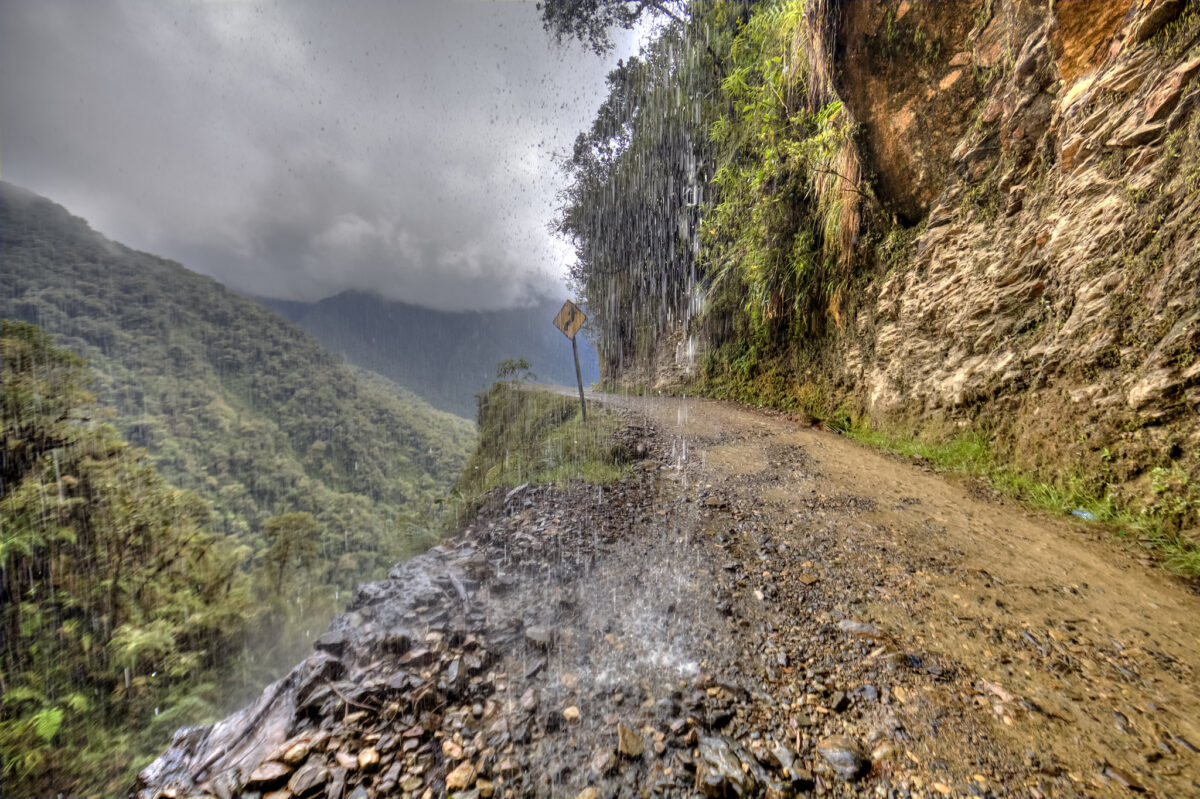
The locals call it “Death Road,” and that name came from somewhere real. This 43-mile stretch drops over 11,000 feet from La Paz to Coroico, and the road barely fits two small vehicles side by side.
Crosses line the route where vehicles went over the edge. Rain turns the unpaved surface into slick mud, and fog rolls in without warning.
You can’t see the drop-off beside you, which plunges hundreds of feet straight down. Buses used to navigate this route daily until a newer highway opened.
Now it mostly sees adventure tourists on mountain bikes, which honestly seems just as dangerous.
Dalton Highway, Alaska
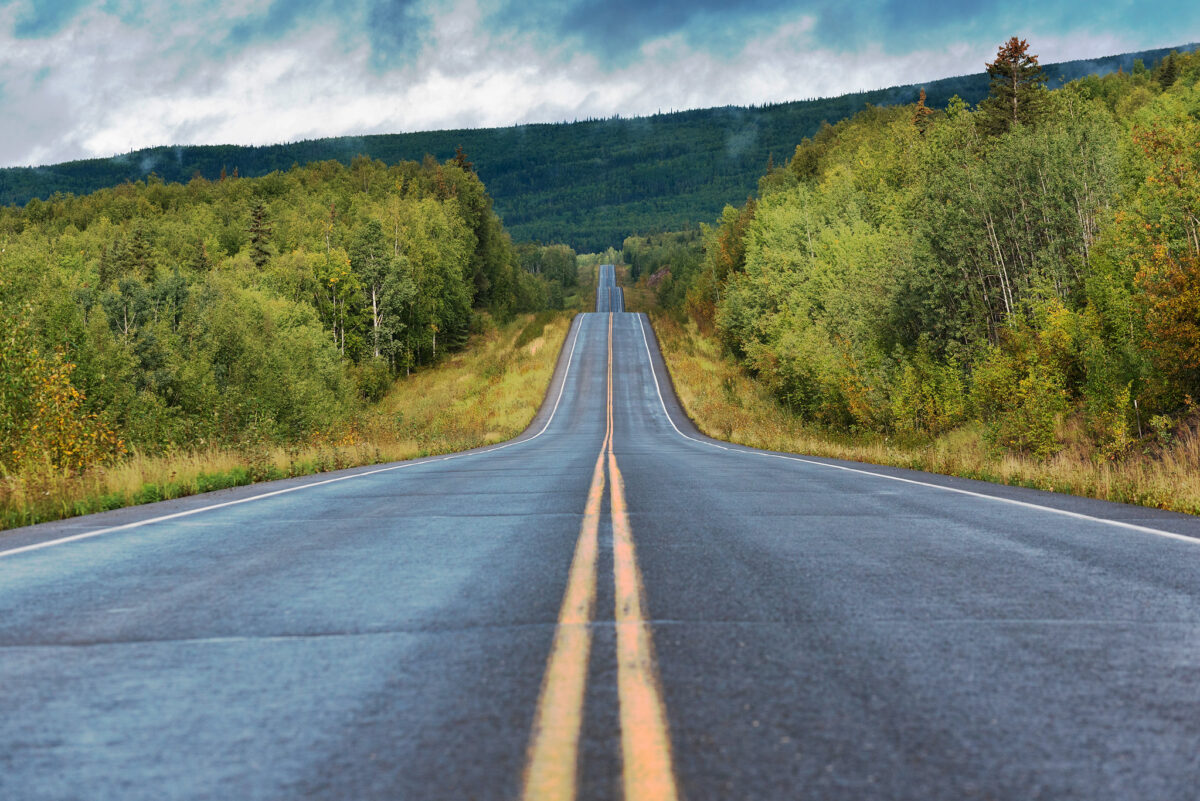
Isolation defines this 414-mile gravel road through Alaska’s interior. You’ll drive for hours without seeing another vehicle, and cell service doesn’t exist out here.
The nearest town might be a hundred miles away, and temperatures can drop to minus 60 degrees in winter. Truckers who haul supplies to the oil fields know this road well.
They deal with whiteout conditions where you can’t see the hood of your truck, and summer brings different problems—dust clouds from passing vehicles can blind you completely. The road surface can shift from solid to mushy in spots where permafrost thaws underneath.
Gravel kicked up by trucks shatters windshields regularly. Smart drivers carry spares for everything, along with survival gear that could keep them alive for days if they break down in the wrong spot.
Sichuan-Tibet Highway, China

This route crosses 14 mountain ranges and reaches elevations above 16,000 feet. Altitude sickness hits drivers and passengers hard, making simple decisions difficult when your brain isn’t getting enough oxygen.
The road conditions change dramatically within short distances. One section might have decent pavement, and the next drops you onto gravel with boulders that fell from the cliff face above.
Landslides happen often, especially during the rainy season. You might find your path blocked by tons of rock and mud, forcing you to wait hours or days for crews to clear it.
The weather shifts fast too. Sunshine can turn into a snowstorm in minutes, and you’re stuck wherever you happen to be when visibility goes to zero.
Guoliang Tunnel, China
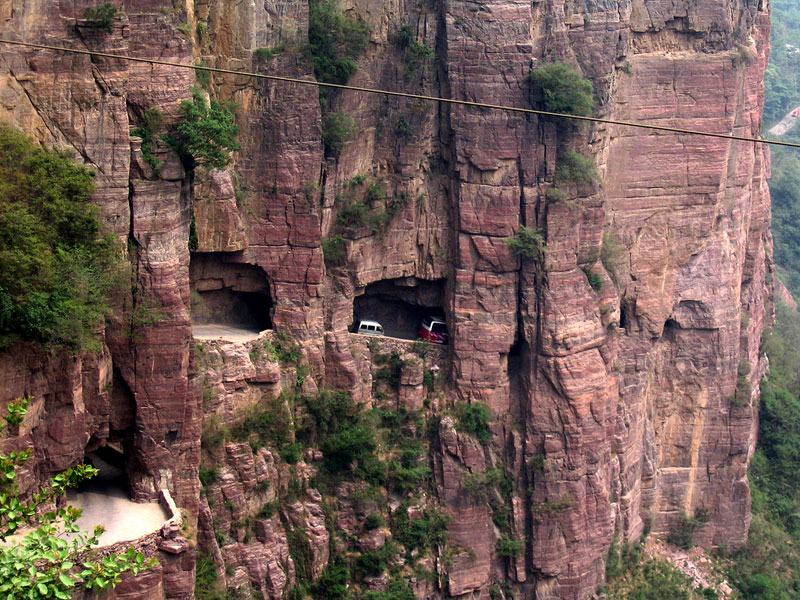
Villagers carved this tunnel through a mountain using hand tools—hammers, chisels, and determination. The result is both impressive and terrifying.
The tunnel is barely wide enough for a small car, and “windows” cut into the side let in light but also remind you of the sheer drop just beyond the rock wall. Rocks jut out from the ceiling at angles that scrape the roof of taller vehicles.
You drive slowly through the 4,000-foot tunnel, hoping nobody comes from the opposite direction because passing is nearly impossible in most spots. The uneven surface makes steering tricky.
During winter, ice forms inside the tunnel where water seeps through cracks. That turns an already difficult drive into something worse.
James Dalton Highway to Prudhoe Bay, Alaska
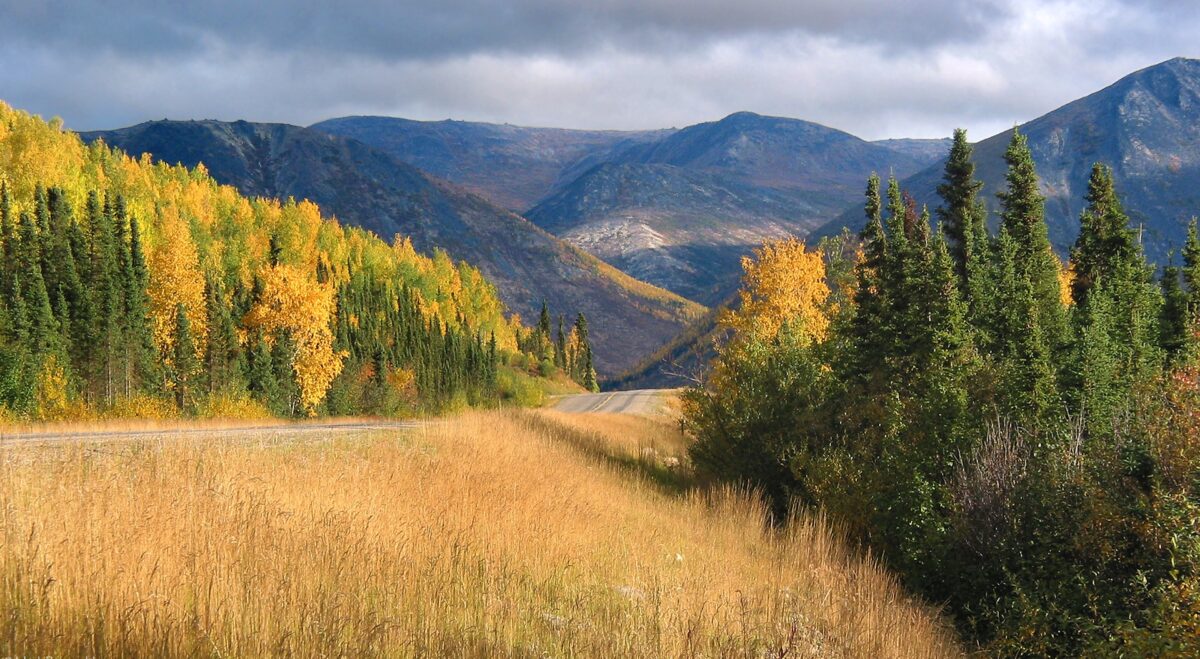
This 414-mile route to the Arctic Ocean presents challenges that change with the seasons. Summer means 24 hours of daylight, which sounds helpful until you realize how disorienting it becomes.
Your body loses track of time, and fatigue hits harder than you expect. Winter brings darkness for most of the day, along with ice that makes the road more like a skating rink with potholes.
Strong winds create ground blizzards that sweep across the flat sections, reducing visibility to nothing. You can’t pull over safely because you can’t see where the shoulder ends.
The few services along the route space themselves far apart. You need to plan fuel stops carefully because running out between stations means a very long, very cold wait for help.
Karakoram Highway, Pakistan and China
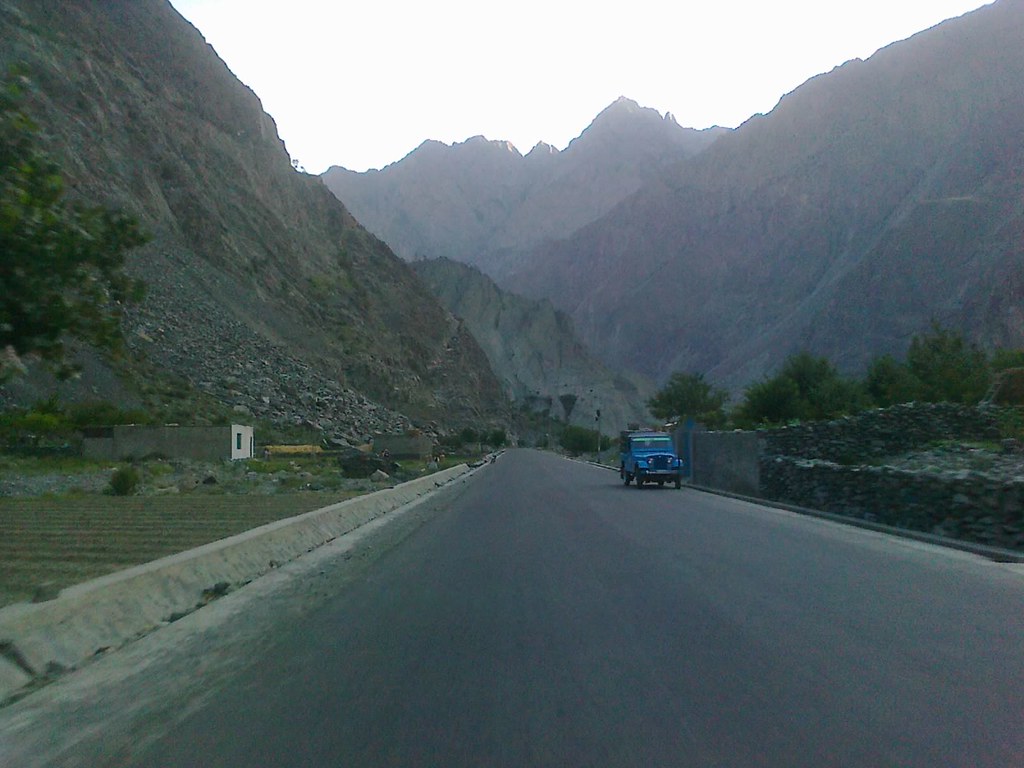
High-altitude driving gets taken to another level on this route through the Himalayas. The road climbs to over 15,000 feet at Khunjerab Pass, making it one of the highest paved international highways in the world.
Rockslides and avalanches close sections regularly. The road edges right up to cliff faces in some spots, with drops so steep that you can’t see the bottom.
Meltwater from glaciers crosses the road in multiple places, turning sections into temporary rivers during warmer months. Bridges sometimes wash out, leaving travelers stranded on either side.
Political tensions add another layer of concern. Military checkpoints dot the route, and certain areas require special permits.
The infrastructure varies wildly—some sections have smooth pavement, others revert to rough gravel that shakes your vehicle apart.
North Yungas Road, Bolivia
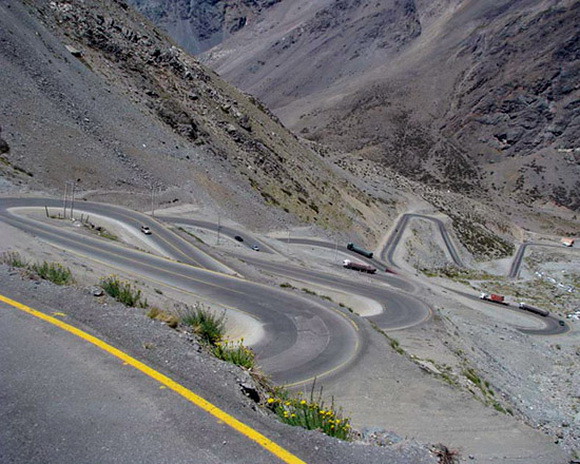
This road connects La Paz to the Yungas region through some of the steepest terrain in the Andes. Heavy rain creates waterfalls that pour directly onto the road surface, and you drive through them because there’s no way around.
The water turns the dirt surface into slippery mud that offers no traction. Fog banks move in so thick that you can’t see past your headlights.
You navigate by memory and hope, inching forward while trying not to think about the drop-off inches from your tires. The road is so narrow that an oncoming vehicle means one of you has to back up to a wider spot, which might be a quarter mile behind you.
Memorials appear frequently—small shrines marking where someone’s luck ran out. Fresh flowers at these sites remind you that accidents didn’t all happen in the distant past.
Zoji La Pass, India
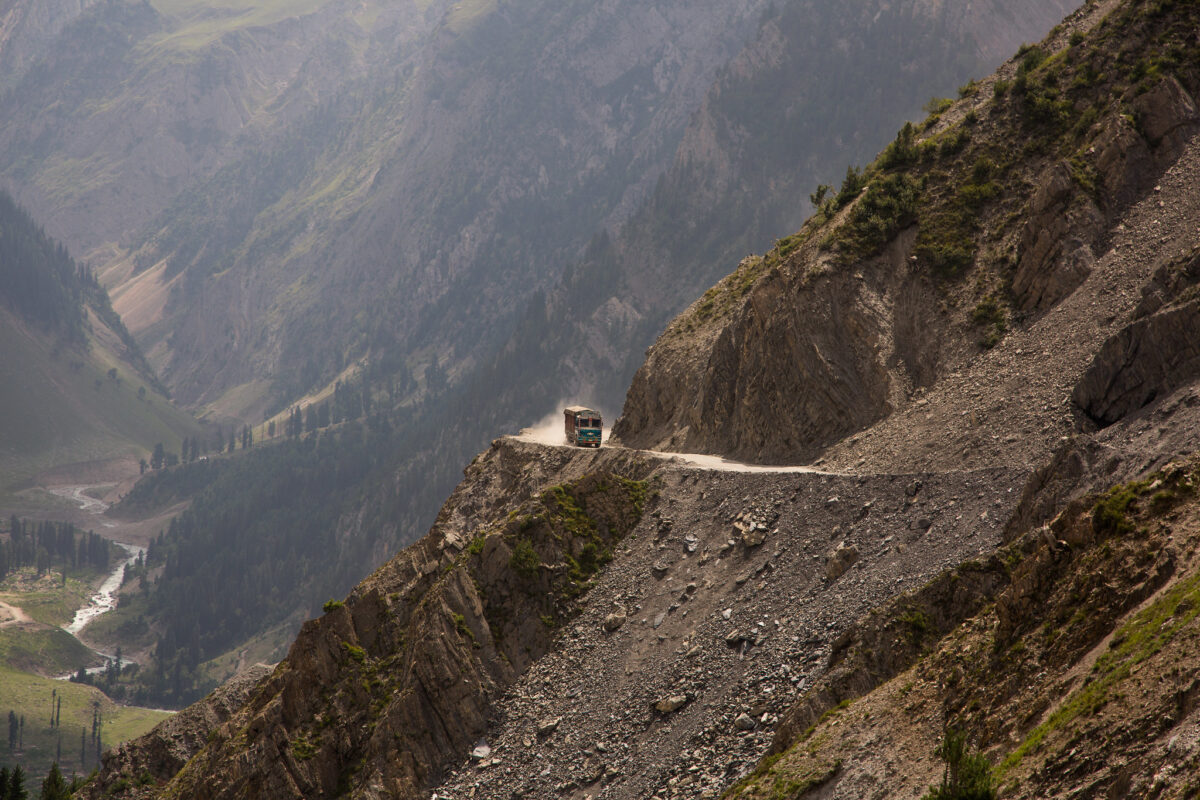
This mountain pass connects Kashmir to Ladakh and closes completely for several months each year when snow makes it impassable. When it’s open, you face a single-lane dirt road carved into mountainsides, with hairpin turns that require multiple attempts to navigate if you’re driving anything larger than a small car.
The surface consists of loose rock and dirt that shifts under your tires. Rain turns it into mud that can swallow a vehicle up to its axles.
The pass sits at over 11,000 feet, where the air gets thin and engines lose power. That makes climbing the steep grades even harder.
Military convoys use this route regularly, and civilian traffic has to wait—sometimes for hours—while long lines of trucks and equipment pass through. The road is so narrow that passing is impossible in most sections, so everyone moves at the pace of the slowest vehicle in the convoy.
Patiopoulo-Perdikaki Road, Greece
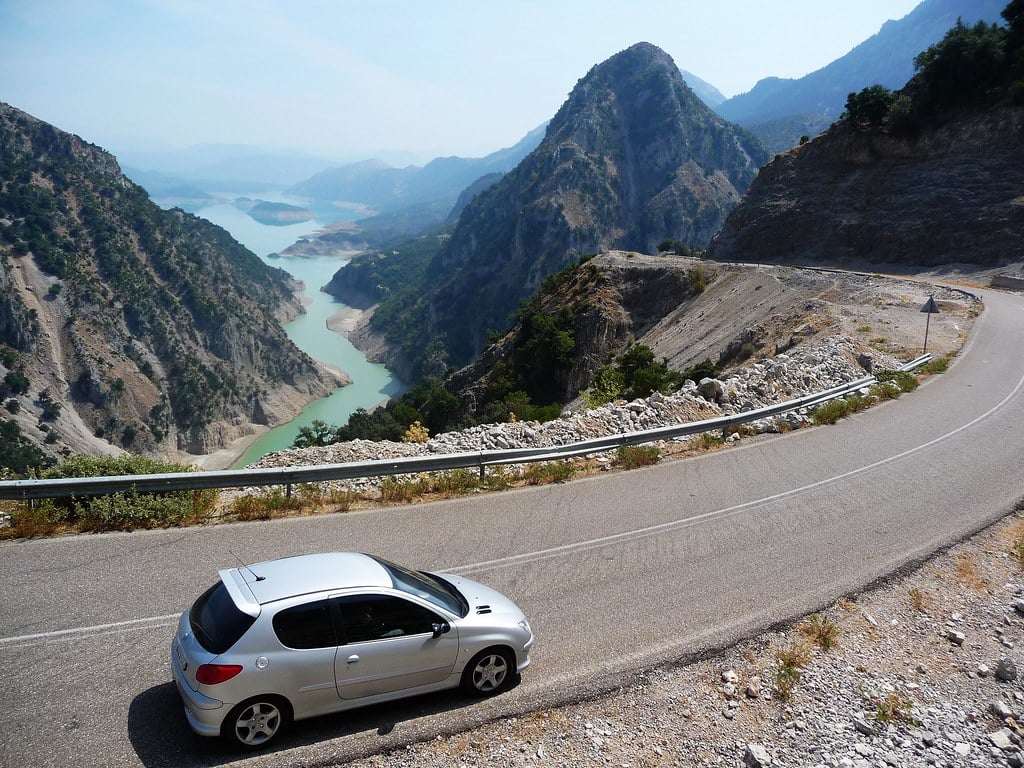
This route through the mountains of central Greece looks deceptively innocent on a map. The reality involves countless hairpin turns, often lacking guardrails, with drops that go straight down for hundreds of feet. The road surface crumbles at the edges, making you wonder how much weight those outer sections can really support.
Local drivers know this road well and take the curves at speeds that seem insane to outsiders. You’ll find yourself pressed against the mountain side as cars zip past, their drivers barely glancing at the drop-off that’s making your knees weak.
The weather makes this worse. Winter brings ice that coats the road surface, and there’s no sand or salt treatment to help with traction.
Rain makes the curves even more treacherous. The road is so remote that cell service is spotty at best, and help could be far away if something goes wrong.
Trollstigen, Norway
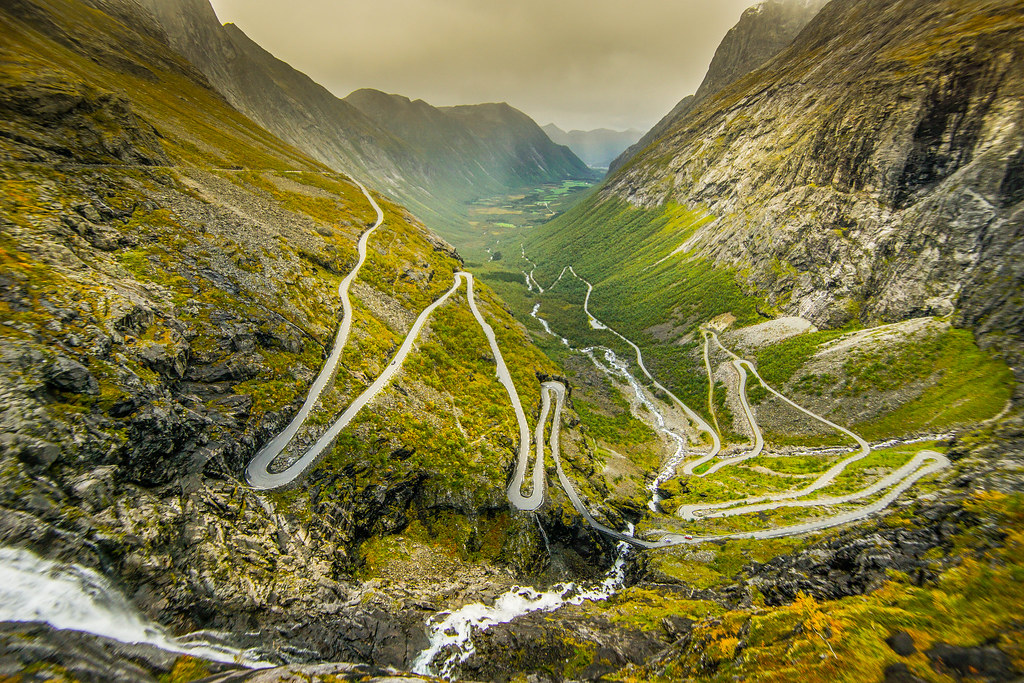
This tourist attraction doubles as a serious driving challenge. The road climbs through 11 hairpin turns up a mountainside, with grades so steep that large vehicles struggle.
Stone guardrails offer some protection, but they’re not tall enough to make you feel truly safe as you look down at the valley floor far below. Waterfalls cascade down the cliff face and cross the road in several places.
The mist from the falling water makes the surface slippery and reduces visibility. Rain is common in this region, adding to the challenge.
Tour buses navigate this route regularly, taking up most of the road width and making passing nearly impossible. The combination of tight turns, steep grades, and wet conditions requires constant attention.
Your brakes work hard on the descent, and you hope they don’t overheat before you reach the bottom.
BR-116, Brazil
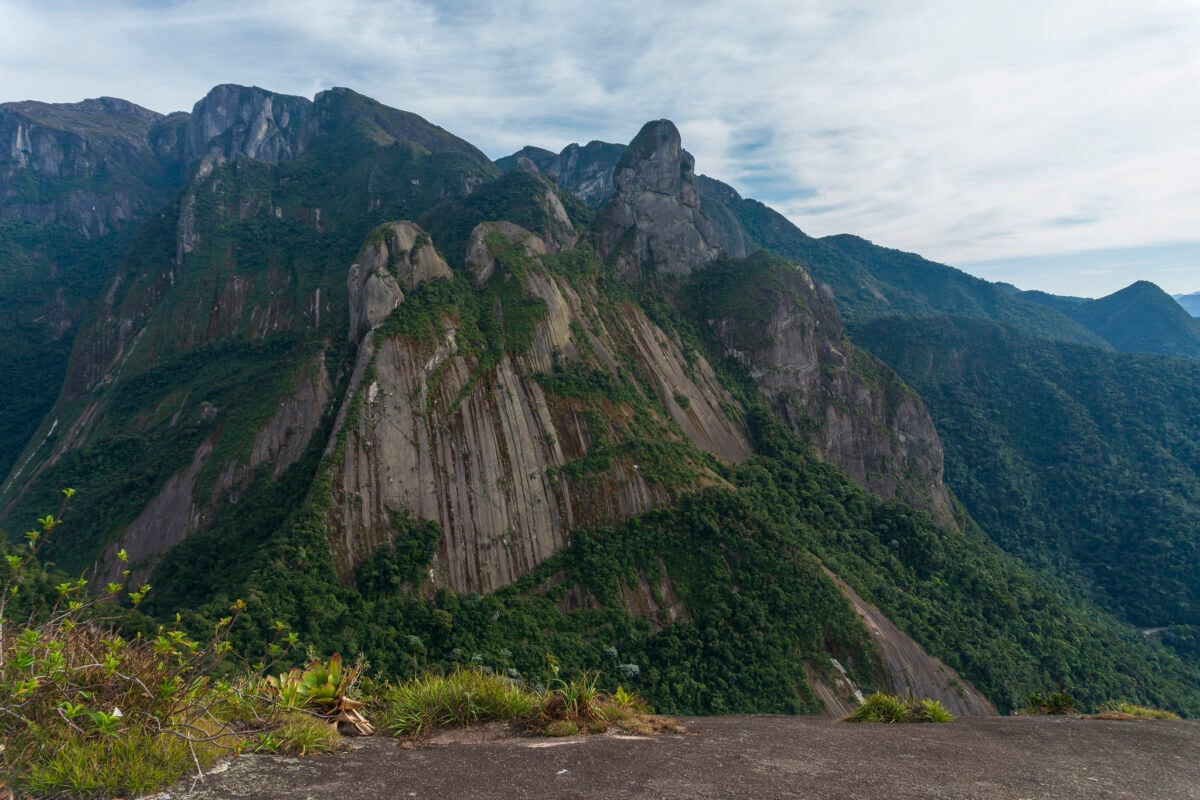
Long-distance driving through Brazil reveals this highway’s reputation as one of the country’s deadliest. The road stretches for over 2,700 miles from the south to the northeast, passing through varied terrain and connecting major cities.
That means heavy traffic, including large trucks that dominate the lanes. Poor maintenance leaves potholes large enough to damage your vehicle or cause you to lose control.
Sections that should have multiple lanes narrow suddenly, forcing everyone into tight quarters. Speeding is common, and aggressive driving makes merging and passing risky maneuvers.
The crime rate along certain sections adds a different kind of danger. Drivers avoid stopping in particular areas, even for fuel or rest, because of robbery and carjacking risks.
That creates situations where people push on when they’re too tired to drive safely, which just adds to the accident statistics.
Skippers Canyon Road, New Zealand
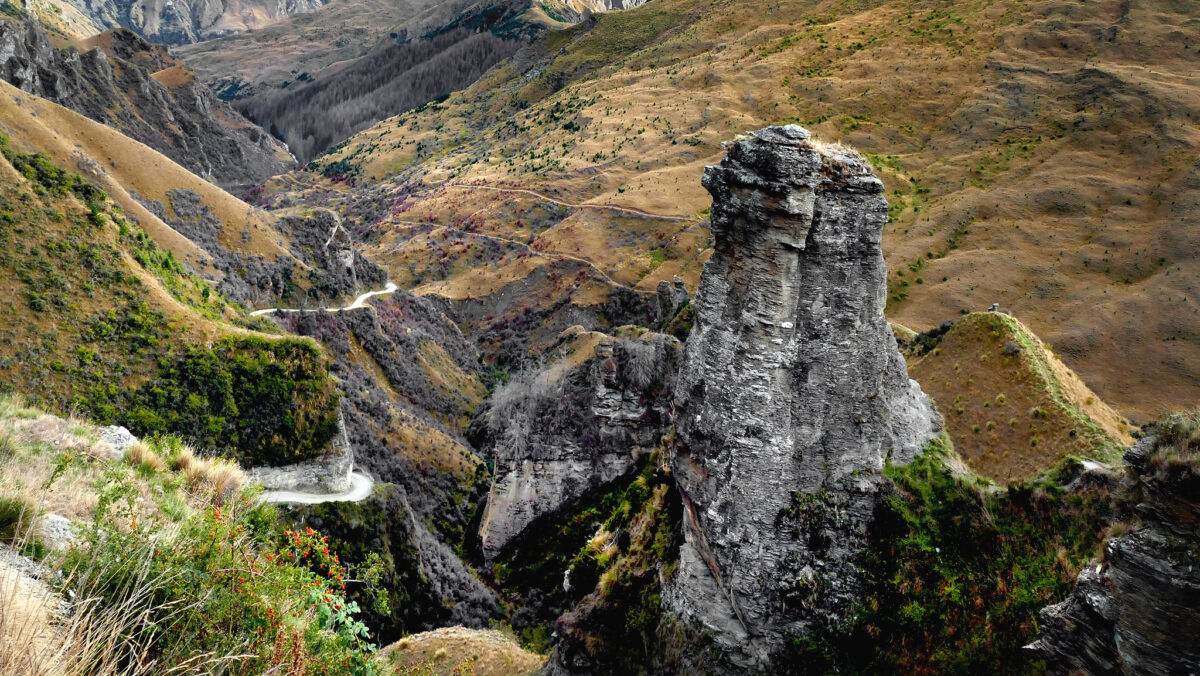
This narrow track carved into canyon walls started as a mining route in the 1860s. The road is so dangerous that rental car companies specifically prohibit driving on it, and your insurance won’t cover you if you do.
Tour operators with special permits are the main traffic now, using drivers who know every curve and tight spot. The road is barely wide enough for one vehicle in many sections.
Passing requires one driver to back up until they reach a slightly wider spot, which might be hundreds of feet away. Sheer drops fall away directly from the road edge with no barriers or warning signs.
Loose rock on the surface makes traction unpredictable. Rain turns the dirt road into mud, and fog can roll in quickly, reducing visibility to almost nothing.
The combination of these factors explains why even locals who grew up in the area approach this road with serious respect.
Atlantic Road, Norway
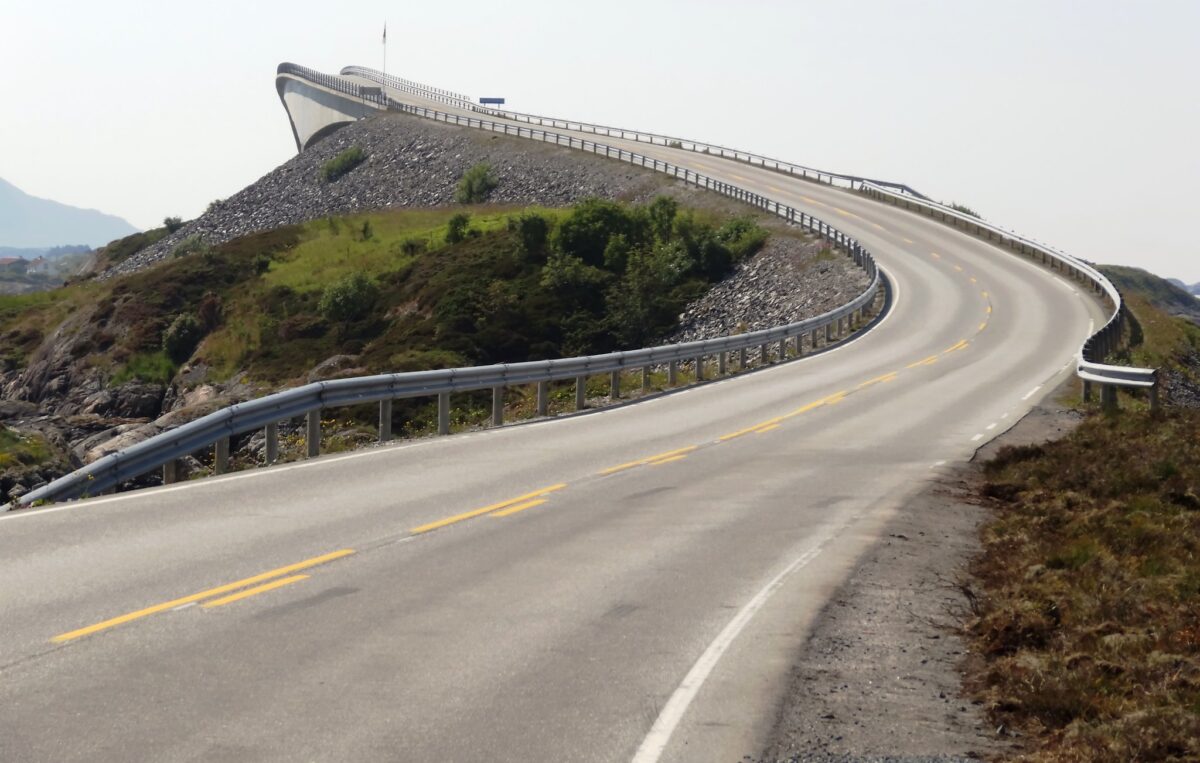
Waves smash onto the bridges when storms hit, turning the drive into something wild. Pictures show calm beauty, yet real life out here feels different.
Water floods every lane as the sea sprays high into the air. Locals know better than to take chances on these stretches.
Roads barely rise above the surface of the channel, making them vulnerable. Winds blast hard here, regular as clockwork along this stretch of coast, shoving cars off their path.
When gusts hit taller rigs – think campers – they might tilt, even flip, tossed by sudden force. Curves snake through the link between islands, sharp bends appearing fast if your eyes are on the struggle outside.
Roads twist without warning, keeping drivers tense, hands tight on the wheel. Frost often coats roads when temperatures dive at night, while open stretches offer zero shelter from biting winds.
When storms roll in, sight fades fast – puddles spreading across asphalt blur the edges of drivable surfaces.
Where the Road Challenges You Most

A few folks keep calm in thick fog yet freeze up near cliff edges. One moment you’re climbing high peaks, next thing a sharp turn reveals open air below.
Not everyone minds being cut off from towns for hours at a time. What feels routine to some becomes overwhelming when the pavement narrows.
Each person handles pressure differently. Tough paths stack obstacle after obstacle until there is no room left for distraction.
Out on these routes, regular travelers learn fast what works. When storms hit hardest, it shows up in their routines.
Certain stretches crack apart under heat, others slip away in rain. Help is never a given, so they remember every outpost that might open its door. Near-misses teach more than warnings ever could.
Seasons repeat, mistakes add up, wisdom builds one trip at a time. Picture those narrow trails carved into cliffs, no railings, just open air below.
Your daily stop-and-go ride begins to seem easier once that image settles in. One wrong move there means nothing but sky beneath the wheels.
Suddenly, merging during rush hour feels less intense by comparison. Roads like that change how you see ordinary trips behind the wheel.
More from Go2Tutors!

- 16 Historical Figures Who Were Nothing Like You Think
- 12 Things Sold in the 80s That Are Now Illegal
- 15 VHS Tapes That Could Be Worth Thousands
- 17 Historical “What Ifs” That Would Have Changed Everything
- 18 TV Shows That Vanished Without a Finale
Like Go2Tutors’s content? Follow us on MSN.


