12 Restaurants That Banned Specific Groups and Faced Backlash
The restaurant industry has always been about hospitality and bringing people together over shared meals, though some establishments have made headlines for doing the exact opposite. These restaurants implemented policies that excluded certain groups of customers — sparking fierce public debates about discrimination and business practices. From age restrictions to dress codes that targeted specific communities, these controversial decisions often backfired spectacularly. The backlash was swift and severe, with many establishments facing boycotts, protests, and permanent damage to their reputations.
While some owners claimed their policies were about maintaining ambiance or addressing legitimate concerns, critics argued these measures crossed the line into discrimination. Here is a list of 12 restaurants that banned specific groups and faced backlash.
McDain’s Restaurant

McDain’s Restaurant in Monroeville, Pennsylvania made national headlines in 2011 when owner Mike Vuick banned children under six from his establishment. The policy came after years of complaints about crying babies and disruptive toddlers ruining other diners’ experiences, yet the decision split customers down the middle.
While some parents were outraged and organized boycotts, many childless diners actually praised the move — leading to packed reservations and a significant increase in business despite the controversy.
Alinea Chicago

Alinea, one of Chicago’s most prestigious fine dining establishments, faced criticism in 2014 when a couple brought their eight-month-old baby to the restaurant’s $300-per-person tasting menu. Chef Grant Achatz took to social media to ask whether high-end restaurants should have age restrictions — sparking a heated debate about children in upscale dining venues.
The restaurant later implemented a policy discouraging parents from bringing young children, though they stopped short of an outright ban after facing pushback from family advocacy groups.
Caruso’s Restaurant
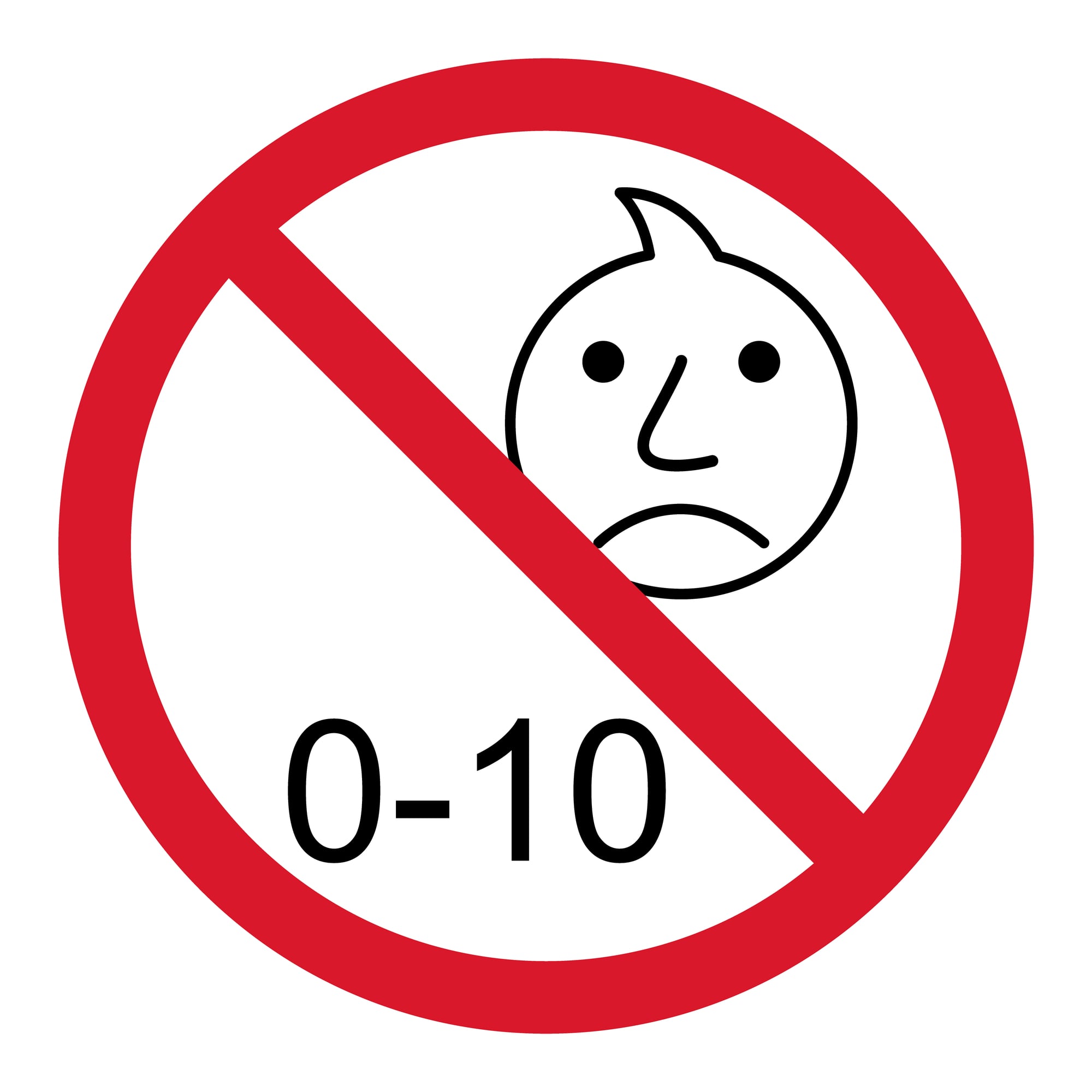
Caruso’s Restaurant in Moorpark, California implemented a ‘no children under 10’ policy in 2015, with owner Caruso Spagnolo arguing that his upscale Italian restaurant wasn’t suitable for young kids. The decision generated significant local controversy — with parents organizing protests and leaving negative reviews online.
Though some customers supported the policy, the sustained backlash eventually forced the restaurant to modify its stance and allow children during certain hours.
Bliss Restaurant
Bliss Restaurant in Singapore gained international attention in 2018 when it announced a ban on children under 12 during weekend brunch hours. Owner Lim Wei Jiet cited complaints from adult customers about noise levels and disrupted dining experiences as reasons for the policy.
The announcement sparked fierce debate on social media — with parents calling it discriminatory while others defended the restaurant’s right to create a peaceful dining environment.
Il Cortile
Il Cortile in New York City faced backlash in 2019 when management allegedly refused service to a group of teenagers, claiming they had a policy against serving minors without adult supervision. The incident went viral on social media when the teens documented their experience — leading to accusations of age discrimination.
The restaurant denied having such a policy and claimed it was a misunderstanding, yet the damage to their reputation was already done.
The Boathouse
The Boathouse in Virginia Beach encountered controversy in 2020 when they posted a sign stating ‘No tank tops, shorts, or flip-flops’ which many interpreted as targeting beachgoers and certain demographics. Critics argued the dress code was discriminatory and designed to exclude working-class customers who couldn’t afford upscale attire.
The restaurant faced protests and boycotts — eventually revising their dress code policy after weeks of negative publicity.
Guido’s Restaurant

Guido’s Restaurant in New Jersey made headlines in 2017 when owner Tony Guido announced he would no longer serve families with young children during dinner hours. The policy came after several incidents involving unruly kids disrupting other customers’ meals, though parent groups immediately organized boycotts.
The restaurant lost significant business during the controversy — and Guido eventually walked back the policy after pressure from the community.
Ciao Bella

Ciao Bella in Melbourne, Australia faced fierce criticism in 2019 when management implemented a ‘no strollers’ policy that effectively banned parents with infants from the restaurant. The owners claimed the policy was for safety reasons and to maintain the restaurant’s intimate atmosphere.
Parent advocacy groups organized protests outside the establishment, while the negative publicity on social media eventually forced the restaurant to reverse the policy.
The Ritz Restaurant
The Ritz Restaurant in Manchester, England encountered backlash in 2020 when staff allegedly refused service to a group of young adults, claiming they had a policy against serving customers under 25 without reservations. The incident sparked outrage on social media — with critics arguing it was age discrimination disguised as a business policy.
The restaurant management denied having such a policy, yet the controversy damaged their reputation among younger customers.
Osteria Francescana

Osteria Francescana in Modena, Italy faced criticism in 2018 when reports surfaced that the Michelin-starred restaurant had an unofficial policy discouraging families with children from making reservations. Food critics and family advocates argued that such practices were elitist and went against Italian culture’s family-friendly dining traditions.
The restaurant never officially confirmed the policy — though they later made public statements welcoming families during certain hours.
La Bernardin

La Bernardin in New York City encountered controversy in 2019 when a family claimed they were denied a reservation because they had children, despite the restaurant’s policy allowing minors. The incident sparked debate about whether high-end restaurants should accommodate families or maintain adult-only atmospheres.
While the restaurant maintained they welcome children, the controversy highlighted ongoing tensions between fine dining establishments and family diners.
Mama’s Fish House

Mama’s Fish House in Hawaii faced criticism in 2020 when they implemented a dress code that many locals viewed as discriminatory against Hawaiian cultural attire and working-class customers. The policy banned certain traditional clothing items and casual wear, leading to accusations of cultural insensitivity.
Local community groups organized protests, and the restaurant eventually revised their dress code after facing sustained pressure and negative publicity.
Lessons from the Dining Room
These restaurant controversies reveal the delicate balance between business autonomy and public accommodation in the hospitality industry. While restaurant owners have legitimate concerns about maintaining their establishments’ atmosphere and serving their target customers, policies that exclude entire groups often backfire in today’s connected world.
Social media has amplified the consequences of discriminatory practices — making it easier for offended customers to organize boycotts and damage businesses’ reputations. The most successful restaurants have learned that inclusive policies and thoughtful customer service create better long-term outcomes than exclusionary practices that generate negative headlines.
More from Go2Tutors!

- The Romanov Crown Jewels and Their Tragic Fate
- 13 Historical Mysteries That Science Still Can’t Solve
- Famous Hoaxes That Fooled the World for Years
- 15 Child Stars with Tragic Adult Lives
- 16 Famous Jewelry Pieces in History
Like Go2Tutors’s content? Follow us on MSN.