Puffin Day: 17 Things You Never Knew About These Adorable Birds
Puffins look like little birds in tuxedos with a paint-splashed beak, and sure, they’re adorable. But they’ve got a lot more going on than meets the eye. These birds are quirky, smart, and built for the wild life literally.
Here’s a list of 17 things that make puffins some of the most fascinating birds on the planet.
Puffins Use Their Beaks Like Grocery Bags
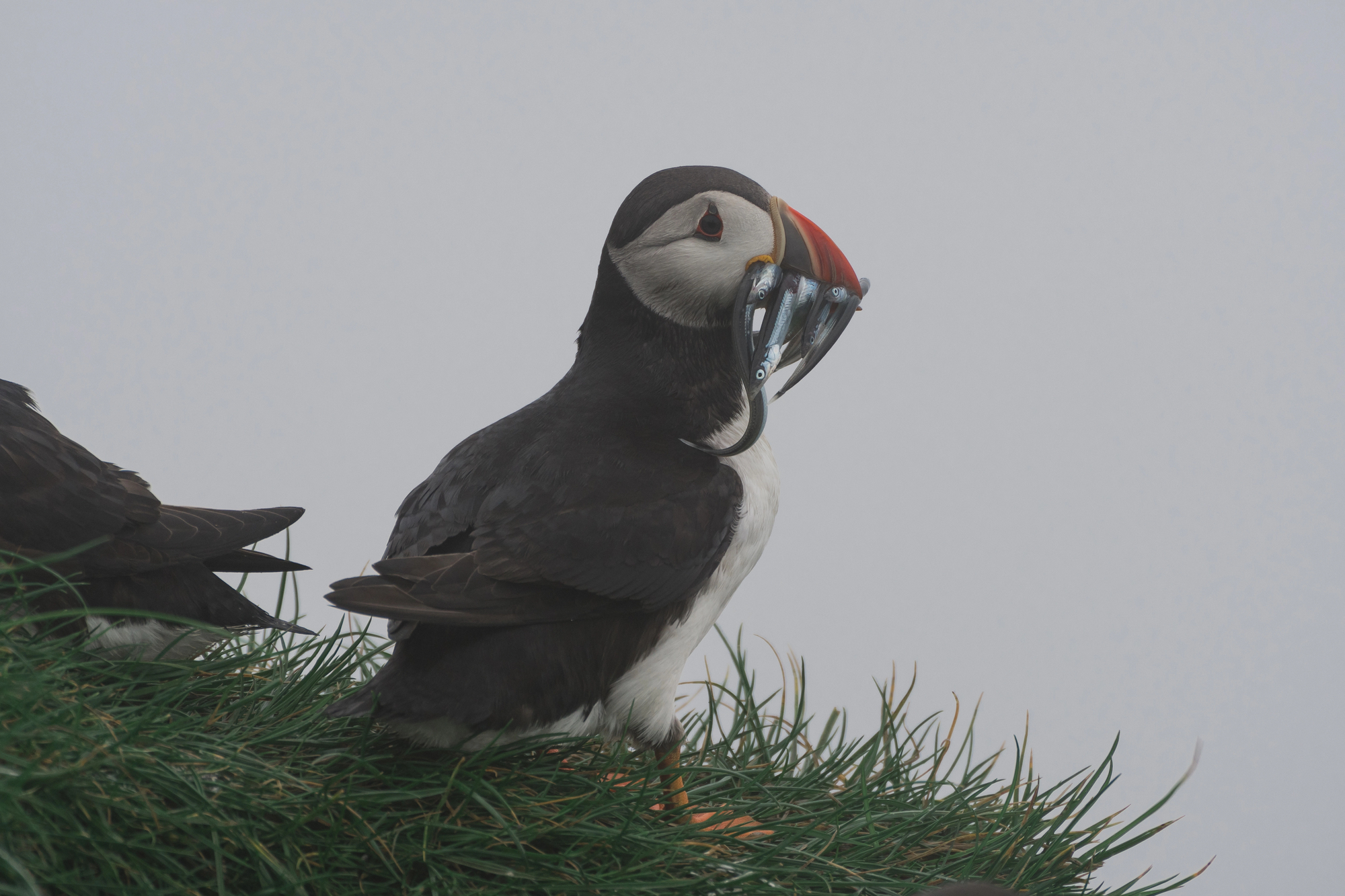
Puffins don’t just catch one fish at a time — they stack them like pros. A puffin’s beak can hold more than ten small fish at once, neatly lined up sideways.
They use their spiny tongues to pin the earlier catches to the roof of their mouths, leaving their beaks open for more. It’s like watching someone carry an entire week’s worth of groceries in one trip without dropping anything.
They Can Dive Over 200 Feet

When puffins are hungry, they don’t skim the surface. They plunge into the deep, flapping their wings underwater like little submarine birds.
They’ve been recorded diving over 200 feet below the surface in search of food. That’s deeper than most apartment buildings are tall — not bad for a bird that’s just over 10 inches long.
Puffins Are Surprisingly Fast Flyers

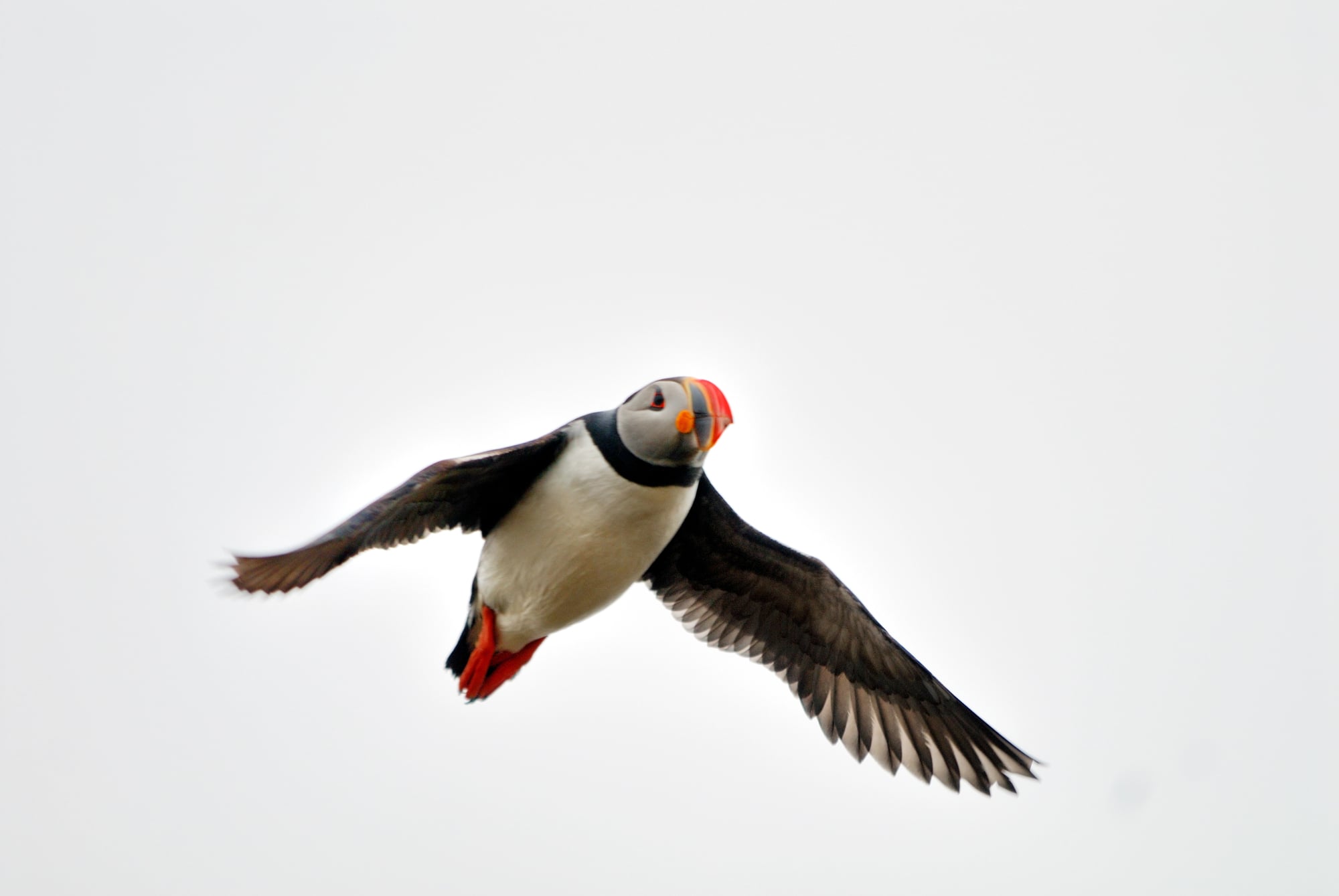
They might look clumsy waddling on land, but in the air, puffins move like little jet engines. Their wings beat up to 400 times a minute, helping them shoot through the sky at speeds reaching 55 miles per hour.
It’s a bit like watching a hummingbird crossed with a football — fast, focused, and kind of funny-looking.
They Shed Their Beaks After Breeding Season
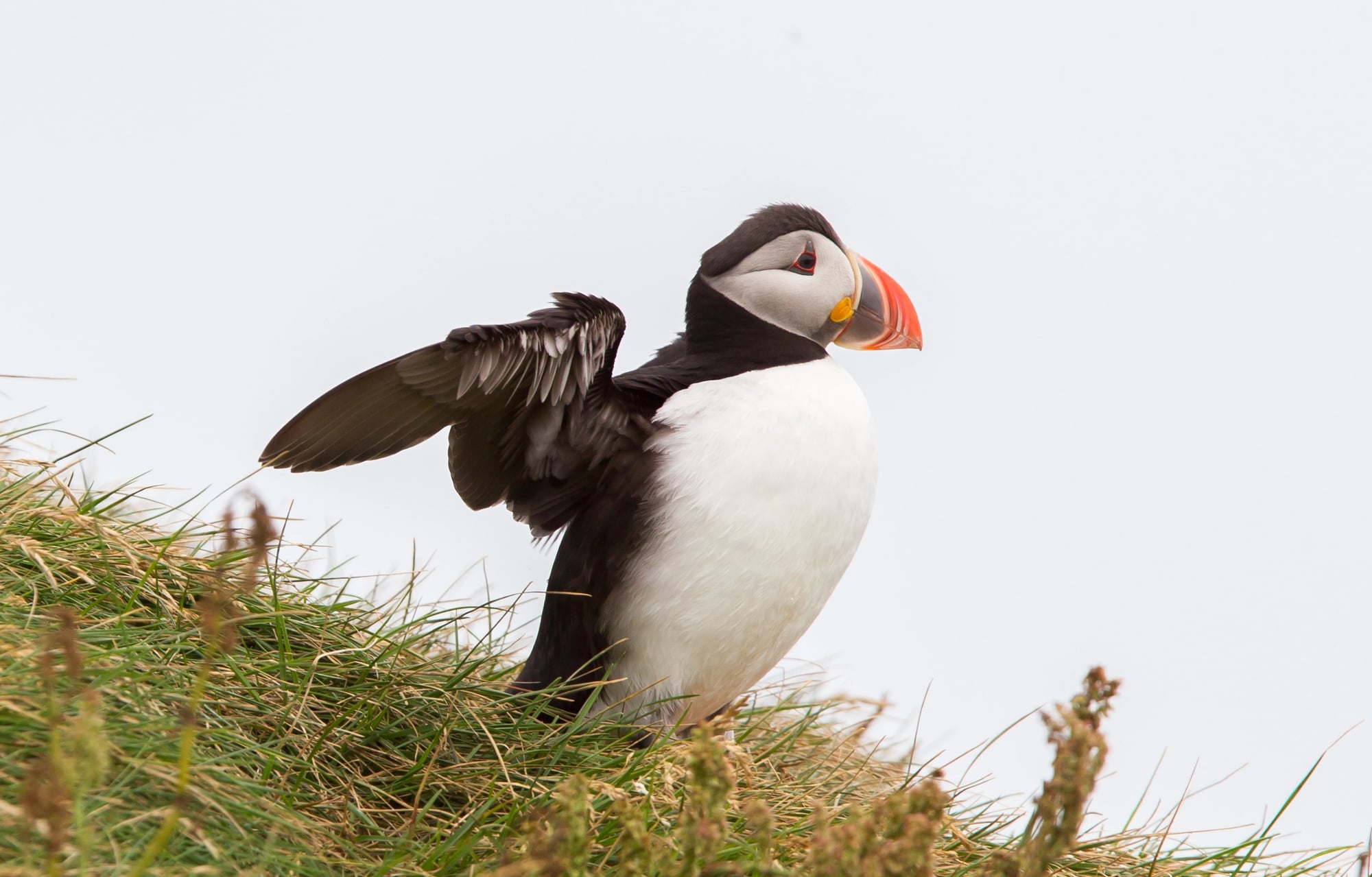
The puffin’s beak is practically its trademark — bright orange, striped, and shaped like a triangle. But that bold color is only temporary.
After the breeding season, puffins shed the outer layer of their beaks, revealing a smaller, duller version underneath. It’s like putting away your party clothes and slipping into something more casual for the off-season.
Puffins Mate for Life
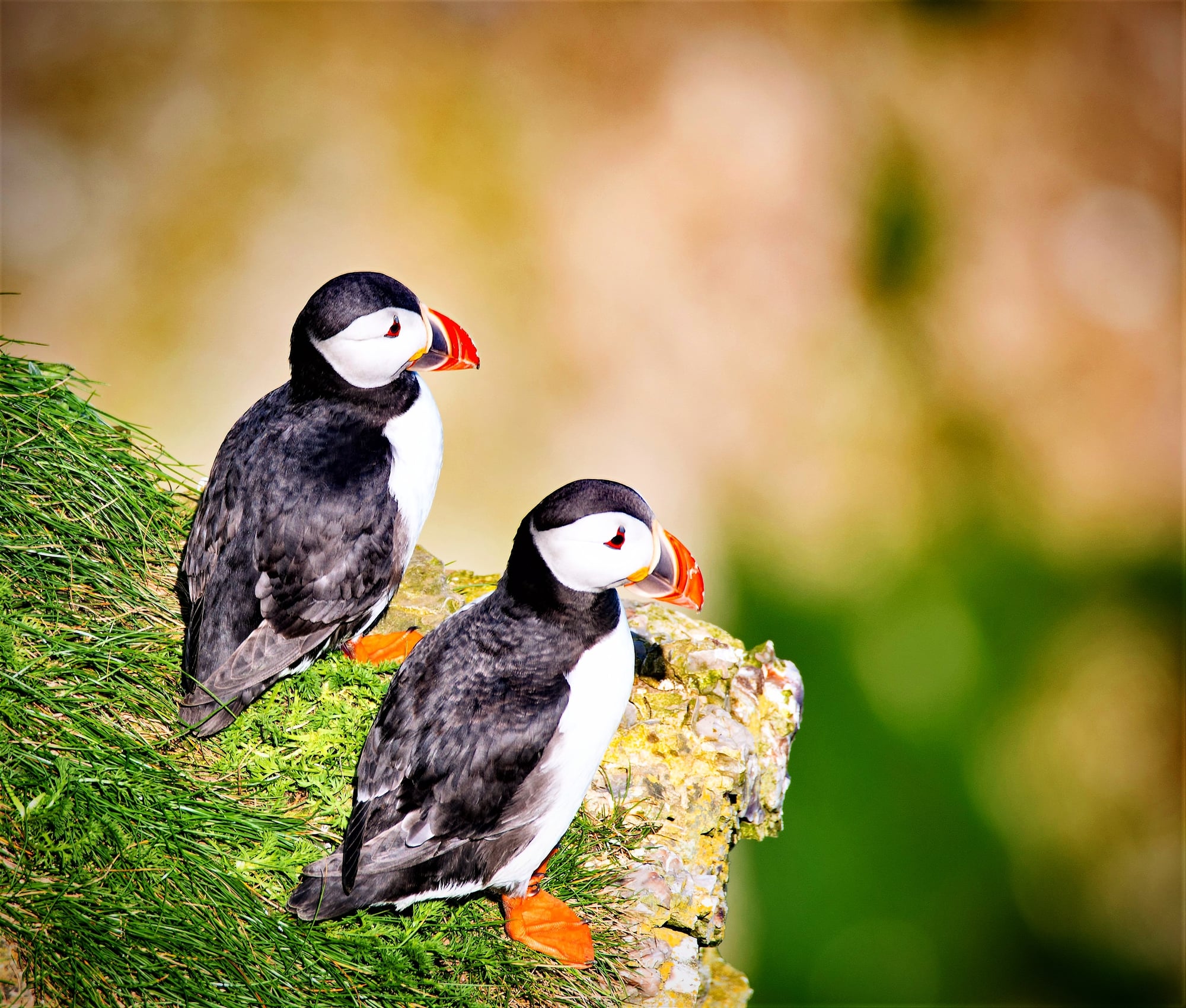
Once puffins pair up, they tend to stick together for good. Every year, the same pair returns to the same burrow on the same cliff.
They even do a little beak-tapping ‘kiss’ called billing when they reunite. It’s one of those rare animal relationships that’s built on loyalty and location — no need for a dating app.
Their Nickname is ‘Sea Parrot’
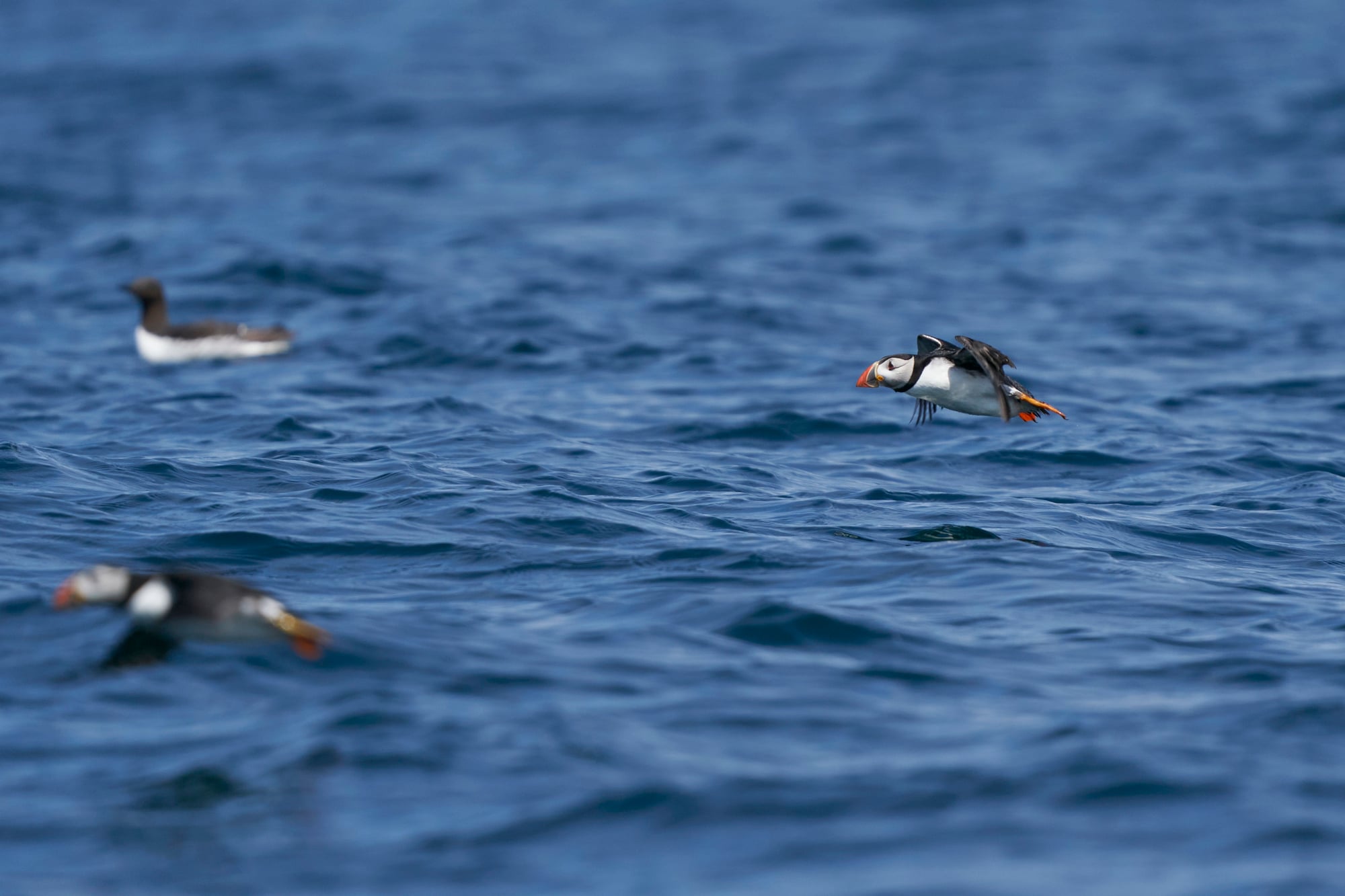
With their bright beaks, white faces, and black coats, puffins have earned the nickname ‘sea parrots’. They’ve also been called ‘clowns of the sea’ for their awkward, bouncy land moves.
Either way, the name fits — puffins look like someone mashed up a penguin, a toucan, and a cartoon.
They Build Homes Underground
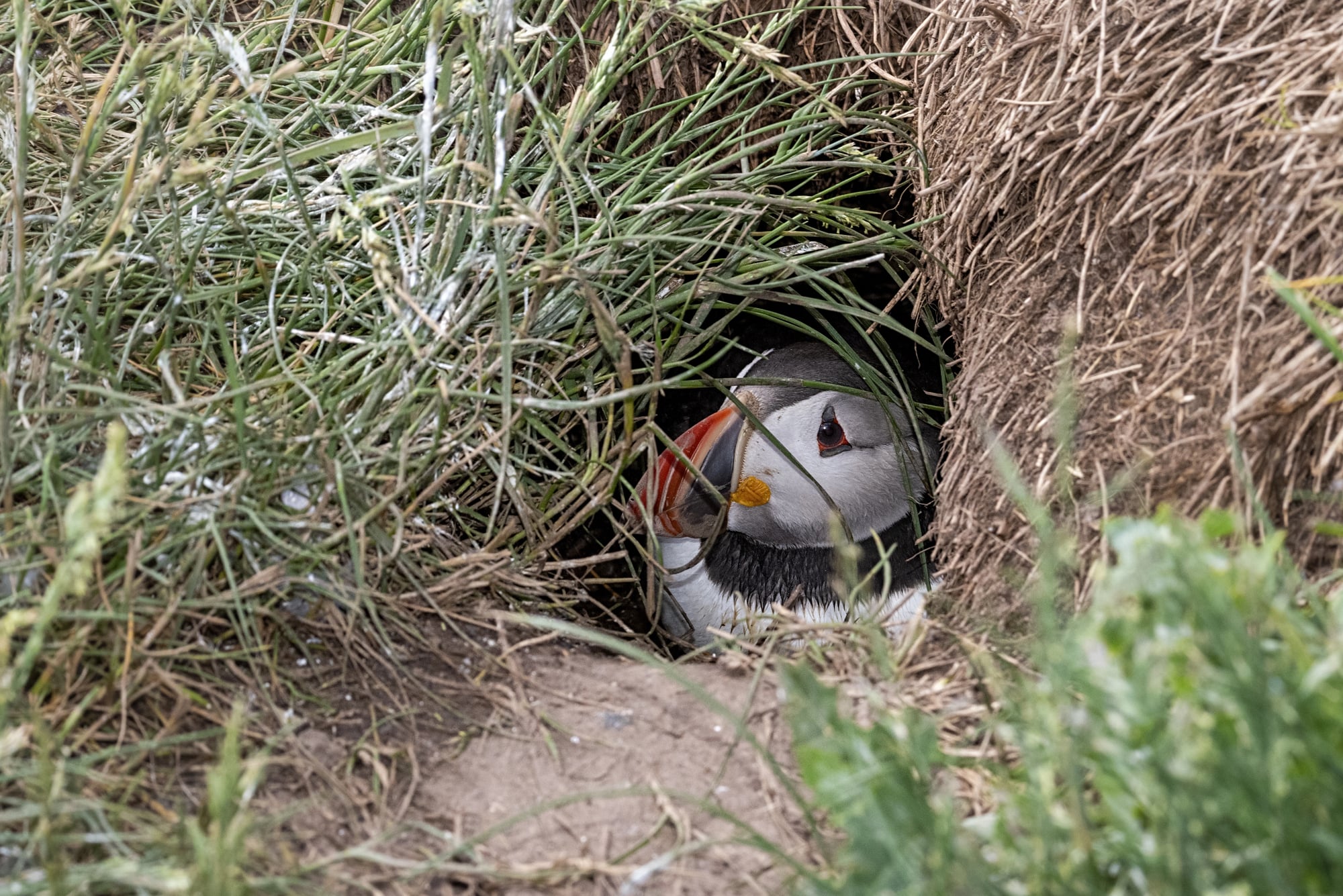
Instead of building nests in trees like most birds, puffins dig burrows into grassy cliffsides. These cozy tunnels can stretch up to three feet long and usually have a separate ‘restroom’ chamber.
It’s a bird’s version of a tiny house with thoughtful plumbing — functional, hidden, and with an ocean view.
Pufflings Stay Hidden for Weeks
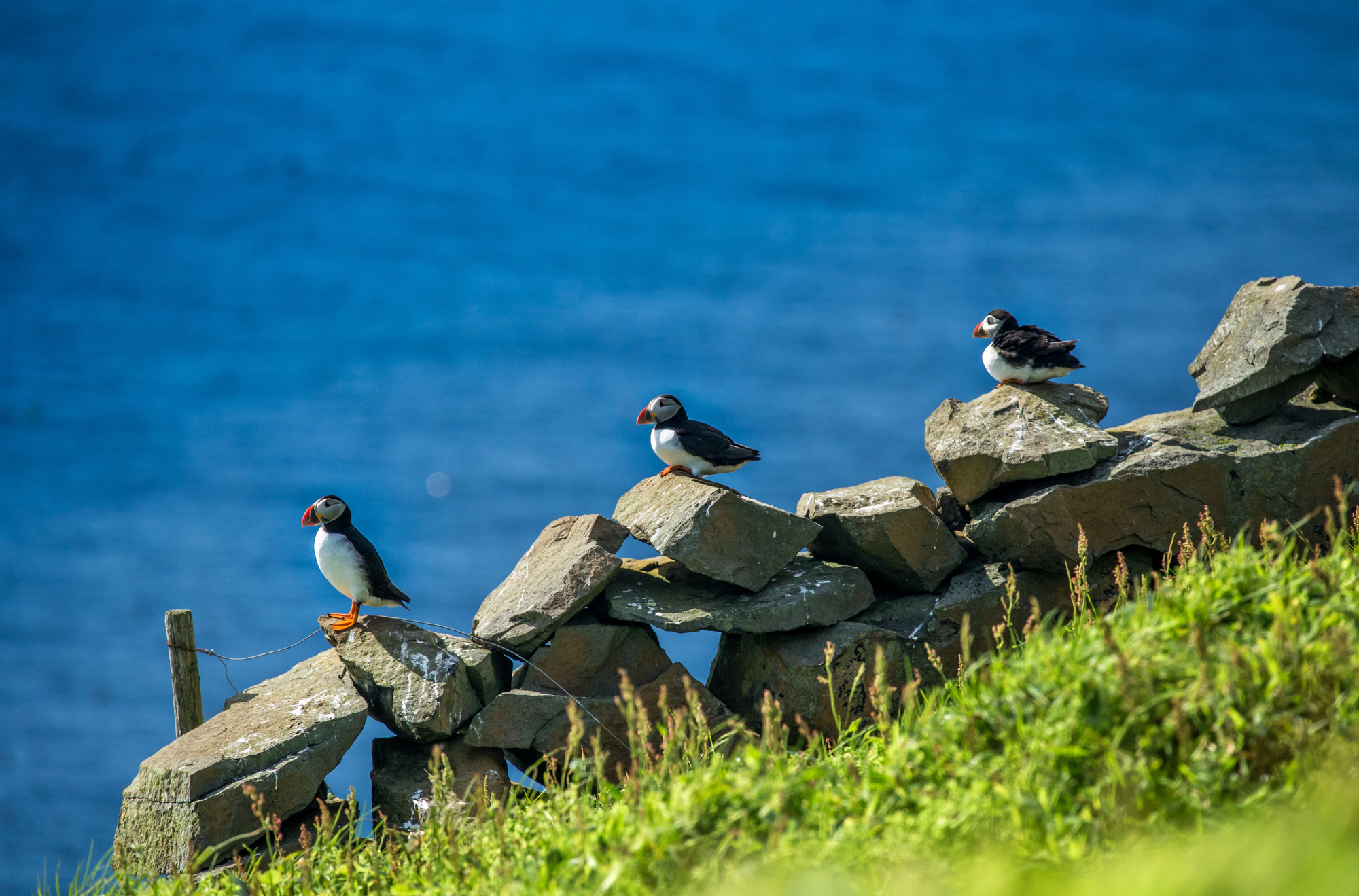
Baby puffins, called pufflings, are born in those underground burrows and don’t leave for a while. They stay tucked away for up to six weeks, being fed multiple times a day by both parents.
Pufflings only emerge when they’re strong enough to head straight for the sea — like skipping preschool and going right to survival school.
Some Puffins Live Over 30 Years
Puffins may look delicate, but they’re built to last. In the wild, some puffins have been known to live over 30 years — impressive for a bird that spends most of its life battling wind, waves, and the occasional gull.
That kind of lifespan makes puffins one of the longest-living seabirds out there.
Iceland is Puffin Central
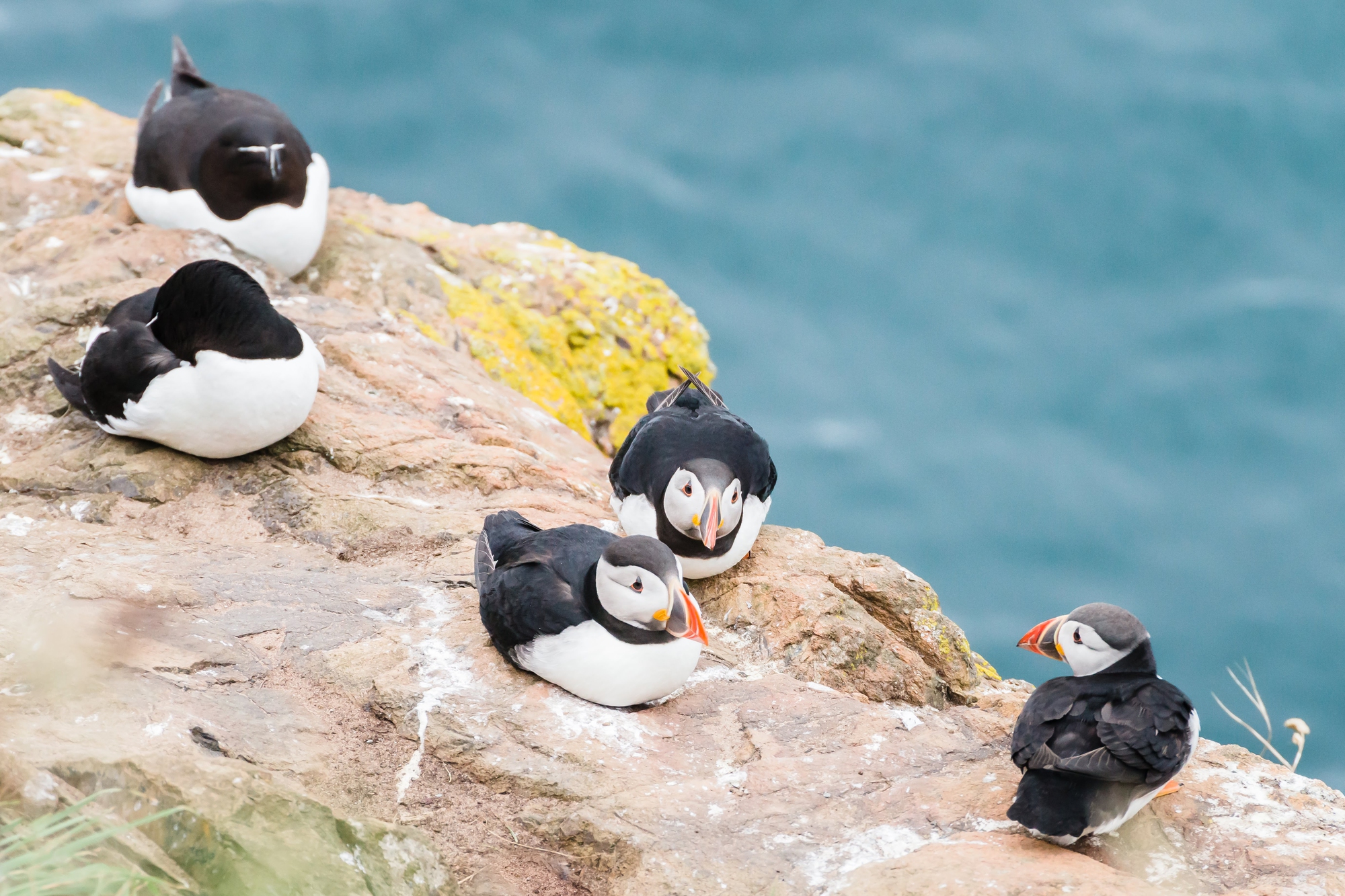
Iceland isn’t just famous for volcanoes and waterfalls — it’s also home to around 60% of the world’s puffins. Every summer, millions of puffins crowd the country’s cliffs and islands to breed.
Some towns even have puffin-crossing signs to keep tourists from accidentally hitting them.
It’s basically a puffin paradise.
Puffins Are Expert Navigators
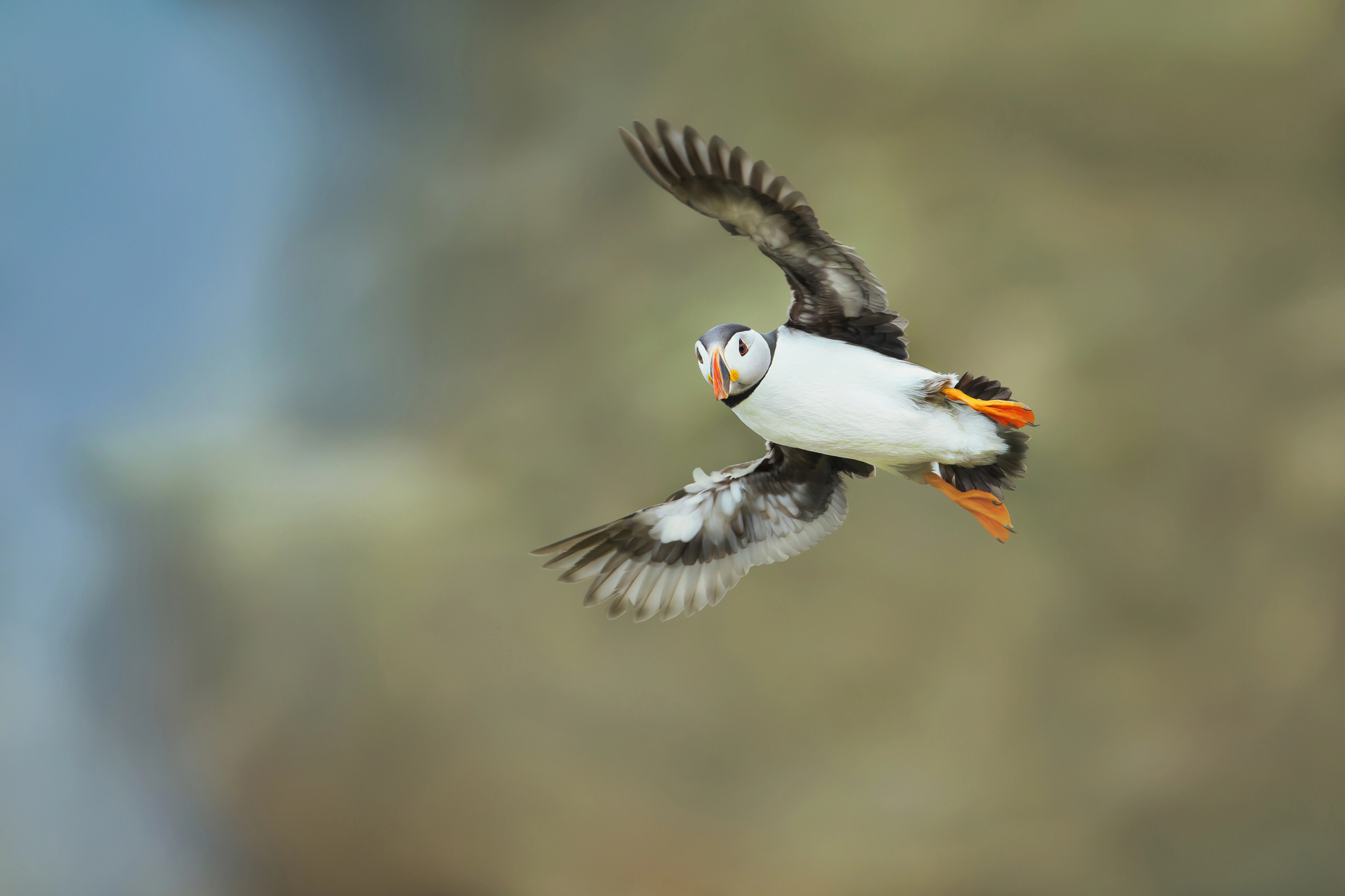
Despite spending months at sea, puffins always manage to find their way back to the exact burrow where they raised chicks the year before. They’re believed to use a combination of sun position, ocean currents, magnetic fields, and landmarks to navigate.
Imagine disappearing for the winter and coming back to your exact street corner — no GPS needed.
They’re Surprisingly Quiet
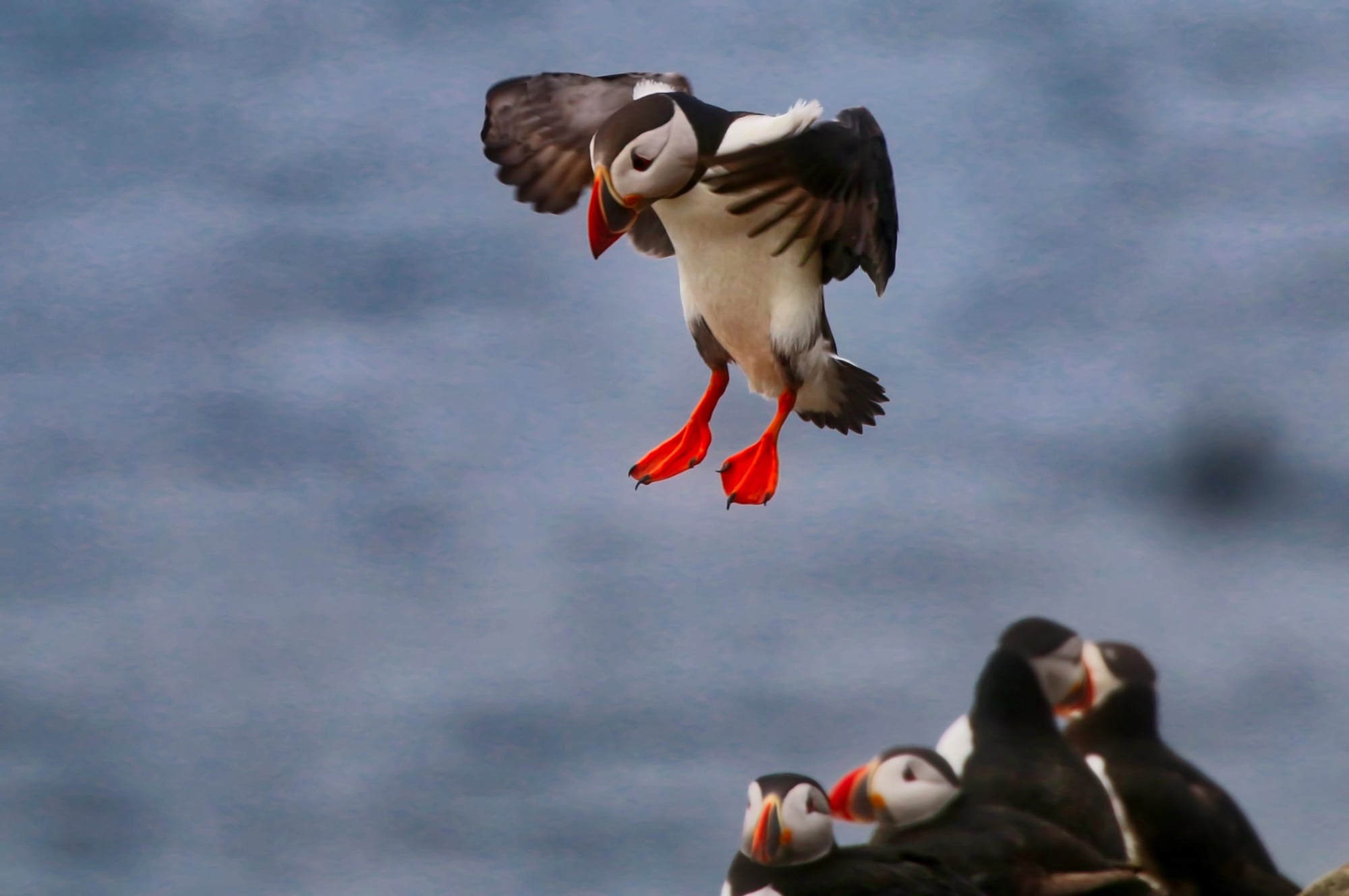
You’d expect birds with such bold looks to make a racket, but puffins are mostly silent in the open air. They save their sounds for their burrows, where they make low growling noises to communicate.
It’s the kind of secret chatter you’d expect from roommates who know each other’s habits too well.
Puffin Beaks Glow Under UV Light
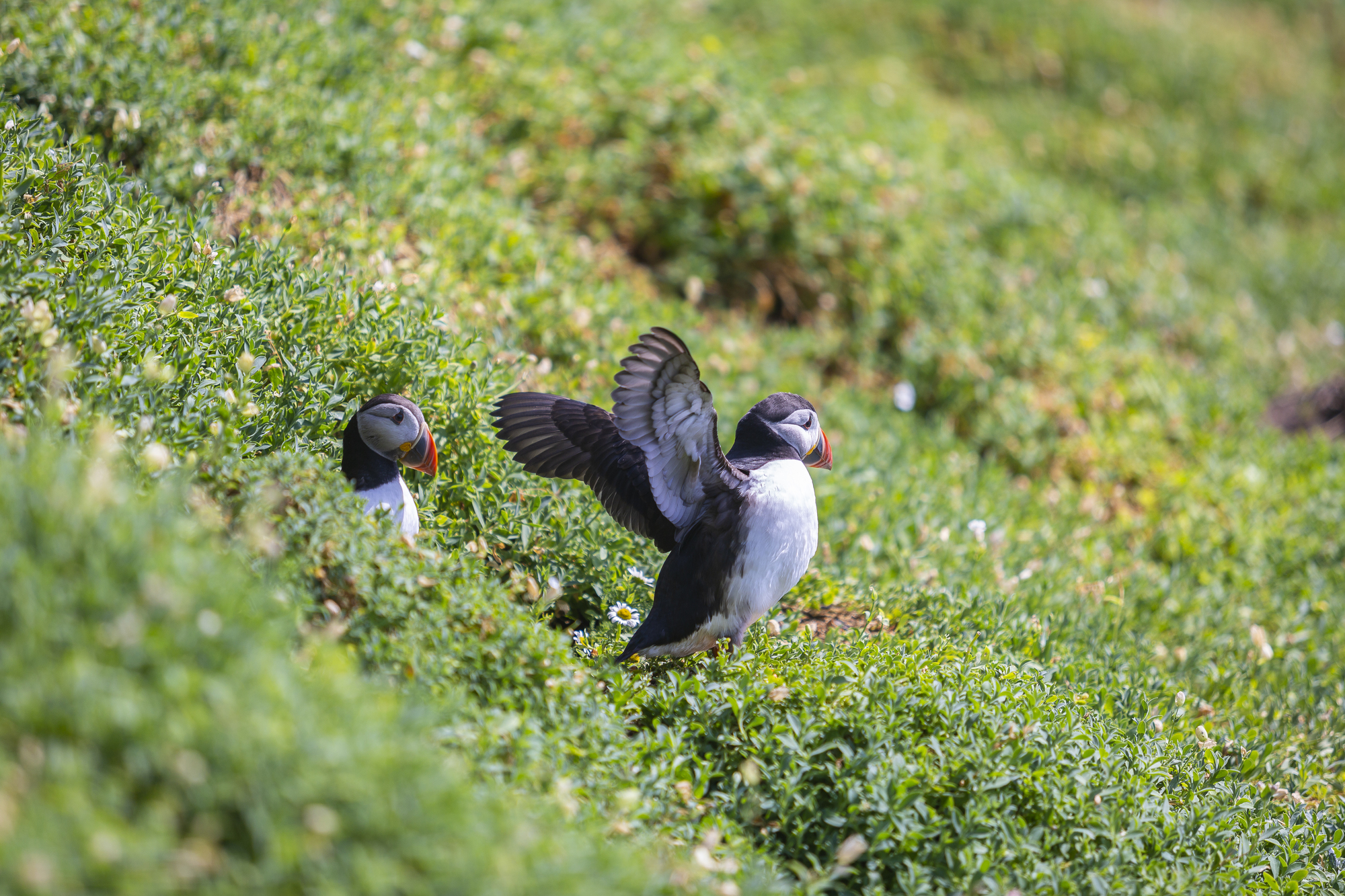
Under ultraviolet light, puffin beaks actually glow — parts of them shine like neon signs. Scientists believe this glow might help puffins attract mates or recognize each other.
Humans can’t see it without special equipment, but in the puffin world, it’s like wearing glow-in-the-dark lipstick to the club.
Their Feet Change Color
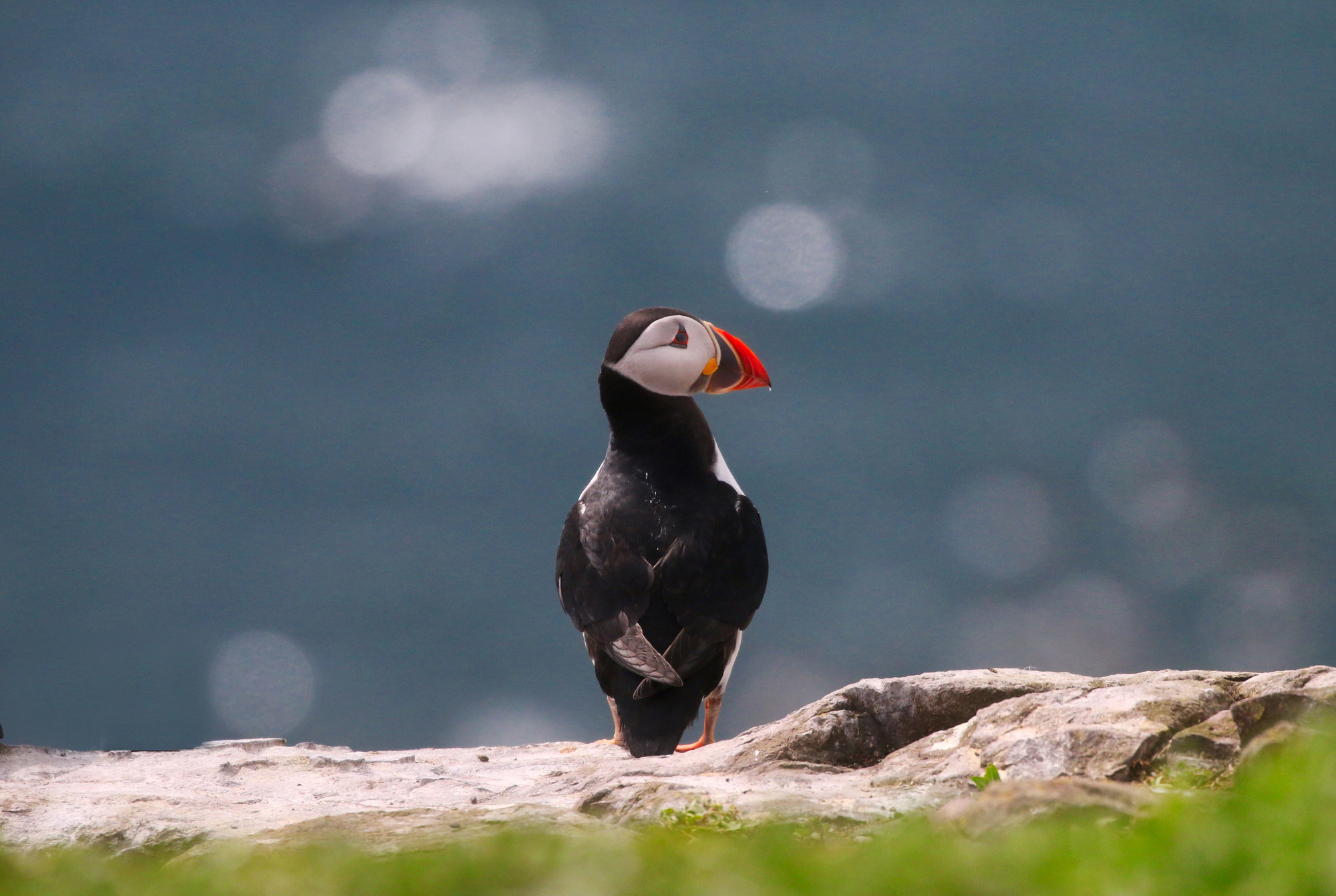
During the breeding season, puffins’ feet turn a bright orange to match their beaks. It’s part of their visual signal to potential mates — a sort of ‘hey, I’m ready’ flag.
After the season ends, their feet return to a duller shade. It’s nature’s way of saying the party’s over.
Puffins Don’t Just Eat Fish
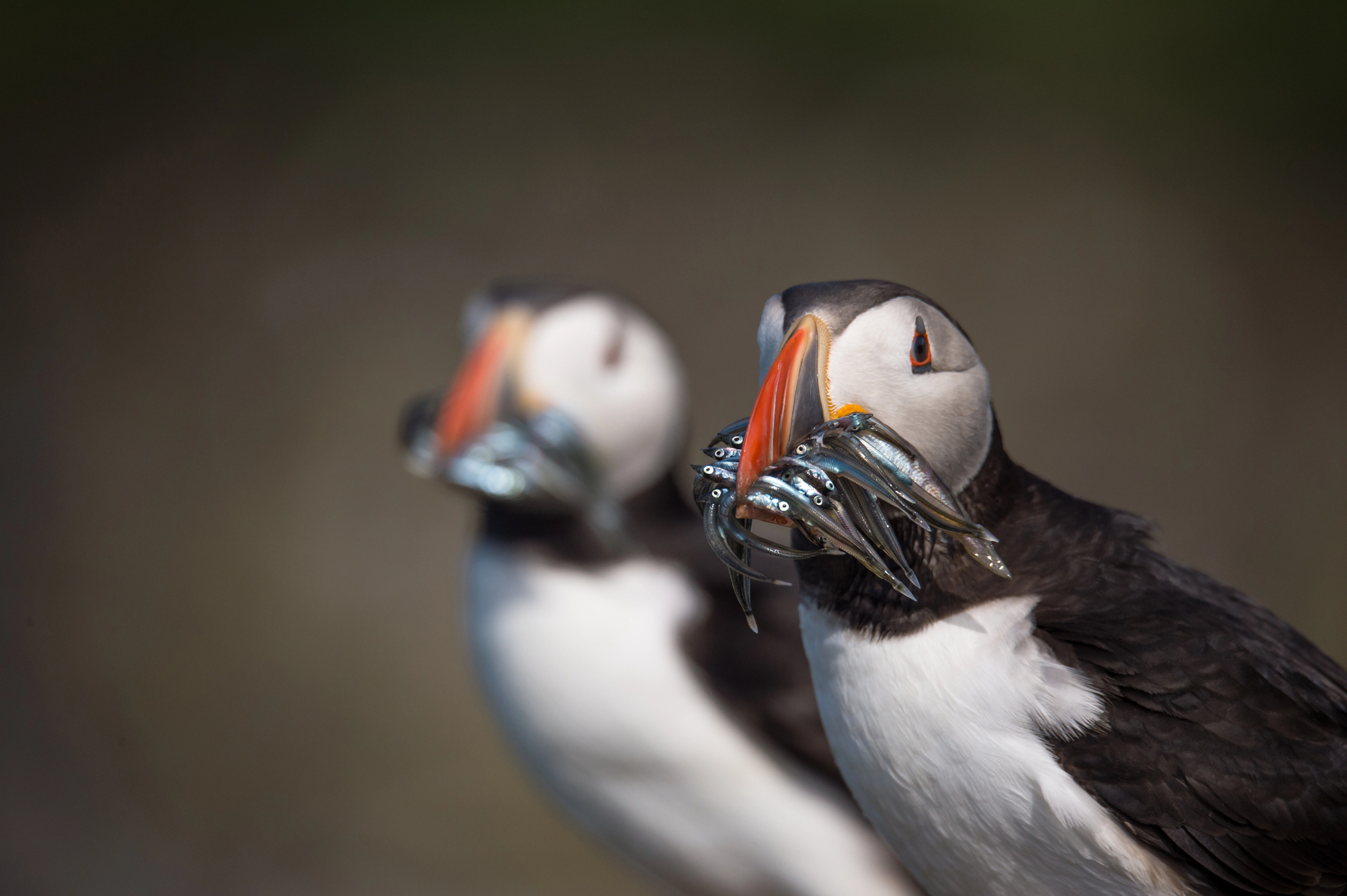
While puffins mainly hunt small fish like sand eels and herring, they’re opportunistic eaters. Depending on what’s available, they’ll go after crustaceans, zooplankton, or even worms.
When the fish buffet runs low, puffins know how to make do — survival means flexibility.
They Spend Most of Their Lives at Sea
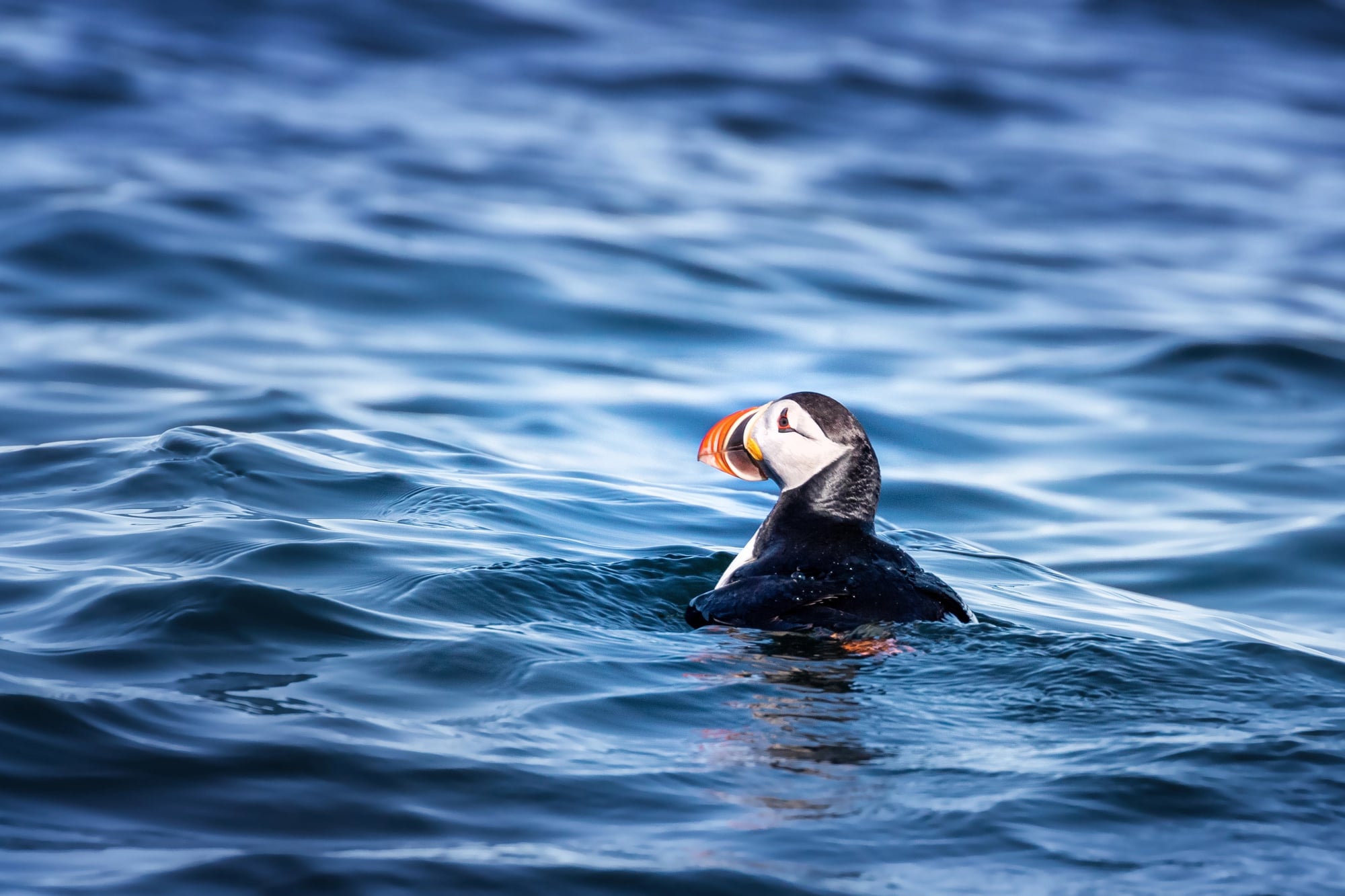
Outside of the breeding season, puffins live entirely at sea. They bob on the waves, sleep on the water, and hunt wherever the fish are.
That means puffins spend around eight months each year without touching solid ground. They’re more ocean than land — like seabirds that forgot about real estate.
Conservation Groups Celebrate Puffin Day
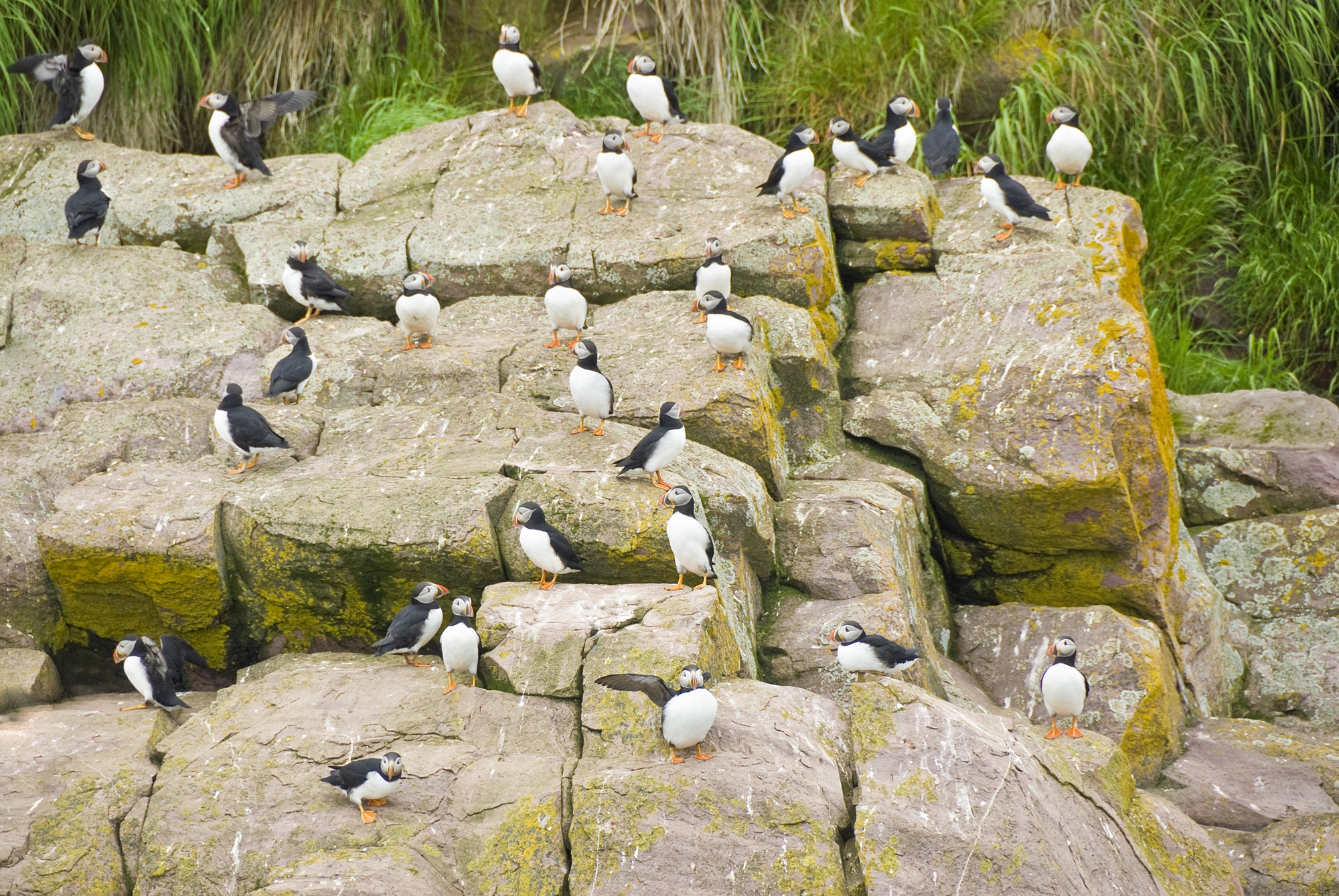
Puffin Day is more than just an excuse to look at cute photos — it’s also a reminder that puffins face serious challenges. Climate shifts, overfishing, and habitat loss are threatening their food sources and nesting sites.
Conservationists use this day to spotlight the puffin’s importance and encourage protection efforts before these birds disappear from more places.
Not Just Fluff and Feathers
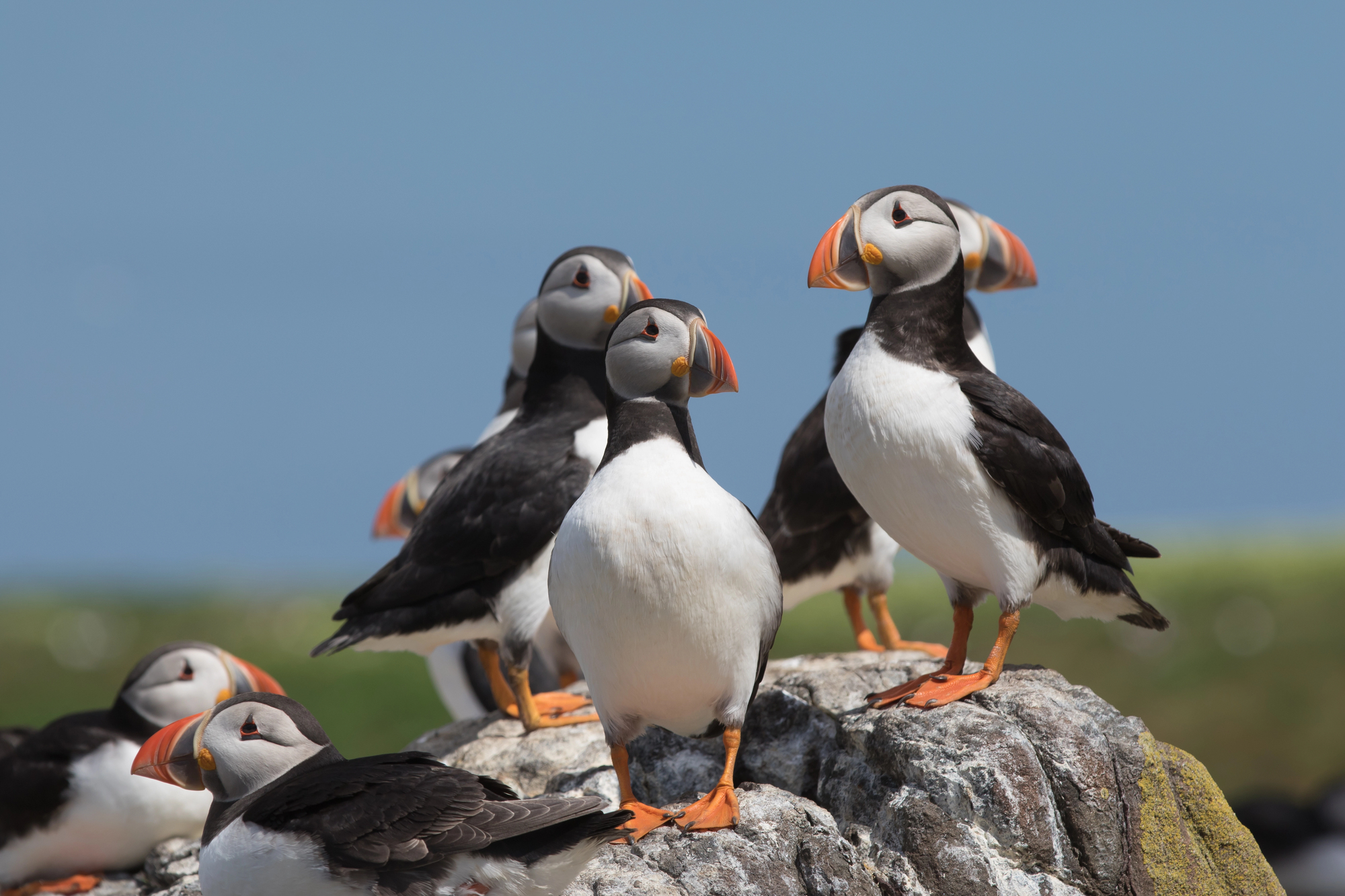
Puffins might seem like nature’s joke — all color, clumsiness, and charm. But when you dig deeper, these birds reveal an incredible story of endurance, adaptability, and purpose.
They’ve mastered the art of survival in a constantly shifting world. Their lives offer a glimpse into the hidden workings of our planet’s oceans.
Next time you see one, remember: they’re not just cute — they’re quietly carrying the weight of the sea on their tiny wings.
More from Go2Tutors!

- The Romanov Crown Jewels and Their Tragic Fate
- 13 Historical Mysteries That Science Still Can’t Solve
- Famous Hoaxes That Fooled the World for Years
- 15 Child Stars with Tragic Adult Lives
- 16 Famous Jewelry Pieces in History
Like Go2Tutors’s content? Follow us on MSN.