Actors who went too far with method acting
Method acting encourages performers to dive deep into their characters’ psyches, drawing on personal experiences and emotions to create authentic portrayals. This technique, pioneered by Lee Strasberg and rooted in Constantin Stanislavski’s approach, has produced some of cinema’s most memorable performances. Still, some actors have taken this immersive approach to dangerous extremes, sacrificing their physical and mental wellbeing in pursuit of the perfect role.
When dedication crosses into obsession, the line between character and performer becomes dangerously blurred. Here’s a list of actors who pushed method acting beyond reasonable limits, often with shocking consequences that make you wonder if it was all worth it.
Daniel Day-Lewis

The crowned King of modern-day Method acting, the list of life-altering experiments Daniel Day-Lewis has undergone in order to relate to his characters is as long as the list of characters themselves. Day-Lewis famously refused to break character between takes, demanding that crew members treat him exactly as his on-screen persona.
For My Left Foot, he stayed in a wheelchair throughout filming and insisted on being spoon-fed by crew members. The now-retired Irish actor caught pneumonia on the set of Martin Scorsese’s Gangs of New York; even between takes, Bill the Butcher wouldn’t have worn an insulated coat in the 19th century. His preparation for Last of the Mohicans involved living alone in the wilderness for months, hunting and killing his own food.
The actor’s commitment became so intense that it contributed to his early retirement from acting, with Day-Lewis admitting the process had become too emotionally draining.
Christian Bale

Bale’s body transformations represent some of the most extreme physical sacrifices in cinema history. For The Machinist, Bale followed an extreme calorie-restricted diet, consuming only 300 calories a day, which consisted mainly of apples, coffee, and occasional cans of tuna.
He dropped 63 pounds in just four months, going from 180 pounds to a skeletal 120 pounds. The actor then gained 100 pounds in five months for Batman Begins, only to lose it all again for subsequent roles. His wife even threatened to kill him if he caused permanent damage to himself through these extreme transformations.
Jared Leto
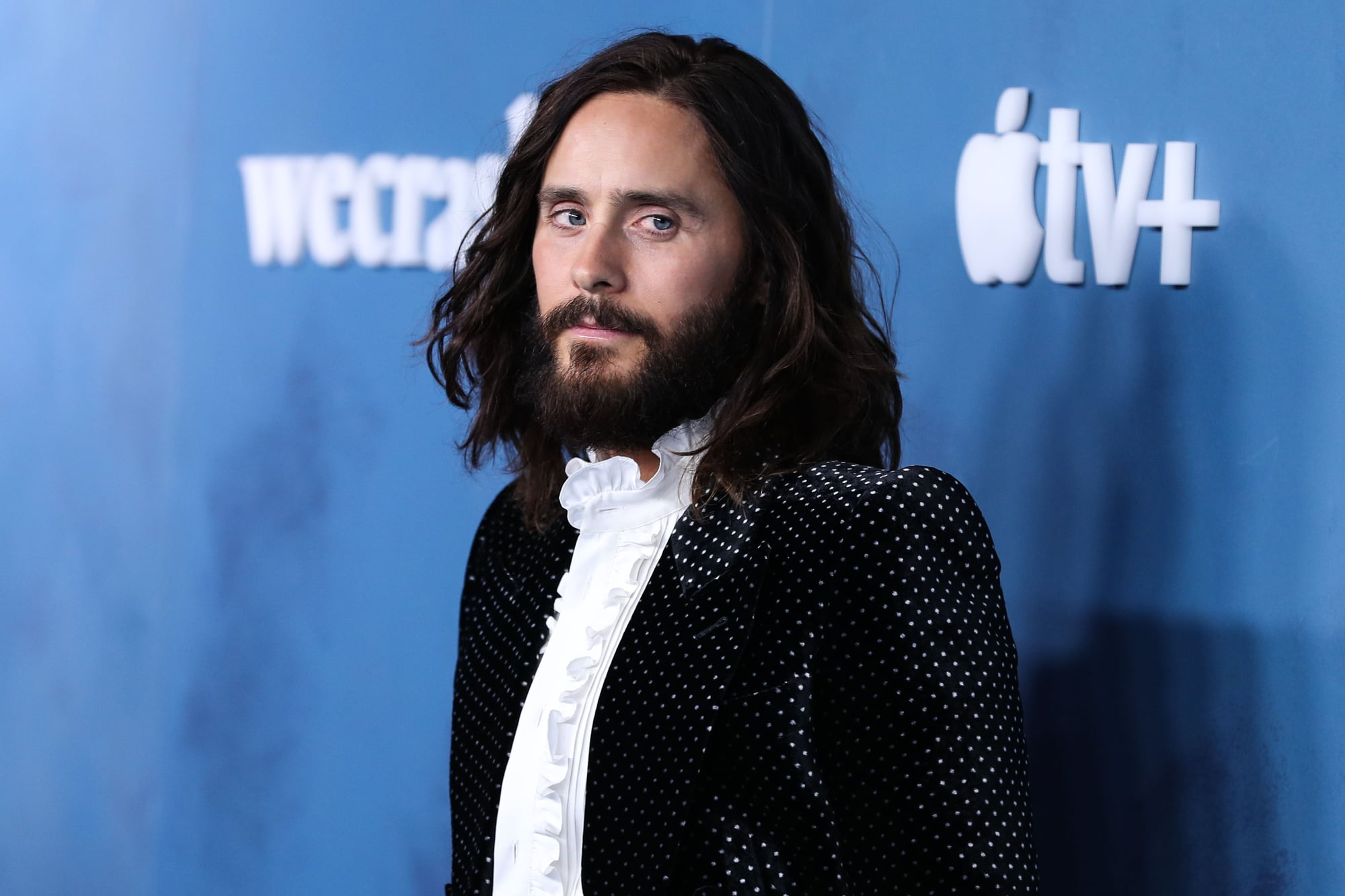
Leto has built a reputation for never breaking character during filming, often to the detriment of cast and crew relationships. For Dallas Buyers Club, he lost 30 pounds, shaved his eyebrows, waxed his entire body, and stayed in drag both on and off set for the entire production.
He made sure to be in character 24-hours a day and even met with people in the transgender community to get feedback on how to make his performance more real. Leto reportedly sent disturbing gifts to his co-stars, including used condoms and dead rats, all while staying in character as the Joker.
Robert De Niro

De Niro’s dedication to authenticity led him to extreme lengths for multiple roles. For Raging Bull, De Niro sat at the feet of Jake LaMotta, the Italian middleweight boxer he portrayed. De Niro even participated in three fights in the ring himself, in addition to gaining 50 pounds on his then-skinny frame.
For Taxi Driver, he worked 12-hour shifts as an actual New York cab driver to understand his character’s mindset. He also paid a dentist to grind down his teeth for his role in Cape Fear.
Jim Carrey
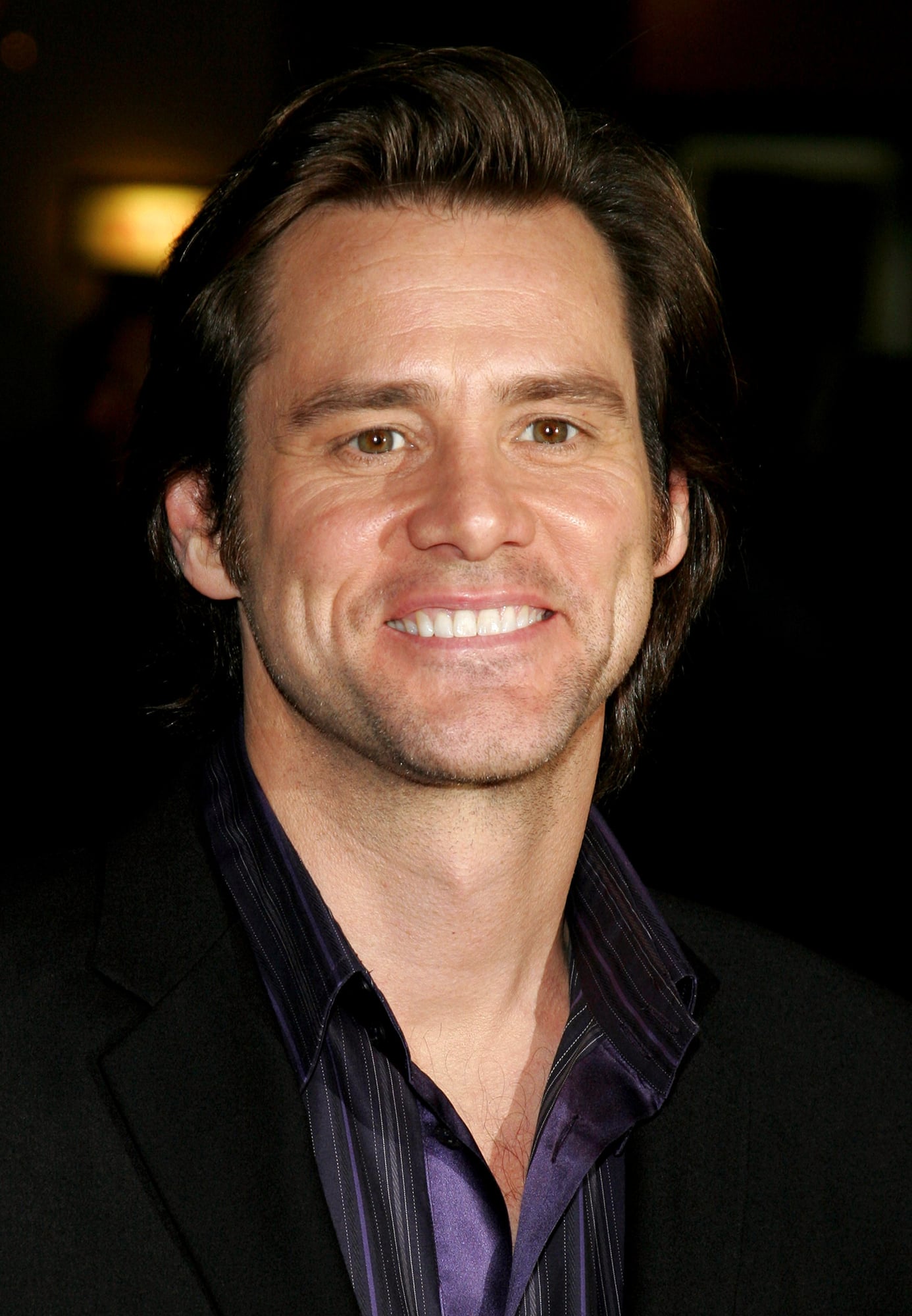
Carrey’s portrayal of Andy Kaufman in Man on the Moon became legendary for all the wrong reasons. Carrey claims to have been possessed by Kaufman, staying in character throughout the entire production. He refused to respond to his real name and demanded to be addressed only as Andy Kaufman or Tony Clifton.
The commitment became so total that Carrey later claimed he had no memory of making the film. He even treated wrestler J. Lawler horribly on set, when Lawler and Kaufman were friends in real life.
Shia LaBeouf
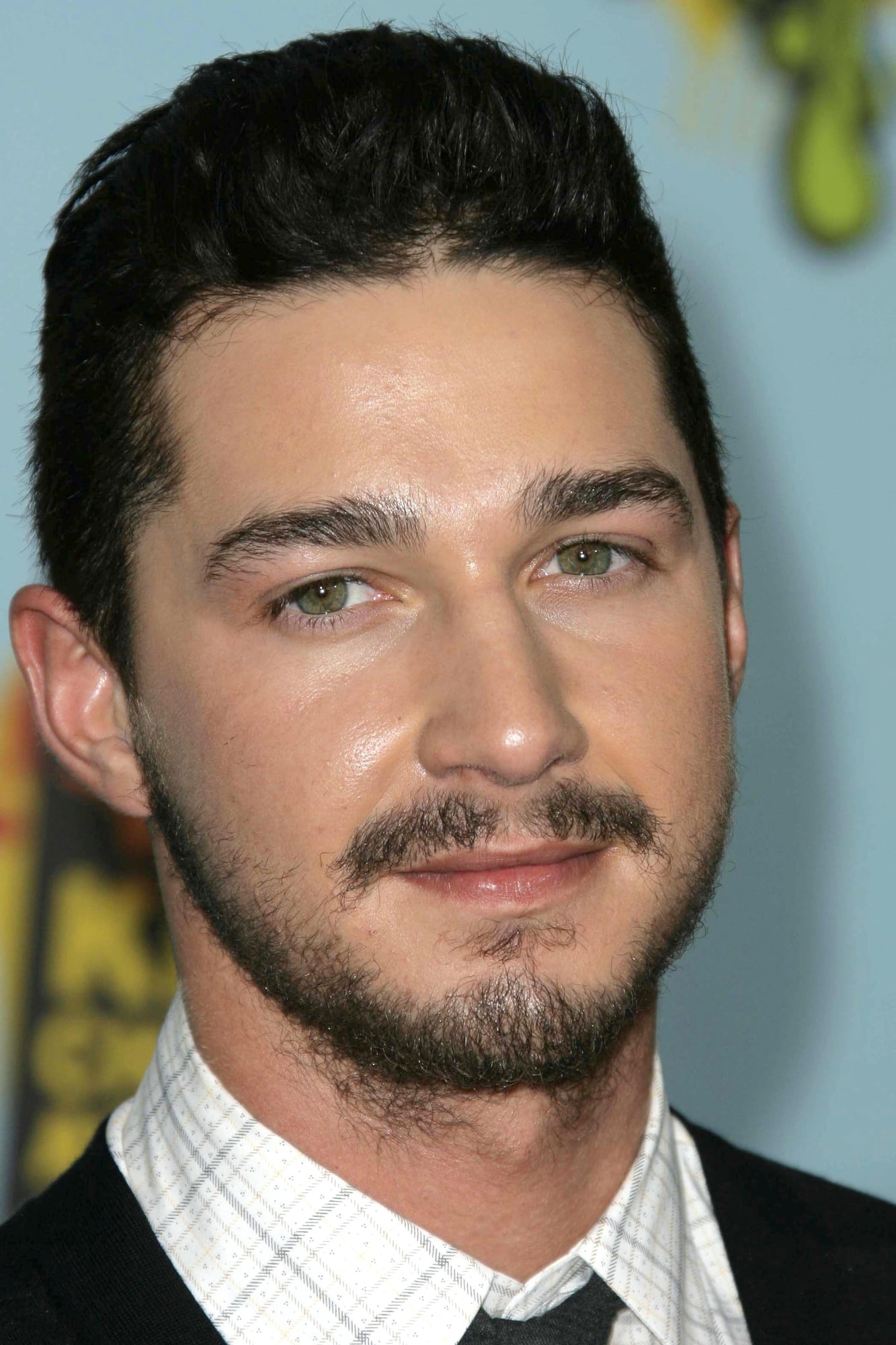
LaBeouf’s method acting often crossed into dangerous territory. For Fury, instead of using makeup for his character’s facial scars, LaBeouf used a knife to make cuts on his own cheek, which he kept opening before takes for continuity.
The actor also had several teeth removed for the role and refused to maintain basic hygiene throughout production. His behavior often alarmed co-stars.
Nicolas Cage
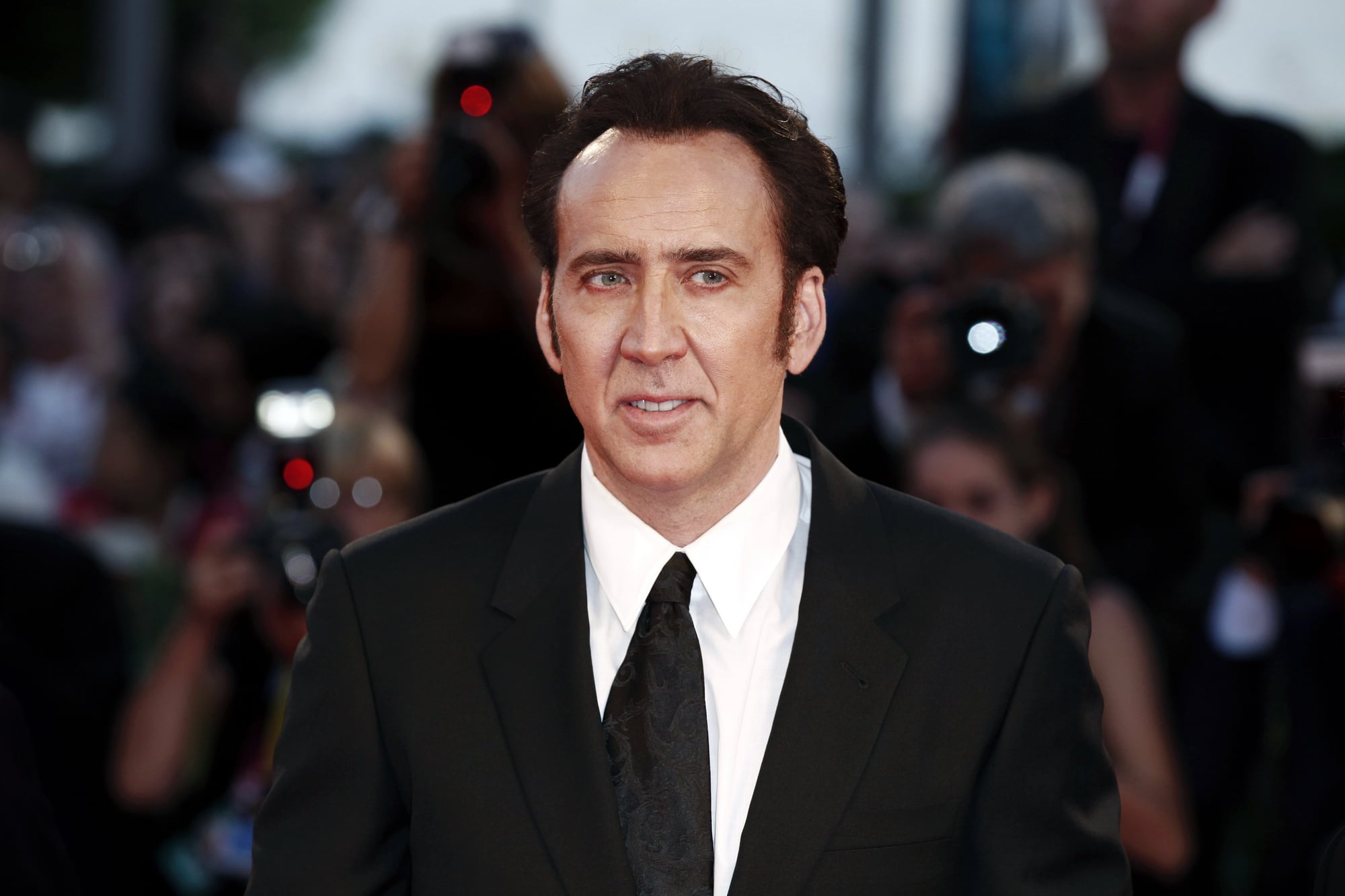
Cage’s approach to method acting often involved genuine physical pain. For Birdy, to understand what his character went through, Cage pulled out his own teeth without any anesthetic.
When Al needed to wear bandages after getting injured in a bomb explosion, Cage didn’t remove the bandages for five weeks, which resulted in painful ingrown hairs and acne once they were removed.
Al Pacino
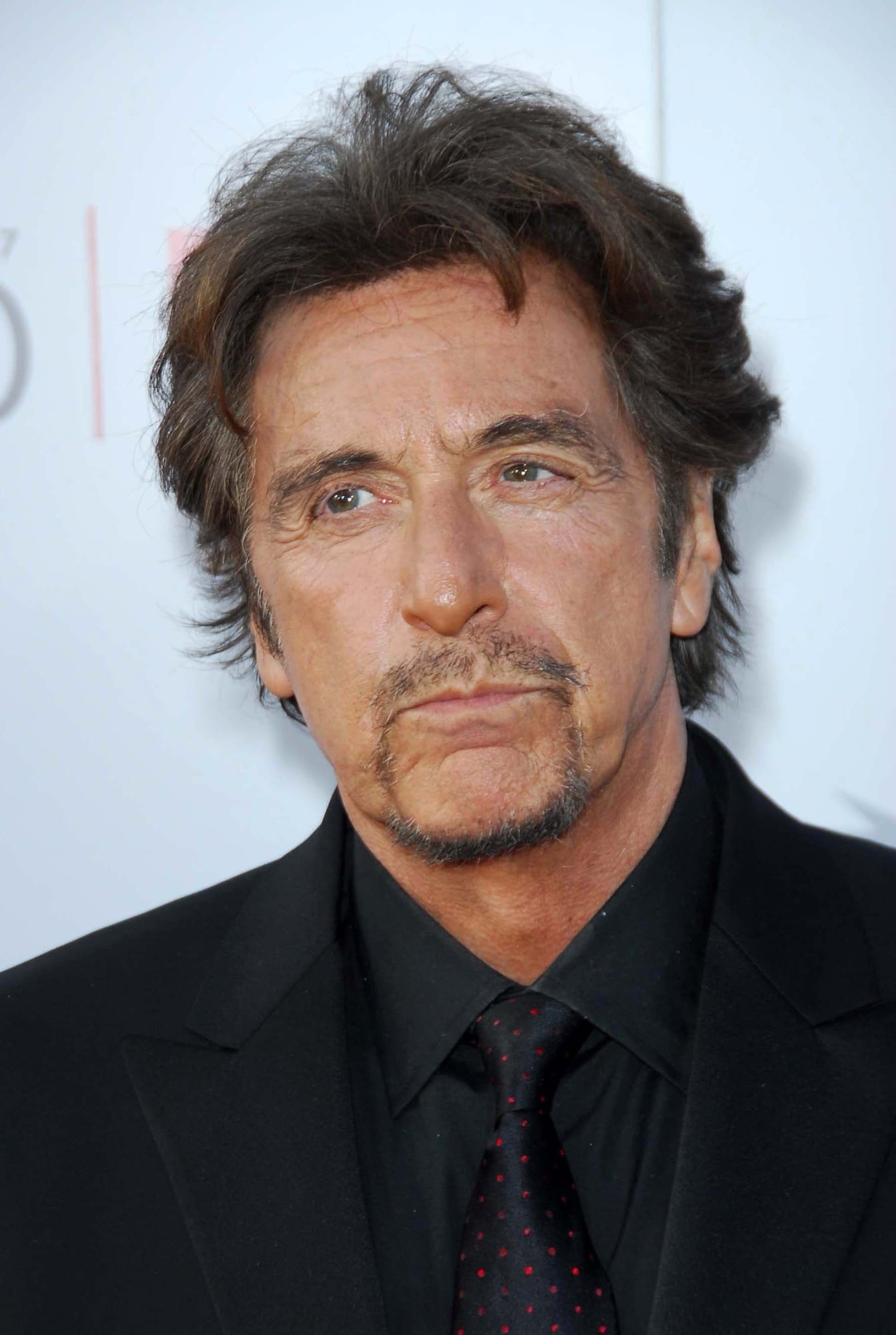
Pacino’s commitment to playing a blind character in Scent of a Woman extended beyond the cameras. Throughout filming, he claimed to actually be blind like his character, tripping over bushes he couldn’t ‘see.’
The actor’s dedication to staying in character created confusion among the cast and crew, who never knew when Pacino was genuinely struggling or simply performing.
Like Go2Tutors’s content? Follow us on MSN.
Tom Hanks

Even beloved actors like Hanks have pushed method acting to dangerous extremes. He gained and then lost 50 pounds for Cast Away. He also refused to cut his hair or bathe, leading to a nasty staph infection.
For Philadelphia, Hanks lost significant weight to portray an AIDS patient, and his physical transformation was so convincing that many people expressed genuine concern for his health.
Heath Ledger

Ledger’s preparation for the Joker in The Dark Knight involved isolating himself in a hotel room for weeks, developing the character’s mannerisms and voice. He kept a diary written in character, filled with disturbing thoughts and images.
The intensity of inhabiting such a dark character took a severe toll on Ledger’s mental health. Friends and colleagues noticed significant changes in his behavior and mood during and after filming.
The Human Cost Behind the Craft
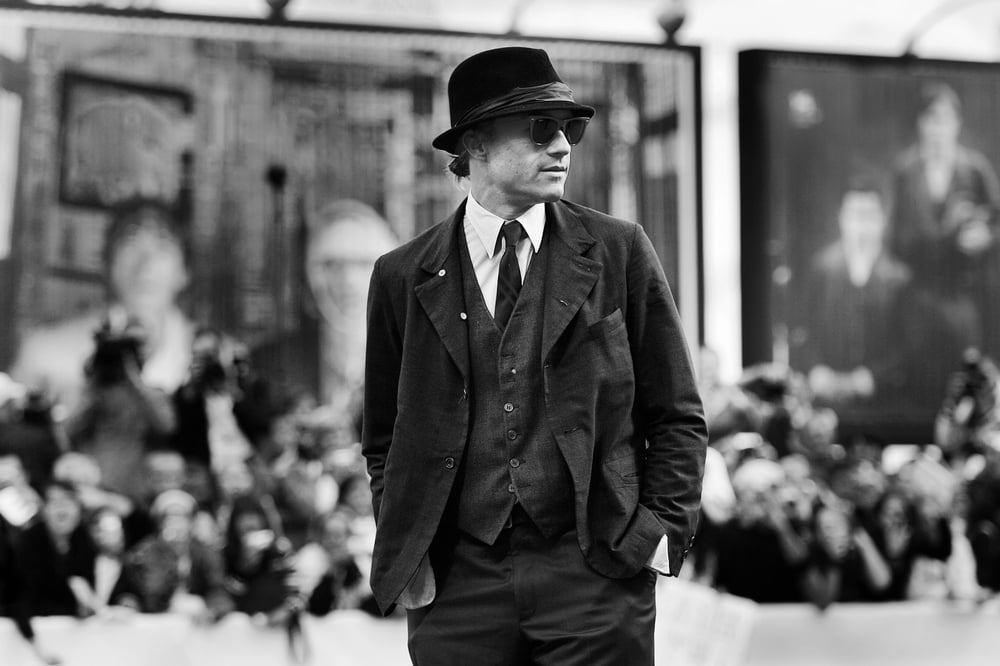
The pursuit of authentic performance has led these actors down dangerous paths that often prioritize artistic achievement over personal wellbeing. While their dedication has produced some of cinema’s most memorable performances, it has also sparked important conversations about the limits of method acting and the responsibility of productions to protect their talent.
Modern film productions are increasingly implementing safety measures and support systems to prevent actors from endangering themselves in pursuit of their craft. The legacy of these extreme transformations serves as both inspiration and cautionary tale, reminding us that great art should enhance human life rather than destroy it.
More from Go2Tutors!

- The Romanov Crown Jewels and Their Tragic Fate
- 13 Historical Mysteries That Science Still Can’t Solve
- Famous Hoaxes That Fooled the World for Years
- 15 Child Stars with Tragic Adult Lives
- 16 Famous Jewelry Pieces in History
Like Go2Tutors’s content? Follow us on MSN.