Amazing Bird Species That Boggle the Mind
Birds live on every continent and have adapted to survive in conditions that would kill most other creatures. Some fly thousands of miles without stopping, while others have completely forgotten how to fly at all.
The variety among bird species shows nature’s creativity at its wildest, producing creatures with abilities and features that seem almost impossible. Let’s take a look at some of the most incredible birds that prove reality can be stranger than fiction.
The Arctic Tern’s impossible migration

This small seabird makes the longest migration of any animal on Earth, flying roughly 44,000 miles each year from Arctic to Antarctic and back. The journey takes the tern from one polar summer to another, meaning it experiences more daylight than any other creature.
Individual Arctic Terns can live over 30 years, meaning one bird might fly the equivalent of three round trips to the moon during its lifetime. They manage this feat with a body that weighs less than a stick of butter.
The tern proves that size means nothing when it comes to endurance.
Peregrine Falcons reach 240 miles per hour
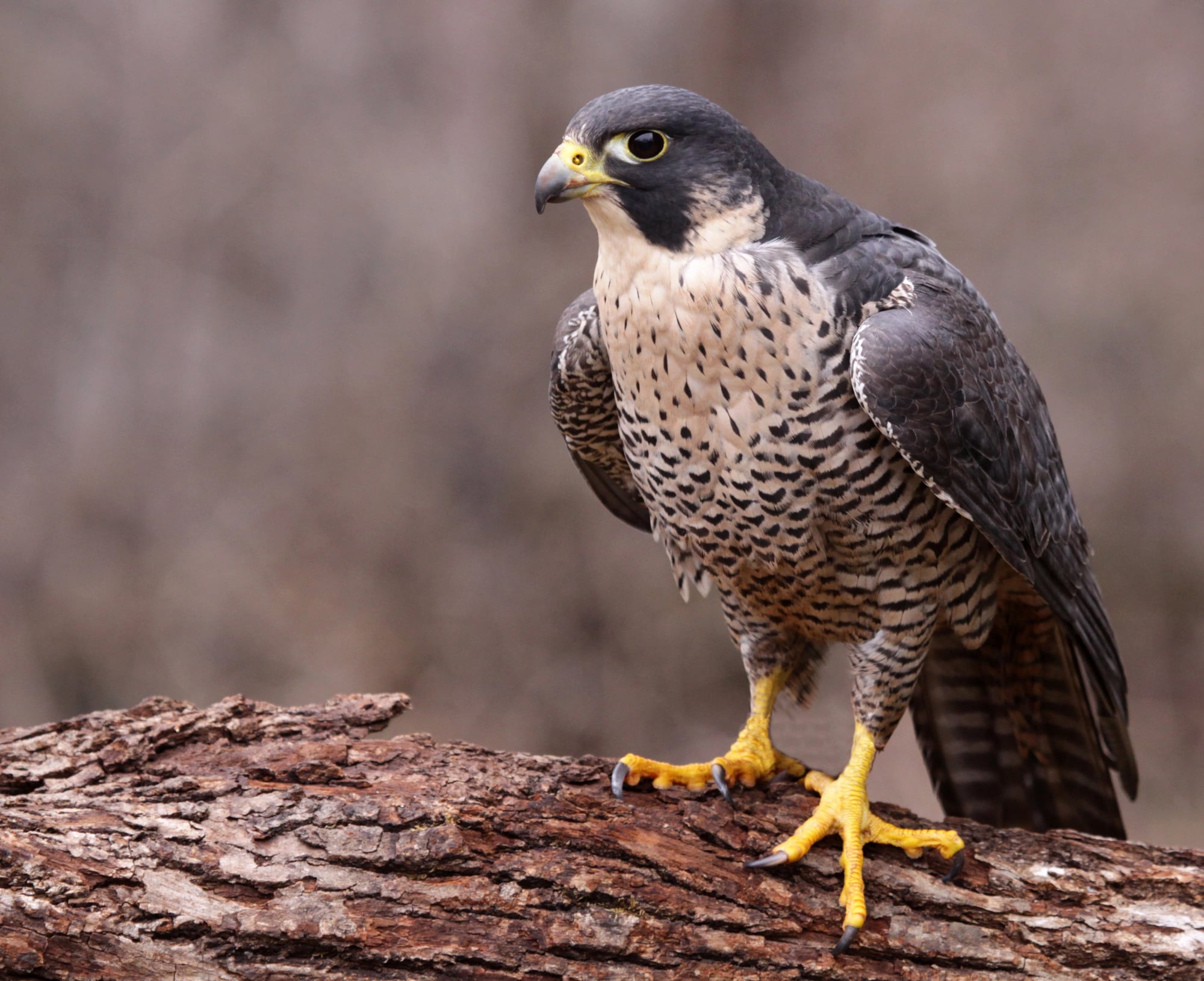
When diving to catch prey, Peregrine Falcons become the fastest animals on the planet. They tuck their wings tight and drop from great heights, reaching speeds that would rip most birds apart.
Special bones in their nostrils help them breathe at these extreme velocities. Their vision is so sharp they can spot a pigeon from over three miles away.
Watching a Peregrine stoop is like seeing a feathered missile in action.
Bar-headed Geese fly over Mount Everest
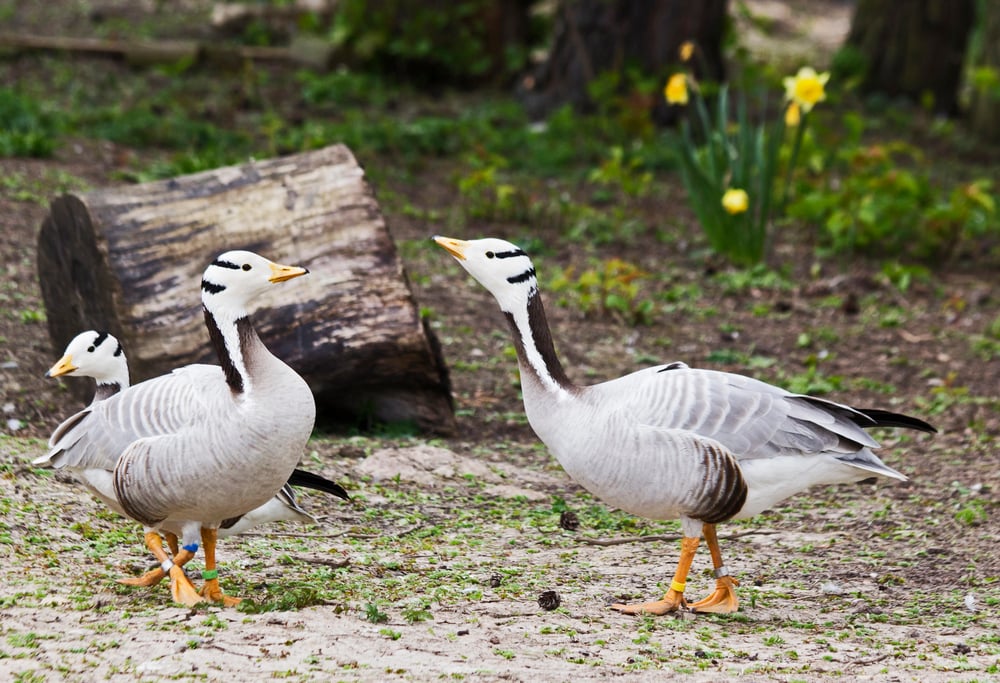
These tough birds migrate directly over the Himalayan mountains, flying at altitudes above 29,000 feet where the air is too thin for most creatures to survive. Bar-headed Geese have evolved special blood cells that extract oxygen more efficiently than other birds.
They complete this journey twice a year without the oxygen tanks that human climbers require. Pilots in small planes have spotted them cruising at heights where frost forms on their wings.
Their route takes longer than going around the mountains, but instinct drives them straight over the top.
Hummingbirds can fly backwards

No other bird can match the hummingbird’s aerial acrobatics, including the ability to fly in reverse. Their wings rotate in a figure-eight pattern that gives them control no other bird possesses.
Some species beat their wings over 80 times per second. Despite weighing less than a penny, hummingbirds are incredibly aggressive and will chase away hawks.
Their hearts beat over 1,200 times per minute during flight.
The Kakapo is a flightless parrot that smells like flowers
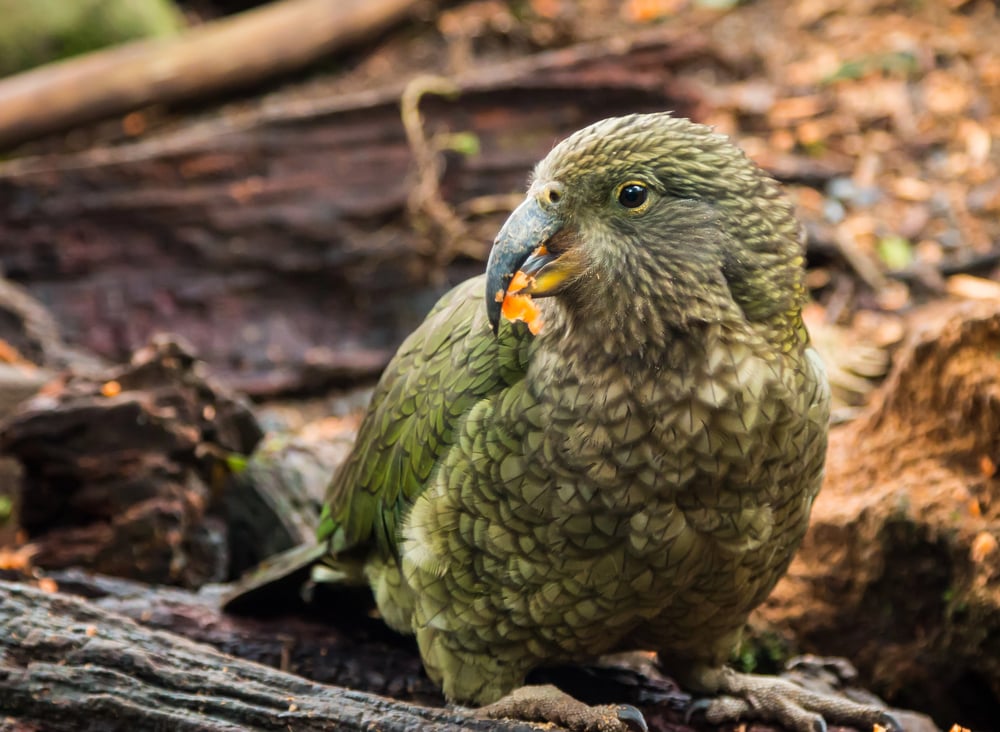
New Zealand’s Kakapo is the world’s heaviest parrot and completely incapable of flight. These nocturnal birds smell like honey and flowers due to a unique scent they produce.
Males boom out calls from special bowls they dig in the ground, and the sound carries for miles. Only around 250 Kakapo exist today, making them one of the rarest birds alive.
They can live over 90 years, outlasting most humans.
Lyrebirds mimic chainsaws and car alarms
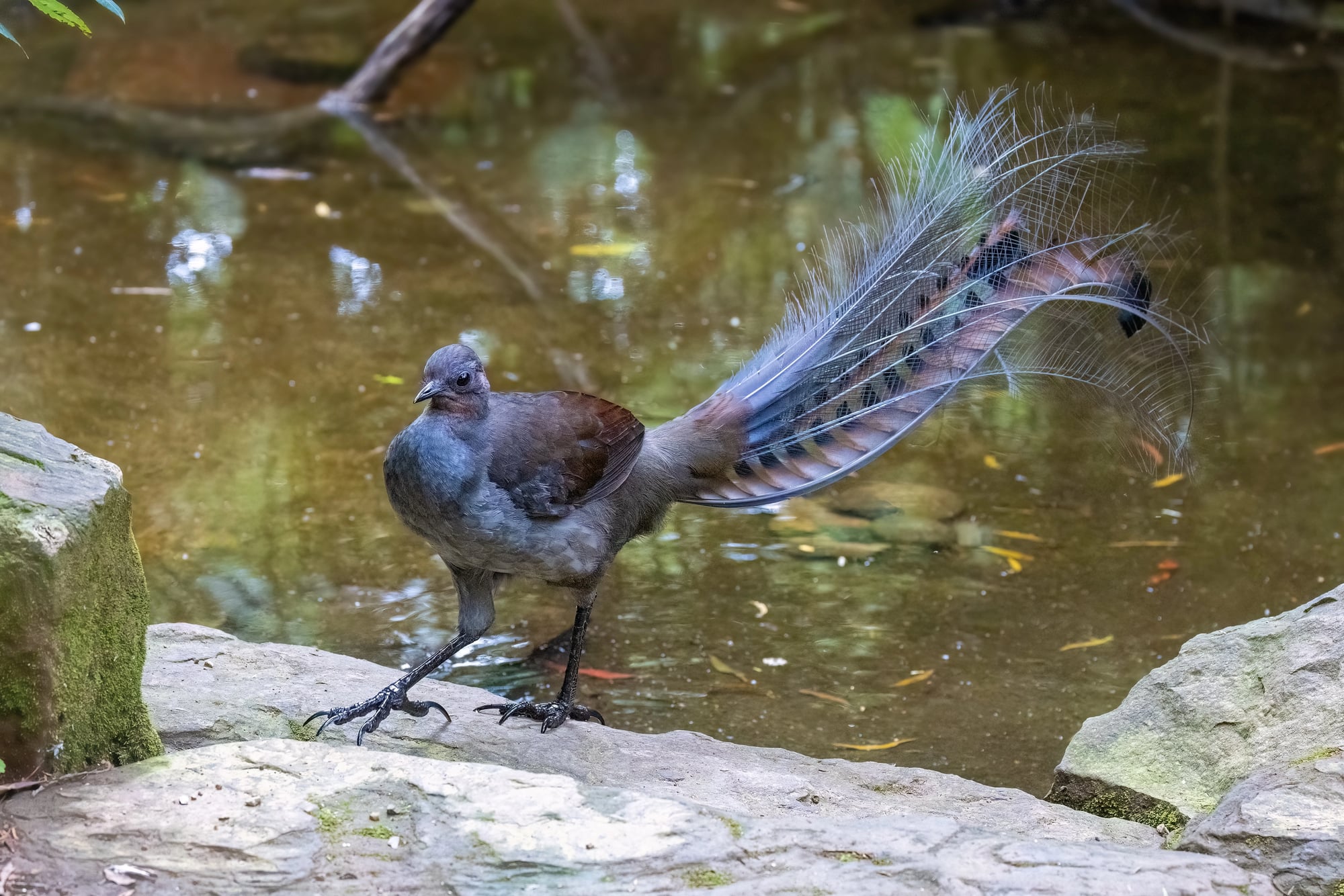
Australian Lyrebirds can imitate almost any sound they hear, including mechanical noises like camera shutters and construction equipment. Males perform elaborate displays with their tail feathers while cycling through their entire repertoire of sounds.
One captive Lyrebird perfectly mimicked the zookeepers’ conversations and even copied the sound of the zoo’s public address system. They learn sounds throughout their lives and add them to increasingly complex performances.
Hearing a Lyrebird in the forest can feel like experiencing audio hallucinations.
Shoebills stand perfectly still for hours
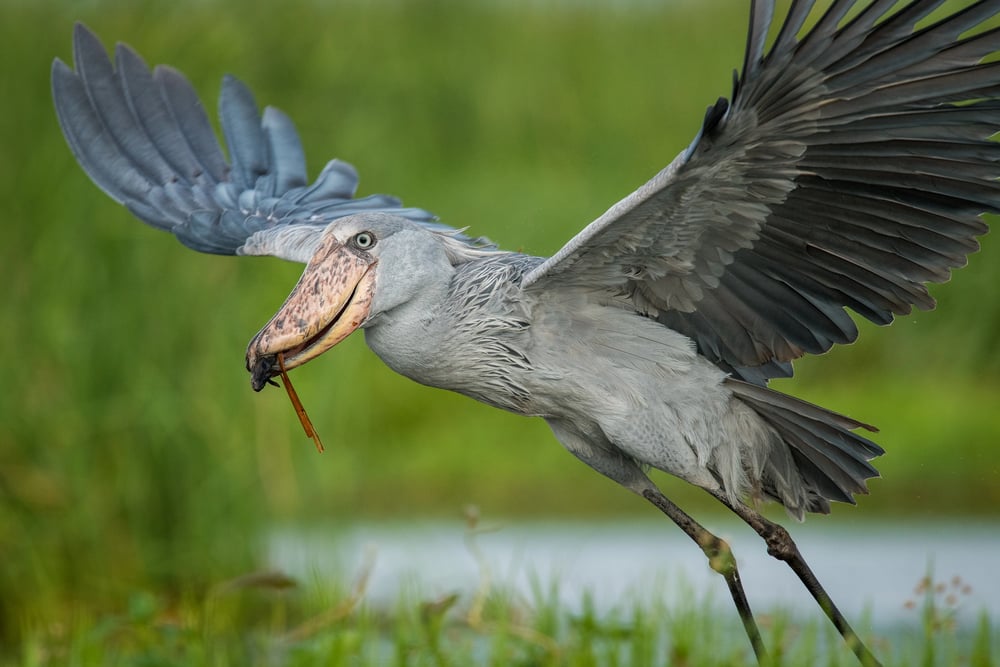
These massive African birds look like something from prehistoric times with their huge, shoe-shaped bills. Shoebills hunt by standing motionless in swamps for hours until prey swims within range.
When they strike, they move with shocking speed despite their usual statue-like stillness. Their bills are strong enough to decapitate lungfish and even small crocodiles.
The strange clicking sound they make with their bills serves as their primary communication method.
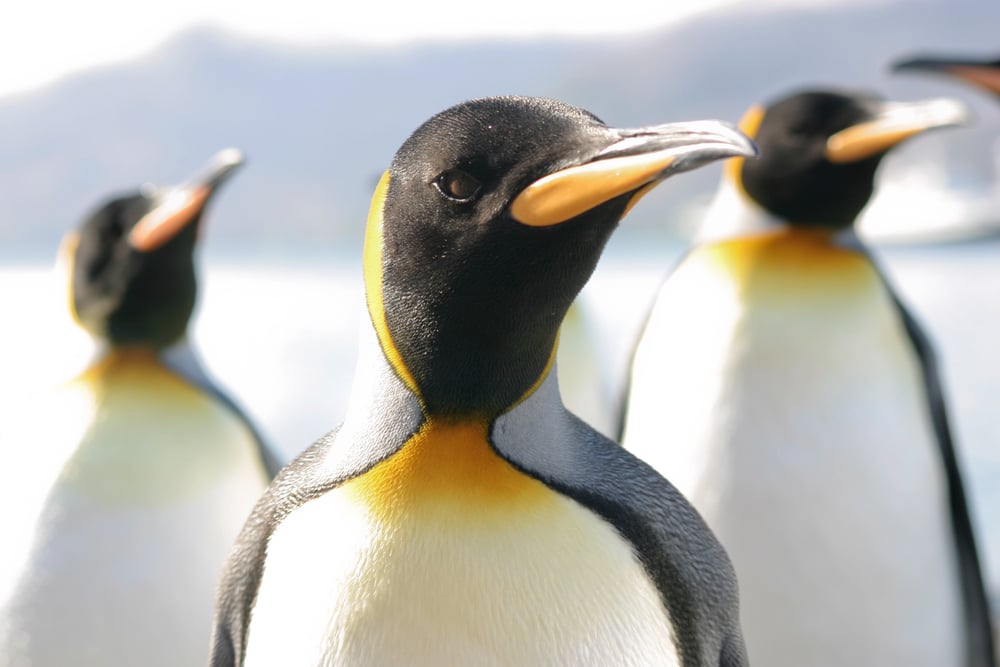
Emperor Penguins endure Antarctic winters
While other animals flee Antarctica’s brutal winter, Emperor Penguins march inland to breed during the coldest, darkest months. Males incubate eggs on their feet under a fold of skin while females travel up to 75 miles to the ocean for food.
The males huddle together in groups for warmth, rotating positions so everyone gets time in the warmer center. They survive four months without eating anything while temperatures drop to negative 40 degrees.
Their dedication to their chicks happens in the harshest environment on Earth.
The Hoatzin digests food like a cow
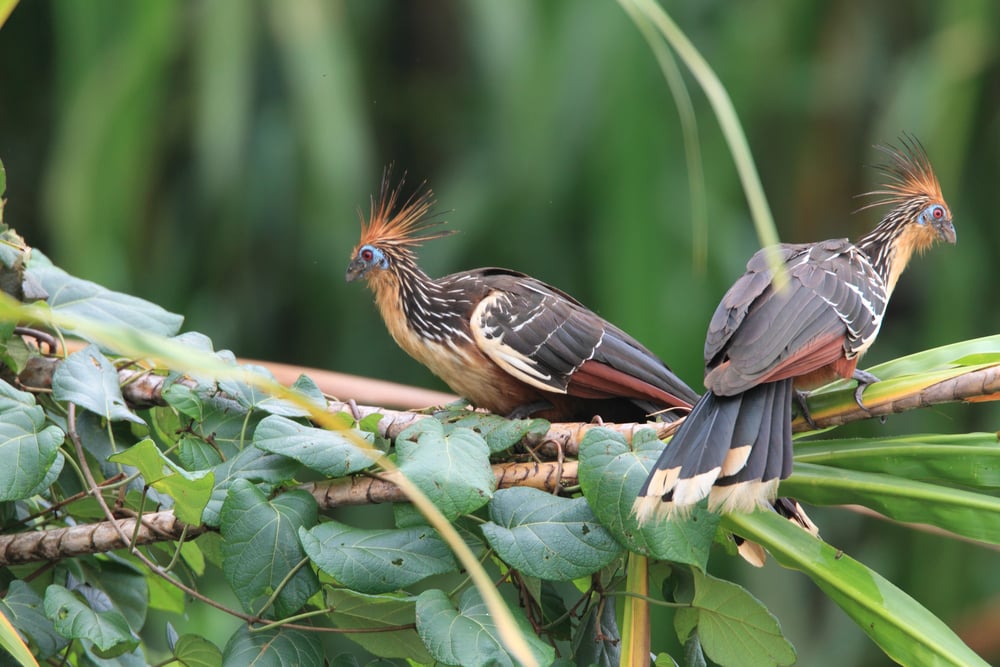
This South American bird has a digestive system unlike any other bird, using bacterial fermentation to break down leaves. The process produces a smell so bad that locals call Hoatzins ‘stink birds.’
Young Hoatzins have claws on their wings that they use to climb trees before they can fly properly. These claws disappear as the birds mature.
The fermentation process generates so much gas that Hoatzins struggle to fly and spend most of their time climbing through branches.
Secretary Birds stomp snakes to death
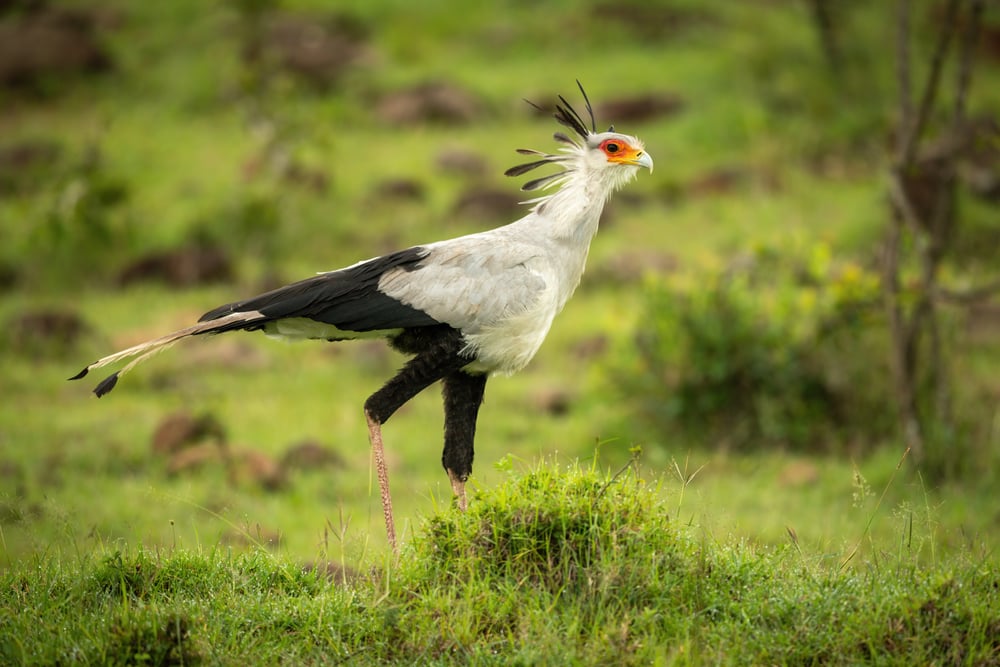
These long-legged African birds hunt venomous snakes by stomping them with powerful kicks. Secretary Birds can deliver strikes with over five times their body weight in force.
They stomp so fast that high-speed cameras are needed to see the individual kicks. Their long legs keep their bodies safely away from striking fangs while their feet do the deadly work.
Despite standing over four feet tall, these birds can still fly when they need to.
The Common Swift almost never lands

Swifts eat, drink, sleep, and even mate while flying, spending up to 10 months airborne without touching the ground. Young Swifts leave the nest and may not land again for two or three years until they’re ready to breed.
Their legs are so short and weak that landing on flat ground means they probably can’t take off again. They sleep by gliding in circles at high altitudes throughout the night.
Swifts represent the ultimate aerial lifestyle.
Oilbirds navigate caves using echolocation

These South American birds are the only nocturnal flying fruit-eaters, and they roost in pitch-black caves. Oilbirds navigate by making clicking sounds and listening for echoes, similar to how bats hunt.
Chicks grow so fat on the oily fruits their parents bring that people once harvested them for lamp oil. The birds leave their caves at night to find fruit, sometimes traveling over 100 miles before returning at dawn.
Their echolocation isn’t as sophisticated as a bat’s, but it works well enough in the complete darkness of their cave homes.
Clark’s Nutcrackers remember thousands of hiding spots
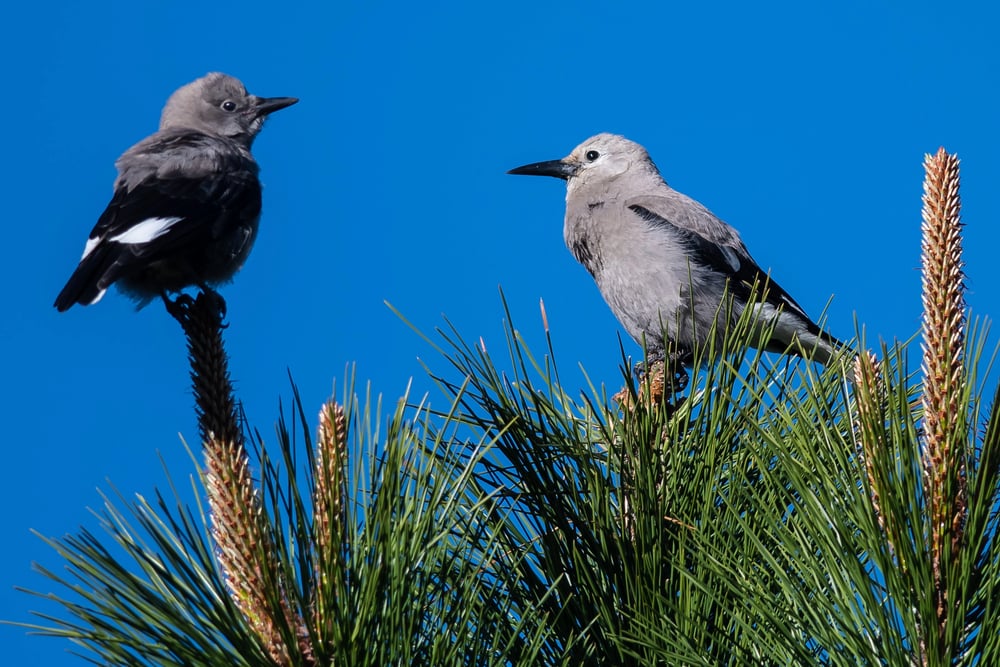
These mountain birds cache tens of thousands of pine seeds across miles of territory each fall. They remember the precise locations of their buried food throughout winter and can find seeds hidden under several feet of snow.
Each bird plants more seeds than it will ever recover, effectively reforesting mountain slopes. Scientists estimate that a single nutcracker’s spatial memory exceeds what most humans could manage.
Their survival depends entirely on this extraordinary mental ability.
The Superb Lyrebird’s dance routine
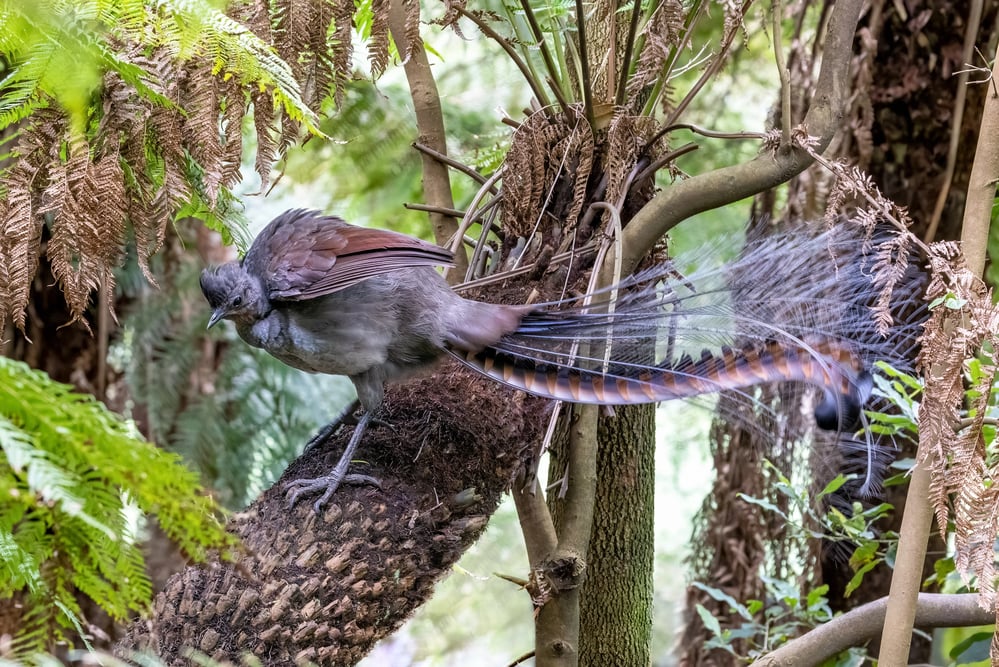
Male Superb Lyrebirds combine their vocal mimicry with elaborate dance displays that involve precise footwork and dramatic tail movements. They spend years perfecting their performances, constantly adding new sounds and refining their choreography.
A single display might include over a dozen different species’ calls plus mechanical sounds, all while the bird maintains complex stepping patterns. Females watch these performances from hidden positions and choose mates based on the quality of the show.
These displays represent some of the most complex courtship behaviors in the animal kingdom.
Bowerbirds build elaborate structures

Male Bowerbirds construct and decorate structures called bowers to attract females, but these aren’t nests. The bowers serve only as display areas where males perform for visiting females.
Some species arrange hundreds of objects by color and size with artistic precision. They paint their bower walls using crushed berries mixed with saliva.
Certain Bowerbirds even create optical illusions by arranging objects to make themselves appear larger. The most talented architects win the most mates despite having plain brown feathers.
Albatrosses fly for years without landing

Over eleven feet wide, the wings of wandering albatrosses stretch farther than any other bird alive. Riding steady winds, these birds float above open water for stretches longer than most creatures stay airborne at all.
A special joint locks each wing outstretched – no effort needed to keep them aloft. Without stepping foot on solid ground again, young ones soar for nearly half a decade before turning back to nest.
Rest comes mid-flight, drifting on rising air above endless waves. One journey might cover seventy-five thousand miles, yet never once does the animal meet shore.
Woodpeckers don’t get brain damage

Banging their beaks against bark, woodpeckers endure hits far beyond what would wreck another animal’s mind. Twenty strikes every second – each one slamming at more than a thousand g-forces – don’t slow them down.
A rigid skull, padding inside the head, and snug brain placement keep damage away. Curled behind the jaw, the tongue loops around bone, softening each blow.
Nature handled a challenge modern gear designers haven’t cracked yet.
From tiny hummers to ocean wanderers
Floating came naturally to birds, long before humans even dreamed of leaving the ground. Millions of years passed while they tested limits nobody thought could be crossed.
High above, where air thins and breath fades, some still soar without hesitation. Engineers scratch their heads at how wings manage such feats, yet nature figured it out through slow change.
Star patterns guide others halfway around the planet without a single mistake. Some gave up flying altogether, trusting life on solid earth instead.
Others refuse to touch land, living fully upon open winds. Trial shaped them just as much as success did.
Every habitat on the planet holds a version refined by endless small adjustments. What they do quietly shows imagination beyond our blueprints.
More from Go2Tutors!

- The Romanov Crown Jewels and Their Tragic Fate
- 13 Historical Mysteries That Science Still Can’t Solve
- Famous Hoaxes That Fooled the World for Years
- 15 Child Stars with Tragic Adult Lives
- 16 Famous Jewelry Pieces in History
Like Go2Tutors’s content? Follow us on MSN.



