20 Worst Storms Ever Recorded
Storms have shaped human history in ways that no war or famine quite can. They arrive without asking, take everything in sight, and leave behind a world that has to start over from scratch.
From ancient port cities reduced to rubble to modern metropolises brought to their knees, the worst storms in recorded history remind every generation that nature still holds the upper hand. Here are 20 of the most terrifying, deadliest, and most destructive storms the world has ever seen.
Brace yourself.
The Bhola Cyclone (1970)
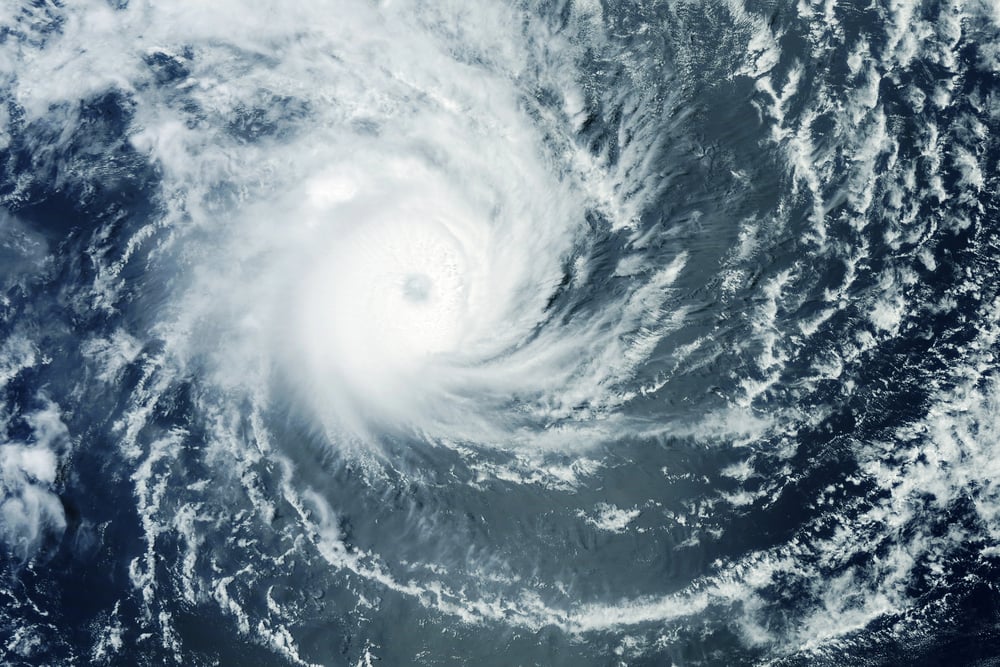
Nothing in recorded meteorological history has come close to the death toll left behind by the Bhola Cyclone. It struck what was then East Pakistan, now Bangladesh, on November 12, 1970, killing at least 300,000 people and possibly as many as 500,000.
The storm made landfall as a Category 3, but the flat, low-lying geography of the Ganges Delta turned its surge into a wall of water that swallowed entire villages whole. The central government’s slow and inadequate response to the disaster fueled deep political anger, contributing to the unrest that eventually led to the Bangladesh Liberation War in 1971.
Typhoon Nina (1975)
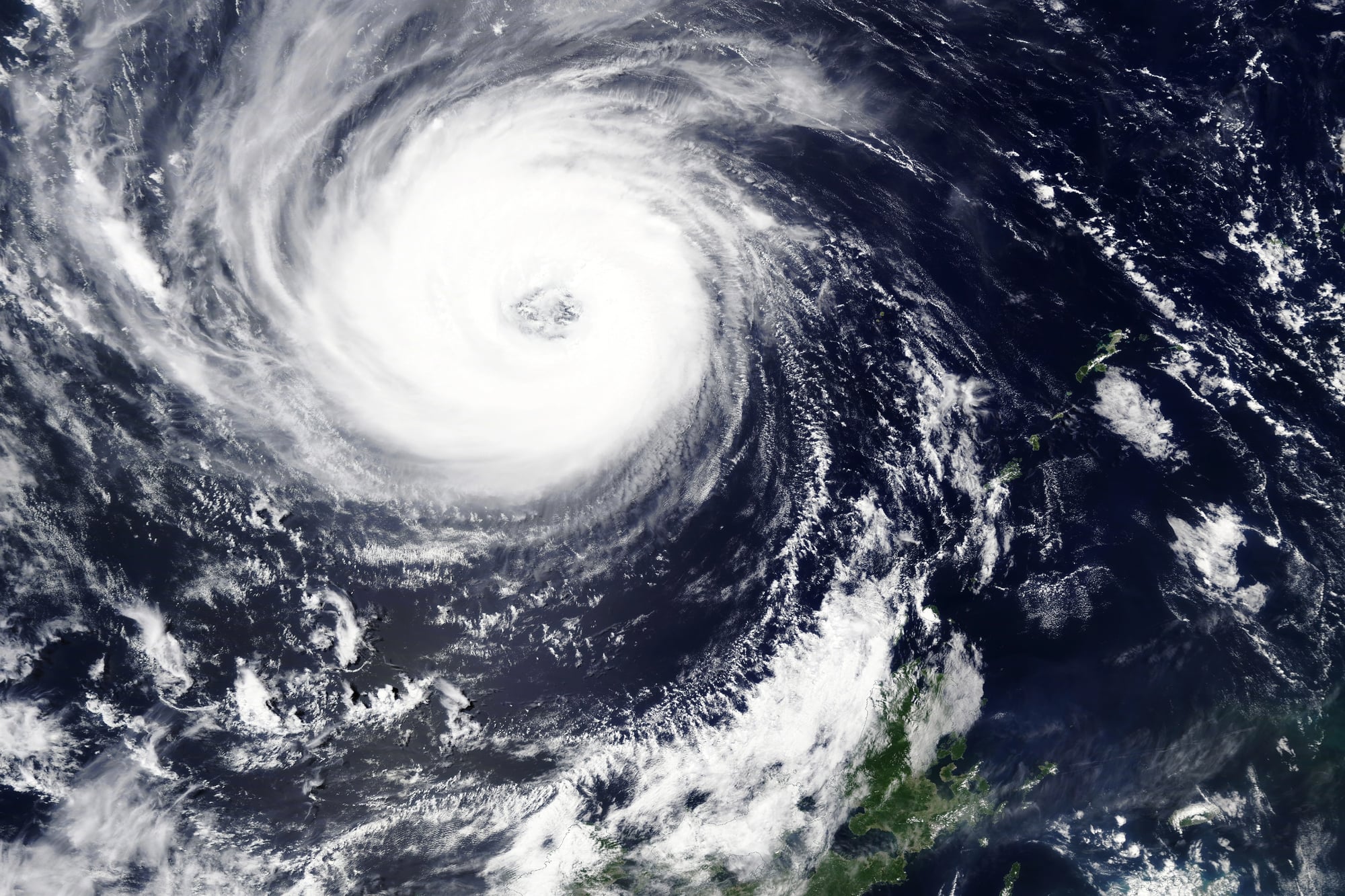
Typhoon Nina was already weakening when it crossed China’s coast in August 1975, but that did not matter. After crossing Taiwan and losing wind strength, Nina stalled over central China and dumped a full year’s worth of rain, around 42 inches, in just 24 hours.
That rainfall overwhelmed the Banqiao Dam, which collapsed along with 61 other dams in a deadly chain reaction, unleashing a wall of water 20 feet high. Conservative estimates put the death toll at 171,000 people, while broader estimates including famine and disease that followed push it well past 229,000.
Nearly 6 million buildings were destroyed and 11 million people were affected in what stands as one of the worst dam disaster events in human history.
The Coringa Cyclone (1839)
The Indian port city of Coringa had already survived one devastating storm in 1789. It was not so lucky the second time around.
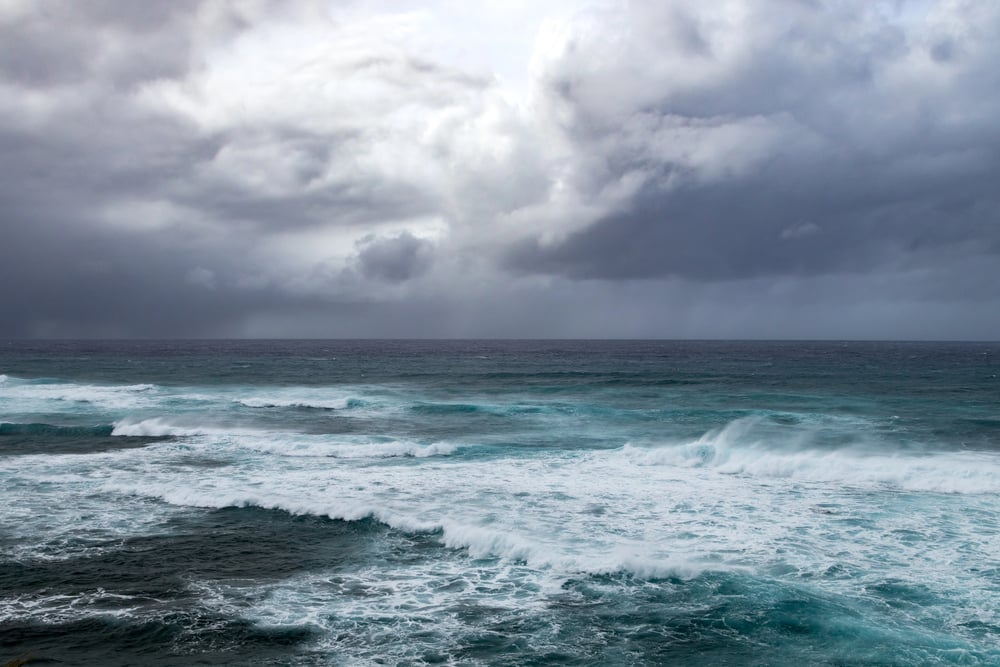
On November 25, 1839, a powerful cyclone struck the city on the Bay of Bengal with a storm surge estimated at 40 feet. More than 20,000 vessels were wrecked in the harbor, and roughly 300,000 people lost their lives.
Unlike cities that eventually rebuilt and recovered, Coringa never regained its former standing as a busy port. Today it exists as a quiet, small village, a living reminder of how completely one storm can erase a city’s future.
The Great Hurricane of 1780
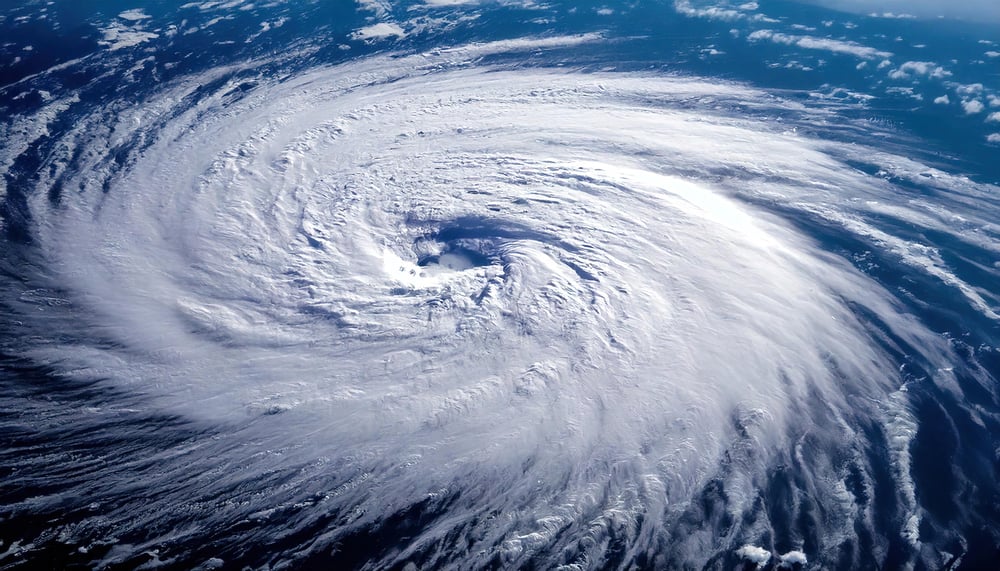
Long before hurricanes had names or categories, a storm tore through the eastern Caribbean between October 10 and 16, 1780, and killed more than 22,000 people. It remains the deadliest Atlantic hurricane ever recorded.
Barbados, Martinique, and Sint Eustatius suffered the worst losses; on Martinique alone, about 9,000 people perished. Witnesses described sturdy stone forts crumbling and heavy cannons being hurled hundreds of feet through the air.
The storm also plowed into British and French naval fleets, sinking dozens of warships and setting back both sides during the American Revolution. Some modern meteorologists believe the winds exceeded 200 miles per hour, making it a likely Category 5.
The 1876 Great Backerganj Cyclone
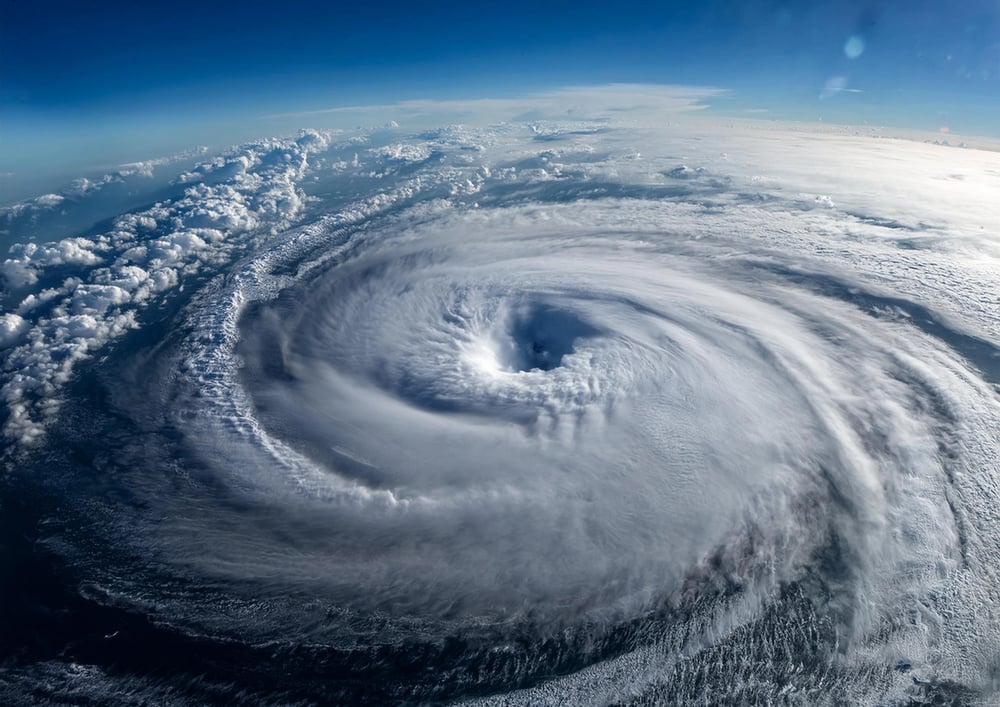
Bangladesh has endured more cyclones than almost any other nation on earth, and the Great Backerganj Cyclone of 1876 ranks among the worst. The storm made landfall near the Meghna River estuary with a storm surge of roughly 40 feet that drowned tens of thousands in the low-lying delta within minutes.
Nearly 200,000 people died in total, with the number rising sharply afterward as epidemics and famine swept through the region. The shallow funnel shape of the Bay of Bengal is largely to blame, as it concentrates and amplifies storm surges to devastating effect.
This storm, like so many others before and after it in this region, proved that geography can be just as deadly as the storm itself.
The 1897 Chittagong Cyclone
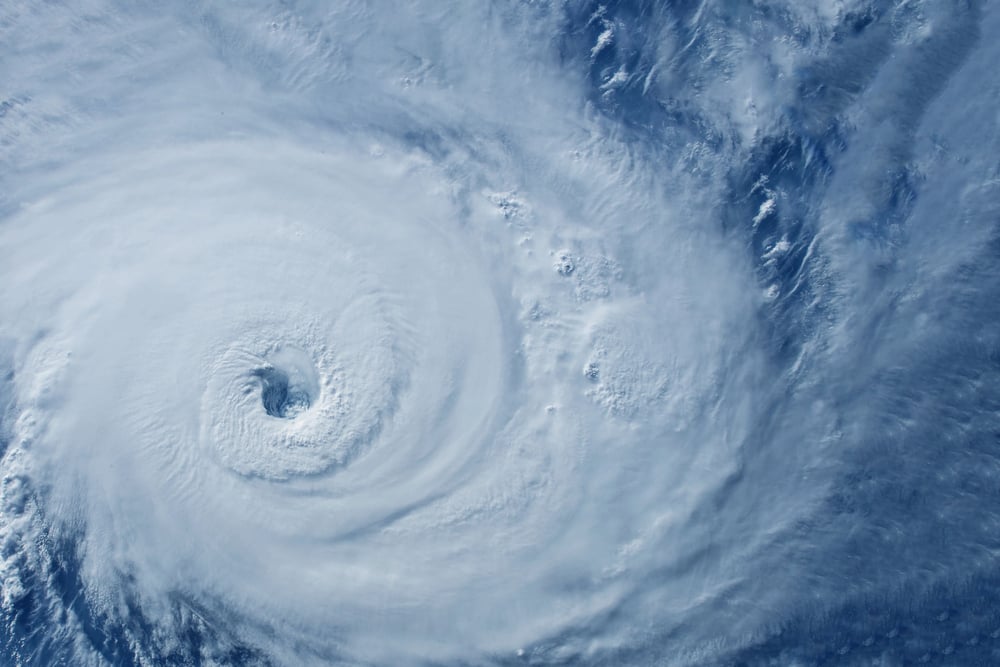
Bangladesh, still known as part of British India at the time, suffered another massive blow in 1897 when a powerful cyclone tore through Chittagong. Estimates put the death toll at around 175,000 people, though reliable records from the era are scarce.
The storm reportedly destroyed more than half of the structures in Chittagong and caused widespread casualties on Kutubdia Island just off the southeastern coast. Historical accounts from the period describe entire coastal communities disappearing overnight.
The frequency and severity of cyclones in this part of the world underscores just how vulnerable the Bengal region has been throughout modern history.
The 1991 Bangladesh Cyclone (Cyclone Gorky)
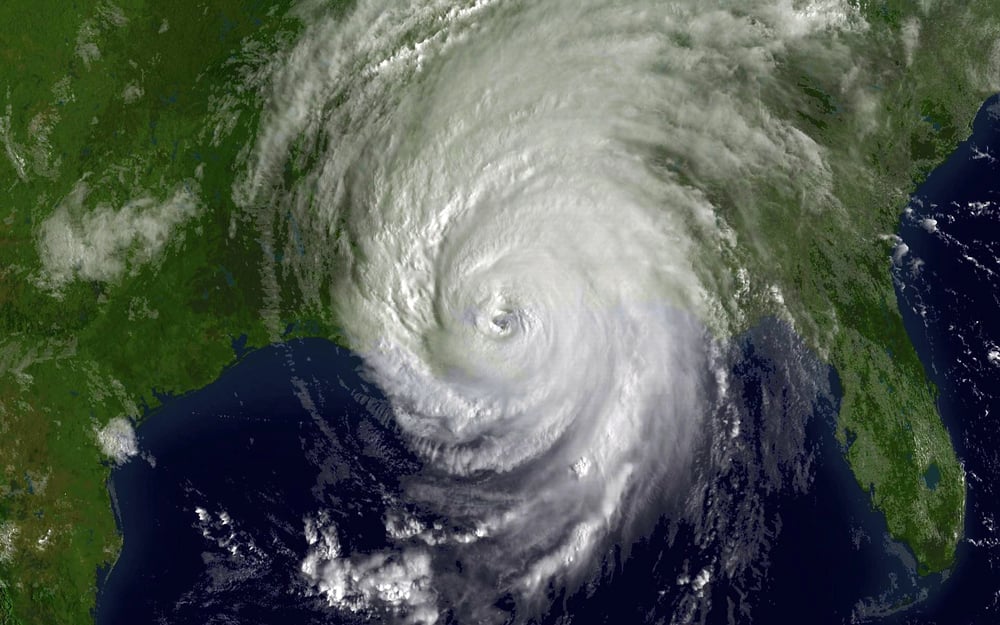
Even after all the lessons of 1970, Bangladesh found itself facing another catastrophic cyclone in April 1991. Cyclone Gorky struck with winds over 160 miles per hour and a storm surge that pushed seawater deep into the coast.
Around 138,000 people died in the storm and its immediate aftermath. The death toll, while lower than 1970, reflected both the sheer power of the storm and the ongoing vulnerability of the country’s low-lying coastal communities.
Despite improved warning systems compared to the Bhola disaster, evacuations were incomplete and the scale of the surge caught many off guard. The storm displaced millions and caused widespread devastation to crops, homes, and livestock.
Cyclone Nargis (2008)
Cyclone Nargis made landfall in Myanmar on May 2, 2008, sending a storm surge 25 miles inland across the densely populated Irrawaddy Delta. At least 138,000 people died, making it the eighth deadliest tropical cyclone in history.
What made Nargis even more devastating was what came after: Myanmar’s military government blocked international aid for weeks, preventing relief organizations, including a fully loaded U.S. Navy vessel, from reaching survivors. An estimated 2.5 million people were left homeless, and over 400,000 hectares of farmland were flooded with saltwater.
The storm caused an estimated $10 billion in damage and exposed the deadly cost of political obstruction in the face of humanitarian disaster.
The 1900 Galveston Hurricane
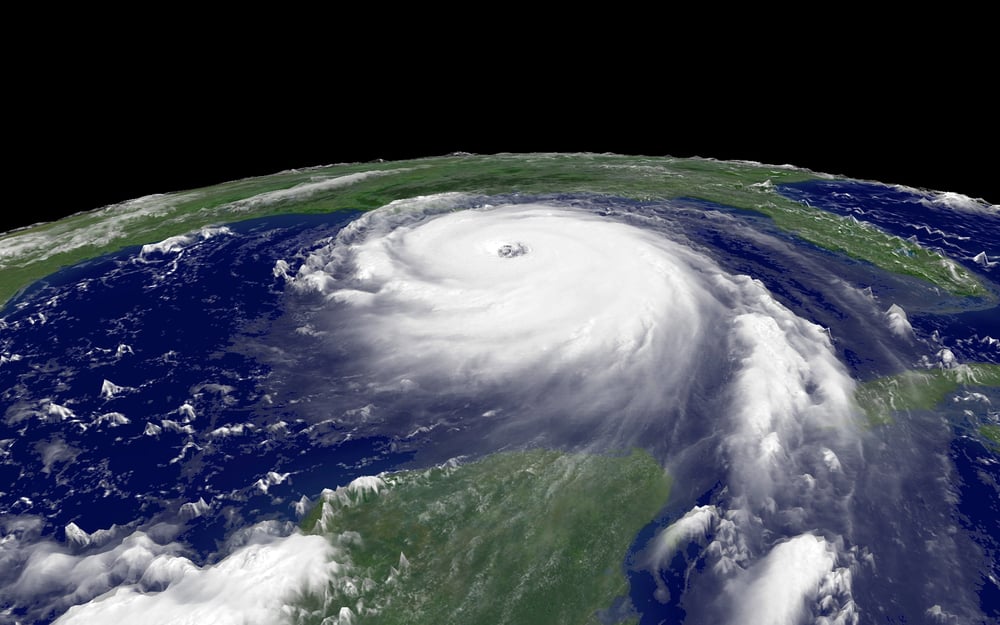
On the morning of September 8, 1900, Galveston, Texas, was a thriving city of around 37,000 people and one of the busiest ports in America. By nightfall, it was mostly gone.
A Category 4 hurricane struck with winds of 130 miles per hour and a 15-foot storm surge that swamped the island, which sat no higher than 9 feet above sea level. Between 8,000 and 12,000 people died, making it the deadliest natural disaster in U.S. history.
Over 3,600 buildings were destroyed and nearly two-thirds of the city’s structures were damaged. After the storm, Galveston built an enormous seawall and raised the elevation of the city by more than 10 feet, but it never fully recovered its position as Texas’ premier port city.
The Tri-State Tornado (1925)
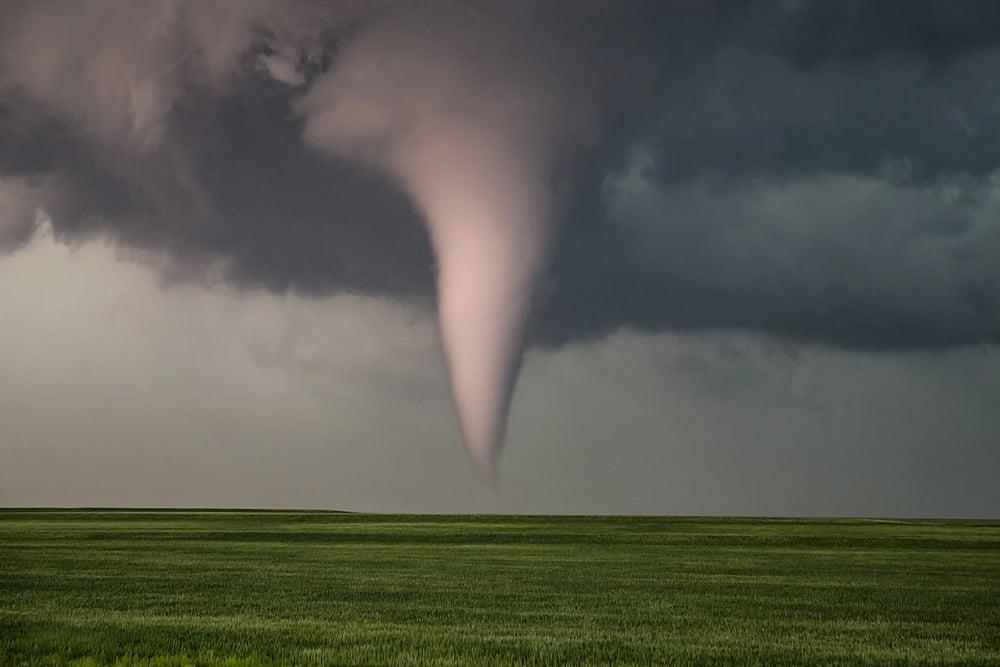
On March 18, 1925, a single tornado touched down in Missouri, crossed into Illinois, and kept going into Indiana, covering 219 miles in about three and a half hours. It remains the deadliest tornado in U.S. history, killing 695 people and injuring over 2,000 more.
The twister reached a full mile in width at its peak and moved at an average speed of 62 miles per hour, too fast for most people to react, especially without any warning system in place. Modern meteorologists believe it was an EF5 storm with wind speeds topping 300 miles per hour in some areas.
Whole towns like Murphysboro, Illinois, which lost 234 people, were obliterated. The tornado destroyed roughly 15,000 homes and left an entire swath of the Midwest in ruins.
Hurricane Mitch (1998)
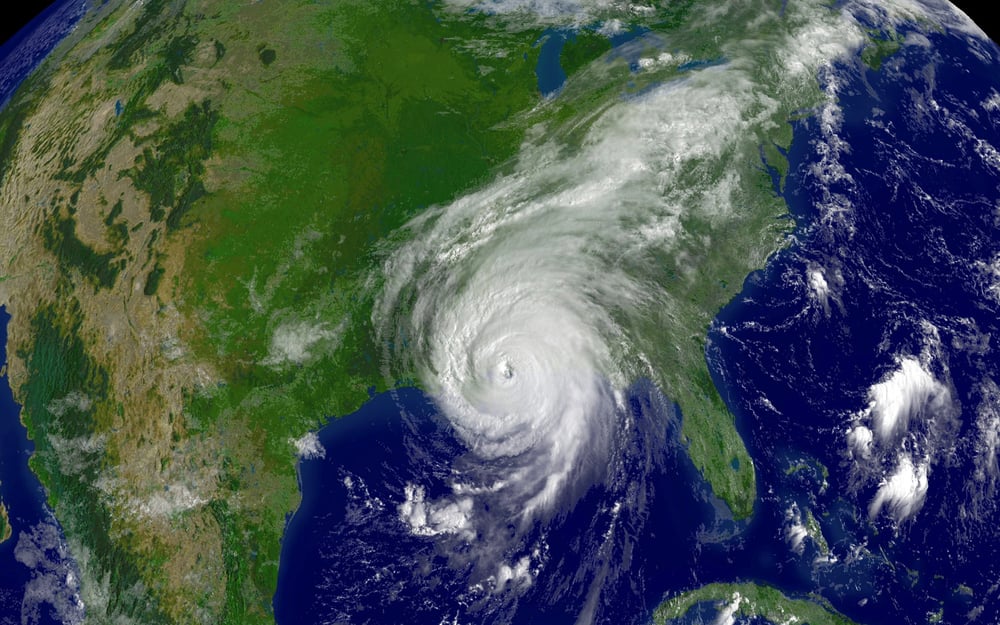
Hurricane Mitch was already one of the most powerful Atlantic hurricanes on record when it peaked as a Category 5 in October 1998 with winds of 180 miles per hour. But it was what happened after Mitch slowed down over Central America that made it one of the deadliest storms of the 20th century.
Virtually stationary for days, it dumped up to 75 inches of rain across Honduras, Guatemala, and Nicaragua. At least 11,374 people were confirmed dead, with thousands more missing, and Honduras alone lost 70 percent of its transportation infrastructure.
Entire villages were erased by mudslides that moved so fast there was no escape. The economic damage exceeded $6 billion and set back development across Central America by decades, with Honduras and Nicaragua taking years to even approach pre-storm poverty levels.
Super Typhoon Haiyan (2013)
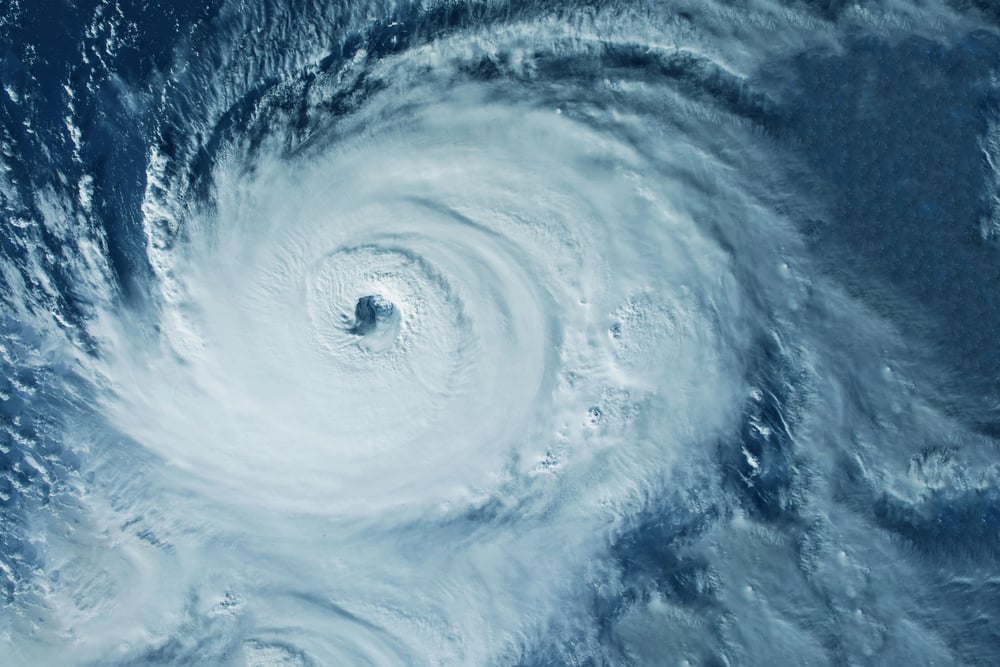
When Typhoon Haiyan made landfall in the Philippines on November 8, 2013, it did so with the highest wind speed ever recorded at landfall for a tropical cyclone: 195 miles per hour. The storm surge in Tacloban, the worst-hit city, reached an estimated 24 feet and swept over coastal communities with almost no warning.
More than 6,300 people died officially, with the true count believed to be higher, and over 16 million people were affected across 44 provinces. Haiyan damaged over 1.1 million homes and destroyed 33 million coconut trees, the main livelihood source for millions of families.
The scale of the disaster prompted one of the largest international humanitarian responses ever mounted in Asia. The storm set a grim benchmark for what extreme typhoons are capable of doing to densely populated coastlines.
Hurricane Katrina (2005)
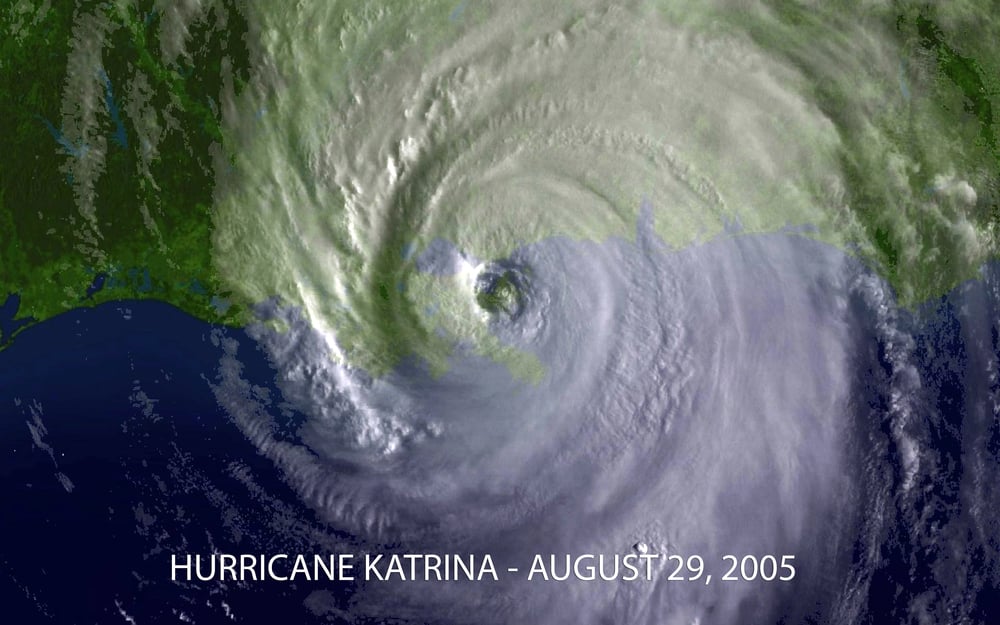
Hurricane Katrina made landfall near New Orleans on August 29, 2005, as a Category 3 storm, but it was the catastrophic failure of the city’s levee system that turned it into the deadliest U.S. hurricane since the Galveston storm. More than 1,800 people died and over a million were displaced, with the flooding affecting an area nearly the size of the United Kingdom.
Damage was estimated at around $125 billion, making it one of the costliest natural disasters in American history. Entire neighborhoods in New Orleans were submerged for weeks, and tens of thousands of residents were left stranded without food, water, or rescue.
The federal government’s slow response drew intense criticism and exposed deep gaps in the nation’s emergency preparedness. Some communities, particularly in the Lower Ninth Ward, have never fully rebuilt.
The 1928 Okeechobee Hurricane
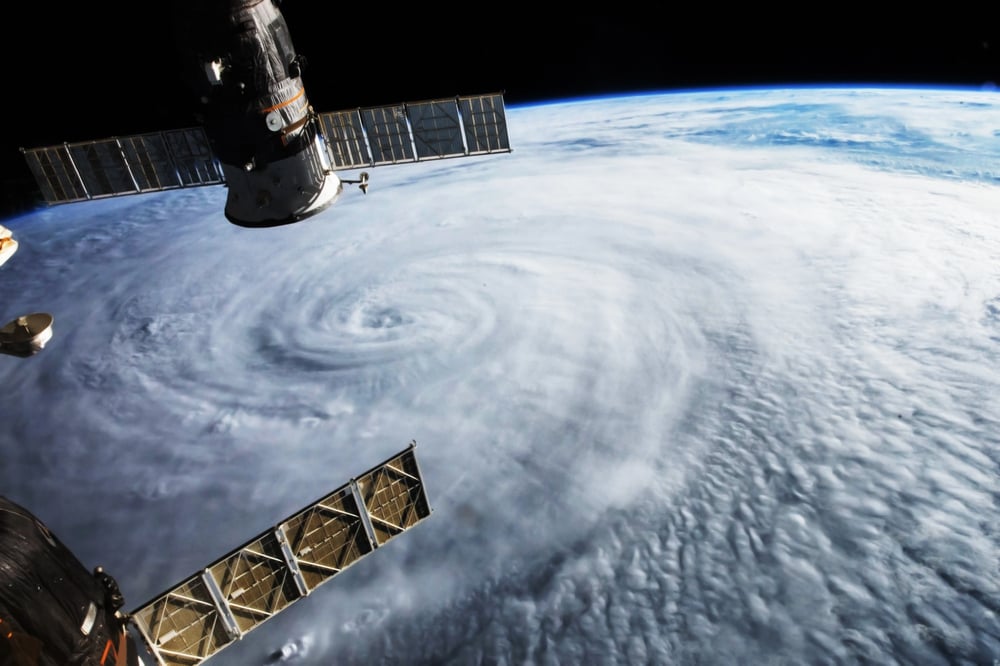
Long before Hurricane Katrina, there was another catastrophic Florida storm that the history books rarely mention. The Okeechobee Hurricane of 1928 struck Palm Beach as a Category 4 with winds around 160 miles per hour, then moved inland and pushed Lake Okeechobee over its earthen dike.
Between 2,500 and 3,000 people drowned in the flooding, most of them poor Black farmworkers living in communities south of the lake. The storm also devastated Puerto Rico days earlier, where it killed over 300 people and left hundreds of thousands homeless.
It remains the second-deadliest hurricane in U.S. history and the storm that prompted the construction of the Herbert Hoover Dike around Lake Okeechobee.
The 1737 Calcutta Cyclone
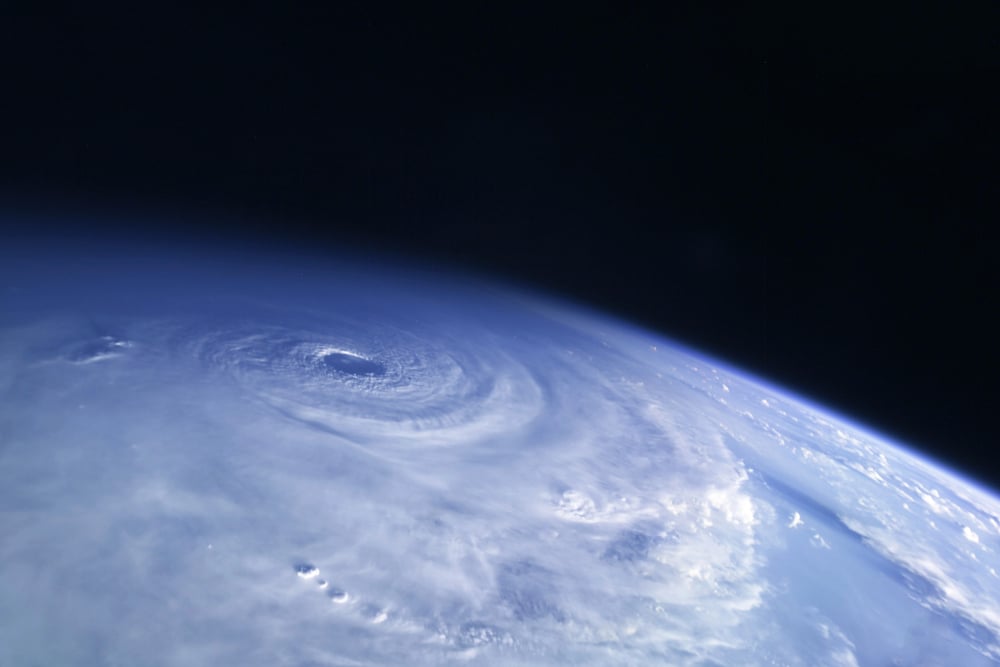
Historical records describe a ferocious cyclone striking Calcutta in 1737 with a storm surge that tossed ships three miles inland. Estimates of the death toll reach around 300,000, with the surge and subsequent flooding accounting for the majority of fatalities.
Ships anchored in the Hugli River were reportedly flung onto dry land, giving some sense of the surge’s extraordinary force. The city’s low elevation and river geography amplified the damage well beyond what the storm’s winds alone would have caused.
The 1737 Calcutta Cyclone remains one of the earliest well-documented mega-disasters in South Asian history and is often cited as a haunting early example of the region’s deadly relationship with Bay of Bengal storms.
The Labor Day Hurricane (1935)
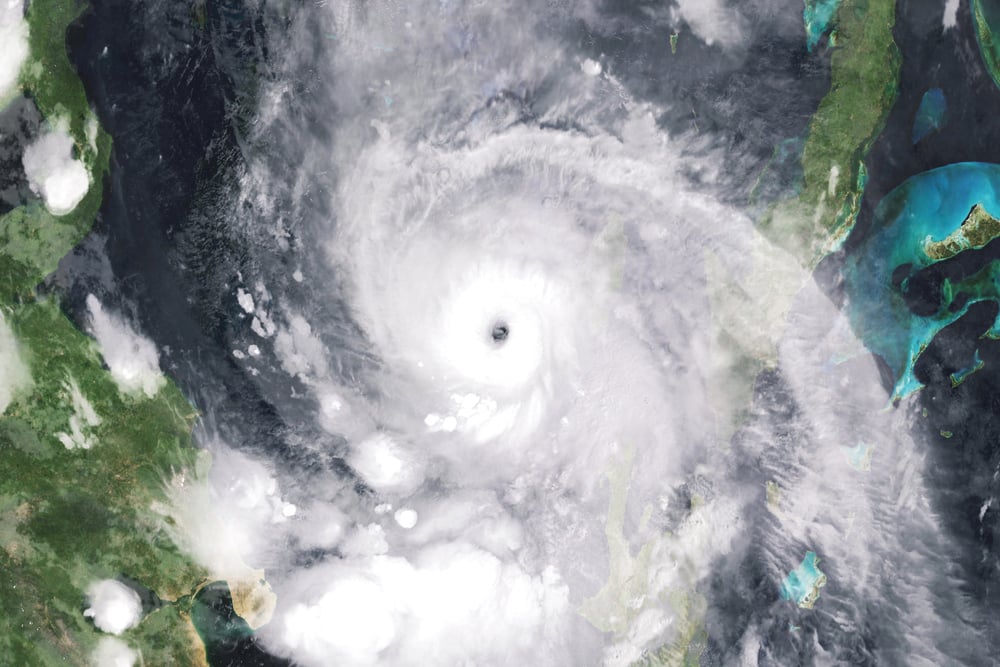
The Labor Day Hurricane of September 2, 1935, remains the most intense Atlantic hurricane ever to strike U.S. soil. It came ashore in the Florida Keys with sustained winds above 185 miles per hour and an 18-foot storm surge.
Around 400 people died, including hundreds of World War I veterans who had been working on a New Deal highway project. A rescue train sent to evacuate the workers was derailed and swept away by the surge before it could reach them.
The storm’s central pressure of 892 millibars was the lowest ever recorded for an Atlantic hurricane at the time. It is still the benchmark for the standard against which all other U.S. landfalling hurricanes are measured.
Super Typhoon Vera (1959)
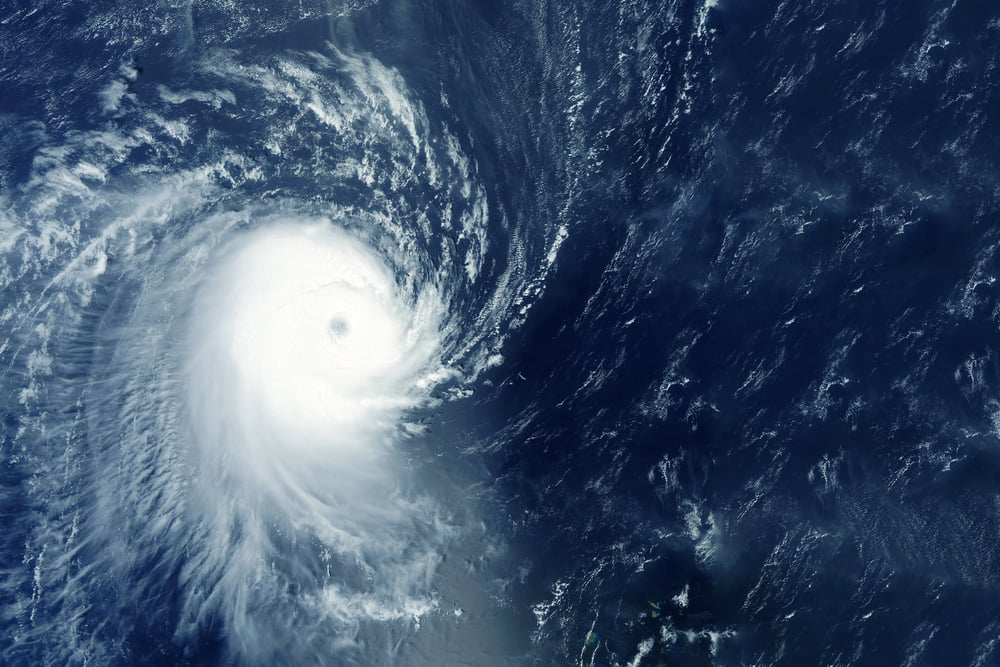
Super Typhoon Vera, also called the Ise Bay Typhoon, struck Japan on September 26, 1959, and became the deadliest typhoon in Japan’s recorded history. It made landfall near Nagoya with winds around 130 miles per hour and a storm surge that overwhelmed coastal defenses across the Ise Bay area.
More than 5,000 people died and 1.5 million were left homeless across Honshu island. The scale of the damage shocked a Japan that was still rebuilding from the Second World War.
Vera prompted a complete overhaul of Japan’s typhoon warning and disaster response systems, and many credit it as the event that led to the country’s modern, highly effective approach to storm preparedness. Japan today is widely regarded as one of the best-prepared nations in the world for typhoon disasters, and Vera’s legacy played a significant role in making that possible.
Hurricane Harvey (2017)
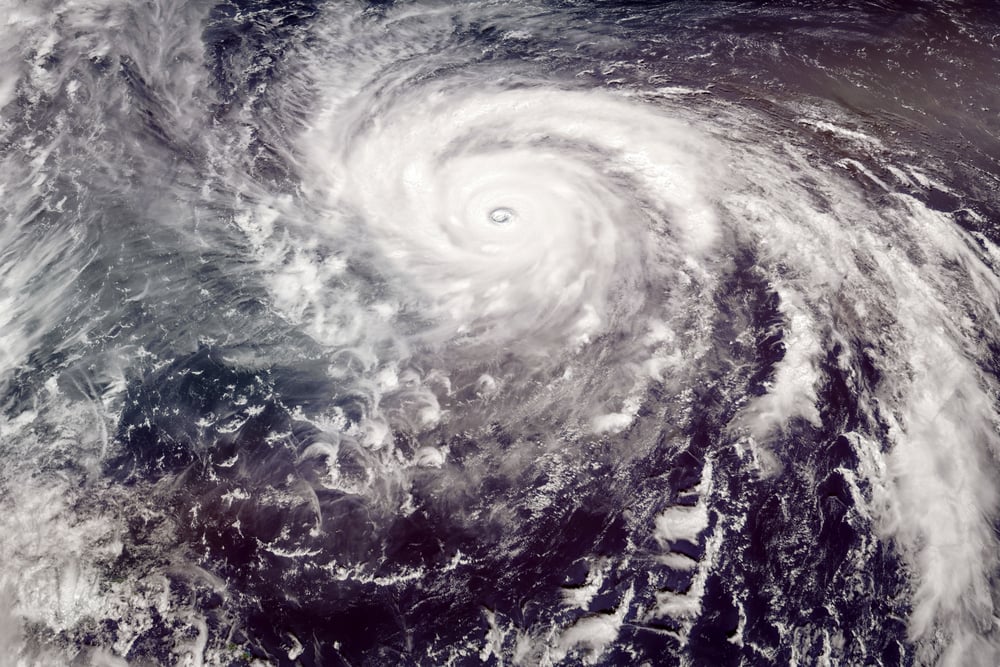
Hurricane Harvey made landfall in Texas on August 25, 2017, as a Category 4 hurricane, then stalled over the Houston area for days in an extremely unusual weather pattern. The storm dumped over 60 inches of rain in some areas, the highest rainfall total ever recorded in the United States from a single storm.
Around 68 people died directly from the storm, but the economic and structural damage was catastrophic, with estimates reaching around $125 billion. More than 300,000 buildings were flooded and 500,000 cars were destroyed.
Houston, the fourth largest city in the U.S., was brought to a near standstill for weeks. Harvey underscored how a slow-moving storm, not just wind speed, can be one of the most destructive forces in modern meteorology.
Hurricane Sandy (2012)
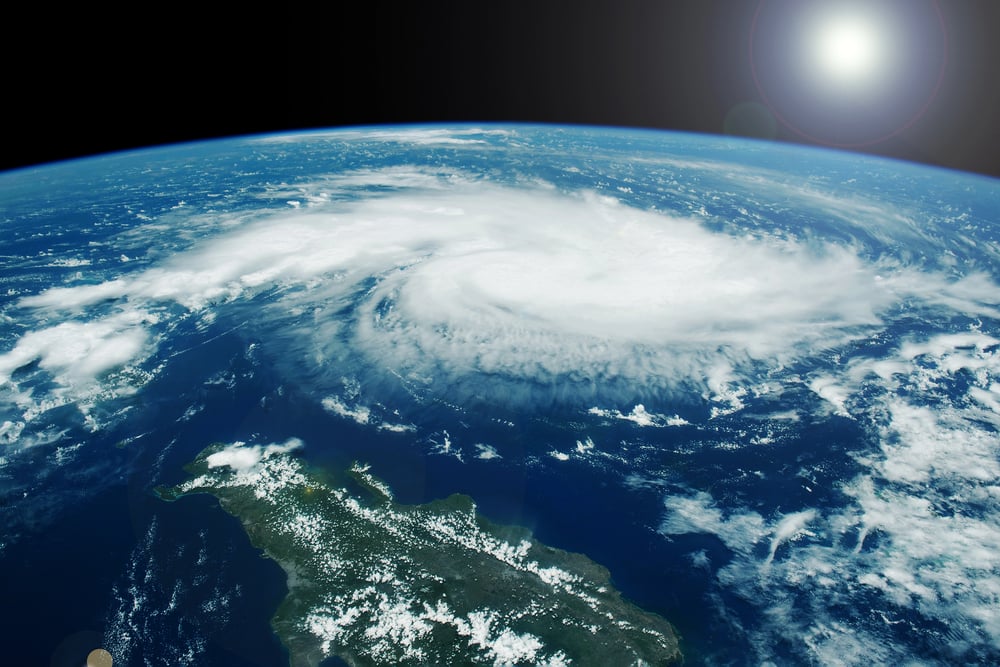
When Hurricane Sandy hit the New Jersey shore on October 29, 2012, it was no longer classified as a hurricane. Still, those who endured it would never call it anything smaller.
At landfall, the storm stretched across 1.8 million square miles – among the broadest Atlantic systems ever seen. Across eight states, roughly 285 lives were lost.
Whole towns near the coast in New Jersey and New York were torn apart. Water poured into passageways and rail lines under Manhattan.
The cost of destruction reached about $65 billion. Floodwaters rose higher than ever seen before, when Sandy struck at high tide under a full moon’s pull.
That night changed how people talked – shifting words toward barriers, warming seas, and the fragile edge where so many call home.
The 2011 Joplin Tornado
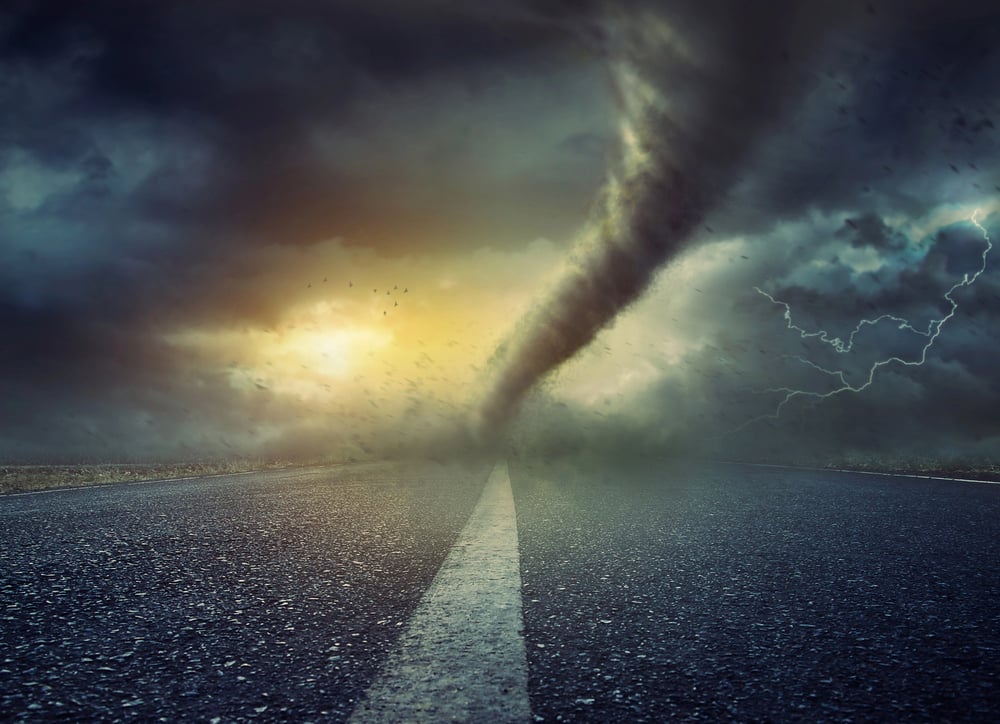
That day in May started quiet until the sky turned wrong. Winds howling past 200 miles per hour ripped across thirteen miles of land, nearly a full mile wide.
Sixteen lives lost for every ten minutes it stayed on the ground. Three billion dollars vanished into rubble and twisted metal.
A Sunday afternoon became something else entirely when the storm hit without announcement. Homes, then a hospital, then a school – all caught unaware.
Some bodies landed far from any street they once walked. A single hour – less than that, really – shifted life for fifty thousand souls.
From the wreckage in Joplin came sharper alarms, stronger shelters, a push across the country to act faster when skies turn violent. That storm still shapes how America remembers its battles with wind.
When The Sky Finally Clears
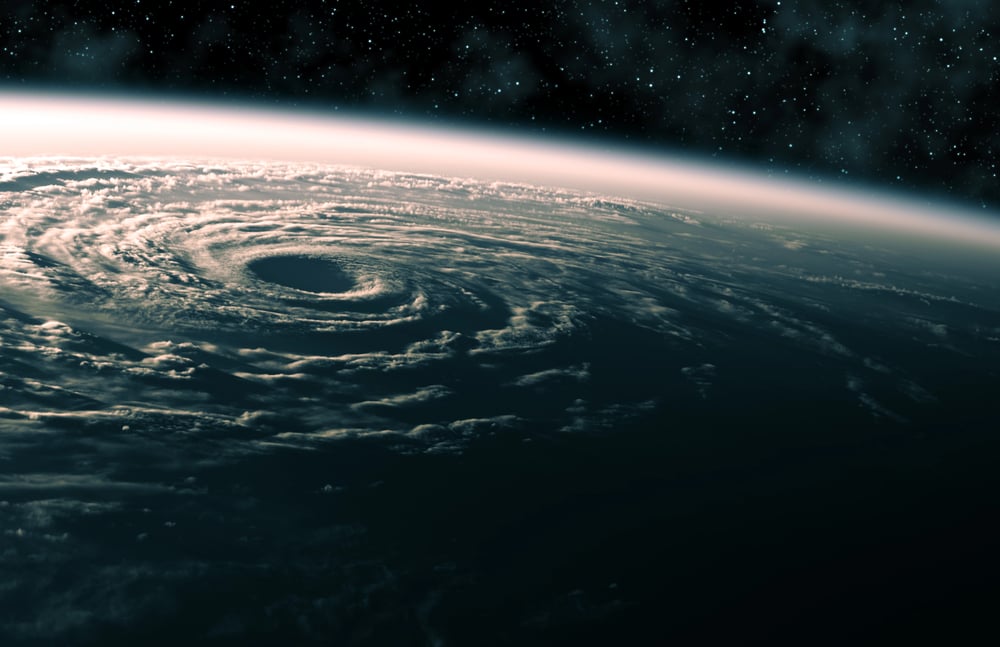
These storms aren’t mere entries in a file. What remains shows how easily towns buckle under nature’s weight.
Across Bangladeshi paddies, through flooded New Orleans blocks, along Japan’s battered shorelines, into Missouri’s flattened flatlands – each left marks on buildings, rules, even time itself. Warnings now hum in phones because old winds once roared unchecked.
Barriers rise where water once climbed. Routes clear ahead of danger thanks to paths carved by panic long ago.
Though skies have calmed, echoes linger in every bolt, wall, signal – silent architects built from loss so deep it never fades.
More from Go2Tutors!

- The Romanov Crown Jewels and Their Tragic Fate
- 13 Historical Mysteries That Science Still Can’t Solve
- Famous Hoaxes That Fooled the World for Years
- 15 Child Stars with Tragic Adult Lives
- 16 Famous Jewelry Pieces in History
Like Go2Tutors’s content? Follow us on MSN.



