America’s Most Famously Haunted Landmarks and the Stories Behind Them
Every corner of America holds places that have gathered ghost stories the way old houses gather dust. From towering lighthouses to grand hotels that have welcomed guests for over a century, certain landmarks carry more than historical significance—they carry reputations, built over decades from the accounts of guests, staff, and the occasional wide-eyed skeptic who checked out early.
A note before the tour: what follows are legends and reported experiences, not laboratory findings. No ghost has ever been confirmed by science, and the most atmospheric tale usually has a draft, a creaky pipe, or the power of suggestion somewhere behind it.
But that’s not really the point. These are the stories these places tell about themselves, rooted in genuinely tragic and fascinating histories, and they’re a wonderful way to travel through the darker corners of American history.
Read them as folklore—the spookiest kind there is.
Eastern State Penitentiary
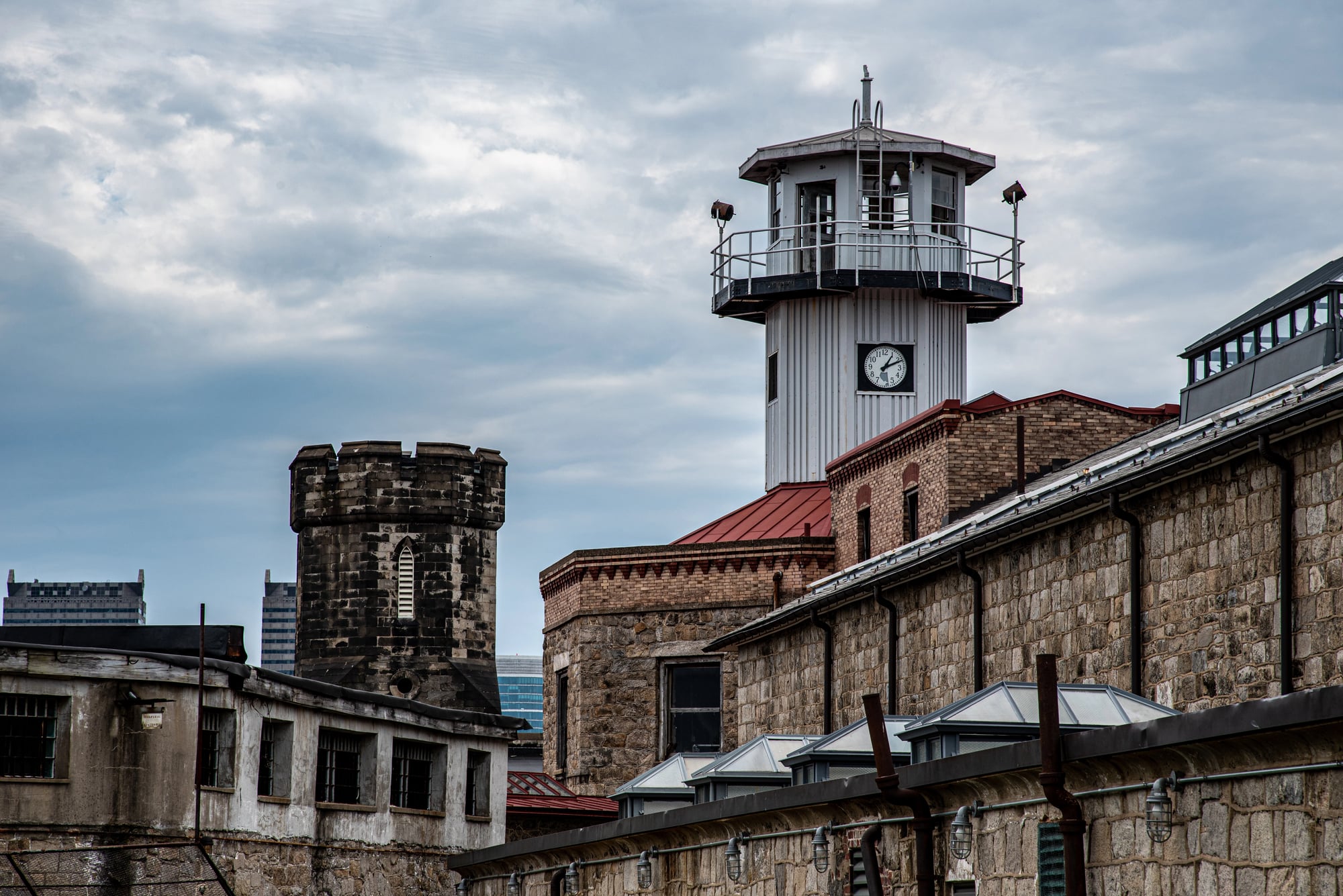
Eastern State Penitentiary doesn’t hide from its reputation. The crumbling cellblocks in Philadelphia have hosted paranormal investigators, television crews, and curious visitors who leave with stories they struggle to explain.
Built in 1829, the prison pioneered solitary confinement as a model of rehabilitation. Inmates spent years in near-total isolation, seeing almost no one but guards and chaplains, and many are believed to have suffered psychological breakdowns as a result.
That documented history of suffering gives the place an undeniably heavy atmosphere, and visitors and renovation workers alike have long reported a sense of unease in certain cellblocks—the kind of feeling a building this old and this sad seems to hold in its walls.
The Stanley Hotel
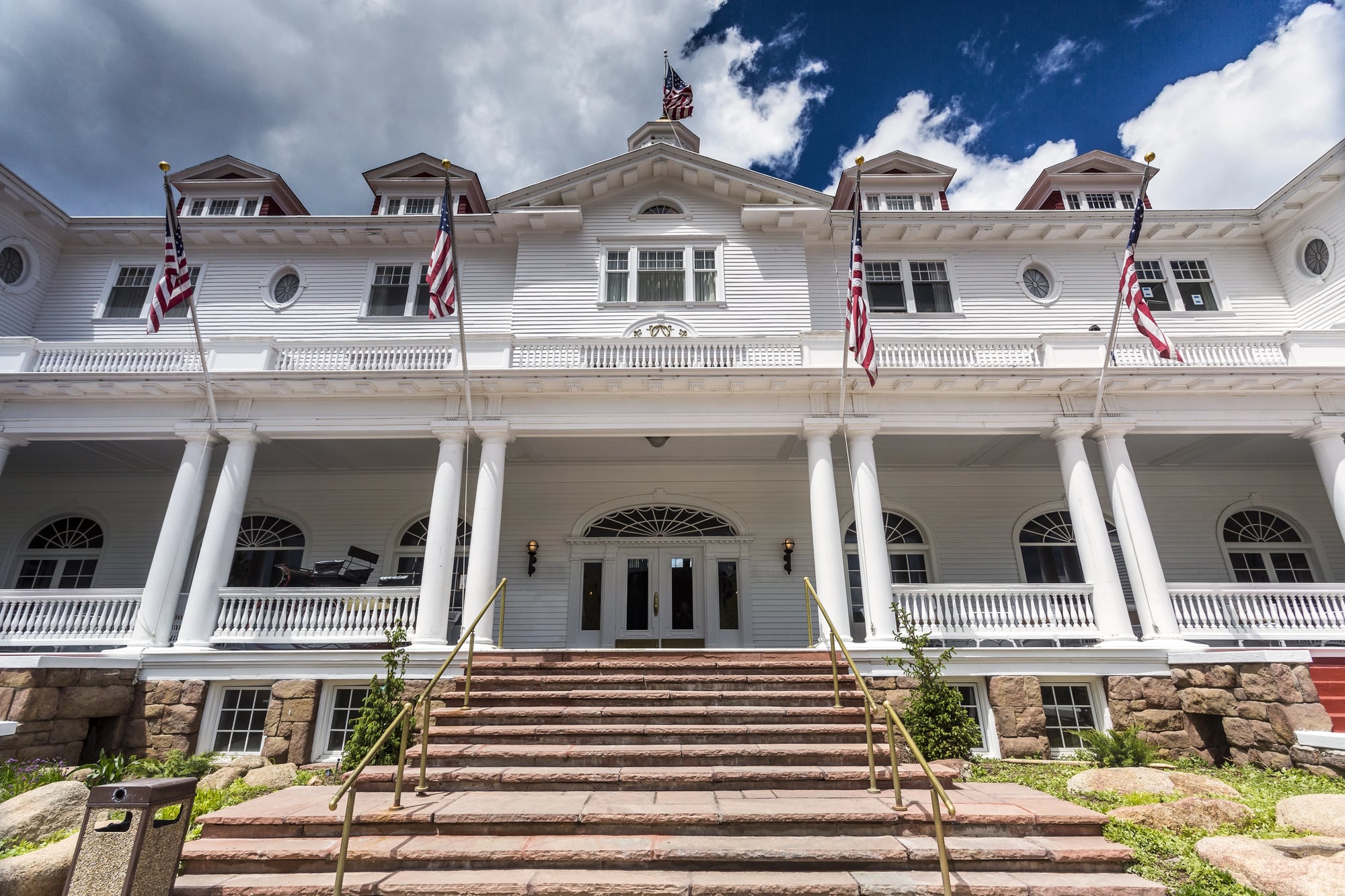
The Stanley Hotel perches on a hill in Estes Park, Colorado, where Stephen King conceived “The Shining” during a one-night stay in 1974 (Kubrick filmed his adaptation elsewhere, which irritates locals to this day). The hotel opened in 1909 and spent its first several decades in relative quiet; its spooky fame largely followed King’s novel in 1977.
Room 217, where King stayed, is the heart of the legend. The story traces back to a real 1911 gas explosion that injured a chambermaid named Elizabeth Wilson, and guests have long reported her tidy, watchful presence—lights flipping on and off, luggage mysteriously unpacked, personal items rearranged.
Elsewhere in the hotel, visitors describe piano music drifting from the empty ballroom, children’s laughter in the fourth-floor hallways (once an attic where children and staff stayed), and other classic hauntings. The hotel leans happily into all of it, offering ghost tours and “spirited” rooms, and whether you leave a believer or not, the creaking floors and long corridors do a great deal of the work on their own.
Alcatraz Federal Penitentiary
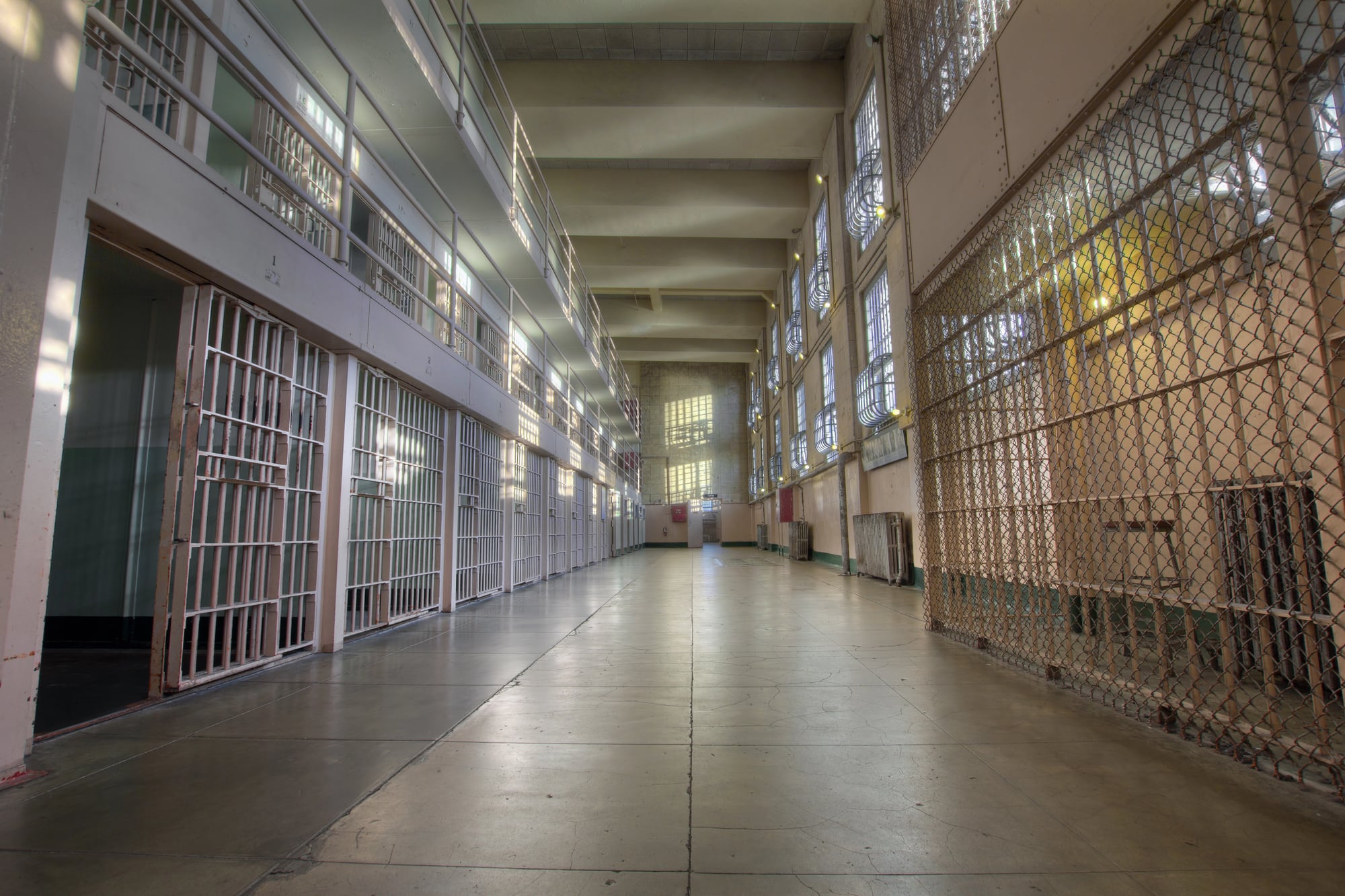
Alcatraz is a tourist destination now, run by the National Park Service, but its years as America’s most feared prison left it with a reputation that outlasted its closure in 1963. The island’s isolation, its harsh conditions, and the desperate men once held there all feed the lore.
Cell Block D, where the most difficult prisoners were held in solitary, draws the most ghost stories—visitors and night staff over the years have described cold drafts, strange sounds echoing from empty cells, and the unshakable sense of not being alone.
The genuinely grim history does a lot here: it’s hard to stand in a concrete isolation cell on a cold, fog-wrapped island and not feel something, whatever its source. Most of these accounts are exactly the kind of suggestible, atmosphere-driven experiences that thrive in a place built for misery.
The Queen Mary

The Queen Mary sits permanently docked in Long Beach, California, transformed from ocean liner to floating hotel—and into one of the most enthusiastically “haunted” attractions in the country. The ship served as a troop transport during World War II, carrying hundreds of thousands of soldiers, and saw its share of deaths across both its luxury and wartime years.
The drained first-class pool area is the centerpiece of the ship’s ghost lore, the spot where guides spin most of their tales of spectral swimmers and figures in vintage swimwear. Stateroom B340 became famous enough as a “haunted room” that the hotel eventually leaned into it, renting it out specifically to ghost-seeking guests.
The stories—slamming doors, cold spots, a little girl by the pool—are staples of every tour, and the ship’s genuine age and history give them a setting that’s hard to beat, even for visitors who suspect the spookiest thing aboard is the gift shop’s marketing department.
Waverly Hills Sanatorium
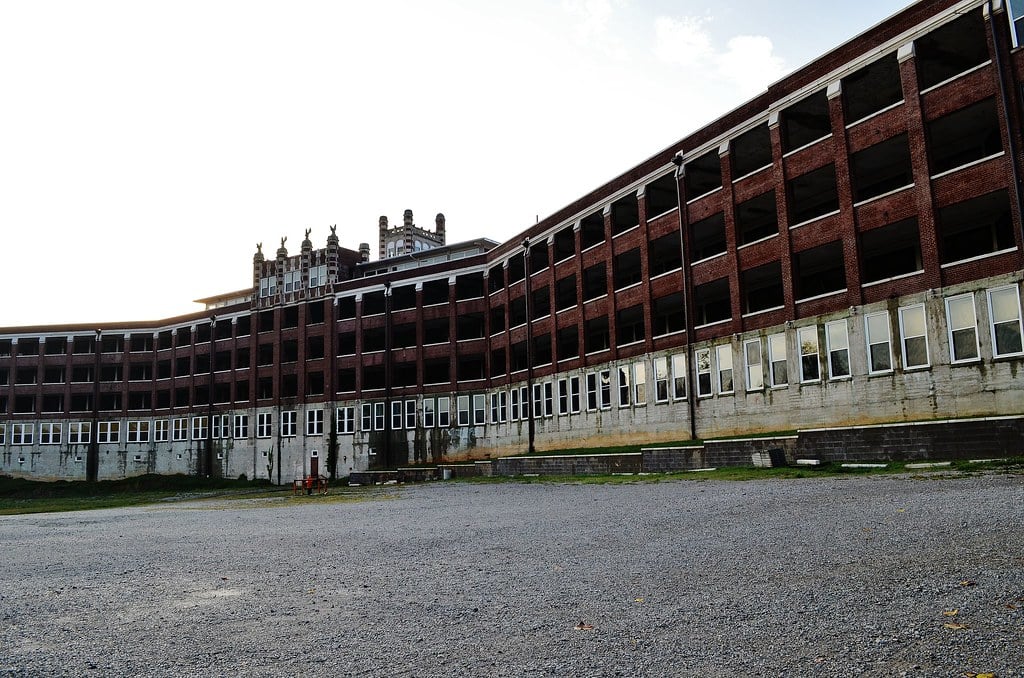
Tuberculosis killed many patients at Waverly Hills Sanatorium in Louisville, Kentucky, between its opening in 1910 and its closure as a hospital in 1961. The disease was poorly understood and treatments were often experimental and grim, giving the enormous Gothic building a genuinely tragic past.
The sanatorium’s “body chute”—a long underground tunnel built to move the dead out of sight of living patients—is the most storied spot on the property, and a favorite of the overnight ghost tours that now keep the place running. Room 502, tied to the legend of a nurse who is said to have died there, draws its own reports of cold spots, the scent of roses, and a feeling of being watched.
Like most such tales, the documentation amounts to enthusiastic eyewitness accounts rather than anything measurable—but the building’s real history of suffering needs little embellishment to unsettle a visitor.
Gettysburg Battlefield
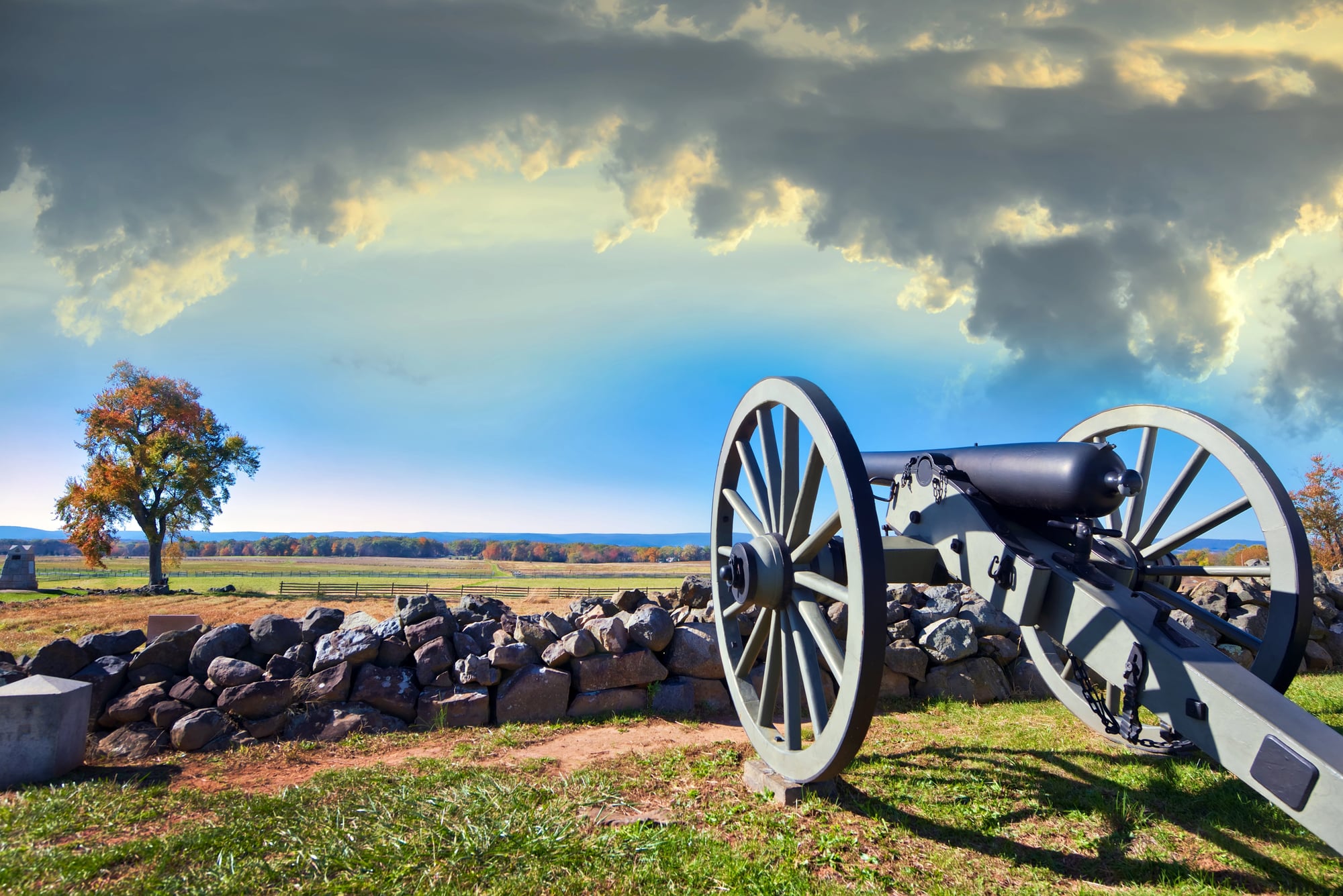
Gettysburg’s three-day battle in July 1863 left over 50,000 casualties scattered across Pennsylvania farmland—the bloodiest battle ever fought in North America. A place of that much death was almost guaranteed to become America’s most famous haunted battlefield.
Devil’s Den, the rocky maze where Confederate sharpshooters once positioned themselves, is the most legend-haunted spot, where visitors over the decades have reported the smell of gunpowder, the distant crack of a rifle, and fleeting glimpses of figures in period uniform who turn out not to be reenactors.
These stories are folklore in the truest sense—passed hand to hand among visitors and tour guides, impossible to verify and easy to feel when you’re standing among the boulders at dusk. (One small historical note worth getting right: Pickett’s Charge crossed the open fields toward Cemetery Ridge, not the Devil’s Den area, so the geography in some tour tales gets muddled.)
The battlefield’s real power is its history; the ghosts are how each generation keeps feeling the weight of it.
The Winchester Mystery House
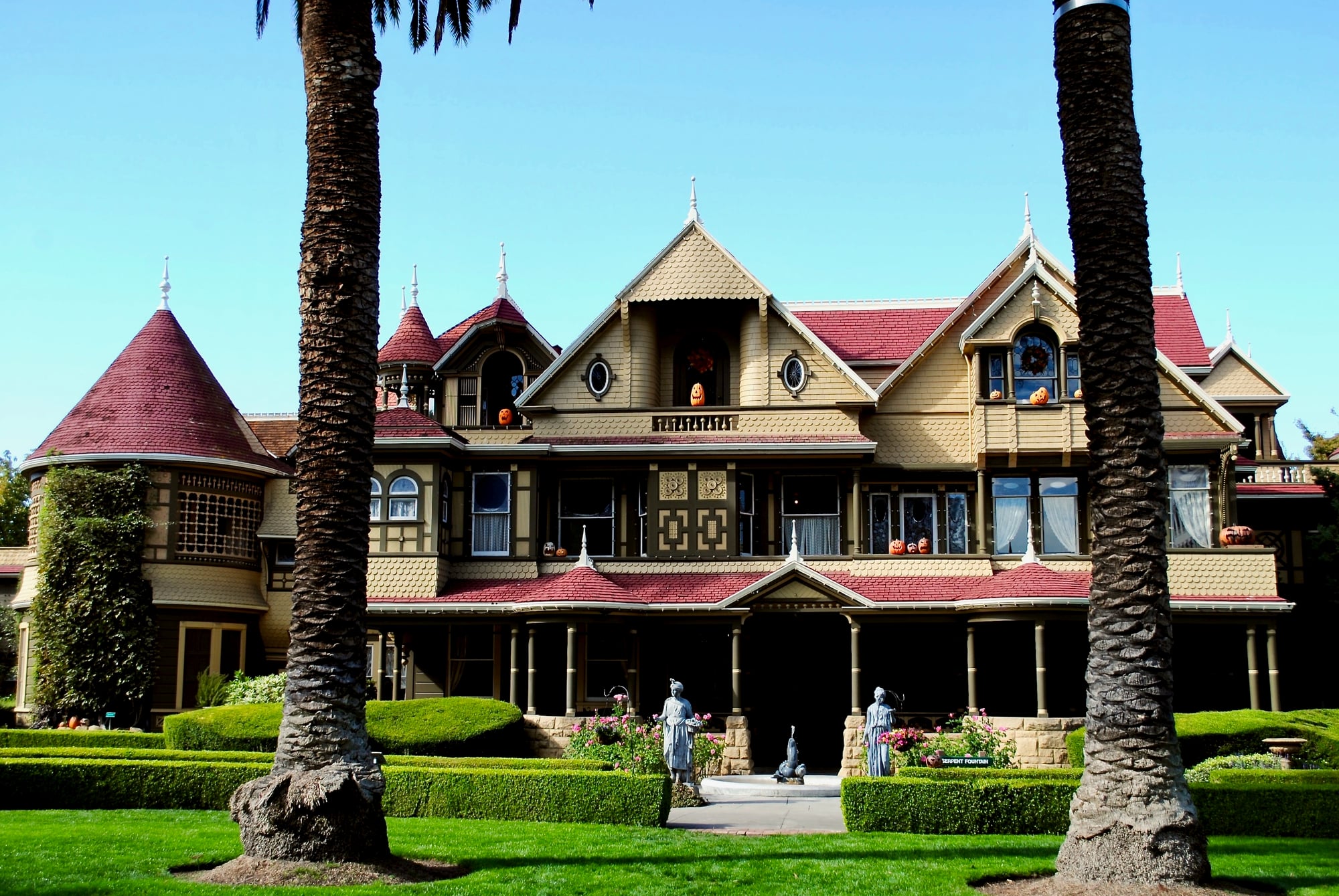
Sarah Winchester built her sprawling San Jose mansion in a state of near-continuous construction for decades until her death in 1922, creating a genuinely bizarre house full of staircases that climb into ceilings, doors that open onto walls, and hallways that loop back on themselves.
Popular legend says she was guided by spirits of those killed by Winchester rifles and built the maze to confuse them—a colorful story that may owe more to later promoters than to Sarah herself, who was also a grieving, eccentric, and reportedly arthritic woman with the money to build whatever she liked.
Whatever the truth of her motives, the house is authentically strange, and that strangeness is the whole attraction. Visitors describe a disorienting, slightly uncanny feeling moving through rooms that defy normal logic, and the séance room and certain corridors are staples of the ghost tour.
The mansion doesn’t need anything supernatural to feel haunted—its architecture does that on its own.
Fort Niagara
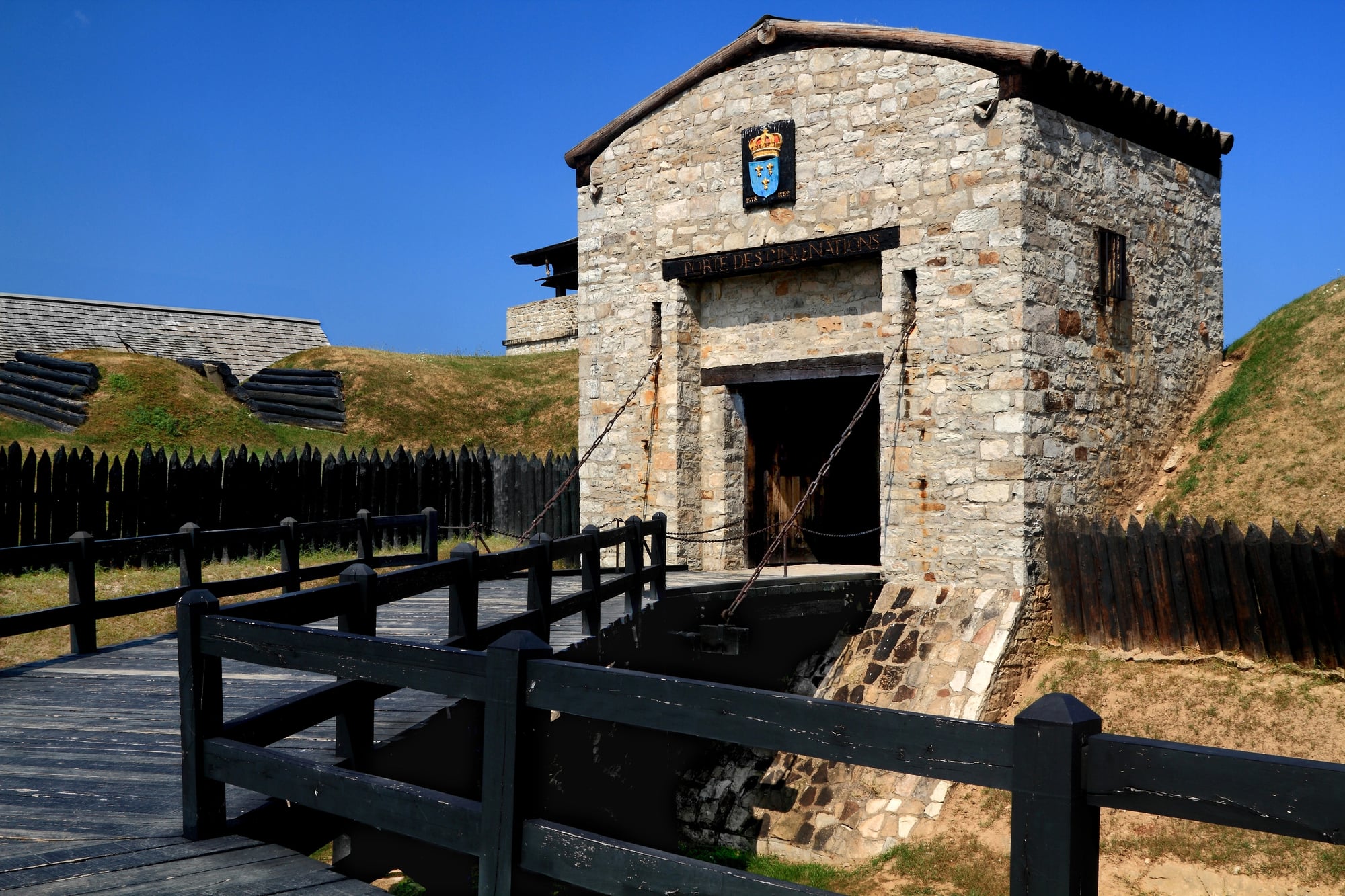
Fort Niagara has guarded the mouth of the Niagara River since 1726, serving French, British, and American forces across nearly three centuries of conflict. A fortress that old, fought over that many times, naturally accumulates legends.
The French Castle, the fort’s oldest structure, anchors most of the ghost stories, including a well-worn local legend of a headless French soldier said to wander the grounds—the loser, the tale goes, of a duel whose body was thrown down the fort’s well.
Night staff and visitors over the years have reported footsteps and odd sights in the old rooms. It’s classic fort folklore: a dramatic story attached to a real and atmospheric place, kept alive because it’s exactly the kind of tale a centuries-old stone fortress invites.
Bobby Mackey’s Music World
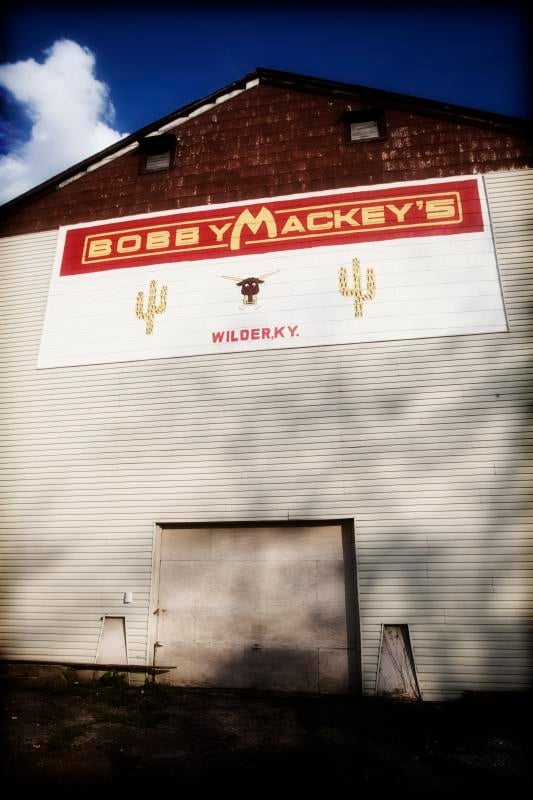
Bobby Mackey’s Music World in Wilder, Kentucky, may be the most aggressively haunted nightclub in America, at least by reputation. The building sits on a site with a genuinely dark local history, and over the years it accumulated a tangle of legends involving a former slaughterhouse, a notorious 19th-century murder case connected to the area, and a well in the basement said to be a portal to somewhere worse.
How much of the lore is history and how much is showmanship is very much up for debate—skeptics note the stories grew dramatically once the venue embraced its haunted reputation, and some of the supposed historical events are poorly documented at best.
But the basement well, the tales of a vengeful spirit, and the warning sign the bar once posted about ghosts have made it a pilgrimage site for paranormal enthusiasts. It’s best enjoyed as modern American folklore: a roadhouse that became a legend partly by deciding to.
Moundsville Penitentiary
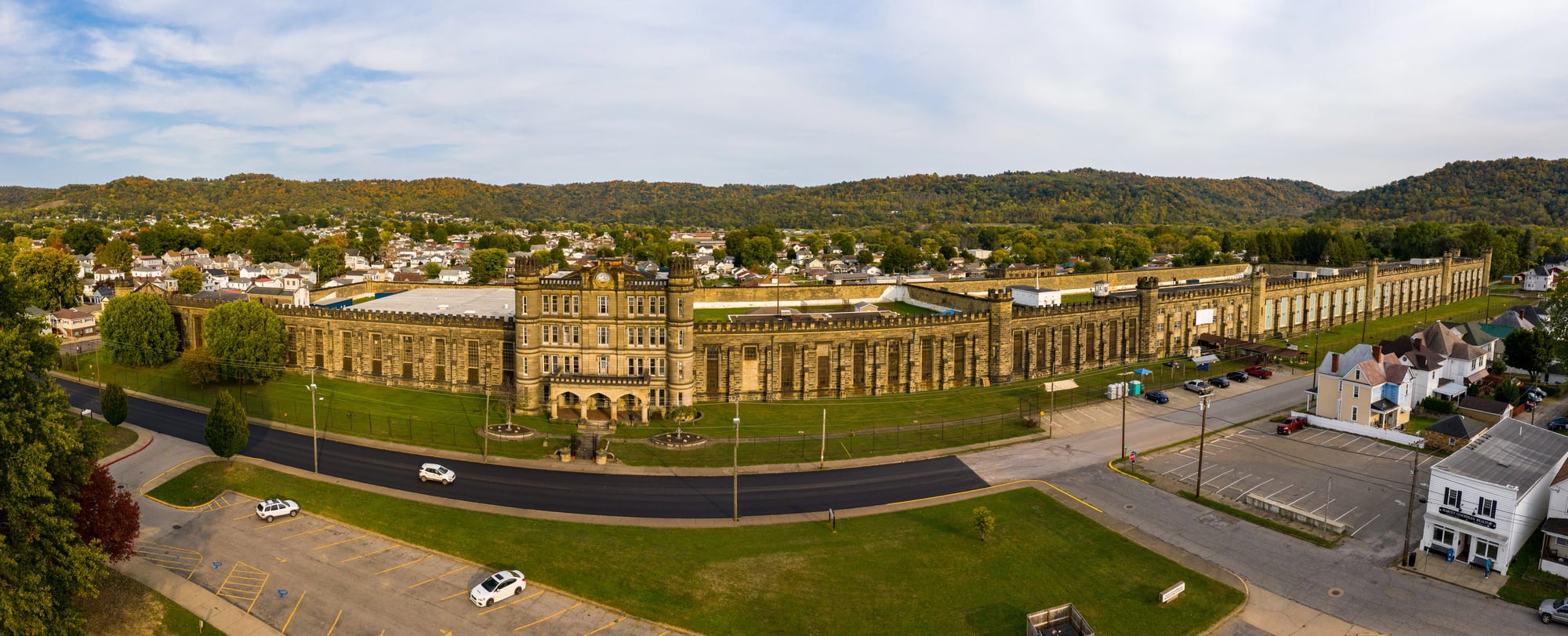
The West Virginia Penitentiary in Moundsville operated from 1876 to 1995, housing the state’s most violent offenders in conditions that grew overcrowded and brutal. The prison saw executions, riots, and a great deal of violence, leaving it with the kind of grim history that ghost tours are built on.
The North Hall, which held death-row inmates, is the focus of much of the lore, where night visitors report cold spots, footsteps, and the sound of doors in the empty cellblock. The execution chamber draws its own stories.
As with the other old prisons on this list, the “evidence” is eyewitness testimony shaped by an intensely heavy setting—but the building’s real history of confinement and death gives those stories a foundation that doesn’t require a ghost to feel oppressive.
Trans-Allegheny Lunatic Asylum
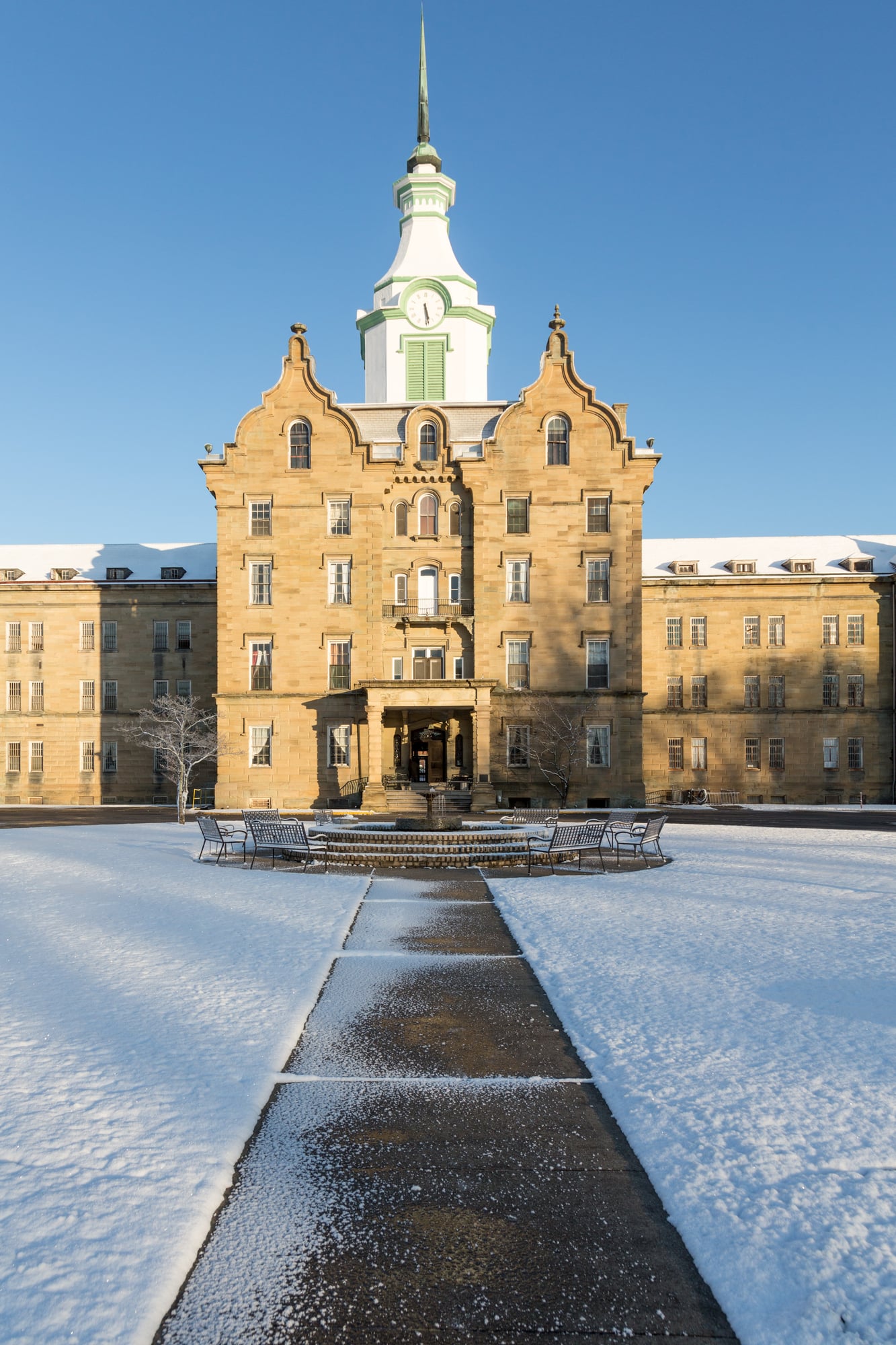
The Trans-Allegheny Lunatic Asylum in Weston, West Virginia, was designed for a few hundred patients but at its overcrowded peak held many times that number. The resulting conditions—and the era’s experimental treatments, including lobotomies—gave the massive stone building a genuinely painful history before it closed in 1994.
The former medical wing and the children’s ward are the most storied areas, where visitors on the asylum’s popular ghost tours report cold spots, footsteps, and the sound of children’s voices and laughter from empty rooms.
These are the familiar ingredients of abandoned-asylum folklore, repeated at similar sites across the country. What sets Trans-Allegheny apart is mostly the scale and the sadness of the real history, which the building wears heavily even in daylight.
The Myrtles Plantation
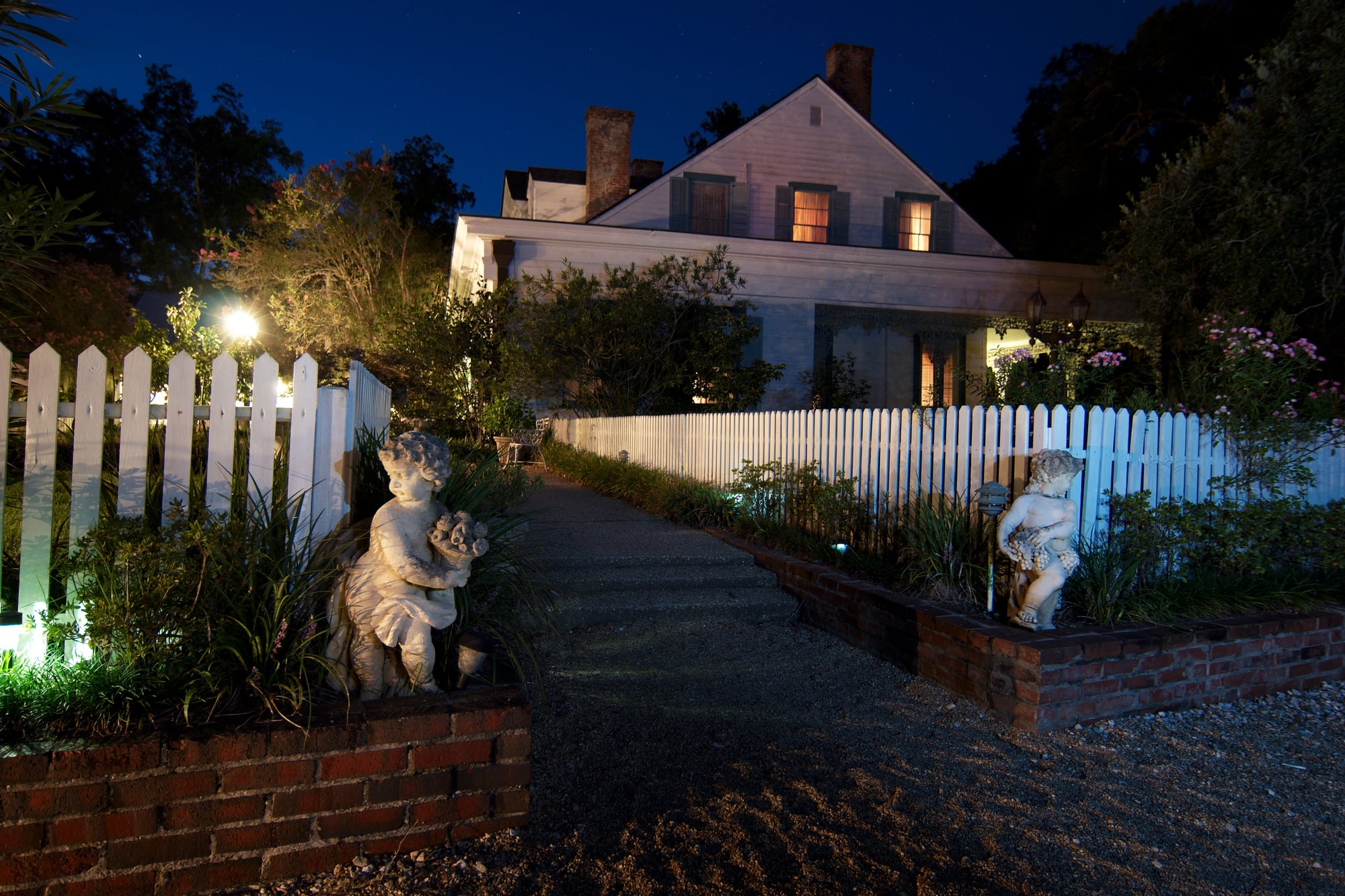
The Myrtles Plantation in St. Francisville, Louisiana, operates as a bed and breakfast and bills itself as one of America’s most haunted homes. Built in 1796, it endured the brutal realities of slavery, disease, and several deaths over its long history.
Its most famous legend involves Chloe, an enslaved woman said to haunt the grounds—a story that, importantly, historians have largely traced to later invention rather than documented fact, a reminder of how plantation “ghost stories” can romanticize a genuinely brutal history.
The house’s antique mirror, said to trap handprints and figures, is a fixture of every tour, as is the grand staircase. The Myrtles is a vivid example of how a real and painful past gets reshaped into marketable folklore, and it’s worth visiting with that tension in mind.
Pennhurst State School
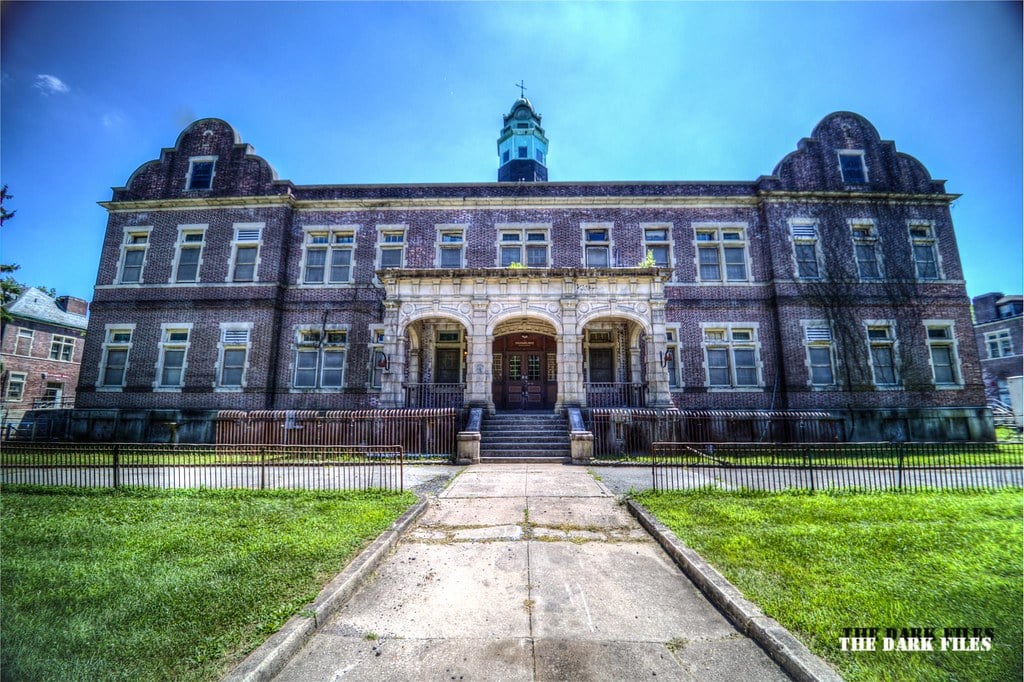
Pennhurst State School in Spring City, Pennsylvania, housed people with developmental disabilities from 1908 to 1987 under conditions that investigations and a famous exposé later revealed as abusive and inhumane. The institution’s real legacy is a landmark in the history of disability rights—and that genuine horror is the source of its reputation.
The campus, including its connecting tunnels, now hosts ghost tours and a Halloween attraction, a use that some disability advocates have pointedly criticized as disrespectful to the real people who suffered there.
Visitors report the usual cold spots and uneasy feelings. Pennhurst is perhaps the clearest case on this list where the most disturbing thing isn’t any ghost—it’s the documented mistreatment of vulnerable people, which deserves to be remembered as history rather than repackaged as a thrill.
Old Faithful Inn
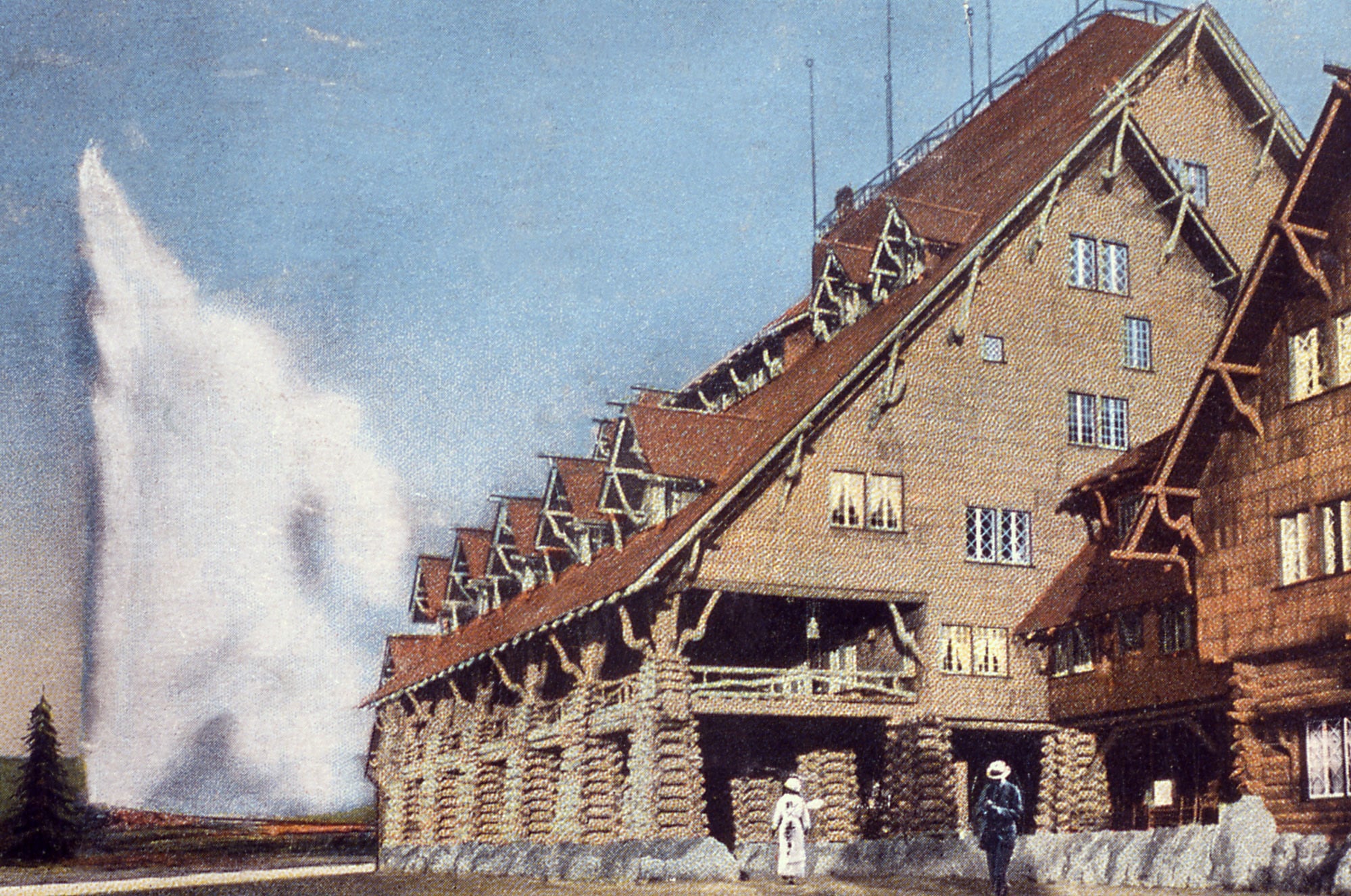
Old Faithful Inn in Yellowstone National Park opened in 1904 and stands as one of the largest log structures in the world. Most guests come for the geyser, but the rambling old hotel has collected its own quiet ghost lore over more than a century.
The best-known legend is the “Headless Bride,” a tale of a wealthy young woman said to haunt the upper reaches of the inn after a tragedy—a story with the shape of classic hotel folklore and little in the way of documented fact behind it.
Staff and guests occasionally trade accounts of odd sounds and sights in the older parts of the building. Compared to the prisons and asylums on this list, Old Faithful Inn’s haunting is a gentle one, more campfire story than nightmare—fitting for a beloved national park lodge.
Fort Delaware
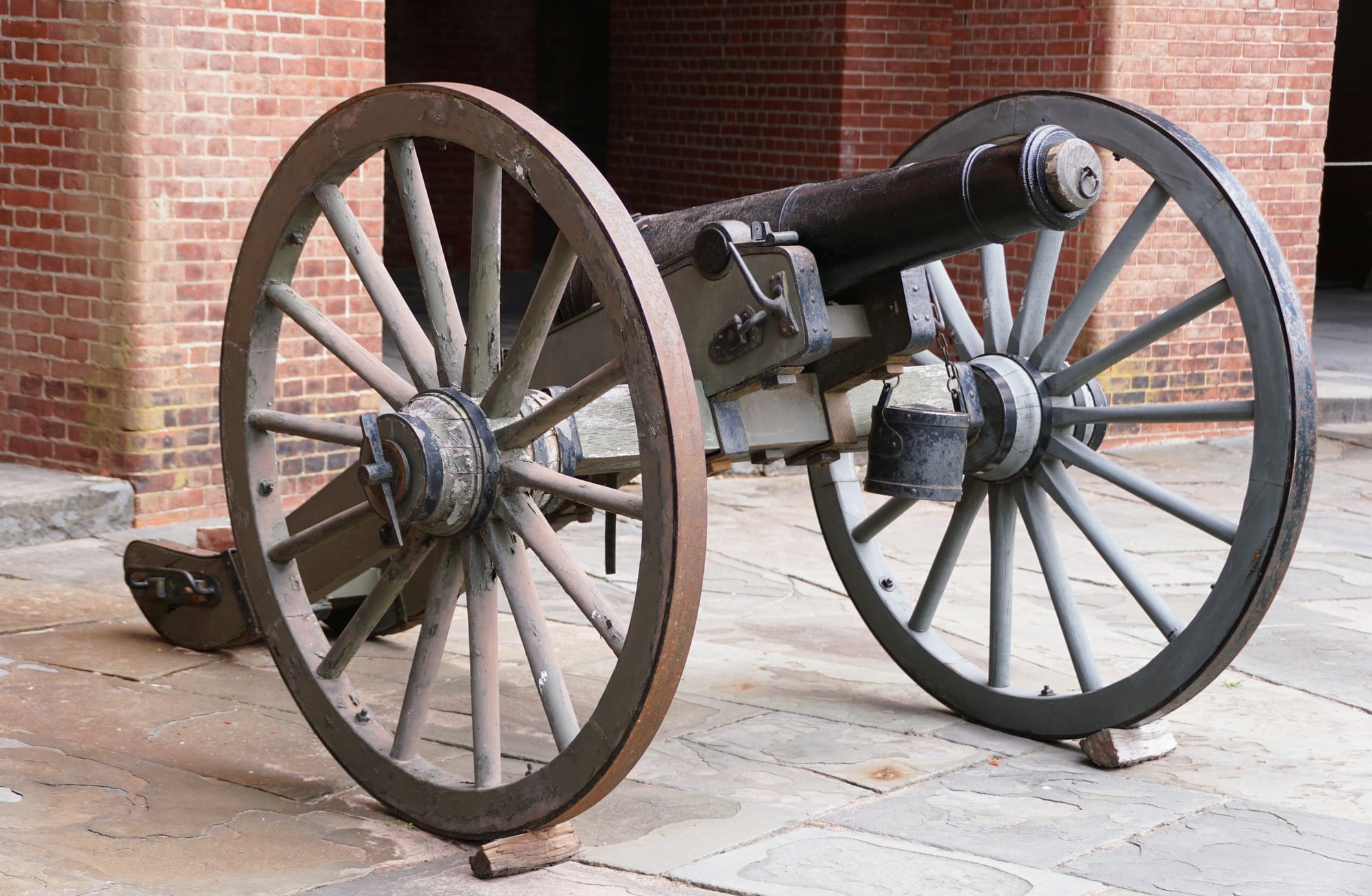
Fort Delaware sits on Pea Patch Island in the Delaware River, reachable only by ferry. During the Civil War it served as a Union prison for Confederate soldiers, and overcrowding, disease, and malnutrition killed thousands of prisoners there—a tragic history that anchors its reputation.
The fort’s casemates and the old prison hospital are the focus of the ghost stories told on its evening lantern tours, where visitors report cold spots, strange sounds, and a heavy atmosphere.
The accounts are eyewitness and anecdotal, but the documented death toll on the island gives them a sober foundation. Fort Delaware is a place where the real history of suffering is more affecting than any of the ghost tales layered on top of it.
Villisca Ax Murder House
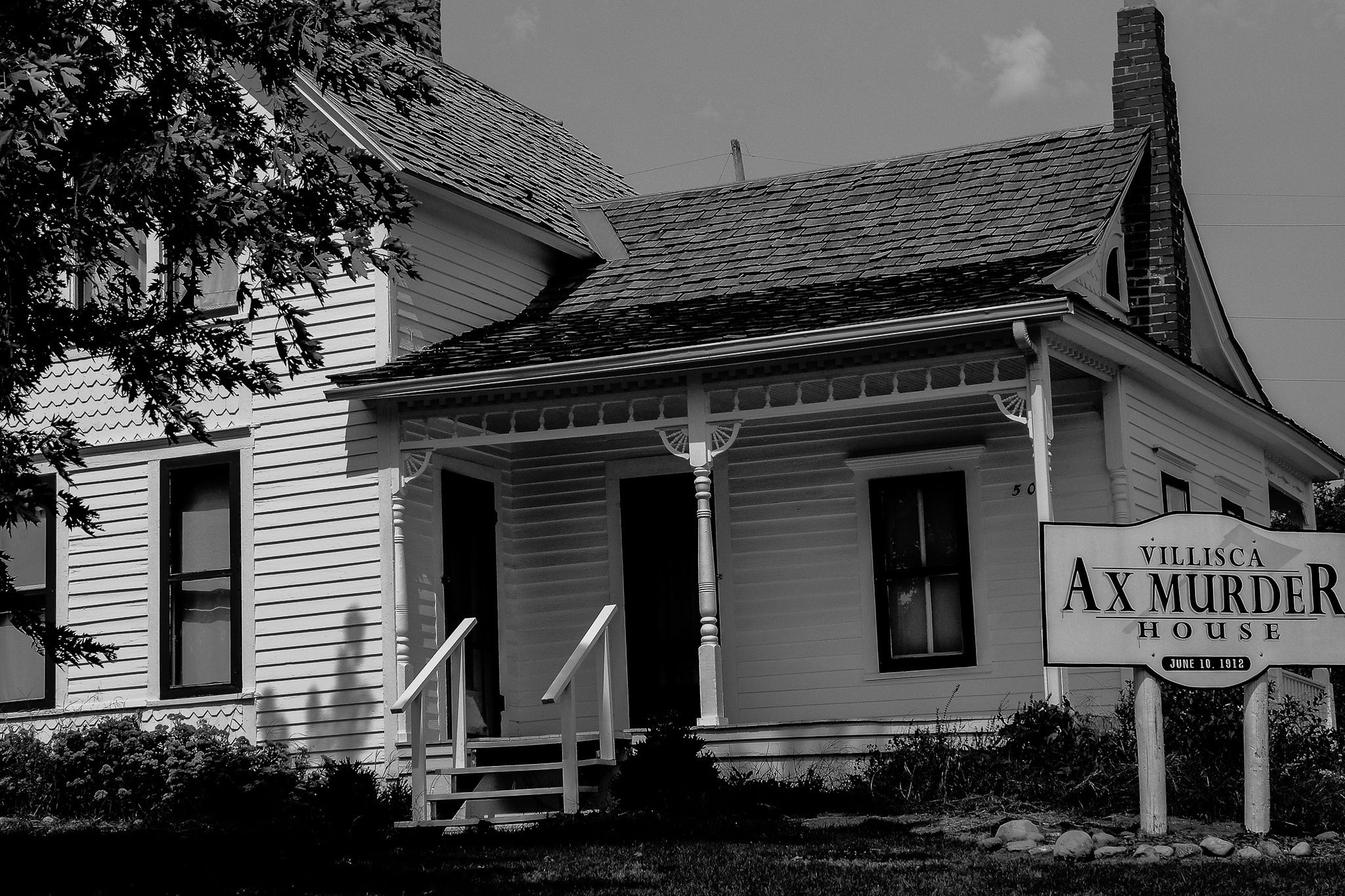
The Villisca Ax Murder House in Iowa preserves the scene of one of America’s most chilling unsolved crimes. On the night of June 9–10, 1912, an unknown killer murdered the Moore family and two young houseguests with an ax—eight victims, no motive, no conviction, no resolution.
The house now operates as a museum and overnight stay for the brave or the curious. The children’s bedroom and the master bedroom, where the victims were found, are naturally the focus of the overnight visitors who report voices, cold spots, and moving objects.
Here more than anywhere, it’s worth remembering that beneath the ghost-tour atmosphere is a real and horrific crime against real people, including four children. The unsolved murder is genuinely haunting on its own terms; the supernatural stories are a later layer over an authentic tragedy.
Lemp Mansion
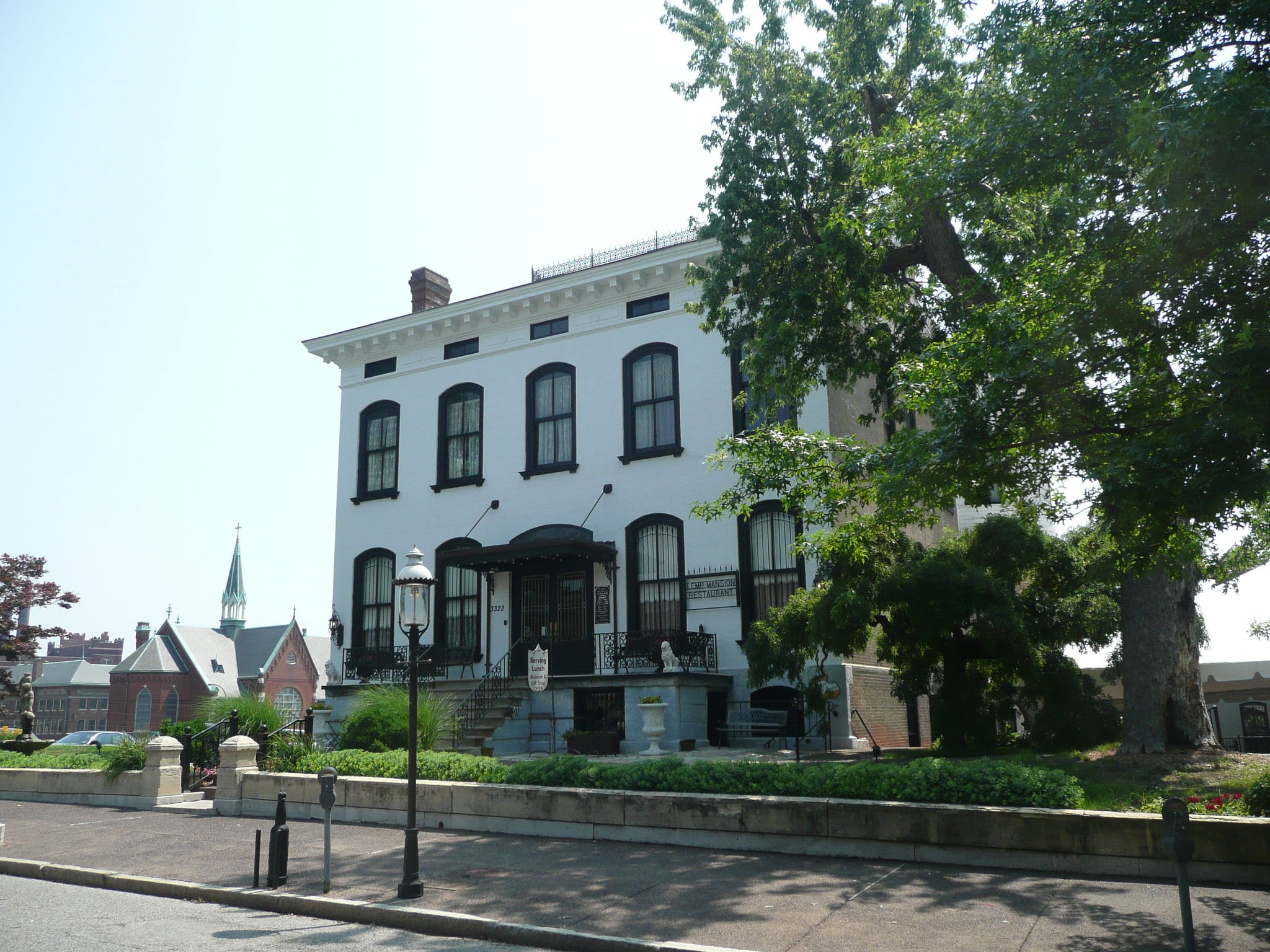
The Lemp Mansion in St. Louis was the home of the Lemp brewing dynasty, a family whose fortune was matched by a string of genuine tragedies, including several family members who died by suicide in or connected to the house. That real history of wealth and grief gave the mansion, now a restaurant and inn, its enduring haunted reputation.
Staff and guests have long reported the familiar repertoire—glasses moving, doors opening, footsteps, a sense of being watched—and the mansion enthusiastically hosts ghost tours and dinner events built around the lore.
As with the others, the documentation is anecdote rather than evidence. But the Lemp family’s authentic story of dynastic collapse and loss is poignant enough that the mansion would be worth visiting even if no one had ever called it haunted.
A Word For The Skeptic And The Believer Alike
Travel this list end to end and a pattern emerges that’s more revealing than any cold spot. Almost every “haunted” landmark here is a place where something genuinely terrible happened—a prison built on isolation, an asylum built on neglect, a battlefield soaked in blood, a family destroyed by grief.
The ghost stories aren’t really separate from that history. They’re how each generation keeps feeling it.
That’s worth holding onto whether or not you believe in spirits. No thermal camera has ever caught a confirmed ghost, and the rational explanations—drafts, old pipes, suggestion, the simple eeriness of a dark and unfamiliar room—account for the overwhelming majority of these tales.
But the stories endure because the human suffering behind them was real, and folklore is one of the ways people refuse to let that suffering be forgotten.
So visit these places. Take the midnight tour, feel the hair rise on your arms, enjoy the delicious unease of a candlelit corridor.
Just remember that the most haunting thing about each of them isn’t a rumored apparition—it’s the true history that made people want to tell ghost stories in the first place.
More from Go2Tutors!

- The Romanov Crown Jewels and Their Tragic Fate
- 13 Historical Mysteries That Science Still Can’t Solve
- Famous Hoaxes That Fooled the World for Years
- 15 Child Stars with Tragic Adult Lives
- 16 Famous Jewelry Pieces in History
Like Go2Tutors’s content? Follow us on MSN.