Ancient Foods That Still Exist
Your morning toast with honey. That olive oil you drizzled on your salad.
The yogurt is sitting in your fridge. These aren’t just everyday foods—they’re edible links to civilizations that rose and fell thousands of years ago.
People have been eating these same things for so long that the recipes predate written history itself.
Honey Never Dies
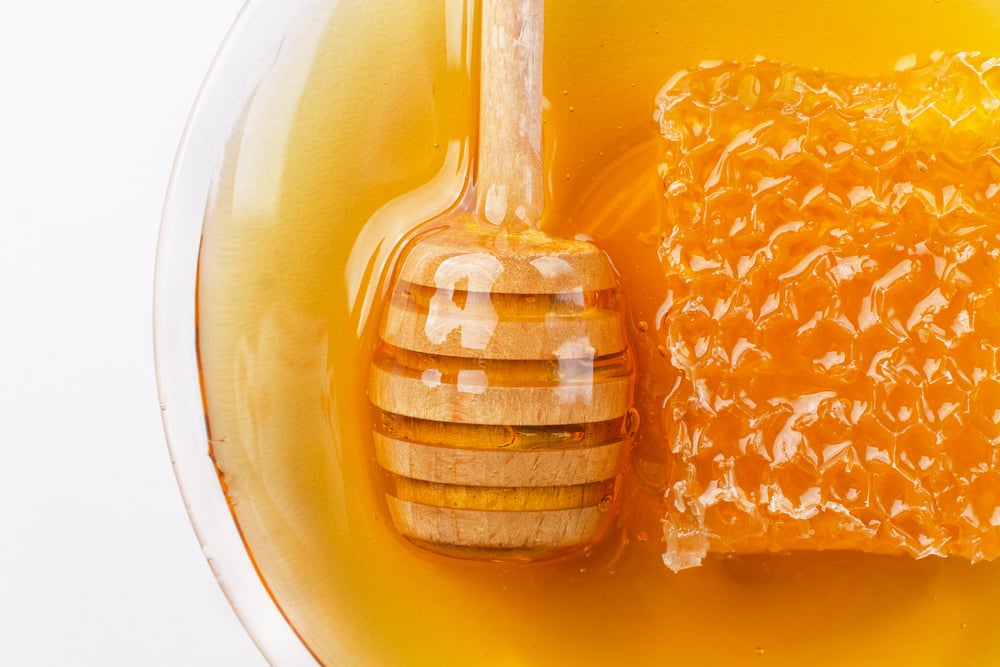
Archaeologists found pots of honey in ancient Egyptian tombs that were over 3,000 years old. And you know what? That honey was still perfectly edible.
Bees have been making honey the same way since long before humans figured out how to capture it, and the stuff just doesn’t go bad. Ancient Egyptians used it as food, medicine, and even in their embalming process.
Today you spread it on toast or stir it into tea, but you’re tasting something that hasn’t changed in millennia.
Olive Oil Fueled Empires

The Mediterranean built entire economies around olive oil. Ancient Greeks and Romans used it for everything—cooking, lighting lamps, religious ceremonies, and even as soap.
The olive trees growing today in some groves are descendants of trees that fed ancient civilizations. The pressing process has gotten more efficient, but the basic idea remains the same.
Crush the olives, separate the oil, use it for pretty much everything.
Bread Defines Civilization

When humans figured out how to grind grain, mix it with water, and bake it, everything changed. Bread transformed nomadic tribes into settled communities.
The ancient Egyptians perfected leavened bread around 3,000 BCE, and their bakeries would look surprisingly familiar to you. Sure, modern bread comes in more varieties than they could have imagined, but flatbreads and sourdough starters connect directly to those first bakers who figured out that wild yeast could make dough rise.
Beer Came Before Writing

Mesopotamians were brewing beer before they invented the wheel. Workers building the pyramids received beer as part of their daily rations.
Ancient Sumerians even had a goddess of beer—Ninkasi—and they wrote hymns that doubled as brewing recipes. The beer they drank was thicker and less filtered than what you’d get at a bar today, more like liquid bread, but the fermentation process that turns grain and water into alcohol hasn’t changed.
People have been getting together over beer for at least 7,000 years.
Cheese Survives Anything
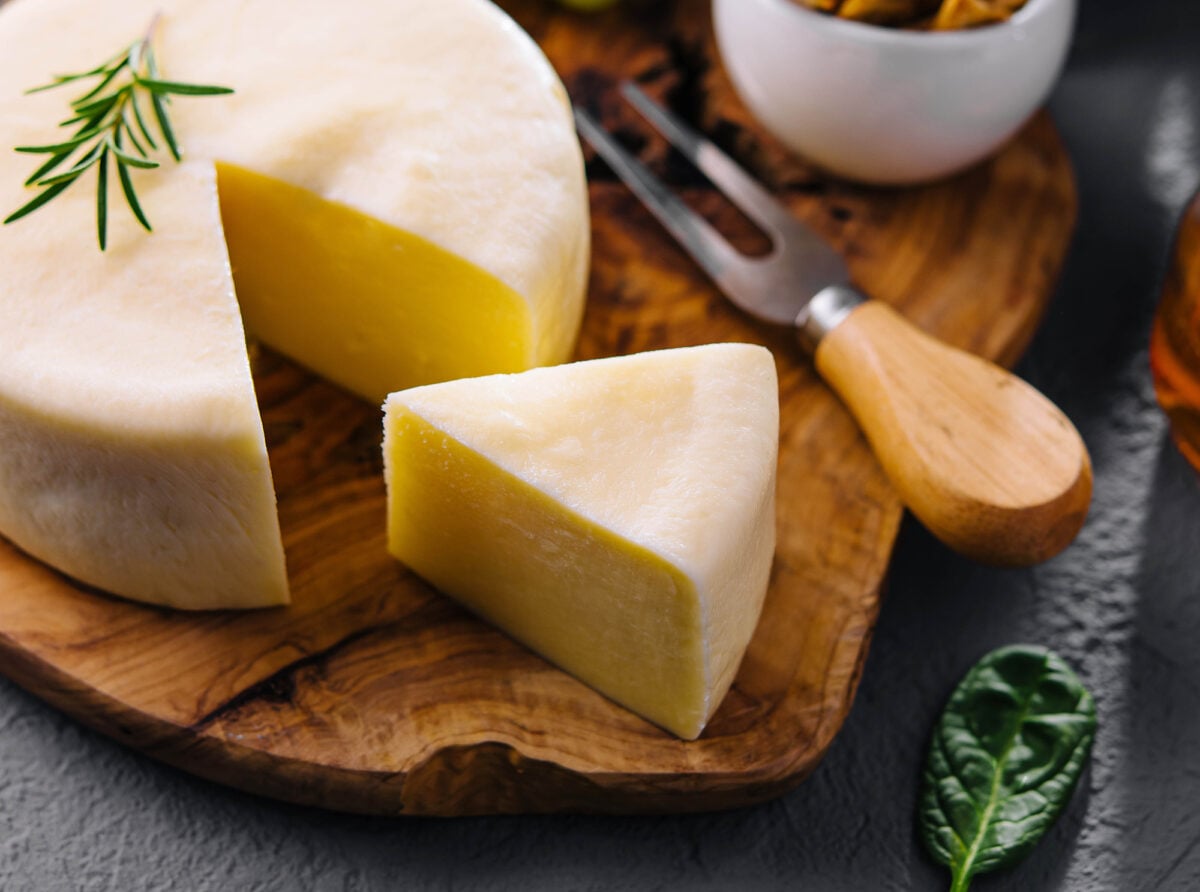
Someone probably discovered cheese by accident when milk got stored in an animal stomach and the natural enzymes curdled it. But once people figured out how to make it on purpose, cheese became a way to preserve milk for months or even years.
Ancient Sumerians recorded cheese-making on tablets from 3,000 BCE. Romans developed aged cheeses that could feed their armies on long campaigns.
Different regions created their own varieties, but the basic process—curdling milk, draining the whey, aging the curds—remains unchanged. Your cheese board has ancestors that date back to the Bronze Age.
Fermented Soybeans Conquered Asia
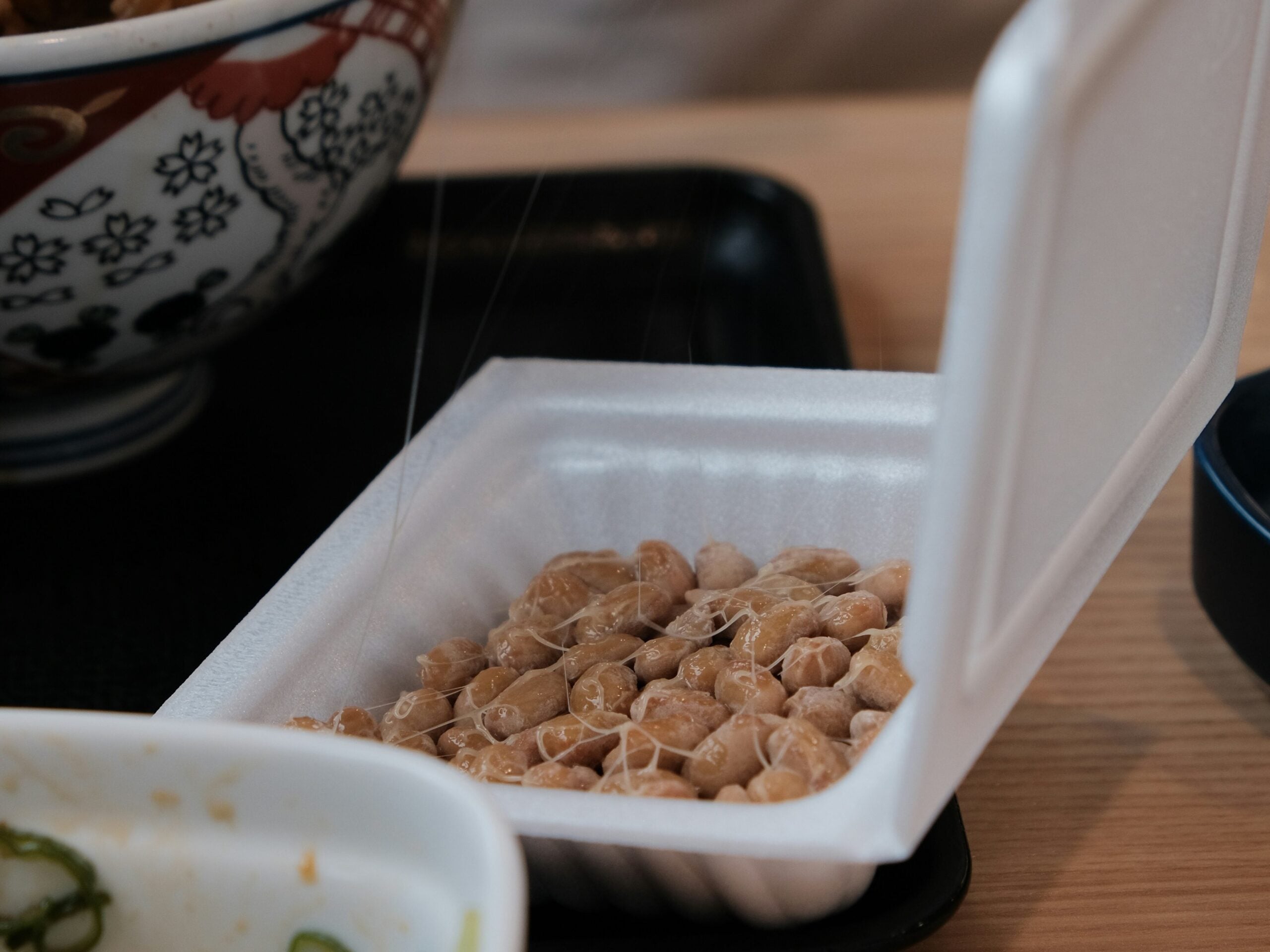
Natto in Japan, tempeh in Indonesia, doenjang in Korea. Fermented soybean products have sustained Asian civilizations for thousands of years.
People figured out that letting soybeans ferment with specific bacteria or fungi made them easier to digest and packed with nutrients. The recipes spread across trade routes, and each culture adapted them.
You can still find these foods made the traditional way, in small batches, using methods passed down through generations. Some versions smell so strong they clear a room.
But that intense flavor comes from the same fermentation that ancient cooks discovered when they needed to preserve soybeans through winter.
Lentils Fed Ancient Armies
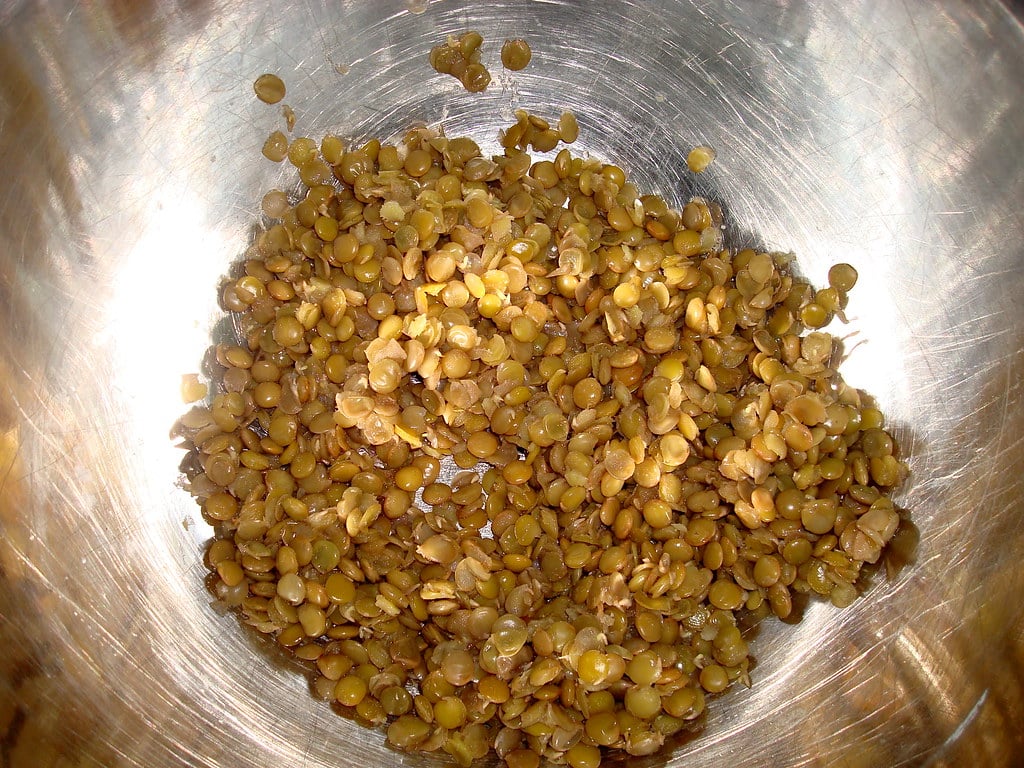
Lentils show up in archaeological sites dating back 13,000 years. They’re one of the first crops humans ever cultivated.
Ancient Egyptians left lentils in tombs to feed the dead in the afterlife. Roman soldiers carried them on campaigns because they didn’t spoil and provided solid nutrition.
Every culture that encountered lentils found ways to cook them—soups, stews, mixed with grains, ground into flour. You can buy lentils today that are genetically similar to the ones people grew in ancient Mesopotamia.
The humble lentil outlasted empires.
Kimchi Preserves More Than Vegetables
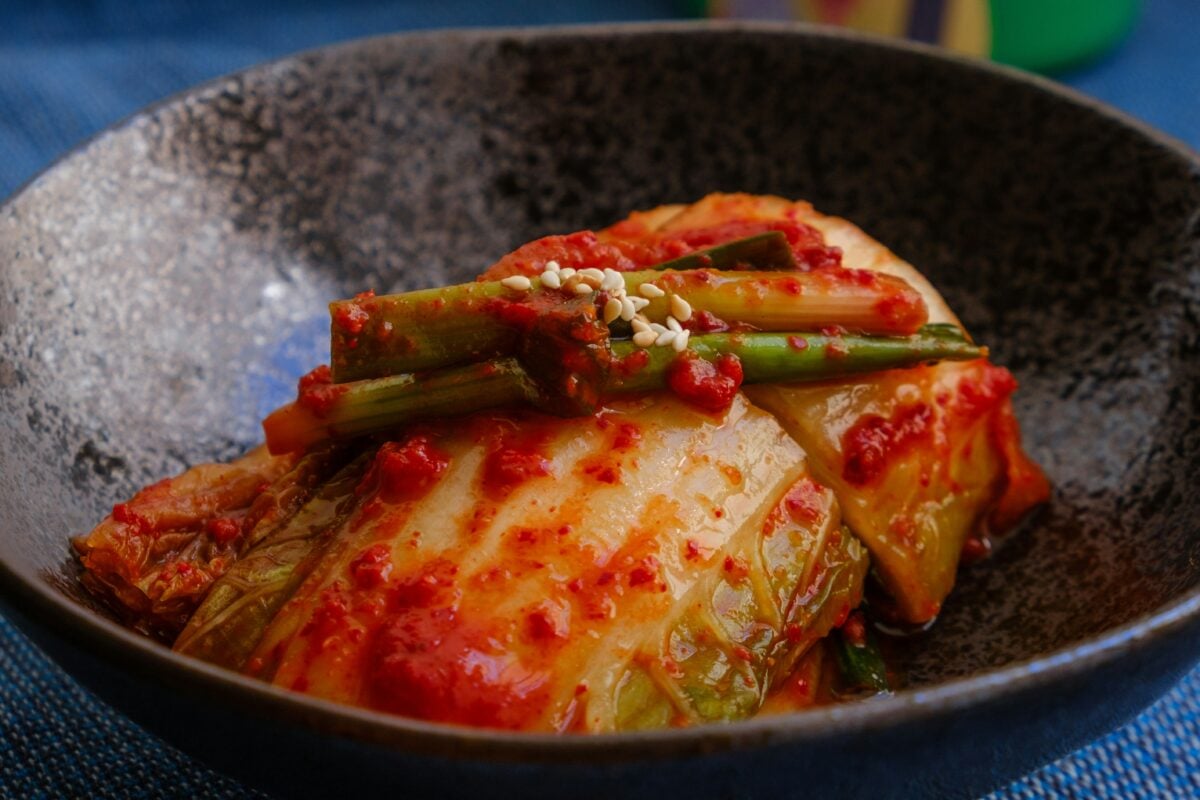
Korean families have been fermenting vegetables for over 2,000 years. Before refrigeration, kimchi meant survival through harsh winters.
Every family had their own recipe, passed down and adjusted over generations. The basic process—salting vegetables, mixing them with spices, letting them ferment—creates those complex, sour flavors that define Korean cuisine.
Modern kimchi might come in different varieties than ancient versions, but that tang you taste comes from the same lactic acid fermentation people relied on when fresh vegetables disappeared for months.
Dried Fish Traveled the World
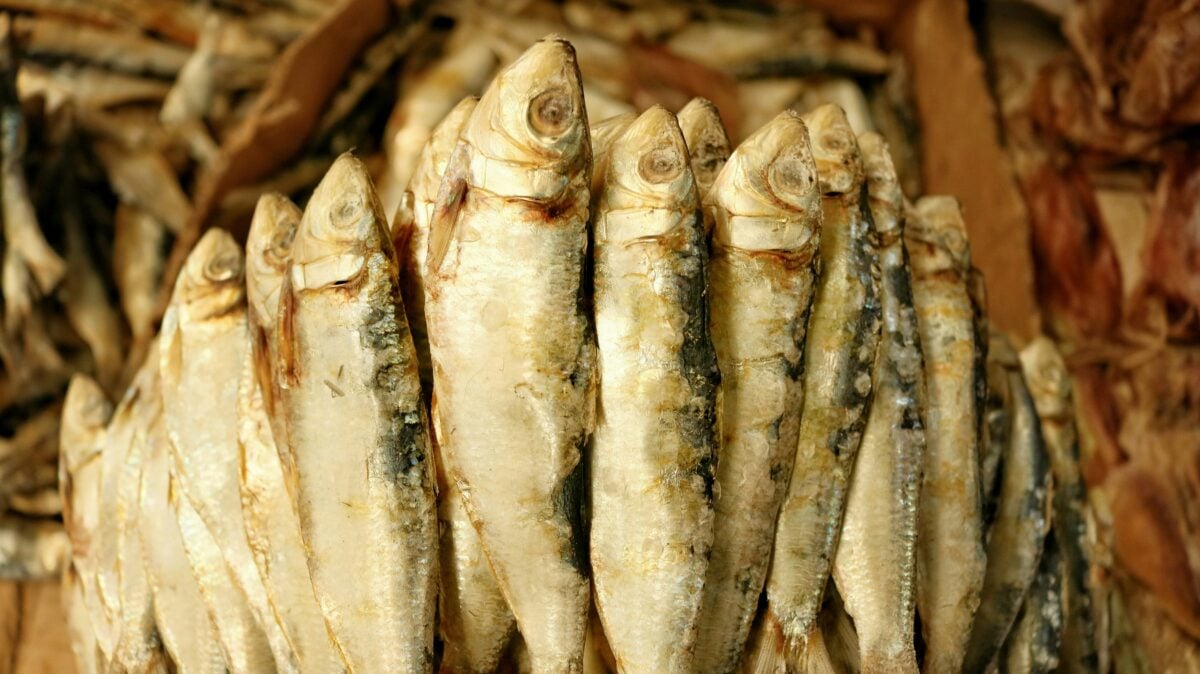
Coastal communities figured out early that sun and salt could preserve fish almost indefinitely. Vikings carried dried cod across the Atlantic.
Japanese perfected techniques for drying fish that created entirely new flavors and textures. Ancient Mediterranean cultures built trade networks around preserved fish.
The method is brutally simple—remove moisture, add salt, wait. But it works so well that people still dry fish the traditional way in places that have had electricity for decades.
Vinegar Does Everything

Ancient Babylonians were making vinegar from dates around 5,000 BCE. Romans drank it diluted with water.
Medieval Europeans used it to preserve food and clean wounds. The Cleopatra legend says she dissolved a pearl in vinegar to win a bet about throwing the most expensive dinner party ever.
Vinegar happens when alcohol ferments a second time, and bacteria convert it to acetic acid. You can make it from almost anything—wine, beer, rice, apples, even coconut water.
Every culture that fermented alcohol eventually discovered vinegar, and they all found dozens of uses for it.
Yogurt Crossed Continents

Central Asian nomads were making yogurt at least 6,000 years ago. The bacteria that turns milk into yogurt thrives in warm temperatures, and some strains have been passed down for centuries, from batch to batch.
Turkish, Greek, Indian, Persian—they all have yogurt traditions that predate recorded history. Genghis Khan’s armies carried it. Ancient Indian texts describe it.
The stuff in your refrigerator descends directly from those first fermented milk products that someone in Central Asia stumbled upon.
Garum Flavored Rome
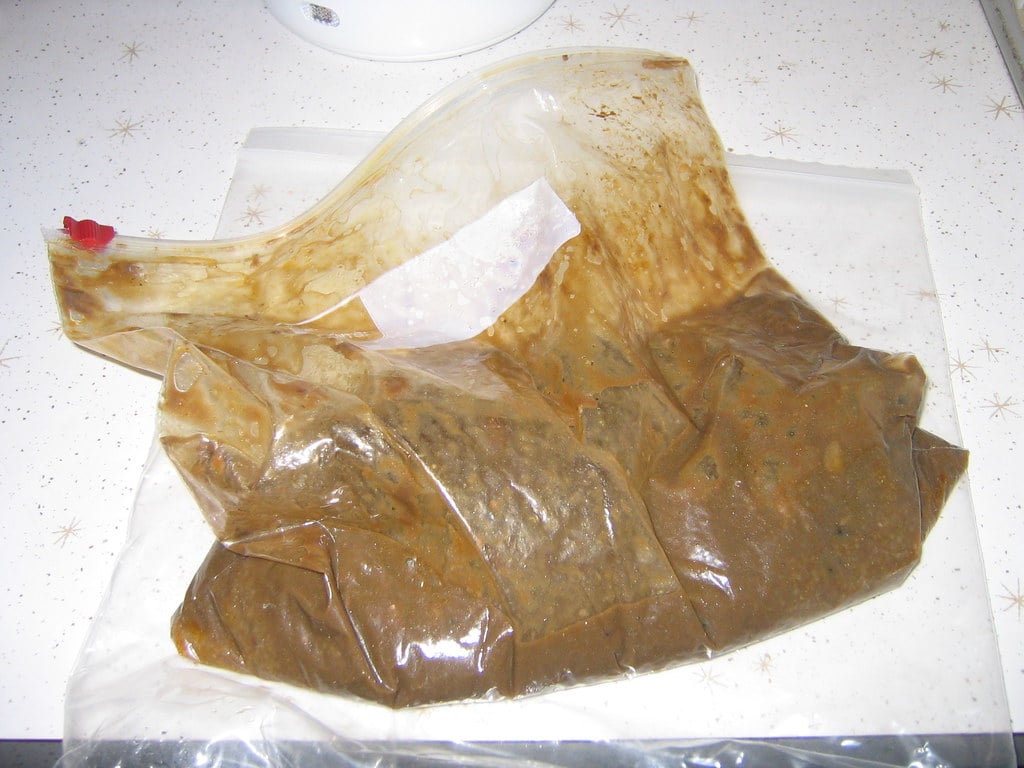
Romans were obsessed with garum—a fermented fish sauce that they put on everything. Making it involved layering fish and salt and letting it rot in the sun for months.
The liquid that drained off became the most prized condiment in the ancient world. Production facilities in Spain and North Africa supplied the entire empire.
Fish sauce never disappeared in Southeast Asia, where it evolved into nuoc mam and nam pla. That same fermentation process, that same intense umami flavor, connects your pad thai to ancient Roman feasts.
Cured Meats Defied Seasons

Before refrigeration, curing was the only way to keep meat edible for months. Salt draws out moisture and creates an environment where most bacteria can’t survive.
Ancient Romans made prosciutto. Chinese cooks developed lap cheong. Spanish producers perfected jamón.
The techniques vary, but the principle stays the same—salt, time, and sometimes smoke transform fresh meat into something that can hang in a cellar for years and taste better for it. Traditional cured meats still follow recipes that haven’t changed in centuries because nobody’s found a better way to do it.
Pickled Everything Survived Winter

Humans learned that dunking veggies in salty water or vinegar kept them good during barren months. Back then, folks in Mesopotamia started preserving cukes this way.
The Romans? They tossed nearly anything into brine they could find.
Koreans, Japanese, Germans, Russians – each chilly region built its own methods just because they had to. The veggies shift.
Spices differ. Yet that tangy bite from a pickle? It traces back to when someone figured out how sourness and time could save summer’s yield.
What Gets Passed Down
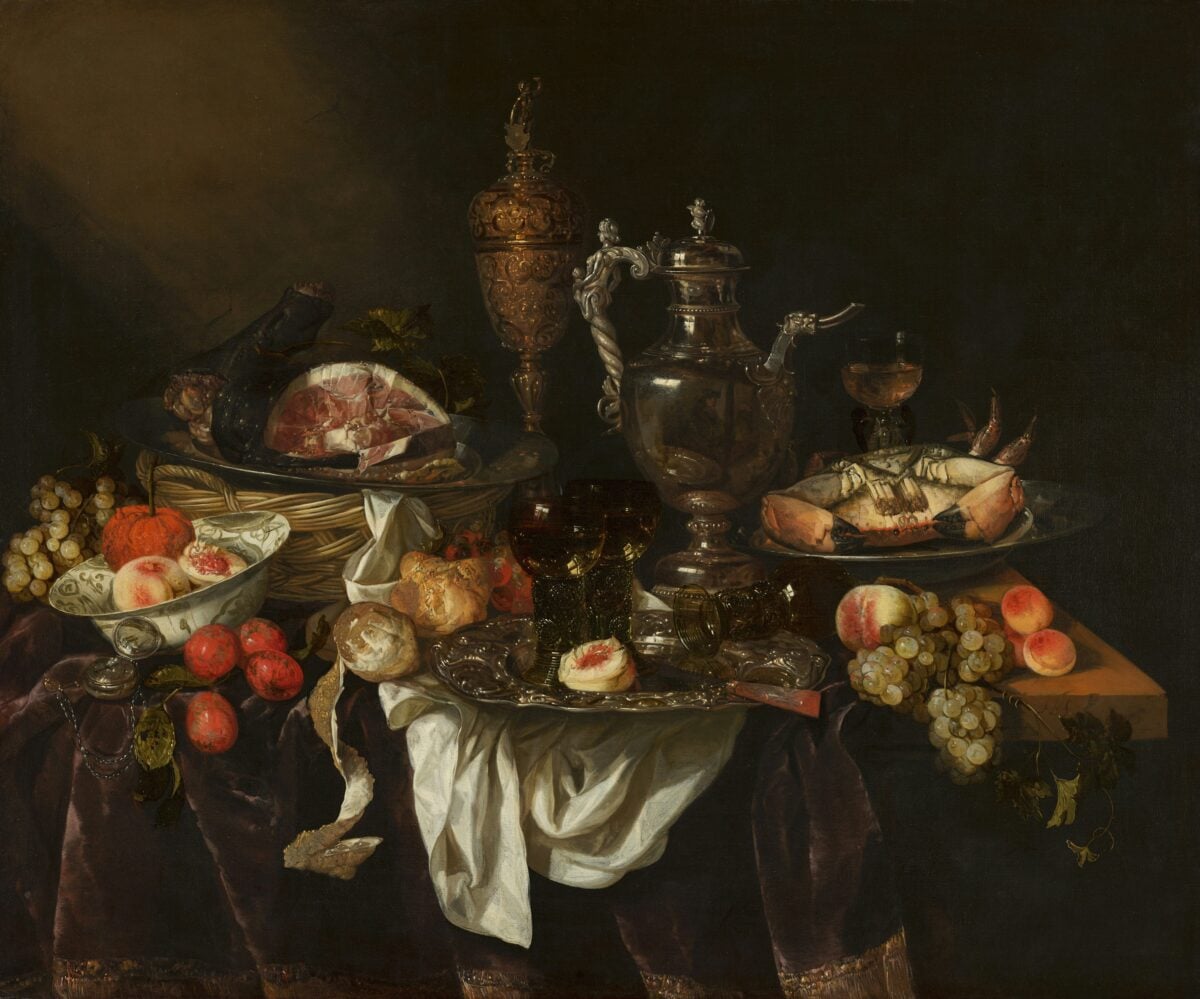
These foods lasted since they did the job. When hunger hit, they fed folks; during wars, troops relied on them; at sea, sailors depended on their strength.
Over time, tweaks came around – yet the basics never changed, simply because there was no need to mess with success. Each time you enjoy honey, bread, or cheese, you’re part of a much larger story.
Not mere dishes – these foods show how certain answers work so well they last millennia, untouched by change, still nourishing folks who’ve lost sight of how amazing it truly is that we even know how to create them.
More from Go2Tutors!

- The Romanov Crown Jewels and Their Tragic Fate
- 13 Historical Mysteries That Science Still Can’t Solve
- Famous Hoaxes That Fooled the World for Years
- 15 Child Stars with Tragic Adult Lives
- 16 Famous Jewelry Pieces in History
Like Go2Tutors’s content? Follow us on MSN.