19 Extinct Predators We Are Glad Are Gone
Out in the wild, life often means chasing down another creature just to survive. Over countless ages, Earth gave rise to hunters so fierce, their absence now seems almost fortunate.
Not merely big beasts with cutting edges – these were top-tier killers shaped slowly by time itself. Evolution carved them with precision, each trait honed for one purpose only.
Picture this: ancient hunters we’d rather not meet again, even if science says they could return. Some creatures vanished for good reasons – best left buried in time’s dust.
Just because labs can revive old DNA doesn’t mean they should wake these beasts. These were killers shaped by eras long gone, built for worlds nothing like ours.
The idea sounds thrilling until you imagine one loose near a coastline or forest edge. Sharp teeth aren’t charming when attached to something ten feet long and always hungry.
Megalodon

Picture an ocean predator so huge it makes modern great whites seem tiny. At up to 60 feet, this beast stretched longer than a school bus.
Its teeth? As big as people’s hands, built for smashing through whale skeletons like crackers. For almost twenty million years, nothing swam higher on the food chain.
Then around 3.6 million years back, it simply disappeared. Researchers calculate its jaw power exceeded forty thousand psi – tenfold that of today’s apex shark – and capable of crushing metal frames.
That kind of strength doesn’t just scare, it obliterates.
Smilodon

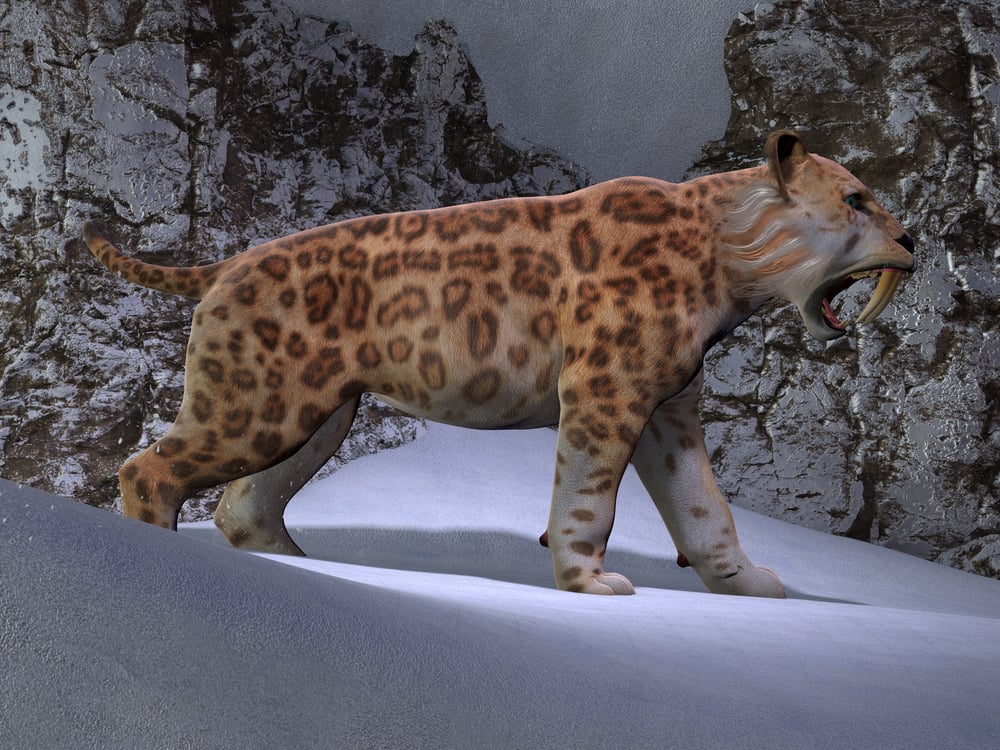
Not quite a real tiger, the saber-toothed cat often gets mislabeled by animated shows. With fangs nearly half a foot long, Smilodon’s grin looked fierce – mouth shut or not.
That constant scowl likely froze any creature dead in its tracks. Roaming both Americas, these predators moved together until around ten millennia back.
Bison and baby mammoths fell under their coordinated attacks. Instead of tearing randomly, they aimed deep slashes at soft spots like throats or stomachs.
Titanoboa

Floating out of the dinosaur era came a new kind of hunger. Stretching longer than four car lengths, Titanoboa claimed the title of biggest snake without trying.
Back when humid jungles blanketed ancient Colombia, some sixty million years gone, it ruled murky waters like a living log with teeth. Whole crocs vanished down its throat, crushed in coils strong enough to snap breath from bone.
Just lifting its skull took effort – so it drifted low, belly on mud, waiting near waterholes where thirst brought victims close.
Terror Birds

One kind of bird in ancient South America could not fly but reached heights of ten feet, chasing animals fast – over thirty miles each hour. With a curved beak built like a weapon, it seized smaller land-dwellers, then slammed them onto stone again and again.
For more than six dozen million years, these hunters ruled without rivals on their terrain. Only after the two continents joined did stronger enemies cross over, pushing them toward disappearance around two and a half million years back.
The strength in their legs let kicks strike hard enough to break through bone.
Sarcosuchus

Back then, a giant reptile roamed African waterways while dinosaurs walked nearby. That predator, called Sarcosuchus, stretched forty feet and tipped scales at eight tons – dwarfing any crocodile alive now.
During the Cretaceous, it hid beneath river surfaces, staying still until prey leaned in for a sip. Its head took up an entire yard of length, built strong enough to crush bone with one bite.
Pressure from its closing jaw created force far beyond what modern species can manage. Because regular terms failed to capture its scale, researchers quietly started calling it ‘SuperCroc’. Only later did the name stick.
Andrewsarchus

The largest meat-eating land mammal ever discovered had a skull three feet long and teeth designed for crushing bones to extract marrow. Andrewsarchus roamed Mongolia about 45 million years ago, probably scavenging and hunting whatever crossed its path.
Scientists only have skull fossils to work with, but based on those measurements, the full animal likely weighed over 1,000 pounds and stood six feet tall at the shoulder. Its teeth suggest it ate everything from shellfish to large mammals, adapting its diet to whatever was available.
Dunkleosteus

This armored fish from 360 million years ago had no teeth but didn’t need them. Instead, Dunkleosteus possessed sharp bony plates in its mouth that worked like massive scissors, capable of biting through anything in the ancient oceans.
The creature measured 30 feet long and could open its mouth in one-fiftieth of a second, creating suction that pulled prey straight into those deadly jaws. Its bite force may have reached 11,000 pounds per square inch, making it one of the most powerful biters in history.
Quetzalcoatlus

The largest flying creature ever discovered had a wingspan of 40 feet and stood as tall as a giraffe when on the ground. Quetzalcoatlus wasn’t technically a dinosaur but a pterosaur, and it hunted small dinosaurs and other prey by swooping down from the sky like a nightmare with wings.
The creature lived during the late Cretaceous period in what’s now Texas, using its long neck and sharp beak to snatch up victims. Despite its size, the animal weighed only about 500 pounds because its bones were hollow, allowing it to actually get airborne.
Basilosaurus
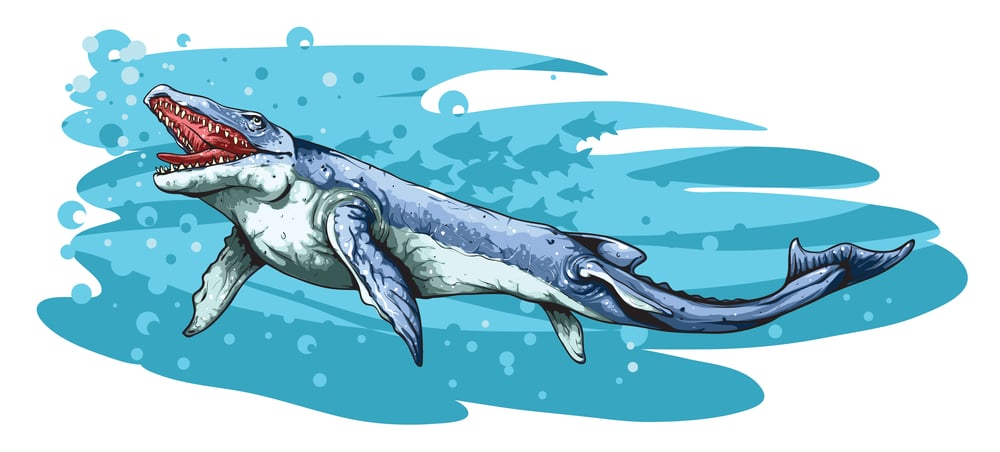
This early whale looked more like a sea serpent than anything alive today, stretching up to 60 feet long with a body designed for twisting and turning through ancient oceans. Basilosaurus lived about 40 million years ago and hunted everything from fish to smaller whales, using rows of triangular teeth to tear prey apart.
The creature still had tiny, useless hind legs leftover from when whales walked on land, though they served no purpose beyond being evolutionary leftovers. Its vertebrae were so large that early discoverers thought they’d found a sea serpent, which is how it got a name meaning ‘king lizard’ despite being a mammal.
Epicyon

The largest dog that ever lived weighed over 300 pounds and had jaws powerful enough to crack through bones like carrots. Epicyon roamed North America about 20 million years ago, hunting in packs and taking down prey much larger than themselves.
These ancient canines had teeth that combined the cutting ability of modern dogs with the bone-crushing strength of hyenas, making them versatile predators that could eat almost anything. Their bite force exceeded that of modern lions, and they likely dominated their ecosystems until climate changes reduced their prey base.
Helicoprion
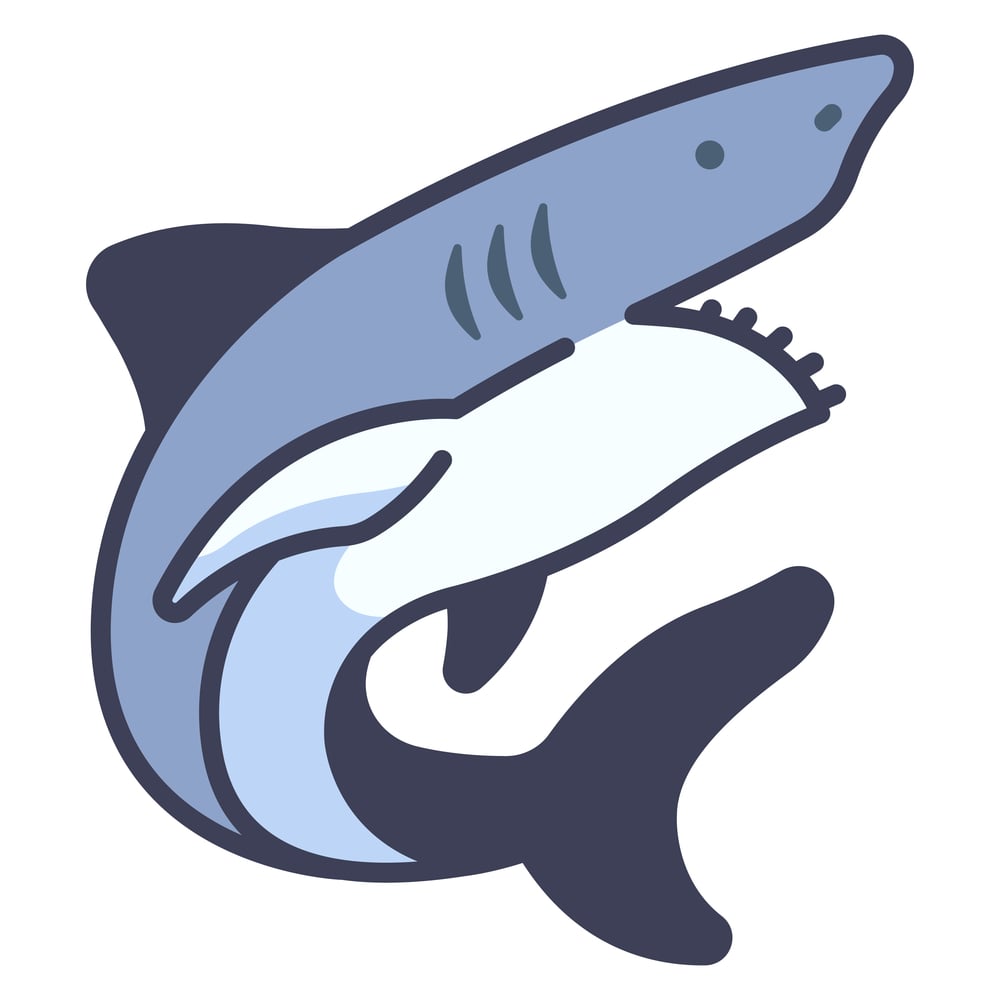
This bizarre shark had a spiral of teeth that looked like a circular saw attached to its lower jaw. Helicoprion lived between 290 and 250 million years ago, and scientists spent decades trying to figure out where those teeth even went on the animal’s body.
The tooth spiral could contain over 100 teeth, with new ones constantly growing and pushing older teeth into the center of the whorl. The creature likely used this strange weapon to slice through soft-bodied prey like squid, though the exact hunting method remains mysterious.
Deinosuchus

North America once had crocodiles that grew up to 35 feet long and weighed eight tons, living alongside dinosaurs during the Cretaceous period. Deinosuchus had teeth six inches long and a bite powerful enough to crush turtle shells that were two feet thick.
These enormous reptiles lurked in rivers and coastlines, dragging dinosaurs into the water using the same death roll technique modern crocodiles employ. Bite marks on dinosaur fossils show that even large theropods fell victim to these armored ambush predators.
Hyaenodon

Despite its name suggesting a connection to hyenas, this mammal was part of a completely different evolutionary branch that’s now extinct. Hyaenodon species ranged from dog-sized to animals weighing over 500 pounds, and they dominated as carnivores for over 25 million years across several continents.
The larger species had skulls over a foot long with teeth designed specifically for slicing through hide and muscle. These predators went extinct about 15 million years ago when more efficient carnivores appeared and outcompeted them.
Anomalocaris
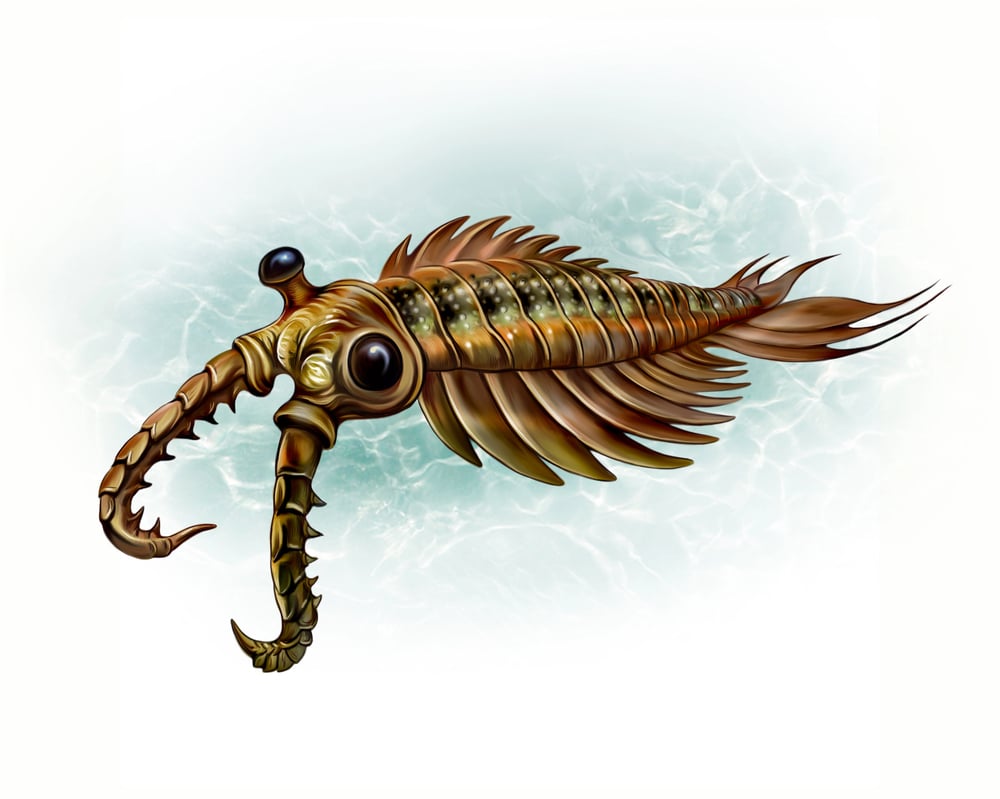
The first apex predator in Earth’s oceans looked like something from a science fiction movie, with compound eyes, grasping appendages, and a circular mouth filled with plates for crushing prey. Anomalocaris lived over 500 million years ago during the Cambrian period when complex life was just getting started.
The creature could grow three feet long, which made it enormous compared to most other animals of that era. Its weird appearance makes sense considering this predator evolved before nature settled on the basic body plans we see today.
Thylacosmilus

South America developed its own version of the saber-toothed cat despite being completely isolated from where real saber-toothed cats evolved. Thylacosmilus was actually a marsupial more closely related to kangaroos than cats, yet it independently evolved massive stabbing canines for taking down large prey.
The creature’s teeth never stopped growing throughout its life, unlike Smilodon whose teeth reached a certain length and stopped. This predator went extinct about 2.5 million years ago when real cats finally reached South America and proved to be better hunters.
Liopleurodon
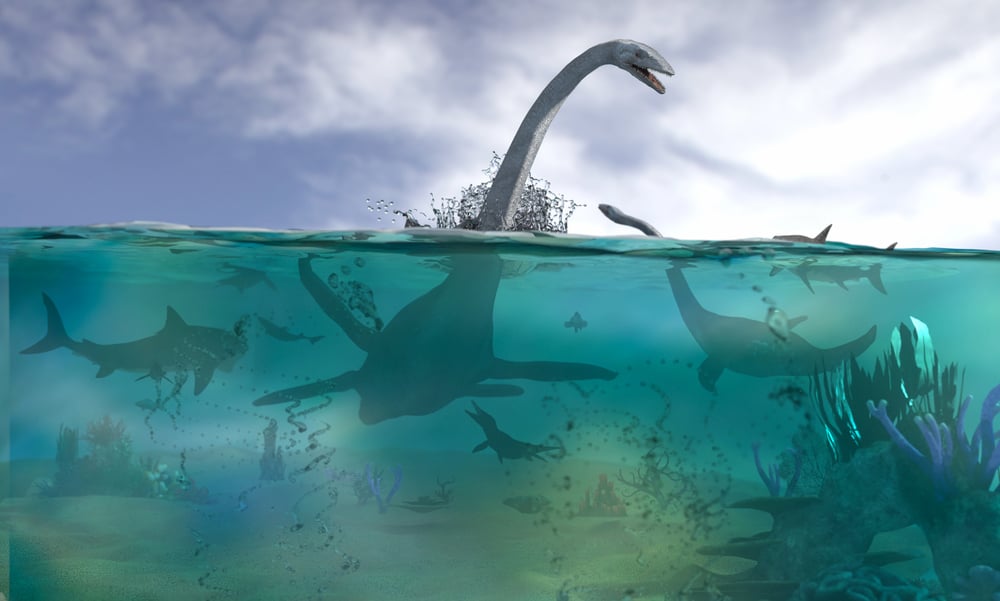
This marine reptile terrorized Jurassic seas with a body over 20 feet long and flippers designed for incredible bursts of speed. Liopleurodon had teeth longer than steak knives and a bite force that could snap smaller marine reptiles in half with one chomp.
The creature’s sense of smell was so developed it could detect blood and prey from miles away through the water. Unlike modern predators that chase down victims, this reptile likely ambushed prey from below, using powerful flippers to rocket upward for the attack.
Daeodon
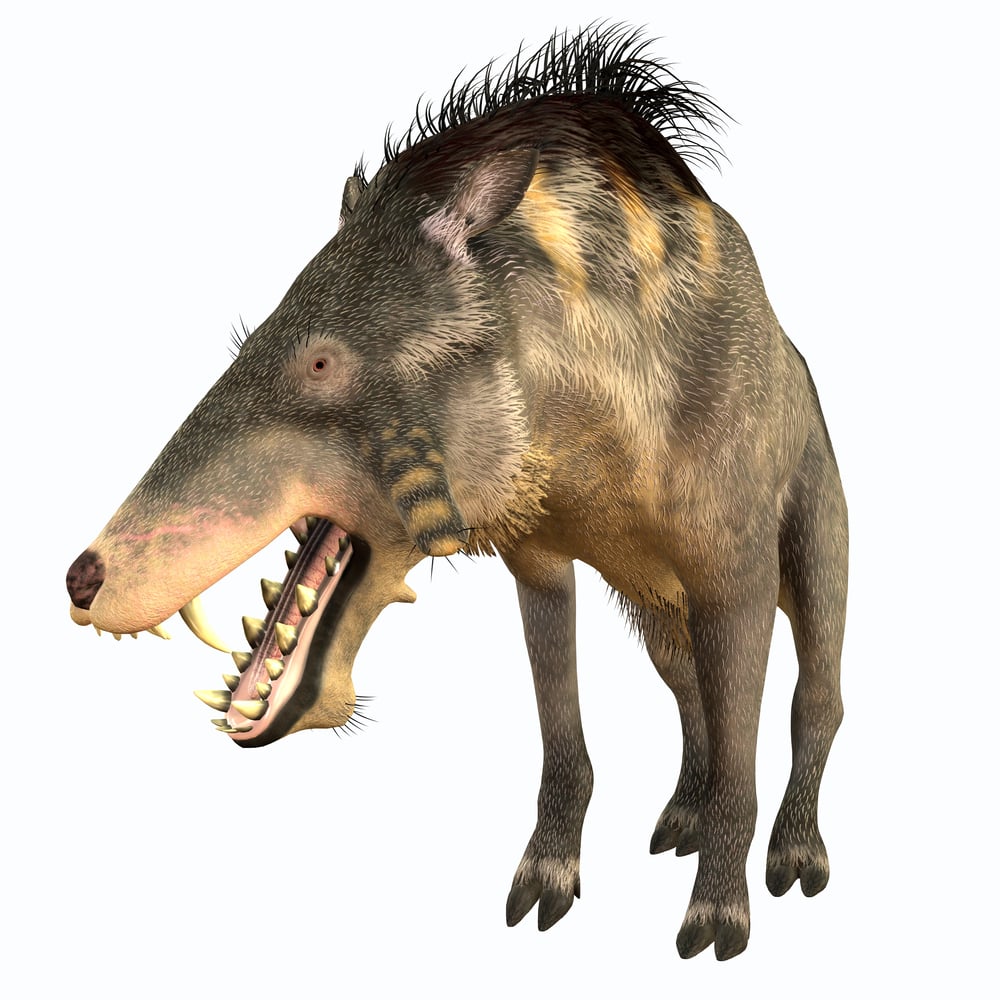
Nicknamed the ‘terminator pig,’ this omnivorous mammal stood seven feet tall and had a skull three feet long filled with teeth designed for crushing and tearing. Daeodon lived in North America about 23 million years ago, using its size and aggressive nature to dominate its environment.
The creature probably ate everything from roots and plants to carrion and live prey, adapting its diet based on what was available. Its massive jaw muscles gave it a bite powerful enough to crack open bones, and its brain was surprisingly large for an animal of that era.
Livyatan

This ancient sperm whale had teeth over a foot long and hunted baleen whales for food in the same oceans where Megalodon ruled. Livyatan lived about 12 million years ago and measured up to 60 feet long, making it one of the largest predators ever to swim.
The creature’s teeth were designed for gripping and tearing rather than swallowing prey whole like modern sperm whales do with squid. Bite marks on whale fossils from this period show that both Livyatan and Megalodon competed for the same prey, probably coming into conflict regularly.
Gigantopithecus
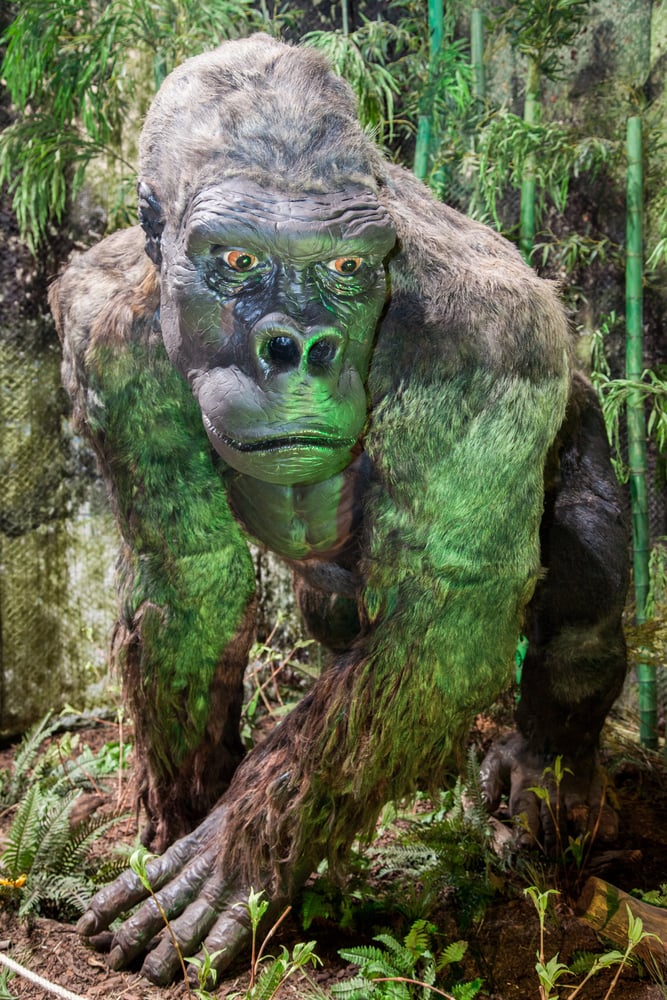
The largest ape that ever lived stood ten feet tall and weighed up to 1,200 pounds, though evidence suggests it ate mostly plants rather than meat. Still, those massive arms and powerful jaws could have made it a dangerous predator if it wanted to be.
Gigantopithecus lived in Asian forests until about 100,000 years ago, possibly overlapping with early humans. The creature’s size and strength mean it could have easily defended itself against real predators and likely intimidated everything else in its territory.
Where the Monsters Went
Evolution spent millions of years perfecting these hunting machines, then wiped them all out through climate changes, competition, and shifting food sources. Today’s predators seem almost tame by comparison, fitting into ecosystems that have learned to balance danger with survival.
The disappearance of these mega-predators opened up ecological opportunities for smaller, more adaptable animals to thrive, including the early ancestors of humans who might not have survived if these creatures still roamed the Earth. Nature still produces impressive hunters, but the age of true monster predators ended long before humans started recording history.
More from Go2Tutors!

- The Romanov Crown Jewels and Their Tragic Fate
- 13 Historical Mysteries That Science Still Can’t Solve
- Famous Hoaxes That Fooled the World for Years
- 15 Child Stars with Tragic Adult Lives
- 16 Famous Jewelry Pieces in History
Like Go2Tutors’s content? Follow us on MSN.