15 MTV Shows That Shaped 90s Culture
In ways that are nearly unthinkable in the present, MTV dominated the 1990s. It had evolved into a generation’s cultural command center and was no longer merely a music channel.
MTV programming became the common language among teenagers in America and abroad between the grunge revolution and the start of the internet era. These shows, which ranged from animated troublemakers to reality TV pioneers, not only reflected but also actively shaped 90s culture.
These are 15 MTV shows that shaped the decade and still have an impact on entertainment today.
Beavis and Butt-Head
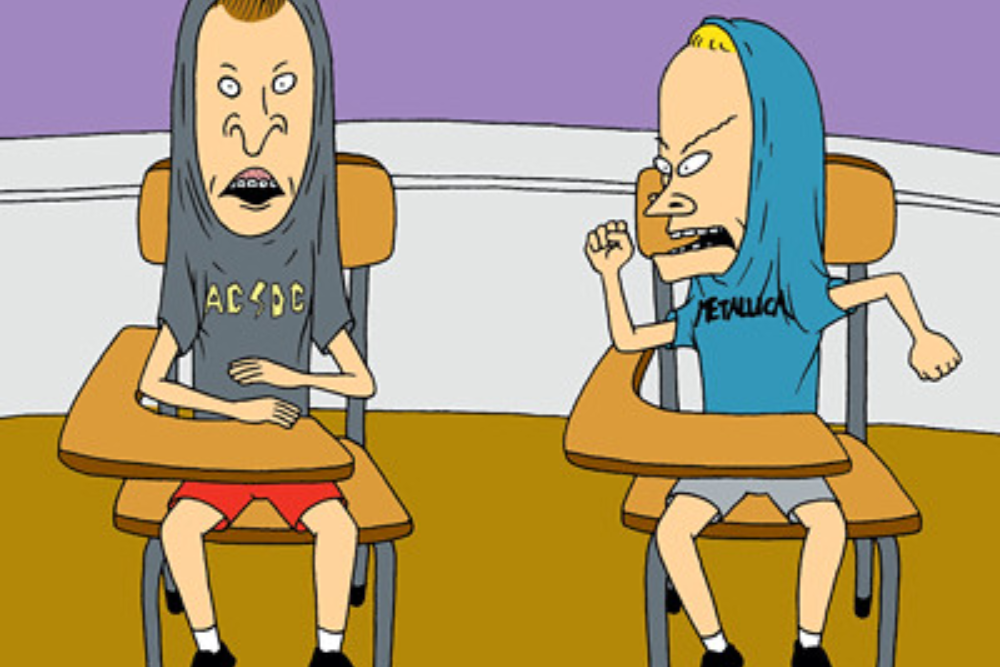
Mike Judge’s animated duo became the unofficial spokesmen for slacker culture, spending their days critiquing music videos from their couch. The show perfectly captured that apathetic attitude defining much of 90s youth culture—though their crude commentary and obsession with all things ‘cool’ made them both beloved and controversial.
They spawned merchandise, a feature film, and countless imitators who never quite matched their irreverent charm.
The Real World
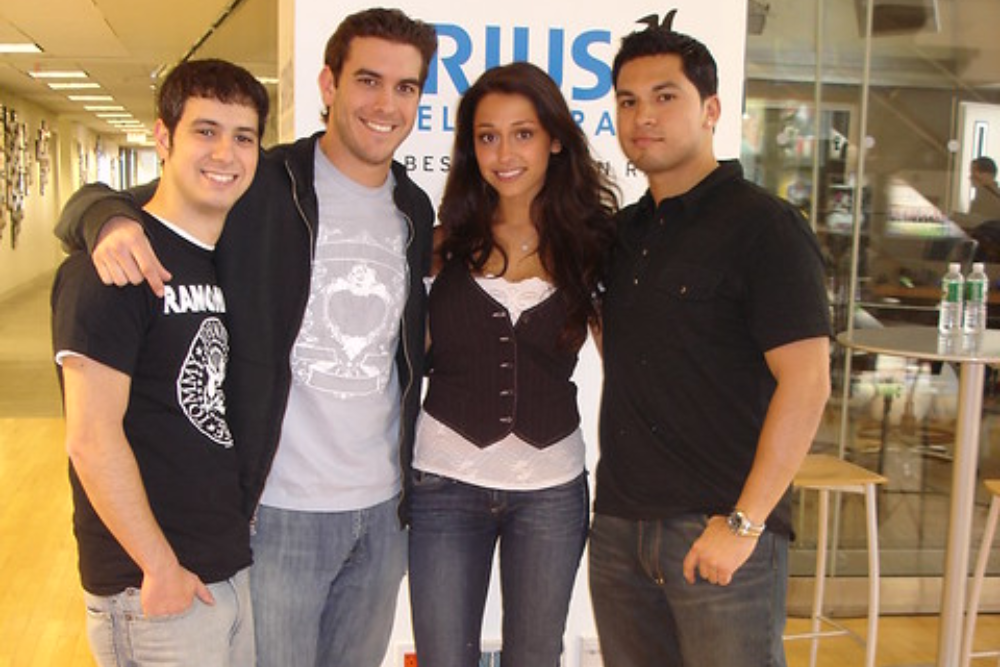
Long before anyone had heard of reality TV, MTV dropped seven strangers into a house and filmed what happened next. The show broke new ground tackling issues like AIDS, racism, and LGBTQ+ rights when mainstream television wouldn’t dare touch these topics.
Each season became appointment viewing, while phrases like ‘I’m not here to make friends’ entered the cultural lexicon through this groundbreaking series.
Unplugged
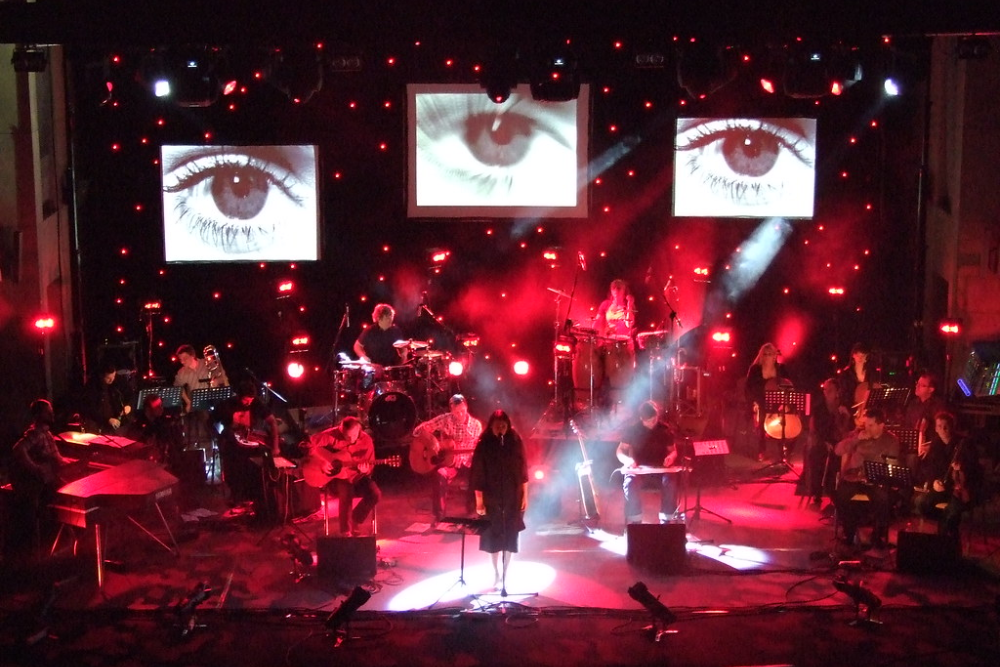
This acoustic series transformed how artists connected with their audiences—stripping away the production to get back to pure musicianship. Nirvana’s legendary 1993 performance became the gold standard, yet artists like Eric Clapton and Tony Bennett found new audiences through intimate renditions of their hits.
The show proved great songs could transcend their original arrangements and reach people in completely different ways.
Remote Control
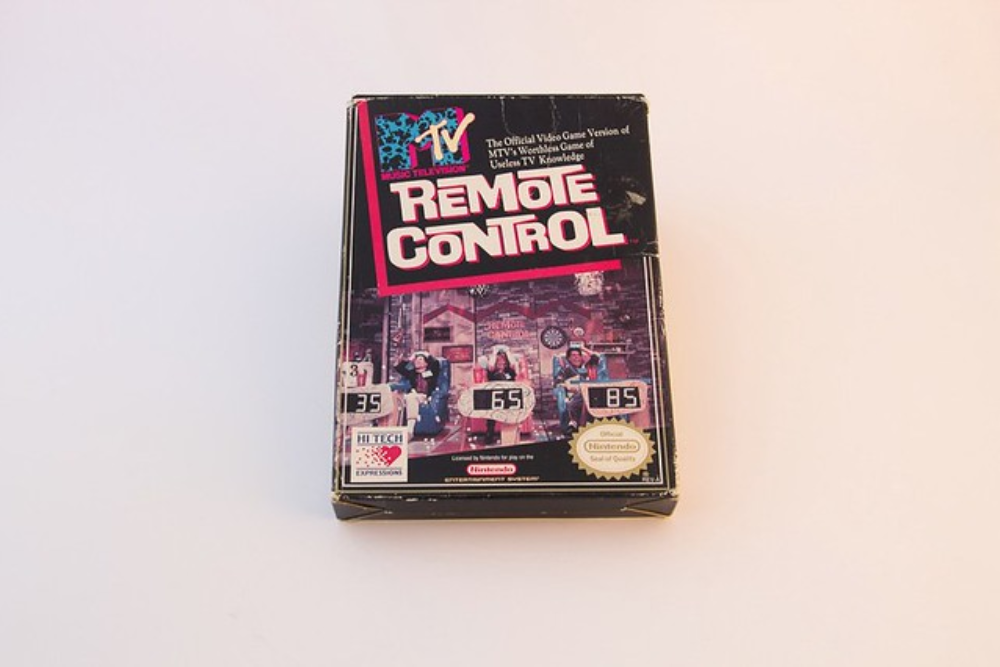
Before game shows became reality TV, this irreverent quiz show turned pop culture knowledge into comedy gold. Contestants sat in recliners answering questions about TV, movies, and music while host Ken Ober delivered rapid-fire jokes—though the real magic happened in the show’s willingness to mock everything.
It launched careers for comedians like Adam Sandler and Denis Leary, proving MTV could make entertainment out of entertainment itself.
Yo! MTV Raps
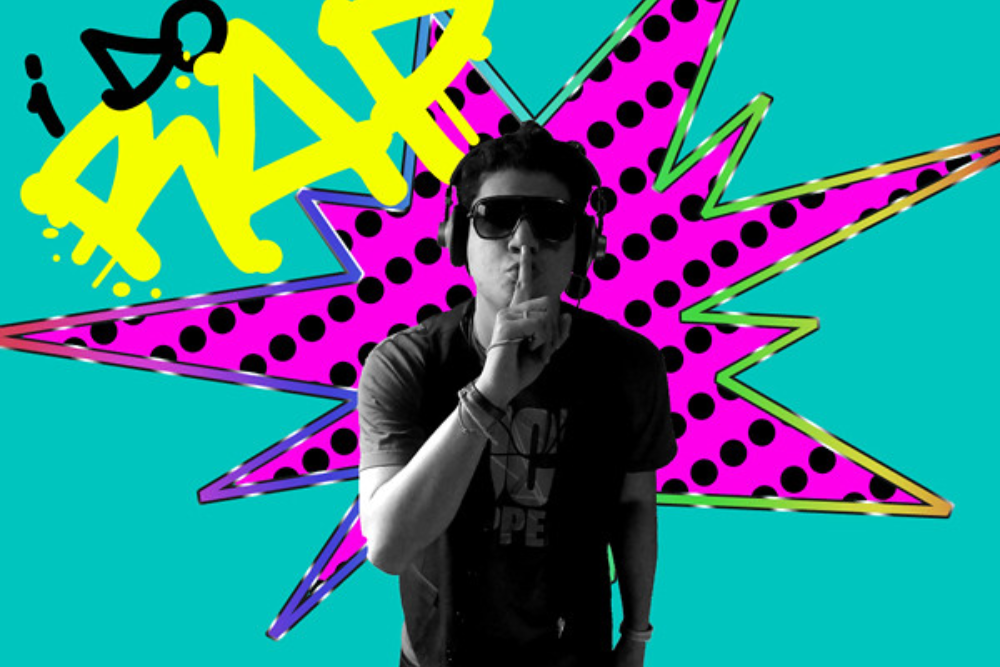
Hip-hop found its television home with this groundbreaking series that brought rap culture into American living rooms. Hosts Fab 5 Freddy, Ed Lover, and Doctor Dré didn’t just play videos. Instead, they interviewed artists, showcased breakdancing, and educated viewers about hip-hop culture in ways that felt authentic rather than exploitative.
The show played a crucial role in hip-hop’s evolution from underground movement to mainstream phenomenon.
120 Minutes
While mainstream MTV played the hits, this late-night show served as the lifeline for alternative music fans seeking something deeper. Host Matt Pinfield became the encyclopedia of indie rock—introducing viewers to bands like Radiohead, Sonic Youth, and The Cure with genuine enthusiasm.
The show created a community for music lovers who wanted more than what radio offered, essentially curating the soundtrack for the underground.
Total Request Live
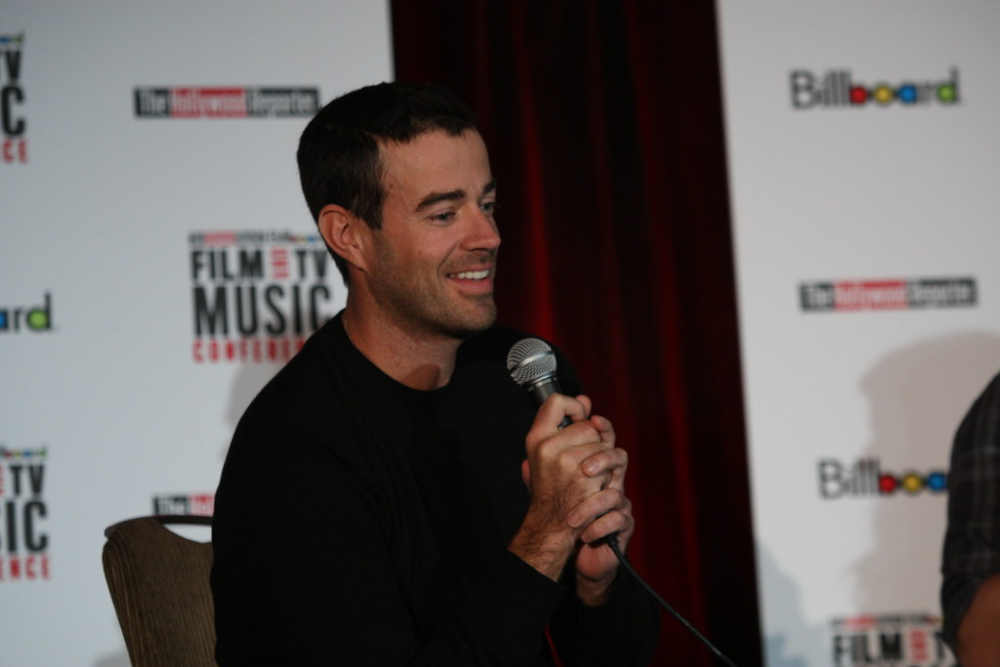
Carson Daly’s countdown show turned music videos into a democratic process, with fans voting for their favorites in Times Square. The daily ritual of watching TRL became as important as the videos themselves—artists began timing album releases around potential chart runs.
The show’s influence on the music industry was so significant that labels would strategize entire campaigns around getting into the ‘TRL rotation.’
Liquid Television
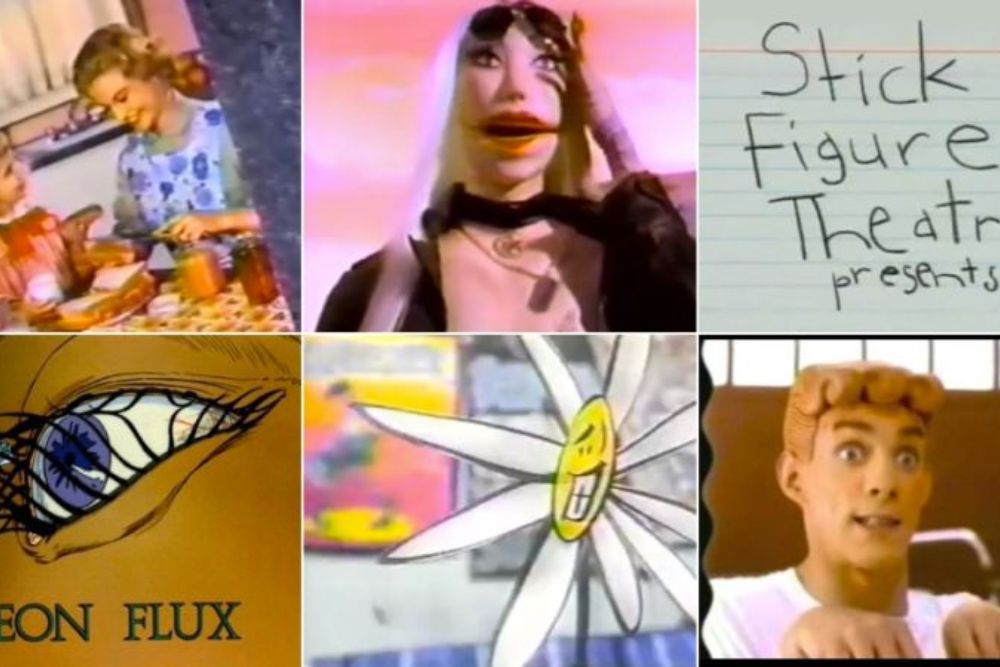
This experimental anthology series pushed animation boundaries and introduced viewers to creators who would later dominate television. Shows like ‘Æon Flux’ and early ‘Beavis and Butt-Head’ episodes found their home here—alongside surreal shorts that challenged conventional storytelling.
The series proved MTV was willing to take creative risks and support artistic vision over commercial appeal.
The State
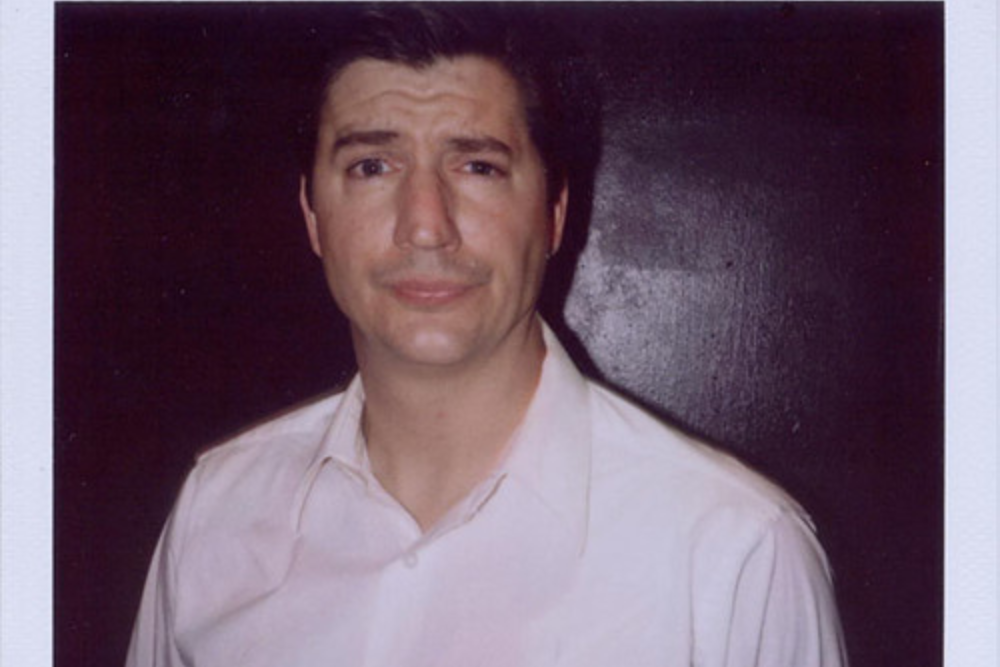
This sketch comedy troupe brought their absurdist humor from live performances to television, creating characters and catchphrases that resonated with college-aged viewers. Sketches like ‘Louie’ became cult classics—while the group’s DIY aesthetic inspired countless comedy acts.
The show’s influence can be traced through later hits like ‘Reno 911!’ and ‘Wet Hot American Summer.’
Singled Out
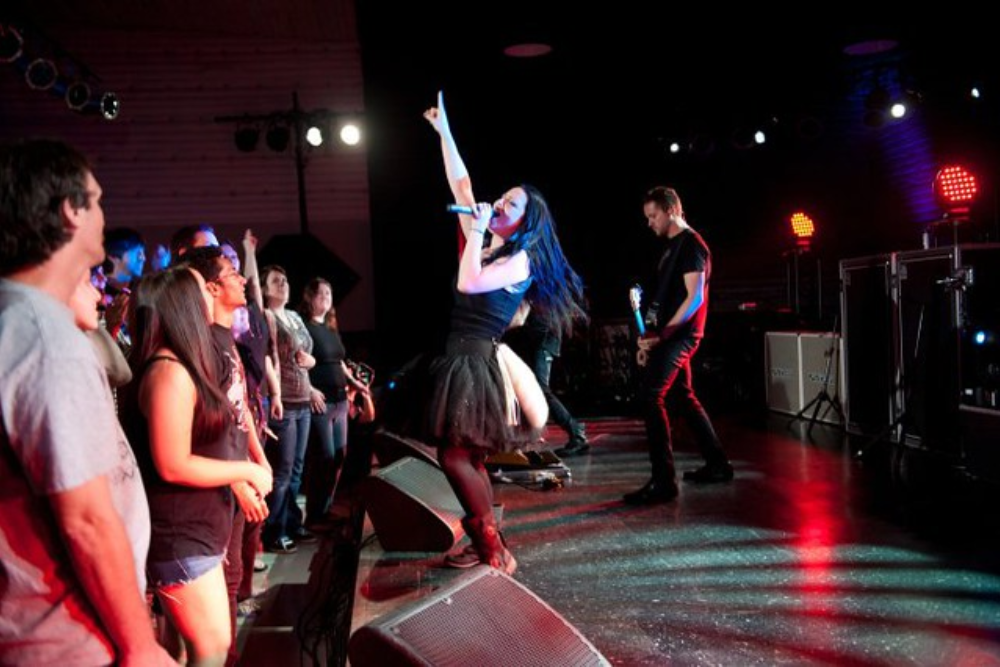
Dating shows got an MTV makeover with this fast-paced game where one person eliminated potential dates based on increasingly ridiculous criteria. Hosts Chris Hardwick and Jenny McCarthy brought manic energy to what could have been a simple dating format.
The show’s success helped establish MTV’s ability to take familiar concepts and inject them with youthful irreverence and energy.
Alternative Nation
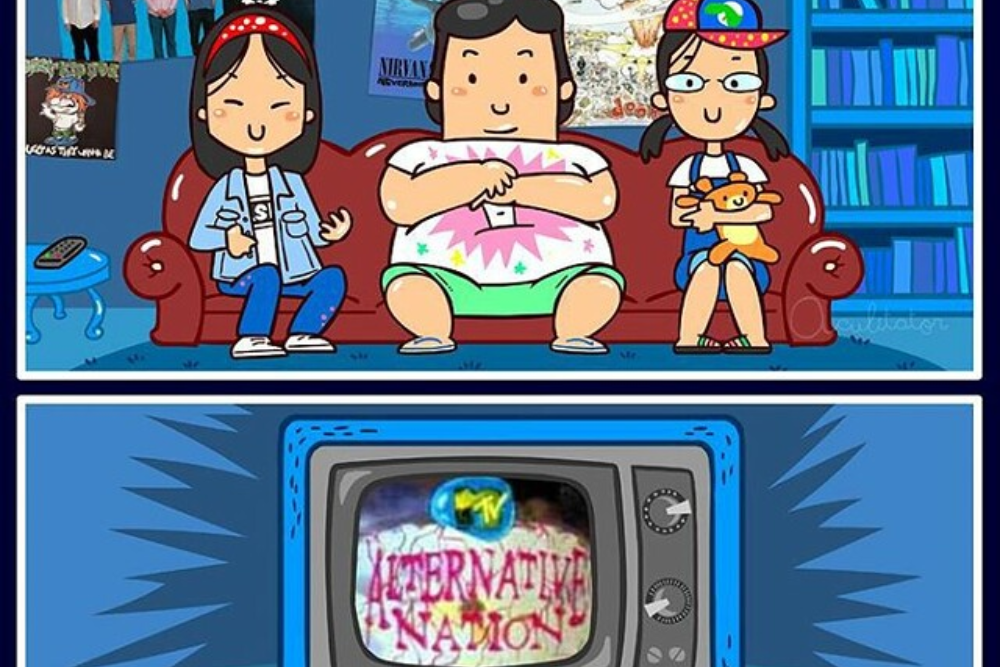
This show served as the voice of Generation X, featuring interviews with bands like Pearl Jam, Soundgarden, and Alice in Chains during grunge’s peak years. Host Kennedy became the perfect spokesperson for alternative culture, balancing music knowledge with genuine enthusiasm for the scene.
The show helped define what ‘alternative’ meant to a generation rejecting mainstream culture in favor of something more authentic.
House of Style
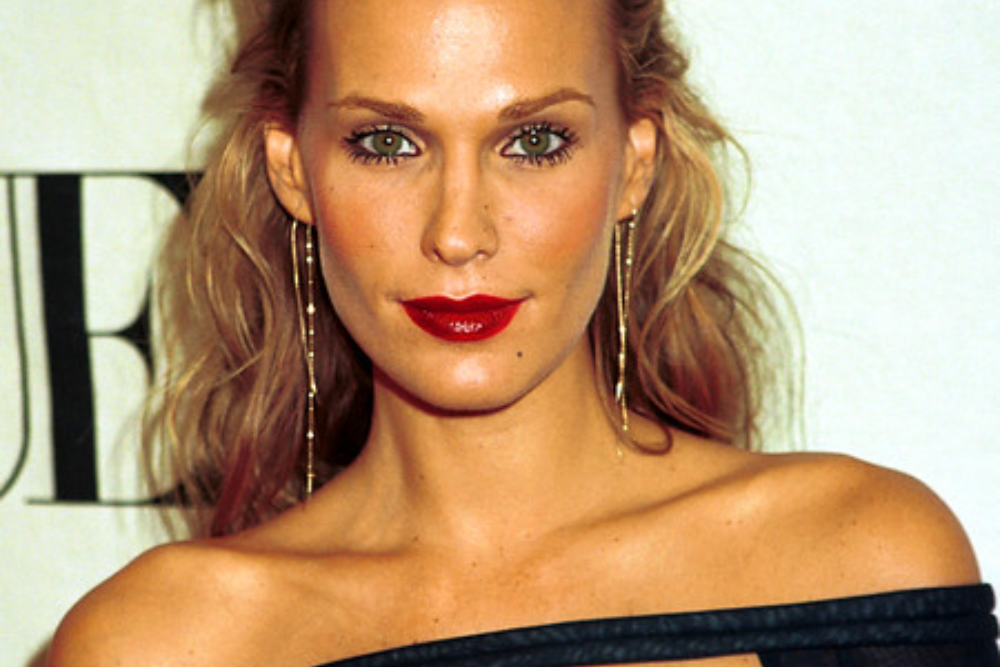
Fashion and music collided in this style-focused program that made supermodels into television personalities. Cindy Crawford’s hosting brought high fashion down to earth, though the show’s music video integration proved that style and sound were inseparable in 90s culture.
The program influenced how fashion was presented on television and helped establish the template for lifestyle programming that continues today.
Celebrity Deathmatch
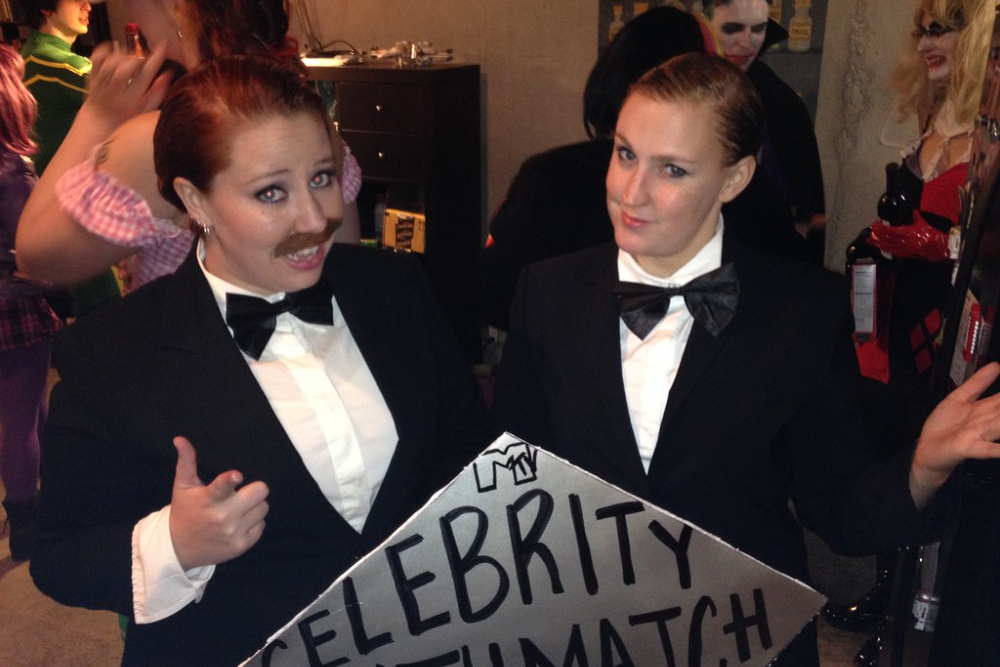
Claymation celebrities fought to the death in this absurd wrestling parody that turned pop culture feuds into literal battles. The show’s willingness to mock anyone and everyone reflected the decade’s irreverent attitude toward celebrity culture.
Each episode became a commentary on current events disguised as ridiculous entertainment, proving that satire could thrive in unexpected formats.
Æon Flux
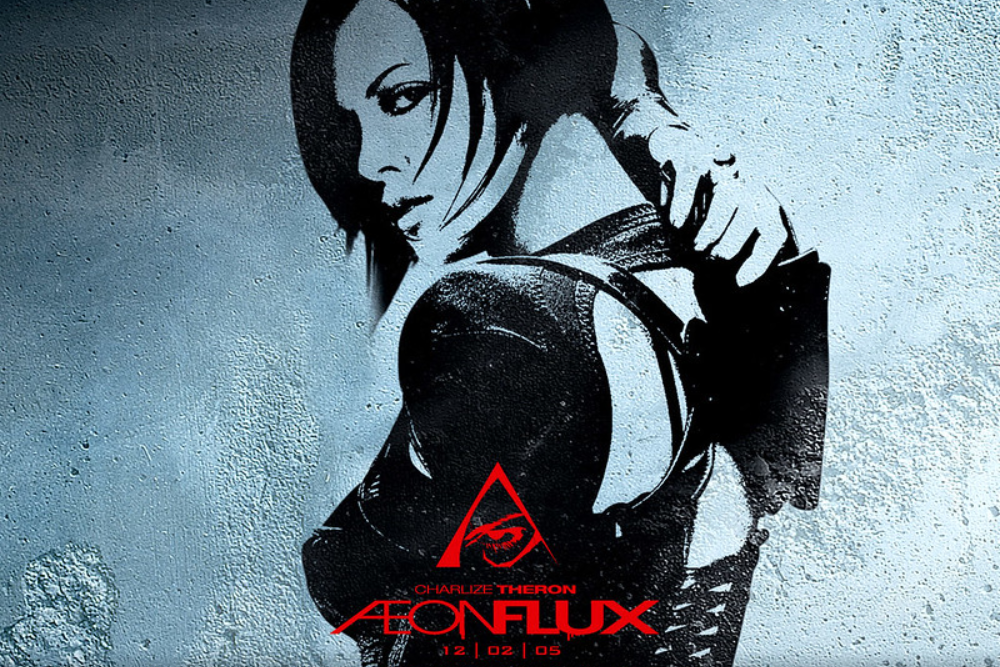
Peter Chung’s dystopian animated series challenged viewers with complex storytelling and provocative imagery that defied easy categorization. The show’s philosophical themes and avant-garde animation style influenced everything from ‘The Matrix’ to modern anime.
Its willingness to kill off its protagonist regularly and reset the narrative showed that MTV was willing to support truly experimental content that respected its audience’s intelligence.
Road Rules
This traveling reality show took ‘The Real World’ concept on the road, forcing strangers to complete challenges while living in an RV. The format created natural drama through close quarters and shared adversity, yet it also showcased different parts of America to viewers.
The show’s success helped establish reality television as a viable genre while proving that MTV could adapt its formulas for different settings and situations.
The Cultural Revolution Continues

These performances were more than just amusement. In the 1990s, they established a common cultural experience that characterized youth. MTV gave voice to a generation that was establishing its own standards for entertainment, fashion, and music by being willing to try new things and take chances.
Today’s streaming environment, where the same spirit of artistic experimentation and cultural commentary continues to shape our media consumption habits, is still influenced by these shows. Even though the 1990s are over, the model these shows established for engaging viewers with genuine, humorous programming is still relevant today.
More from Go2Tutors!

- The Romanov Crown Jewels and Their Tragic Fate
- 13 Historical Mysteries That Science Still Can’t Solve
- Famous Hoaxes That Fooled the World for Years
- 15 Child Stars with Tragic Adult Lives
- 16 Famous Jewelry Pieces in History
Like Go2Tutors’s content? Follow us on MSN.



