Funny Names For Groups Of Animals
A bunch of birds might be called a murder, thanks to old habits from centuries ago. Back then, people who studied texts found joy in dreaming up quirky labels for creatures.
These phrases stuck around – not always because they were useful, but often because they felt whimsical or strangely musical. Some faded quietly.
Others kept bouncing through time simply by making listeners pause and smile. Funny how the names we give animal groups tell their true nature.
Not all feel graceful – some burst with flair, while one or two just make you laugh out loud. Here’s a closer look at some of the funniest names used to describe groups of animals.
A Murder Of Crows
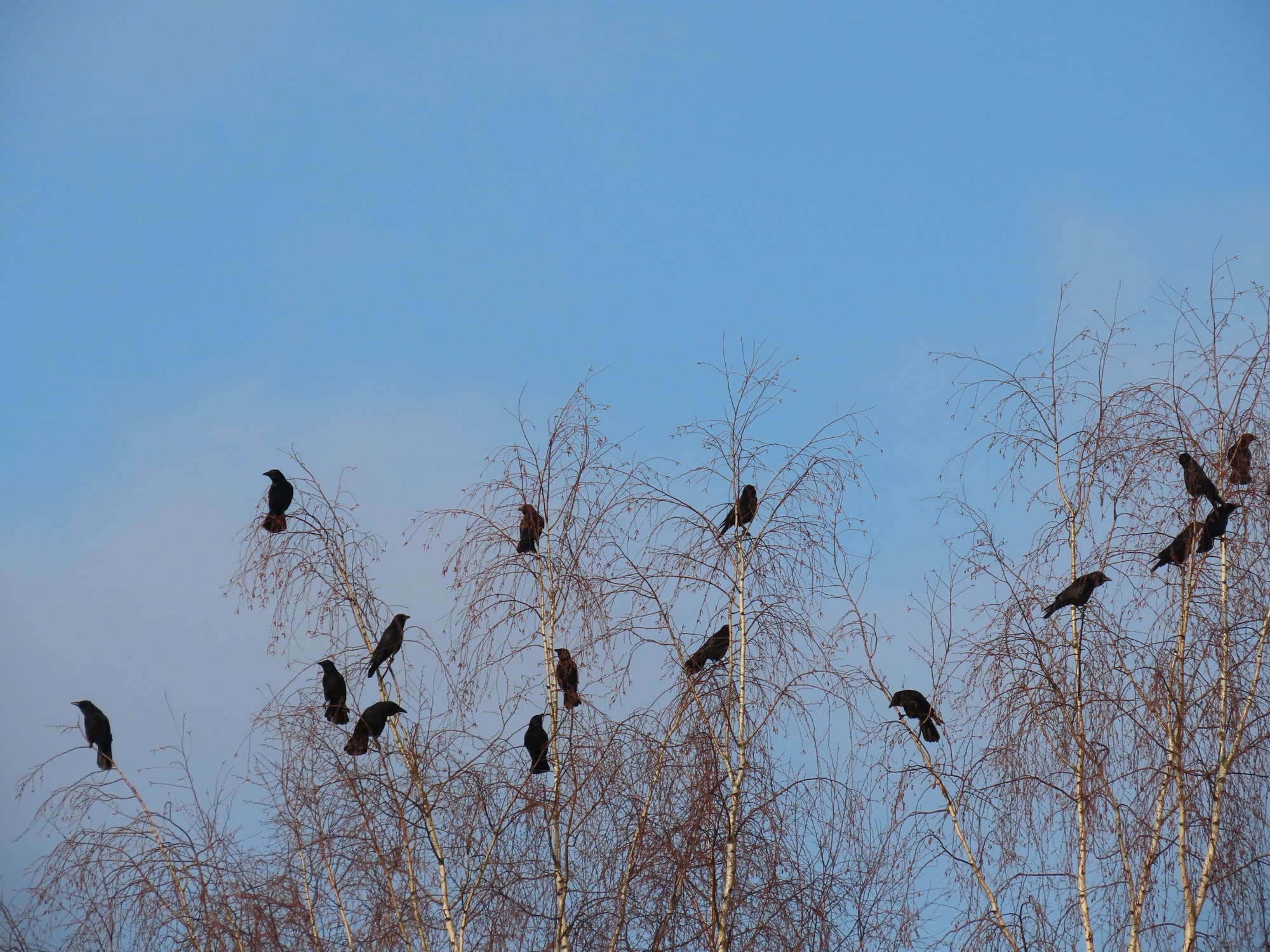
A flock of crows earns a grim nickname – ‘a murder’ – rooted deep in old tales. Back then, people saw these birds through the lens of myth, drawn to their shadowy plumage and sharp cries.
Because they gathered in trees at dusk, whispers followed. Mystery clung to them, fed by beliefs that treated nature as a sign.
Sounds alone made spines tingle, long before science explained habits. Oddly enough, that creepy label doesn’t match how clever crows really are – these birds figure things out fast while sticking close to their flock.
Yet somehow, spotting a group perched silent on a roof or bare branch brings a chill, making the term “a murder of crows” feel just right.
A Parliament Of Owls
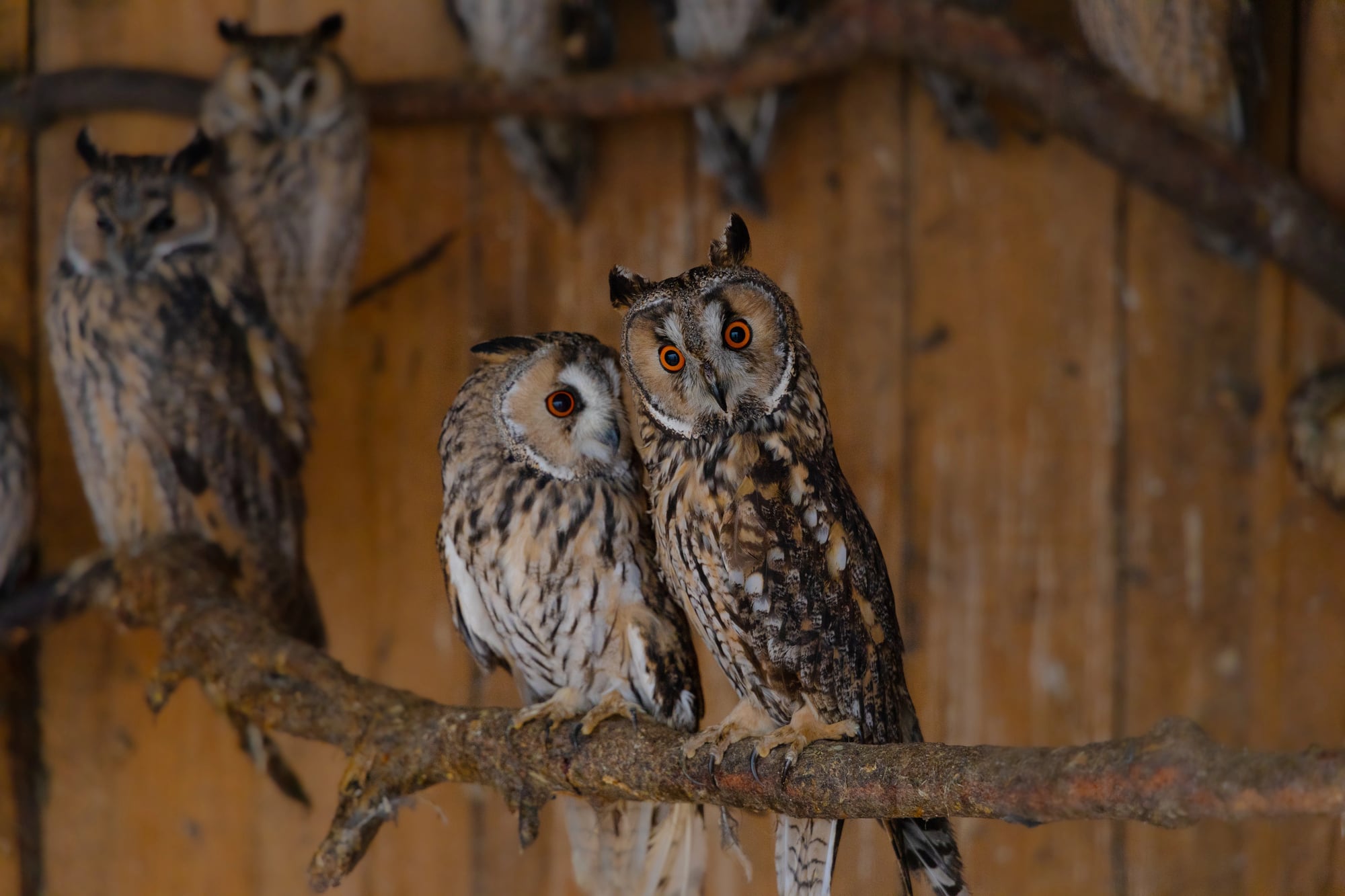
Owls are famous for their large eyes and calm, watchful expressions, which probably explains why a group of them is called ‘a parliament.’ The name suggests a gathering of serious thinkers quietly observing the world around them.
In reality, owls are usually solitary hunters rather than social birds. Even so, the phrase remains popular because it perfectly matches the dignified appearance that owls seem to project.
A group perched together almost looks as if it is holding an important nighttime meeting.
A Crash Of Rhinos
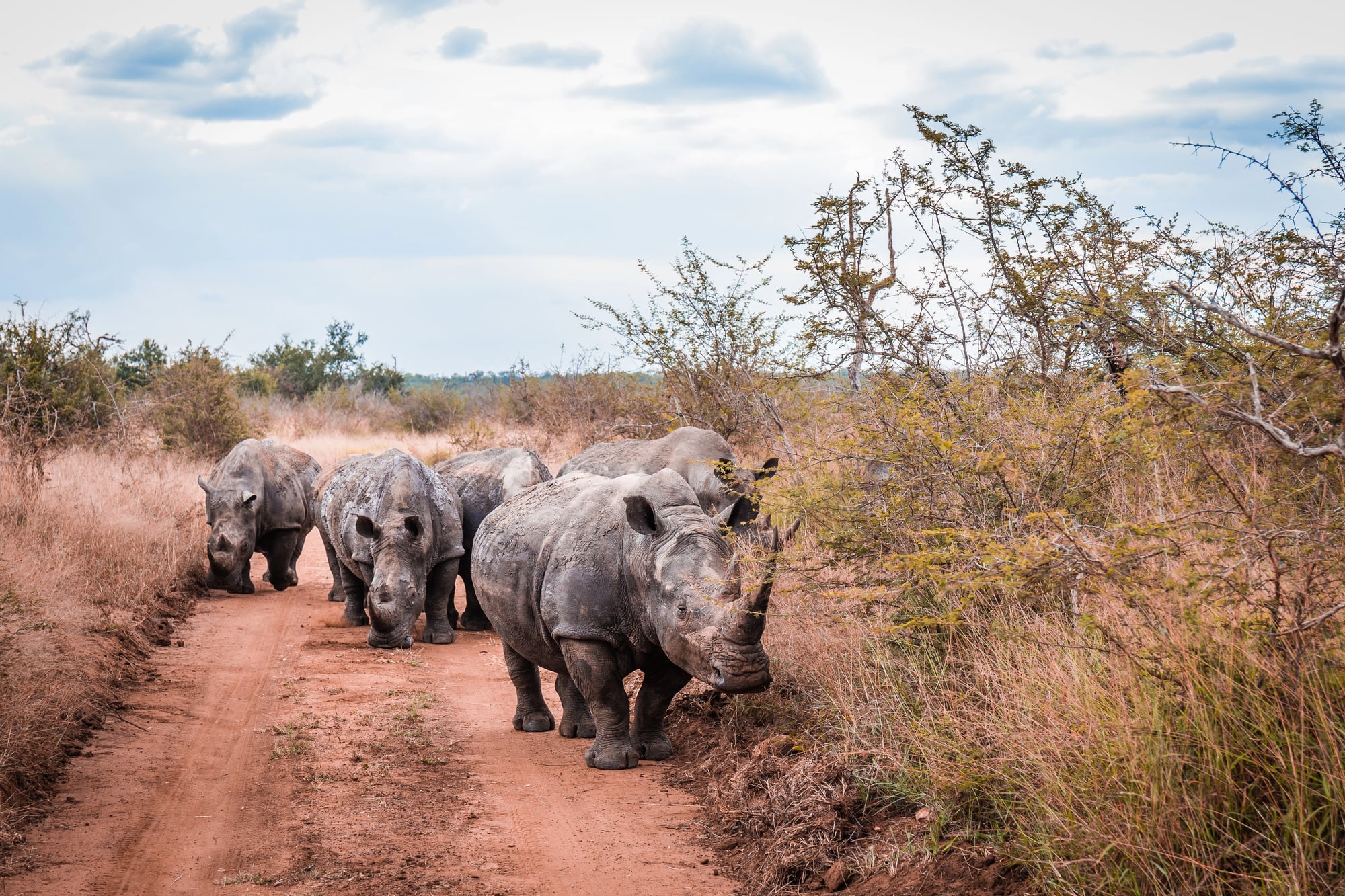
Rhinos are massive animals with thick skin and powerful horns, so their group name reflects their imposing presence. The term ‘a crash of rhinos’ likely comes from the way these animals can charge with surprising speed when threatened.
Although rhinos often appear calm while grazing, they can move with explosive force if startled. The word ‘crash’ captures that sudden burst of energy and the sheer weight behind it.
It is one of the most fittingly dramatic animal group names in the English language.
A Dazzle Of Zebras
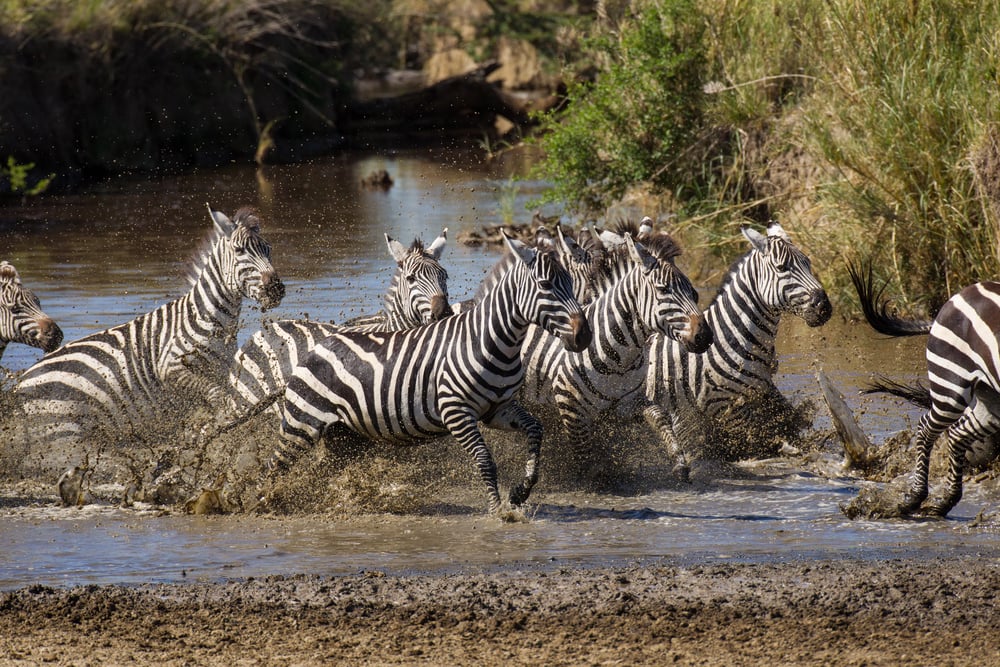
Few sights in the natural world are as visually striking as a herd of zebras running across open grassland. Their black-and-white stripes create a swirling pattern that can confuse predators trying to focus on a single animal.
Because of this striking visual effect, a group of zebras is known as ‘a dazzle.’ The name reflects how their stripes appear to shimmer and blend together when they move as a herd.
It is a wonderfully descriptive phrase that feels almost artistic.
A Tower Of Giraffes
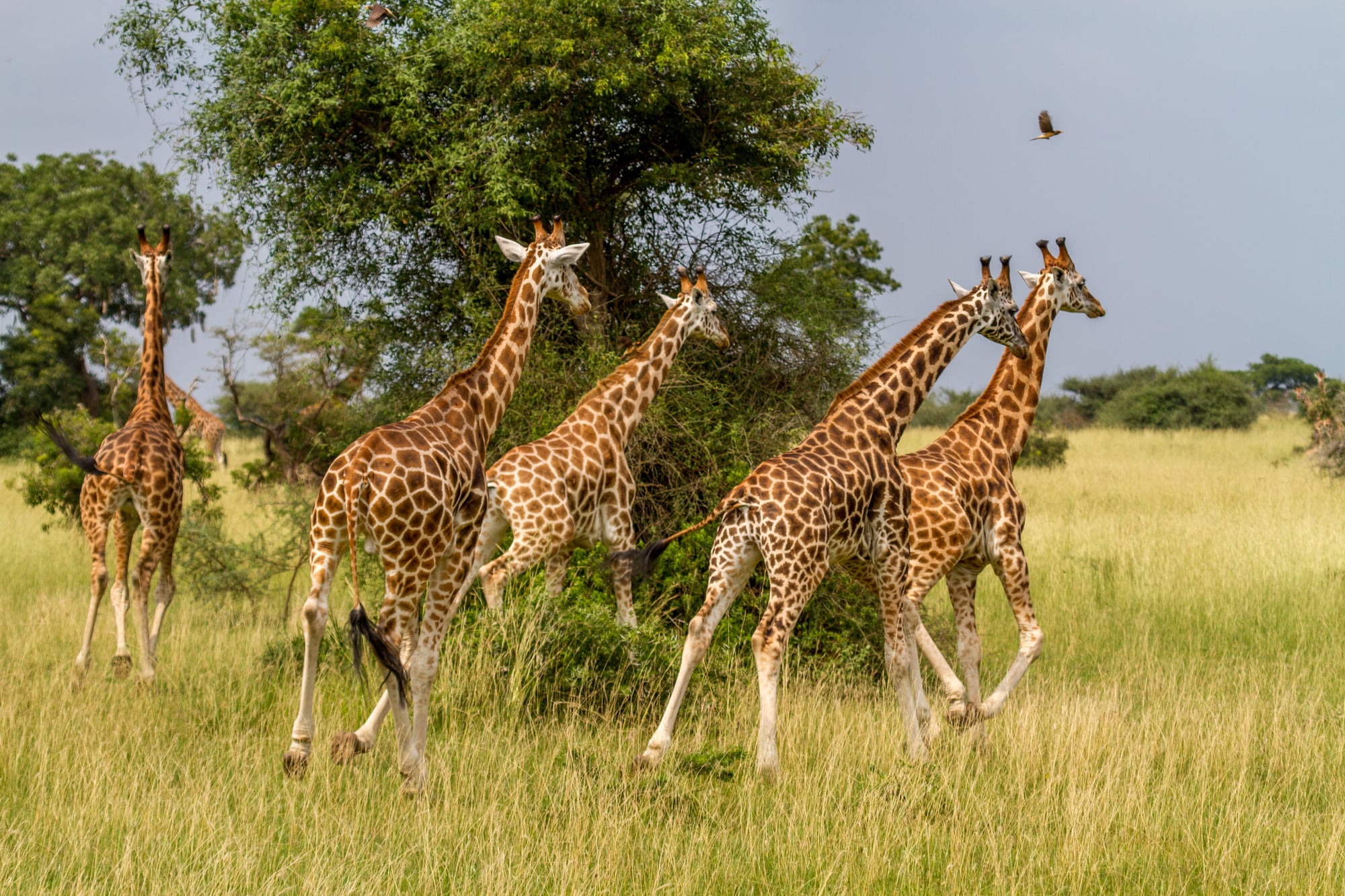
Giraffes are the tallest land animals on Earth, so it makes sense that their collective name references height. A group of giraffes is often called ‘a tower,’ a term that perfectly captures the long necks rising above the landscape.
When several giraffes stand together on the savanna, their silhouettes can resemble tall pillars against the horizon. The name feels both humorous and oddly elegant, emphasizing the graceful height that makes these animals so distinctive.
A Smack Of Jellyfish
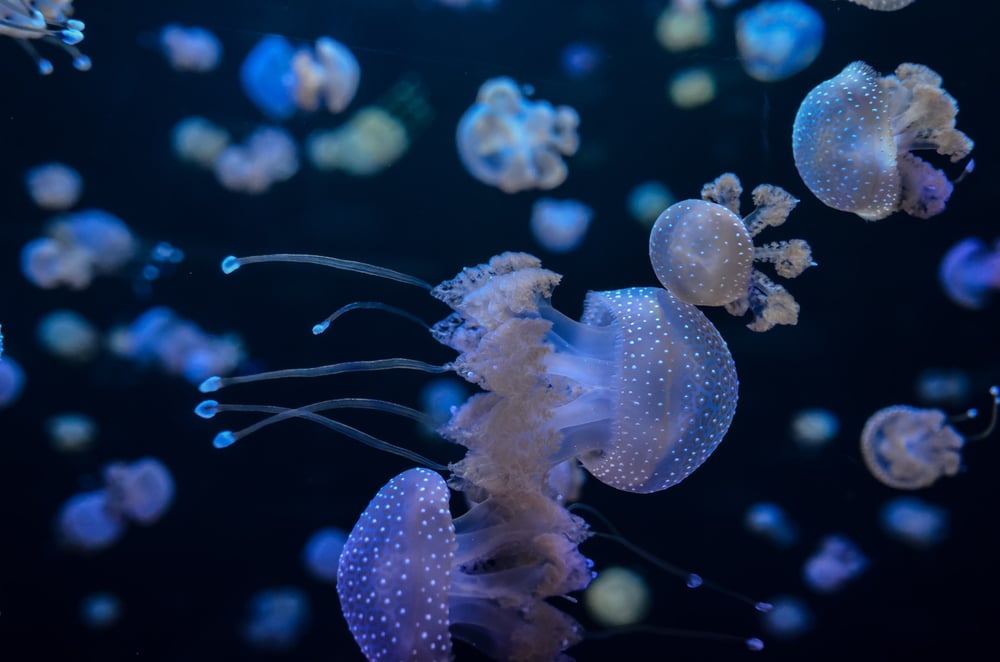
The phrase ‘a smack of jellyfish’ might sound unusual at first, but it has been used for centuries. Some historians believe the name comes from the way jellyfish drift together in large numbers, occasionally brushing against swimmers with their stinging tentacles.
Large groups of jellyfish sometimes form dense clusters that move with ocean currents. Seeing hundreds of translucent shapes floating together can be both mesmerizing and slightly unsettling.
The playful term ‘smack’ gives the phenomenon an unexpectedly humorous twist.
A Prickle Of Porcupines
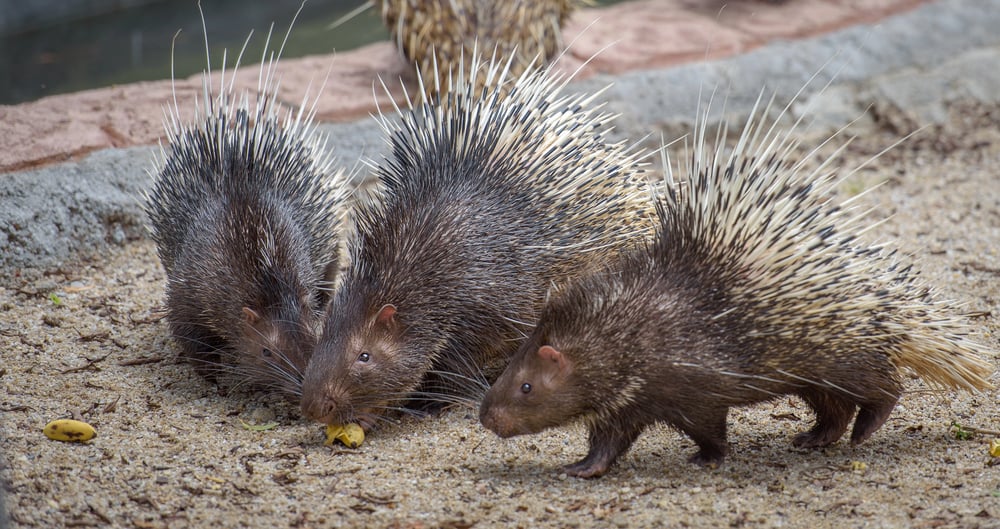
Porcupines are famous for their sharp quills, which they use for protection against predators. Because of this spiky appearance, a group of porcupines is known as ‘a prickle.’
The name is wonderfully descriptive and slightly amusing. Imagining several porcupines gathered together does indeed resemble a collection of tiny moving spikes.
Even so, these animals are generally shy and peaceful despite their intimidating defenses.
A Bloat Of Hippos
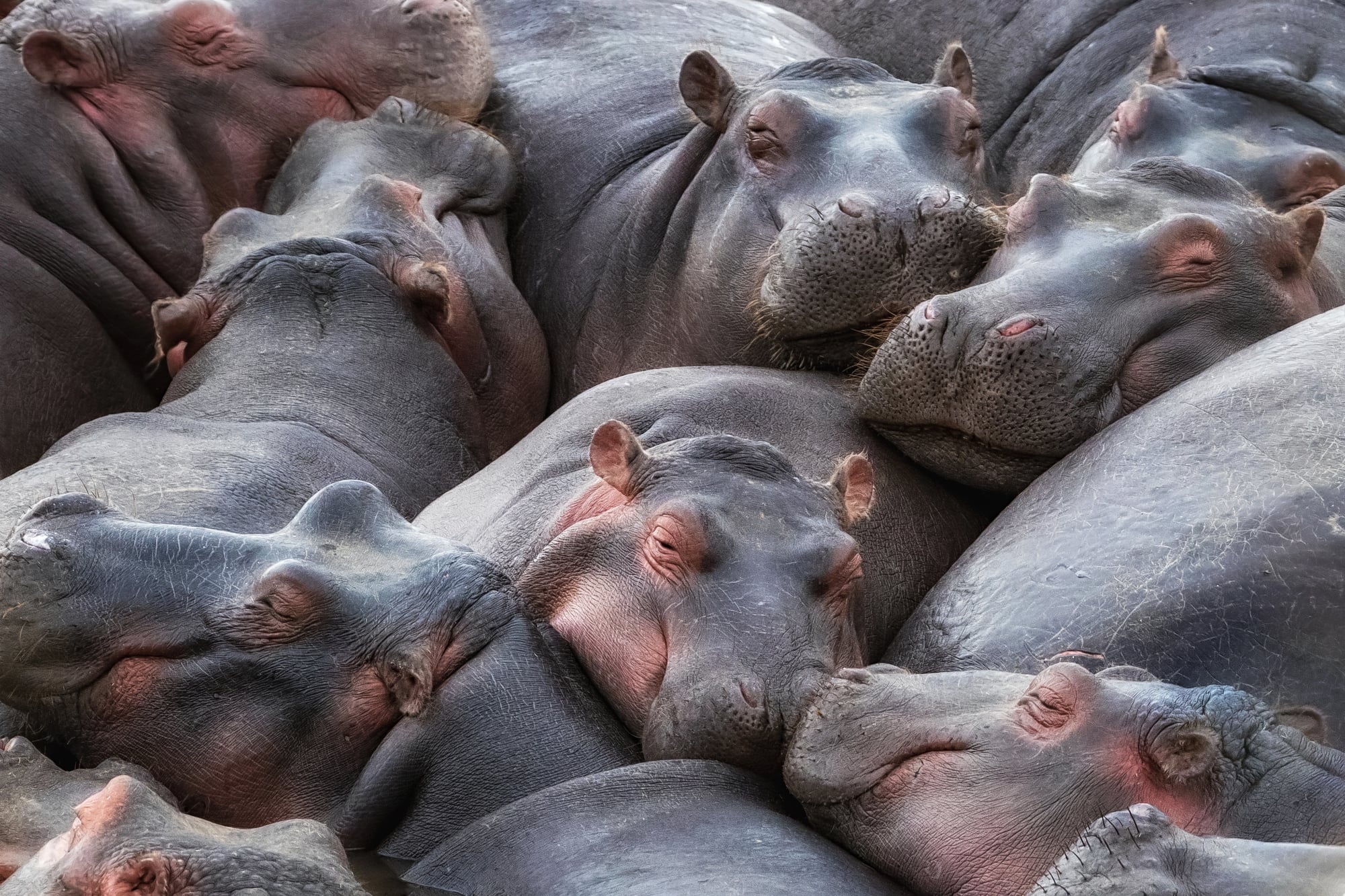
Hippos spend much of their time lounging in rivers and lakes, often gathered closely together in the water. When several hippos float side by side, their large bodies can appear as rounded shapes rising just above the surface.
For that reason, a group of hippos is sometimes called ‘a bloat.’ The name reflects the bulky appearance of these animals when they cluster together in the water.
It may sound funny, but it also paints a surprisingly accurate picture.
An Unkindness Of Ravens
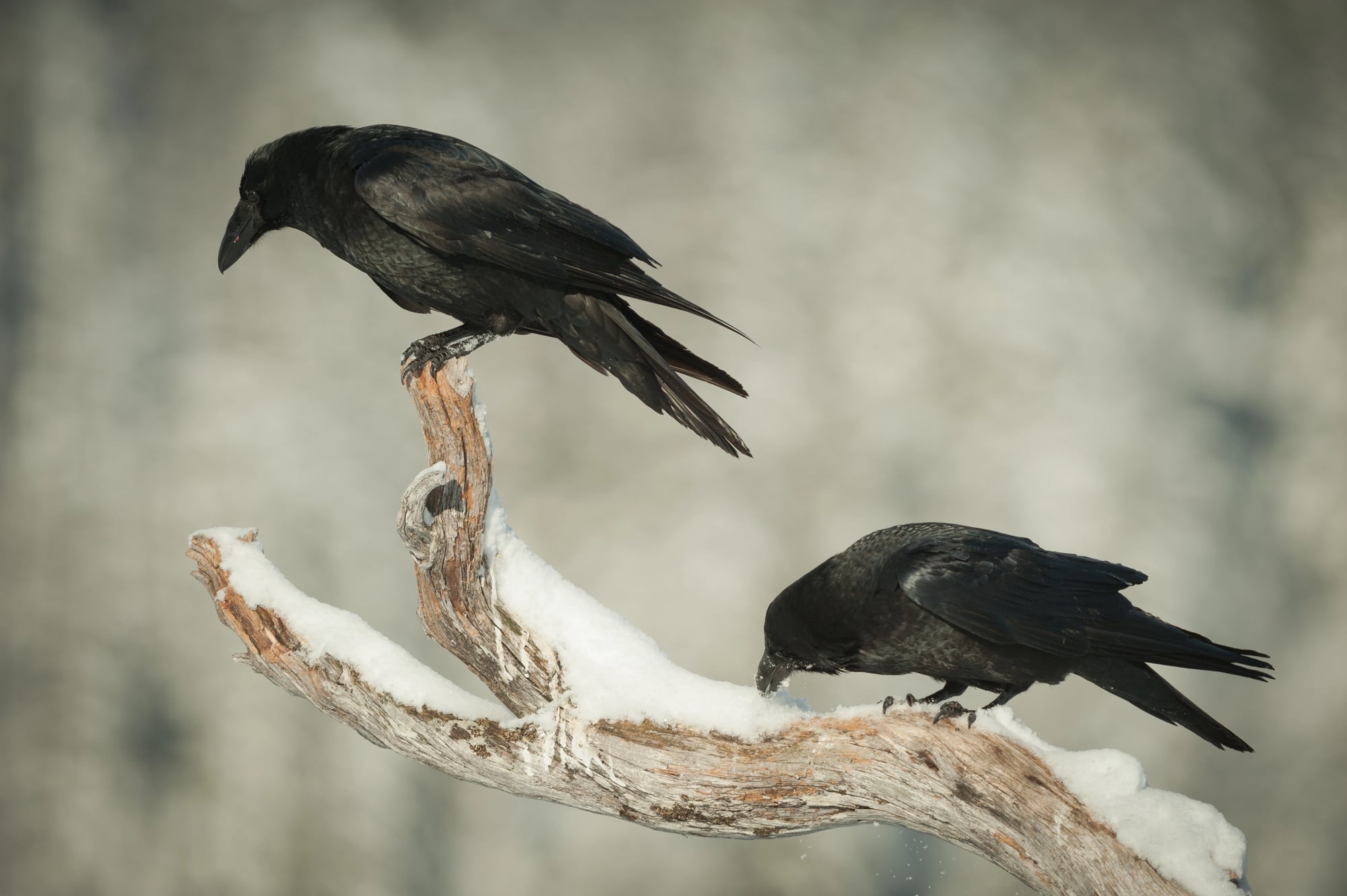
Ravens have long appeared in myths and legends, often associated with mystery or prophecy. Because of their dark feathers and haunting calls, a group of ravens is known as ‘an unkindness.’
The phrase reflects centuries-old folklore rather than the birds’ actual behavior. In reality, ravens are intelligent and social creatures capable of forming strong bonds.
Even so, the dramatic name has survived because it fits the mysterious aura surrounding these birds.
A Business Of Ferrets
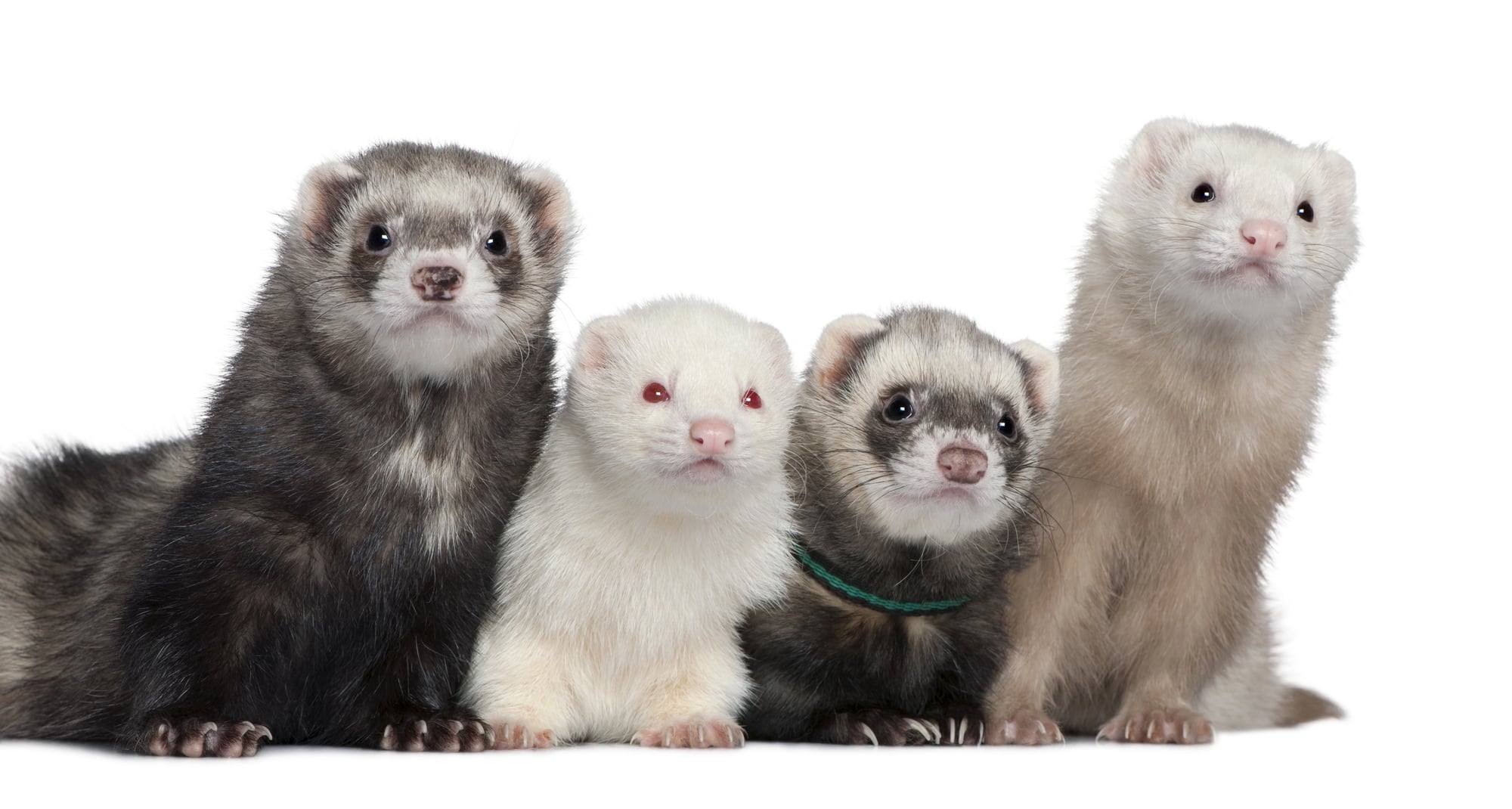
Ferrets are energetic animals known for their playful curiosity and constant movement. When several gather together, their busy behavior inspired the unusual collective name ‘a business.’
Watching ferrets explore their surroundings can indeed resemble a group of workers bustling through an office. They dart, dig, and investigate everything around them with endless enthusiasm.
The phrase captures that lively energy perfectly.
A Leap Of Leopards
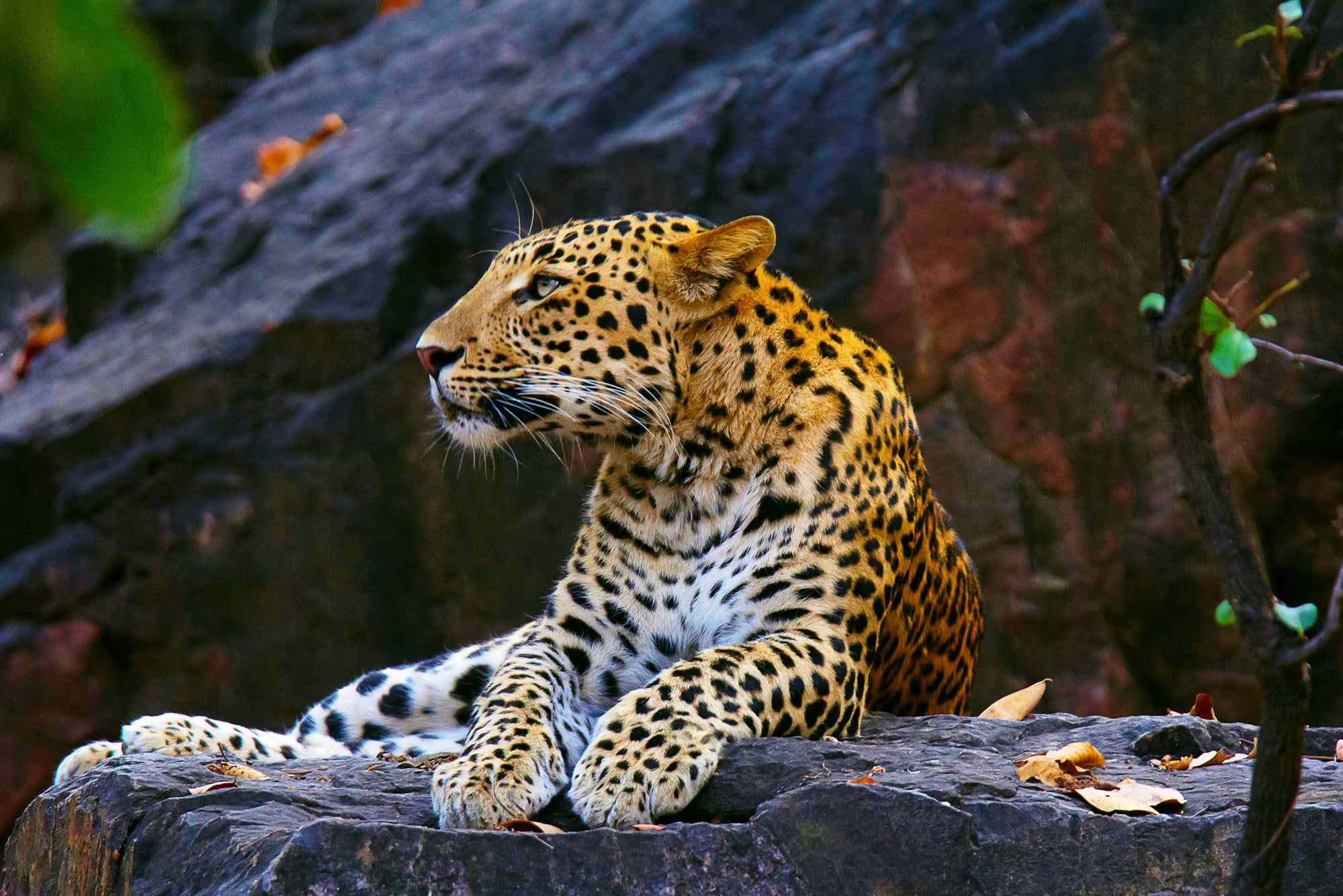
Leopards are powerful predators known for their ability to climb trees and leap impressive distances. Although they are typically solitary animals, the rare sight of several together inspired the phrase ‘a leap of leopards.’
The name highlights the agility that defines these graceful hunters. Their powerful legs allow them to spring through branches or across open ground with remarkable ease.
Even as a poetic expression, the phrase evokes the sleek movement of these animals.
A Convocation Of Eagles
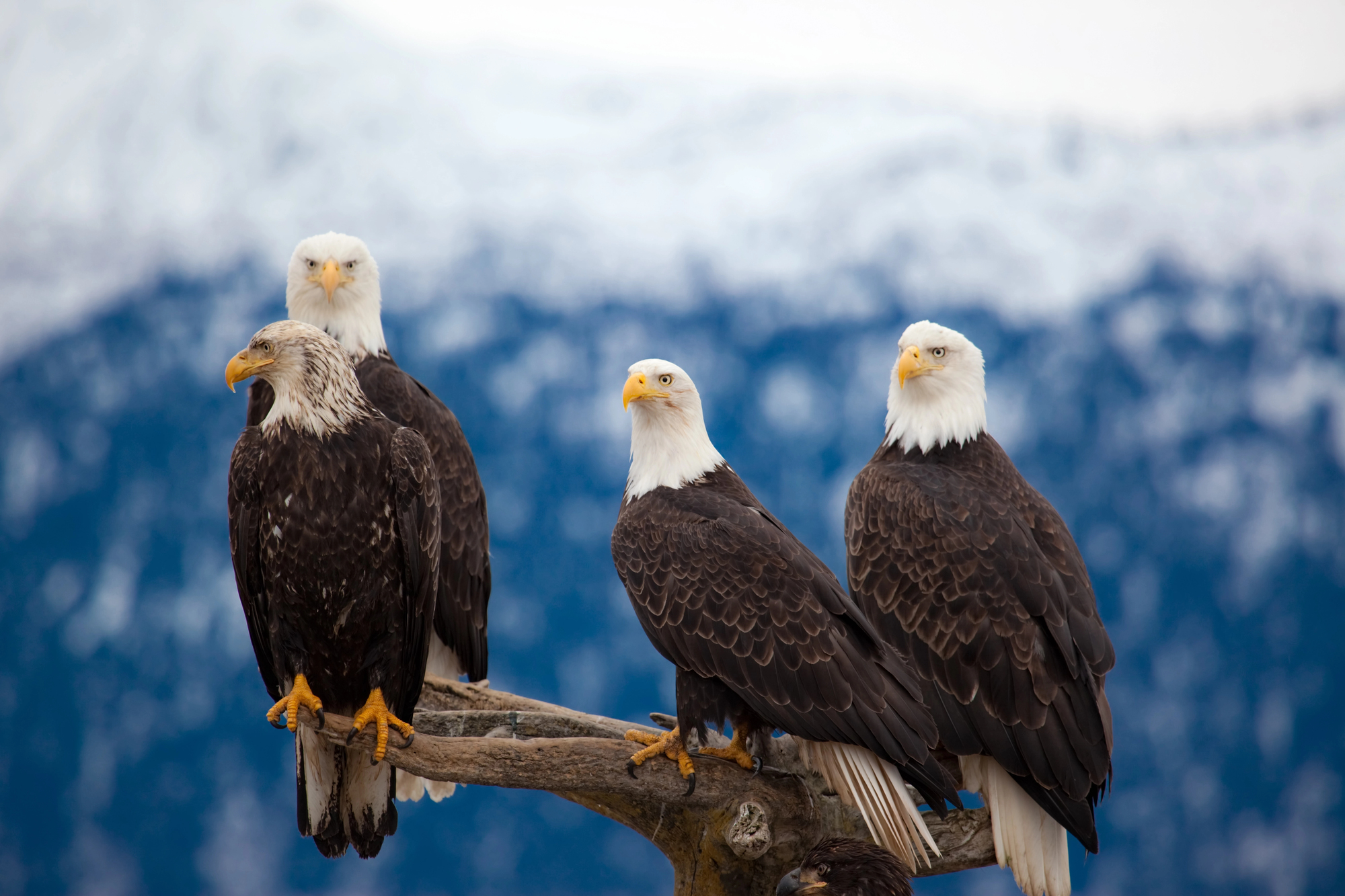
Eagles are often associated with strength and authority, so their collective name reflects a sense of formality. A group of eagles is sometimes called ‘a convocation,’ a word that suggests an important gathering.
Although eagles rarely gather in large groups outside migration periods, the name adds a sense of grandeur to their image. When several eagles appear together in the sky, the phrase feels almost ceremonial.
A Lounge Of Lizards
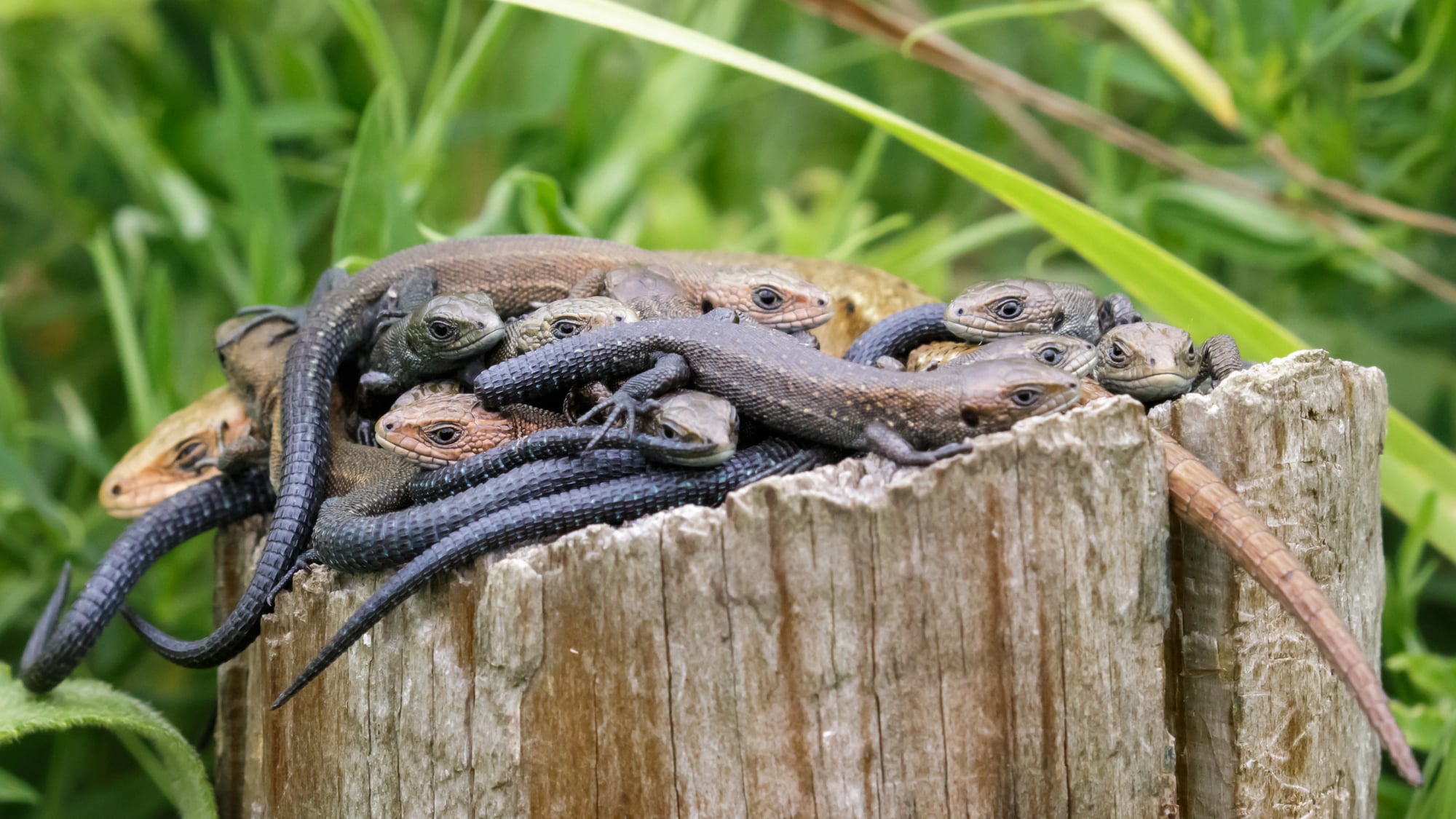
The phrase ‘a lounge of lizards’ sounds perfectly suited to animals that enjoy basking in warm sunlight. Lizards often spend long stretches resting on rocks or tree branches as they regulate their body temperature.
Seeing several of them stretched out in the sun can look surprisingly relaxed, almost like people enjoying a quiet afternoon. The playful name captures that laid-back behavior with a touch of humor.
A Shiver Of Sharks
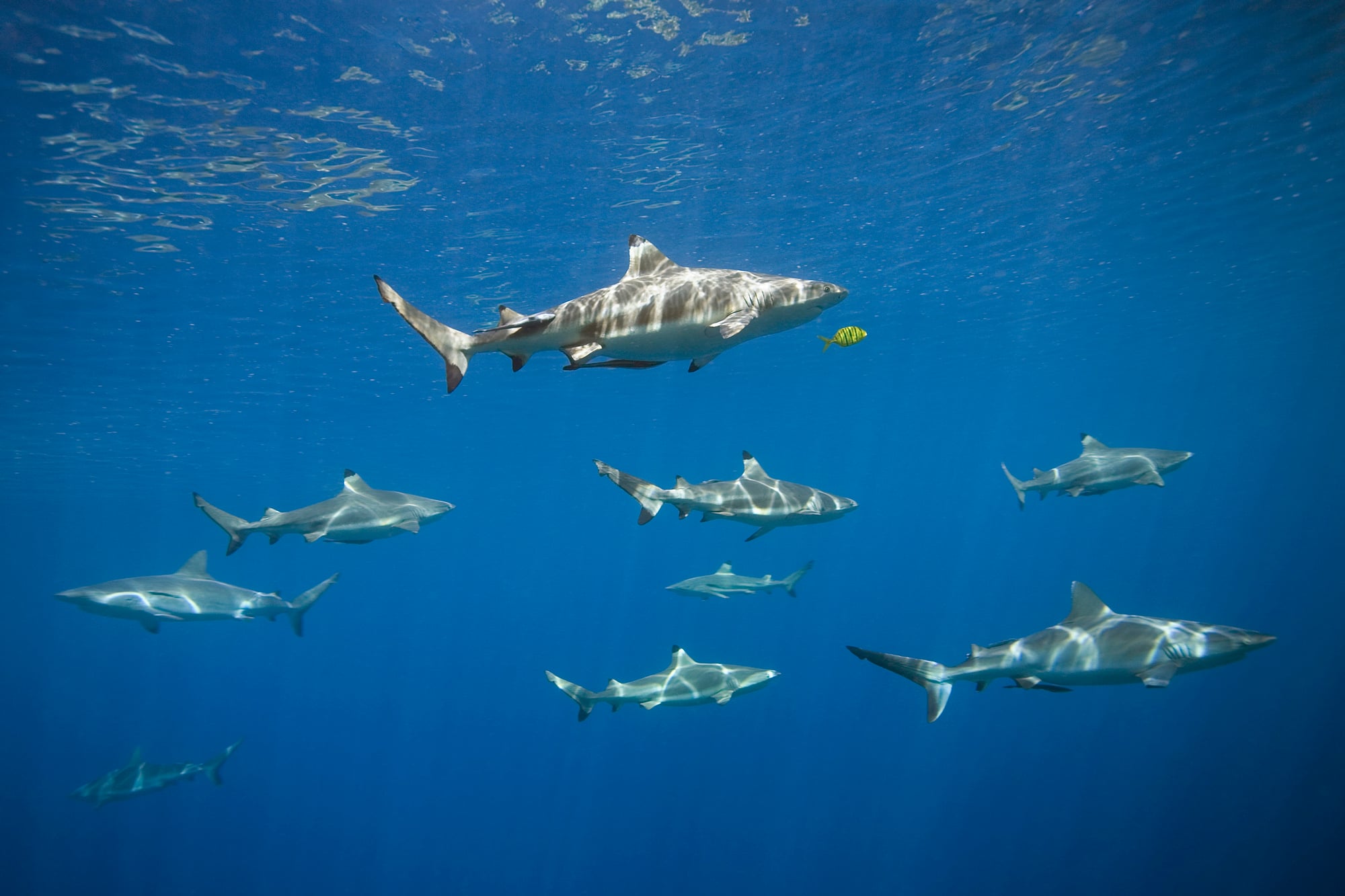
Sharks are powerful ocean predators, yet their collective name has an unexpectedly dramatic flair. A group of sharks is called ‘a shiver,’ a word that hints at the uneasy feeling some people experience when imagining them in the water.
The phrase likely arose from the sense of tension associated with these animals rather than any particular behavior. Still, it remains one of the most memorable animal group names in English.
Why These Names Still Delight
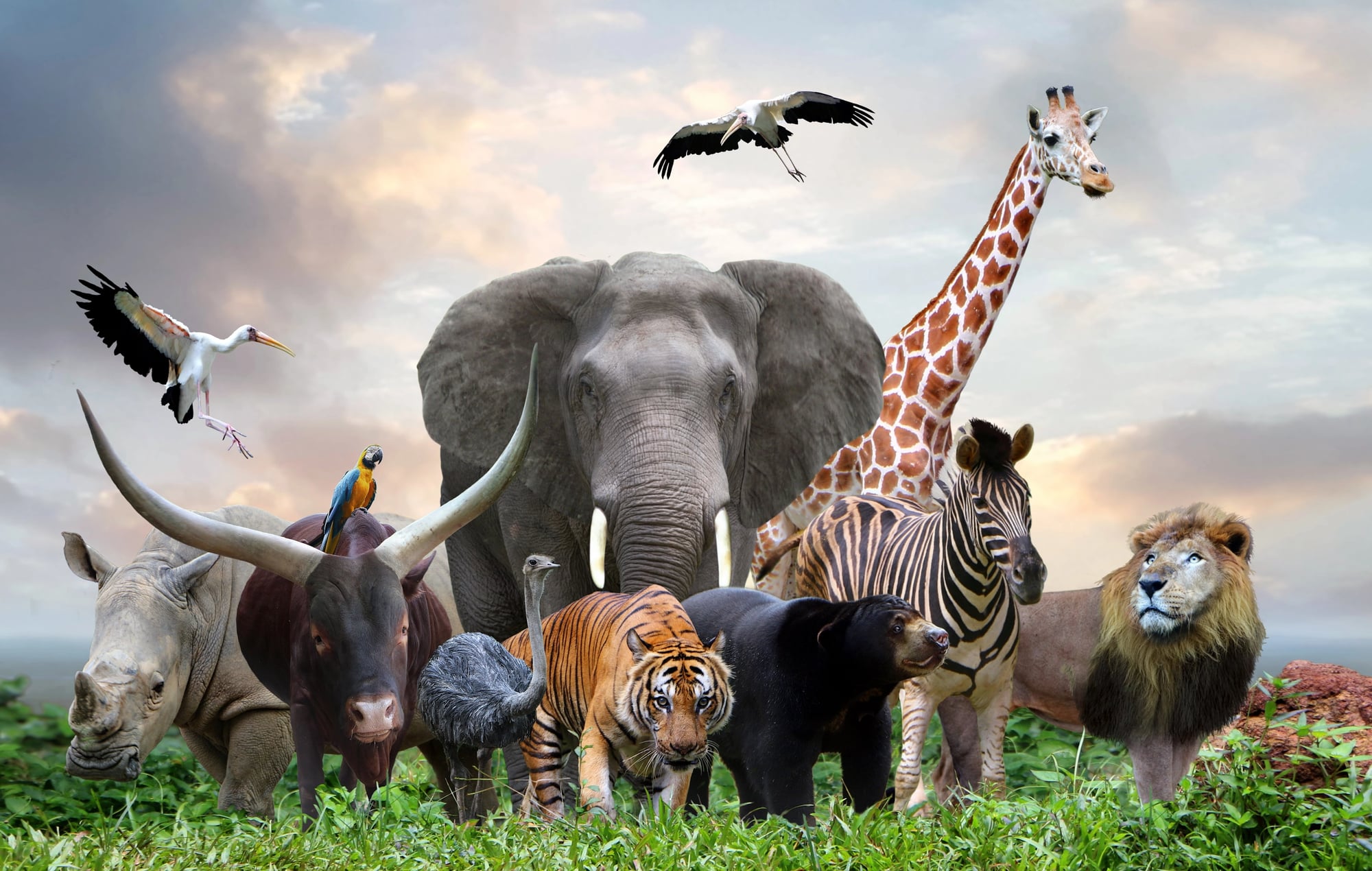
A silly name here, a made-up phrase there – turns out animal group terms show how playful old words can be. Back in medieval times, storytellers liked dreaming up odd labels for creatures roaming the wild.
Not every term was science; some just wanted laughter. A few tried to sort nature neatly, though most simply danced around seriousness.
Still now, such expressions bring both wonder and smiles. Not just ways to share thoughts – language lets minds dance, too.
A strange little saying might turn ordinary nature into something far more intriguing.
More from Go2Tutors!

- The Romanov Crown Jewels and Their Tragic Fate
- 13 Historical Mysteries That Science Still Can’t Solve
- Famous Hoaxes That Fooled the World for Years
- 15 Child Stars with Tragic Adult Lives
- 16 Famous Jewelry Pieces in History
Like Go2Tutors’s content? Follow us on MSN.