Animal Milk Facts You’ll Never Believe Are Real
When you think about milk, a cold glass from the refrigerator probably comes to mind. But the animal kingdom produces some truly wild variations that make regular dairy look boring by comparison. From milk that oozes through skin like sweat to substances so thick they resemble toothpaste, nature has gotten creative with how mothers feed their young.
The diversity of milk across species reveals fascinating evolutionary adaptations. Here is a list of 18 animal milk facts you’ll never believe are real.
Platypus Milk Oozes Through Skin
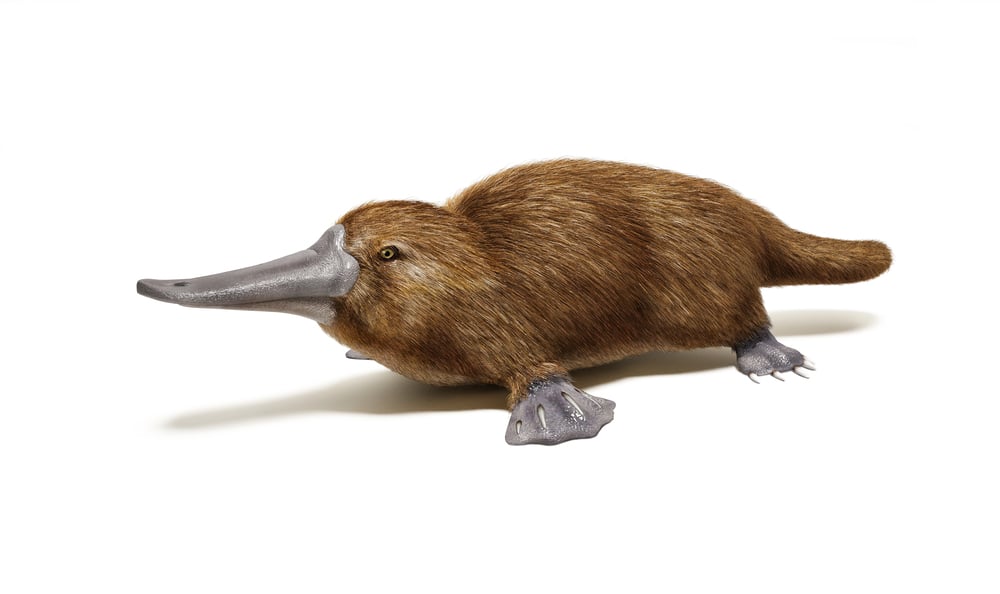
The platypus doesn’t have nipples, so its milk seeps through specialized mammary glands in the skin, creating what looks like sweat patches on the mother’s belly. Baby platypuses, called puggles, lap up this milk from grooves in their mother’s skin. Because this delivery system exposes the milk to more bacteria than a traditional nipple would, platypus milk contains powerful antibacterial proteins that could inspire future antibiotics.
Hooded Seal Milk Rivals Ice Cream
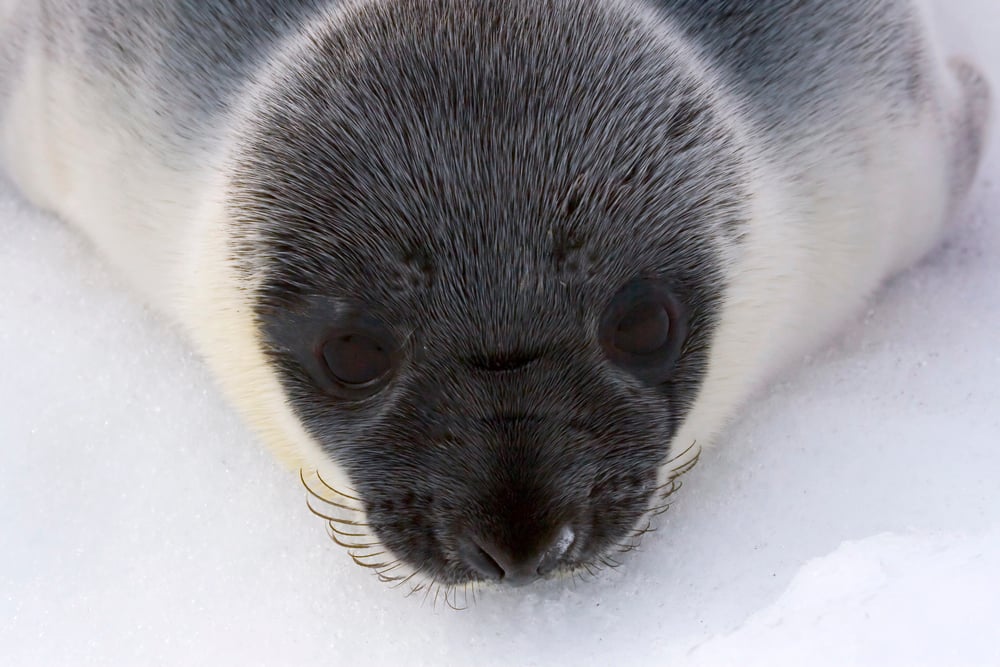
Hooded seal mothers produce milk with more than 60 percent fat, making it the fattiest known milk in the animal kingdom and comparable to some of the richest ice cream flavors. This extreme fat content allows seal pups to nearly double their weight in just four days, the entire nursing period for this species. The babies need this rapid weight gain to survive in the freezing waters of the North Atlantic and Arctic oceans.
Kangaroos Make Two Different Milks Simultaneously

A mother kangaroo with two joeys of different ages produces completely different milk from separate nipples at the same time, with each milk tailored to the specific developmental stage of each joey. The younger joey receives milk rich in sugars while the older one gets milk higher in proteins and fats. As joeys mature, the milk composition continuously changes to match their nutritional needs.
Whale Milk Has Toothpaste Consistency

Whale milk contains 35 to 50 percent fat, giving it a consistency similar to toothpaste. This thick texture prevents the milk from dissolving in water when mothers feed their calves underwater. Blue whale calves can consume up to 150 gallons of this dense milk daily, allowing them to gain over 100 pounds every single day during their first few months of life.
Male Pigeons Produce Milk Too
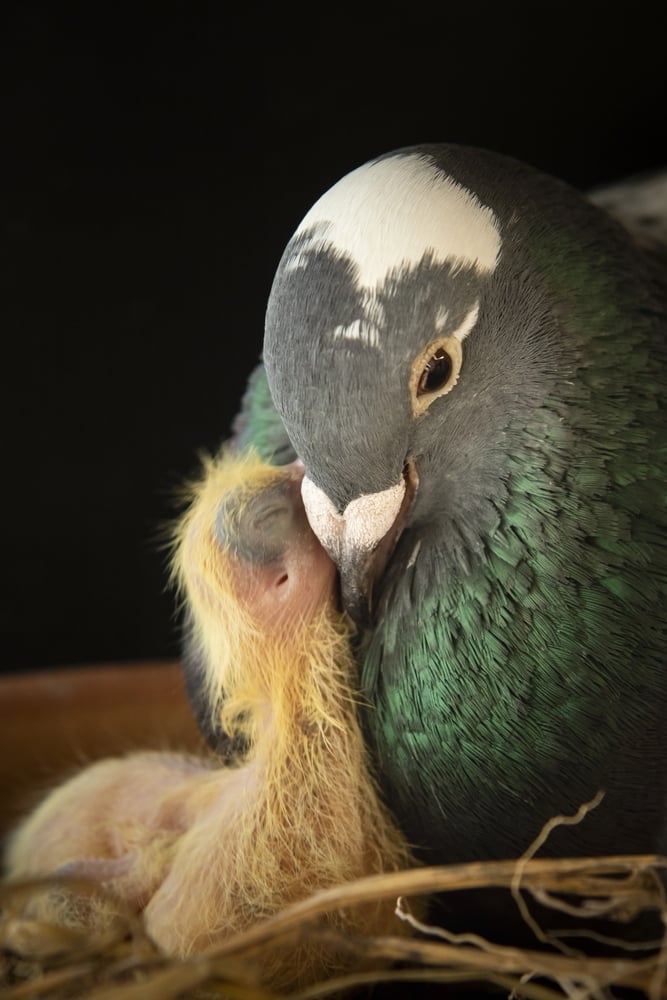
Both male and female pigeons produce a nutritious substance called crop milk from a storage pouch in their throat. Baby pigeons eat nothing but this crop milk for their first three days of life, and the same hormone that triggers milk production in female mammals, prolactin, also stimulates crop milk production in pigeons. The substance looks like cottage cheese and contains antibodies that help baby birds build their immune systems.
Cockroach Milk Exists
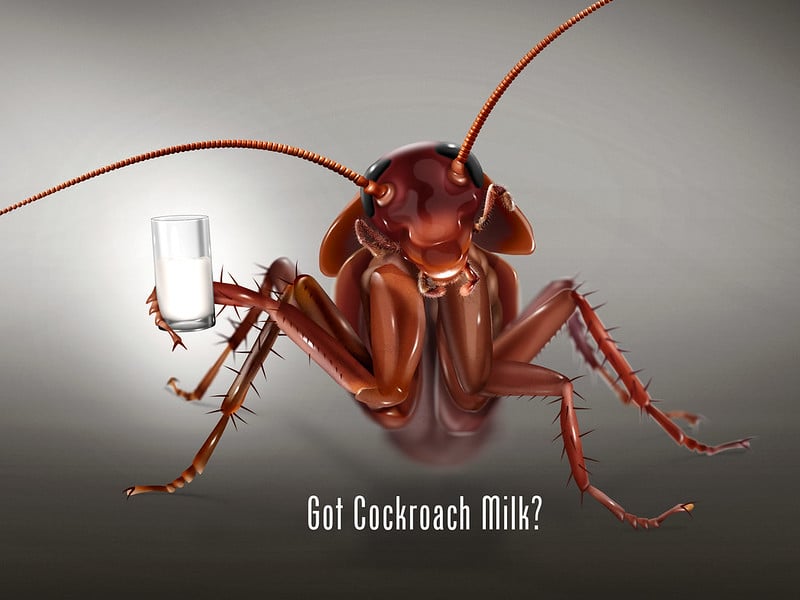
Pacific beetle cockroach larvae grow inside their mother and consume a liquid that scientists consider one of the most calorie-rich substances on the planet. The protein crystals in this milk-like substance are so dense with nutrients that researchers have explored its potential as a future food supplement. Unlike regular milk, cockroach milk serves mainly to sustain female roaches during pregnancy rather than feeding already-born young.
Tammar Wallaby Milk Is Sugar-Loaded
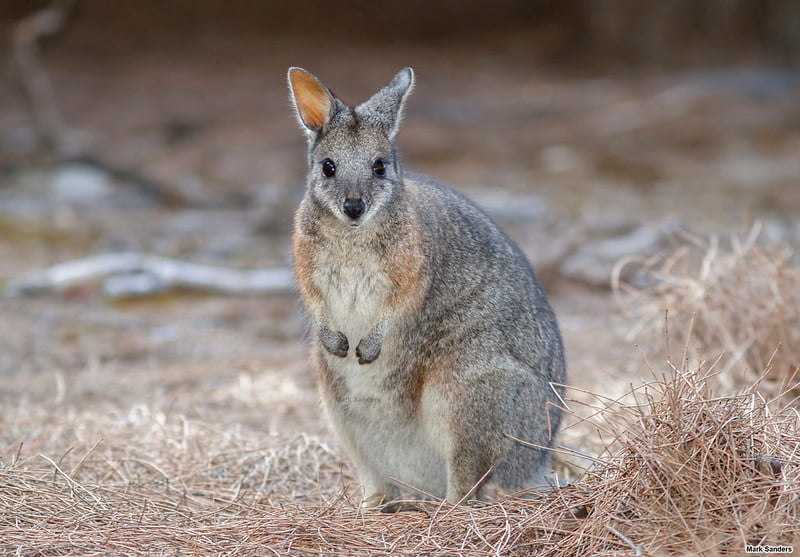
Tammar wallabies produce milk containing about 14 percent sugar, which is double the amount in human milk and among the highest levels found in any mammal. This milk contains very little lactose and instead consists mainly of complex sugars called oligosaccharides, which may serve an antimicrobial purpose in the developing joey’s gut. The high sugar content provides quick energy for the rapidly growing marsupial babies.
Flamingo Milk Is Bright Red
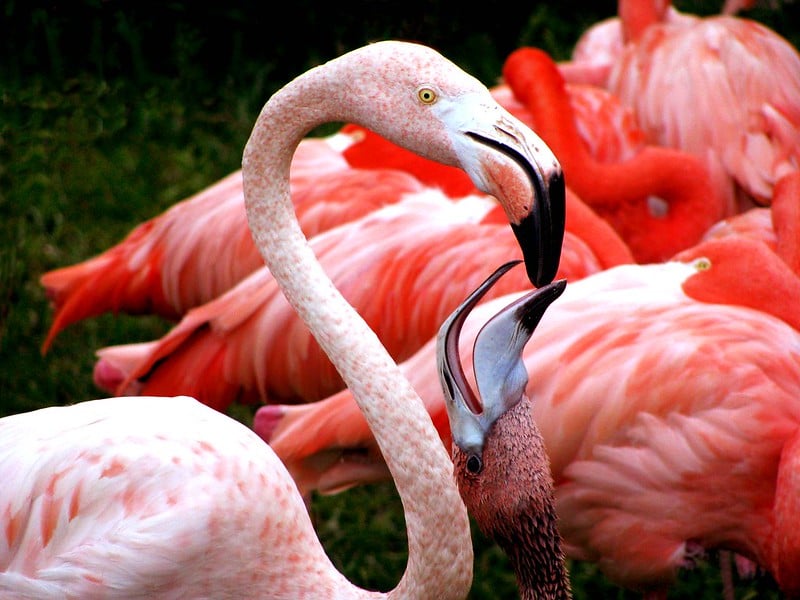
Male and female flamingos both produce crop milk that’s bright red due to a red-colored antioxidant called canthaxanthin, which also helps transform the chicks from white to pink. Parent flamingos lose their pink coloring and become more white during breeding season as they transfer these valuable nutrients to their young through milk for up to six months. The vivid color makes flamingo feeding sessions look dramatically different from typical bird parenting.
Tsetse Flies Lactate
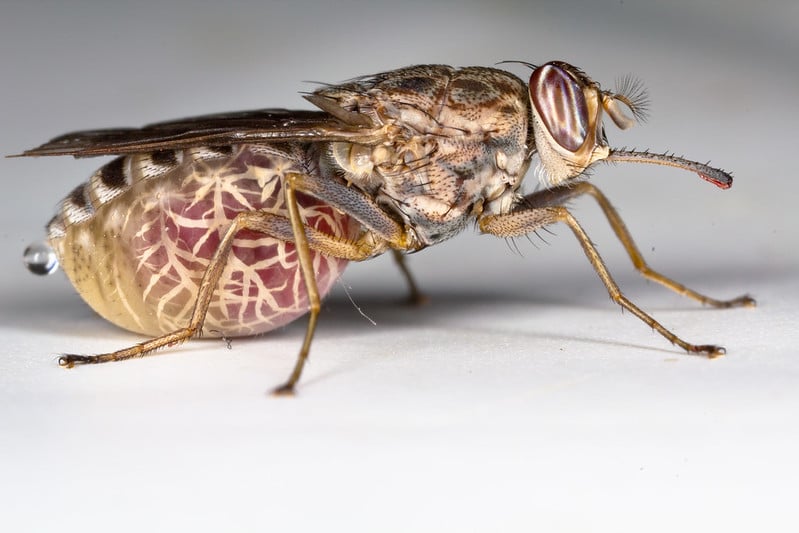
Tsetse fly larvae grow inside their mother’s uterus, which has glands that secrete a milk-like substance to sustain the developing larva. Like mammalian milk, the nutritive properties of this substance change as the larva grows. These biting insects demonstrate that live birth and milk production evolved independently in creatures far removed from mammals on the evolutionary tree.
Spider Milk Feeds Babies
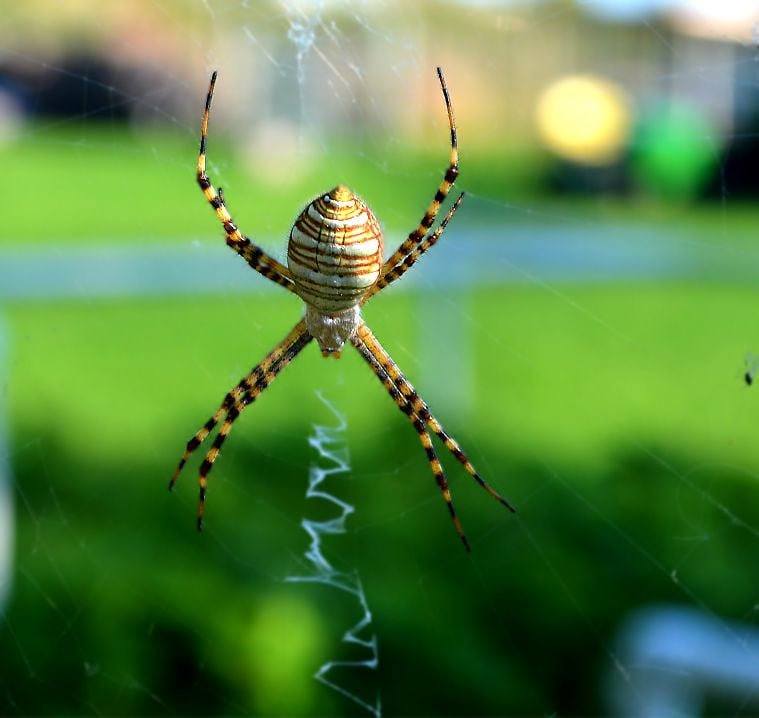
Female southeast Asian jumping spiders produce a nutritious substance for their spiderlings, which depend on it to survive and crowd around their mother to feed, similar to puppies nursing. This spider milk contains fats, sugars, and proteins, with about four times more protein than cow milk. Scientists theorize the milk might be made from liquified eggs that failed to mature properly.
Black Rhino Milk Is Basically Water
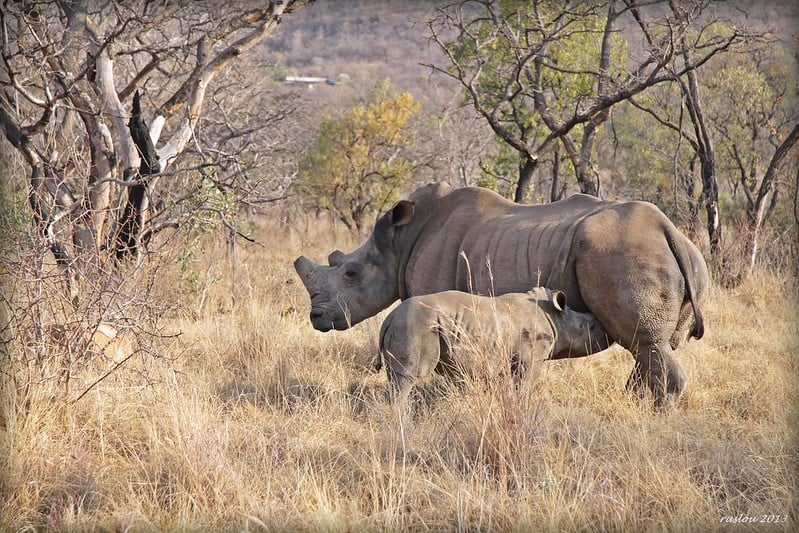
Black rhinoceroses produce the skimmest milk on the fat spectrum, with only about 0.2 percent fat, making it extremely watery. This dilute composition relates to the species’ slow reproductive cycle, as rhino mothers nurse their calves for nearly two years. Species that lactate for extended periods tend to produce lower-fat milk since maintaining high nutrient density for years would be unsustainable.
Emperor Penguin Fathers Make Milk

Male emperor penguins, which spend the harsh Antarctic winter incubating eggs, produce a fatty liquid in their crop to feed newly hatched chicks. The females don’t produce milk but instead bring food to the chicks after they hatch. This division of labor allows penguin parents to tag-team the challenging job of raising offspring in one of Earth’s most extreme environments.
Rabbit Milk Packs Maximum Protein
Eastern cottontail rabbit milk contains around 15 percent protein, the most protein-rich milk researchers have found in any species. Milk with high levels of both fats and proteins appears in species that leave their young unattended for extended periods while mothers forage. The concentrated nutrition allows baby rabbits to go longer between feedings without suffering from malnutrition.
Elephant Seal Milk Turns Pudding-Thick
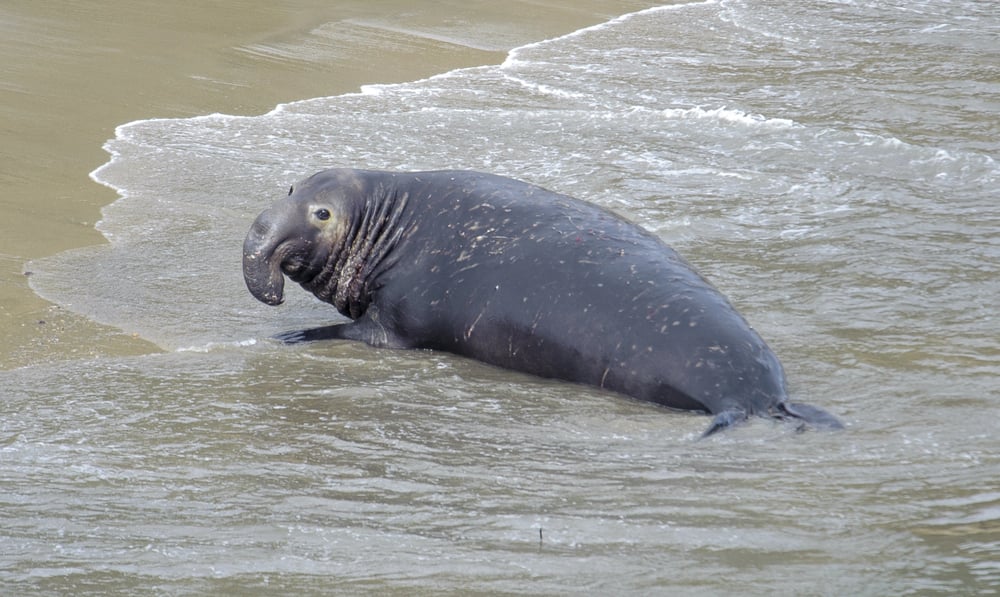
Elephant seal milk undergoes dramatic changes during the nursing period. The fat content increases from around 12 percent to 52 percent over the first 20 days, transforming the milk into a thick, pudding-like consistency. This allows seal pups to quadruple their birth weight to roughly 135 kg within just four weeks, building the blubber layer they need to survive in frigid waters.
Pig Milk Cheese Costs Over $1,000 Per Pound
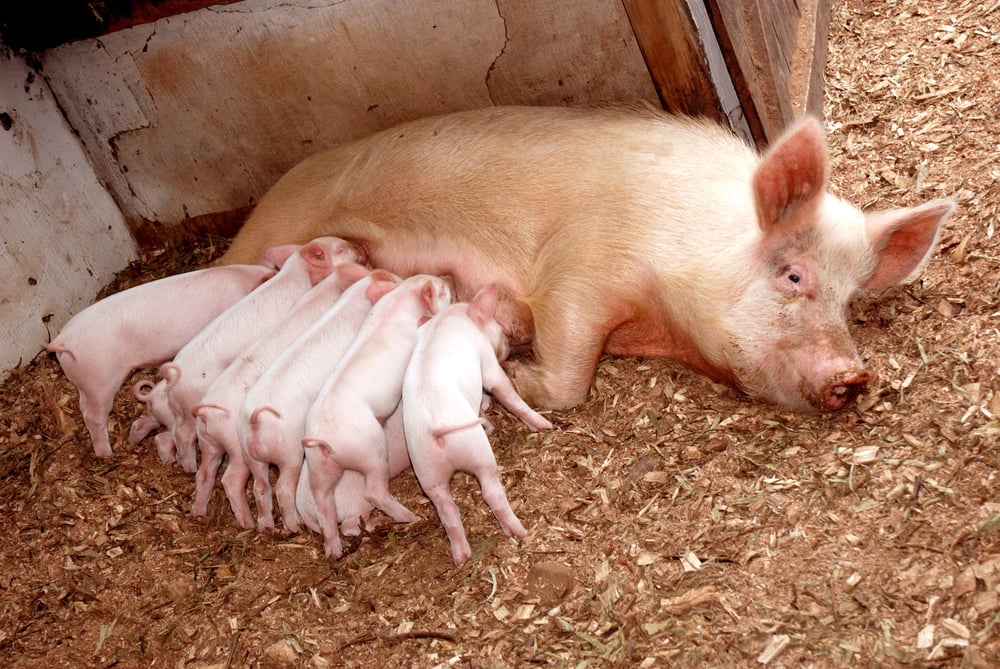
A Dutch farmer produced cheese from pig’s milk that sold for over $1,200 per pound, making it the most expensive cheese ever sold worldwide. Creating just one kilogram required 10 people intermittently milking sows for almost two days. Pig milk has never been mass-produced because of the difficulty of the milking process and the milk’s unpalatable aroma.
Horse Milk Fights Stomach Problems
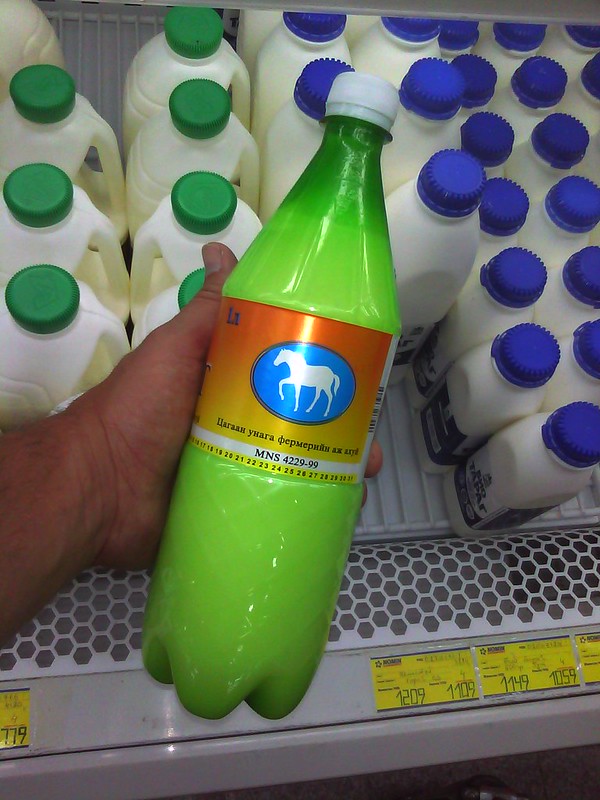
Horse milk has antacid properties and some cultures use it to help treat chronic hepatitis, peptic ulcers, and tuberculosis. The composition of horse milk closely resembles human milk, leading researchers in Italy to consider it as a potential formula substitute for children allergic to cow’s milk. People in Russia and Central Asia have consumed horse milk for its health benefits for centuries.
Great White Shark Pups Get Milk Substitute
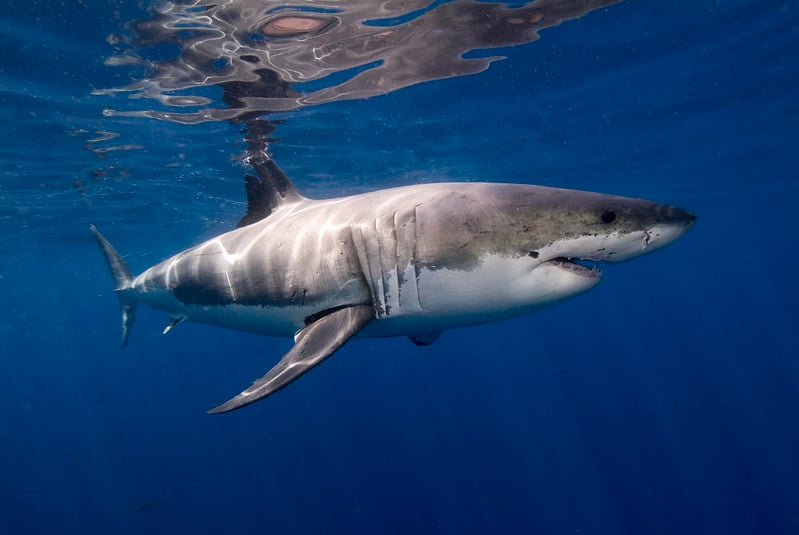
Great white shark pups grow inside their mother’s uterus, and because they lack an umbilical cord, the uterus sheds a milky substance to sustain the pup before birth. This adaptation allows sharks to nourish their developing young internally despite not being mammals. The substance provides nutrients similar to what mammalian milk offers, though it works before birth rather than after.
Yak Milk Is Emerging Superfood
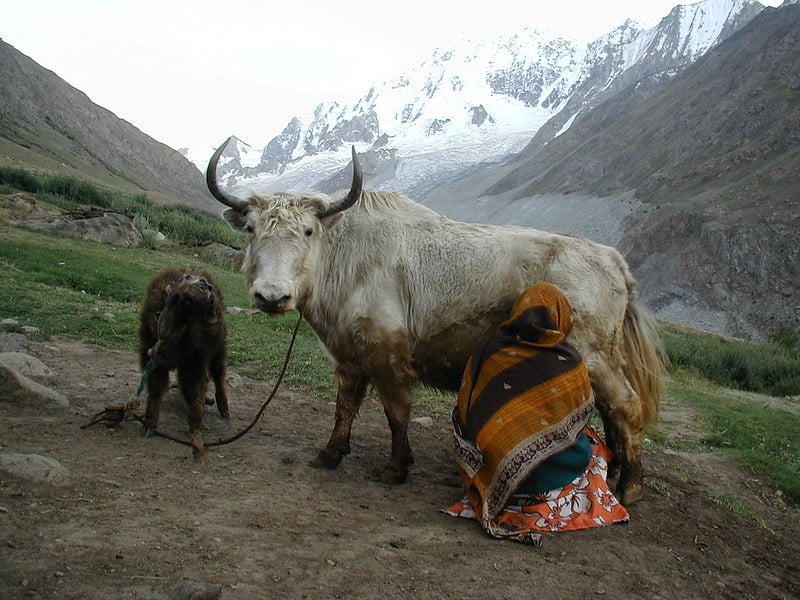
Yak milk contains far more proteins and fats than cow milk, including omega-3 fatty acids, making it an emerging superfood in many countries. Most people describe yak milk as very rich, lightly sweet, and aromatic. For thousands of years, yak milk has been the most important livelihood source for herder communities on the Tibetan Plateau and Himalayas, used to make everything from raw milk to ghee and cheese.
A Reflection on Nature’s Dairy Diversity
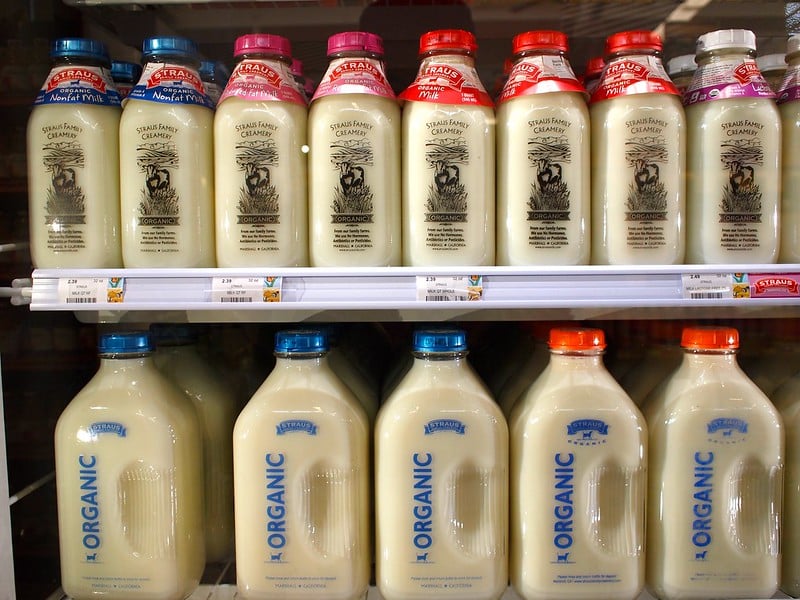
The incredible variety of milk across the animal kingdom shows how evolution tailors solutions to specific survival challenges. Whether it’s seals packing maximum calories into brief nursing periods or kangaroos adjusting milk composition on the fly, these adaptations reveal nature’s remarkable flexibility. What seems bizarre to us represents millions of years of successful parenting strategies that have kept countless species thriving in every environment on Earth.
More from Go2Tutors!

- The Romanov Crown Jewels and Their Tragic Fate
- 13 Historical Mysteries That Science Still Can’t Solve
- Famous Hoaxes That Fooled the World for Years
- 15 Child Stars with Tragic Adult Lives
- 16 Famous Jewelry Pieces in History
Like Go2Tutors’s content? Follow us on MSN.



