16 Social Rules That Changed Almost Overnight
Social norms have always evolved, but some changes happen so quickly they catch entire generations off guard. What was perfectly acceptable one day suddenly became awkward or even offensive the next, leaving many people scrambling to keep up with new expectations.
The digital age has accelerated this process dramatically. Here’s a list of 16 social rules that transformed almost overnight, reshaping how we interact with each other in ways our parents never could have imagined.
Answering Your Phone Immediately

There was a time when letting your phone ring meant you were either dead or incredibly rude. People would sprint across rooms to catch calls before the answering machine kicked in.
Now, answering on the first ring actually seems a bit desperate or overeager. Everyone expects you to screen calls, and it’s perfectly normal to let unknown numbers go to voicemail while you decide if they’re worth your time.
Showing Up Unannounced

Dropping by someone’s house without calling first used to be a normal way to socialize. Neighbors would pop over for coffee, friends would swing by just to chat, and family members would arrive whenever they felt like it.
These days, showing up without a text or call first feels like a major invasion of privacy. People need advance notice to mentally prepare for company, tidy up, or simply put on pants.
Like Go2Tutors’s content? Follow us on MSN.
Asking for Directions

Getting lost meant finding the nearest gas station or flagging down a friendly local for directions. It was a normal part of traveling, and most people were happy to help out confused drivers.
GPS technology made this interaction almost extinct overnight. Now, asking a stranger for directions feels weird for both parties, like admitting you don’t know how to use basic technology.
Developing Film to See Your Photos

Taking pictures meant waiting days or weeks to see how they turned out. You’d drop off rolls of film at the photo shop and cross your fingers that your vacation shots weren’t all blurry disasters.
Digital cameras and smartphones made this ritual disappear almost instantly. The idea of not knowing what your photos look like until days later now seems absurdly inconvenient.
Memorizing Phone Numbers

Everyone used to have dozens of important phone numbers stored in their heads. You’d rattle off your best friend’s number, your parents’ work line, and the local pizza place without thinking twice.
Cell phones with contact lists made this skill completely unnecessary. Most people today can barely remember their own phone number, let alone anyone else’s.
Like Go2Tutors’s content? Follow us on MSN.
Waiting Until Evening to Make Personal Calls

Long-distance calls cost serious money during business hours, so families would wait until evening rates kicked in to chat with relatives. Everyone understood that certain hours were for cheap calls and others were for emergencies only.
Cell phone plans with unlimited minutes made time-based pricing obsolete practically overnight. Now people call whenever they want without checking the clock.
Dressing Up to Fly

Air travel used to be an elegant affair where passengers wore their finest clothes. People would put on suits and dresses to board planes like they were going to a fancy dinner.
Airlines encouraged this formal atmosphere with white-glove service and gourmet meals. The shift to casual flying happened gradually, then suddenly everyone was wearing pajamas and flip-flops on flights without thinking twice about it.
Knocking Before Entering Any Room
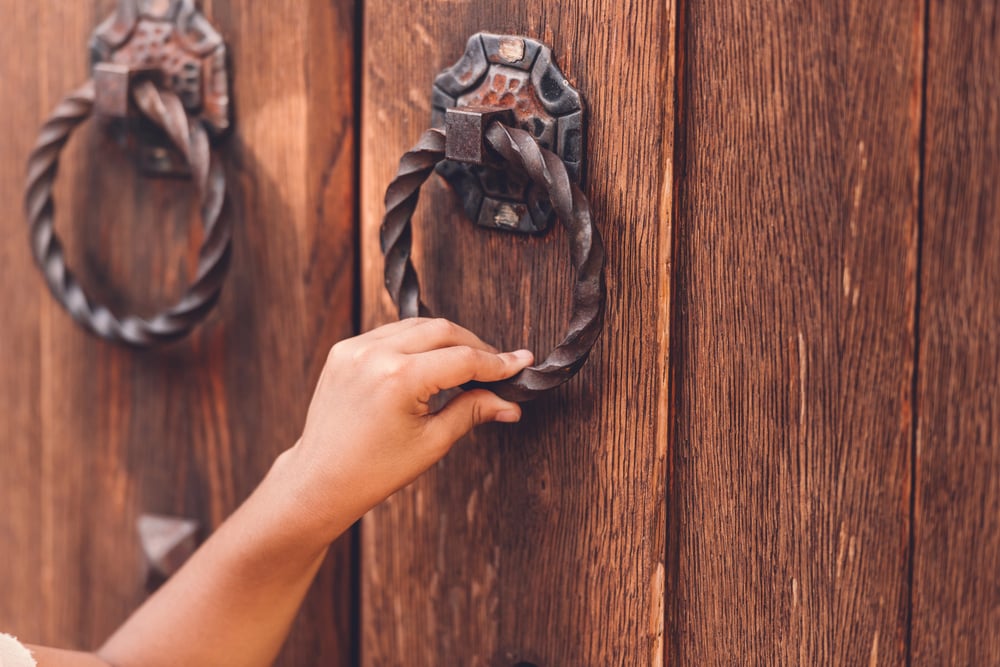
Politeness demanded that you knock and wait for permission before entering someone’s bedroom, office, or even the bathroom in your own home. This courtesy gave people a moment to compose themselves or say ‘come in’ when ready.
Modern life moves too fast for such formalities, and many families have abandoned this practice entirely, though it still causes awkward encounters.
Like Go2Tutors’s content? Follow us on MSN.
Using Formal Titles for Adults

Children were taught to address every adult as Mr., Mrs., or Miss followed by their last name. First names were reserved for family members and very close friends.
This formal structure created clear boundaries between generations and showed respect through language. The casual approach to names spread quickly once parents started encouraging kids to call adults by their first names in certain settings.
Planning Your Route Before Leaving
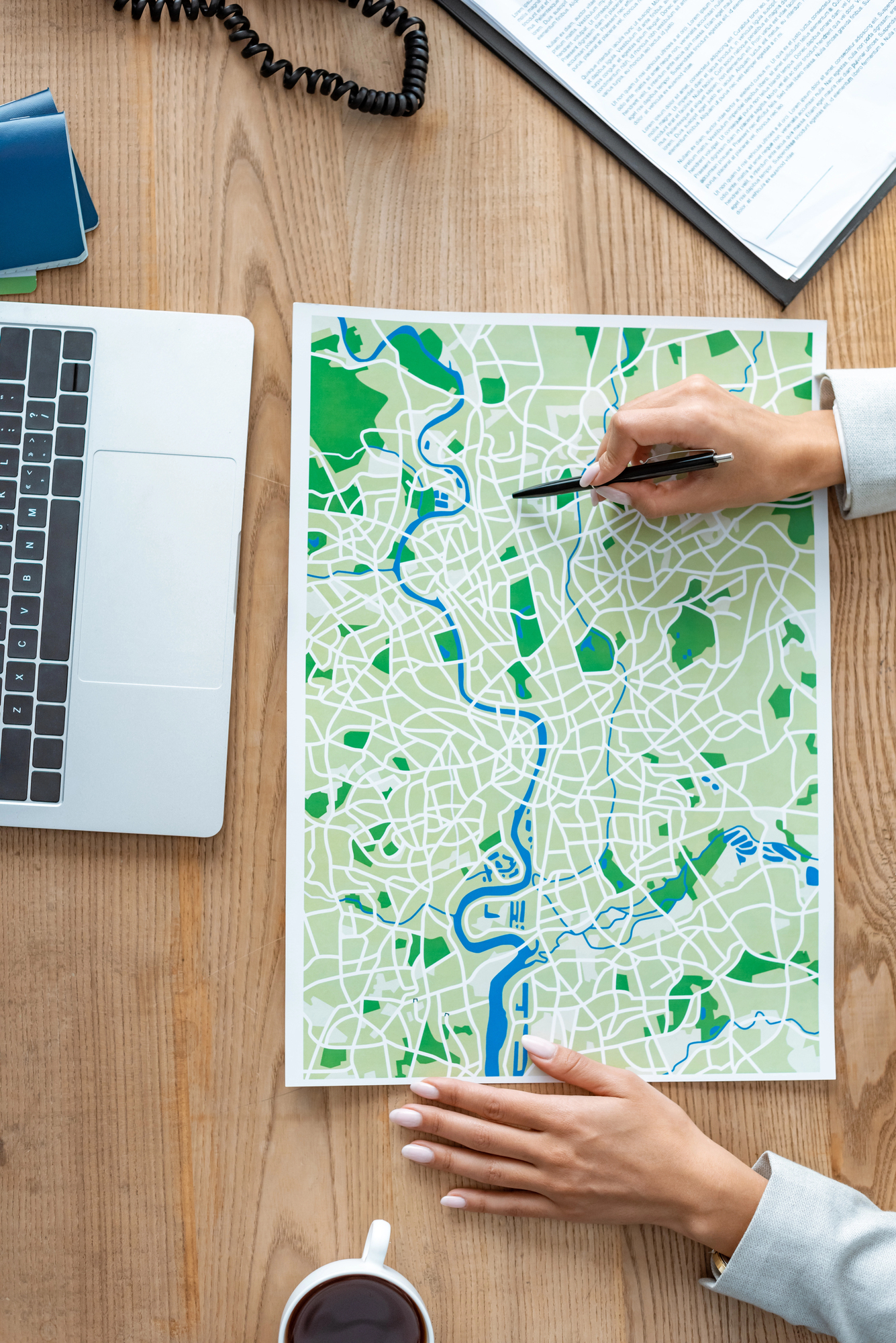
Any trip longer than a few miles required consulting physical maps, writing down directions, or at least having a general idea of where you were going. Getting lost was expected and people built extra time into their schedules for wrong turns.
GPS navigation made trip planning instantaneous and obsolete. The idea of studying a map before a simple drive now seems as outdated as using a rotary phone.
Watching TV Shows on Schedule

If you missed your favorite show at its scheduled time, you missed it completely unless you caught a rerun months later. Families would gather around the television at specific times and plan their evenings around must-see programs.
DVRs changed this dynamic gradually, but streaming services destroyed appointment television almost overnight. Now the idea of watching commercials or waiting for next week’s episode feels primitive.
Like Go2Tutors’s content? Follow us on MSN.
Writing Thank You Notes by Hand
Every gift, favor, or kind gesture required a handwritten thank you note sent through the mail. This wasn’t just for weddings or formal occasions, but for everyday courtesies like dinner invitations or birthday presents.
Email and text messages made handwritten notes seem unnecessarily formal and slow. Most people under thirty have never written a proper thank you note and wouldn’t know where to start.
Carrying Cash for Everything

Credit cards existed but weren’t accepted everywhere, so people carried actual money for daily purchases. You’d hit the ATM regularly and stuff your wallet with bills for groceries, gas, and coffee.
Digital payments and credit card acceptance became so universal that many places now refuse cash entirely. Some people go weeks without touching physical money.
Buying Music Before Hearing It

Record stores were full of people taking chances on albums based on one hit single or interesting cover art. You’d spend your allowance on a CD hoping the rest of the songs were decent, and sometimes you’d be stuck with terrible music you couldn’t return.
Digital samples and streaming services eliminated this gamble completely. The idea of buying music blind now seems financially irresponsible.
Like Go2Tutors’s content? Follow us on MSN.
Keeping Your Relationship Status Private

People would date, break up, get engaged, or even marry without feeling obligated to announce it to everyone they’d ever met. Your personal life stayed personal unless you specifically chose to share details with close friends and family.
Social media created pressure to broadcast every relationship milestone publicly. Not updating your status immediately now signals that something might be wrong or secretive about your relationship.
Making Plans Without Confirming Multiple Times

When you made plans to meet someone at seven PM, you both showed up at seven PM without additional coordination. There was no way to communicate changes or delays once you left the house, so punctuality and commitment mattered more.
Cell phones introduced the ability to constantly adjust plans right up until the last minute. Solid, unchangeable plans now feel rigid and stressful to many people.
How We Adapted Without Realizing It
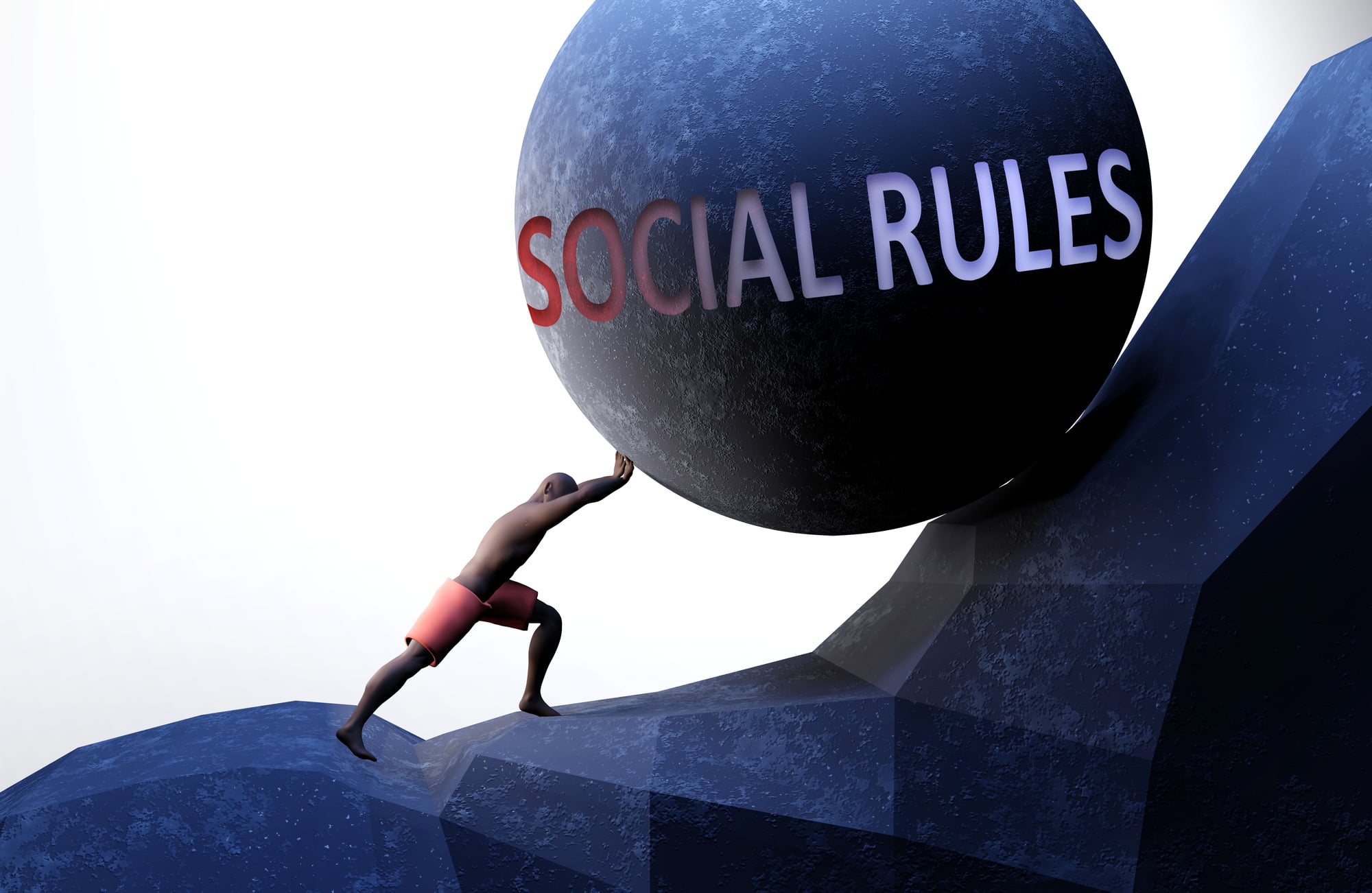
These changes happened so smoothly that most people adjusted without conscious effort or resistance. One day we were doing things the old way, and seemingly overnight we had completely new habits and expectations.
The speed of social adaptation shows how flexible humans really are when technology or circumstances demand it. Each generation thinks their childhood norms were universal and permanent, but these examples prove that social rules are far more fragile and temporary than we imagine.
Like Go2Tutors’s content? Follow us on MSN.
More from Go2Tutors!

- 16 Historical Figures Who Were Nothing Like You Think
- 12 Things Sold in the 80s That Are Now Illegal
- 15 VHS Tapes That Could Be Worth Thousands
- 17 Historical “What Ifs” That Would Have Changed Everything
- 18 TV Shows That Vanished Without a Finale
Like Go2Tutors’s content? Follow us on MSN.