Antique Dolls Collectors Pay Big For
Somewhere in an attic trunk, a porcelain face is looking at the lid and waiting. Most dolls from the nineteenth and early twentieth centuries are worth little more than the dust on them, but a handful of makers and models turn up at auction with price tags that rival fine art.
The difference rarely comes down to age alone. A particular mold number, a mark on the back of the neck, or an unusually sad expression can separate a modest keepsake from a major lot. Here are the names and types that make serious collectors reach for their paddles.
Jumeau Bébé Triste With the Long Face
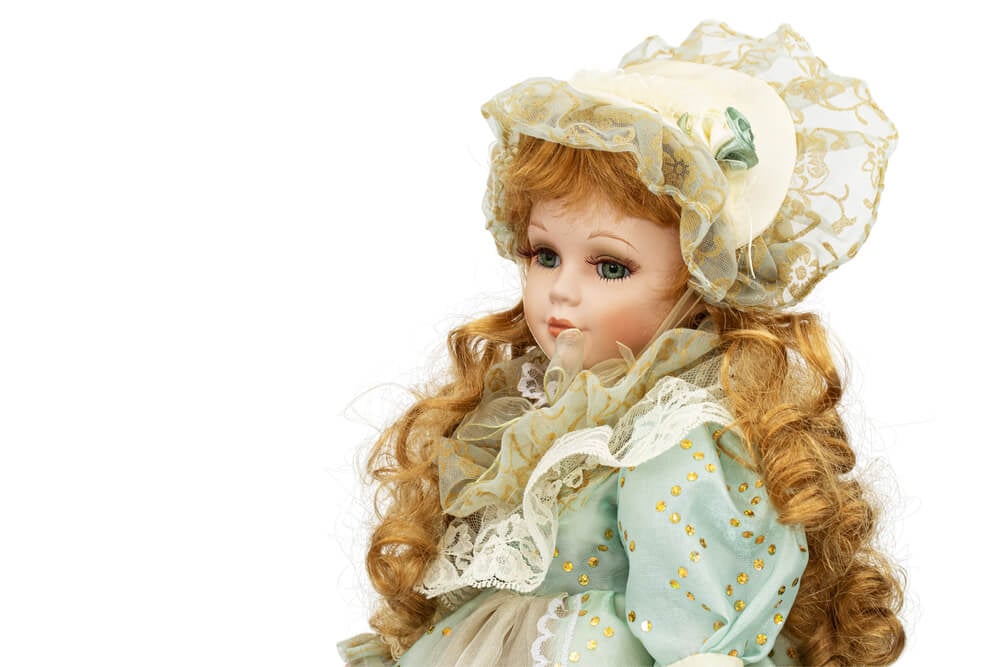
Made by Emile Jumeau in the 1870s, the long-faced Bébé is one of the most sought-after French dolls ever produced. The nickname Triste, French for sad, was applied by later collectors because of the solemn, slightly wistful look of the closed-mouth face.
The proportions are what set it apart, since the face is noticeably narrower and more serious than the round-cheeked dolls Jumeau sold later. Value swings enormously with condition, including the quality of the bisque, any repairs, and whether the original clothing and body survive.
Tête Jumeau With the Red Stamp
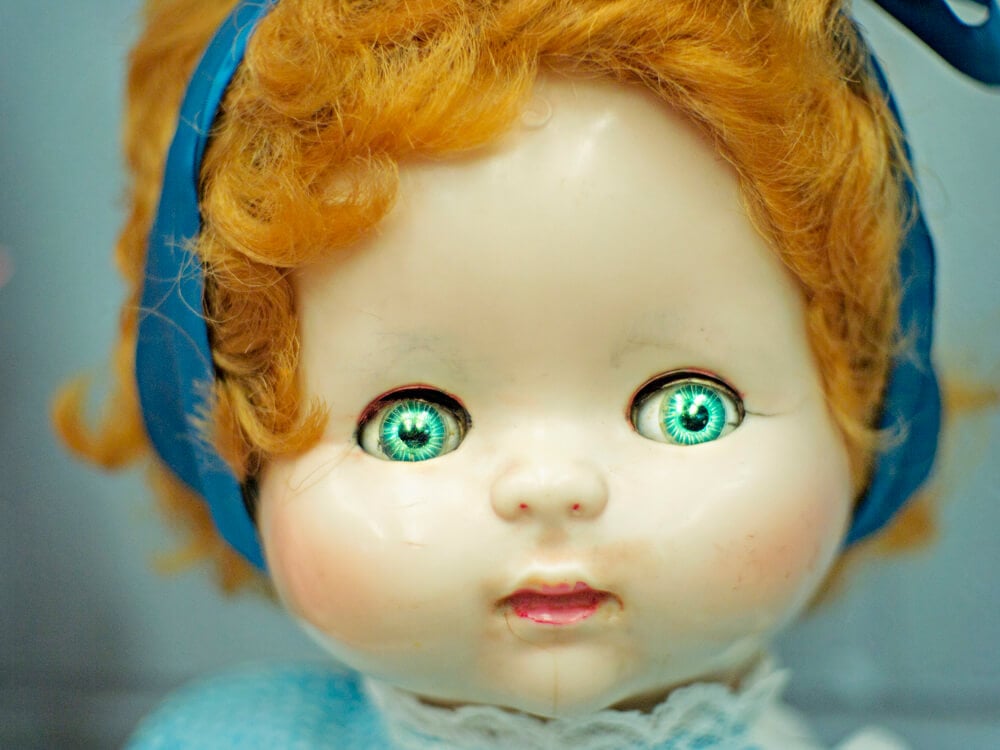
The Tête Jumeau is the doll most people picture when they imagine a French bébé, with big paperweight eyes and a pert closed mouth. Heads carry a red stamp reading Tête Jumeau, and bodies are often marked with a reference to the gold medal Jumeau won at the 1878 Paris Exposition.
Small red check marks on the back of the head are another detail collectors hunt for when judging authenticity. Pristine examples in original costume command far more than redressed dolls with replaced wigs or hairline cracks.
Steiner Bébé Gigoteur
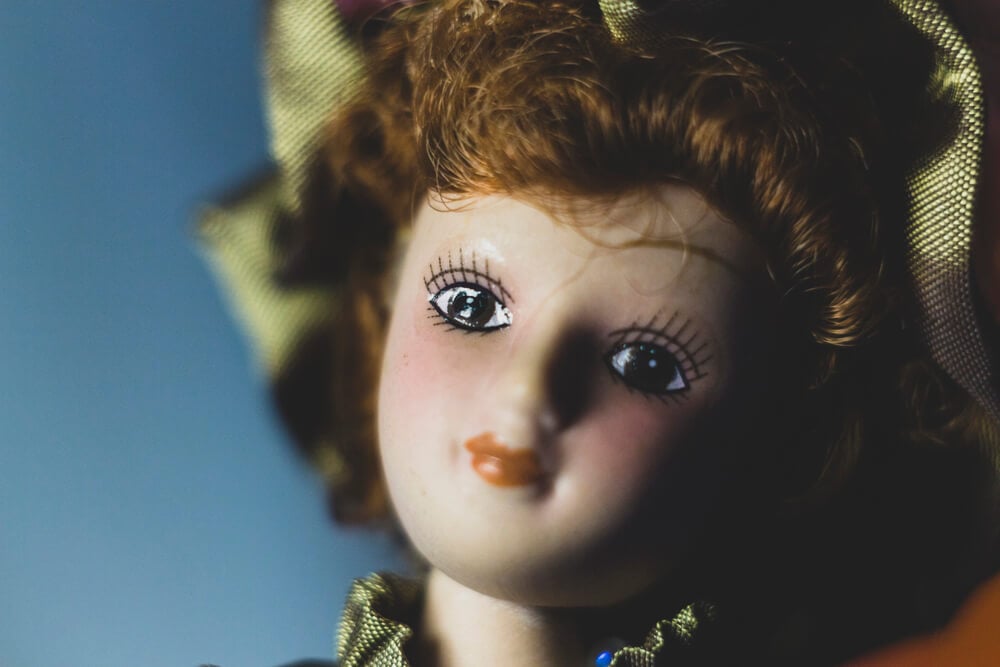
Jules Steiner of Paris built a mechanical doll whose name comes from the French verb gigoter, meaning to wriggle. A key-wound mechanism in the torso makes the doll kick its legs and wave its arms while crying out, which must have been either charming or alarming depending on the nursery.
Working mechanisms are far scarcer than the bisque heads, because the clockwork was fragile and was often broken by enthusiastic children. A Steiner with an intact movement, original body, and undamaged face sits at a very different price level than one with a replaced head.
Bru Jne Bébé Teteur
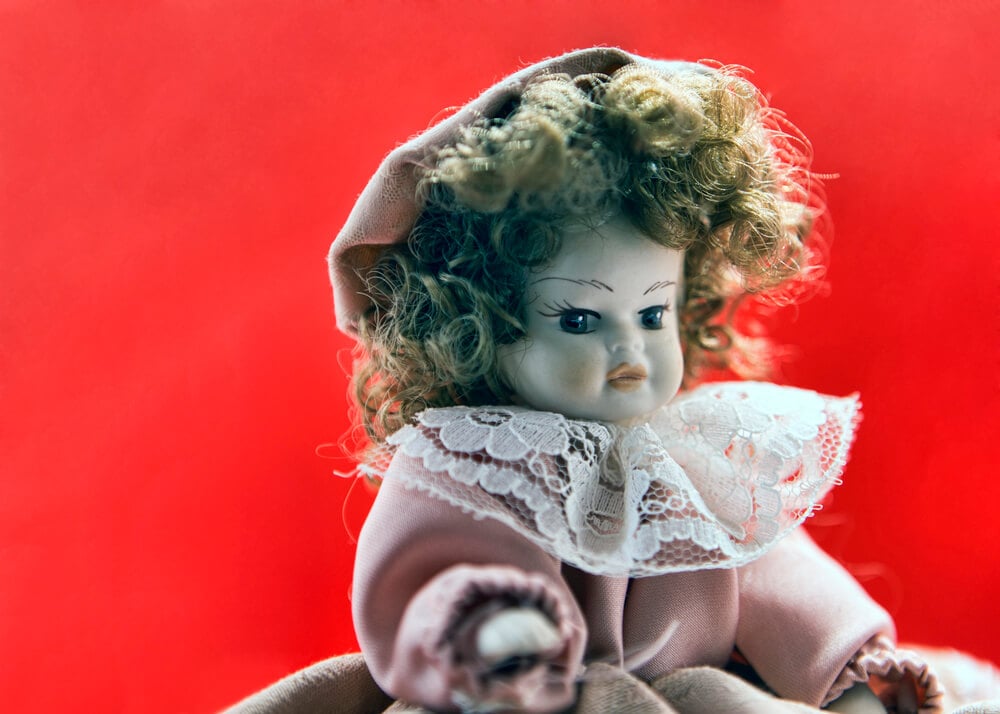
Léon Casimir Bru’s firm, marked Bru Jne, produced some of the most delicately modeled French faces of the 1870s and 1880s. The Bébé Teteur is a nursing doll in which a hidden mechanism lets the doll appear to drink from a bottle.
Bru dolls are known for kid leather bodies, bisque shoulder plates, and a refined, thoughtful expression that feels closer to portraiture than toy making. Because Bru made relatively few dolls and many have been repaired over the years, untouched examples draw fierce bidding.
François Gaultier Fashion Dolls
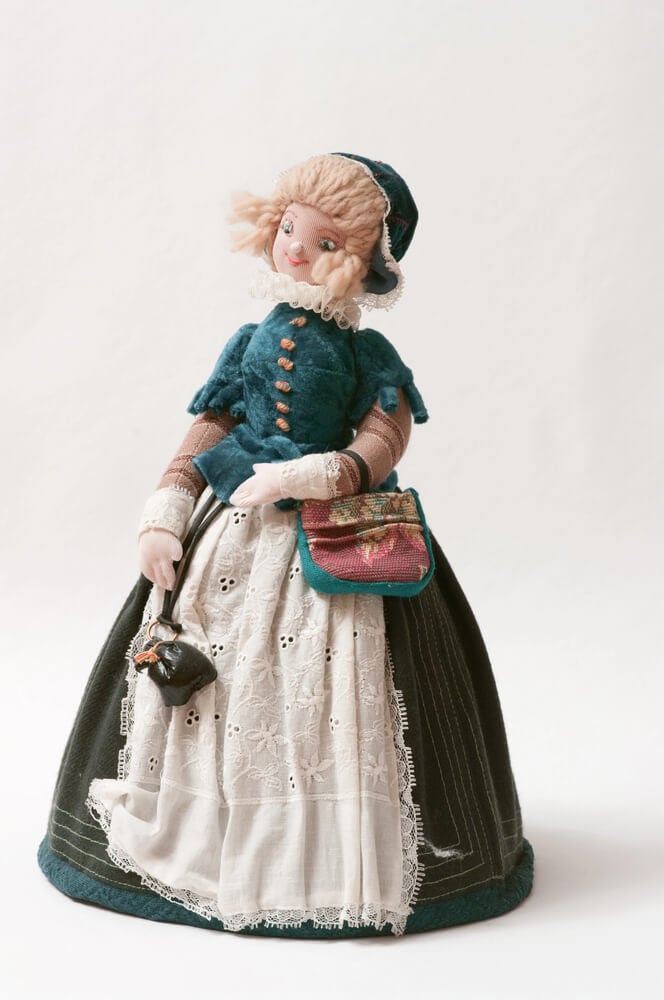
François Gaultier’s Paris workshop made bisque fashion dolls with adult proportions, swivel necks, and kid leather bodies, intended to display miniature versions of the latest French couture. Heads are often marked with the letters F.G. inside a scroll, a mark that experts look for before anything else.
Gaultier later became part of the Société Française de Fabrication de Bébés et Jouets, the 1899 merger that also swallowed up Jumeau. A fashion doll still wearing a period wardrobe, complete with accessories, can be worth many times the price of the same doll in replacement clothes.
Schmitt et Fils Bébé With the Crossed Hammers
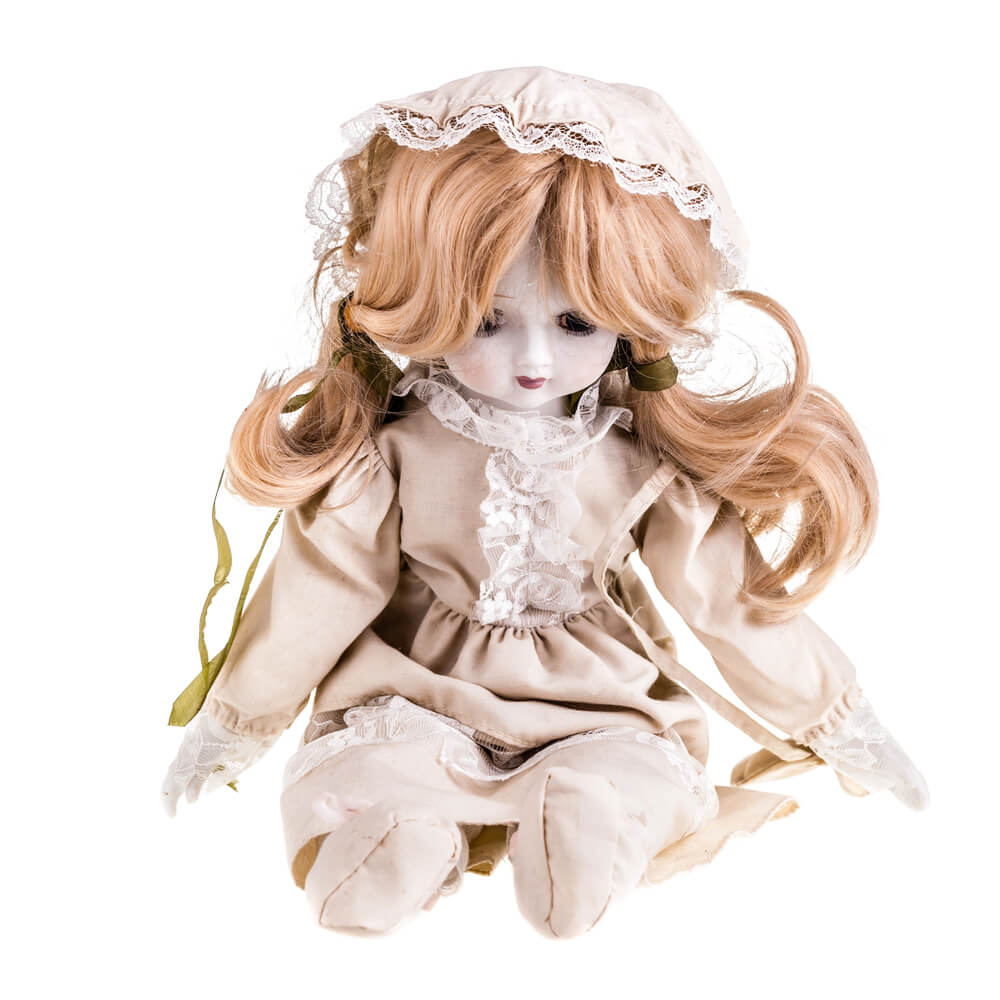
The Paris firm Schmitt et Fils marked its bisque bébés with a shield bearing crossed hammers and the initials SCH. These dolls tend to have a calm, almost sculptural face, and well-preserved examples are scarce compared with Jumeau output. Schmitt’s small production run means a complete doll with an intact original body is a legitimate find.
Collectors pay close attention to the shield mark, since its presence is the quickest way to tell a genuine Schmitt from a lookalike.
Kämmer & Reinhardt Kaiser Baby
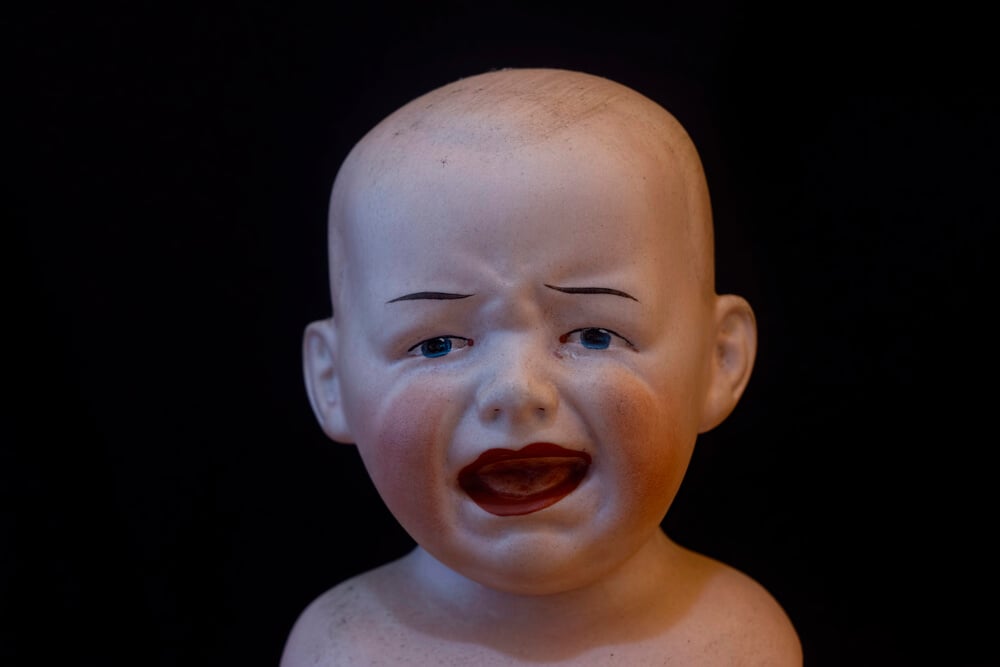
Mold 100 from the Waltershausen firm of Kämmer & Reinhardt, introduced in 1909, is known as the Kaiser Baby. It has molded hair and painted blue eyes, a plain, realistic face that was a deliberate break from the idealized beauty of earlier dolls.
The heads were frequently produced by Simon & Halbig, which is why the mark often reads K*R Simon & Halbig. Condition matters enormously here, because the matte finish shows every scratch, and a clean face with original clothing can multiply the value.
Simon & Halbig Mold 1159 Gibson Girl
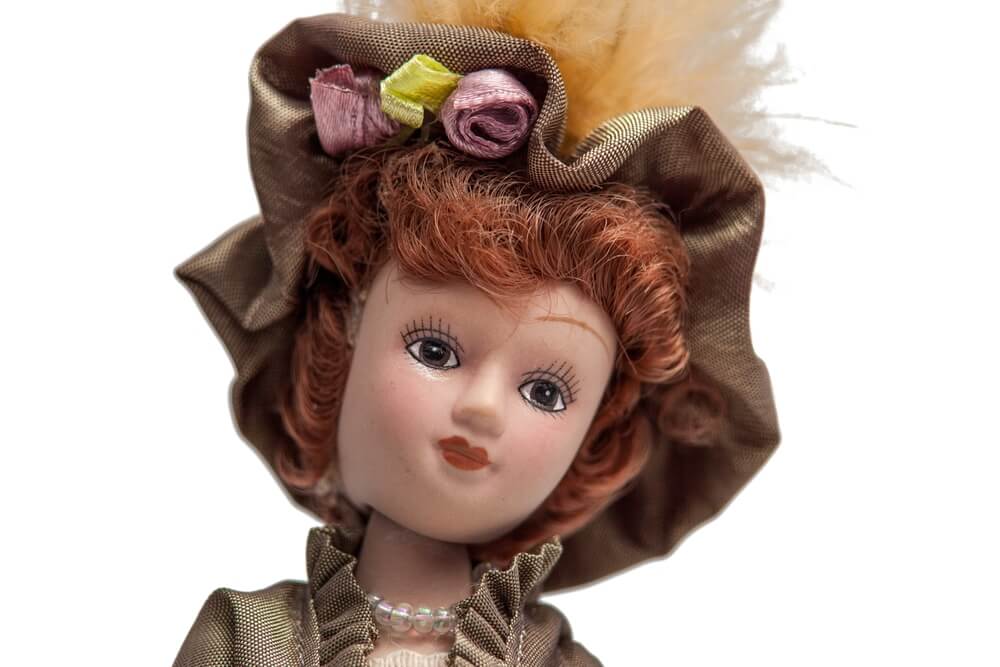
Simon & Halbig, based in Gräfenhain in Thuringia, produced a lady doll with adult proportions and a stylish upswept look inspired by the Gibson Girl illustrations of Charles Dana Gibson. Mold 1159 stands apart from the child dolls that dominate German bisque production, since adult dolls were made in far smaller numbers.
The refined, slightly aloof face reflects the fashion ideal of the 1900s. Values depend on the quality of the bisque coloring, original wig, and whether the jointed body is intact or replaced.
J.D. Kestner Hilda Baby
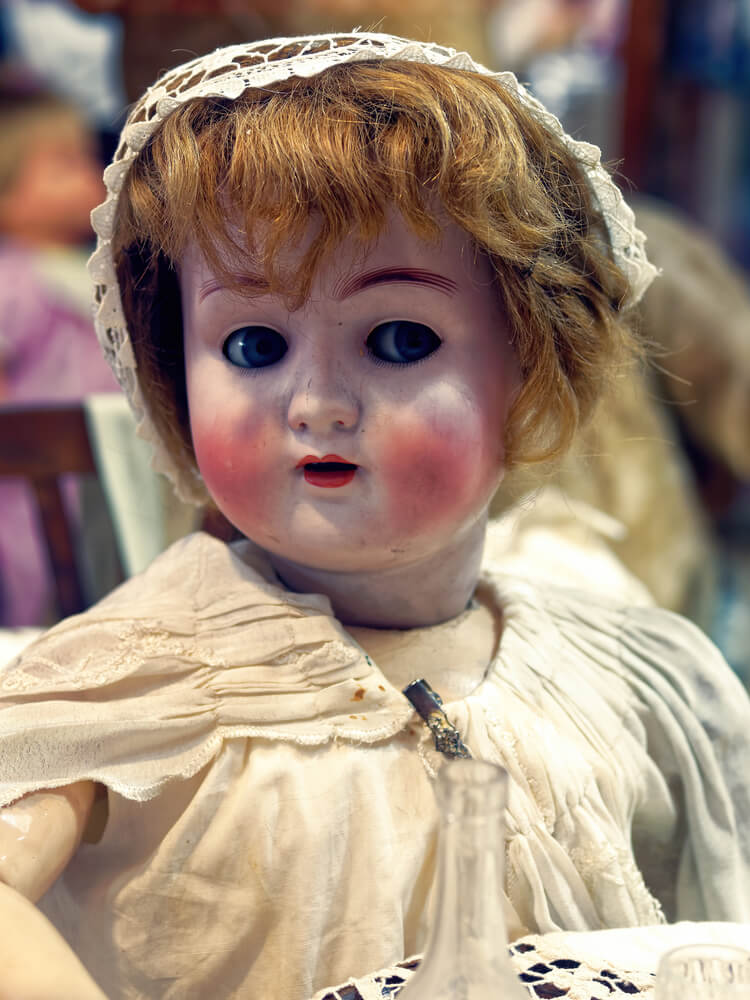
Kestner of Waltershausen, founded by Johann Daniel Kestner Jr., trademarked a baby doll called Hilda around 1914. The Hilda face has a chubby, rounded look that many collectors consider among the finest baby faces ever modeled in bisque.
A brown-complexioned version exists and rarely reaches the market, which makes it one of the more prized variations. Intact examples with original bodies and good bisque coloring can bring serious prices, while damaged heads sell for a fraction of that.
Gebrüder Heubach Pouty Character Dolls
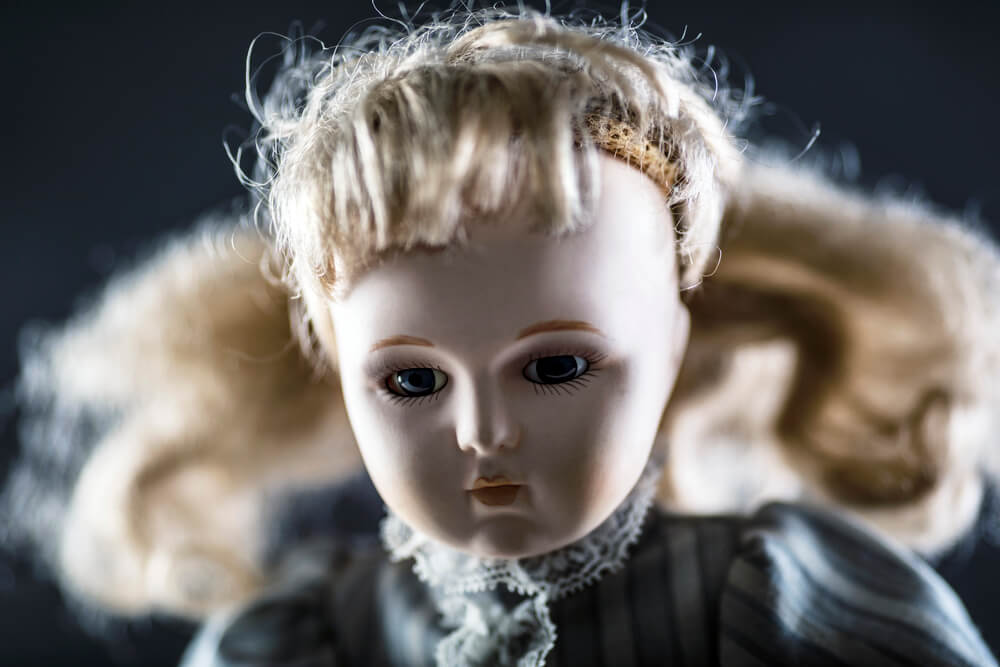
The Heubach brothers ran a porcelain factory in Lichte, Thuringia, and their bisque character dolls of the early 1900s are instantly recognizable by their sculpted pupils and expressive faces. Collectors call the sulky, frowning types Poutys, and the grumpy expression is exactly what makes them desirable.
Heubach marked many pieces with a sunburst, a detail that helps identify genuine examples. Rare character expressions, such as wide-open laughing mouths or unusual ethnic types, can bring much more than the common pouting child.
Armand Marseille Dream Baby
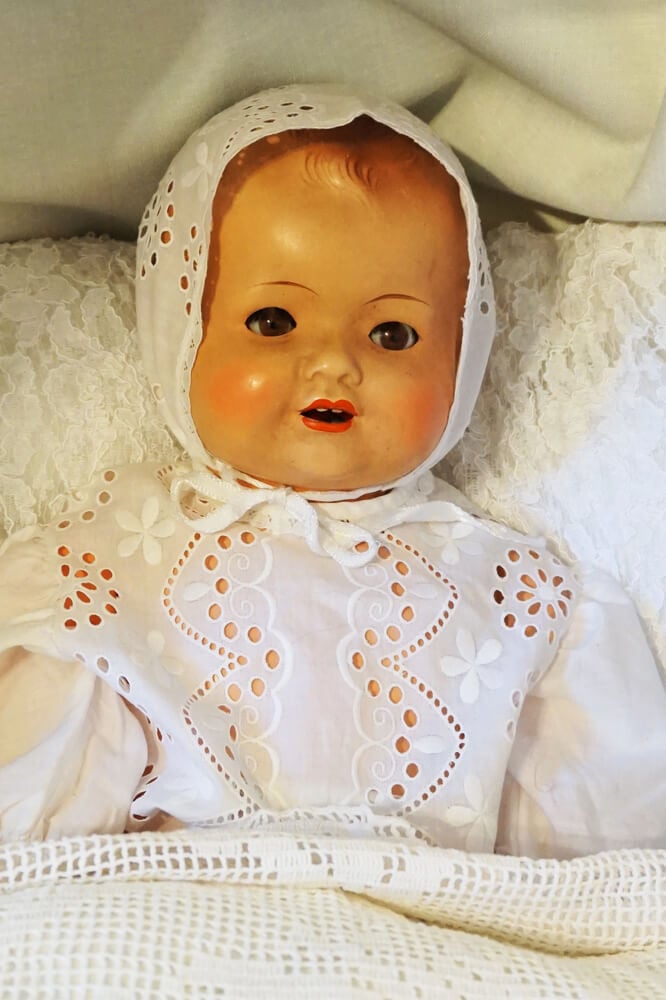
The Dream Baby, with its sleepy closed eyes and soft, babyish face, was introduced by Armand Marseille in the 1920s and sold in huge numbers. Most are modestly priced, but rare molds and unusual sizes, as well as the brown-complexioned versions, bring significantly more.
The standard version uses a cloth body with composition limbs and a bisque head with a gentle, drowsy look. Value depends on bisque quality, firing flaws, and whether the original gown and bonnet remain.
Armand Marseille Just Me Googly
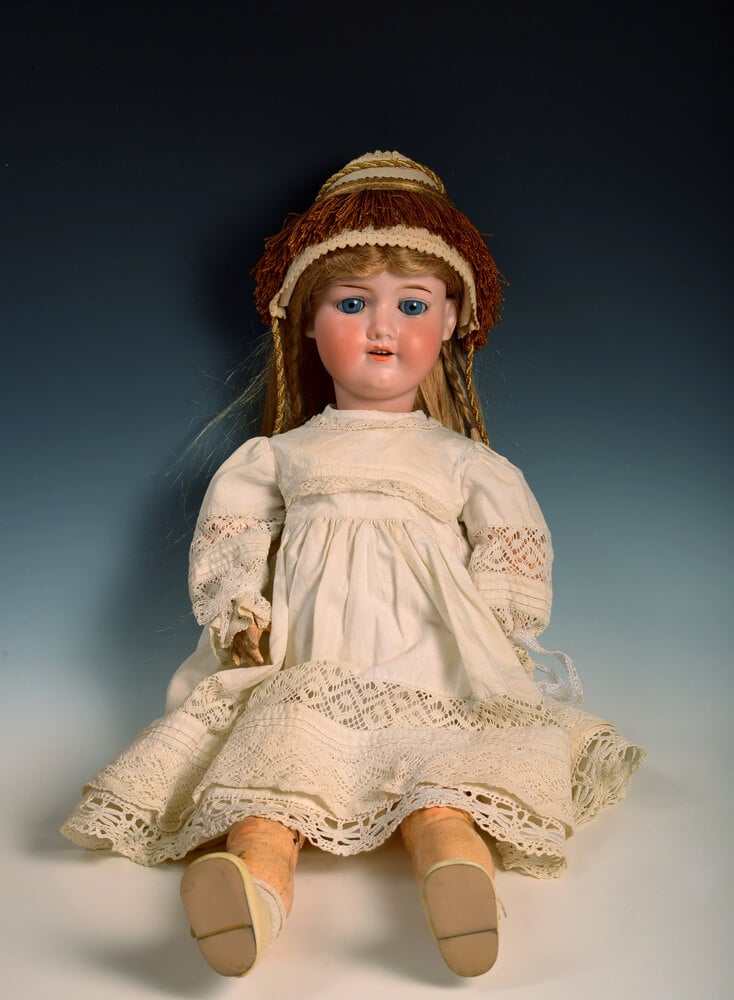
Just Me, mold 310, is a bisque doll with side-glancing googly eyes and a tiny pursed mouth, introduced in the mid-1920s. The googly craze followed the success of Rose O’Neill’s Kewpie, first published in Ladies’ Home Journal in 1909. Collectors prize Just Me for the mischievous, impish expression that makes it unlike any typical child doll of the period.
Complete examples with original clothing and an unmarred face bring the best prices, while heads on replaced bodies sell for much less.
Heinrich Handwerck Bisque Child
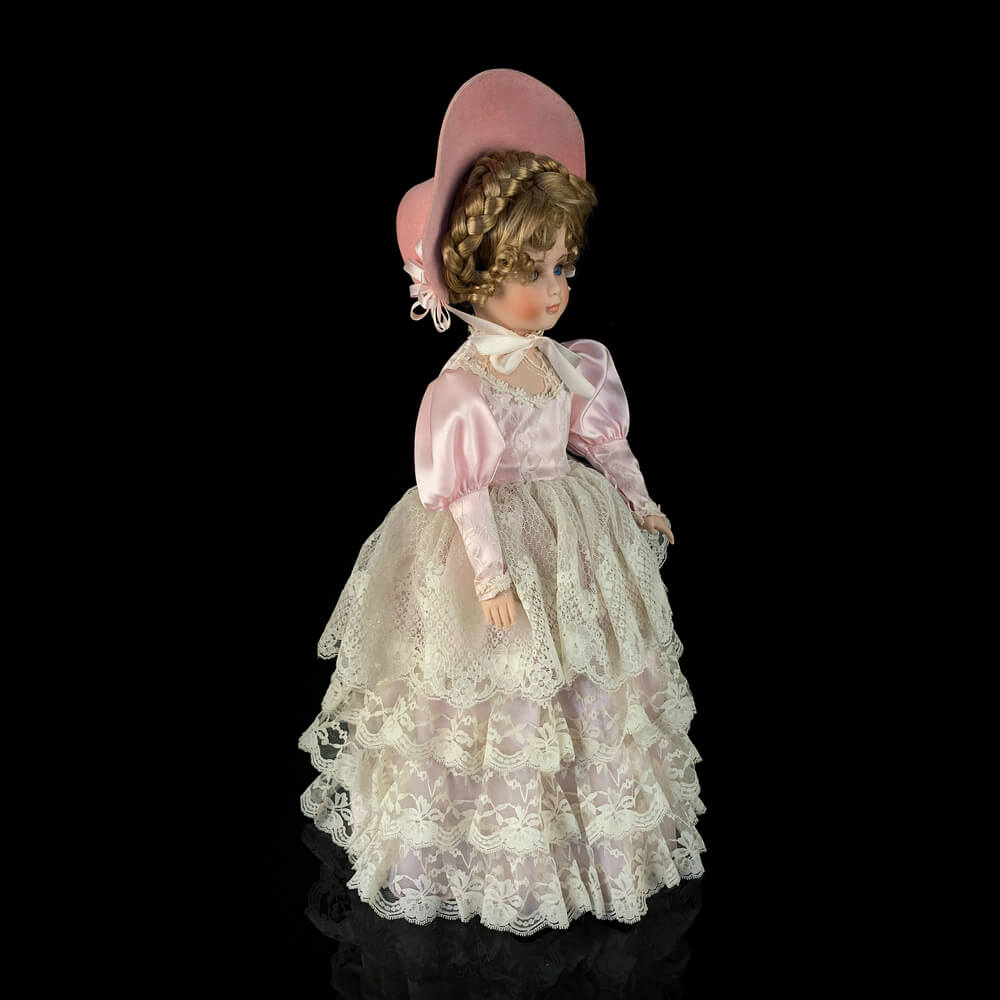
Heinrich Handwerck of Waltershausen made sturdy, well-proportioned dolls that were often fitted with Simon & Halbig heads, and the combined mark reads Handwerck Halbig. The company became known for jointed composition bodies that held up well to play, which explains why so many survived.
Larger sizes are scarcer and tend to command higher prices than the common mid-sized dolls. Original clothing, a clean face, and a correctly matched body are what separate an ordinary Handwerck from a standout one.
Käthe Kruse Cloth Dolls
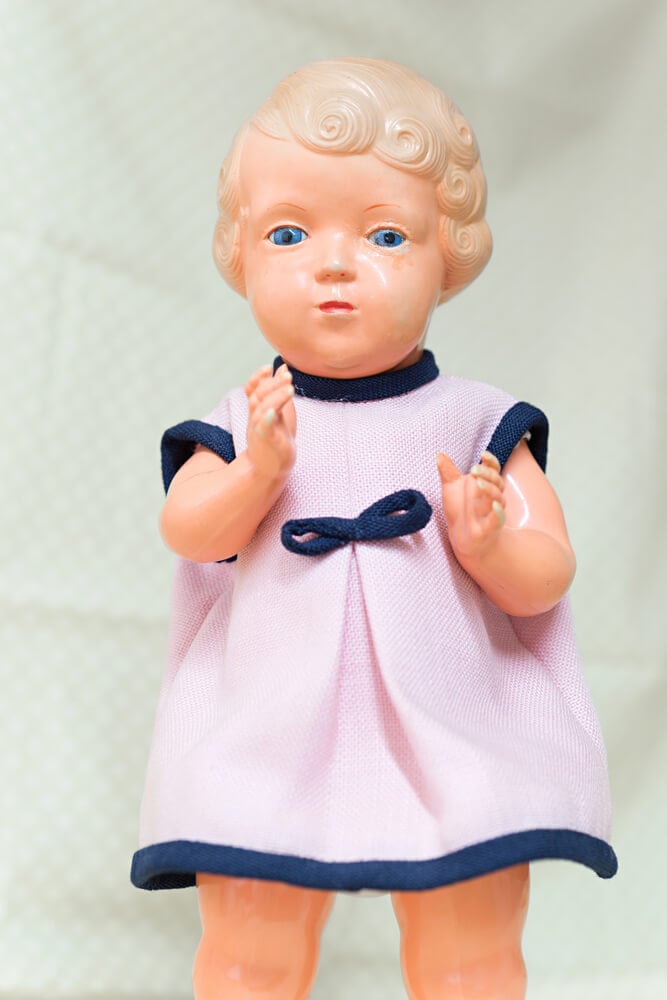
Käthe Kruse began her career by making a doll for her daughter in 1905, and the story goes that the first body was a towel weighted with sand and topped with a potato head. The company she later built produced hand-painted cloth dolls with realistic proportions, and they were sold as an alternative to glossy bisque dolls.
Early dolls with painted faces and original clothing are highly desirable. Because cloth is vulnerable to moths, stains, and fading, intact examples are harder to find than their durable porcelain rivals.
Steiff Felt Dolls With the Button in Ear
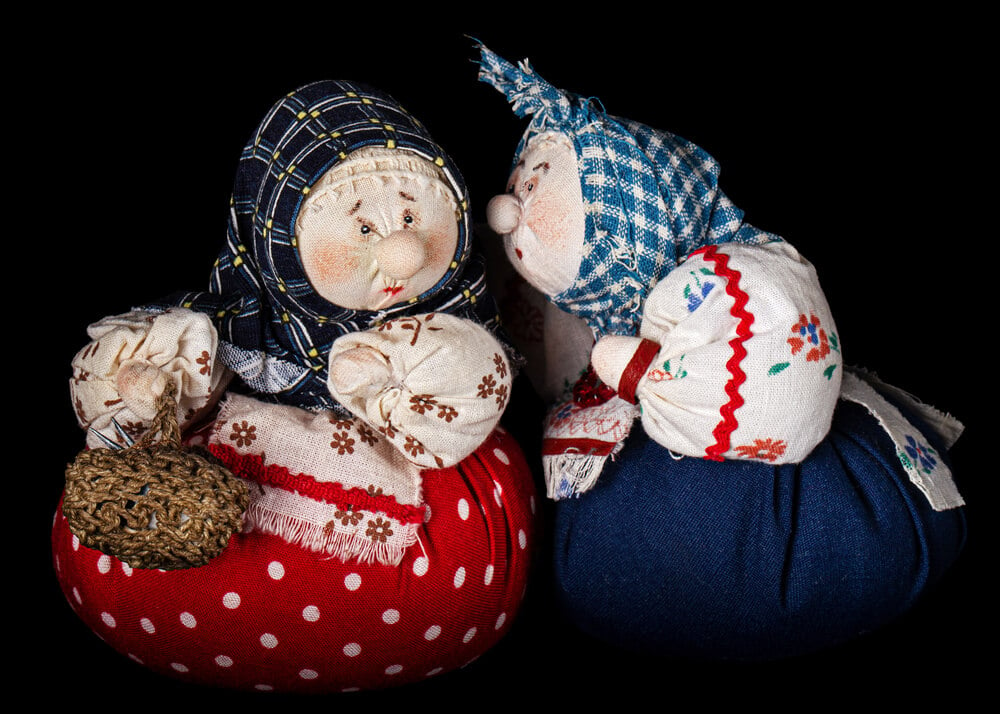
Steiff is famous for teddy bears, but the Giengen company also made felt dolls with expressive, hand-sculpted faces. The Steiff trademark button in the ear, introduced in 1904, is one of the most recognizable marks in the collecting world.
Margarete Steiff began with a felt elephant pincushion in 1880 and built a company that would become a global name. A felt doll that retains its button, tag, and original clothing is worth a substantial premium over one that has lost them.
Lenci Felt Dolls of Turin
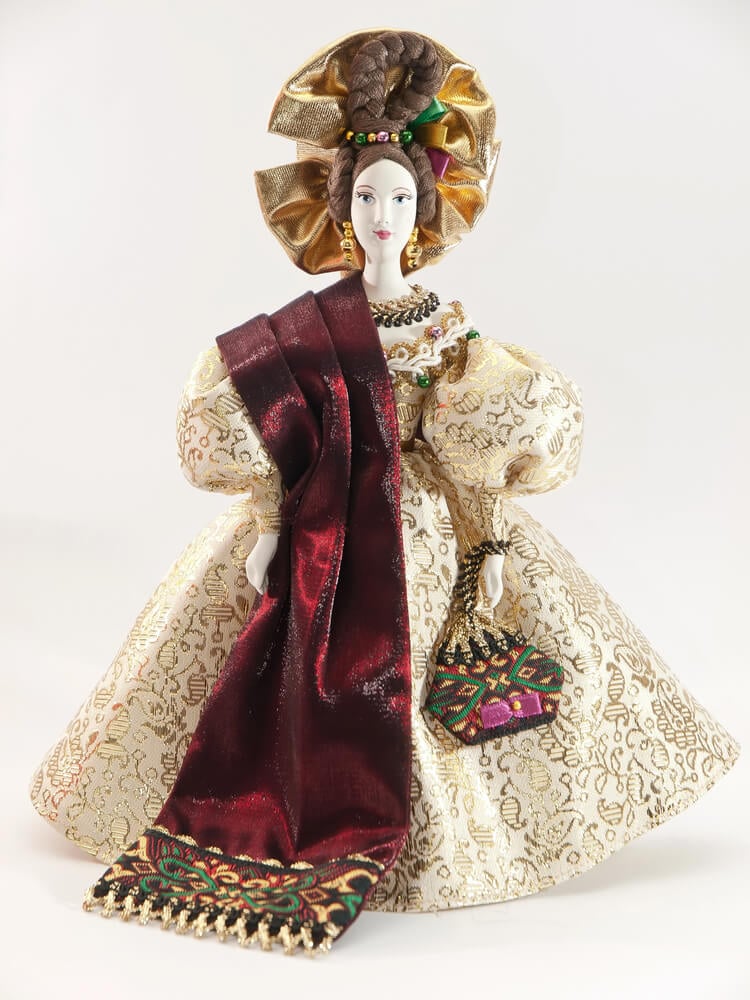
Founded in Turin in 1919, Lenci made pressed-felt dolls with painted eyes and elegant, fashionable costumes that matched the spirit of the decade. The name came from the nickname of founder Elena Scavini and was later paired with a Latin motto, Ludus Est Nobis Constanter Industria.
Lenci dolls were designed as art objects for adults as much as toys for children, and many wear elaborate felt and organdy costumes. Collectors pay the most for dolls with their original clothing, labels, and unfaded felt.
Izannah Walker Cloth Dolls
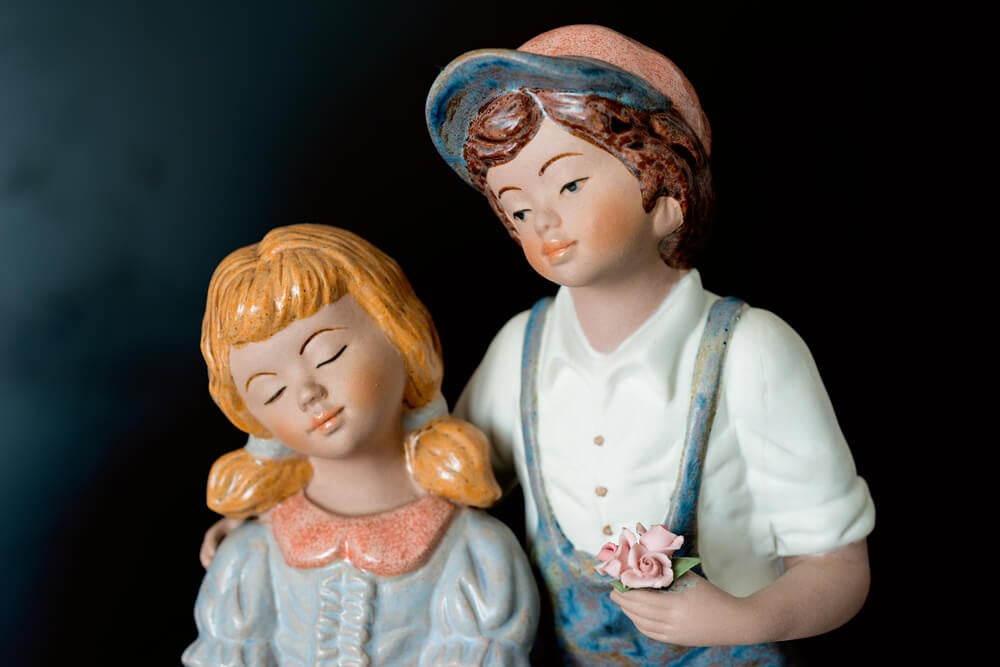
Izannah Walker of Rhode Island made pressed-cloth dolls with stockinette heads that were painted in oils, often with separately applied ears. She received a patent for her dolls in November 1873, though she had been making them for decades before that. The painted faces are simple but have a quiet, folk-art appeal that has made them favorites among American doll collectors.
Surviving examples with original paint and clothing are scarce, since cloth and early paint were never meant to last a century and a half.
Greiner Patent Head Dolls
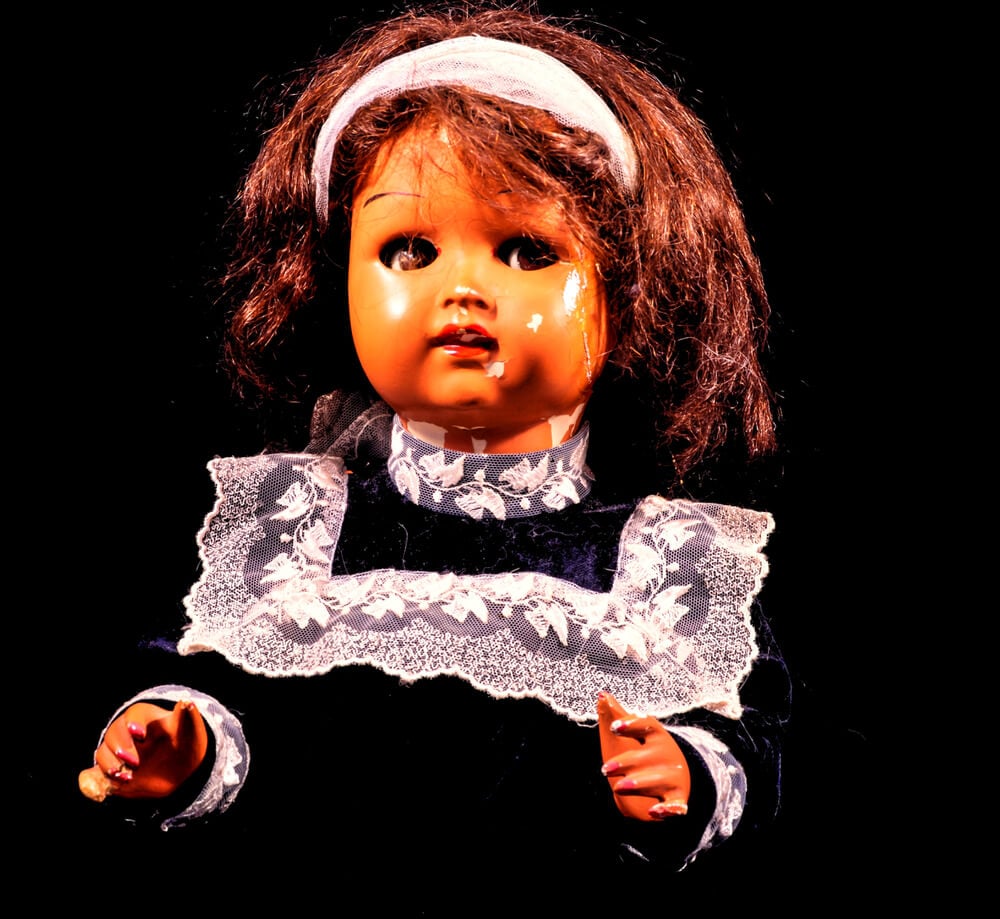
Ludwig Greiner of Philadelphia received a patent on March 30, 1858, for his papier-mâché doll heads, and the date appears on the labels attached to his dolls. These molded heads with painted features were mounted on cloth bodies and became some of the best-known American-made dolls of the nineteenth century.
The labels identify the head number and patent date, which makes them useful for dating. Condition counts for a lot, as cracked paint, lifted surface layers, and replaced bodies reduce value sharply.
Queen Anne Wooden Dolls
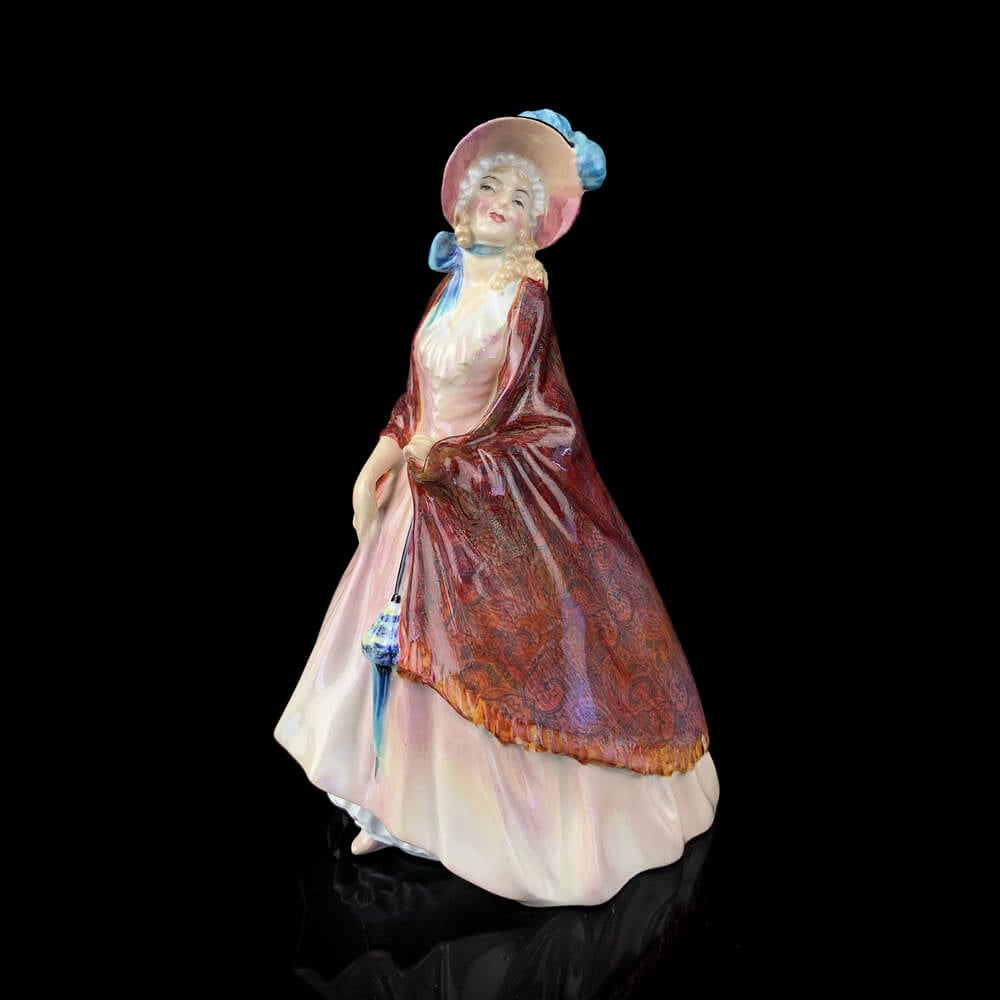
The English wooden dolls known as Queen Anne dolls are named for the monarch who reigned from 1702 to 1714, though many were made after her death. They have carved wooden bodies coated in gesso, inset glass eyes, and an unusually high forehead that gives them a distinctive look.
Among the best-known early examples are Lord and Lady Clapham, kept at the V&A Museum of Childhood and dating to the late seventeenth century. Dolls this old are exceptionally rare, and survival of original paint, hair, and clothing sets the price.
Frozen Charlotte China Dolls
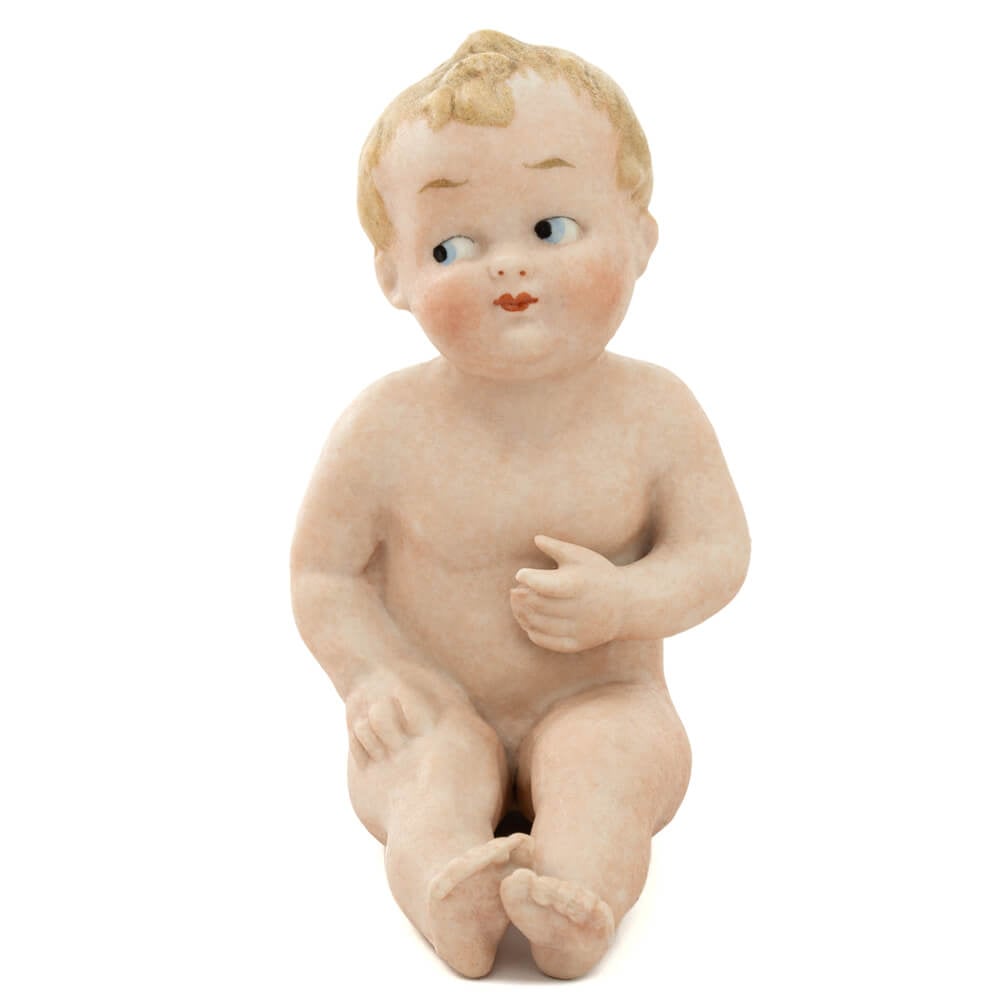
Frozen Charlotte dolls are small, one-piece china figures with no jointing, named after a nineteenth-century folk song about a girl who froze to death on a sleigh ride. They were produced in Germany and sold cheaply, often meant to be dropped into bathwater or baked into a cake.
Boy versions were called Frozen Charlies. Most sell for modest sums, but large sizes, unusual decoration, and examples with original tinted features can fetch real money.
Parian Doll With Molded Hair
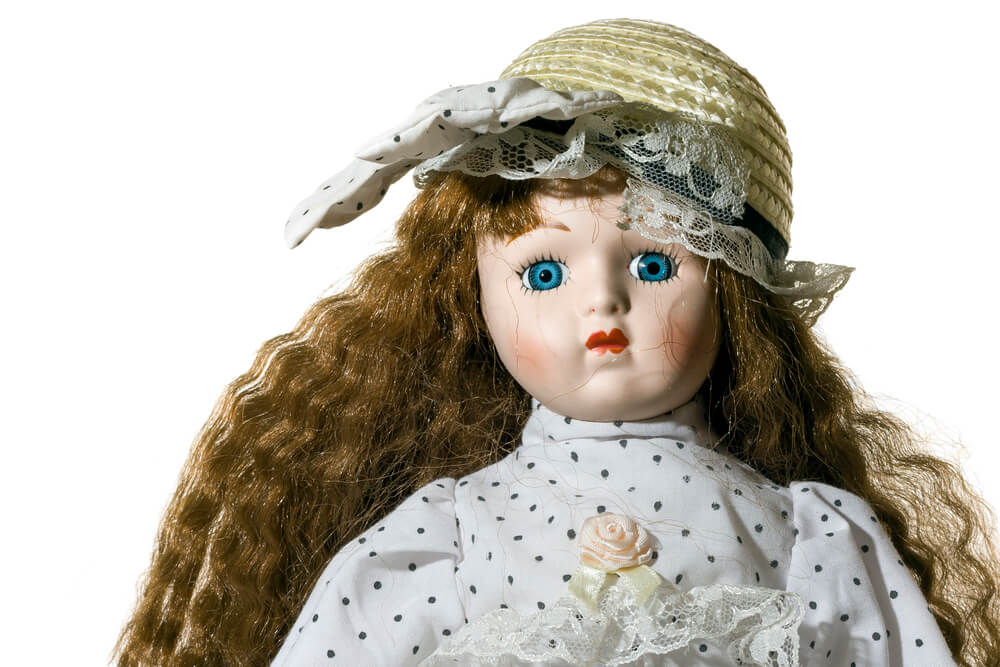
Parian dolls are made from unglazed bisque porcelain, and the name refers to Paros marble, which the white finish was meant to resemble. Produced in the mid-nineteenth century, many have elaborate molded hairstyles decorated with ribbons, flowers, or luster-glazed bonnets.
The molded accessories are what make each doll distinct, and rare hairstyles or hats can lift a price considerably. Cracks, chips, and repaired shoulder plates are common, so condition influences value more than almost any other factor.
Montanari Poured Wax Dolls
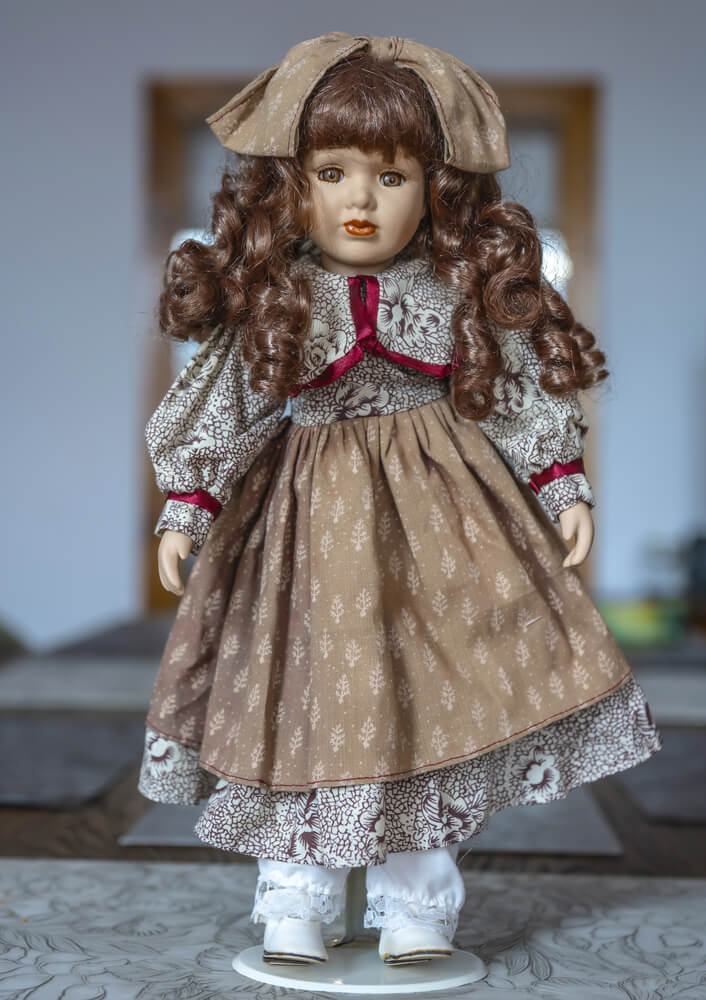
Augusta Montanari exhibited her wax dolls at the Great Exhibition in London in 1851, and her work became a benchmark for English wax doll makers. The heads were made of wax, with hair inserted strand by strand, which gave the dolls a lifelike glow.
Wax is vulnerable to heat and cold, so cracking and discoloration are routine problems. A well-preserved wax doll in original clothing is a genuine rarity and is priced to match.
Martha Chase Stockinet Dolls
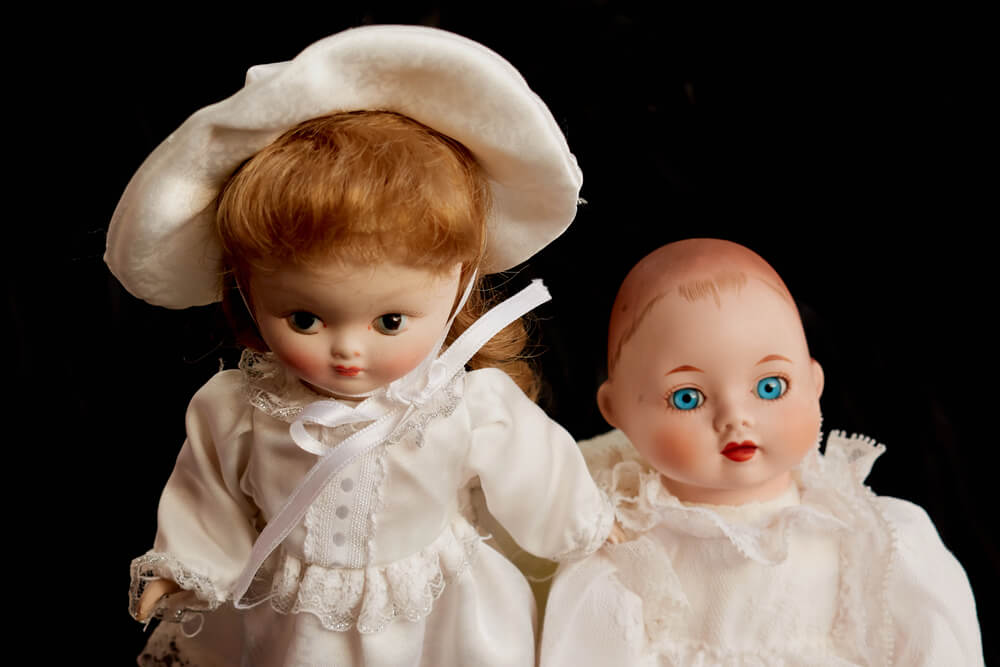
Martha Jenks Chase of Pawtucket, Rhode Island, began making washable stockinet dolls in the 1880s, with painted faces and soft but durable bodies. The company later produced life-sized hospital dolls, which were used to teach nursing students how to lift and handle patients.
Early dolls with their original paint and clothing are especially treasured, since the painted surfaces often wear. Condition drives the price, and a clean example with a bright face brings a premium over a stained or retouched one.
Schoenhut Wooden Spring-Jointed Dolls
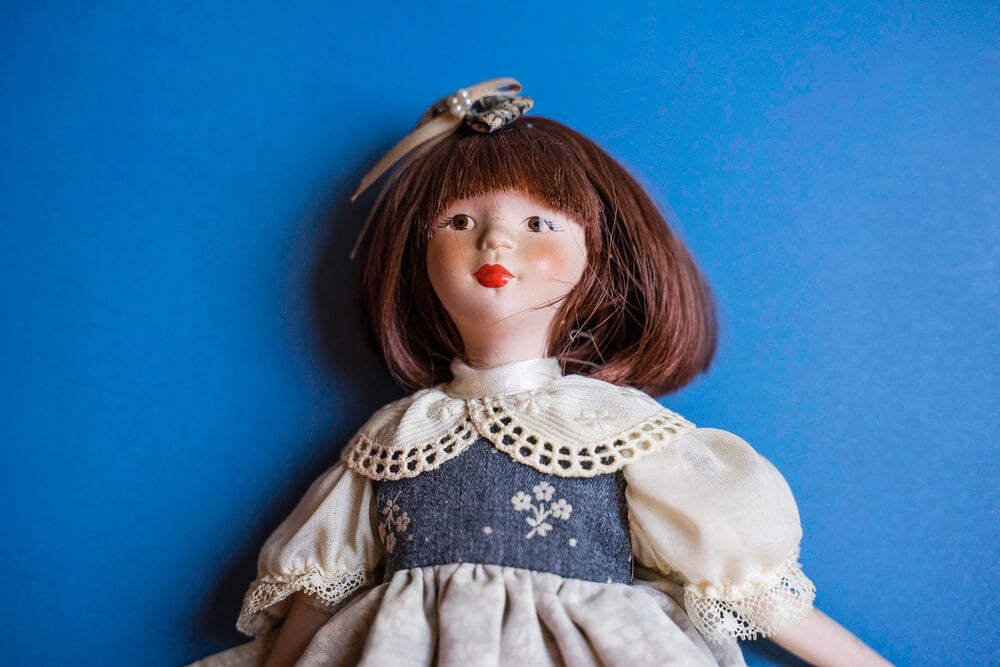
Albert Schoenhut of Philadelphia patented his spring-jointed all-wood dolls in January 1911, and his stamp usually appears on the body. Steel springs in the joints allowed the dolls to hold poses, an advantage over the stiff limbs of other toys.
The company is also known for its Humpty Dumpty Circus, introduced in 1903. Original paint and clothing are important, since many Schoenhut dolls have been refinished, which lowers their value.
Why a Doll’s Flaws Are Worth More Than Its Face
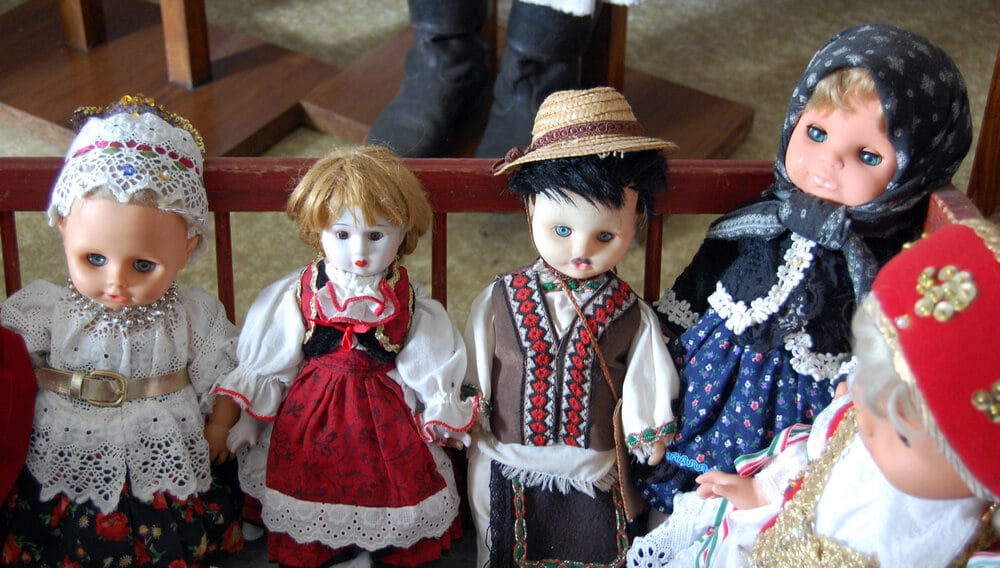
Across all these makers, the pattern is consistent: collectors rarely pay for beauty alone. They pay for documentation, which means a mark, a patent date, a paper label, or a mold number that proves who made the doll and when.
A face that looks identical to the casual eye can be worth ten times more than its twin because of a few stamped letters on the back of the neck. That is also why condition stays at the center of every price.
Original clothing, untouched paint, and undamaged bisque tell a story that restoration can never fully replace. A doll that has survived a century with its wardrobe and finish intact has quietly beaten the odds, and the market rewards that survival far more than any single design.
More from Go2Tutors!

- 27 Silver Dollars and Half Dollars Worth Keeping
- 28 Restaurant Menu Items Nobody Orders Anymore
- 17 Places Built in Seemingly Impossible Spots
- 27 Vintage Rings Worth More Than They Look
- 25 Restricted Sites Tourists Can’t Enter
Like Go2Tutors’s content? Follow us on MSN.