Brilliant Packaging Designs Saving Companies Money
Getting a package in the mail shouldn’t feel like solving a puzzle. Yet most companies seem determined to wrap their products in layers of cardboard, plastic, and tape that would challenge a locksmith.
Smart businesses figured out that good packaging doesn’t just protect products — it cuts costs, reduces waste, and makes customers happier. The difference between thoughtful design and wasteful excess often comes down to a few brilliant details that save millions.
Amazon’s Frustration-Free Packaging
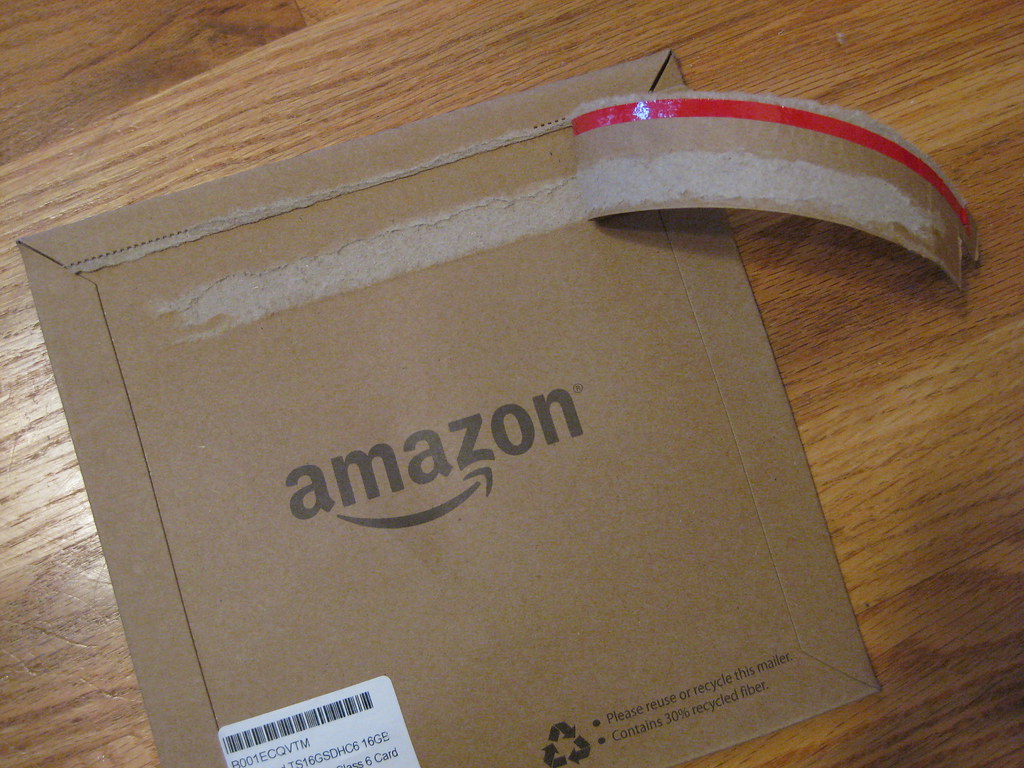
Amazon cracked the code on packaging waste years ago. Their Frustration-Free initiative strips away the plastic clamshells and wire ties that turn unboxing into an ordeal.
The math is simple. Less packaging material means lower costs.
Easier opening means fewer customer complaints. Products arrive in boxes sized for shipping instead of retail display, cutting dimensional weight charges that can double shipping costs.
Puma’s Clever Shoe Box
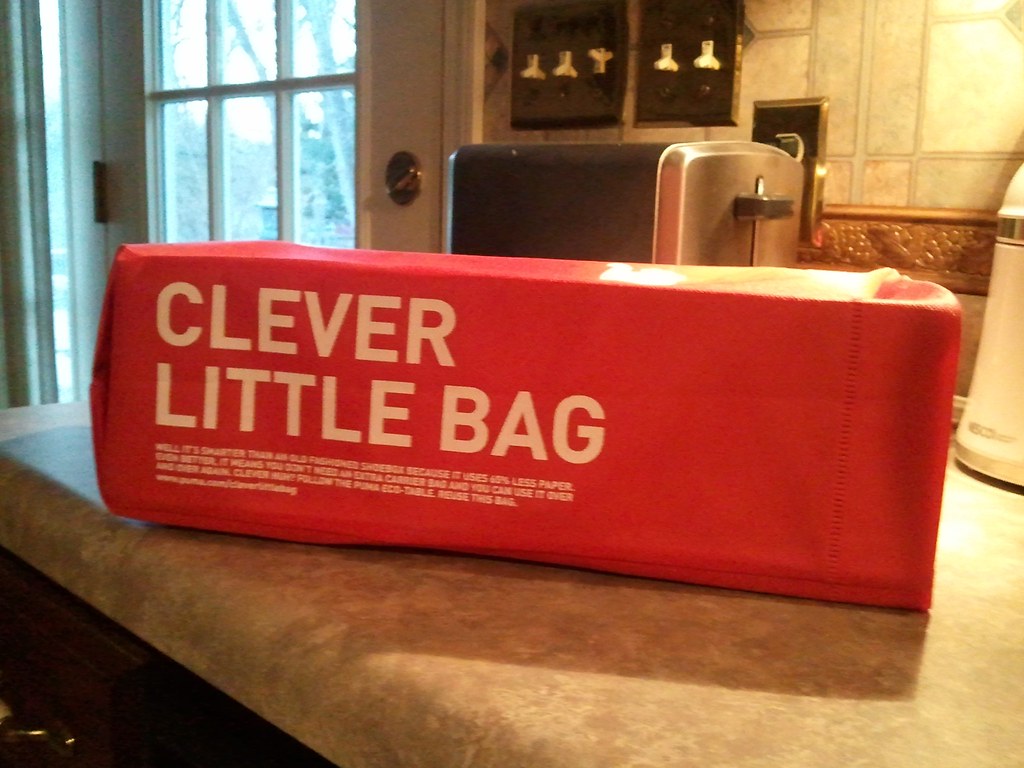
The traditional shoe box is basically a small cardboard coffin — sturdy enough to survive a nuclear winter, wasteful enough to fill landfills. Puma redesigned theirs using 65% less cardboard while maintaining the same protection.
Their solution (which looks deceptively simple once you see it) involves strategic perforations and folding patterns that eliminate the separate lid entirely. The box opens like a flower, then folds flat for recycling.
Manufacturing costs dropped 30% because the design requires fewer materials and simpler assembly — and customers actually prefer it because opening the box feels like unwrapping a gift rather than dismantling furniture.
Dell’s Bamboo Revolution
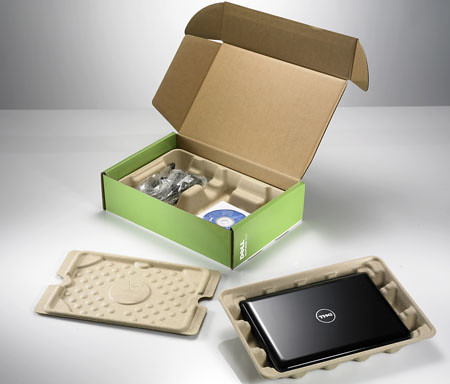
There’s something almost poetic about the way Dell approached their packaging problem — they stopped trying to make cardboard behave like plastic and started asking what nature had already figured out. Bamboo grows faster than almost any other plant, requires no pesticides, and when processed correctly creates packaging that’s both lighter and stronger than traditional materials.
But the real genius lives in the details they didn’t announce in press releases: bamboo packaging composts completely within 90 days (versus 5+ years for treated cardboard), and because it weighs 40% less than conventional alternatives, shipping costs plummet. The material costs slightly more upfront, which most companies would see as a dealbreaker.
Dell saw math.
IKEA’s Flat-Pack Philosophy
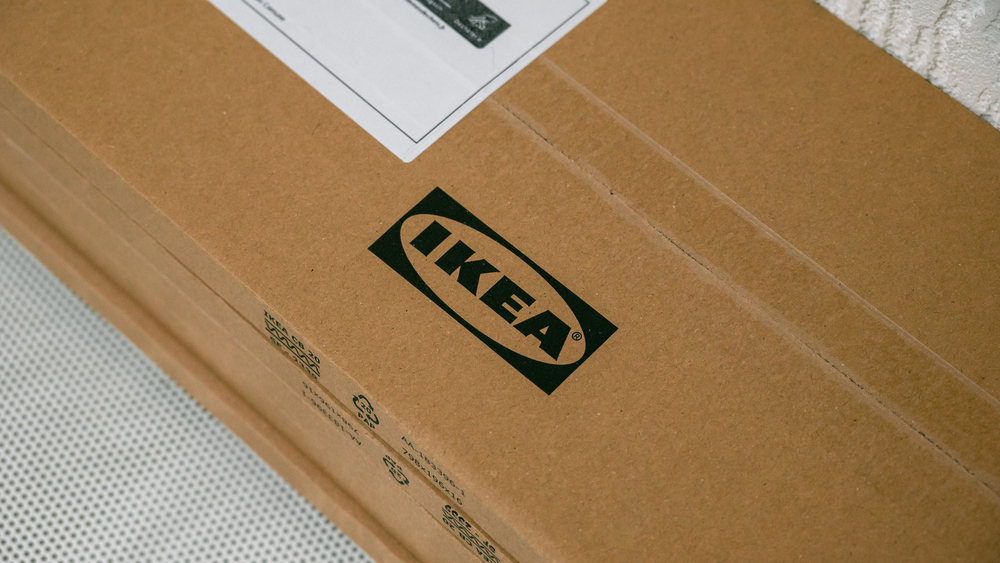
IKEA treats packaging like a three-dimensional chess problem. Every product gets designed for maximum shipping efficiency, not just protection.
Their flat-pack approach reduces shipping volume by up to 85% compared to pre-assembled furniture. That means more products per truck, lower fuel costs, and smaller warehouses.
The packaging becomes part of the product design instead of an afterthought.
Nike’s Shoe Box Evolution
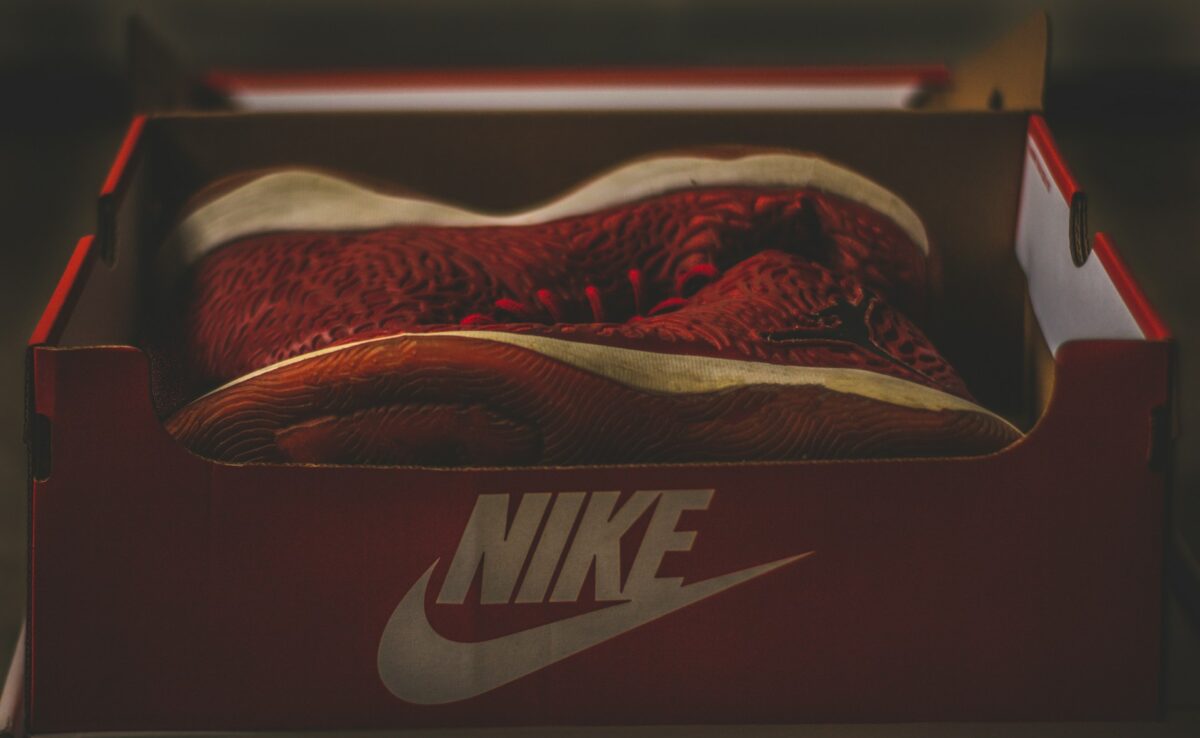
Nike’s packaging evolution feels like watching someone finally organize a junk drawer — obvious improvements that somehow took decades to implement. Their latest shoe boxes use a tuck-and-fold design that eliminates tape entirely, reducing assembly time by 70% in manufacturing facilities.
The boxes stack more efficiently (both in warehouses and shipping trucks) because the uniform dimensions create perfect interlocking patterns, and the materials break down faster because there’s no adhesive holding layers together. Most customers don’t consciously notice these changes, but the unboxing experience flows smoother — no wrestling with tape, no cardboard cuts, no pieces to chase across the floor.
Just shoes, exactly as they should be.
The cost savings compound: less material, faster packing, cheaper shipping, happier customers. Sometimes the best solutions hide in plain sight.
Coca-Cola’s Plant-Based Bottles
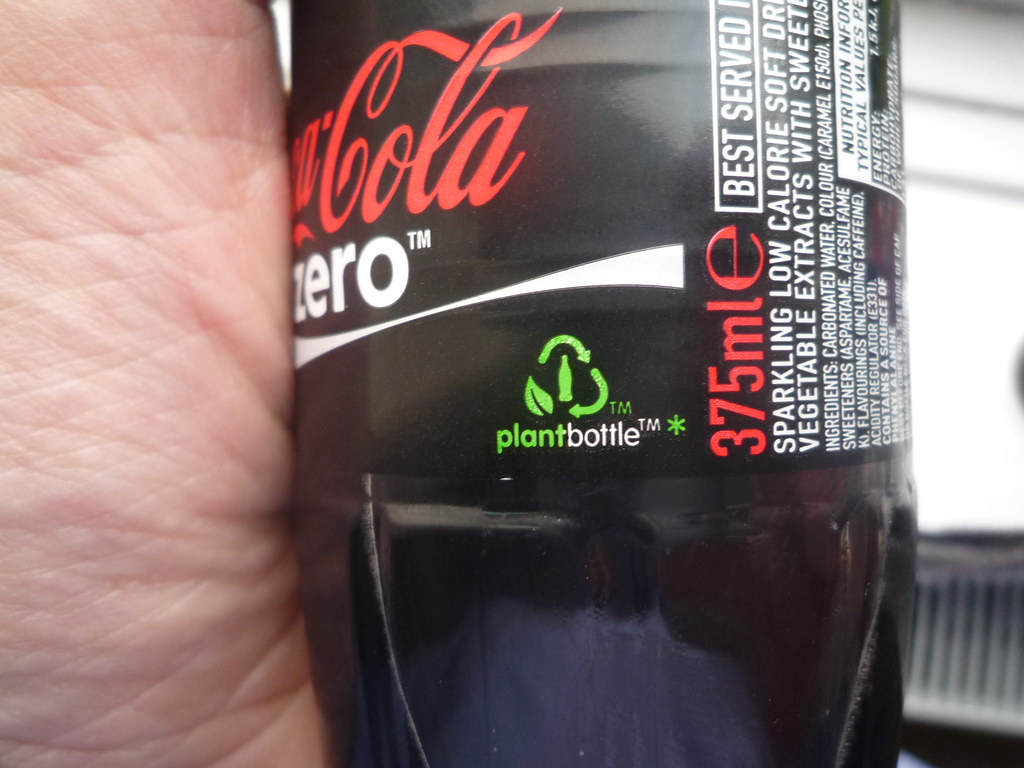
Plant-based packaging sounds like environmental theater until you see the numbers. Coca-Cola’s PlantBottle technology creates containers from up to 30% plant materials instead of petroleum-based plastics.
Manufacturing costs dropped because plant materials require less energy to process. Transportation costs fell because the bottles weigh less.
Recycling costs decreased because the materials break down more easily. The environmental benefits were a bonus — the financial case closed itself.
Method’s Soap Pump Innovation
Method looked at soap dispensers and saw an engineering problem disguised as packaging. Traditional pumps use metal springs that corrode, plastic tubes that crack, and complex mechanisms that fail after a few months of bathroom humidity.
Their redesigned pump (which appears almost identical from the outside) eliminates the metal spring entirely, replacing it with a flexible silicone component that lasts longer and costs less to manufacture. The pump mechanism requires 40% fewer parts, which means simpler assembly, lower failure rates, and dramatically reduced warranty claims.
But the stroke of genius lives in the refill system: instead of throwing away the entire dispenser, customers buy concentrated refills that mix with water in the original container. Manufacturing costs per unit plummet because they’re shipping concentrate instead of mostly water, and customers actually prefer the system because refills take up less storage space.
Seventh Generation’s Concentrated Detergent
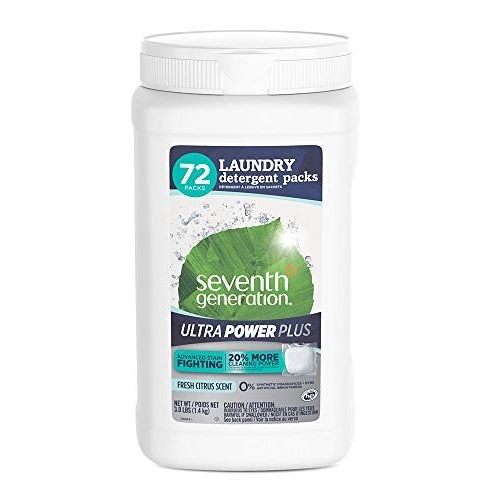
Laundry detergent is mostly water. Seventh Generation figured out that shipping water makes no financial sense — especially when customers have water at home.
Their concentrated formula packages the same number of loads in containers 50% smaller than traditional detergents. Shipping costs drop proportionally.
Shelf space requirements shrink. Manufacturing requires less plastic per load of laundry cleaned.
Target’s Bullseye Design
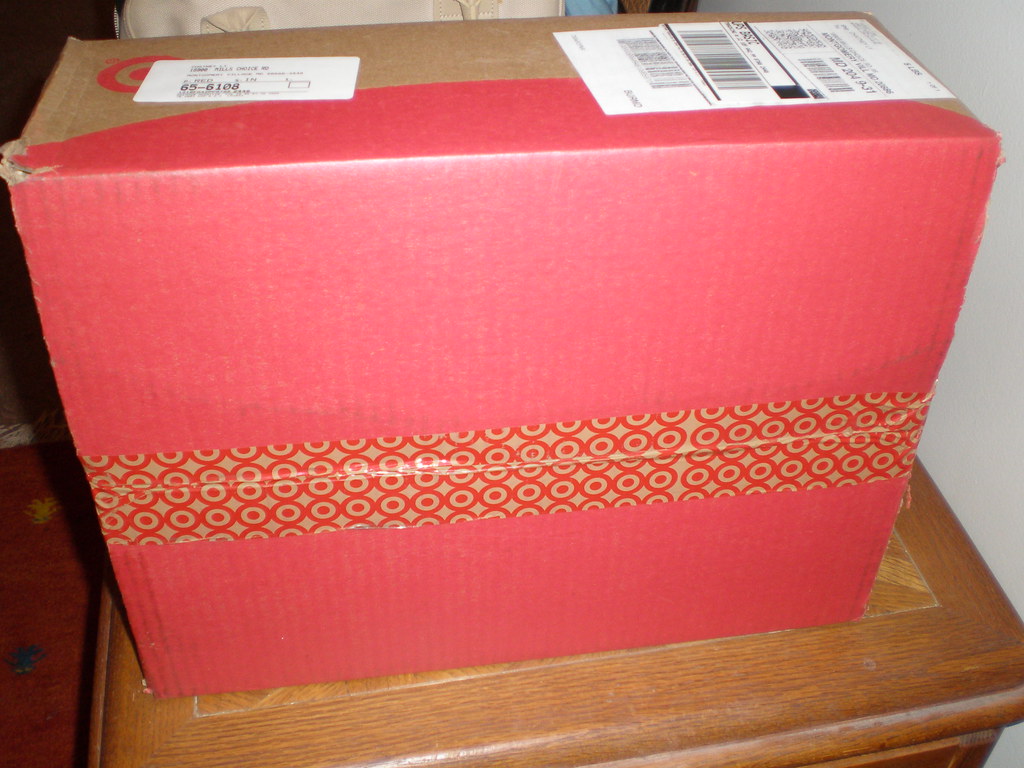
Target’s packaging redesign focused on one insight — most damage happens during the first and last mile of shipping, not in the warehouse or truck.
Their new box design includes built-in corner reinforcements and cushioning zones that activate under pressure. Manufacturing costs stayed nearly identical, but damage claims dropped 60%.
Fewer replacements means lower costs and happier customers.
Unilever’s Refill Revolution

Unilever’s refill packaging system treats containers like reusable assets instead of disposable waste. Customers buy the initial package, then purchase refills that cost less and use 85% less packaging material.
The economics work because refill manufacturing requires minimal packaging investment. Shipping costs plummet because refills pack more efficiently.
Customer loyalty increases because the refill system creates a subscription-like relationship without the subscription complexity.
L’Oréal’s Waterless Beauty
L’Oréal’s waterless beauty products sound like a chemistry experiment until you consider the shipping implications. Concentrated shampoos, powdered cleansers, and solid moisturizers eliminate the water content that makes up 70-90% of traditional beauty products.
Packaging requirements drop dramatically when products weigh less and take up smaller volumes. Shipping costs fall proportionally.
The products perform identically to their water-based predecessors but require fraction of the packaging investment.
Patagonia’s Minimalist Approach
Patagonia packages products like they’re going on a backpacking trip — everything serves multiple purposes, nothing gets wasted.
Their clothing packages double as shipping containers and gift boxes. Hangtags provide care instructions and double as bookmarks.
Even their shopping bags are designed for reuse as storage or gift wrapping. Manufacturing costs stay low because every component serves multiple functions.
Procter & Gamble’s Liquid-Free Innovation

P&G’s shift toward solid and concentrated products eliminates the packaging challenges created by liquid formulations.
Solid shampoos require no leak-proof containers. Concentrated cleaners need smaller bottles.
The transformation cuts packaging costs by up to 70% for comparable product performance. Shipping efficiency improves because products pack more densely.
Customer satisfaction increases because spill-proof products create fewer frustrations.
Beyond the Box
Smart packaging design feels invisible when it works correctly. Products arrive undamaged, open easily, and create minimal waste — exactly as they should.
The companies getting this right aren’t just saving money on materials and shipping. They’re building customer loyalty through better experiences and positioning themselves for regulations that increasingly penalize wasteful packaging.
The most successful approaches share a common thread: they solve real problems instead of chasing trends. Less really can be more when the design thinks through the entire product journey from factory to customer to recycling bin.
More from Go2Tutors!

- The Romanov Crown Jewels and Their Tragic Fate
- 13 Historical Mysteries That Science Still Can’t Solve
- Famous Hoaxes That Fooled the World for Years
- 15 Child Stars with Tragic Adult Lives
- 16 Famous Jewelry Pieces in History
Like Go2Tutors’s content? Follow us on MSN.