Banned Speeches That Were Too Dangerous for the Public to Hear
Throughout history, words have held immense power—sometimes too much power for those in authority to allow them to be spoken freely. These speeches represent some of the most suppressed, censored, and outright banned addresses in modern history.
These weren’t silenced because they lacked truth, but often because they contained too much of it. From wartime dissent to revolutionary calls for change, each represents a moment when someone dared to speak words that made the powerful uncomfortable enough to silence them entirely.
Charlie Chaplin’s “The Great Dictator” Speech
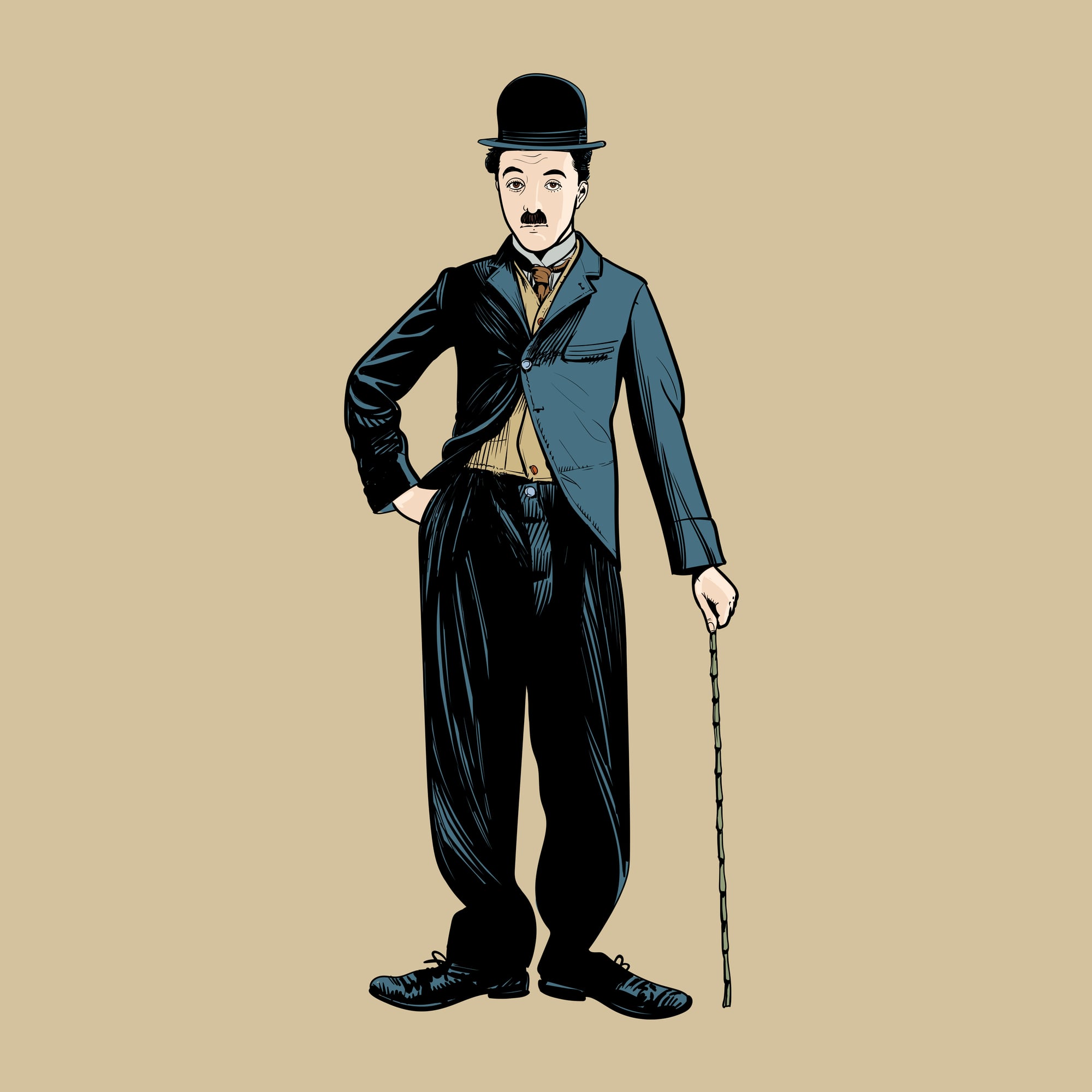
Chaplin’s six-minute monologue from his 1940 film wasn’t technically banned everywhere, but several countries prohibited the entire movie. The speech called for humanity, democracy, and an end to hatred during the rise of fascism.
Germany, Italy, and several other nations deemed it too inflammatory. Even in America, some theaters refused to show it.
The speech urged people to fight for liberty and reject the “machine men with machine minds.” Chaplin spoke directly to soldiers, telling them not to give themselves to brutes who despise them.
His words carried weight because he delivered them at a time when saying such things took genuine courage.
Subhash Chandra Bose’s Quit India Address
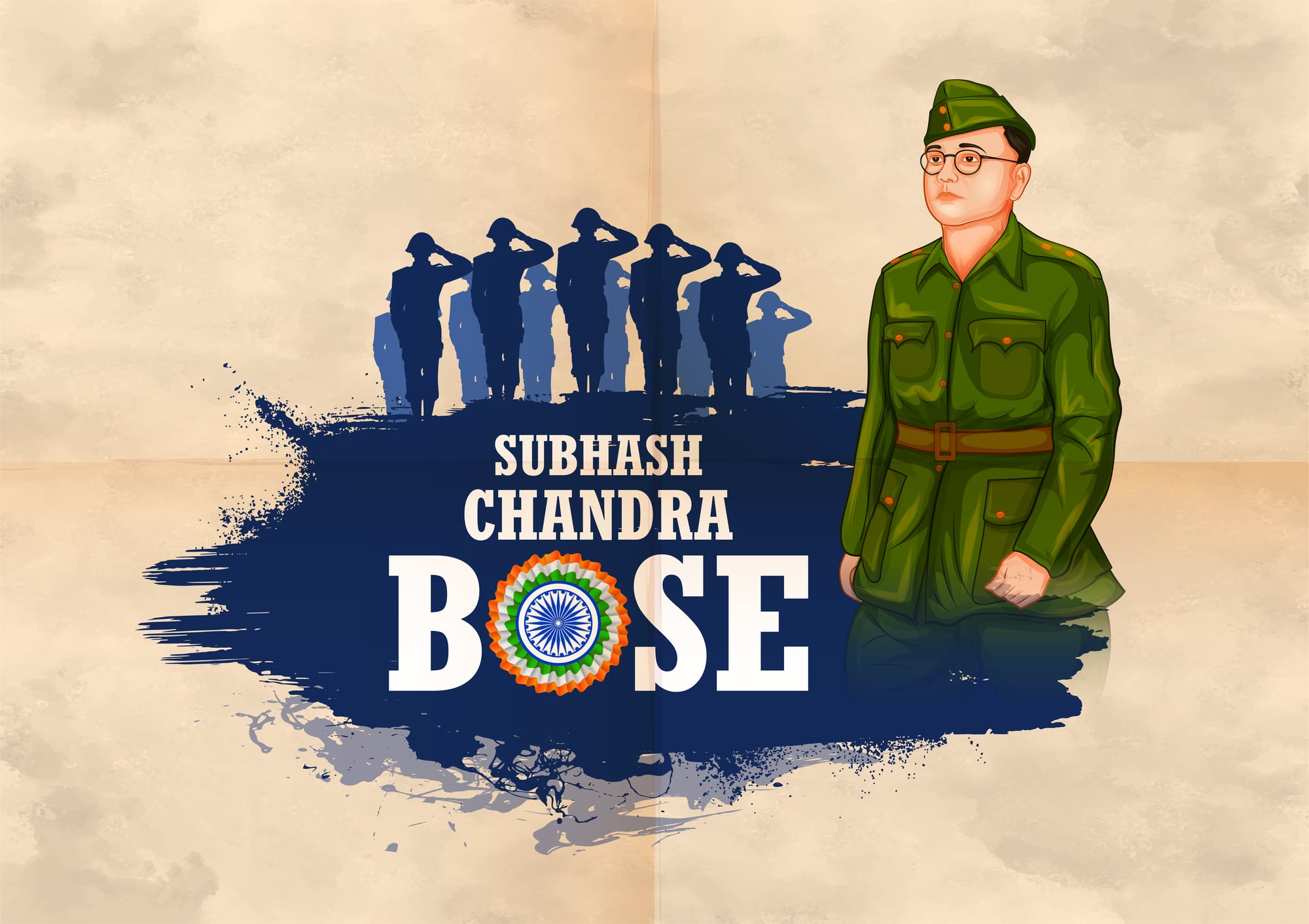
The British colonial government in India moved swiftly to suppress Bose’s 1942 radio broadcasts from Germany. His calls for Indians to rise up against British rule were considered so dangerous that possessing recordings could result in imprisonment.
The colonial authorities feared his speeches would spark widespread rebellion.
Bose’s addresses reached Indian soldiers fighting for Britain, urging them to turn their weapons toward their true oppressors (which, depending on your perspective, made perfect sense or constituted dangerous treason that threatened to undermine the entire war effort in the Pacific theater).
And the British weren’t wrong to worry: his words did inspire defections and contributed to growing unrest that would eventually end colonial rule. But at the time, listening to these broadcasts meant risking everything—your freedom, your safety, your life.
Paul Robeson’s Paris Peace Conference Speech
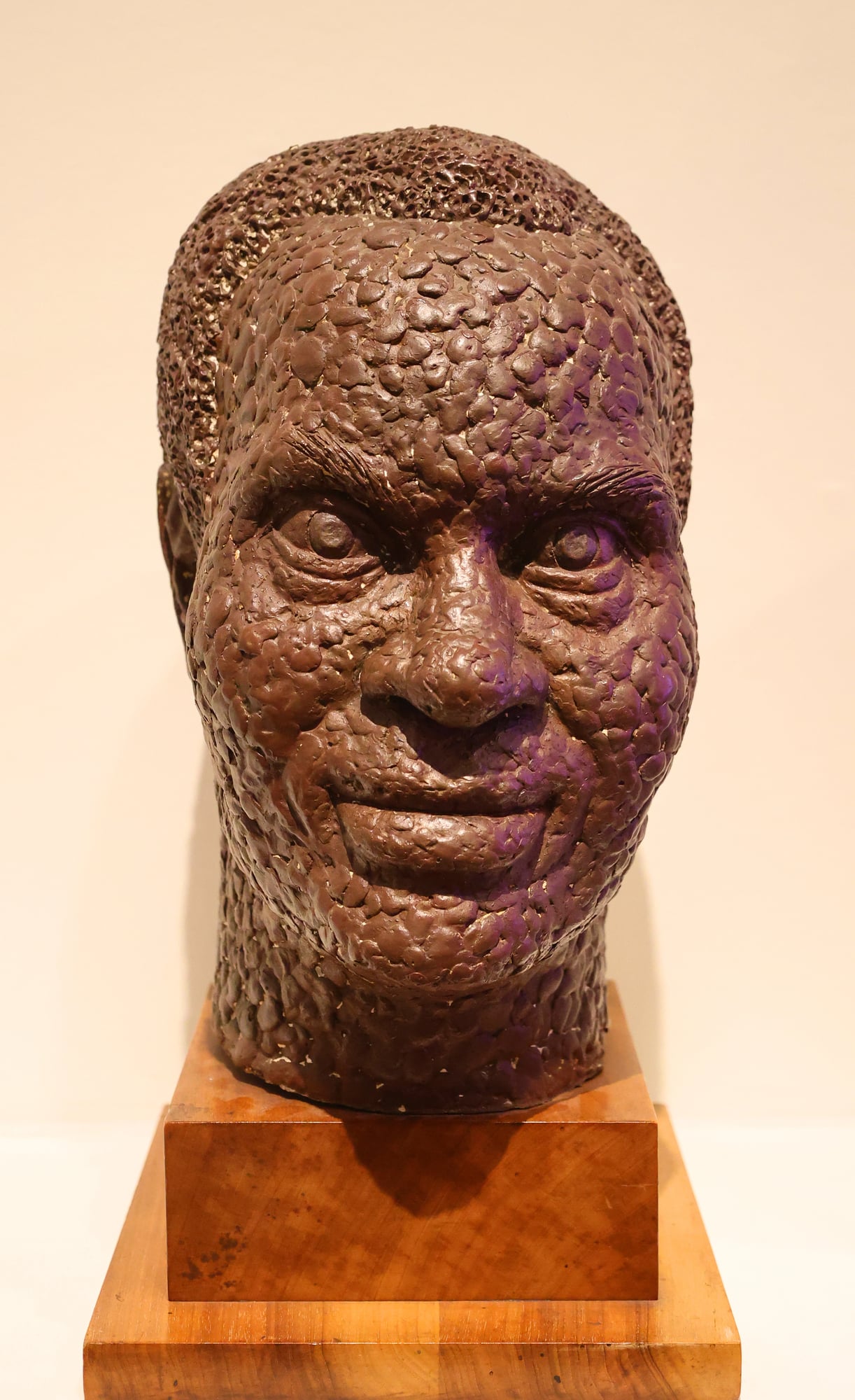
When Robeson spoke at the World Peace Congress in Paris in 1949, he crossed a line that Cold War America couldn’t tolerate. His statement that African Americans would never fight the Soviet Union—a country that treated them as equals—triggered a firestorm back home.
The speech was banned from American radio and newspapers refused to print it accurately.
The backlash was swift and brutal. His passport was revoked, concert halls blacklisted him, and record companies dropped him.
For nearly a decade, one of America’s greatest performers became a nonperson in his own country. The government’s message was clear: speak against American foreign policy, especially in favor of anything remotely connected to communism, and face complete professional destruction.
Malcolm X’s “The Ballot or the Bullet”
Malcolm X delivered this speech in 1964, but many venues refused to host him afterward. The address called for African Americans to exercise their voting rights or pursue other means of achieving equality.
Television networks wouldn’t air it, radio stations blacklisted it, and even civil rights organizations distanced themselves from its militant tone.
The speech contained ideas that mainstream America wasn’t ready to hear. Malcolm X spoke of human rights instead of civil rights, international solidarity instead of domestic patience.
He suggested that if the government wouldn’t protect Black Americans’ right to vote, they had the right to protect themselves by any means necessary. These weren’t abstract philosophical musings—they were concrete calls to action that terrified those who preferred the status quo.
Victor Jara’s Final Concert Recordings
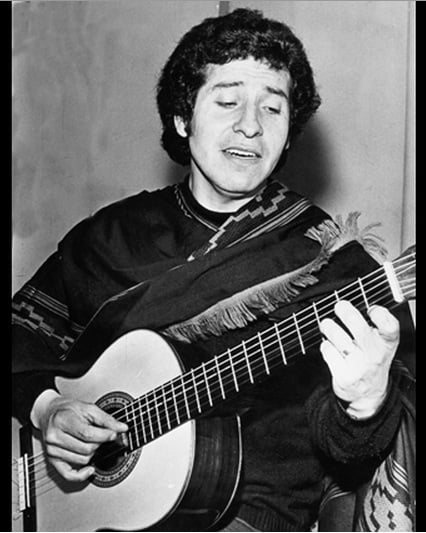
After the Chilean military coup in 1973, simply owning recordings of Jara’s political songs could result in imprisonment or death (the military government viewed his music as subversive propaganda that could inspire resistance to the new regime, and they weren’t entirely wrong about its power to move people toward opposition).
His concerts had become rallying points for Salvador Allende’s supporters, and his songs carried messages of social justice that the new government couldn’t tolerate.
So they eliminated both the messenger and the message.
The recordings that survived were smuggled out of the country by supporters who risked their lives to preserve them. Even decades later, some of these performances remain difficult to find, buried under layers of censorship that outlasted the regime itself.
Angela Davis’s Prison Abolition Lectures
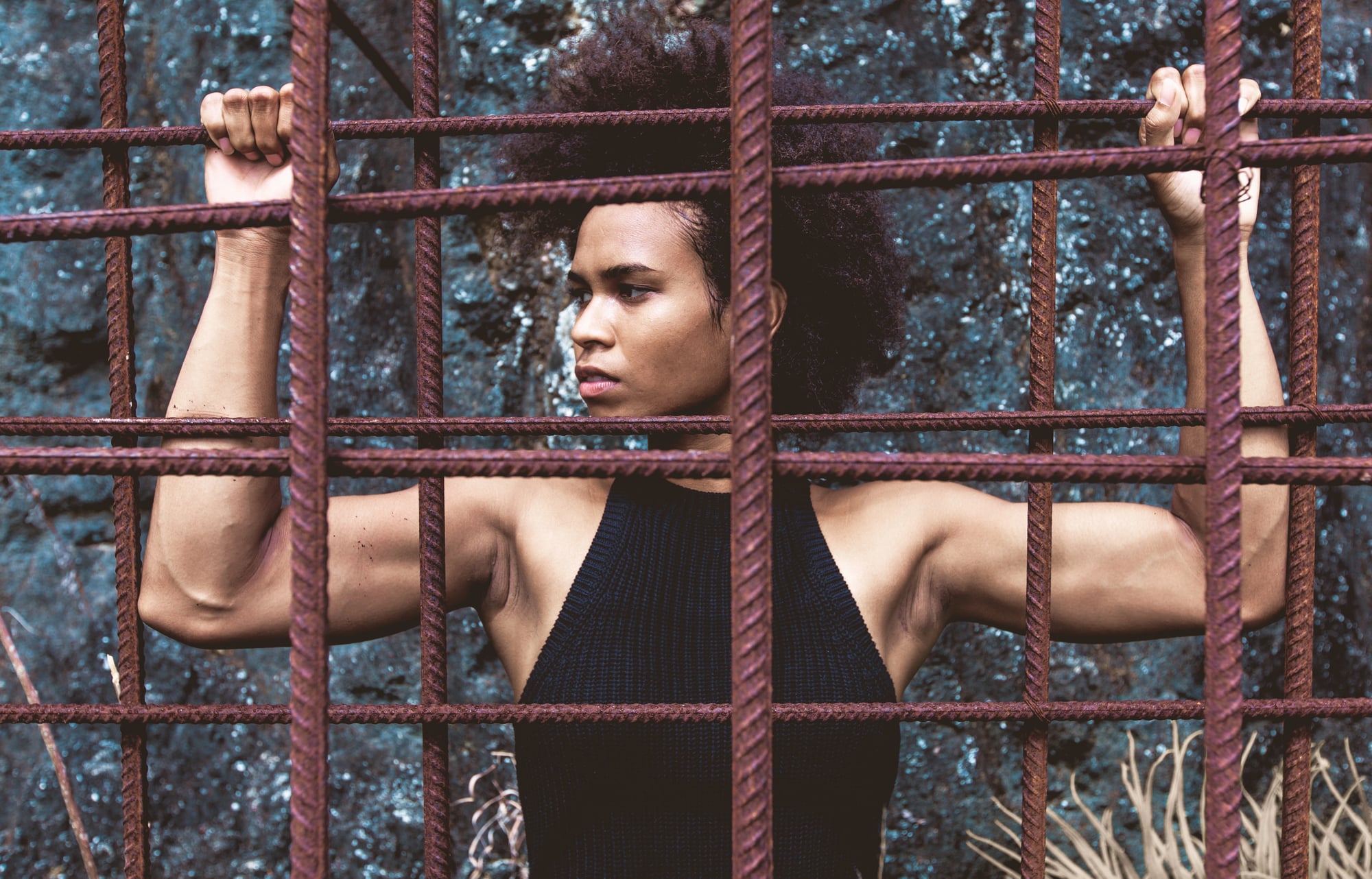
Universities across America banned Davis from speaking in the 1970s after her advocacy for prison abolition and her association with the Black Panther Party. California’s Board of Regents fired her from UCLA specifically because of her political speeches.
Her lectures drew massive crowds, but they also drew FBI surveillance and institutional blacklisting.
Davis spoke truths about the American prison system that made administrators uncomfortable. She connected mass incarceration to slavery, capitalism to oppression, revolution to necessity.
Her words didn’t just criticize—they offered alternatives that threatened existing power structures. The response wasn’t debate but silencing.
Pier Paolo Pasolini’s RAI Television Address
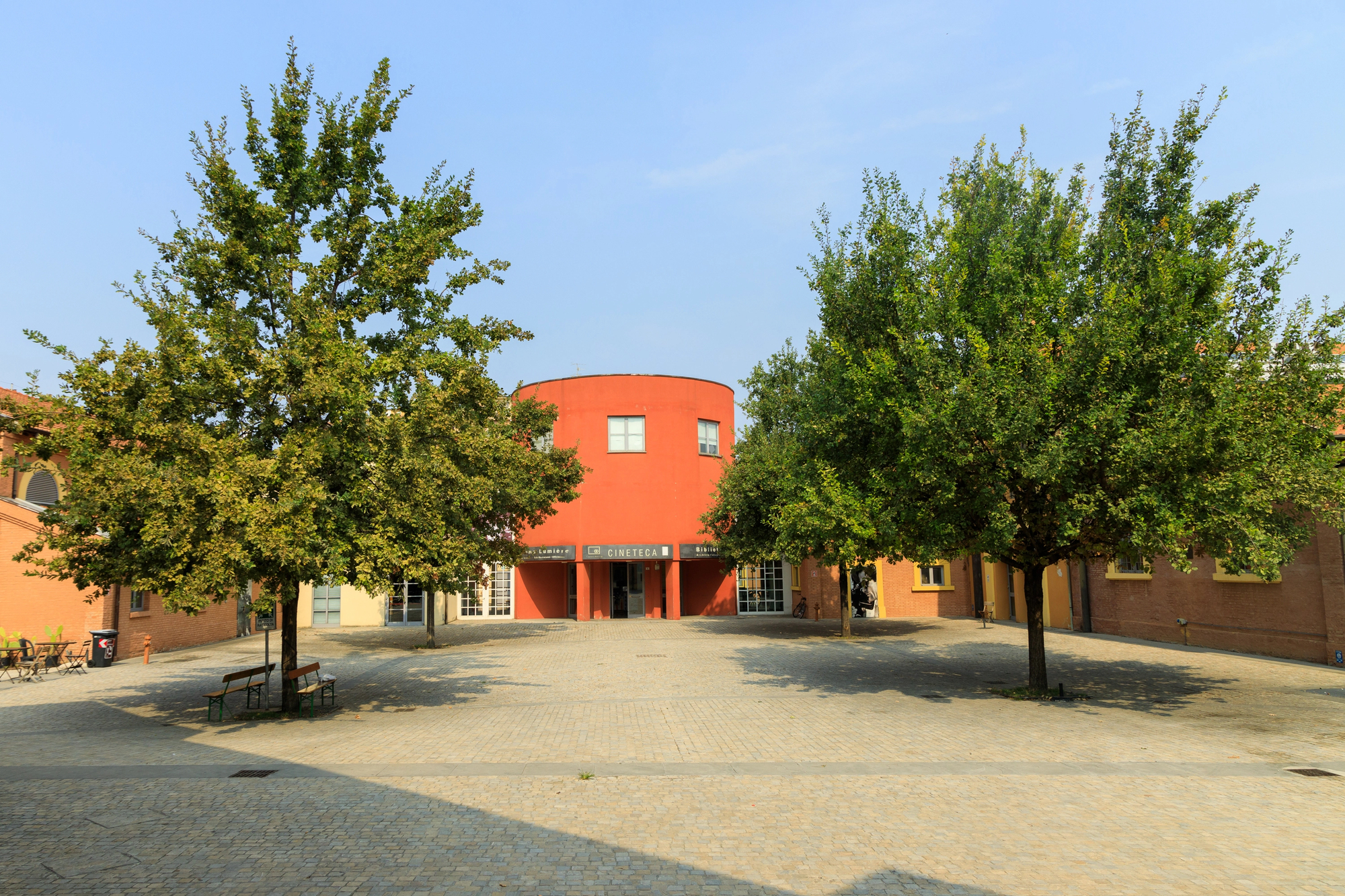
Italian state television invited filmmaker Pasolini to speak in 1975, then refused to air his address after viewing it. His speech criticized consumer capitalism and predicted that prosperity would destroy Italian culture more effectively than fascism ever had.
The network deemed his words too pessimistic and politically dangerous.
Pasolini argued that the new consumer society was creating a generation without values, replacing authentic culture with manufactured desires. He saw television itself as part of this destruction.
Speaking these words on television created an irony that the network couldn’t tolerate—using their own medium to attack their mission felt like cultural betrayal.
Julius and Ethel Rosenberg’s Final Statements
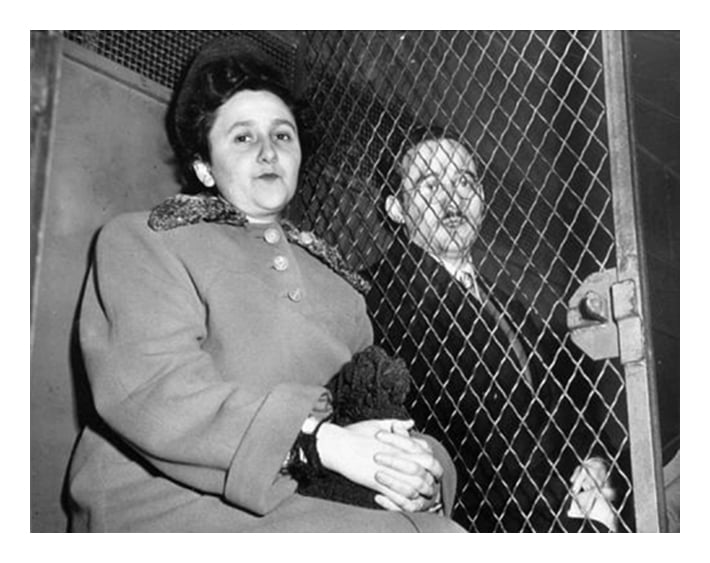
The couple’s final public statements before their execution in 1953 were heavily censored by American media. Their claims of innocence and criticism of the American justice system were deemed too inflammatory during the height of Cold War paranoid
Most newspapers refused to print their full statements.
The Rosenbergs maintained their innocence until the end, calling their trial a political persecution designed to silence dissent. Their final words accused the government of manufacturing evidence and using their case to intimidate other Americans who opposed foreign policy.
Whether true or false, these weren’t the kind of accusations the establishment wanted amplified during a time of intense international tension.
Salvador Allende’s Final Radio Broadcast
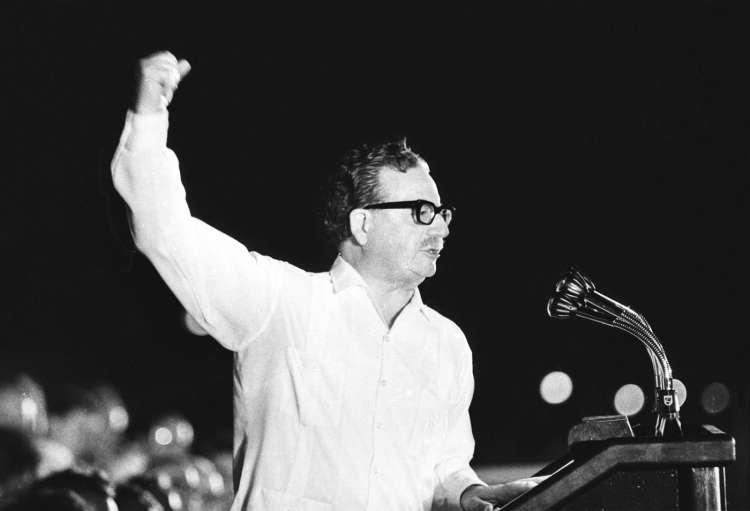
As Chilean military forces surrounded the presidential palace in 1973, Allende delivered his final address to the nation via radio. The military quickly cut the transmission and banned any replay of the speech.
Possessing recordings became illegal under the new regime.
Allende spoke directly to Chilean workers, telling them that his sacrifice would not be in vain. He predicted that the military coup would bring darkness but promised that democracy would return.
His words carried the weight of a leader who knew he was about to die for his beliefs. The military understood that preserving those words meant preserving dangerous ideas.
Dorothy Day’s Anti-War Speeches
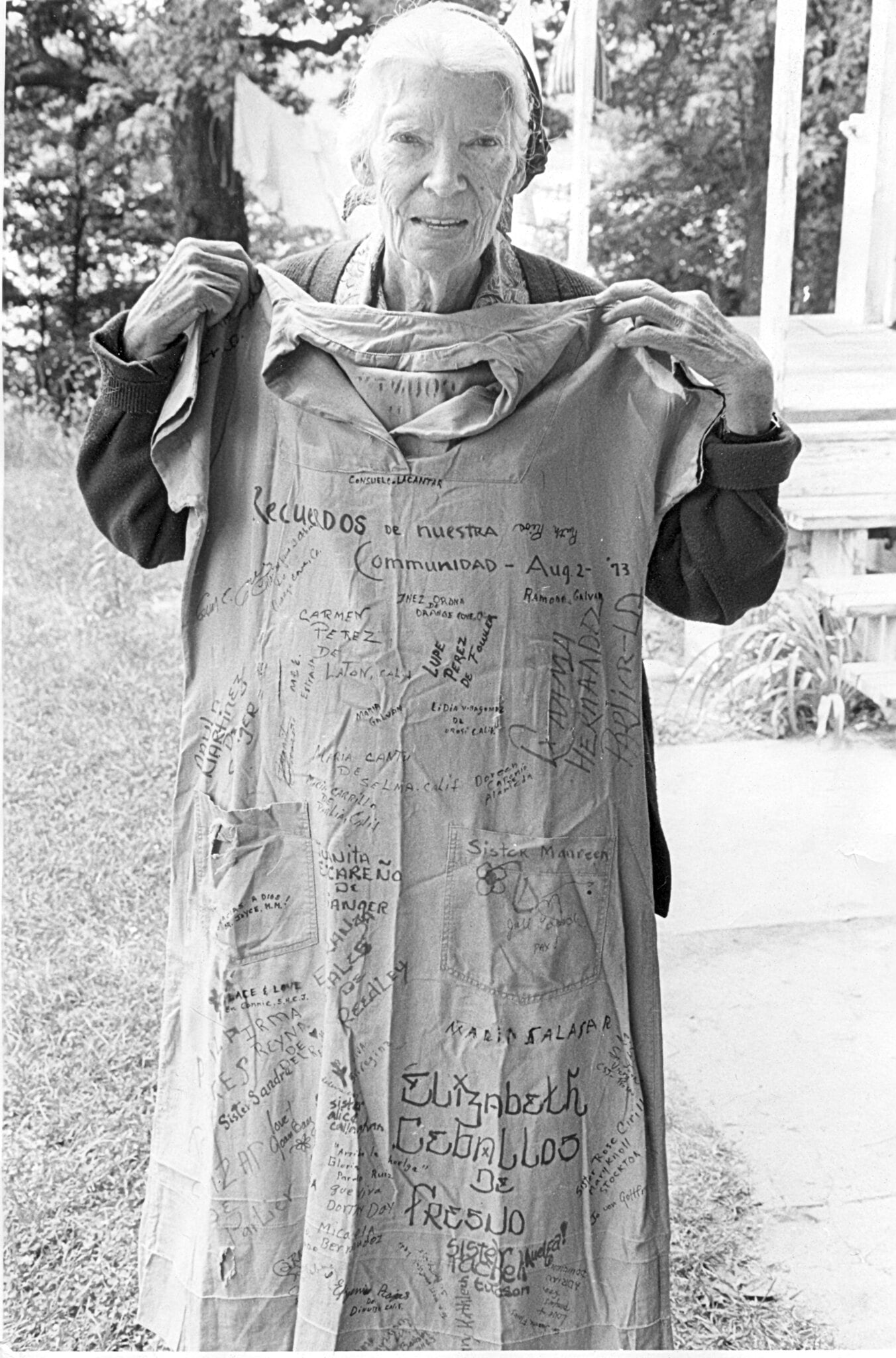
During World War II and Vietnam, Day’s pacifist speeches were banned from many venues and censored by media outlets. Her Catholic Worker movement attracted FBI surveillance specifically because of her public addresses against American military involvement.
Venues that hosted her often faced government pressure.
Day’s speeches connected Christian faith to radical pacifism in ways that challenged both religious and secular authorities. She argued that true Christianity required complete rejection of violence, even in popular wars.
Her words forced uncomfortable questions about whether faith could coexist with nationalism—questions that institutions preferred to avoid entirely.
Fred Hampton’s Rainbow Coalition Speeches
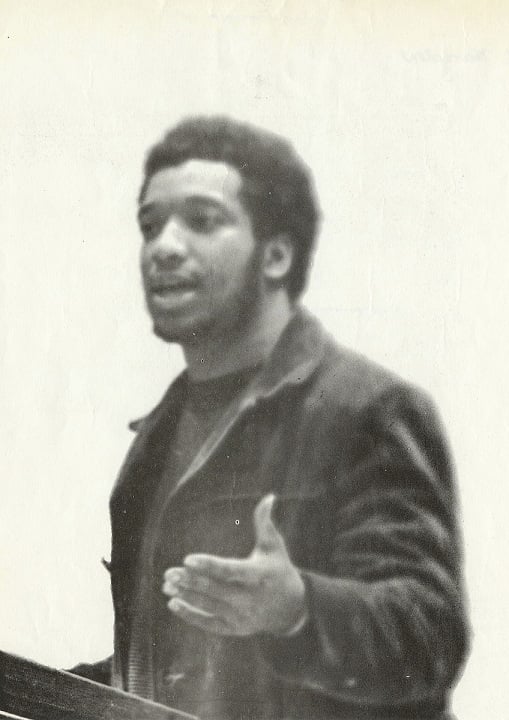
The FBI’s COINTELPRO program specifically targeted Hampton’s speeches to diverse audiences in Chicago. His ability to unite Black Panthers with white leftists and Latino activists through his oratory made him too dangerous to allow continued public speaking.
The government’s solution was to eliminate him entirely in 1969.
Hampton’s speeches broke down racial barriers by focusing on class solidarity. He spoke to rooms filled with people who traditionally viewed each other as enemies, convincing them to work together against common oppression.
His assassination removed not just a leader but a voice capable of creating the kind of coalition that could threaten existing power structures.
Patrice Lumumba’s Independence Address
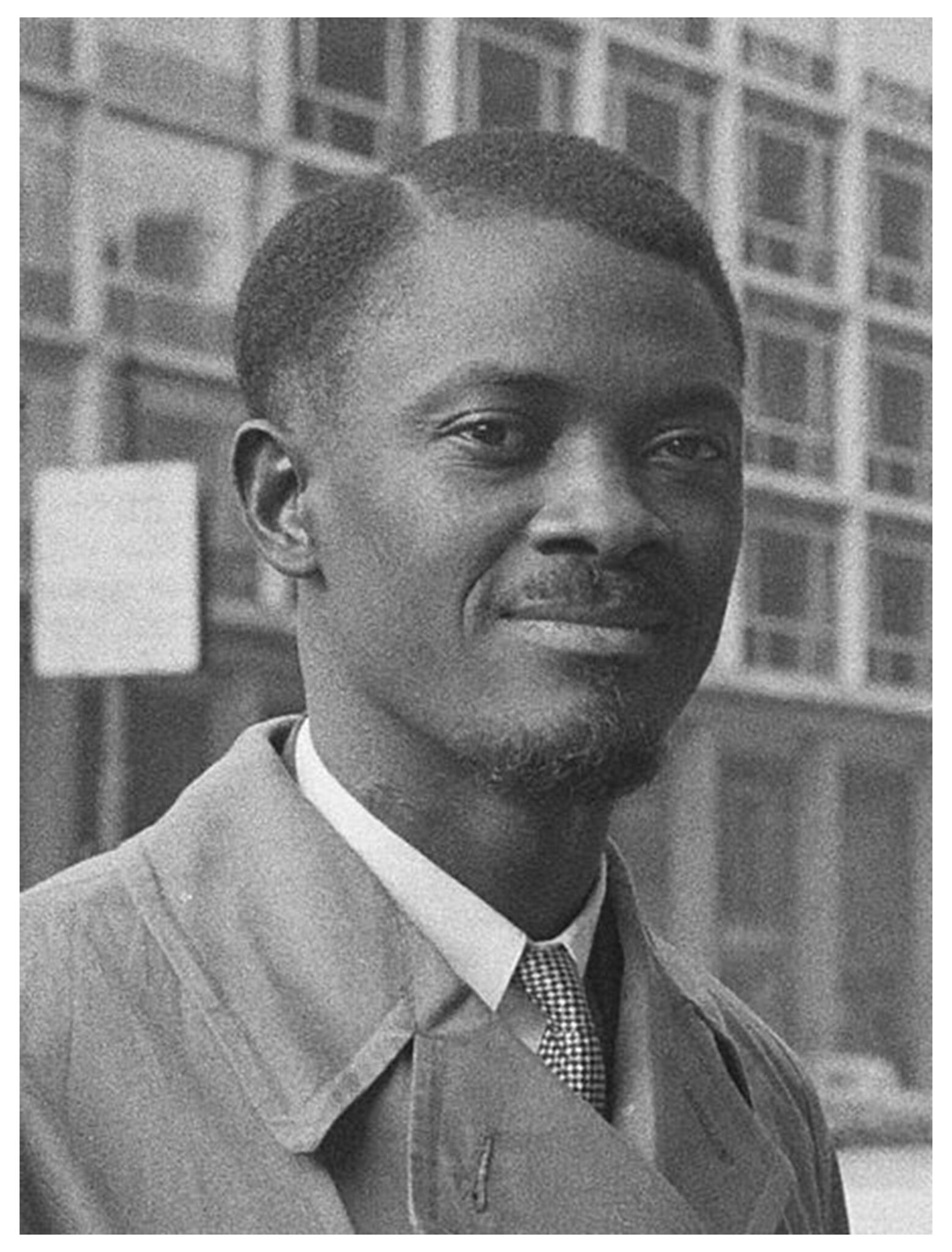
When Lumumba spoke at Congo’s independence ceremony in 1960, his unscheduled remarks about Belgian colonial brutality were immediately censored by international media. Belgian authorities tried to prevent any recording or transmission of his words.
The speech was banned throughout the Belgian Congo and suppressed in most Western coverage.
Lumumba spoke truths about colonial violence that Belgium preferred to keep hidden. He described decades of humiliation, forced labor, and exploitation while European officials sat in the same room.
His words transformed what was meant to be a ceremonial transition into an indictment of European imperialism. Within months, he was dead.
Emma Goldman’s Anti-Draft Speeches
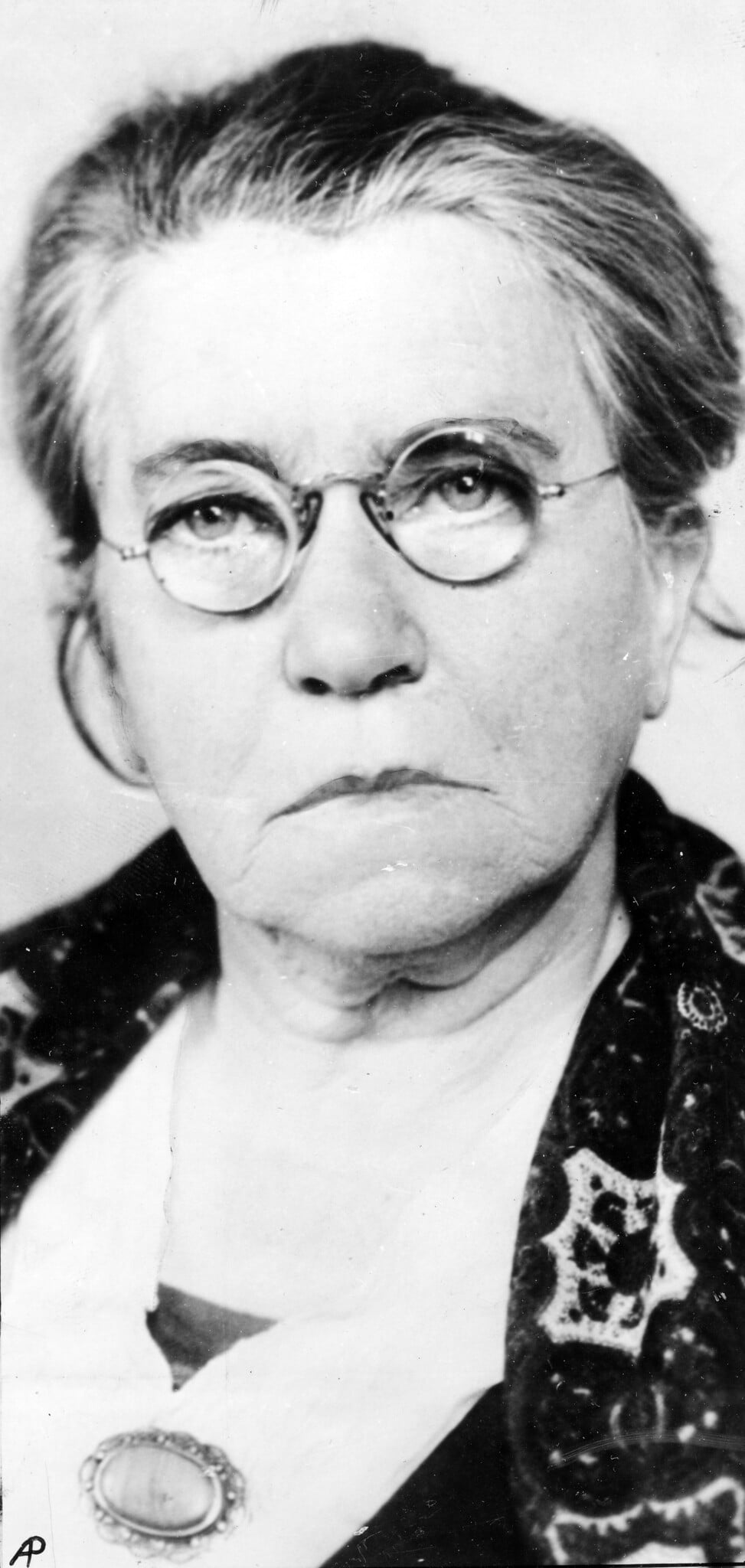
Goldman’s speeches against World War I military conscription resulted in her arrest, imprisonment, and eventual deportation from America. Her public addresses drew massive crowds but were banned in most cities.
Police regularly shut down her events and arrested attendees.
Goldman argued that poor men were being forced to fight rich men’s wars. She connected military draft to economic exploitation, patriotism to manipulation, war to profit.
Her speeches offered alternative frameworks for understanding international conflict—frameworks that threatened to undermine public support for military involvement entirely.
Daniel Ellsberg’s Pentagon Papers Presentations
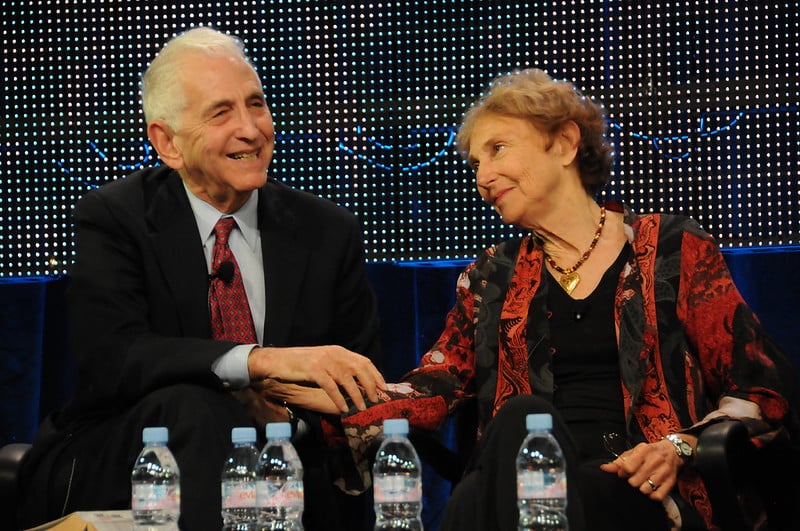
After releasing the Pentagon Papers in 1971, Ellsberg was banned from speaking at numerous universities and conferences. The government sought injunctions to prevent him from discussing classified information in public.
His planned speeches were cancelled under legal pressure.
Ellsberg’s presentations revealed systematic government deception about Vietnam War progress and objectives. His speeches provided documentary evidence that contradicted decades of official statements.
The government’s response demonstrated that truth itself could be classified when it threatened political interests.
When Words Become Weapons
These banned speeches share common threads that explain why authorities found them so threatening. Each challenged existing power structures not with violence but with ideas.
Each offered alternative ways of understanding reality that contradicted official narratives. Each demonstrated the power of words to inspire action beyond the control of those in charge.
The speakers paid steep prices for their words—imprisonment, exile, professional destruction, even death. Yet their speeches survived, often gaining more power from being banned than they might have possessed if simply ignored.
Suppression created martyrdom, censorship generated curiosity, and prohibition preserved words that might otherwise have been forgotten.
More from Go2Tutors!

- The Romanov Crown Jewels and Their Tragic Fate
- 13 Historical Mysteries That Science Still Can’t Solve
- Famous Hoaxes That Fooled the World for Years
- 15 Child Stars with Tragic Adult Lives
- 16 Famous Jewelry Pieces in History
Like Go2Tutors’s content? Follow us on MSN.