Eye-Opening Travel Spots Few People Visit
Most travel guides point you toward the same crowded destinations. Paris, Tokyo, New York—beautiful places, sure, but packed with tourists following identical itineraries.
The real magic happens elsewhere, in places that don’t show up on every Instagram feed or top-ten list. These spots change how you see the world, not because they try to impress you, but because they simply exist as themselves.
Socotra Island, Yemen
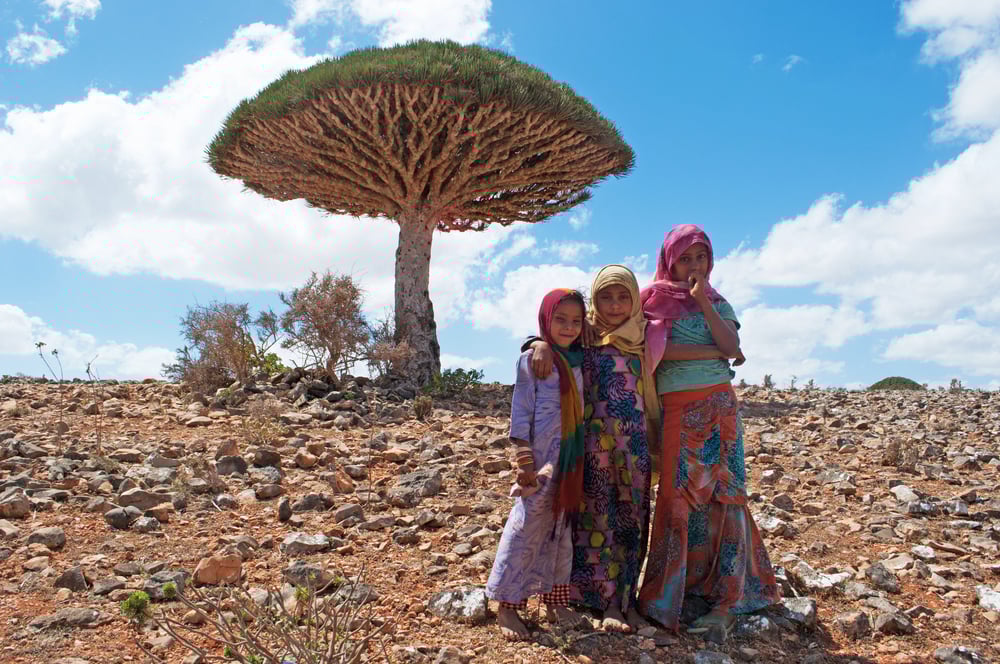
The dragon’s blood trees look like something from another planet. Their umbrella-shaped canopies spread wide against the sky, and the red sap that gives them their name has been used for centuries as medicine and dye.
Political instability keeps most travelers away, which means the island’s 700 endemic plant species remain largely undisturbed. The beaches stretch white and empty. You might spot Egyptian vultures or the Socotra sunbird without another person in sight.
The Faroe Islands
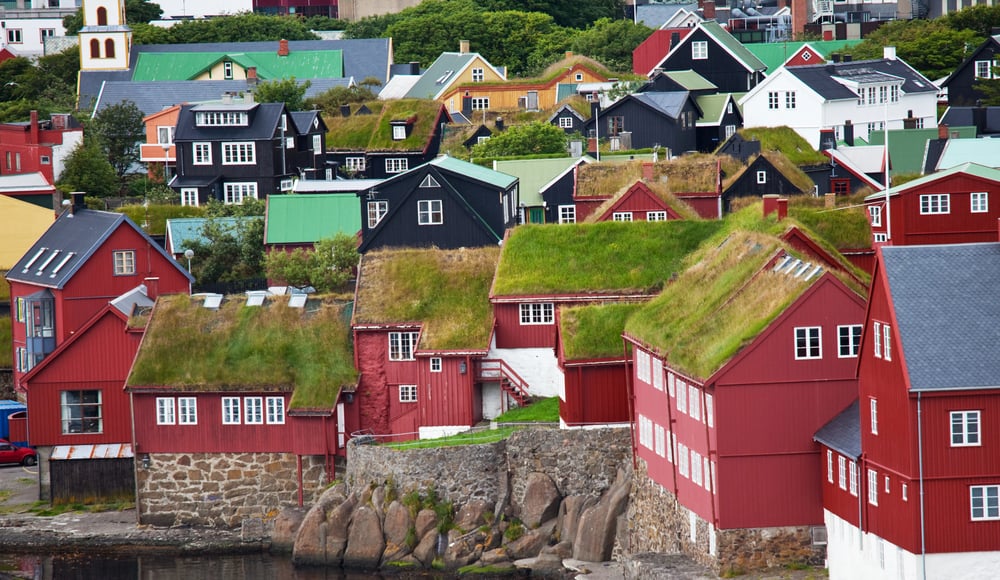
Grass-roofed houses cling to cliffsides between Denmark and Iceland. Waterfalls drop straight into the ocean.
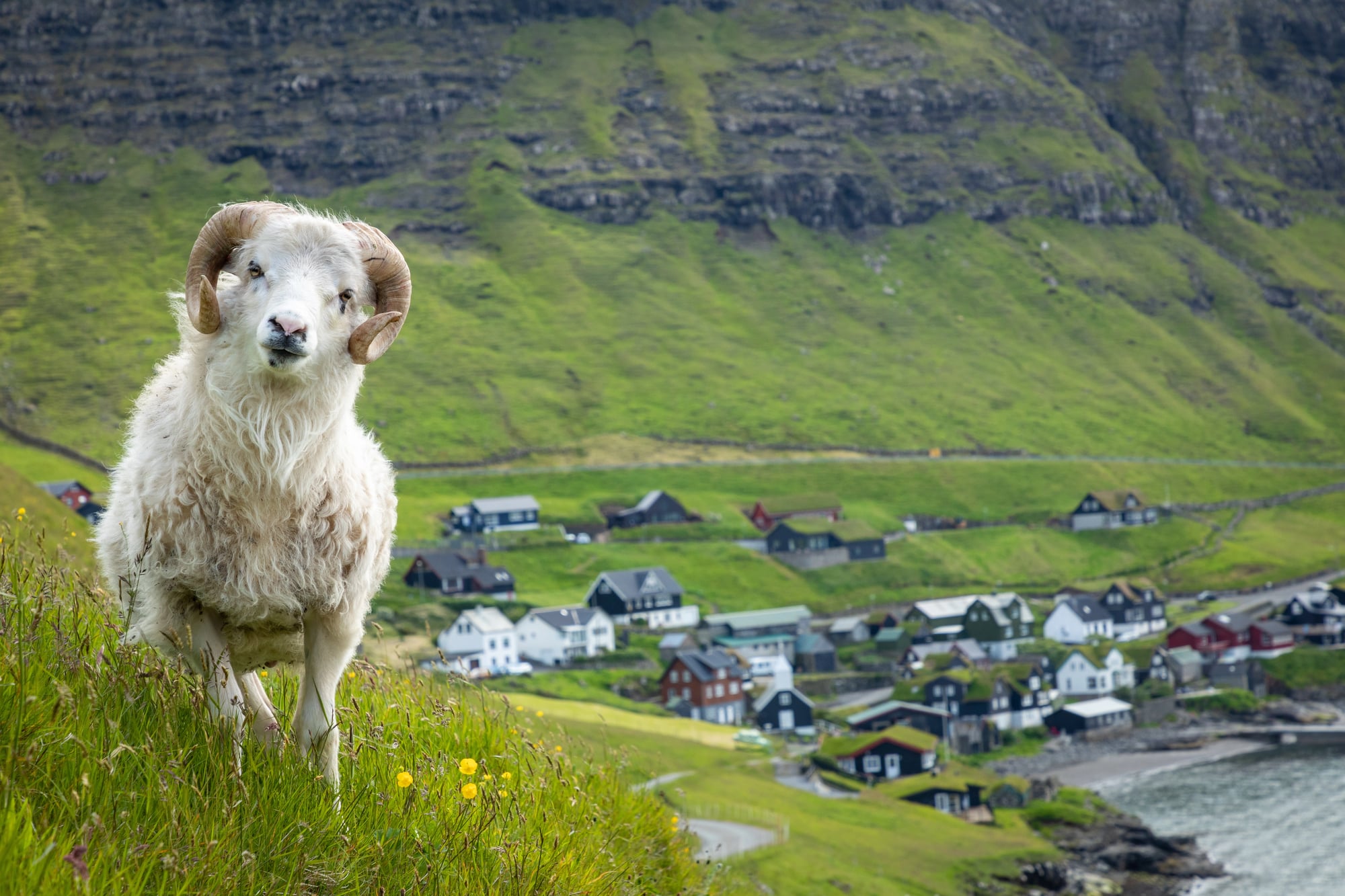
The weather changes every ten minutes—sun, rain, fog, repeat. Sheep outnumber people by more than two to one. The capital, Tórshavn, has fewer than 15,000 residents, and the entire archipelago sees maybe 100,000 visitors per year. Compare that to Iceland’s two million annual tourists and you get the picture.
Gjirokastër, Albania
Stone houses cascade down the hillside like a frozen waterfall. The Ottoman architecture stays intact because the town never had money for modern development.
That lack of funding preserved something most European cities demolished decades ago. The castle overlooks everything, and inside you’ll find a military museum with a captured US Air Force plane from the Cold War.
The bazaar sells copper goods and traditional qeleshe hats, and the locals still speak Greek in some neighborhoods. The restaurants serve tavë kosi—baked lamb with yogurt—and the recipe hasn’t changed in generations.
You can walk the entire old town in an afternoon, but you’ll want to stay longer just to sit in the stone streets and watch the light change on the mountainside.
Koyasan, Japan
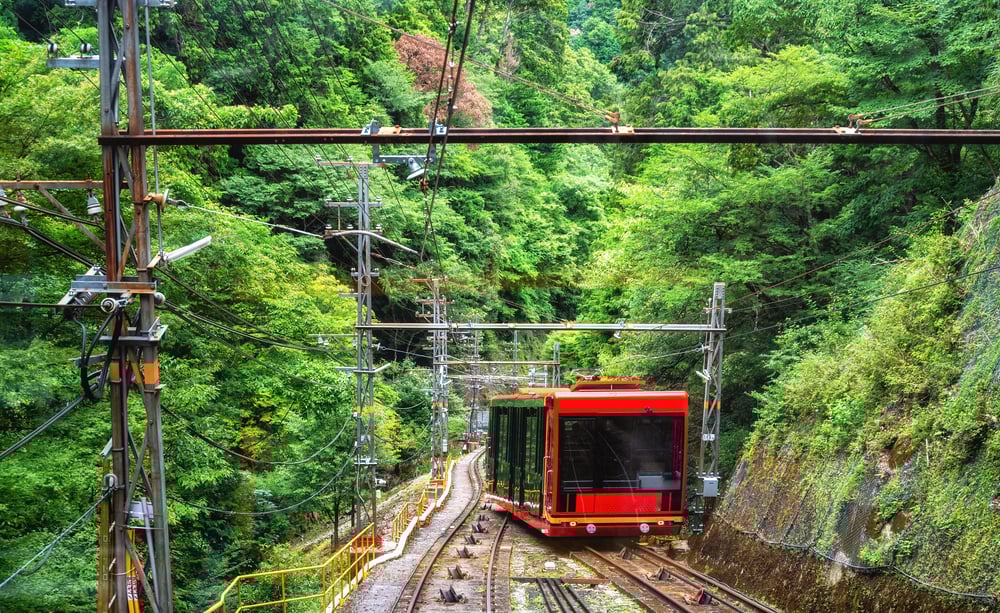
Buddhist monks have lived in these mountains for over 1,200 years. The cemetery holds more than 200,000 graves under ancient cedar trees, and moss covers the stone markers so thickly you can barely read the inscriptions.
You can stay overnight in temple lodgings where monks serve vegetarian meals and lead morning prayers. The ritual feels genuine, not performed for tourists.
Mount Koya sits far from Tokyo’s chaos. The journey involves a cable car and a bus, and that distance filters out most casual visitors.
The temples glow at night, and the forest stays quiet except for the sound of monks chanting.
Matera, Italy
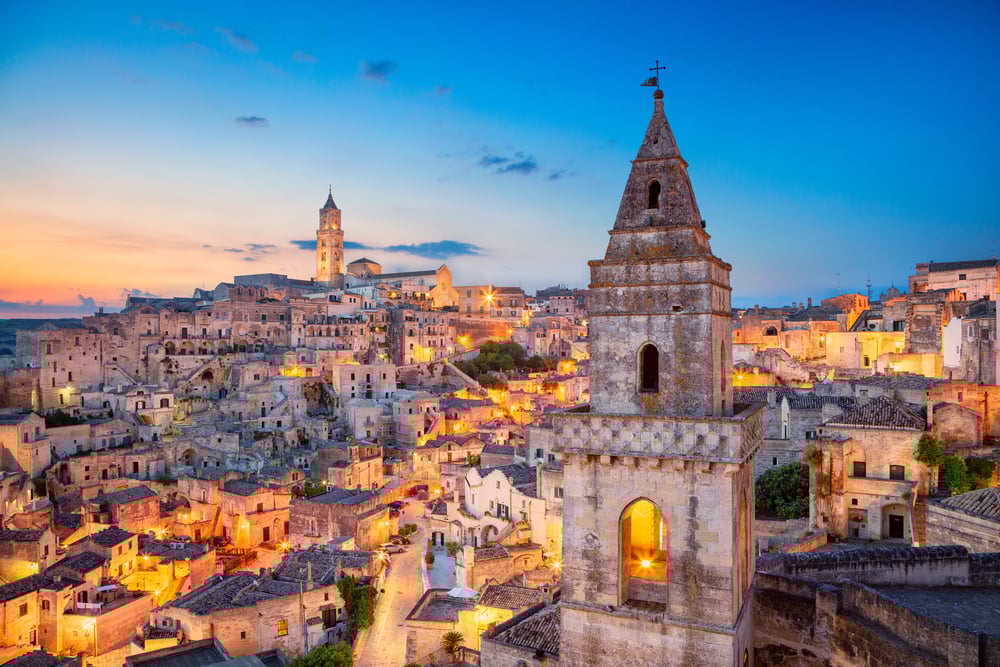
People lived in these cave dwellings for 9,000 years. The sassi—ancient stone houses carved directly into the limestone—create a cityscape unlike anywhere else in Europe.
Mel Gibson filmed The Passion of the Christ here because the setting looked Biblical without digital effects. The caves stayed inhabited until the 1950s when the Italian government forcibly relocated residents, calling the conditions shameful.
Now some of those same caves function as boutique hotels and restaurants. You can sleep in a room that humans occupied before the Roman Empire existed.
The town earned UNESCO World Heritage status in 1993, but it still doesn’t draw crowds like Rome or Florence. You can wander the narrow alleys and stone staircases without fighting through tour groups.
Chefchaouen, Morocco
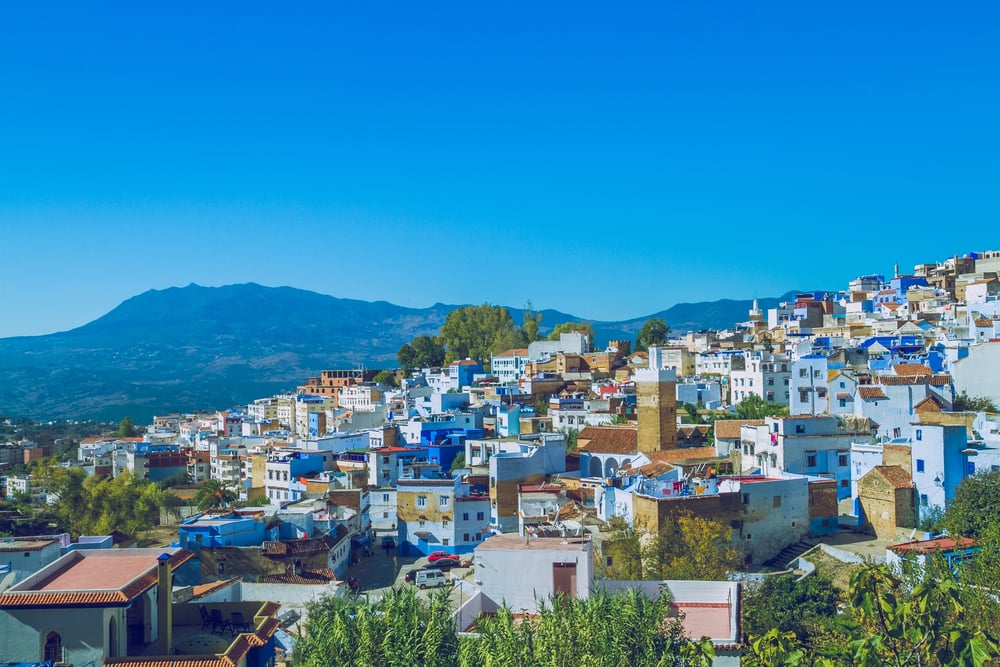
Everything gets painted blue—walls, doors, stairs, even the streets. Locals say the Jewish refugees who settled here in the 1930s started the tradition, though nobody knows for certain.
The blue might repel mosquitoes, or it might symbolize heaven, or people might just like how it looks. The town sits in the Rif Mountains, far enough from Marrakech that most tourists skip it.
The medina feels calmer than other Moroccan cities. You can actually browse the shops without aggressive haggling.
The surrounding mountains offer hiking trails to Spanish mosques and waterfalls. Street cats nap on blue doorsteps, and the evening call to prayer echoes off the painted walls.
Svalbard, Norway
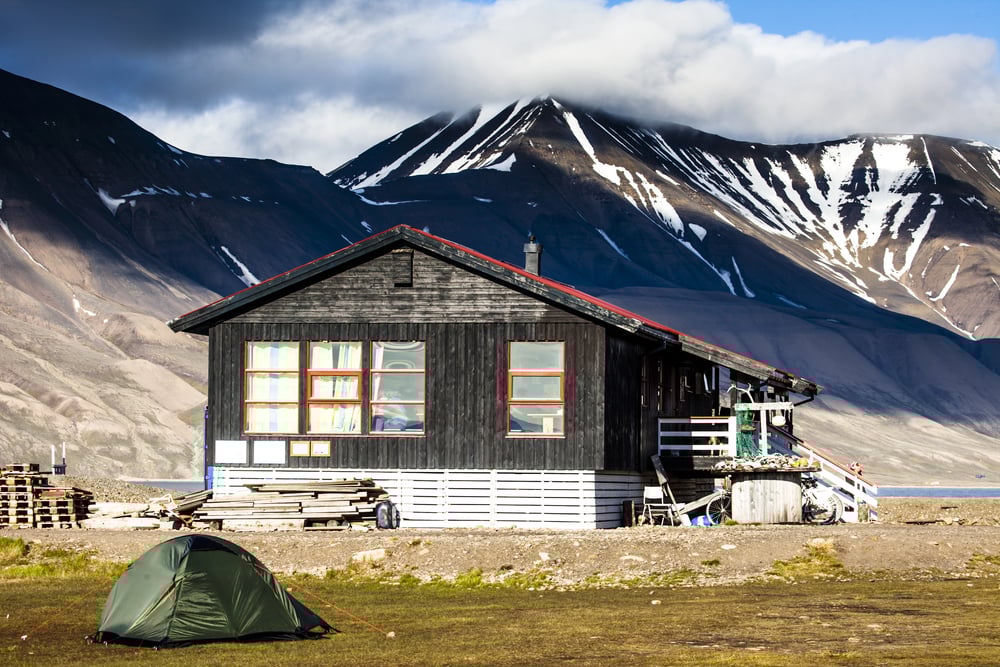
Polar bears outnumber people here. The archipelago sits halfway between mainland Norway and the North Pole, and if you leave the main settlement of Longyearbyen, you must carry a rifle.
The midnight sun lasts from April to August—24 hours of daylight that confuses your circadian rhythm completely. The Global Seed Vault stores backup copies of the world’s crop seeds deep inside the permafrost.
You can visit an abandoned Soviet mining town where buildings slowly collapse and propaganda posters still hang on walls. Glaciers calve into the Arctic Ocean, and if you’re lucky, you might spot walruses hauled out on the beach.
Luang Prabang, Laos
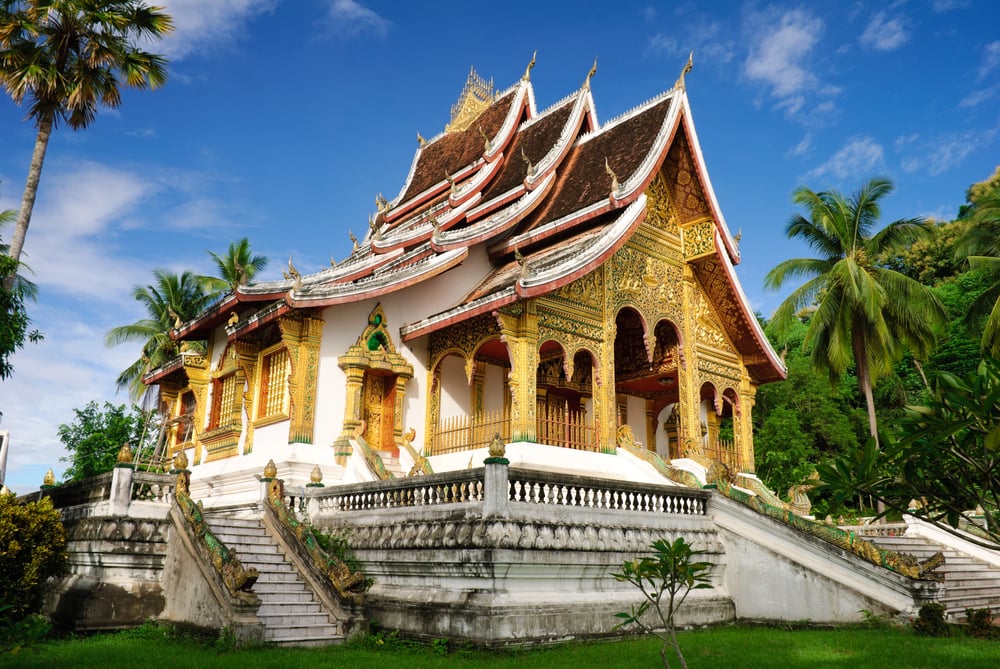
Buddhist monks walk through town every morning at dawn, collecting alms from residents who kneel on the sidewalks with offerings of rice. The ritual happens daily, and tourists can watch from a respectful distance.
The French colonial architecture mixes with traditional Lao temples, creating a visual combination you won’t find anywhere else in Southeast Asia. The Kuang Si Falls flow turquoise, and you can swim in the pools at the base.
The night market sells handmade textiles and paper lanterns, and the vendors don’t hound you. The Mekong River runs brown and lazy through town, and if you wake up early enough, mist still hangs over the water.
Tbilisi, Georgia
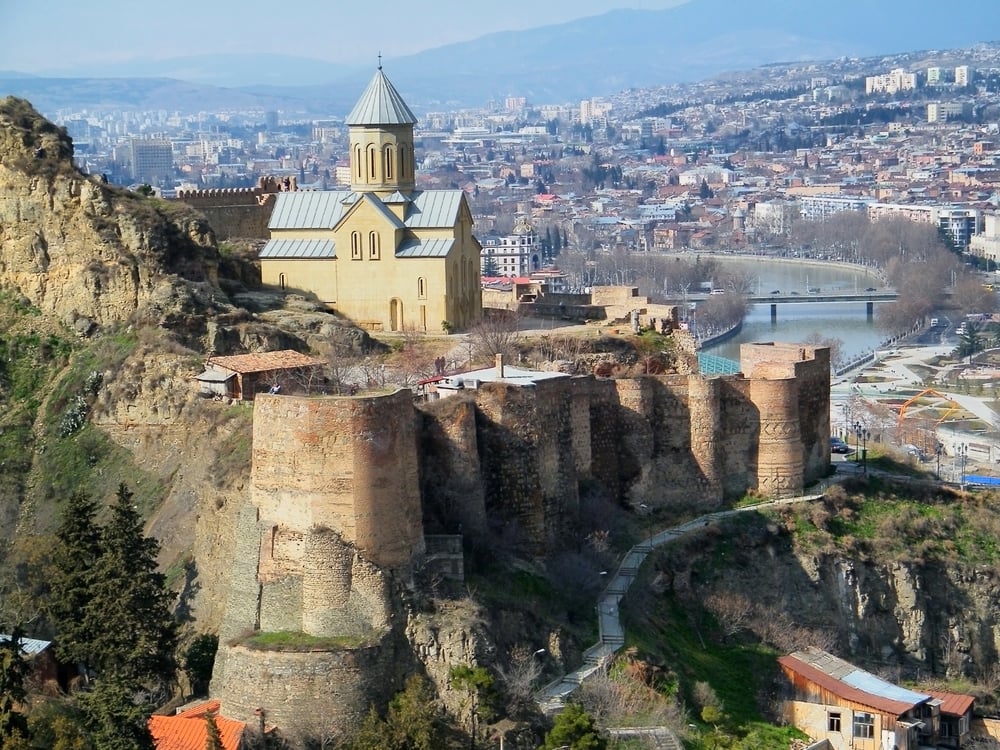
Wine has been made here for 8,000 years using qvevri—clay vessels buried underground for fermentation. The tradition predates recorded history, and Georgians still use the same techniques.
The capital sits in a valley where sulfur baths have operated since the Middle Ages. The carved wooden balconies lean over narrow streets, and Soviet brutalist architecture rises alongside 4th-century churches.
The food deserves its own paragraph. Khachapuri—cheese bread—comes in different regional styles, and khinkali dumplings require a specific eating technique to avoid spilling the broth inside.
Georgian hospitality turns strangers into family after one meal. The wine flows freely, and toasts become philosophical debates about life, death, and everything between.
The Azores, Portugal
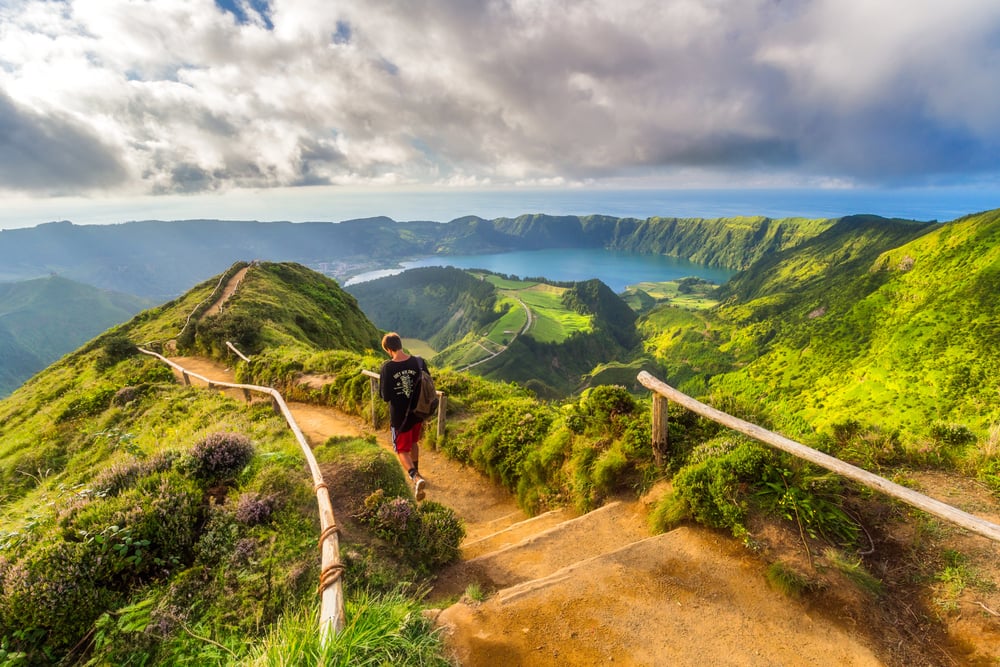
Nine volcanic islands sit in the middle of the Atlantic, closer to North America than mainland Portugal. Hydrangeas bloom wild along the roadsides, turning entire hillsides blue and pink.
Hot springs bubble up on beaches where you can alternate between ocean swims and thermal soaks. Whales migrate past the islands, and you can watch them from boats that launch from tiny fishing villages.
São Miguel’s Sete Cidades crater holds two lakes—one green, one blue—separated by a narrow bridge. Local legend says they formed from the tears of a princess and a shepherd boy, but geology offers a less romantic explanation.
Either way, the view from the crater rim stops you cold.
Salento, Colombia
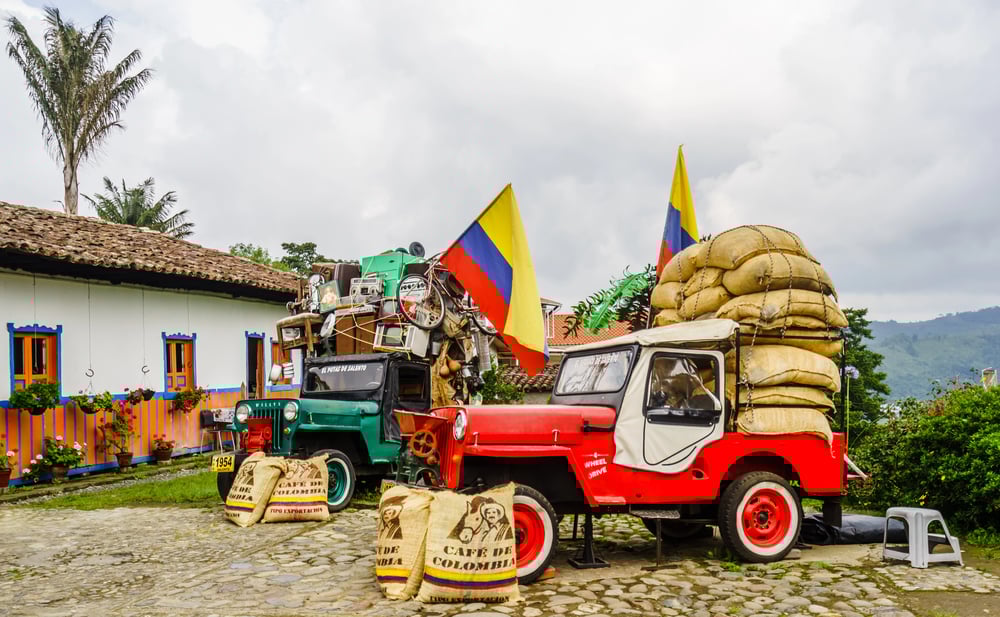
Coffee grows on these hillsides, and the farms welcome visitors who want to understand the process from bean to cup. The town’s architecture shows its Spanish colonial past through colorful buildings and whitewashed churches.
The real draw sits a short drive away: Valle de Cocora. Palm trees that can grow 200 feet tall dominate the valley.
They’re the tallest palms in the world, and they look ridiculous rising out of green fields where cattle graze. The hiking trail winds through cloud forest before reaching the valley floor.
You can ride horses through the landscape, though walking lets you appreciate the scale better.
Gobustan, Azerbaijan
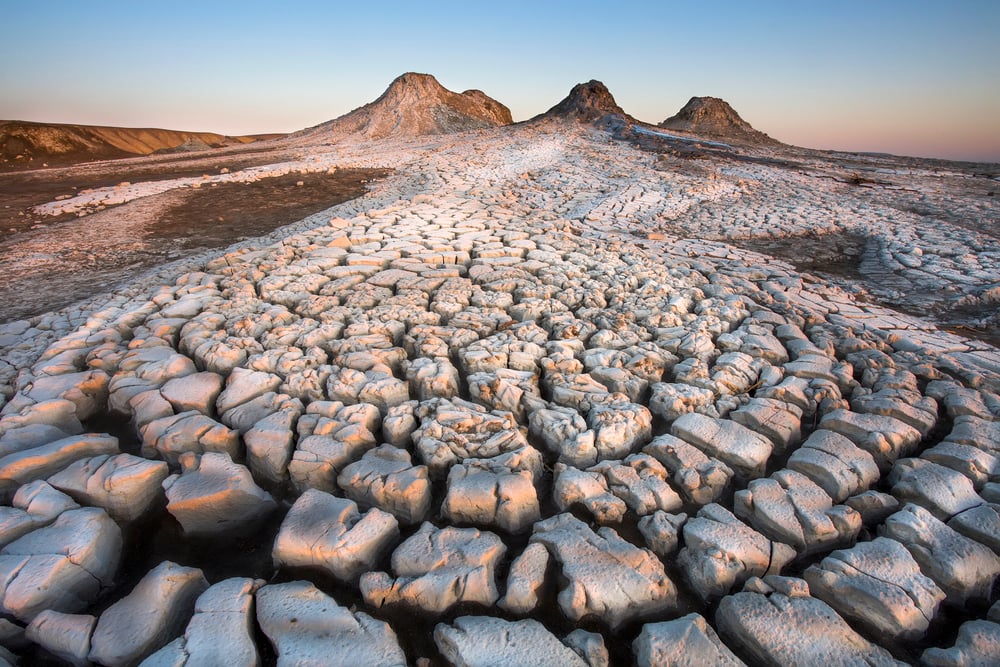
Petroglyphs carved into rock faces show scenes from 40,000 years ago. Ancient people drew hunting parties and dancing figures using tools that barely scratched the surface.
The images survived because this region stays so dry that erosion works slowly. Mud volcanoes bubble nearby, and the landscape looks Martian—gray craters that occasionally spew mud instead of lava.
Baku sits close enough for a day trip, but few tourists make the journey. The site offers more than just old drawings.
It shows how humans lived before writing, before agriculture, when survival depended on knowing animal migration patterns and water sources. The stones hold that knowledge, and standing there makes you feel very small and very temporary.
Rotorua, New Zealand
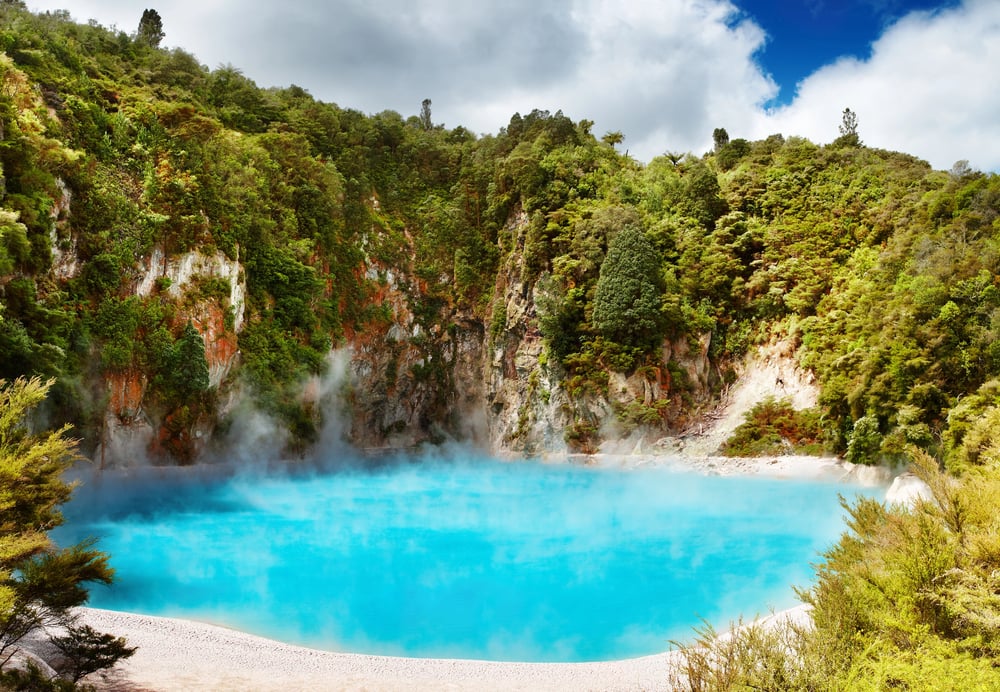
The whole town smells like sulfur from the geothermal activity underground. Geysers erupt on schedule, and mud pools burp and plop like something alive.
The Maori cultural performances show traditional dances and hangi feasts cooked underground using volcanic heat. It feels authentic, not staged for tourists, though tourism drives the economy.
Lake Rotorua sits in a volcanic crater, and hot springs line the shore where you can soak while watching the sunset. The redwood forest on the edge of town has treetop walkways suspended 40 feet up.
The region has the kind of raw volcanic energy that reminds you the Earth’s crust is thin and temporary.
Huacachina, Peru
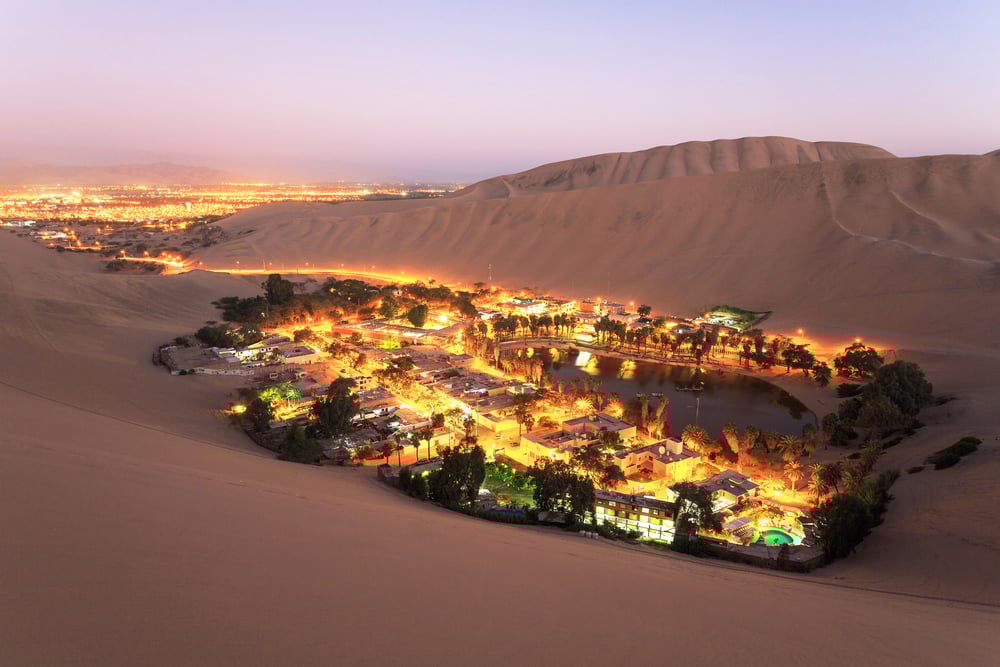
A desert oasis surrounds a natural lake, and palm trees grow from sand dunes that rise hundreds of feet high. The whole scene looks photoshopped, but you can walk down to the water and touch it.
Locals say the lake has healing properties, though the water level drops each year as the surrounding desert expands. Dune buggies race up and down the sand hills, and you can sandboard down slopes that would break your bones if you fell wrong.
The sunsets turn the dunes orange and purple, and the handful of hotels around the lake light up like a mirage. The nearest city, Ica, produces pisco—Peru’s grape brandy—and the bodegas offer tastings that last hours.
Raja Ampat, Indonesia
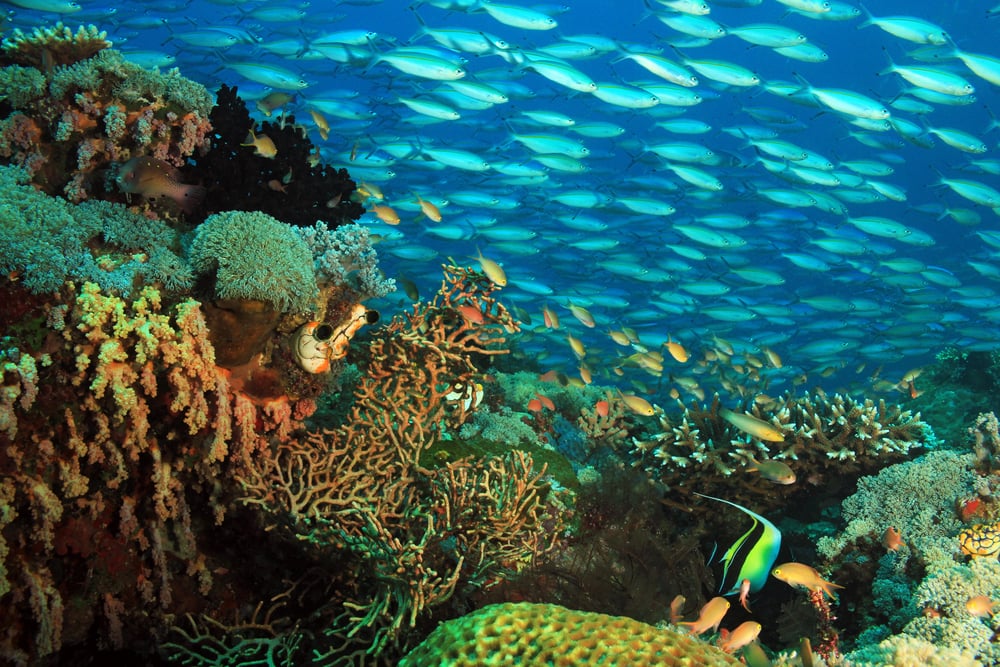
Life in the ocean here beats every other place on the planet. Of all coral types we know, three out of four call these waters home – thanks largely to isolation keeping harm at bay.
Getting there means hopping planes, then boarding boats, one after another. That chain of travel knocks most people back before they even start. Only those dead set on arriving ever make it through.
Towering limestone spikes jut out of the bright blue sea, looking unreal. Snorkeling near shore reveals manta rays, reef sharks, yet also swarms of fish thick enough to dim sunlight.
Homes perch on wooden legs above the waves, while fishing follows old ways passed down generations. Getting there means securing permission first, because rules set by Indonesia protect the area – money collected keeps nature intact.
Where Unpaved Roads Lead
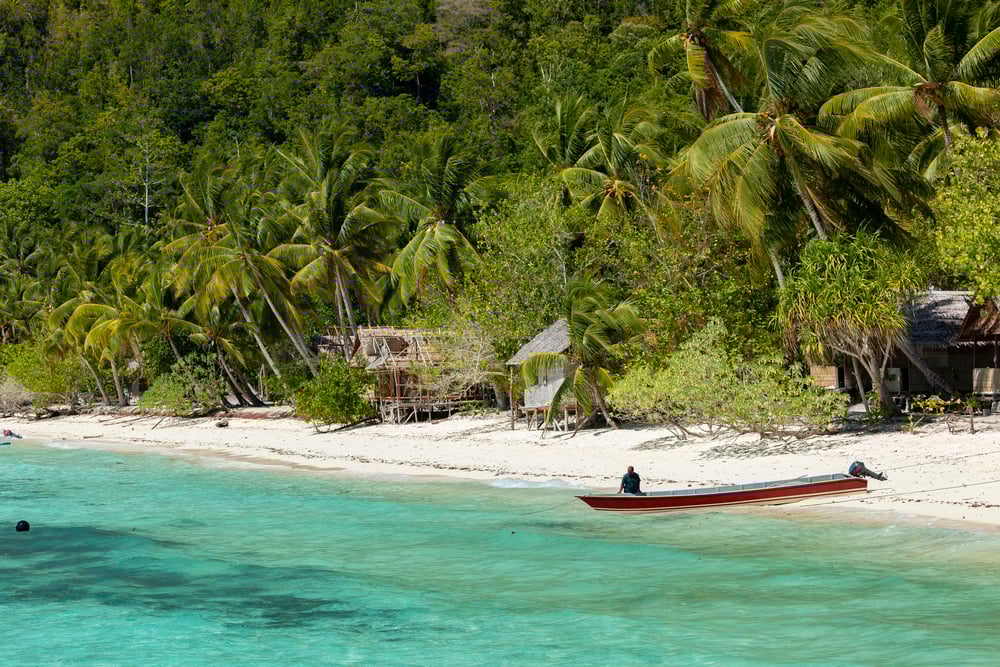
Out here, comfort fades fast. Not a single luxury hotel in sight, nor signs written in your native tongue.
Instead, days unfold on unfamiliar terms – adjusting becomes routine. Accepting rough edges turns normal.
You start noticing how life operates beyond your usual frame. Real learning hides in those glances, sounds, silences.
It shows up when routines you swore were universal suddenly seem different. Even small habits shift without announcement.
Understanding grows quietly, in steps too subtle to name. Hard to get to, often overlooked spots remain untouched simply due to rough access or tricky local conditions.
Yet it’s exactly that challenge which gives them truth. Pretending you’re far from everything doesn’t work – real distance can’t be copied.
Discovery here isn’t staged; it happens on its own terms. Far from photo trends and curated wanderlust machines, these corners don’t perform.
What you see is what they are – no promises, no performance. Perhaps that’s exactly it. It could be the spots indifferent to your presence offer the truest journeys – places refusing to bend for ease, demanding you adapt instead.
After everything else fades – the snapshots dimming, recollections smudging – it’s these stubborn corners of earth that linger. Slowly they shift not only your view of faraway lands, but where you fit within them.
More from Go2Tutors!

- The Romanov Crown Jewels and Their Tragic Fate
- 13 Historical Mysteries That Science Still Can’t Solve
- Famous Hoaxes That Fooled the World for Years
- 15 Child Stars with Tragic Adult Lives
- 16 Famous Jewelry Pieces in History
Like Go2Tutors’s content? Follow us on MSN.



